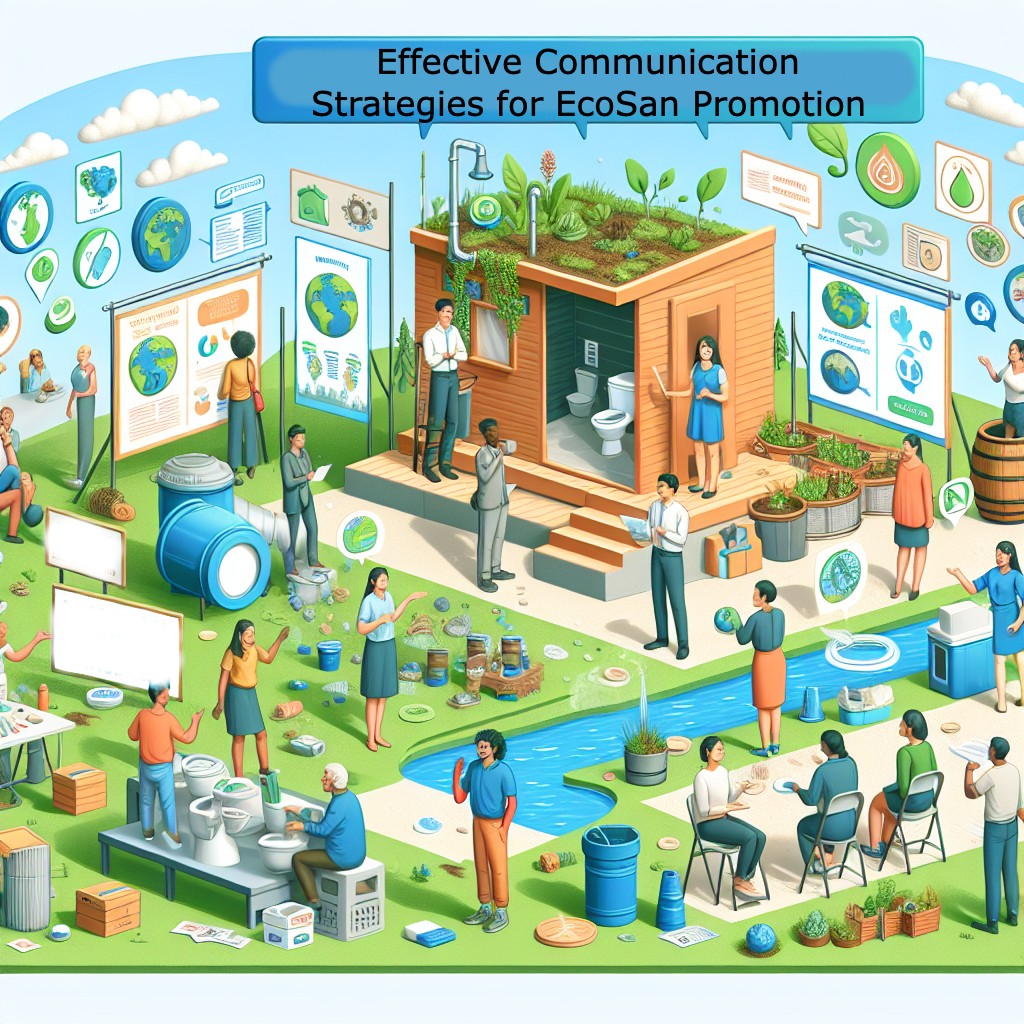
Ecological sanitation (EcoSan) is a sustainable sanitation approach that seeks to close the loop between sanitation and agriculture. By converting human waste into valuable resources like compost and fertilizer, EcoSan reduces environmental pollution and promotes agricultural sustainability. However, the successful implementation of EcoSan projects requires precise planning and community engagement. In this context, women and youth play an instrumental role. This article explores the critical importance of engaging these groups in EcoSan implementation strategies, particularly in rural and underdeveloped regions.
Introduction
Ecological sanitation (EcoSan) is not just a technological approach; it is a holistic, community-centered methodology aimed at environmental sustainability and public health improvement. While technological advancements and innovative designs are critical components, the human dimension cannot be overstated. Women and youth bring unique perspectives, energy, and commitment to EcoSan projects. Their involvement is essential for both the short-term success of these projects and their long-term sustainability.
Women are often the primary managers of household water and sanitation, giving them firsthand experience with the challenges and opportunities associated with these systems. Their engagement ensures that the EcoSan facilities are tailored to meet community needs and preferences, thereby fostering greater acceptance and utilization. Youth, on the other hand, are more adaptable to new technologies and practices. They represent the future custodians of EcoSan principles, making their involvement crucial for the sustained impact of sanitation projects over generations.
The integration of women and youth in EcoSan projects strengthens community resilience and accelerates progress towards sustainable development goals. Therefore, it is critical to explore strategies that effectively engage these groups, ensuring that EcoSan projects are not only technically sound but also socially inclusive and culturally appropriate.
The Role of Women in EcoSan Projects
Women are central to the success of EcoSan projects for several reasons. Firstly, they possess an in-depth understanding of community dynamics and sanitation issues, which can drive the formulation of relevant and practical solutions. Additionally, women’s direct involvement in household sanitation makes them more invested in the success of these initiatives.
Strategies to engage women in EcoSan projects include:
- Capacity Building: Training programs that empower women with technical skills related to EcoSan systems can enhance their roles as community leaders and educators. By building their capacity, women can contribute more effectively to the installation, operation, and maintenance of EcoSan facilities.
- Participatory Planning: Involving women in the decision-making processes ensures that their preferences and needs are taken into account. This includes aspects like location, design, and management of sanitation facilities. Such participatory approaches lead to higher acceptance and sustainability of the projects.
- Leadership Opportunities: Encouraging women to take on leadership roles within EcoSan initiatives fosters gender equality and boosts community trust and participation. Female leaders can act as role models and motivators within the community, promoting wider adoption of sustainable practices.
- Economic Empowerment: EcoSan projects can provide women with economic opportunities such as the production and sale of compost and biofertilizers. These activities not only enhance their financial independence but also incentivize community participation in EcoSan practices.
By actively involving women in EcoSan projects, communities can leverage their insights and dedication, ensuring that sanitation solutions are both effective and sustainable.
Engaging Youth in EcoSan Projects
Youth represent the next generation of leaders and innovators. Engaging them in EcoSan projects is essential for the long-term sustainability of these initiatives. Young people are typically more open to new ideas and technologies, making them ideal candidates for promoting and advancing EcoSan principles.
Strategies to engage youth include:
- Educational Programs: Integrating EcoSan education into school curriculums and extracurricular activities raises awareness and fosters a culture of sustainability from an early age. Educational initiatives can include workshops, field trips, and practical demonstrations of EcoSan technologies.
- Youth-Led Initiatives: Encouraging youth to lead EcoSan projects promotes ownership and responsibility. Young people can organize community clean-up drives, awareness campaigns, and sanitation monitoring activities, acting as ambassadors for ecological sanitation.
- Innovation Challenges: Hosting competitions and challenges can stimulate youth to develop innovative solutions for sanitation issues. These activities not only foster creativity but also build technical and problem-solving skills.
- Mentorship Programs: Pairing youth with experienced professionals and community leaders provides guidance and support, helping them to become effective advocates for EcoSan practices. Mentorship can also bridge the knowledge gap and ensure continuity of best practices.
Engaging youth harnesses their energy and innovative potential, driving the adoption and sustainment of EcoSan projects within communities.

Community Outreach and Awareness
For EcoSan projects to succeed, community outreach and awareness campaigns are crucial. These campaigns should target all demographic groups, but with a special focus on women and youth. Awareness efforts can demystify sanitation technologies, dispel misconceptions, and highlight the benefits of EcoSan practices.
Effective outreach strategies include:
- Information Sessions: Organizing regular community meetings and information sessions can help educate residents about the benefits and technical aspects of EcoSan. These sessions should be interactive, providing opportunities for participants to ask questions and express concerns.
- Media Engagement: Utilizing local media channels such as radio, TV, and social media can amplify outreach efforts. Success stories, testimonials, and educational content can be shared widely, increasing awareness and acceptance of EcoSan initiatives.
- Community Champions: Identifying and training community champions who can advocate for EcoSan practices adds a personal touch to outreach efforts. These champions can lead by example, showcasing the practical benefits of EcoSan in daily life.
- Collaborative Networks: Building partnerships with local organizations, schools, and health centers can extend the reach of awareness campaigns. Collaborative networks provide additional platforms for spreading the message and involving more community members in EcoSan projects.
Effective outreach and awareness campaigns ensure community buy-in and active participation, which are vital for the longevity of EcoSan projects.
Overcoming Challenges in EcoSan Implementation
Implementing EcoSan projects comes with its set of challenges. Addressing these challenges comprehensively ensures the successful adoption and sustenance of these systems. Key challenges include cultural acceptance, technical capability, and financial constraints.
Strategies to overcome these challenges include:
- Cultural Considerations: Understanding and respecting cultural norms and practices is paramount. Tailoring EcoSan solutions to align with local customs and preferences can enhance acceptance. Engaging local leaders and influencers can also bridge the cultural gap.
- Comprehensive Training: Providing thorough training for community members on the construction, operation, and maintenance of EcoSan systems ensures that technical issues are minimized. This includes hands-on training sessions, informational materials, and continuous support.
- Financial Solutions: Seeking funding and financial support from government bodies, NGOs, and private donors can alleviate financial constraints. Additionally, creating micro-financing opportunities or community savings groups can support low-income households in adopting EcoSan systems.
- Monitoring and Evaluation: Implementing robust monitoring and evaluation frameworks track the progress and impact of EcoSan projects. Regular assessments help identify areas for improvement and ensure that the systems are functioning as intended. Community feedback mechanisms also play a critical role in ongoing project refinement.
Proactively addressing these challenges can pave the way for successful and sustainable EcoSan implementation.
Policy and Institutional Support
Policy and institutional backing are critical for scaling up EcoSan projects. Governments and institutions play a vital role in creating enabling environments through legislation, funding, and advocacy.
Recommendations for policy and institutional support include:
- Clear Policy Frameworks: Developing comprehensive sanitation policies that incorporate EcoSan principles can guide implementation. These policies should address regulatory standards, waste management protocols, and incentives for sustainable practices.
- Funding Mechanisms: Allocating funds specifically for EcoSan projects can boost implementation efforts. Governments and institutions can create grants, subsidies, and other financial instruments to support community adoption of EcoSan systems.
- Research and Development: Investing in R&D can lead to innovative EcoSan solutions tailored to diverse environmental and cultural contexts. Institutions can collaborate with academic and research entities to advance EcoSan technologies and practices.
- Capacity Building Programs: Governments and organizations should develop capacity-building programs for local authorities, NGOs, and community groups. Enhancing the skills and knowledge of these stakeholders ensures effective project management and sustainability.
Strong policy and institutional support create a conducive environment for the widespread adoption and success of EcoSan projects.
Conclusion
Ecological sanitation offers a sustainable solution to the pressing global sanitation crisis. However, its successful implementation hinges on active community participation, particularly the engagement of women and youth. By harnessing the unique strengths and perspectives of these groups, EcoSan projects can achieve greater acceptance, efficacy, and longevity.
Women, with their intricate understanding of household sanitation and community dynamics, are invaluable assets in the planning, execution, and maintenance of EcoSan systems. Their empowerment through training, leadership opportunities, and economic incentives can drive project success. Similarly, youth bring innovation, adaptability, and enthusiasm to EcoSan initiatives, ensuring their perpetuation across generations.
Effective strategies for community outreach, overcoming implementation challenges, and garnering policy support further contribute to the viability of EcoSan projects. As we continue to explore and implement these strategies, it is essential to prioritize inclusivity and sustainability, ensuring that EcoSan benefits reach all members of the community.
Ultimately, engaging women and youth in EcoSan projects is not just a strategy for better sanitation; it is a pathway to building resilient, empowered, and sustainable communities. With their active participation, we can move closer to achieving the global goals of health, environmental sustainability, and social equity.