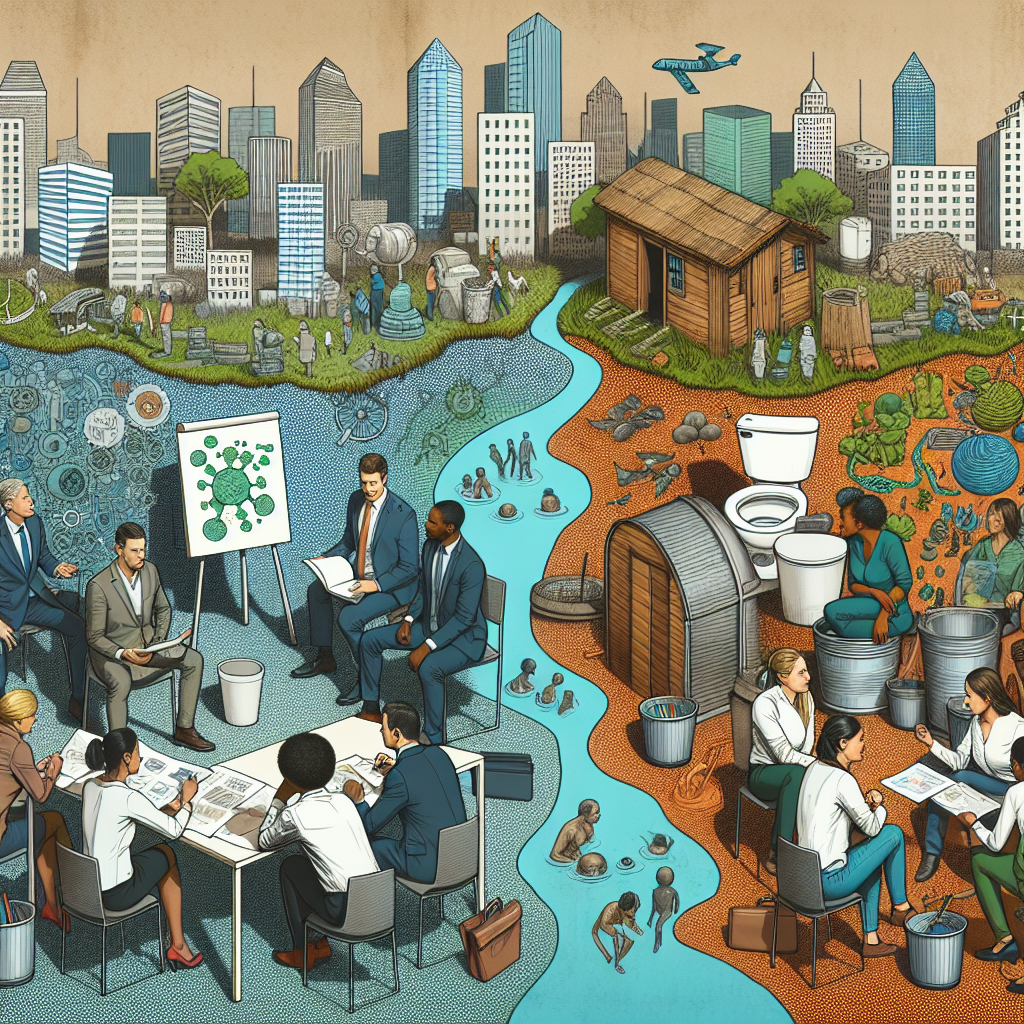
In recent years, ecological sanitation (EcoSan) has emerged as a progressive approach to waste management, highlighting a sustainable alternative to conventional sanitation systems. As global challenges include climate change, water scarcity, and rapid urbanization, the demand for effective sanitation solutions has surged. EcoSan encapsulates the principles of reducing waste, recycling nutrients, and reusing water—thereby protecting the environment and promoting public health.
However, the success of EcoSan projects hinges not just on technical excellence but also on navigating the complex web of legal and regulatory frameworks that govern their implementation. Governments, municipalities, planners, and citizens are integral stakeholders in this process, each with a crucial role to play. Understanding these frameworks is essential to lay the groundwork for implementing EcoSan systems effectively and ensuring long-term viability and compliance.
This article delves into the key strategies that stakeholders must adopt to successfully navigate the legal and regulatory landscapes in EcoSan projects. From identifying applicable legal provisions to engaging local communities, we’ll explore a comprehensive roadmap to guide you through the myriad challenges and opportunities in EcoSan implementation. Whether you’re a policy-maker, a sanitation planner, or an advocate for sustainable development, this guide will offer valuable insights to help you steer EcoSan projects toward success.
Understanding Legal Frameworks
EcoSan projects operate within a diverse array of legal frameworks, which vary significantly from one region to another. These frameworks encompass a broad spectrum, including environmental laws, public health regulations, building codes, and water management guidelines. Therefore, one of the foundational steps in EcoSan implementation is to thoroughly understand the legal landscape within which your project will operate.
Start by identifying the specific environmental, health, and sanitation laws applicable to your region. For instance, environmental laws may dictate how waste should be treated and disposed of, while public health regulations will provide guidelines to ensure that EcoSan systems do not pose any risks to human health. Building codes and water management guidelines will further outline requirements for constructing and maintaining EcoSan infrastructures, including aspects like plumbing, waste segregation, and water recycling.
Engaging legal experts or consultants who specialize in environmental law can be advantageous. These professionals can help you interpret complex legal jargon, ensure your project complies with all relevant laws, and assist you in acquiring necessary permits and licenses. Additionally, staying abreast with updates and amendments to these laws is crucial, as environmental and public health regulations are dynamic and subject to change.
In summary, a thorough understanding of the legal frameworks will serve as the bedrock for your EcoSan project, mitigating risks of non-compliance and fostering a legally sound implementation process.
Building Regulatory Compliance
Once you have a robust understanding of the legal frameworks, the next crucial step is to ensure regulatory compliance. Regulatory bodies play an instrumental role in overseeing the implementation of EcoSan projects, ensuring they adhere to the prescribed norms and standards.
Begin by identifying the pertinent regulatory authorities in your region, which could include environmental protection agencies, public health departments, and water management boards. Establishing a constructive relationship with these regulators can be beneficial, as they can provide valuable guidance and support throughout your project.
Furthermore, prepare comprehensive documentation to demonstrate compliance, including detailed plans of your EcoSan systems, environmental impact assessments, risk mitigation strategies, and maintenance protocols. These documents not only serve as evidence of adherence to regulations but also showcase your commitment to sustainable practices and public health protection.
Regular inspections and audits by regulatory bodies are common, and being well-prepared can enhance the credibility of your project. Mitigating compliance risks through proactive measures, such as continuous monitoring of the systems and prompt rectification of any deviations, will foster a smooth implementation process. Remember, achieving regulatory compliance is not a one-time task but an ongoing endeavor that demands vigilance and diligence.
Community Engagement and Awareness
EcoSan projects thrive on the collective support and participation of the communities they serve. Therefore, effective community engagement and awareness initiatives are vital components of the implementation strategy. A well-informed and involved community can significantly enhance the acceptance and success of EcoSan systems.
Initiate community engagement early in the planning phase, fostering open dialogue with local residents, community leaders, and other stakeholders. Organize workshops, focus group discussions, and public meetings to educate the community about the benefits and operational aspects of EcoSan. Transparency and inclusivity in communication will build trust and a sense of ownership among the community members.
Moreover, addressing any concerns or misconceptions surrounding EcoSan, such as hygiene, odor, and maintenance, is crucial. Providing practical demonstrations and success stories from other EcoSan projects can foster a positive perception and willingness to participate.
Involvement in decision-making processes, such as selecting EcoSan technologies or determining maintenance responsibilities, empowers the community and ensures that the systems are tailored to their specific needs and preferences. By cultivating a collaborative relationship with the community, you lay a robust foundation for the sustainable operation and maintenance of EcoSan systems.
Financial Planning and Sustainability
A well-devised financial plan is paramount for the success and longevity of EcoSan projects. Financial sustainability ensures that the systems remain operational and effective long after the initial implementation phase.
Begin by conducting a comprehensive cost analysis, encompassing all facets such as initial construction, materials, labor, and ongoing maintenance. Identifying potential funding sources is equally critical. Funding for EcoSan projects can be sourced from governmental grants, international development agencies, private sector investments, and community contributions.
Creating a diverse funding portfolio minimizes financial risks and leverages multiple streams of income to support project sustainability. Additionally, explore innovative financing mechanisms such as microfinancing, public-private partnerships, and community-based funding models. These approaches can facilitate resource mobilization and enhance financial resilience.
Cost-recovery strategies, such as charging user fees or monetizing by-products (e.g., compost or biogas), can further bolster financial sustainability. However, it is essential to ensure that any fees or charges are affordable and equitable, preventing financial barriers to access. Regular financial audits and transparent accounting practices will maintain fiscal discipline and foster stakeholder confidence in the project’s economic viability.
Technical Training and Capacity Building
The technical competence of personnel involved in EcoSan projects is a pivotal factor influencing their success. Thus, prioritizing technical training and capacity building is essential to ensure the effective implementation and maintenance of EcoSan systems.
Begin by identifying the specific technical skills and knowledge required for your project, ranging from construction and installation to maintenance and monitoring. Engaging with training organizations, technical experts, and capacity-building agencies can provide tailored training programs that align with your project’s needs.
Structured training workshops, hands-on demonstrations, and field visits can enhance practical skills and deepen understanding among the personnel. Furthermore, fostering continuous learning by providing access to updated resources, technological advancements, and best practice guides will keep the workforce adept in evolving dynamics of EcoSan systems.
Building local capacity by training community members and local technicians promotes self-reliance and sustainable management of EcoSan systems. Additionally, creating a network of trained professionals and establishing knowledge-sharing platforms enables peer learning and collaborative problem-solving, contributing to the long-term success of EcoSan projects.
Monitoring and Evaluation
The final piece of the EcoSan puzzle is establishing robust monitoring and evaluation (M&E) mechanisms. Effective M&E systems provide valuable insights into the performance, impact, and areas for improvement in EcoSan projects.
Start by defining clear, measurable indicators that align with your project’s objectives, such as health outcomes, environmental impacts, user satisfaction, and financial performance. Developing a comprehensive M&E framework that outlines data collection methods, timelines, and responsibilities will streamline the evaluation process.
Engage independent evaluators or M&E specialists to ensure objective assessments and provide an unbiased perspective on your project’s performance. Regular monitoring visits, data analysis, and periodic evaluations allow for real-time tracking and prompt corrective actions.
Feedback from the community and other stakeholders is an invaluable component of the M&E process. Conducting surveys, focus group discussions, and community feedback sessions can provide grassroots insights into the project’s efficacy and acceptability.
Documenting and disseminating the findings from M&E activities through reports, case studies, and knowledge platforms contributes to the broader understanding and advancement of EcoSan practices. A robust M&E system not only validates the project’s success but also paves the way for replicable models and continuous improvement in EcoSan initiatives.
Conclusion
Implementing EcoSan projects requires a multifaceted approach, incorporating legal acumen, regulatory compliance, community engagement, financial planning, technical training, and meticulous monitoring. Each of these components plays a pivotal role in ensuring the successful and sustainable deployment of EcoSan systems.
Navigating the complex legal and regulatory frameworks demands a thorough understanding of the local legislative landscape and a proactive approach to compliance. Building constructive relationships with regulatory authorities and maintaining comprehensive documentation are crucial strides towards achieving regulatory approval and operational legitimacy.
Community involvement is paramount, fostering acceptance and active participation in the project. Financial sustainability, supported by diverse funding sources and innovative financing mechanisms, ensures the enduring operational success of EcoSan systems. Technical training and capacity-building efforts equip personnel with the necessary skills and knowledge, while robust monitoring and evaluation frameworks facilitate continuous improvement and validate the project’s impact.
Laying the groundwork for EcoSan implementation is a journey that necessitates strategic planning, collaborative efforts, and unwavering commitment to sustainability and public health protection. As we venture forward, the integration of EcoSan systems represents a transformative leap towards environmentally friendly and hygienically sound sanitation solutions, addressing the pressing challenges of our times.