The implementation of Ecosanitation (EcoSan) in areas experiencing water scarcity is a timely and relevant subject. Across the globe, the challenge of water scarcity has become more pressing due to environmental changes and population growth. In regions where every drop counts, solutions need to be innovative and sustainable. This is where EcoSan comes into play. EcoSan is not just a technological approach; it embodies a philosophy that aims to address water scarcity while managing waste effectively. By efficiently recycling nutrients contained in human waste, EcoSan transforms a waste problem into a resource opportunity. Hundreds of communities around the world stand to benefit significantly from this approach. This article delves deep into the facets of EcoSan as a viable, sustainable solution in areas grappling with water shortage, examining its principles, benefits, and challenges. The focus extends to its practical application, societal understanding, and embracing a culture of sustainability. This comprehensive exploration will equip stakeholders in water-scarce regions with the crucial insights needed to adapt and adopt EcoSan systems effectively, paving the way for sustainable living.
The Principles of EcoSan
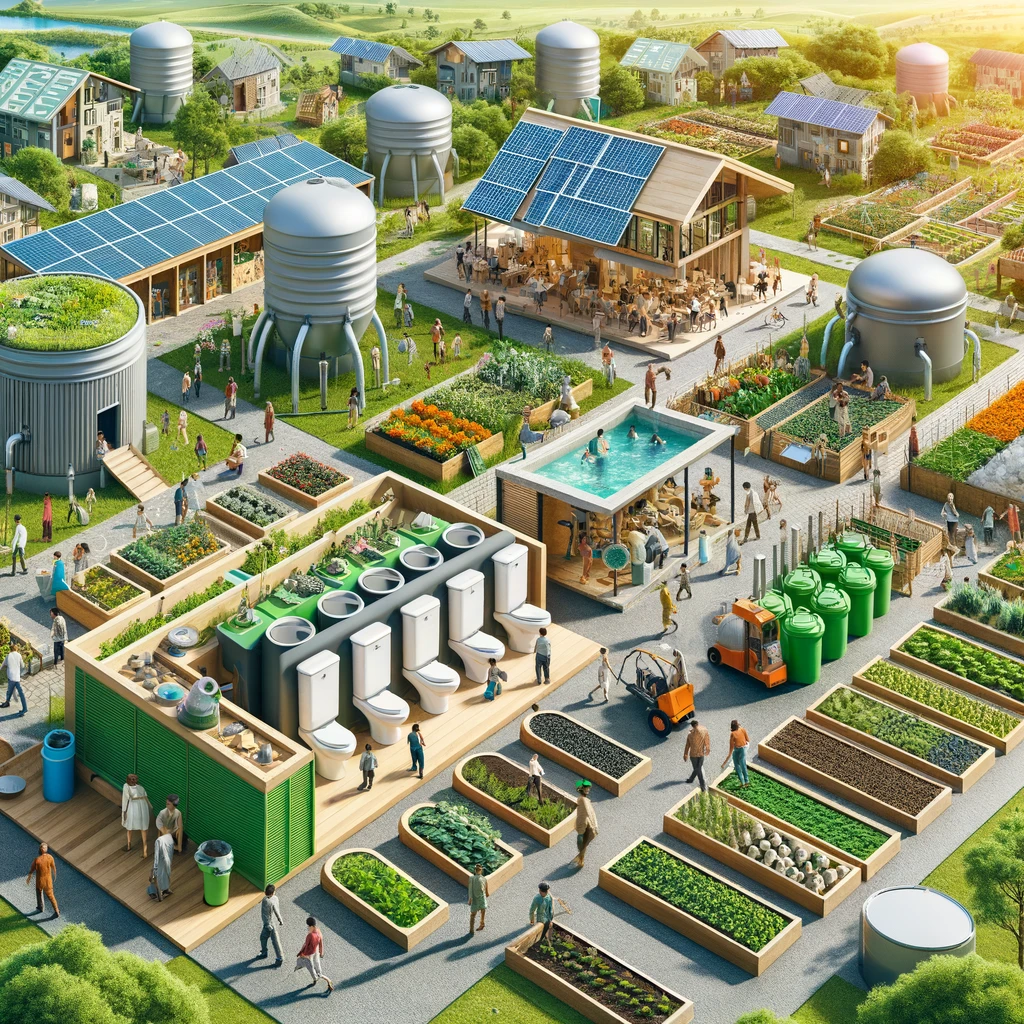
At the core of EcoSan lies a paradigm shift from traditional waste disposal methods to an ecological cycle approach. The fundamental principles hinge upon separating waste at the source, reusing nutrients, and integrating ecological cycles. This model emphasizes the importance of maintaining a closed-loop system where the nutrients found in human excreta are recycled back into the environment as beneficial, non-toxic resources. By treating human waste as a natural resource rather than a disposal problem, EcoSan systems minimize the dependency on water, preserve freshwater resources by eliminating the need for water-intensive sewage systems, and provide a steady flow of plant nutrients. Moreover, EcoSan stands to redesign the sanitation narrative through distinct approaches such as dual-flush toilets, urine diversion dehydration toilets, and composting systems, each tailored to specific environmental and cultural contexts and each playing a pivotal role in nurturing sustainability.
Infrastructure and Implementation
How EcoSan is implemented depends critically on the infrastructure available in any given area. The infrastructure must be adaptable to EcoSan components, including composting mechanisms and urine diversion systems designed for nutrient recovery. Typically, EcoSan systems involve the installation of toilets that operate with minimal or no water, such as dry toilets. These systems often incorporate features to separate urine and feces, a process crucial for improving the efficiency of nutrient recycling and for reducing odor issues. Such infrastructure requires technical know-how for proper installation and maintenance. Community involvement is essential; it is only through collective effort that sustainable sanitation solutions can be developed and maintained. Therefore, implementing EcoSan not only involves putting physical systems in place but also engaging with the community to build an understanding and acceptance of new practices.
Benefits of EcoSan
EcoSan’s array of benefits makes it a compelling choice for water-scarce regions. Firstly, EcoSan enables significant water conservation, as many of its systems operate with less water or waterless solutions, allowing precious water resources to be conserved or redirected to other significant uses like irrigation and drinking. Secondly, it contributes to food security by converting waste into valuable fertilizers, improving soil fertility, and enabling successful crop production. While contributing to the nutritional cycle, Ecosan also addresses health and hygiene standards by reducing pathogens through effective waste treatment. Additional benefits include potential economic savings for households and communities as dependence on expensive conventional sewage systems diminishes. Finally, EcoSan contributes positively to environmental protection by reducing the contamination that results from traditional sanitation systems. Overall, EcoSan presents itself as an economically viable, ecologically friendly, and socially sustainable option.
Challenges and Considerations
Although EcoSan holds great promise, implementation comes with its set of challenges and considerations. One of the primary challenges is the cultural acceptability of using human waste products as fertilizers due to prevalent social stigmas. Educational campaigns and awareness programs are necessary to emphasize EcoSan’s benefits and transform perceptions. Furthermore, infrastructure investment may be prohibitive for economically disadvantaged areas, where funding for sustainable sanitation needs to be sourced. Capacity building is required to equip locals with the skills and knowledge to manage and operate EcoSan systems. EcoSan also demands regular maintenance and involvement from local communities to ensure its long-term sustainability. Finally, policy frameworks and government support play crucial roles in fostering an environment conducive to the widespread acceptance and implementation of EcoSan systems. The shift towards EcoSan will also need suitable legal and governmental guidelines to facilitate its integration into existing sanitation policies.
Practical Application and Case Studies
EcoSan’s practical application is illustrated in successful case studies from diverse regions. In rural Kenya, the implementation of urine-diverting dry toilets has resulted in remarkable progress. These toilets facilitate the collection and subsequent use of urine as a fertilizer, enhancing crop yields and, thus, food security. Similarly, in India, the community-led total sanitation (CLTS) approach integrated with EcoSan has led to sustainable cleanliness practices and improved hygiene, reducing disease outbreaks significantly. Other regions, such as Namibia, have embraced ecological sanitation techniques for water reclamation to irrigate arid lands successfully. Each case highlights EcoSan’s potential and adaptability across diverse environments, stressing the importance of community involvement and tailored solutions adapted to the local setting. These examples serve as vital learning models to encourage broader implementation in areas battling water scarcity.
Societal Understanding and Cultural Shifts
Transitioning to EcoSan requires significant societal understanding and cultural shifts. Traditionally, many societies have maintained a form of disconnect between human waste management and resource recovery. To overcome this barrier, focus on education and information dissemination is crucial. It is important to articulate the role of EcoSan in sustainable development by framing waste not as an end product but as a means to further ecological growth. Encouraging community-driven initiatives and empowering local leaders to promote EcoSan can significantly shift perceptions and attitudes. Additionally, integrating gender perspectives in EcoSan discussions is vital to address any gender-specific sanitation needs and barriers. Over time, these educational efforts and positive demonstrations can help cultivate an acceptance of ecological principles, gradually adopting EcoSan systems as the norm, significantly contributing to not only water conservation but broader environmental consciousness.
Conclusion
In conclusion, the implementation of EcoSan in areas suffering from water scarcity is more than a necessity; it is an opportunity for transformative change. The principles of EcoSan, when correctly applied, promise vast benefits ranging from water conservation to improved sanitation and enhanced agricultural production. With its sustainable approach, EcoSan presents a viable pathway to address the pressing challenges of sanitation in water-scarce regions. Tackling the hurdles of cultural acceptance, infrastructure cost, and necessary policy support requires a multi-faceted approach. Collaboration between governments, communities, and development agencies is indispensable for successful EcoSan adoption. As our societies increasingly feel the pinch of water scarcity, embedding EcoSan within our environmental strategies becomes crucial. By doing so, communities can move towards sustainability while safeguarding the health and well-being of current and future generations. The journey towards embracing EcoSan calls for global participation, shared expertise, and a commitment to nurturing our planet’s resources conscientiously. Ultimately, as more regions experience the positive impacts of EcoSan, it could spark a revolution in how sanitation and waste management are perceived, paving the way for a greener, more equitable world.
Frequently Asked Questions
1. What exactly is EcoSan, and how does it address water scarcity issues?
EcoSan, short for ecological sanitation, is an innovative approach that emphasizes not only effective sanitation solutions but also the conservation and maximization of valuable resources—one of which is water. In areas beset by water scarcity, traditional sanitation systems like flush toilets demand a considerable amount of water per use, which is simply not feasible. EcoSan steps in as a game-changer by designing systems that transform human waste into resources such as fertilizer through processes like composting or biogas digestion. This drastically reduces or even eliminates the reliance on water for waste transport, preserving precious water supplies for essential uses like drinking and agriculture. By rethinking sanitation from a linear to a circular model, EcoSan supports communities in managing waste sustainably while making the best possible use of every drop of water.
2. What are the key benefits of implementing EcoSan in water-scarce regions?
Implementing EcoSan in areas with limited water availability delivers several significant benefits. Firstly, it elevates public health by providing safe and effective sanitation solutions that prevent the spread of waterborne diseases, which are common in areas lacking proper waste management infrastructure. Furthermore, EcoSan systems contribute to environmental sustainability by minimizing water use and avoiding the contamination of local water resources with untreated waste. The nutrient recycling aspect of EcoSan means that communities can harvest fertilizers or biogas energy from waste, fostering agricultural productivity and reducing reliance on chemical fertilizers and fossil fuels. There’s also an economic benefit; the savings from reduced water consumption and the revenue generated from recycled products can significantly impact local economies, offering paths to new employment opportunities and community development.
3. How does EcoSan differ from traditional sanitation systems?
Traditional sanitation systems typically depend on water to transport waste from one place to another, using expensive and often complex infrastructure like sewer networks. In contrast, EcoSan focuses on ecological processes that treat and repurpose waste onsite without significant water usage. One of the major distinctions is that EcoSan aims to close the loop with waste, turning it into a valuable resource. Systems such as urine-diverting dry toilets, composting toilets, and biogas digesters are examples, as they treat human waste as a commodity rather than merely something to be disposed of. This shift not only mitigates the need for large-scale sewage systems but also harnesses biological processes to safely decompose and recycle waste, thus aligning with sustainable development goals focused on water-saving and improved sanitation practices.
4. Are there cultural or social challenges in implementing EcoSan, and how can they be overcome?
Implementing EcoSan can indeed face cultural and social challenges, as it often entails a significant change from traditional waste disposal methods. People may have preconceived notions about handling human waste differently, stemming from deep-seated cultural and societal beliefs about gender, privacy, and cleanliness. Overcoming these challenges requires a thoughtful and inclusive approach. Community education is key, where stakeholders are informed about the benefits and functionalities of EcoSan technologies. Successful implementation is often achieved through participatory processes that involve the community in the design and decision-making stages, ensuring that solutions are culturally appropriate and acceptable. Piloting projects and demonstration sites can effectively illustrate the practicality and benefits of these systems, fostering greater acceptance. Furthermore, integrating local customs and values into the design process ensures that EcoSan systems not only fit the environmental context but also respect and enhance community traditions and needs.
5. How viable is EcoSan technology for scaling up in different geographical locations with varying climates?
EcoSan is remarkably versatile and can be adapted to suit a variety of geographical areas and climatic conditions. For successful scalability, it’s important to conduct thorough assessments of the local environmental, cultural, and economic contexts to tailor solutions that meet specific needs. Innovative adaptations have allowed EcoSan technologies to be implemented from arid regions, where water scarcity is acute, to tropical climates with high rainfall. For example, in dry climates, urine-diverting dry toilets or composting toilets work efficiently to conserve water, while in more humid environments, biogas digesters can be employed to harvest energy and nutrients from waste. The capacity for EcoSan systems to be customized in terms of materials, construction, and usage makes them highly scalable across various settings. Consistent research, trials, and feedback loops are crucial in adapting these systems as necessary innovations arise, ensuring that they remain relevant and effective in contributing to sustainable water and sanitation solutions globally.