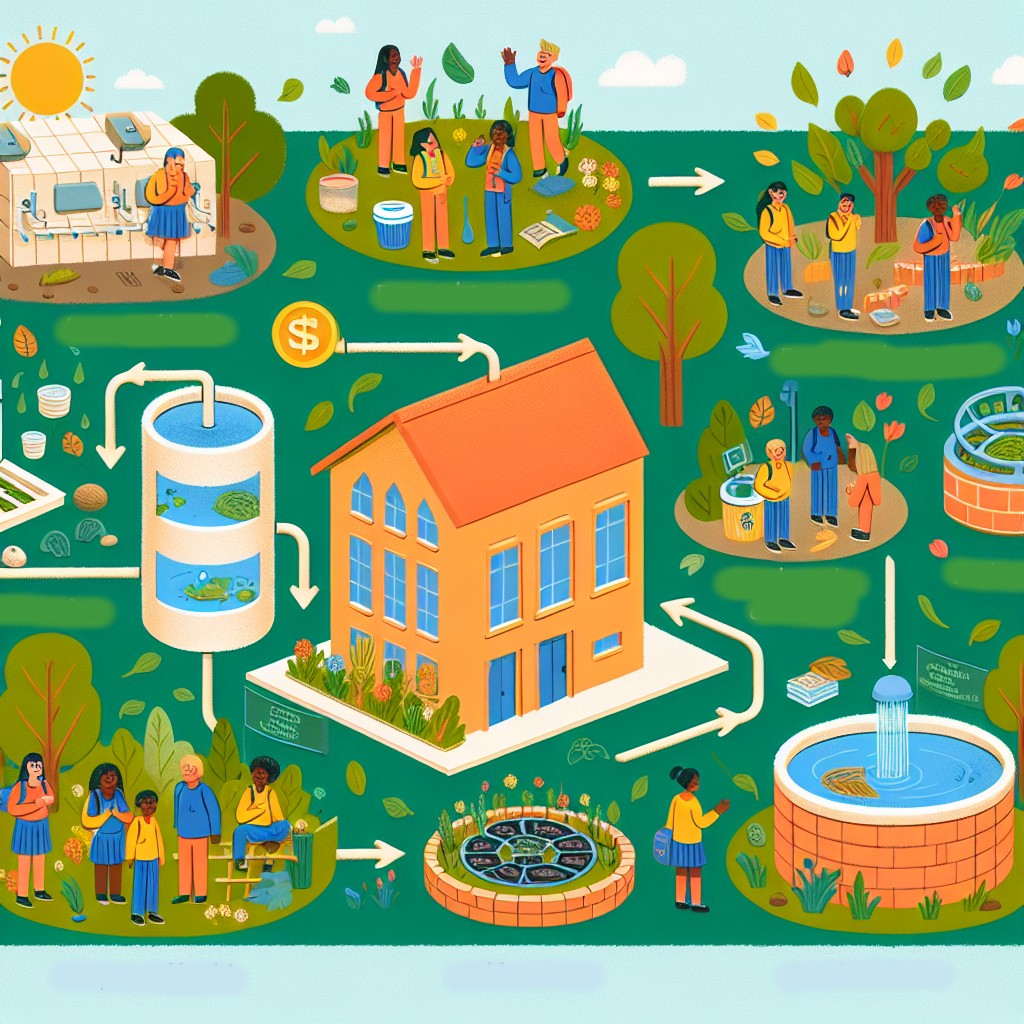
EcoSan, short for Ecological Sanitation, represents an environmentally sustainable sanitation solution that focuses on the safe reuse of human excreta. As the world faces increasing environmental challenges, there is a rising need to adopt sanitation systems that not only manage waste efficiently but also contribute positively to ecological systems. EcoSan stands out by closing the nutrient loop, transforming waste into a valuable resource. However, the successful implementation and widespread adoption of EcoSan require the development of a comprehensive EcoSan Toolkit. This toolkit is essential for guiding practitioners and communities through the myriad considerations required for effective EcoSan implementation. It will serve as an indispensable resource, equipping stakeholders with the necessary knowledge and techniques to adapt EcoSan to diverse environments and community needs. This article aims to explore the essential components and significance of an EcoSan Toolkit, setting a path for practitioners and communities to follow in harnessing EcoSan strategies effectively.
The development of an EcoSan Toolkit involves several crucial facets: understanding the core principles of EcoSan, assessing the local environmental and socio-economic context, selecting appropriate technological options, ensuring community engagement and education, and incorporating monitoring and evaluation mechanisms. By focusing on these components, the toolkit provides a structured approach to transitioning from traditional sanitation systems to EcoSan methods. This structured approach is designed to overcome common hurdles such as initial resistance due to cultural taboos, financial constraints, and lack of technical expertise. Comprehensive guidance and educational resources enable practitioners and communities to explore and adopt appropriate EcoSan solutions confidently while respecting local realities. In subsequent sections, this article will delve into these components, emphasizing their interconnectedness and relevance in creating effective EcoSan systems.
Understanding Core Principles of EcoSan
The foundation of any robust EcoSan Toolkit lies in grasping the core principles of EcoSan itself. These principles focus on transforming waste management from a disposal problem into opportunities for reuse and resource recovery. EcoSan systems aim to close the loop by safely recycling nutrients back into the ecosystem, thereby reducing reliance on synthetic fertilizers and minimizing environmental contamination. The basic tenet is that sanitation should not pollute but rather sustain biodiversity by enhancing soil quality and promoting agricultural productivity. A successful toolkit must effectively communicate these principles to both practitioners and community members, allowing for shifts in perception that move away from viewing excreta as waste and towards seeing it as a valuable resource.
EcoSan principles also emphasize health and safety, ensuring that the systems protect public health by preventing pathogens from entering the human food chain or water supplies. This is achieved through carefully managed processes that treat and convert excreta into safe compost or directly applied soil conditioners. Understanding these safety measures provides a critical starting point for adopting EcoSan solutions within diverse communities. The toolkit should outline specific technical solutions, such as urine diversion systems and composting toilets, illustrating how these systems efficiently process waste while safeguarding public health.
Assessing Local Context
A vital step in developing an EcoSan Toolkit is the assessment of the local environmental, social, and economic context. This contextual understanding guides practitioners and communities in selecting EcoSan processes that align best with their specific needs. Environmental conditions such as climate, soil type, and water table levels greatly influence the feasibility and design of EcoSan systems. For instance, arid regions may benefit greatly from systems that separate urine for direct application as fertilizer, maximizing water conservation. In contrast, regions with high rainfall may need systems with robust drainage considerations.
Social and cultural factors are equally significant. The toolkit must account for prevailing attitudes towards sanitation and human waste, as these can significantly affect community acceptance of EcoSan solutions. Building trust through open dialogue and education helps dispel myths and cultural taboos associated with waste handling. Economic factors, including cost considerations and financial incentives, also play a role. The toolkit must provide information on potential funding sources, community-based financial models, and cost-benefit analyses to assist in decision-making.
Selecting Appropriate Technological Options
EcoSan technology is varied and should be matched to both the context and resources of a community. The EcoSan Toolkit must offer a catalog of technological options, from simple pit latrines with urine diversion to more complex systems like anaerobic digesters, complete with detailed descriptions, construction guidelines, and maintenance instructions. The selection process should prioritize technologies that are cost-effective, easy to maintain, and capable of achieving the desired outcomes in specific environmental conditions.
Ease of use is paramount for community acceptance and sustained use. Technologies included in the toolkit should be assessed for their adaptability to local skills and material availability. For example, systems based on urine diversion require separate collection of liquid and solid waste, which is new to many users but can be widely accepted if properly explained and supported. Similarly, biogas systems not only treat waste but also provide renewable energy, presenting a dual incentive for communities with limited energy resources. The toolkit must walk practitioners through these options, offering practical considerations for implementation tailored to community capacity and willingness to adopt new technologies.
Ensuring Community Engagement and Education
Building community support and ensuring long-term commitment to EcoSan systems are vital for their success. The toolkit must include strategies for engaging with community stakeholders, conducting participatory planning sessions, and implementing educational programs. Empowering communities through education about the benefits and safety of EcoSan leads to greater acceptance and ownership.
Educational materials like brochures, workshop modules, and demonstration projects tailored to various literacy levels are essential components of the toolkit. These resources should communicate key concepts such as nutrient cycling and the economic benefits of reusing waste, fostering an understanding that drives behavior change. Equally important is training local facilitators who can champion EcoSan initiatives, building local capacity that ensures the sustainability of projects beyond the initial implementation phase. The toolkit should, therefore, include guidelines for identifying and training local leaders, educators, and craftsmen in basic EcoSan construction and maintenance techniques.
Incorporating Monitoring and Evaluation Mechanisms
Successful EcoSan systems require established procedures for monitoring and evaluation to measure effectiveness, ensure compliance with health and safety standards, and identify areas for improvement. The EcoSan Toolkit must provide frameworks and tools for ongoing evaluation, enabling timely feedback and adaptation of the systems to changing conditions or unforeseen issues. Monitoring involves regular inspections of the infrastructure, assessing the quality of the compost or other end products, and keeping track of user satisfaction and compliance.
Evaluation goes further, incorporating performance indicators that allow for the systematic recording of data over time. The toolkit should present guidelines for capturing quantitative data, such as nutrient recovery rates or reduction in water use, and qualitative data, like user perceptions and behavioral changes. These evaluations reinforce success stories and highlight lessons learned, fostering a culture of continuous improvement. With these measures in place, communities and practitioners can make informed decisions, ensuring that EcoSan systems are not only implemented but integrated sustainably into the community fabric.
Conclusion
As environmental challenges escalate, EcoSan presents a forward-thinking and essential approach to reimagining sanitation. Developing an EcoSan Toolkit is a pivotal step toward equipping practitioners and communities with the resources needed to implement and sustain EcoSan systems effectively. From understanding core EcoSan principles to selecting context-appropriate technologies and engaging communities through education, the toolkit must be comprehensive yet flexible enough to cater to diverse needs and circumstances.
The role of monitoring and evaluation cannot be understated, as they provide the feedback loops necessary for iterative learning and improvement. Investment in these supportive frameworks ensures EcoSan technologies deliver on their promise of ecological sustainability, where sanitation becomes a part of a regenerative cycle that benefits people, economies, and the planet alike. Ultimately, the EcoSan Toolkit empowers communities to rethink and redesign waste management systems, fostering resilience and environmental stewardship in an era demanding sustainable solutions.
Integrating such a toolkit into development practices and policy frameworks can accelerate the mainstreaming of EcoSan solutions globally. It provides a blueprint for action that aligns with broader sustainable development goals, especially in areas where conventional sanitation systems fall short. Practitioners and policymakers are encouraged to embrace the EcoSan Toolkit as an indispensable ally in achieving a sustainable future, one that delivers on the dual promise of improved human well-being and a healthier planet.