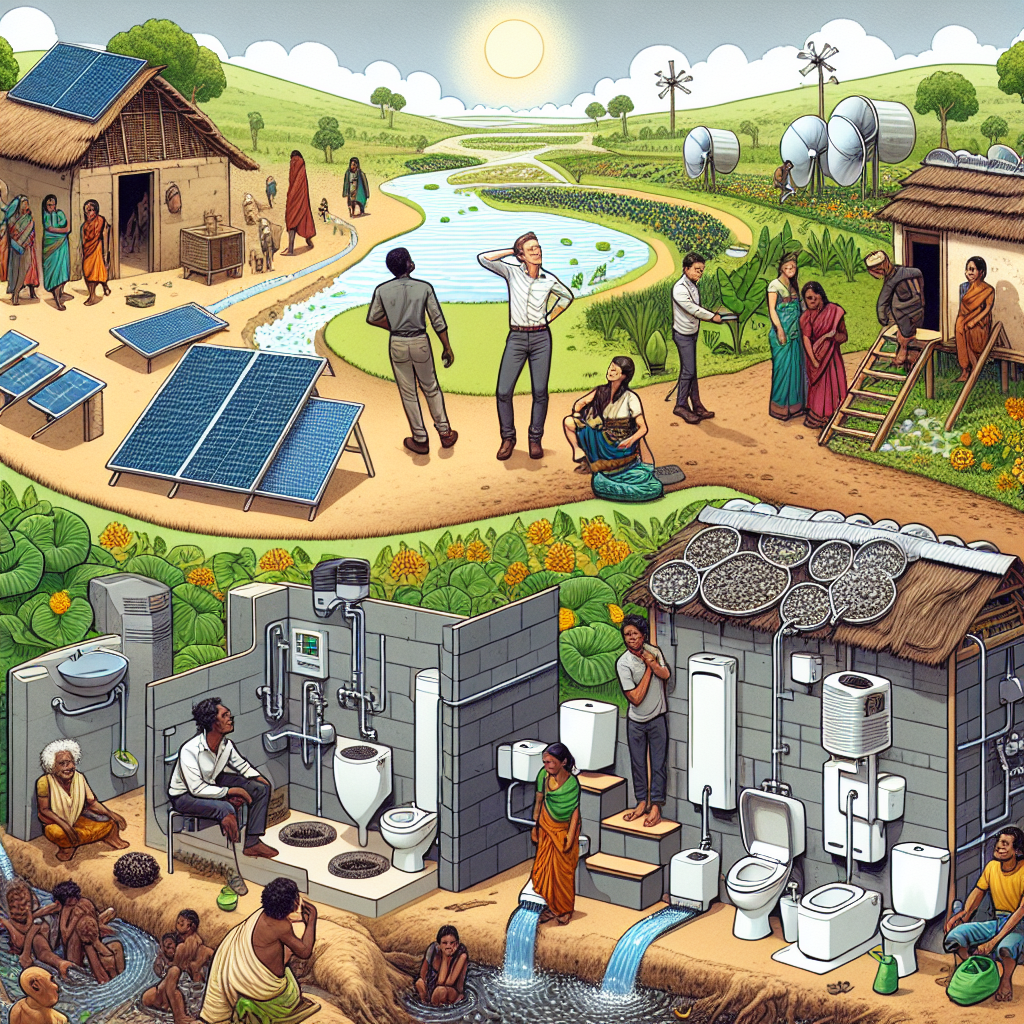
In the pursuit of sustainable development, ecological sanitation (EcoSan) has emerged as a pivotal approach to waste management. EcoSan focuses on efficiently recycling human waste into nutrients for soil and crops. This method resolves many sanitation issues prevalent in both rural and urban settings while simultaneously enhancing agricultural productivity. However, the success of EcoSan projects isn’t solely reliant on the technology used; it is influenced significantly by the social dynamics within the communities where these projects are implemented. One pivotal aspect that’s often overlooked but critically essential is gender mainstreaming.
What is Gender Mainstreaming?
Gender mainstreaming involves ensuring that the concerns and experiences of individuals of different genders are considered in the planning, implementation, monitoring, and evaluation of policies and programs. It’s about integrating a gender perspective at all levels of project design and execution to promote equality and enable all members of the community to benefit from EcoSan systems. This inclusivity leads to more sustainable and effective solutions.
In this article, we will explore the importance of gender mainstreaming in EcoSan project implementation, the strategies for achieving it, how to address challenges that come with it, and the broader impact of such an approach. By understanding these principles, stakeholders can ensure that EcoSan projects not only achieve ecological and resource management goals but also promote social equity and community well-being.
Importance of Gender Mainstreaming in EcoSan Projects
Gender mainstreaming in EcoSan projects ensures that sanitation facilities and technologies are accessible and beneficial for all demographics. Gender plays a crucial role in how sanitation services are used and maintained. For instance, women and girls often bear the primary responsibility for household water and sanitation, making their perspective invaluable in the design and implementation of EcoSan systems.
One significant advantage of gender mainstreaming is the empowerment of women and marginalized groups. Participatory approaches in EcoSan projects give voice to women, allowing them to contribute to decision-making processes that directly affect their lives. When women are actively involved, they can advocate for designs that meet their specific needs, such as privacy, safety, and ease of use.
Moreover, gender mainstreaming can lead to better health outcomes. Women typically manage household sanitation and hygiene, and their involvement can ensure that EcoSan initiatives effectively address sanitation-related diseases. Education about the health benefits of EcoSan systems is more likely to be disseminated effectively within households and communities when women are informed and involved.
Strategies for Gender Mainstreaming in EcoSan Projects
Successful gender mainstreaming in EcoSan projects requires strategic planning and dedicated efforts. Here are some key strategies to consider:
- Stakeholder Consultation: Engage both men and women at the project planning stage to understand their needs and preferences. This can be achieved through community meetings, focus group discussions, and surveys.
- Gender Sensitivity Training: Provide training for project staff and community leaders on gender sensitivity and the importance of including women in EcoSan initiatives. This helps to challenge traditional gender norms and promote equal participation.
- Inclusive Design: Ensure that the design of EcoSan facilities considers gender-specific needs. For instance, build toilets that offer privacy, security, and appropriate facilities for menstrual hygiene management.
- Capacity Building: Develop the skills and knowledge of women through training programs on the maintenance and management of EcoSan systems. This can foster a sense of ownership and responsibility among women.
- Monitoring and Evaluation: Implement gender-sensitive indicators and regularly evaluate the impact of EcoSan projects on different genders. This helps to measure progress and identify areas needing improvement.
Overcoming Challenges in Gender Mainstreaming
While gender mainstreaming in EcoSan projects offers numerous benefits, it also presents several challenges that need to be addressed:
- Cultural Norms: In many communities, traditional gender roles and norms may hinder women’s participation in EcoSan projects. Overcoming these barriers requires targeted awareness campaigns and the involvement of respected community leaders to advocate for gender equality.
- Resource Constraints: Limited resources can affect the ability to implement gender-sensitive approaches. It is essential to secure adequate funding and resources to support gender mainstreaming initiatives.
- Resistance to Change: Both men and women may resist changes in traditional roles. Engaging the community through continuous dialogue and demonstrating the benefits of gender mainstreaming can help to reduce resistance.
- Lack of Gender-Sensitive Data: Collecting and analyzing gender-disaggregated data is critical for effective monitoring and evaluation. Project managers should prioritize data collection methods that consider gender dynamics.
Inclusive Participation and Community Engagement
Ensuring that EcoSan projects are inclusive of all genders requires active participation and engagement from the entire community:
- Community Mobilization: Mobilize the community by organizing workshops and information sessions that highlight the importance of gender equality in EcoSan projects.
- Participatory Planning: Involve community members, especially women, in the entire project cycle from planning to implementation. Their input can provide valuable insights into local needs and preferences.
- Empowerment Initiatives: Implement initiatives that empower women, such as leadership training and support for women’s groups. This can enhance their ability to advocate for their needs and participate effectively in EcoSan projects.
- Inclusive Decision-Making: Establish mechanisms for inclusive decision-making, ensuring that women have equal opportunities to voice their opinions and influence project outcomes.
Case Studies and Success Stories
Real-world examples can provide valuable lessons and inspiration for gender mainstreaming in EcoSan projects:
- Case Study 1: Uganda: In Uganda, a successful EcoSan project incorporated gender mainstreaming by forming women’s groups that played a key role in the construction and maintenance of EcoSan toilets. As a result, the project not only improved sanitation but also empowered women and enhanced their social status in the community.
- Case Study 2: India: In India, an EcoSan project in a rural community involved women in the planning and implementation stages. The project provided training to women on how to manage and maintain EcoSan systems, leading to improved sanitation and greater economic opportunities for women through the use of composted waste in agriculture.
- Case Study 3: Kenya: A project in Kenya focused on men and women equally, providing education and resources to both genders. This led to a collaborative approach where both men and women worked together to maintain EcoSan facilities, resulting in greater community cohesion and improved sanitation outcomes.
Conclusion
Gender mainstreaming is a critical component of successful EcoSan project implementation. By ensuring that the perspectives and needs of all genders are considered, EcoSan projects can achieve greater sustainability and community benefits. Strategies for gender mainstreaming include stakeholder consultation, gender sensitivity training, inclusive design, capacity building, and monitoring and evaluation. Overcoming challenges such as cultural norms and resource constraints requires targeted efforts and community collaboration.
Inclusive participation and community engagement are essential for the success of EcoSan projects. Mobilizing the community, involving members in participatory planning, implementing empowerment initiatives, and establishing inclusive decision-making mechanisms can ensure that projects are inclusive and effective.
Case studies from Uganda, India, and Kenya demonstrate the positive impact of gender mainstreaming on EcoSan projects. These success stories highlight the importance of involving women and men equally in EcoSan initiatives to achieve better sanitation, enhanced community cohesion, and greater empowerment of women.
In conclusion, advancing EcoSan implementation through gender mainstreaming not only addresses the pressing issue of sanitation but also promotes social equity and sustainability. By adopting a gender-inclusive approach, we can ensure that EcoSan projects are resilient, effective, and beneficial for all members of the community.