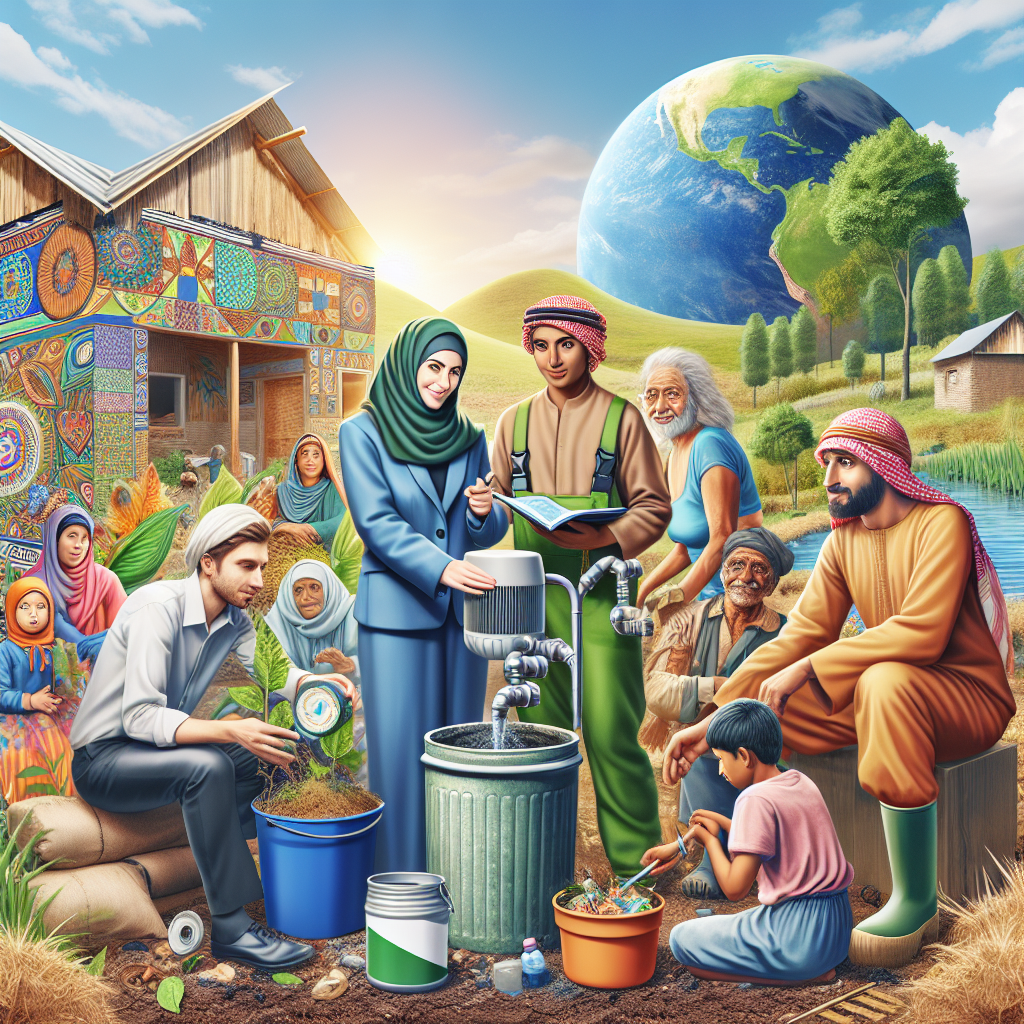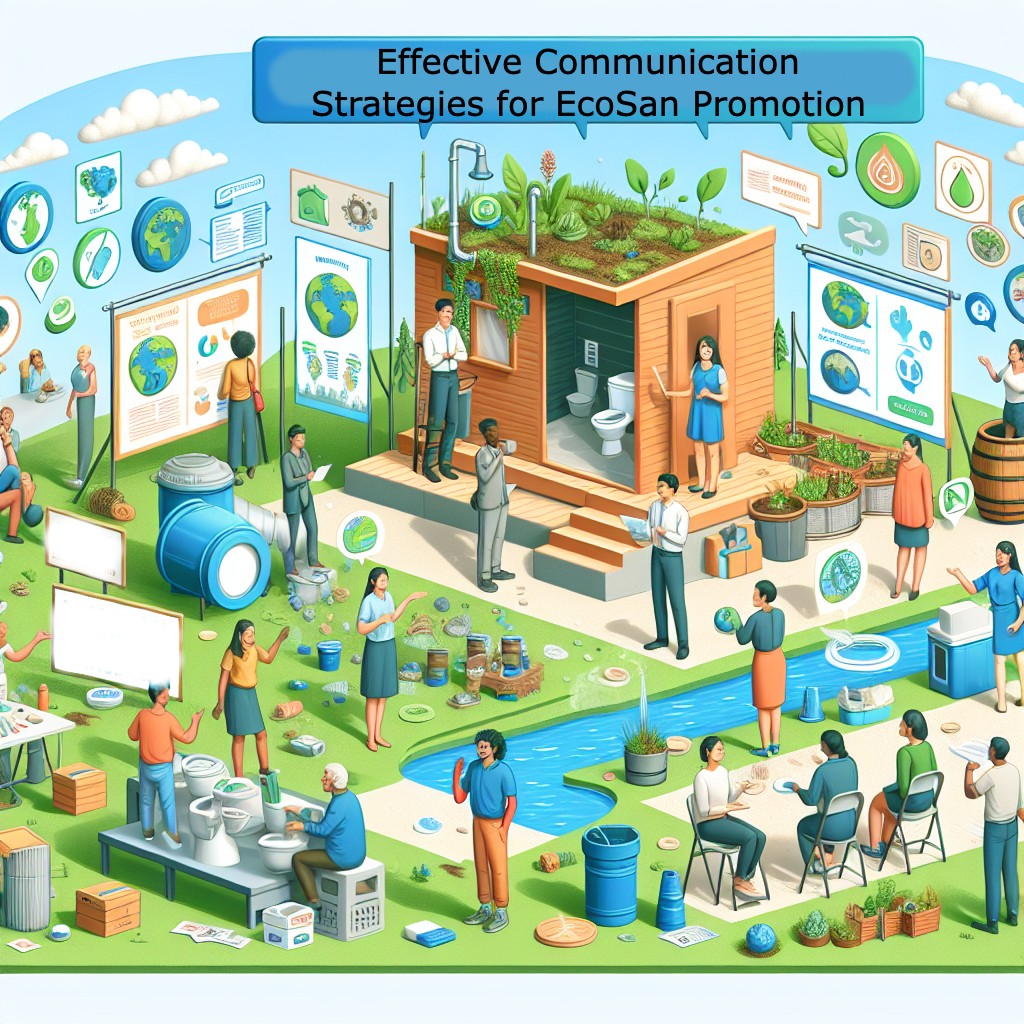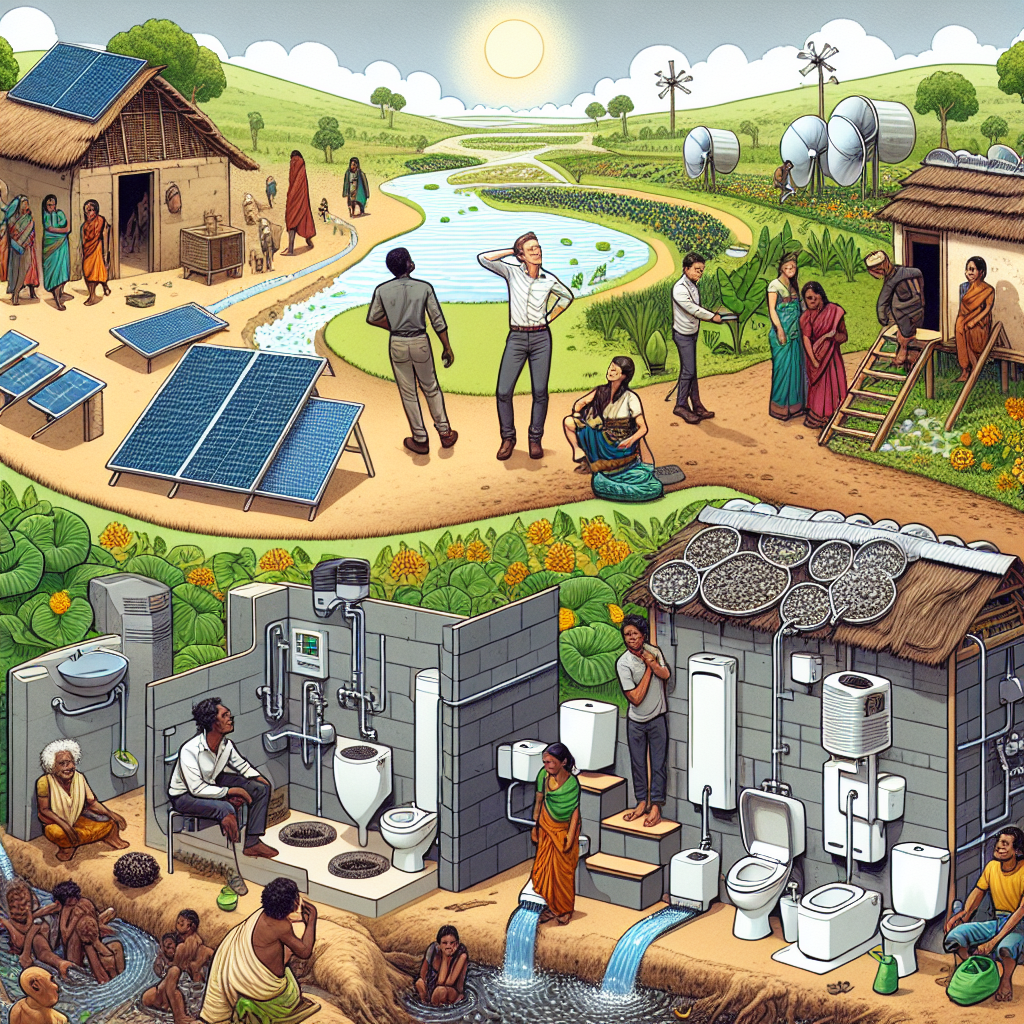
In a world increasingly aware of environmental challenges, the development and implementation of ecological sanitation (EcoSan) policies are becoming essential. EcoSan integrates ecological solutions with traditional sanitation methods to minimize health risks and environmental impact while promoting sustainability. This involves designing and managing sanitation systems that safely convert human waste into valuable resources like compost and energy. Policymakers now face the task of not only developing these policies but also ensuring they address the unique socio-economic, cultural, and environmental dynamics of their regions. This guide aims to equip policymakers with the knowledge necessary for crafting effective and tailored EcoSan policies. By exploring the nuances of ecological sanitation, we hope to shed light on the practical requirements and potential benefits of these systems, advocating for a structured approach that aligns with both global environmental goals and local needs.
Central to understanding EcoSan is recognizing its dual goals: to provide safe sanitation solutions and to leverage human by-products as resources. The process involves innovative technologies and strategies, encouraging communities to view waste not as a liability but as a potential asset. However, crafting policies that support this vision requires a deep dive into current global standards, a comprehensive understanding of various stakeholder needs, and a commitment to sustainable practices. With each nation and region presenting unique challenges and opportunities, the role of policymakers is pivotal, requiring them to balance technological advances with social adaptability.
This introductory section delves into the foundational aspects of EcoSan policies, setting the stage for a more detailed exploration of their development and implementation in subsequent sections. As we embark on this journey, focus is directed towards not just the technical execution of EcoSan but also its cultural and practical implications across different regions. By the end of this guide, policymakers should feel more confident in spearheading initiatives that could revolutionize sanitation practices and contribute to a cleaner, more sustainable future.
Understanding the Framework of EcoSan Policies
Developing EcoSan policies begins with a robust understanding of the ecological sanitation framework. EcoSan strategies revolve around closing the loop in sanitation systems by recovering nutrients, water, and energy from toilet waste. This requires integrating these components within existing infrastructure in a way that maximizes public health benefits and minimizes environmental impact. Key to developing successful policies is a comprehensive stakeholder analysis, ensuring that all voices, from engineers to end-users, are considered in the drafting process. This inclusivity fosters a sense of ownership and increases compliance, promoting widespread adoption and long-term sustainability.
The regulatory framework for EcoSan efforts often differs from that of conventional sanitation systems. Policymakers must navigate laws that govern water management and environmental protection, ensuring EcoSan implementations comply seamlessly with national and local regulations. This requires developing new performance standards that encourage innovation while maintaining rigorous safety protocols. EcoSan also calls for the integration of cutting-edge technologies, like composting toilets and anaerobic digestion systems, which require regulatory clarity to avoid bureaucratic delays. Successful EcoSan policy frameworks yield efficient, effective systems that conserve water, recycle nutrients, and reduce pollution, ultimately contributing to improved public health and environmental sustainability.
Crafting Inclusive and Adaptable EcoSan Policies
Policy flexibility and cultural adaptability are paramount when integrating EcoSan approaches into diverse societies. To design inclusive policies, decision-makers must understand local traditions, social norms, and economic conditions that may influence sanitation choices. For example, traditional sanitation methods may hold cultural significance in some communities, making a sensitive transition to EcoSan alternatives essential. Policymakers should engage with local communities, listening to their needs and incorporating their feedback into policy design, ensuring that EcoSan solutions are appropriate, accepted, and can be easily integrated into existing practices.
Another crucial consideration is education and awareness-raising. Effective EcoSan policies depend on robust public information campaigns that demonstrate the benefits and operation of new sanitation technologies. Through education and outreach, communities can learn to manage EcoSan systems successfully, reducing potential stigmas associated with new approaches. Policymakers should foster partnerships with local organizations to deliver training programs, ensuring the community is well-equipped to maintain and benefit from these systems. Additionally, policies should evolve with changing circumstances, incorporating regular stakeholder feedback to address emerging challenges and opportunities. This adaptability is key to crafting policies that are resilient and can withstand unforeseen socio-economic developments or environmental shifts.
Funding and Incentives in EcoSan Policy Development
Funding is a critical element in the successful implementation of EcoSan policies. Policymakers must not only secure initial investments but also ensure sustainable financial models for ongoing maintenance and operation. One effective approach is to leverage public-private partnerships, attracting private sector investment by demonstrating EcoSan’s economic and societal benefits. By aligning policy priorities with private sector interests, such as efficiency, scalability, and profitability, partnerships can expand resources and innovation, supporting EcoSan initiatives from inception through execution.
Moreover, EcoSan policies can incorporate financial incentives to encourage adoption and compliance. Subsidies, tax breaks, or grants can be offered to households and businesses transitioning to eco-friendly sanitation systems, offsetting upfront costs and promoting wider acceptance. By linking EcoSan improvements to broader economic development goals, policymakers can frame these investments as catalytic to job creation, business growth, and improved community health outcomes. Effective financial strategies will also attract international funding, tapping into global resources and expertise in sustainable development to support local EcoSan efforts, and helping policymakers create robust funding channels that ensure the longevity of sanitation initiatives.
Defining Success in EcoSan Policy Implementation
Measuring the success of EcoSan policies requires establishing clear, tangible metrics that reflect both qualitative and quantitative outcomes. Benchmarks can include reductions in water usage, improved public health statistics, and increased rates of nutrient recycling through composting and energy recovery. Regular monitoring and evaluation processes, ideally involving both government and independent bodies, can track progress against these benchmarks, ensuring transparency and accountability.
However, defining success goes beyond numbers. Effective EcoSan policies enhance quality of life, reduce inequality, empower communities, and protect natural resources. These broader impacts should be acknowledged and integrated into evaluation efforts. Therefore, policymakers must develop comprehensive evaluation frameworks that consider social, economic, and environmental dimensions. In doing so, they can capture the full scope of EcoSan’s transformative potential and make informed decisions to refine policy and operational strategies. A successful policy not only meets its preset goals but also anticipates future needs and challenges, laying the groundwork for continued innovations in sustainable sanitation.
Challenges and Solutions in Implementing EcoSan Policies
Implementing EcoSan policies involves a host of challenges that range from technical to social-economic barriers. A critical challenge is overcoming resistance to change. Familiarity with conventional sanitation systems can lead to skepticism or denial of new EcoSan models. Policymakers must collaborate with champions of change within communities to demonstrate the benefits of EcoSan practices, fostering local trust and acceptance.
Technical challenges also abound, including the need to tailor technology to diverse geographic and climatic conditions. This requires substantial R&D investment and collaboration with local institutions to test and adapt EcoSan technologies. Additionally, infrastructure development poses logistical challenges, particularly in rural or under-resourced areas. Policymakers should craft policies that address logistical constraints head-on, perhaps emphasizing modular or phased implementation strategies that can be more manageable and adjustable as conditions change.
Lastly, socio-economic disparities can hinder equitable access to EcoSan systems. Policymakers must ensure that vulnerable populations are prioritized in EcoSan initiatives, tailoring solutions that account for financial, educational, and accessibility constraints. Programs must be designed to bridge gaps in knowledge and resource availability, ensuring widespread, fair impacts across communities. Through concerted, inclusive, and adaptable strategies, challenges in EcoSan policy implementation can be met with innovative solutions, achieving long-term sustainability and equity goals.
Conclusion
In conclusion, developing effective EcoSan policies is an intricate but essential endeavor for modern policymakers striving to meet environmental and public health goals. EcoSan offers innovative solutions to traditional sanitation challenges by reconceptualizing waste management as an opportunity for resource recovery. Throughout this guide, we’ve explored the critical components involved in crafting these policies, highlighting the need to align them with local conditions, socio-economic factors, and technological advancements.
The success of EcoSan policies hinges on inclusive and adaptable frameworks that prioritize stakeholder engagement, cultural respectfulness, and educational initiatives. These elements are vital for building trust and cultivating long-term adoption of EcoSan systems. Furthermore, sustainable funding models and incentive schemes play crucial roles in driving these initiatives forward, ensuring robust policy supportive structures.
As policymakers continue to address the intricate balance between environmental sustainability and human development, EcoSan policies emerge as powerful tools to mitigate climate change impacts, improve public health, and promote resource efficiency. However, achieving these goals requires a holistic approach that weaves together technology, community engagement, economic strategy, and environmental stewardship. By following the guidelines set forth in this article, policymakers can more effectively navigate the complexities of EcoSan policy development, driving meaningful advancement for both their communities and the planet as a whole. Embracing the challenges and opportunities of EcoSan, we stand on the brink of a future where sustainable sanitation is a reality for all.
Frequently Asked Questions
1. What is EcoSan and why is it important for modern sanitation policies?
Ecological Sanitation, or EcoSan, is a sustainable approach to managing human waste by safely transforming it into valuable resources such as compost and bioenergy. This method integrates ecological principles with traditional sanitation to minimize health risks and reduce the environmental impact of waste disposal. The importance of EcoSan in modern sanitation policies cannot be overstated. As the world faces increasing environmental challenges, like water scarcity and pollution, EcoSan offers a viable solution. By closing the nutrient loop, EcoSan not only conserves water but also reduces the reliance on chemical fertilizers, thereby promoting soil health and agriculture. In essence, EcoSan represents a shift toward a circular economy in waste management, turning what is typically seen as a problem into an opportunity for resource recovery and environmental sustainability.
2. How do EcoSan policies integrate with existing sanitation systems?
EcoSan policies are designed to complement and enhance existing sanitation systems rather than replace them entirely. Integration starts with a thorough assessment of the current infrastructure and its limitations. Policymakers then identify opportunities where EcoSan techniques can be introduced to improve efficiency and sustainability. This often involves retrofitting existing systems with EcoSan-compatible technology, such as composting toilets or urine-diversion devices, which require minimal changes to the traditional setup. Additionally, training and capacity-building initiatives are crucial components of integration, ensuring that technicians and users understand how to operate and maintain these systems effectively. By thoughtfully incorporating EcoSan approaches, policies can gradually reshape sanitation frameworks, making them more resilient and environmentally sound without causing abrupt disruptions to service delivery.
3. What are the economic benefits of implementing EcoSan policies?
The economic benefits of EcoSan policies are multi-faceted and can have a broad impact over time. Initially, there might be an upfront cost associated with installing new technologies or modifying existing systems. However, these expenses are often offset by the long-term savings and revenue generation potential of EcoSan systems. For instance, by converting waste into compost or bioenergy, communities and municipalities can reduce expenditures on chemical fertilizers and fossil fuels. This not only cuts operation costs but also opens up new revenue streams through the sale of these reusable materials. Moreover, reducing environmental degradation and health-related issues associated with poor sanitation can lead to significant cost savings in healthcare and environmental remediation. Ultimately, by fostering a self-sustaining model, EcoSan policies can stimulate local economies, create jobs, and catalyze sustainable development.
4. What challenges might policymakers face when developing EcoSan policies?
Policymakers face several challenges when developing EcoSan policies, and understanding these hurdles is crucial for effective implementation. One major challenge is cultural acceptance, as EcoSan systems often require changes in public perception and behavior regarding waste. There can be resistance due to ingrained social norms or misinformation about the safety and effectiveness of these systems. Public education and community engagement are essential to overcoming these barriers. Another challenge is the technical and infrastructural constraints existing in many regions, particularly in low-income or remote areas. Limited access to necessary materials and technology can impede the deployment of EcoSan systems. Furthermore, institutional resistance and the lack of political will can also slow down policy adoption. Policymakers need to navigate these challenges by fostering partnerships with stakeholders, securing funding, and championing community-led initiatives that demonstrate EcoSan’s tangible benefits.
5. How can policymakers ensure the sustainability and scalability of EcoSan initiatives?
Ensuring the sustainability and scalability of EcoSan initiatives requires a strategic and holistic approach. Policymakers need to emphasize capacity building and community ownership from the outset. Developing local expertise through education and training ensures that communities can maintain and expand EcoSan systems independently over time. Additionally, creating policies that incentivize innovation and partnerships with private sector players can spur technological advancements and cost reductions, making EcoSan more accessible and attractive. Establishing strong monitoring and evaluation frameworks is also critical. These frameworks help to measure the impact and effectiveness of EcoSan initiatives, providing data that can inform policy adjustments and highlight areas for improvement. Finally, integrating EcoSan into broader environmental and public health strategies can help secure long-term political support and funding, facilitating the scaling of these sustainable sanitation solutions to reach broader populations.