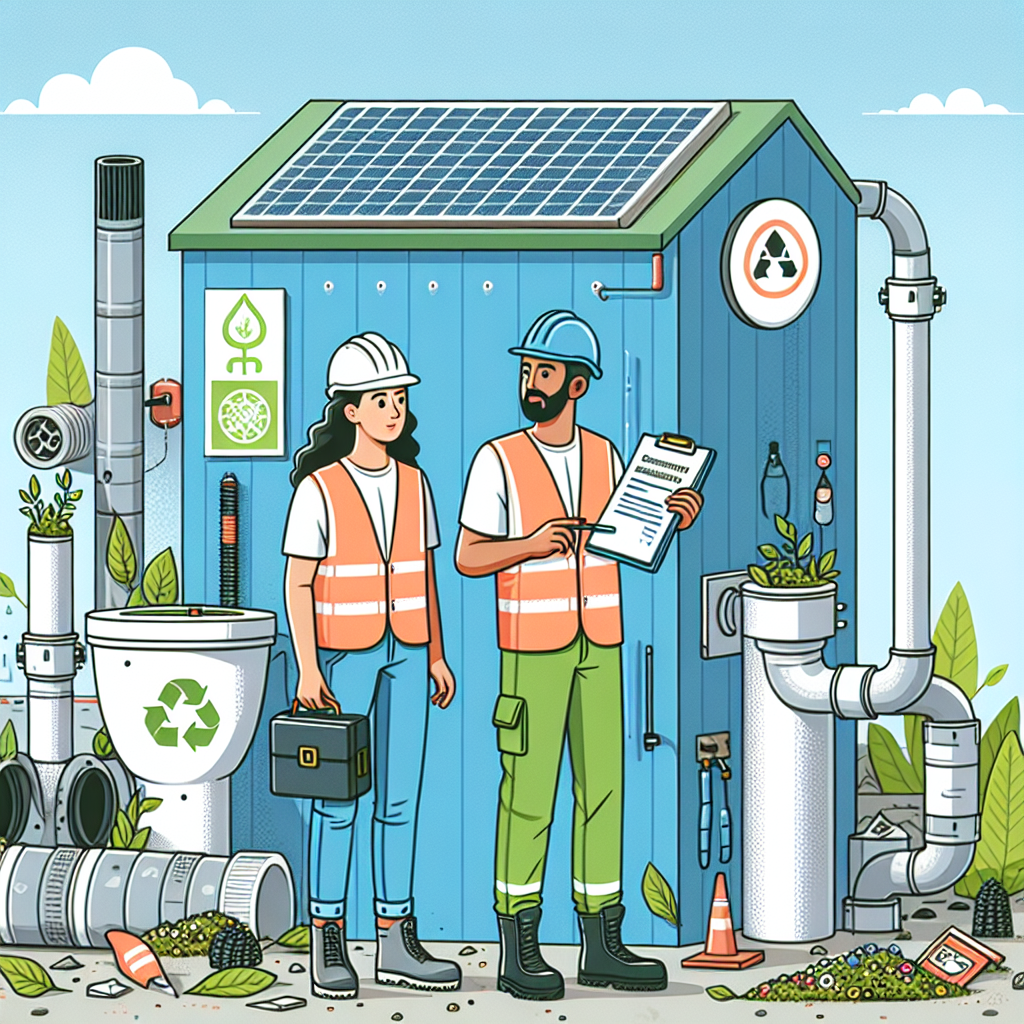
Ecological Sanitation (EcoSan) is a waste management system designed to minimize human impact on the environment, focusing especially on transforming waste into valuable resources. With the rise in global environmental consciousness, EcoSan methods have become increasingly significant, especially in healthcare facilities. Hospitals and clinics, due to their unique waste production patterns, require more sustainable and hygienic sanitation solutions to ensure public health and environmental safety.
Traditional sanitation systems in healthcare often lead to the contamination of water sources and increased strain on sewage systems. In developing regions, where resources are limited, inadequate sanitation can significantly harm patient care and community health. EcoSan presents a revolutionary approach that not only addresses these concerns but also converts human waste into biogas and agricultural fertilizers. This sustainable cycle can potentially improve both healthcare facility operations and environmental health.
Implementing EcoSan in healthcare facilities comes with unique challenges and benefits. These facilities generate specific types of waste, including infectious and non-infectious waste, which need specialized treatment. Integrating EcoSan requires strategic planning, staff training, and appropriate technology selection. Despite the challenges, the benefits of EcoSan are immense, ranging from cost savings to environmental conservation and improved public health outcomes.
Design Considerations and Technology Selection
Design and technology are critical factors in successfully implementing EcoSan in healthcare settings. The selected technologies should be robust enough to manage the specific types of waste generated in these facilities. Various technology options include composting toilets, urine-diverting dry toilets (UDDTs), and biogas reactors, each offering different advantages.
Composting toilets, for example, allow for the aerobic decomposition of organic matter, turning human waste into compost that can be used as a soil amendment. UDDTs, on the other hand, separate urine from feces at the source, facilitating the recycling of nutrients contained in human excreta. Biogas reactors convert organic waste into biogas, which can be used as a renewable energy source for heating or cooking.
Choosing the right technology involves considering factors like the volume and type of waste, available space, climate conditions, and the facility’s capacity for maintenance and operation. Detailed field assessments and feasibility studies are essential before deciding the technology to be adopted.
By basing the design on these considerations, healthcare facilities can ensure that their EcoSan systems are efficient, sustainable, and tailored to their specific needs, resulting in effective waste management and resource recovery.
Training and Capacity Building for Staff
Implementing EcoSan technology in healthcare facilities requires extensive training and capacity building among the staff. The staff must be well-versed in the operation and maintenance of EcoSan systems to ensure their long-term success. Training programs should cover various aspects, including waste separation, hygiene practices, operational protocols, and emergency procedures.
Regular workshops and hands-on training sessions can help staff develop the necessary skills. Providing informational materials, such as manuals and guides, is also crucial for reinforcing learning. Ensuring that staff understands the importance of EcoSan in promoting environmental health and public safety can foster a sense of ownership and responsibility.
It is also beneficial to establish a dedicated EcoSan team within the healthcare facility. This team can serve as the primary point of contact for any EcoSan-related issues and play a crucial role in monitoring the system’s performance, conducting routine maintenance, and addressing any operational challenges that may arise.
Tailoring the training programs to the specific needs and contexts of the healthcare facility ensures a more effective and sustainable adoption of EcoSan practices, ultimately contributing to better health outcomes and environmental conservation.
Financial Considerations and Cost-Benefit Analysis
One of the significant barriers to implementing EcoSan in healthcare facilities is the initial financial investment required. However, it’s important to consider the long-term economic benefits of EcoSan systems, such as reduced waste disposal costs, lower water consumption, and the potential for resource recovery.
Conducting a comprehensive cost-benefit analysis can help justify the investment in EcoSan technology. This analysis should include not only the direct costs and savings but also the broader economic, social, and environmental benefits. For example, the use of compost and biogas can reduce expenses related to chemical fertilizers and fuel, while improving agricultural productivity and lowering carbon emissions.
Additionally, healthcare facilities can explore funding opportunities from governmental and non-governmental organizations, international development agencies, and private-sector partnerships. These funding sources can help offset the initial costs and make EcoSan implementation more feasible.
Financial considerations should also take into account the ongoing operation and maintenance costs. Allocating a portion of the facility’s budget for these expenses ensures the long-term sustainability of the EcoSan system.
Therefore, adopting an EcoSan approach in healthcare settings can provide significant financial benefits over time, in addition to environmental and health improvements.
Community Engagement and Stakeholder Involvement
Successful EcoSan implementation requires active engagement with the broader community and stakeholders, including patients, local authorities, and NGOs. Building awareness and understanding among these groups about the benefits and importance of EcoSan can foster support and cooperation.
Community engagement activities might include informational sessions, public demonstrations, and campaigns to educate the public about EcoSan systems and their impact. Engaging patients in understanding and using EcoSan systems correctly is particularly important, as it ensures these systems’ hygienic and effective utilization.
Collaboration with local authorities and NGOs can help secure technical assistance, regulatory approval, and financial resources. These partnerships can also facilitate the sharing of best practices and lessons learned, enhancing implementation and scaling efforts.
Stakeholder involvement is crucial for addressing any concerns or objections that may arise during the implementation process. Continuous dialogue and feedback mechanisms can help identify and resolve issues promptly, ensuring smoother adoption of EcoSan systems.
Ultimately, creating a sense of collective responsibility towards EcoSan fosters a supportive environment that enhances the system’s sustainability and effectiveness, benefiting both the healthcare facility and the community at large.
Monitoring, Evaluation, and Continuous Improvement
Monitoring and evaluation are critical components of EcoSan implementation in healthcare facilities. These processes help assess the EcoSan system’s performance, identify areas for improvement, and ensure compliance with health and environmental standards.
Establishing clear evaluation criteria and performance indicators is essential for systematic monitoring. These might include assessing waste treatment efficiency, resource recovery rates, cost savings, and user satisfaction. Regular data collection and analysis provide valuable insights into the system’s effectiveness and areas that require adjustments.
Implementing a feedback loop where staff and users can report issues or provide suggestions can significantly enhance the EcoSan system. Acting on this feedback and making necessary improvements ensures that the system adapts to changing conditions and continues to meet the facility’s needs.
Continuous improvement strategies might involve upgrading technology, enhancing staff training, optimizing operational procedures, and incorporating innovations in waste management. Engaging experts and stakeholders in periodic reviews can introduce new perspectives and expertise into the improvement process.
Through consistent monitoring and a commitment to continuous improvement, healthcare facilities can maintain high standards in EcoSan practice, ensuring sustainable and effective waste management while contributing positively to public health and environmental protection.
Conclusion: Advancing EcoSan in Healthcare Facilities
The successful implementation of EcoSan in healthcare facilities is a multifaceted endeavor that offers immense benefits for environmental sustainability and public health. By addressing design considerations, training, financial analysis, community engagement, and continuous monitoring, healthcare facilities can establish effective EcoSan systems tailored to their unique needs.
While the initial investment and adjustment period may present challenges, the long-term rewards of adopting EcoSan—ranging from cost savings to enhanced environmental health—are well worth the effort. Moreover, EcoSan offers a pathway to a more sustainable future, where waste is not merely discarded but transformed into valuable resources.
Healthcare facilities implementing EcoSan contribute to broader environmental conservation efforts and public health improvements. They set a precedent for other institutions and communities, showcasing how sustainable practices can be integrated into critical services effectively.
As the world continues to grapple with environmental challenges and resource constraints, adopting EcoSan practices in healthcare facilities is a forward-thinking approach that aligns with global sustainability goals. Facilities that commit to EcoSan not only improve their operational efficiency but also play a crucial role in fostering a healthier environment for all.