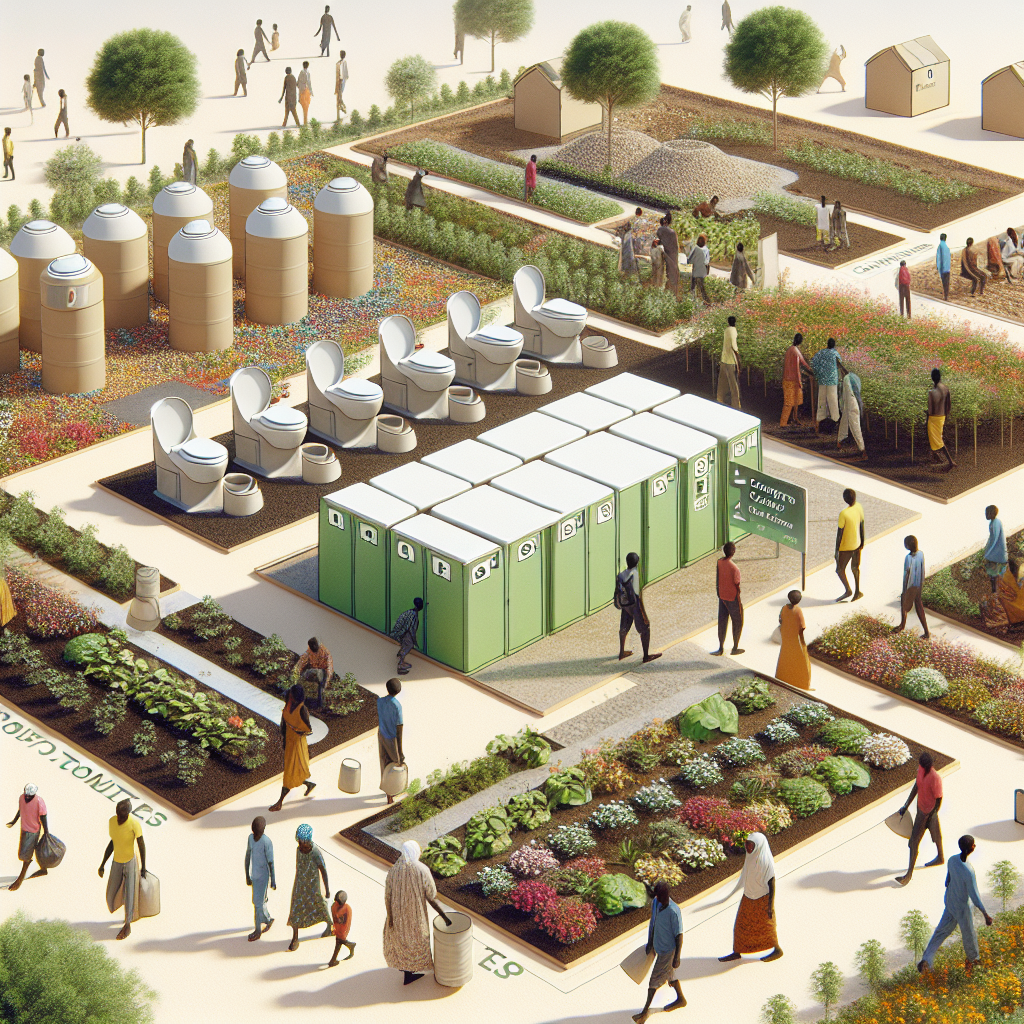
In a world where environmental sustainability is increasingly crucial, educational outreach programs focusing on ecological and sanitation practices have become essential. Among these, EcoSan, or Ecological Sanitation, stands out as a significant initiative that promotes sustainable and hygienic waste management solutions. However, effectively understanding and implementing EcoSan requires structured educational curricula tailored to various educational levels and audiences. This article focuses on the development of an EcoSan curriculum designed for educational outreach, aiming to bring ecological sustainability and improved sanitation practices to diverse communities. By providing an in-depth understanding of EcoSan principles and practical applications, this curriculum can empower individuals and communities to make informed decisions about their sanitary practices, ultimately contributing to broader environmental conservation efforts.
Creating a comprehensive EcoSan curriculum involves a multifaceted approach, considering diverse cultural, demographic, and socioeconomic factors. This curriculum must be adaptable, accessible, and relevant to its audience, providing them with practical approaches to sanitation challenges while highlighting the importance of ecological balance. Additionally, it needs to be engaging and interactive, fostering not just awareness but actionable knowledge that participants can implement in their daily lives. This requires a detailed examination of the core principles of EcoSan, understanding audience-specific needs, and designing pedagogical strategies that are effective across different learning environments. This introduction will set the stage for a deeper dive into the essential components of an EcoSan curriculum, from foundational theories to hands-on practices, ensuring a robust educational framework that supports long-term environmental sustainability.
Understanding EcoSan Principles
To build an effective EcoSan curriculum, educators must first have a solid grasp of the fundamental principles of Ecological Sanitation. At its core, EcoSan is about closing the nutrient loop and transforming waste into a valuable resource rather than a pollutant. Traditional sanitation systems often focus on waste disposal, which can lead to environmental degradation. EcoSan, conversely, emphasizes the safe collection, treatment, and reuse of human excreta. This approach conserves water, reduces pollution, and returns valuable nutrients to the soil, enhancing agricultural productivity.
Key principles of EcoSan include resource recovery, sustainability, and cultural sensitivity. Resource recovery involves converting waste into manure and fertilizer, which can improve soil health and foster agricultural success. Sustainability emphasizes minimal water use and the preservation of environmental resources. Cultural sensitivity recognizes the diverse beliefs, practices, and needs of different communities, ensuring solutions are acceptable and effective in varied contexts. An EcoSan curriculum must elucidate these principles, providing clear examples and case studies to demonstrate their practical applications in real-world scenarios.
Designing the Curriculum Structure
Designing an EcoSan curriculum involves structuring content into modules that guide learners from basic concepts to advanced applications. This approach ensures that learners can build on their knowledge progressively:
Introduction to EcoSan
This foundational module introduces learners to the concept of ecological sanitation, including its history and significance in the context of global environmental challenges. Participants will explore why traditional sanitation methods fall short and how EcoSan offers viable alternatives by transforming waste into resources. This module should focus on setting the stage for understanding how EcoSan aligns with sustainability goals and its relevance in addressing the sanitation needs of growing populations.
EcoSan Systems and Technologies
In this module, learners delve into specific technologies and systems used in EcoSan practices, such as composting toilets, urine-diverting dry toilets, and biogas systems. Each technology will be dissected to understand its function, benefits, limitations, and application contexts. Visual aids, interactive models, and field visits, where possible, will enhance comprehension by providing tangible examples of how these systems work in practice.
Health and Hygiene in EcoSan
Understanding the health implications and hygiene factors associated with EcoSan systems is crucial for ensuring safety and acceptance. This module covers pathogen reduction, the role of sanitization in EcoSan processes, and methods for ensuring systems are safe. Learners will also explore community health impacts and how EcoSan can contribute to reducing disease transmission, particularly in regions with limited access to traditional sanitation infrastructure.
Environmental and Economic Impacts
This module assesses the environmental and economic implications of adopting EcoSan solutions. Students will evaluate how EcoSan can reduce environmental degradation, conserve water resources, and contribute to climate change mitigation. Economic analyses will highlight cost-effectiveness and potential income generation through resource recovery, providing learners with an understanding of the compelling financial arguments for EcoSan adoption.
Socio-Cultural Dynamics
Since the success of EcoSan systems often hinges on community buy-in and cultural appropriateness, this module explores the socio-cultural factors influencing sanitation practices. Participants learn to conduct community assessments and engage with local stakeholders to tailor EcoSan solutions that respect cultural norms and behaviors. This module emphasizes communication strategies and participatory approaches that ensure communities are active partners in EcoSan initiatives.
Designing and Implementing EcoSan in Communities
The final module focuses on practical implementation, guiding learners in the design and rollout of EcoSan projects. This includes steps for planning, executing, and monitoring EcoSan systems, along with strategies for scaling projects. Learners will develop project management skills, including evaluating resource needs, managing logistics, and assessing outcomes. Case studies of successful EcoSan projects will be reviewed to highlight diverse implementation strategies and potential challenges.
Engaging Pedagogical Approaches
To ensure knowledge retention and engagement, the EcoSan curriculum should employ a variety of pedagogical methods. Interactive workshops, group discussions, and field visits enhance learning through hands-on experience. Simulation exercises, where learners role-play stakeholders in EcoSan projects, foster critical thinking and problem-solving skills. Gamification elements, such as quizzes and interactive modules, make learning both enjoyable and effective.
Real-world application is crucial in grasping the utility of EcoSan, thus project-based learning outcomes should be embedded within the curriculum. Participants can work on capstone projects that require them to design EcoSan solutions for hypothetical scenarios, applying the knowledge and skills gained throughout the course. This active learning approach empowers learners to tackle real concerns, demonstrating the practical viability of EcoSan principles.
Conclusion
The development of a comprehensive EcoSan curriculum for educational outreach is a pivotal step towards promoting sustainable sanitation practices globally. By embedding critical principles of ecological sanitation into structured learning modules, educators can cultivate a new generation of environmentally conscious individuals equipped to implement sustainable practices in their communities. This curriculum’s design acknowledges the diverse needs and contexts of learners, employing engaging teaching methods to ensure knowledge is not only retained but also practically implemented.
As communities face mounting pressures from climate change, population growth, and environmental degradation, EcoSan education plays a crucial role in building resilience and promoting sustainable development. By focusing on real-world applications and fostering collaborative engagement, the EcoSan curriculum empowers learners to drive change, transforming sanitation from a challenge into an opportunity for resource recovery and environmental stewardship. These educational efforts are not just investments in today’s students but in the future of our planet, underscoring the importance of widespread diffusion of EcoSan knowledge and practices.
Ultimately, this structured approach to EcoSan education ensures that participants are well-informed, thoughtful, and capable advocates for environmental sustainability, with the tools needed to make impactful contributions to global sanitation and ecological efforts. Educators, policymakers, and community leaders must champion this cause, nurturing environments where EcoSan principles are studied, practiced, and celebrated, laying the foundation for a more sustainable future for all.
Frequently Asked Questions
1. What is EcoSan and why is it important for educational outreach programs?
EcoSan, short for Ecological Sanitation, is a concept that promotes sustainable waste management solutions that emphasize environmental health and resource conservation. At its core, EcoSan aims to safely recover and recycle nutrients, water, and biogas from waste, transforming potential pollutants into valuable resources. This approach contrasts with conventional sanitation systems that often deplete resources and contribute to environmental degradation.
In educational outreach programs, EcoSan is crucial because it encourages a shift in mindset towards viewing waste as a resource rather than a problem. By incorporating EcoSan into educational curricula, students and communities can learn about innovative solutions that contribute to sustainability, hygiene, and the promotion of health. The importance lies in empowering individuals with knowledge and practices that can lead to more sustainable lifestyles and communities.
2. How is an EcoSan curriculum structured for different educational levels?
An EcoSan curriculum is crafted to cater to diverse educational levels, from primary schools to universities and community programs. The content and complexity of the curriculum are adjusted to match the cognitive development and prior knowledge of the learners:
- Primary Education: At this level, the curriculum uses simple language and hands-on activities to introduce basic concepts of waste management and the environment. Storytelling, visual aids, and interactive games might be used to help children understand how nature cycles nutrients and how waste can be transformed and reused.
- Secondary Education: As students progress, the curriculum can delve deeper into the science behind EcoSan, introducing biological and chemical principles. Workshops, field trips, and experiments become integral, allowing students to explore concepts like composting, greywater recycling, and the benefits of using EcoSan toilets.
- Higher Education and Community Programs: At this level, the curriculum can become more detailed and technical, exploring advanced topics in sanitation technology, environmental policy, and sustainability. Students might engage in research projects, system design challenges, and community service projects that focus on implementing EcoSan solutions in real-world settings. For communities, practical training and demonstrations are pivotal, offering adults and local leaders the knowledge and skills to adopt and advocate for EcoSan practices effectively.
Flexibility in curriculum design ensures that the EcoSan principles are accessible and engaging for all audiences, fostering both understanding and application.
3. What challenges might educators face in implementing an EcoSan curriculum, and how can they be addressed?
Implementing an EcoSan curriculum can present several challenges, including:
- Lack of Resources: Educators may struggle with insufficient materials, facilities, or funding to conduct comprehensive EcoSan programs. To address this, partnerships with environmental organizations, seeking grants, or engaging the community in resource gathering can be effective.
- Cultural Perceptions: In some regions, discussing waste and sanitation might be taboo, creating resistance to EcoSan education. Educators need to approach these topics sensitively, using culturally appropriate language and emphasizing the benefits such as health improvement and resource conservation.
- Lack of Expertise: Teachers themselves may not be familiar with EcoSan principles. Professional development and educator training sessions are crucial to ensure educators are confident and knowledgeable about the subject matter. Collaborations with environmental experts and organizations can provide the necessary support.
Addressing these challenges requires creativity, collaboration, and a commitment to sustainability goals. Overcoming these obstacles not only uplifts the educational experience but also ensures the successful deployment of EcoSan initiatives.
4. How can technology enhance EcoSan educational outreach programs?
Technology plays a significant role in enhancing EcoSan educational outreach by making learning more engaging, accessible, and efficient. Here are a few ways that technology can be integrated:
- Interactive Digital Platforms: Utilize apps and online platforms to create interactive learning experiences. These can include virtual tours of EcoSan facilities, simulations of sanitation systems, and interactive quizzes that assess understanding and reinforce learning.
- Online Resources and MOOCs: Online courses and resources provide opportunities for students worldwide to learn about EcoSan at their own pace. MOOCs (Massive Open Online Courses) focused on sanitation and sustainability can expand reach to adult learners and professionals seeking to enhance their understanding and skills.
- Video and Multimedia: Videos, documentaries, and multimedia presentations can vividly illustrate the impact of EcoSan, offering learners real-world examples and case studies. This visual approach helps to convey complex information simply and effectively.
- Social Media and Communities: Social networks and online communities allow for the sharing of ideas, experiences, and innovations. They enable students and educators to connect with others globally, fostering a wider exchange of knowledge and best practices.
Integrating technology not only makes the learning process dynamic but also broadens the scope and impact of EcoSan outreach, contributing to a well-informed and actively engaged population.
5. How does EcoSan positively impact communities beyond the classroom?
The benefits of EcoSan extend beyond the educational setting, bringing transformative changes to communities by addressing ecological and public health challenges. Here are a few ways EcoSan makes a positive impact:
- Improved Public Health: EcoSan systems reduce the contamination of water supplies and minimize the spread of disease by promoting hygienic waste management practices. This leads to healthier communities with lower incidences of waterborne illnesses.
- Resource Recovery and Conservation: By treating waste as a resource, EcoSan contributes to nutrient recovery, providing compost for agriculture that enhances soil fertility. This can lead to improved food security and sustainable agricultural practices.
- Environmental Protection: EcoSan helps protect natural water bodies from contamination and reduces the need for harmful chemical fertilizers. This contributes to the preservation of ecosystems and biodiversity.
- Empowerment and Economic Development: EcoSan projects can create job opportunities in construction, maintenance, and the production of recycled products. Moreover, communities that adopt EcoSan practices can witness increased awareness and engagement in other sustainability initiatives.
By incorporating EcoSan education within and beyond the classroom, communities not only benefit from immediate improvements in health and environment, but also from long-term sustainable development and growth.