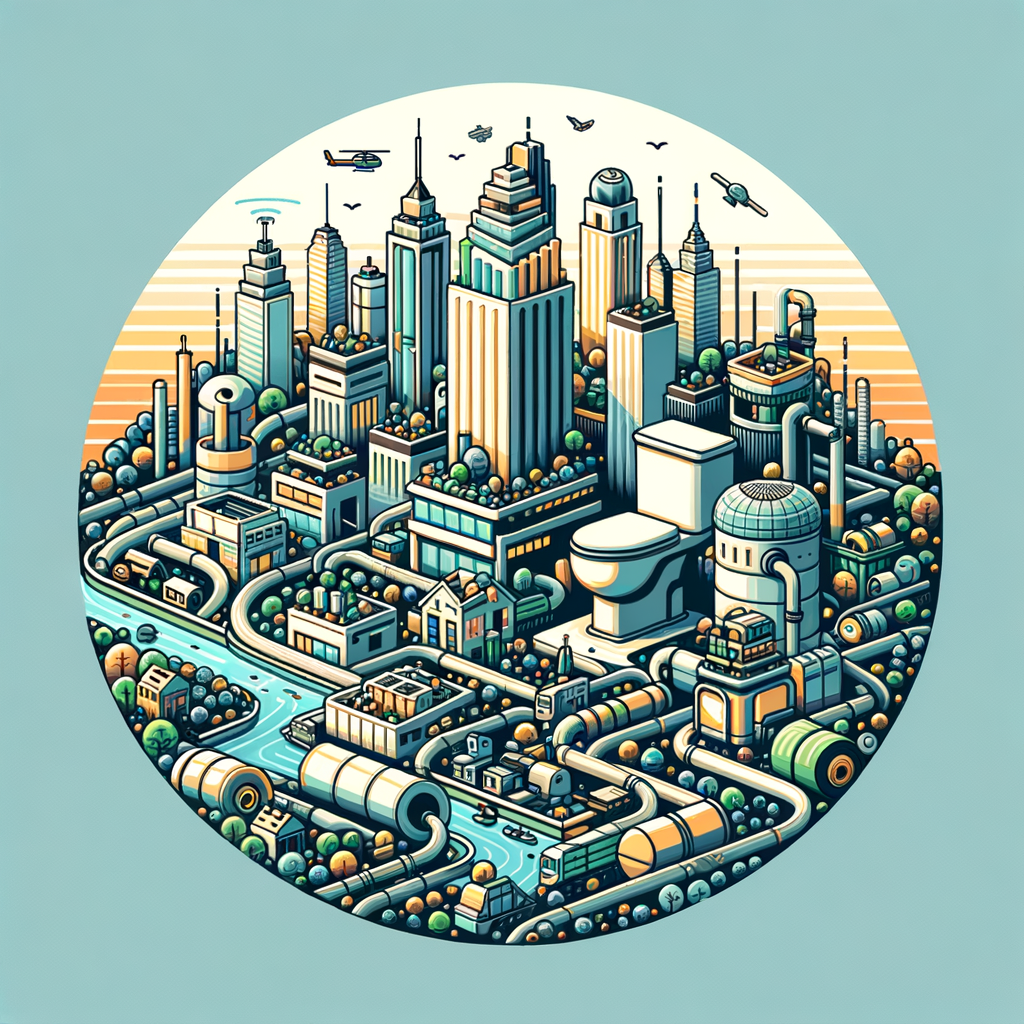
EcoSan, or ecological sanitation, is an innovative approach to addressing the sanitation needs of urban populations in environmentally sustainable ways. As cities continue to grow, the demand for efficient and eco-friendly sanitation solutions becomes more urgent. EcoSan not only minimizes waste but also transforms it into valuable resources, helping to achieve broader sustainability goals. Scaling up EcoSan in growing cities involves overcoming infrastructural, social, and financial challenges, while leveraging technology, policy, and community engagement. This article explores strategic approaches that can facilitate the widespread adoption and implementation of EcoSan systems in rapidly expanding urban areas.
As urbanization intensifies, so too do sanitation challenges. Traditional sanitation systems often prove insufficient in addressing the complexities associated with urban growth, including increased waste generation and environmental degradation. EcoSan systems, designed to close loops by safely recycling human waste, provide a sustainable alternative. However, scaling up such models demands careful planning and execution. By focusing on infrastructure, technology, policy advocacy, community involvement, and partnerships, cities can effectively integrate EcoSan solutions into their environments, creating healthier, more sustainable living conditions. This article delves into these crucial areas, offering insights into scaling up and optimizing EcoSan in urban contexts.
Infrastructure Development
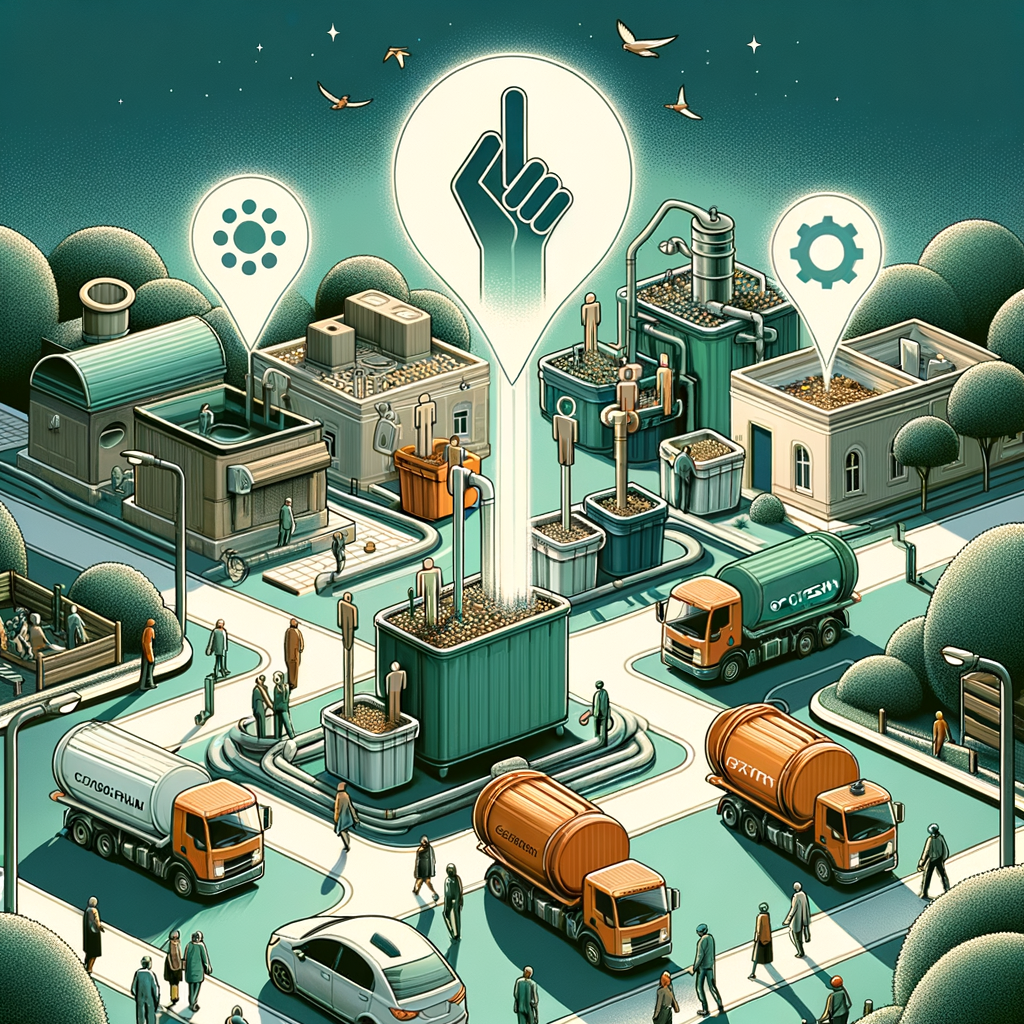
Infrastructure development is key to the successful scaling of EcoSan systems in urban settings. Traditional sanitation infrastructure is primarily designed for linear waste systems, which take waste away from homes and dispose of it in centralized locations. In contrast, EcoSan requires decentralized, locally adaptive systems capable of managing, treating, and reusing waste. Investing in research and design tailored to urban landscapes is vital. Cities must construct new or modify existing infrastructure to accommodate decentralized composting toilets, biogas digesters, and other EcoSan components. Moreover, waste collection, transport, and processing facilities need strategic planning to ensure efficiency.
Integration with existing infrastructure presents both challenges and opportunities. In urban areas, particularly those that are already densely populated, retrofitting existing structures can be complex and costly. However, integrating EcoSan into urban planning from the outset can result in significant savings and efficiency improvements over time. Planners should incorporate EcoSan systems into new housing projects or urban redevelopment plans, ensuring these systems are viable, sustainable, and tailored to the community’s specific needs. Additionally, continuous monitoring and maintenance frameworks are essential for ensuring the ongoing functionality and efficiency of EcoSan infrastructure, promoting long-term operational success.
Leveraging Technology and Innovation
Technology plays a pivotal role in enhancing the scalability of EcoSan systems. Innovative technologies can streamline processes, improve efficiency, and offer user-friendly solutions for waste treatment and recycling. Initiating technology partnerships can facilitate access to advanced tools and processes necessary for developing robust EcoSan systems suited to urban environments. Smart technologies, such as sensors for monitoring waste levels or IoT solutions for system management, provide real-time data, helping maintain system efficiency and manage resources effectively. These advancements support predictive maintenance, reducing downtime and improving the reliability of sanitation systems.
Moreover, technological innovation opens up opportunities for alternative resource recovery processes. For instance, developments in anaerobic digestion and nutrient recovery techniques can enhance the productivity of EcoSan systems, turning otherwise wasted resources into energy or fertilizers. Encouraging research and development in this area can spur further advancements, aligning EcoSan expansion with broader sustainability goals. By establishing technology testbeds within urban centers, cities can pilot and refine solutions, reducing risks associated with large-scale deployment. These pilots can also foster community engagement by showcasing tangible benefits, encouraging public buy-in, and providing valuable feedback for iterative improvement.
Policy and Regulatory Frameworks
Establishing supportive policy and regulatory frameworks is crucial for scaling EcoSan technologies. Effective policies provide a structured environment that facilitates system implementation and ensures compliance with environmental, health, and safety standards. Governments can strengthen EcoSan adoption by creating incentives for sustainable sanitation solutions. These may include tax benefits, subsidies for infrastructure development, or grants for community-based EcoSan projects. By financially supporting EcoSan systems, policies can lower barriers to entry, making them more accessible to urban populations.
Moreover, establishing clear guidelines and standards for EcoSan systems helps ensure quality and reliability, building public and investor confidence. Regulatory frameworks should address health and safety concerns related to waste management and promote safe, hygienic practices for waste handling and processing. Policy measures must also consider cross-sectoral integration, aligning with urban planning, public health, and environmental conservation efforts to maximize benefits. Future policies should be adaptable, enabling them to evolve in response to technological advancements or shifting urban dynamics, ensuring they remain relevant and effective over time.
Community Engagement and Education
Community engagement is fundamental to the successful adoption and scaling of EcoSan systems in urban areas. Public understanding and acceptance are crucial, as EcoSan systems often involve active participation from community members. Educational campaigns can raise awareness about the benefits and functionality of EcoSan technologies, dispelling misconceptions and garnering community support. By involving communities in the planning and decision-making process, cities can tailor EcoSan projects to local needs, increasing the likelihood of successful implementation and ongoing use.
Programs that involve community leaders and local organizations can extend outreach efforts, fostering networks that support EcoSan adoption. These collaborations can lead to workshops or training sessions, equipping community members with knowledge and skills needed to operate and maintain EcoSan systems. Furthermore, positioning EcoSan systems as part of larger sustainability initiatives, such as urban agriculture or renewable energy projects, can align community goals with EcoSan objectives, rallying broader support. Fostering a sense of ownership and responsibility among community members not only drives immediate acceptance but also enhances long-term sustainability and scalability.
Partnership and Collaboration
Collaborative efforts between government, private sector, and non-profit organizations can significantly enhance the scalability of EcoSan solutions. Partnerships can pool resources, expertise, and funding capabilities, offering a more comprehensive approach to EcoSan deployment. Engaging with companies that provide innovative technologies, waste management solutions, or financial investment can strengthen the implementation of EcoSan projects, overcoming resource limitations often experienced by cities.
Non-profit organizations, with their local knowledge and networks, play a pivotal role in community outreach and education, supporting smoother transitions to EcoSan solutions. Additionally, partnerships with academic institutions can provide research opportunities, fostering a deeper understanding of EcoSan applications and benefits within urban contexts. Governments, too, are essential partners, providing overarching policy frameworks and financial structures that support large-scale EcoSan implementation. Collaborative models combining public, private, and civil sectors can drive progress towards successful EcoSan scaling, leveraging each party’s strengths and capacities to ensure efficacy and impact.
Financial Models and Investment Opportunities
Financial models tailored specifically for EcoSan expansion can bridge funding gaps, facilitating broader implementation in urban environments. Utilizing innovative financing solutions, such as micro-financing, can make EcoSan systems more economically accessible to lower-income urban populations. Payment models that focus on cost recovery, like pay-as-you-go systems, can ensure sustainable operation and maintenance without overburdening users financially. Moreover, establishing revolving loan funds or community savings groups can provide additional financial support, enabling communities to invest in and expand EcoSan systems incrementally.
Attracting investment from both public and private sectors is critical for scaling efforts. Public-private partnerships can provide the requisite financial resources for large-scale infrastructure projects, combining governmental support with private-sector efficiency and innovation. Additionally, investments in EcoSan projects that demonstrate viable financial returns from resource recovery—such as the sale of biogas or compost—can attract private investors seeking sustainable business opportunities. Highlighting the environmental and social benefits, alongside economic incentives, can bolster investor interest and commitment towards EcoSan goals.
Conclusion
EcoSan represents a sustainable and innovative approach to urban sanitation, ideally suited to meet the demands of growing cities. Scaling up EcoSan in urban areas requires a holistic strategy that encompasses infrastructure development, technological integration, supportive policy frameworks, community engagement, partnerships, and financial models. These interconnected strategies form the backbone for successful EcoSan implementation and sustainability in urban environments. As cities continue to expand, the incorporation of EcoSan systems can promote environmental health, enhance urban resilience, and support long-term sustainability objectives, turning urban challenges into opportunities for growth and innovation.
By strategically aligning efforts across sectors and involving communities at every stage of the process, cities can transform sanitation challenges into powerful opportunities for sustainability and resource efficiency. The comprehensive adoption of EcoSan can set a precedent for innovative urban sanitation models globally, demonstrating the potential for cities to thrive in balance with the environment. Through continued collaboration, investment, and dedication to sustainable initiatives, the vision of waste-free, eco-friendly cities can be realized, benefitting current and future generations.
Overall, as we push the boundaries of what is possible with EcoSan and implement these strategies effectively, growing cities can embrace sustainable sanitation solutions that serve both people and the planet. The potential for EcoSan is vast, promising not only advancements in sanitation but also catalysts for broader societal change, fostering communities that are more resilient, resourceful, and harmonious with their environments.
Frequently Asked Questions
1. What is EcoSan and how does it differ from traditional sanitation systems?
EcoSan, short for ecological sanitation, represents a transformative approach to sanitation. Traditional systems often entail transporting waste away from residences using water, treating it centrally, and then discharging it into the environment. However, EcoSan flips this model by treating human waste as a resource rather than waste to dispose of. It focuses on the decentralized collection and processing of waste to produce usable outputs like fertilizers and biogas. This not only reduces environmental pollution but also fosters a circular economy by recycling nutrients back into agricultural systems.
Unlike conventional systems, EcoSan is highly adaptable and can be tailored to specific community needs and geographical challenges in urban areas. By considering the entire lifecycle of waste—from production to reuse—EcoSan significantly decreases reliance on limited water sources and minimizes the generation of pollutants.
2. What are the primary challenges to scaling up EcoSan systems in growing cities?
Scaling up EcoSan in urban landscapes involves tackling a mix of infrastructural, social, and financial obstacles. Infrastructurally, cities may lack the existing networks capable of integrating diverse EcoSan technologies, which could range from composting toilets to biogas digesters. Transitioning from traditional sewer systems to EcoSan necessitates substantial investment in new facilities and training programs.
Socially, achieving widespread acceptance of EcoSan systems can be challenging. Public perceptions about hygiene and waste repurposing might be skeptical, thus necessitating robust community engagement and education initiatives. Behavioral change will hinge on strong advocacy and demonstrative successes.
Financially, the initial cost of developing EcoSan infrastructure can be significant, particularly in densely populated areas where property rights complicate construction and renovation. Identifying and leveraging funding opportunities, perhaps through public-private partnerships, remains a crucial aspect of addressing these financial hurdles.
3. How can EcoSan contribute to the sustainability goals of urban areas?
EcoSan aligns seamlessly with several sustainability goals, fundamentally altering how waste is managed and repurposed. Its approach reduces the carbon footprint associated with traditional waste management by cutting down water usage and pollution runoff. Moreover, EcoSan generates renewable energy through the creation of biogas and recycles nutrients through composting, which supports urban agriculture and greening efforts.
By fostering a sustainable urban environment, EcoSan contributes to climate resilience—equipping cities to better withstand the challenges posed by climate change. It also enhances urban food security by improving soil fertility through organic fertilizers derived from properly treated waste.
4. What are some effective strategies for implementing EcoSan projects in cities?
Implementing EcoSan projects effectively requires a multi-pronged strategy that encompasses policy-making, education, and innovation. Policymakers should support EcoSan initiatives with strong regulatory frameworks that incentivize the deployment of these systems. Offering subsidies or tax benefits for installing EcoSan systems can boost adoption rates.
Education plays a crucial role in ensuring the success of EcoSan projects. Public information campaigns that illustrate the benefits of EcoSan can shift public perception and encourage community buy-in. Additionally, training programs for local technicians and engineers are essential for maintaining operational standards and adapting designs to local conditions.
Innovation, both in technology and application, is key to overcoming geographical and cultural barriers. Investing in R&D to develop systems that are not only effective but also culturally acceptable and user-friendly can greatly enhance implementation efforts.
5. How does the adoption of EcoSan impact public health in urban areas?
The adoption of EcoSan systems can significantly enhance public health in densely populated urban centers. By treating human waste close to its source, EcoSan minimizes the risk of pathogen leaching into water supplies, a common issue in traditional sanitation systems. This results in cleaner water bodies and reduced incidents of waterborne diseases such as cholera and dysentery.
Additionally, the nutrient-rich fertilizers produced from treated waste improve agriculture and food quality, thereby influencing nutritional health outcomes. By fostering improved environmental conditions and enhancing food security, EcoSan indirectly contributes to the overall health and wellbeing of urban populations.