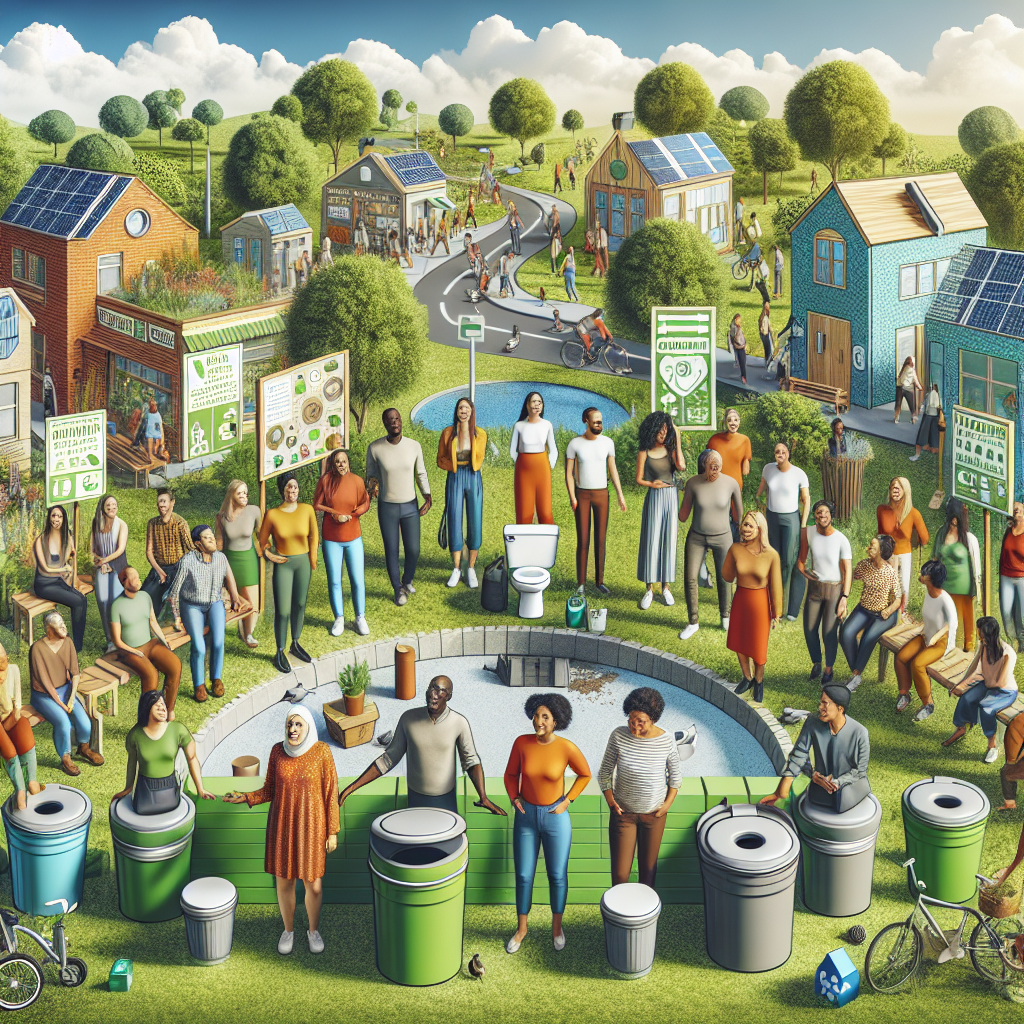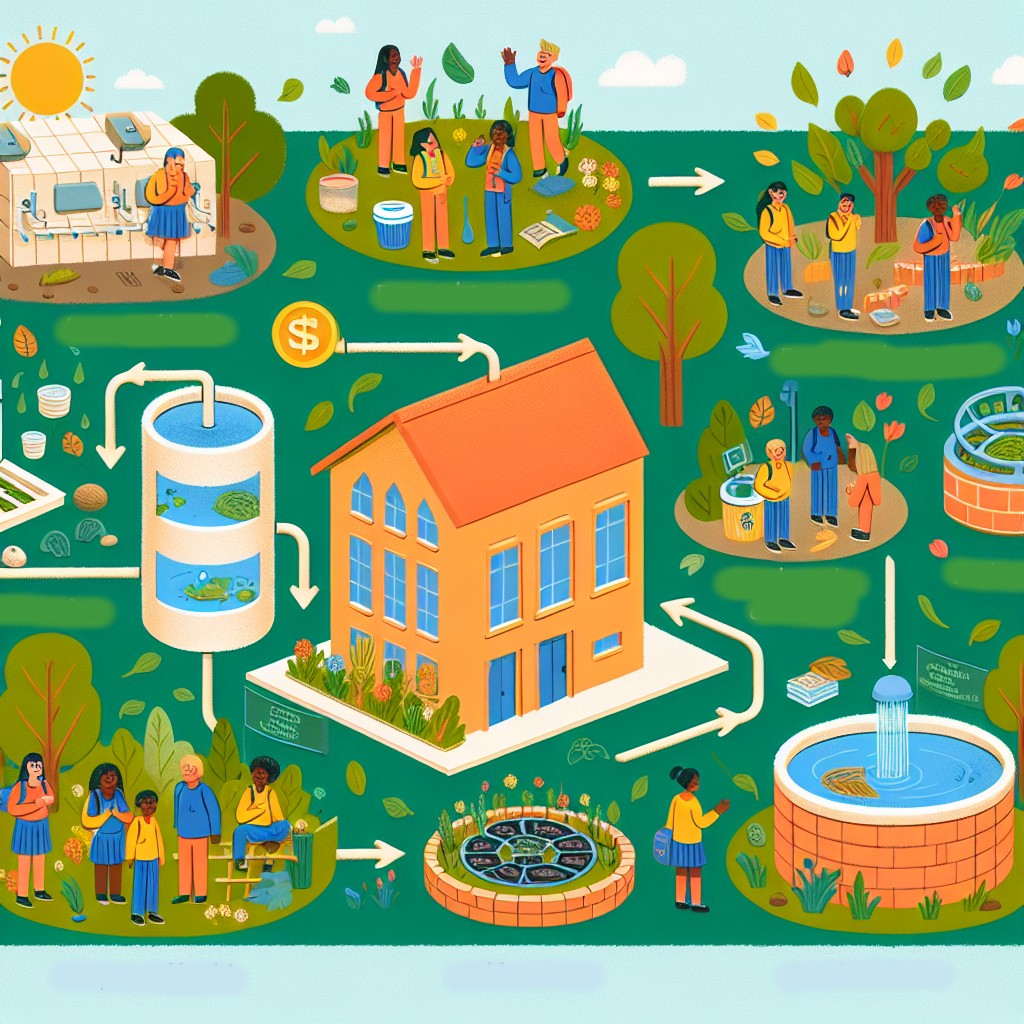
EcoSan, short for Ecological Sanitation, is a holistic approach to waste sanitation that reduces contamination, recycles nutrients, and conserves water. With the rapid urbanization and population growth seen across the world, especially in high-density regions, there is an increasing demand for sustainable sanitation solutions. Traditional sanitation systems often fall short, posing significant environmental and health risks. High-density populations can exacerbate these challenges by increasing waste generation rates while decreasing the availability of land and resources for conventional sanitation infrastructure. In response, it’s imperative to redesign EcoSan systems to efficiently serve such densely populated areas, balancing ecological benefits with practical urban considerations. This article explores the strategies and solutions necessary to integrate EcoSan into high-density regions, transforming waste management practices in ways that are both sustainable and scalable. By addressing these challenges head-on, we can pave the way for future sanitation systems that not only meet the needs of today but also preserve resources for tomorrow.
Understanding how to design EcoSan solutions for high-density populations requires a multi-faceted approach. Factors such as limited space, mixed waste streams, socio-economic variables, and existing city infrastructure must be carefully evaluated. Moreover, since sanitation is a topic deeply connected to public health, culture, and policy, integrating EcoSan into urban environments also demands community engagement and innovative policy frameworks. Thus, while the core principles of EcoSan remain rooted in ecological responsibility, their implementation necessitates a dynamic and responsive design process. This involves rigorous assessment of the unique urban challenges, crafting adaptable technological solutions, engaging communities in sustainable practices, and fostering policy environments conducive to long-term changes. Through this multifaceted approach, EcoSan can be effectively tailored to high-density contexts, leading to improved health outcomes and environmental benefits.
Let us delve into the specific strategies and solution frameworks that can facilitate the successful integration of EcoSan systems into densely populated areas. With the urban population expected to continue surging, cities will inevitably face exacerbated challenges surrounding waste management. Therefore, our focus shifts to creating adaptable systems that address evolving urban dynamics while meeting the sustainable development goals essential for a greener future.
EcoSan System Components
Designing EcoSan systems for high-density populations necessitates a keen understanding of its primary components. Typically, an EcoSan system encompasses three essential elements: toilets, waste collection/storage, and waste treatment/utilization. Each element is geared towards closing the loop of waste management, ensuring that nutrients and water are efficiently recycled back into the environment. In an urban setting, modifications must be made to accommodate limited space and diverse waste streams while retaining these core functions.
The toilet selection is paramount in an EcoSan system. For high-density populations, choosing the right type can significantly impact efficiency and user acceptance. Dry toilets, like urine-diverting dry toilets (UDDTs), are commonly favored for their water conservation benefits. They separate urine and feces at the source, reducing the volume of waste and improving composting processes. Additionally, vacuum toilets, which use air pressure instead of water for waste transport, can be considered where infrastructure permits. These require less space, transport waste continuously, and reduce odor emissions, making them suitable for closed urban environments.
Waste collection and storage solutions in dense urban settings often involve communal systems. Centralized or semi-centralized waste collection facilities can efficiently manage high volumes of waste while conserving space within individual dwellings. These facilities must maintain strict hygiene and safety standards to gain public trust and ensure program acceptance. The ability to integrate these solutions with existing infrastructural frameworks, like sewage networks or logistic routes, further streamlines operations and reduces implementation costs.
For the treatment and utilization phase, innovative methods like composting and anaerobic digestion are pivotal. Composting converts organic waste into nutrient-rich soil amendments, contributing to urban agriculture even in small spaces. Anaerobic digestion, on the other hand, offers the dual benefit of energy production along with nutrient recycling. Biogas plants, scalable in size, can treat organic waste from an entire neighborhood, converting it into renewable energy and digestate, a valuable fertilizer. Adjusting these systems to fit high-density areas involves compact design, odor control, and socially acceptable processing times.
Challenges in High-Density Settings
The primary challenges when implementing EcoSan in high-density areas include space constraints, logistical difficulties, social acceptance, and economic viability. Urban areas often grapple with a scarcity of land, leaving little room for large-scale infrastructure. Thus, compact and modular EcoSan solutions that can fit into limited dimensions are preferable, often requiring creative engineering.
Another major concern is the logistical complexity of waste collection and transportation. Urban layouts with narrow streets or high-rise buildings demand systems that ease waste movement without disrupting daily life. Pneumatic waste systems or conveyor systems can offer a solution; however, their installation and maintenance may incur high upfront costs, requiring careful cost-benefit analysis.
Social acceptance is another hurdle, as public perception around sanitation practices can greatly influence EcoSan adoption. Educational campaigns highlighting environmental benefits and dispelling myths about safety and hygiene are crucial. Demonstration projects can help showcase a system’s efficacy and benefits, cultivating broader acceptance over time.
Economic viability often becomes a hindrance, especially in low-income communities within densely populated regions. Although EcoSan systems can present long-term savings through resource recovery, they often require significant initial investments. To mitigate these challenges, partnerships with non-governmental organizations, private sector incentives, and supportive public policies are essential to push eco-friendly initiatives forward.
Technological Innovations
Recent technological advancements have propelled EcoSan efficiency, especially in urban areas. Automated monitoring systems now allow real-time analysis of waste management processes, optimizing efficiency and swiftly addressing operational hiccups. Smart sensors linked to centralized control interfaces can monitor waste levels, detect leakages, and trigger maintenance alerts, reducing downtime and improving system reliability.
Furthermore, advanced treatment technologies facilitate more effective recycling of waste products. Plasma gasification, for example, superheats waste material, converting it into syngas, which can be utilized for energy, and inert slag, which eliminates landfill needs. While still emerging, this technology offers promising applications for cities looking to handle municipal solid waste sustainably.
Circular economy models also advocate for waste being seen as a resource. Biochar production, derived from organic waste processing, provides a soil enhancer that’s effective in carbon sequestration. Similarly, algae farming utilizes nutrient-rich waste as feedstock, producing biofuel and biomass for various applications, thus turning waste into commercially viable products.
Policy and Community Engagement
Effective policy-making and community engagement are indispensable to successful EcoSan integration into high-density populations. Policymakers must incentivize sustainable waste management practices, offering tax benefits or subsidies for EcoSan system adoption. Regulations must be established to mandate waste separation and delegate responsibilities between relevant stakeholders.
Furthermore, engaging the community in EcoSan solutions is critical. Grassroots campaigns that involve workshops, demonstrations, and collaborative design sessions can go a long way in fostering understanding and encouraging active participation. Community-driven projects where people are accountable for local sanitation efforts often result in dramatic improvements in system adoption and performance.
Creating urban sanitation committees that involve local leaders, business owners, and health officials can bridge gaps between government policies and citizen needs. Feedback mechanisms must also be implemented, allowing residents to voice concerns and offer suggestions. This not only enhances system efficiency but reinforces the commitment to communal stewardship of urban sanitation infrastructure.
Integration and Implementation
The integration of EcoSan systems into high-density urban landscapes demands strategic implementation plans that are both agile and sustainable. Piloting projects in targeted areas allows for learning and adaptation without overwhelming existing infrastructure. Scaling up should then be coupled with training programs that equip operators and maintenance staff with the necessary skills and knowledge.
Implementation should also incorporate data-driven approaches that allow urban planners to track progress and adjust protocols as needed. Geo-spatial analysis can map waste generation patterns, optimize waste routes, and allocate resources more effectively. Integrating these insights into the design and operational phases ensures responsive adjustments to emerging urban challenges.
Conclusion
Designing EcoSan systems tailored for high-density populations presents both significant challenges and rewarding opportunities. While the constraints posed by urban landscapes can be daunting, success lies in innovative, adaptable solutions underpinned by strong community engagement and supportive policies. By reevaluating toilet designs, optimizing waste collection strategies, and embracing cutting-edge treatment technologies, we can create sustainable infrastructures that rise to the challenges faced by metropolitan ecosystems.
Ultimately, EcoSan systems must be seen as a transformative opportunity to redefine urban sanitation. By focusing on nutrient recovery, energy generation, and water conservation, EcoSan is positioned not just as an alternative to traditional methods, but an integral part of future urban planning. The path forward depends on collaboration across sectors, proactive policy frameworks, and the sustained commitment of local communities. If nurtured effectively, EcoSan systems will not only enhance urban sanitation but contribute significantly to the sustainable development goals, fostering urban environments that are healthier, cleaner, and more sustainable for generations to come.
As we journey towards a future where eco-friendly practices are paramount, EcoSan emerges as a beacon of possibility. It exemplifies how resource management, technological prowess, and human collaboration can converge, yielding solutions that accommodate the ever-changing demands of our urban civilization.