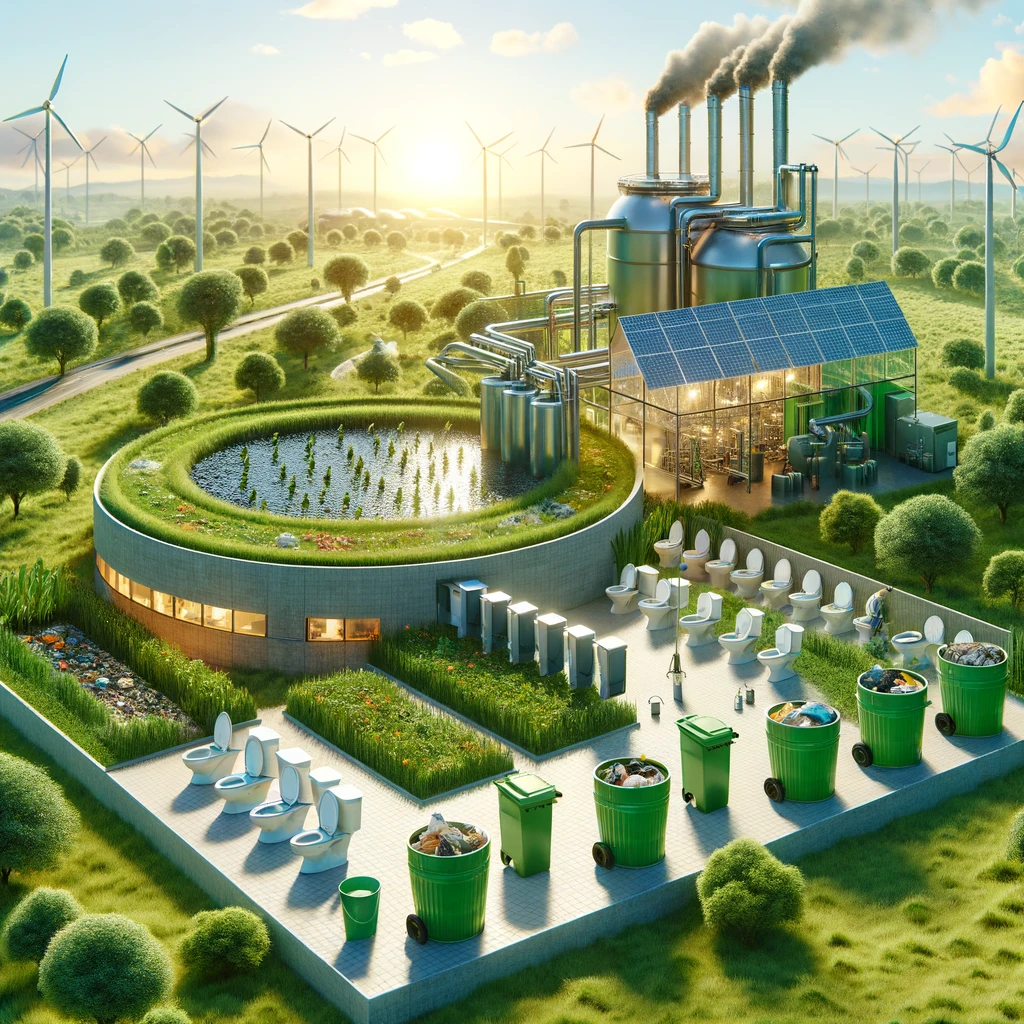
Ecological Sanitation (EcoSan) is a sustainable framework aimed at protecting human health and the environment while recovering nutrients to return them to the soil. It represents a shift from traditional waste disposal methods to more integrated systems that treat human waste as a resource. This article explores the critical components necessary for implementing a successful EcoSan system, highlighting its benefits and practical steps for adoption.
Understanding EcoSan Principles
The core of EcoSan is based on several principles that distinguish it from conventional sanitation practices:
- Resource Recovery: The primary goal of EcoSan is to recover resources from waste streams, particularly nutrients and organic matter, to be reused typically in agricultural settings.
- Health and Hygiene: EcoSan systems are designed to prevent the transmission of diseases by effectively separating and sanitizing human waste.
- Environmental Protection: By avoiding the discharge of untreated waste into the environment, EcoSan systems help preserve water and soil quality.
- Sustainability: These systems are developed to be sustainable, requiring minimal energy and reducing the use of chemicals in waste treatment processes.
Components of a Successful EcoSan System
To develop a successful EcoSan system, several components need to be integrated thoughtfully:
- Source Separation: This is the first and most crucial step, where waste streams (urine, feces, and water) are separated at the source. This separation is essential for effective treatment processes and resource recovery.
- Containment: Proper containment of human waste is critical to avoid contamination of water sources and to facilitate safe nutrient recovery. This is typically achieved through the use of dry toilets or composting toilets.
- Treatment: Treatment in EcoSan systems focuses on sanitizing and stabilizing waste materials to safely return them to the environment or use them as resources. Common methods include composting and urine diversion with dehydration.
- Nutrient Recovery: Following treatment, the next step is the recovery of nutrients, especially nitrogen, phosphorus, and potassium from urine and compost. These are invaluable for agriculture, turning waste into a potent fertilizer.
- Water Reuse: In some EcoSan systems, greywater (from showers, sinks, and kitchen) is also treated and reused for irrigation or other non-potable purposes, maximizing resource efficiency.
- Community Involvement and Education: Successful implementation of EcoSan systems requires community engagement and education. Stakeholders must understand the benefits and responsibilities involved in maintaining these systems.
- Maintenance and Monitoring: Regular maintenance is necessary to ensure the system functions correctly and continues to meet health and environmental standards. Monitoring helps in assessing the performance and identifying areas for improvement.
Implementation Steps
Implementing an EcoSan system involves careful planning and consideration of local conditions:
- Assessment of Needs and Conditions: Evaluate the local needs for sanitation and the environmental conditions that might affect the system, such as climate, soil type, and available space.
- Design Tailored to Local Context: Design the system to suit local cultural practices and preferences, availability of materials, and the community’s ability to maintain it.
- Construction and Installation: Use locally available materials and knowledge to build the system, ensuring it is accessible and easy to use.
- Training and Capacity Building: Educate the community on the importance of sanitation, how the EcoSan system works, and their role in its maintenance.
- Monitoring and Feedback: Continuously monitor the system’s performance and gather feedback from users for future improvements.
EcoSan systems present a holistic approach to sanitation that promotes resource recovery and environmental protection. By understanding and implementing these systems’ key components, communities can improve sanitation standards sustainably while contributing to agricultural productivity. The success of these systems heavily depends on community buy-in and effective management, underscoring the importance of education and involvement in the EcoSan process.

Challenges and Solutions in EcoSan Implementation
While the benefits of EcoSan systems are compelling, their implementation is not without challenges. Addressing these effectively is crucial for the success and scalability of these systems.
- Social Acceptance: One of the primary barriers to EcoSan implementation is the reluctance of communities to adopt new sanitation practices, especially those involving the reuse of human waste. This can be overcome through sustained community engagement and education campaigns that highlight the health and environmental benefits of EcoSan.
- Technical Expertise: Building and maintaining EcoSan systems often require specialized knowledge that may not be readily available in all communities. Developing local expertise through training programs and partnerships with organizations experienced in EcoSan can mitigate this challenge.
- Financial Constraints: The initial cost of setting up an EcoSan system can be a hurdle for many communities. Financial support from government programs, international donors, and non-governmental organizations can play a significant role in facilitating the initial investment.
- Regulatory Hurdles: In many regions, existing sanitation regulations are not adapted to the unique aspects of EcoSan systems, particularly regulations around the use of human-derived fertilizers. Advocacy and dialogue with policymakers are essential to create a supportive regulatory environment.
The Role of Technology and Innovation
Technological innovations and improvements can enhance the efficiency and appeal of EcoSan systems. For instance, advancements in toilet designs that require less maintenance or more effectively separate waste can increase system adoption. Additionally, the development of more robust treatment solutions that can handle larger volumes of waste or function better in diverse environmental conditions can expand the applicability of EcoSan systems.
Furthermore, the integration of smart technologies for monitoring and managing EcoSan systems can lead to better maintenance practices and data collection. This data can be invaluable for assessing the health impacts and environmental benefits, thereby providing compelling evidence to encourage further adoption.
Case Studies: EcoSan Success Stories
Illustrative examples from around the world demonstrate the potential of EcoSan systems when implemented effectively:
- Sweden: Known for its progressive environmental policies, Sweden has implemented EcoSan practices in various communities, focusing on nutrient recycling to support sustainable agriculture.
- Rwanda: In response to both sanitation challenges and soil degradation, Rwanda has adopted EcoSan systems to improve health outcomes and agricultural productivity, particularly in rural areas.
- India: Various NGOs in India have promoted the use of EcoSan toilets to combat the dual challenges of inadequate sanitation and nutrient-poor soil, showing significant improvements in local sanitation and farming outputs.
These cases highlight how different regions adapt EcoSan principles to their specific needs and conditions, achieving significant health, environmental, and economic benefits.
Moving Forward with EcoSan
For EcoSan systems to reach their full potential, a multi-faceted approach is necessary. This includes ongoing research and development to refine technologies, sustained educational efforts to shift public perceptions, and strong policy advocacy to ensure supportive governance structures.
Community leaders, policymakers, environmental advocates, and researchers must collaborate closely to tailor EcoSan systems to local needs while ensuring that these systems are scalable and sustainable. As global awareness of sustainability grows, EcoSan represents a forward-thinking solution to sanitation that conserves resources, protects the environment, and enhances public health.
Conclusion
EcoSan systems are more than just an alternative approach to sanitation; they are a comprehensive strategy for resource management and environmental protection. By focusing on the key components of successful EcoSan implementation and addressing the accompanying challenges, communities around the world can achieve significant and sustainable improvements in both sanitation and agriculture.