
In a world where sustainability is more than a buzzword, ecological sanitation (EcoSan) emerges as a transformative approach to managing human waste. This system not only recycles waste into resources such as compost and biogas but also significantly alters societal perceptions of sanitation. By promoting practices that turn waste into valuable resources, EcoSan challenges conventional wastewater systems and ushers in a new era of environmental consciousness.
What is Ecological Sanitation?
Ecological Sanitation (EcoSan) refers to a variety of sanitation practices that aim to close the loop between sanitation and agriculture, transforming waste into resources. This approach is based on the principle that human excreta is not a waste product but a nutrient-rich resource that can be safely recycled and used to enhance soil fertility and reduce pollution. EcoSan systems range from simple composting toilets to more complex constructed wetlands and biogas systems, each designed to serve the dual purposes of sanitation and environmental conservation.
The Psychological Shift: From Waste to Resource
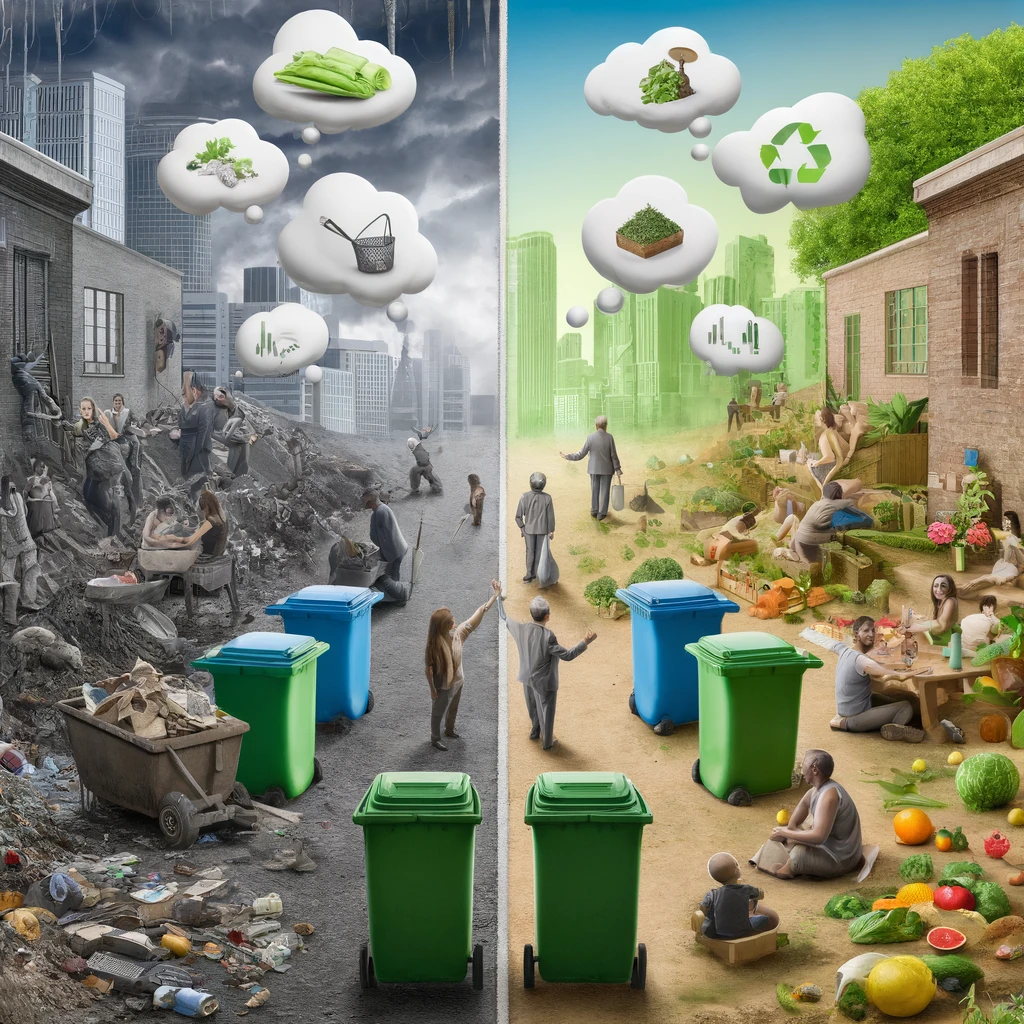
One of the most striking aspects of EcoSan is its potential to foster a major psychological shift in how we perceive waste. Traditionally, sanitation systems focus on the disposal and treatment of human excreta to prevent disease. However, these systems often ignore the potential of these materials as resources. EcoSan challenges this notion by treating waste as a valuable commodity, leading to a fundamental shift in mindset from waste management to resource recovery.
Breaking the Waste Stigma
Historically, waste and the facilities managing them have been stigmatized, often relegated to the outskirts of towns and cities. This physical and mental distancing has reinforced negative perceptions about waste, viewing it primarily as something to be disposed of. EcoSan turns this narrative on its head by advocating for the productive use of waste, thereby reducing the stigma associated with sanitation systems. By promoting localized waste processing and resource recovery, EcoSan encourages communities to take ownership of their waste, seeing it not as an inconvenient byproduct of human existence but as an integral part of a sustainable lifecycle. This ownership not only helps in reducing pollution and conserving resources but also uplifts the social perceptions of waste management facilities.
Educational Impacts
The adoption of EcoSan is often accompanied by extensive educational initiatives aimed at changing community attitudes towards waste and sanitation. These programs are crucial for the success of EcoSan, as they provide the necessary knowledge and skills to manage these systems effectively. Moreover, education acts as a catalyst for broader societal changes, influencing not only how individuals perceive their interactions with waste but also how communities value sustainability and environmental stewardship.
Environmental Psychology and EcoSan
Environmental psychology explores the interactions between humans and their surroundings, offering valuable insights into how environmental conditions influence behavior and attitudes. In the context of EcoSan, this field of psychology provides explanations for why changing the way we manage waste can lead to broader environmental consciousness.
Connection to Nature
EcoSan systems often require direct interaction with natural processes, such as composting and anaerobic digestion. This hands-on engagement with the cycles of nature can enhance individuals’ connection to the environment, fostering a sense of responsibility and care for natural resources. As people become more attuned to the ecological impacts of their actions, they are more likely to adopt sustainable practices in other areas of their lives.
Sense of Community and Collective Action
Implementing EcoSan can strengthen community bonds, as these systems frequently involve collective planning, implementation, and maintenance
Enhancing Social Cohesion
The EcoSan framework fosters a powerful sense of community through shared responsibilities and mutual benefits. Participants in EcoSan initiatives often experience a strengthening of social ties as they work together towards a common goal — sustainable waste management. This collective effort not only improves sanitation but also enhances community engagement and cooperation, essential components for successful communal living. Local management of sanitation provides a direct demonstration of how individual actions contribute to community welfare. This visibility of impact encourages further participation and spreads the ethos of communal responsibility, a stark contrast to the anonymity of conventional sewage systems where the end processes are out of the public’s sight and mind.
Reducing Environmental Anxiety
In today’s world, environmental concerns can generate significant anxiety and feelings of helplessness among people, especially when solutions seem sparse or inadequate. EcoSan offers a practical and actionable way for individuals and communities to directly contribute to environmental health, which can alleviate feelings of despair and empower individuals. By understanding and experiencing how their efforts make a positive difference, people are likely to experience reduced anxiety related to environmental degradation.
Spurring Environmental Innovation
The shift towards viewing waste as a resource can also stimulate innovation in other environmental sectors. As communities and individuals grow accustomed to the idea of recycling waste into something useful, the same mindset is transferrable to other resources, such as water and energy. This can lead to broader innovations in sustainable practices, potentially transforming areas of the economy that extend well beyond sanitation.
Building Resilience to Environmental Changes
EcoSan systems contribute to building more resilient communities in the face of climate change and other environmental challenges. By promoting more sustainable practices in waste management, these systems help mitigate the impacts of environmental degradation. Additionally, the reduced reliance on chemical fertilizers and increased organic matter in the soil enhance soil health and water retention, which are crucial in adapting to increasingly variable weather patterns due to climate change.
Fostering Long-term Behavioral Change
The EcoSan approach does not only alter immediate behaviors but can also influence long-term societal change. By integrating sustainable practices into daily routines, EcoSan helps create new norms and values around waste and resource use. This not only ensures the sustainability of the sanitation system itself but also ingrains a culture of sustainability within communities. As EcoSan systems demonstrate their effectiveness, they serve as a model for other communities and regions, showcasing how sustainable practices can be integrated into modern living seamlessly and beneficially. This wider adoption can perpetuate a global shift in how societies manage not only sanitation but also other critical resources.
Conclusion
The integration of EcoSan practices represents more than an alternative sanitation method; it is a movement towards a more sustainable and psychologically attuned way of living. Transitioning from seeing waste as a nuisance to viewing it as a resource is a profound shift that has the potential to revolutionize not only waste management but societal attitudes towards the environment and communal living. As this transformation unfolds, it will likely bring about deeper connections with nature, stronger community ties, and a robust culture of sustainability, resonating well beyond the confines of sanitation.