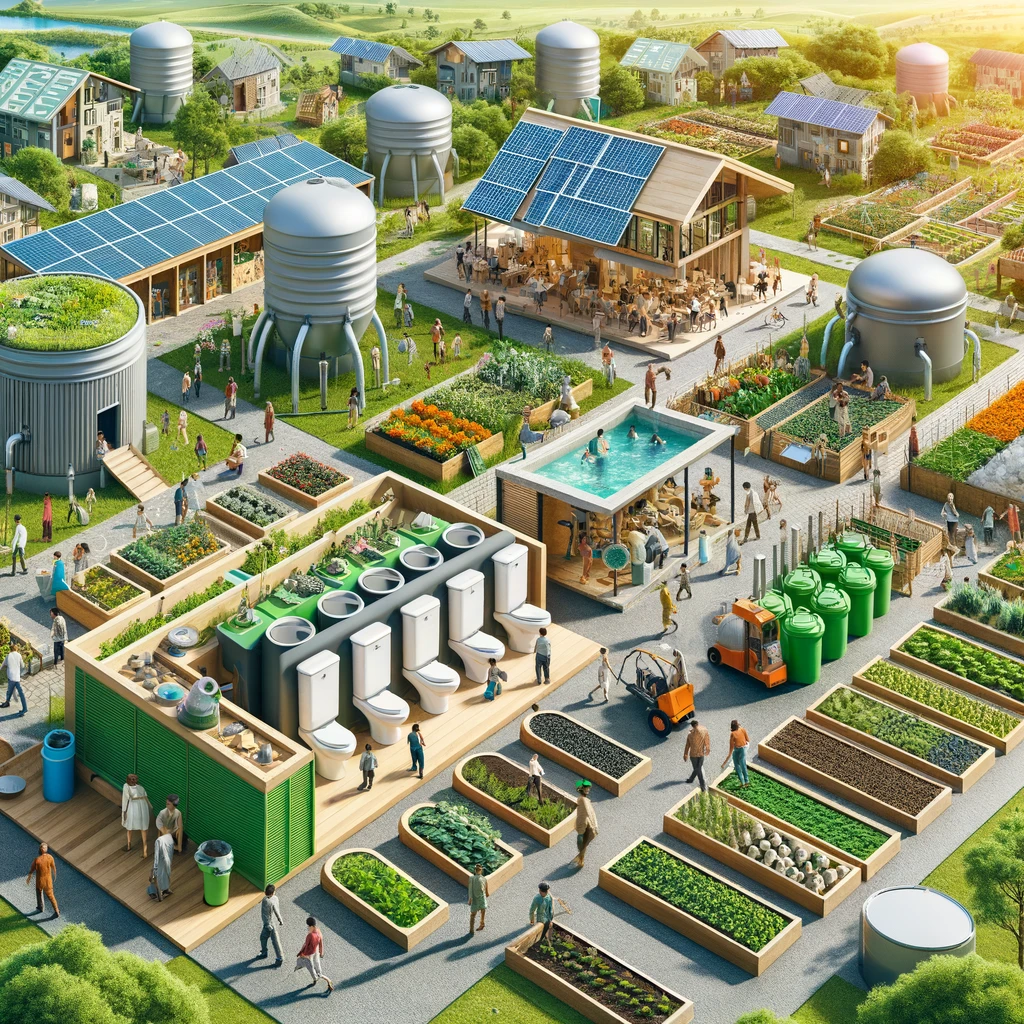
In a world facing numerous environmental challenges, ecological sanitation (EcoSan) stands out as a sustainable solution that can address both waste management and resource recovery. EcoSan is an innovative approach that safely recycles human waste into valuable resources such as fertilizers and soil conditioners. This method not only reduces pollution but also fosters resource recovery, contributes to food security, and conserves water.
The concept of EcoSan has been successfully implemented in various pilot projects globally. These projects have demonstrated the efficacy and benefits of EcoSan systems, making it an attractive option for widespread adoption. However, moving from small-scale pilots to broader implementation requires strategic planning, community engagement, and robust infrastructure. This article aims to provide a comprehensive roadmap for scaling up EcoSan, from initial pilot projects to widespread adoption.
Laying the Groundwork for EcoSan Implementation
Before initiating any large-scale EcoSan project, it is crucial to lay a solid foundation. This foundation involves understanding the local context, engaging key stakeholders, and ensuring that there is a clear vision and plan in place.
Firstly, conduct a thorough assessment of the local environmental, social, and economic conditions. This includes understanding the existing sanitation infrastructure, water resources, and agricultural practices. Gathering data on these aspects will help in designing EcoSan systems that are tailored to local needs and conditions.
Secondly, engage with a wide range of stakeholders, including local communities, government agencies, non-governmental organizations (NGOs), and potential funding bodies. Building strong relationships with these stakeholders is essential for gaining support and ensuring the sustainability of EcoSan projects. Involving the community from the outset fosters a sense of ownership and increases the likelihood of success.
Lastly, develop a detailed implementation plan that outlines the objectives, timelines, resources, and responsibilities. The plan should also include a risk management strategy to address potential challenges that may arise during the project. Having a well-defined plan will provide a clear roadmap and help in monitoring progress.
Building Capacity and Raising Awareness
One of the significant barriers to the widespread adoption of EcoSan is the lack of awareness and expertise in managing these systems. Therefore, building capacity and raising awareness are crucial steps in the implementation process.
To build capacity, organize training programs and workshops for local technicians, engineers, and community members. These training sessions should cover the principles of EcoSan, construction and maintenance of EcoSan toilets, and safe handling and use of human waste products. Additionally, creating a network of trained personnel can provide ongoing support and troubleshooting for EcoSan systems.
Raising awareness is equally important to garner acceptance and participation from the community. Conduct awareness campaigns using various communication platforms such as community meetings, print media, radio, and social media. Highlight the environmental and economic benefits of EcoSan, such as improved sanitation, reduced water usage, and the production of organic fertilizers. Demonstrating the success of pilot projects and sharing testimonials from satisfied users can further reinforce positive perceptions.
Furthermore, integrating EcoSan education into school curriculums can instill the importance of sustainable sanitation practices from a young age, ensuring long-term adoption and behavioral change in future generations.
Designing and Implementing EcoSan Systems
Designing effective EcoSan systems requires a combination of technical innovation and cultural sensitivity. The design must be user-friendly, environmentally sound, and culturally acceptable to the local population.
When designing EcoSan toilets, consider factors such as ease of use, maintenance, affordability, and environmental impact. Various types of EcoSan toilets are available, including urine-diverting dry toilets (UDDTs), composting toilets, and arborloo. Each type has its advantages and limitations, and the choice should be based on local conditions and preferences.
Implementation of EcoSan systems involves constructing the facilities, training users, and establishing a maintenance routine. Collaborating with local artisans and businesses can support the construction process and provide economic benefits to the community. Ensure that there is a regular monitoring and evaluation system in place to track the performance of EcoSan facilities and make necessary adjustments.
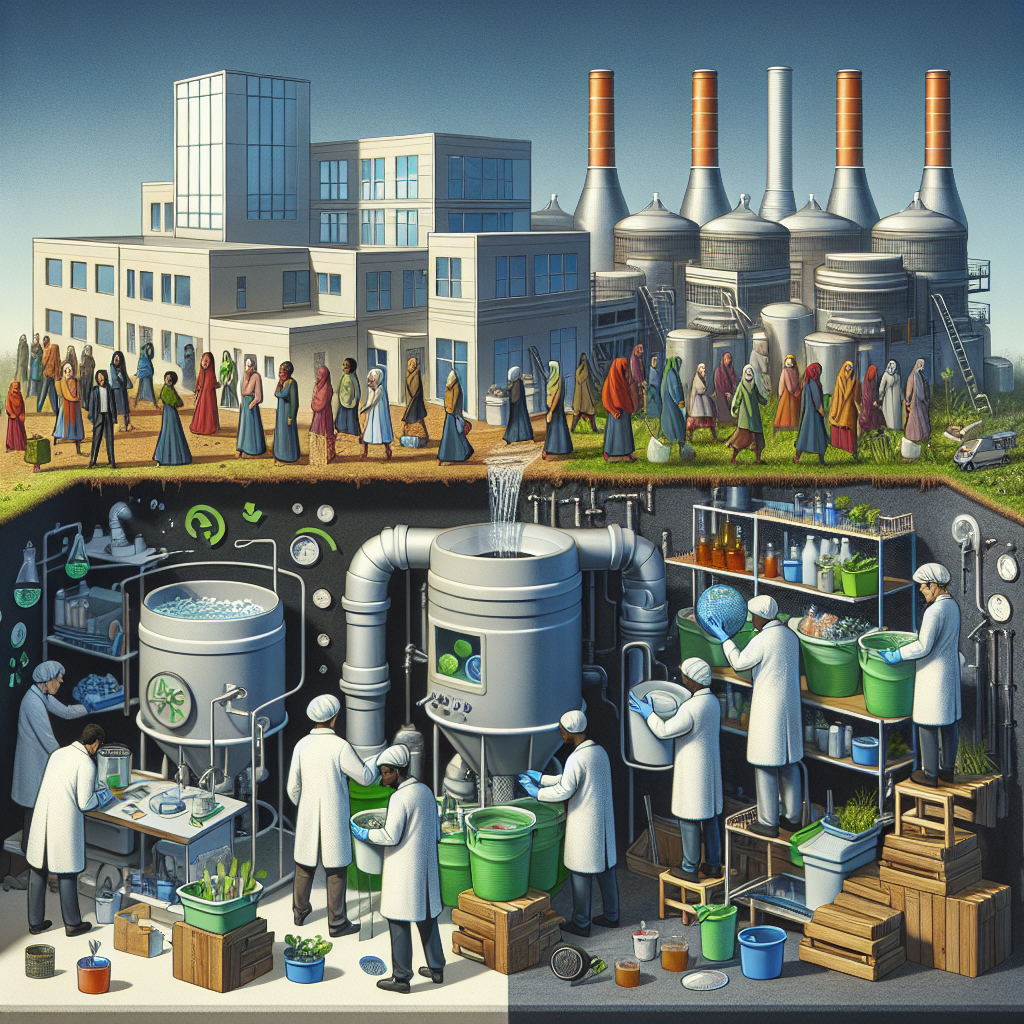
Additionally, setting up a reliable system for the collection, treatment, and reuse of human waste is crucial. This includes establishing partnerships with agricultural stakeholders to promote the use of EcoSan products as fertilizers and soil conditioners.
Ensuring Financial Sustainability
For EcoSan projects to be sustainable in the long term, it is essential to ensure financial viability. This can be achieved through a combination of funding sources, cost recovery mechanisms, and innovative financing models.
Initial funding for EcoSan projects can come from various sources such as government grants, international development organizations, private sector investments, and crowdfunding. Diversifying funding sources helps in reducing dependency on a single source and increases financial stability.
Implementing cost recovery mechanisms is another way to ensure financial sustainability. These mechanisms can include charging a nominal fee for using EcoSan facilities, selling the compost and urine-derived fertilizers, and providing paid maintenance services. Educating the community about the benefits of these products can create a market demand, thereby generating revenue for the project.
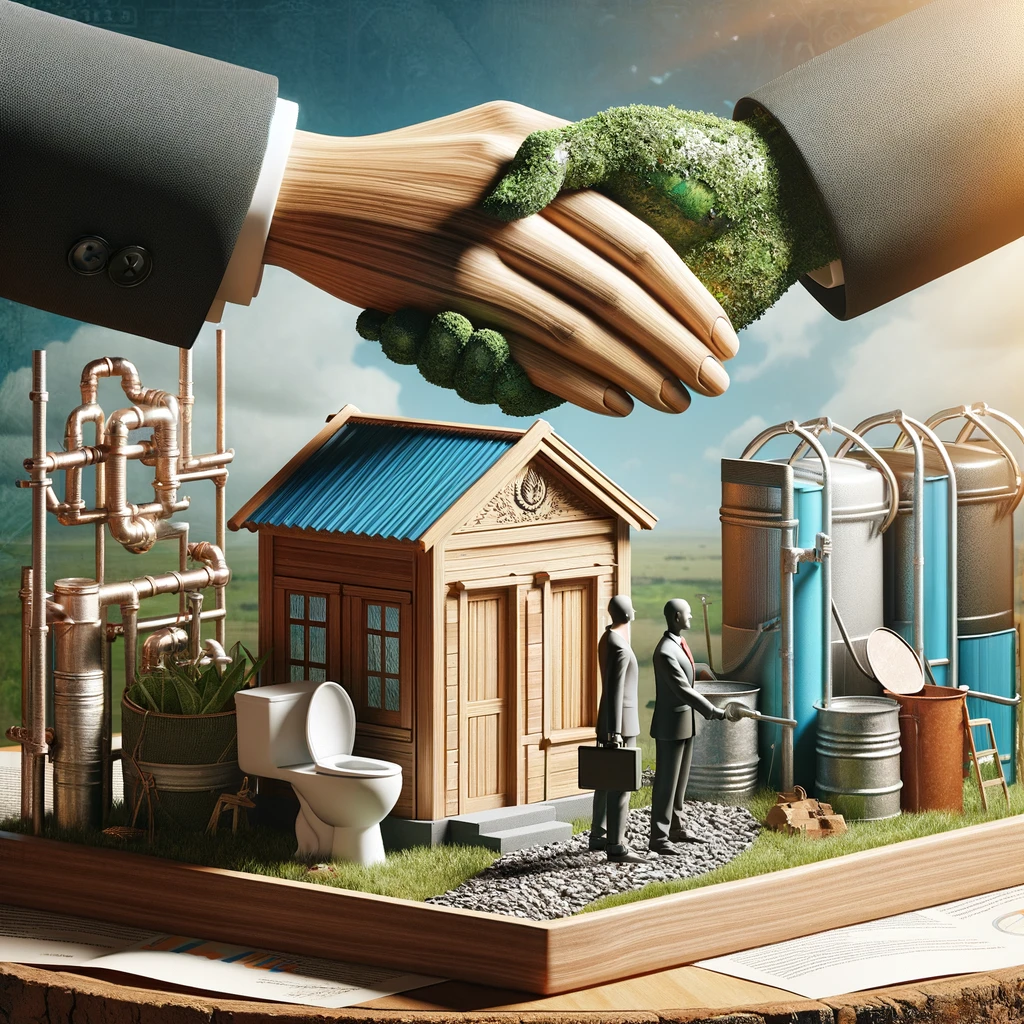
Exploring innovative financing models such as public-private partnerships (PPPs), microfinance, and social impact bonds can also provide financial support for scaling up EcoSan projects. These models not only bring in funding but also enhance accountability and efficiency in project implementation.
Monitoring, Evaluation, and Scaling Up
Continuous monitoring and evaluation are vital components for the success and scaling up of EcoSan projects. Regular assessments help in identifying strengths, weaknesses, and areas for improvement, ensuring that the project remains on track and achieves its goals.
Develop a comprehensive monitoring and evaluation framework that includes key performance indicators (KPIs) such as user satisfaction, system functionality, environmental impact, and financial performance. Collect data through surveys, interviews, observations, and remote sensing technologies to gain a holistic understanding of the project’s progress.
Based on the evaluation results, make necessary adjustments to improve the performance and sustainability of EcoSan systems. Documenting and sharing best practices, lessons learned, and success stories can inform future projects and guide the scaling-up process.
Scaling up EcoSan requires a strategic approach that includes replicating successful models in new areas, adapting systems to different contexts, and increasing the scale of existing projects. Garnering support from government policies, building capacity at various levels, and fostering partnerships with stakeholders are crucial for scaling up efforts.
Conclusion
Ecological sanitation offers a transformative solution to global sanitation challenges by emphasizing sustainability, resource recovery, and environmental protection. Scaling up EcoSan from pilot projects to widespread adoption presents an opportunity to revolutionize waste management practices and contribute to a more sustainable future.
The journey of scaling up EcoSan requires a multi-faceted approach that includes laying a solid foundation, building capacity and raising awareness, designing and implementing suitable systems, ensuring financial sustainability, and establishing robust monitoring and evaluation frameworks. By following this comprehensive roadmap, stakeholders can effectively transition from small-scale EcoSan projects to large-scale implementation, benefiting communities and the environment alike.
As we look towards a future where sustainable sanitation is a reality for all, it is imperative to continue advocating for EcoSan, investing in research and innovation, and fostering collaboration across sectors. Together, we can achieve widespread adoption of EcoSan and move towards a greener, healthier, and more sustainable world.