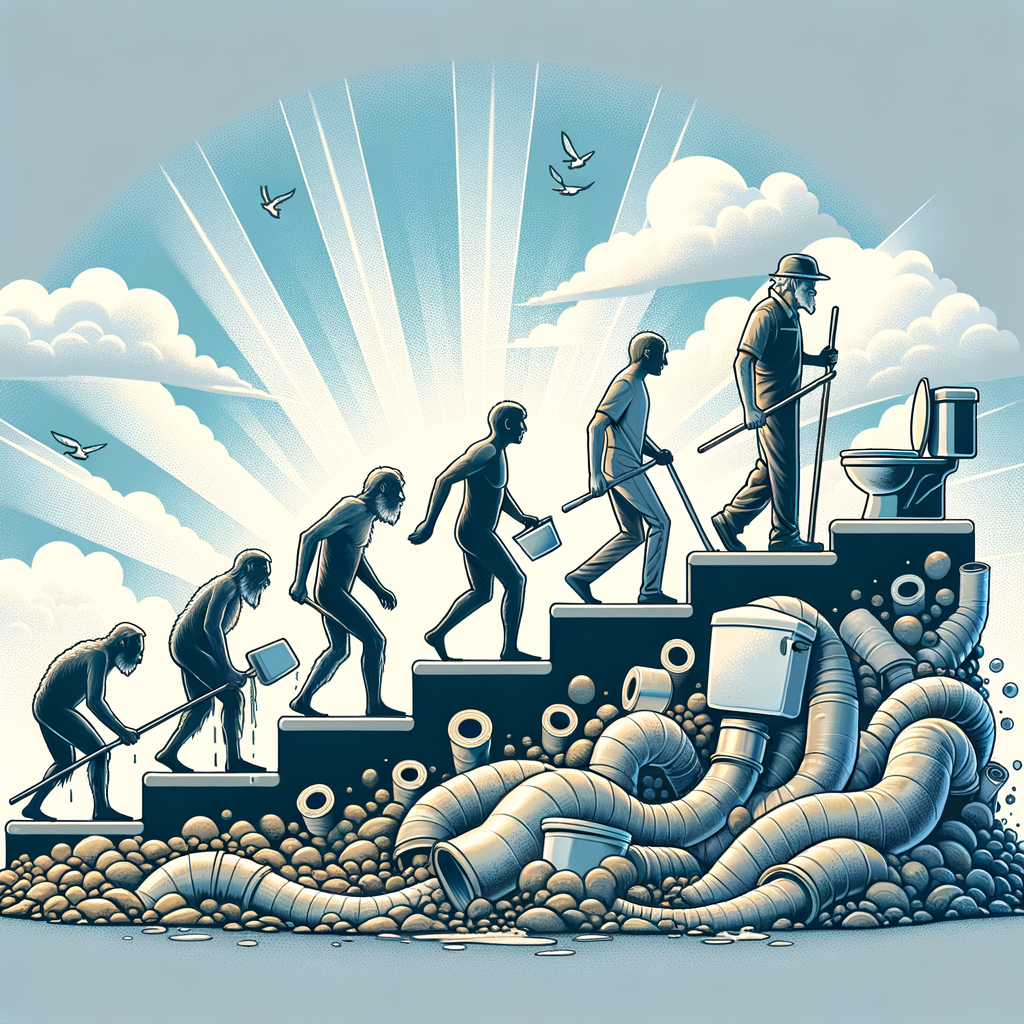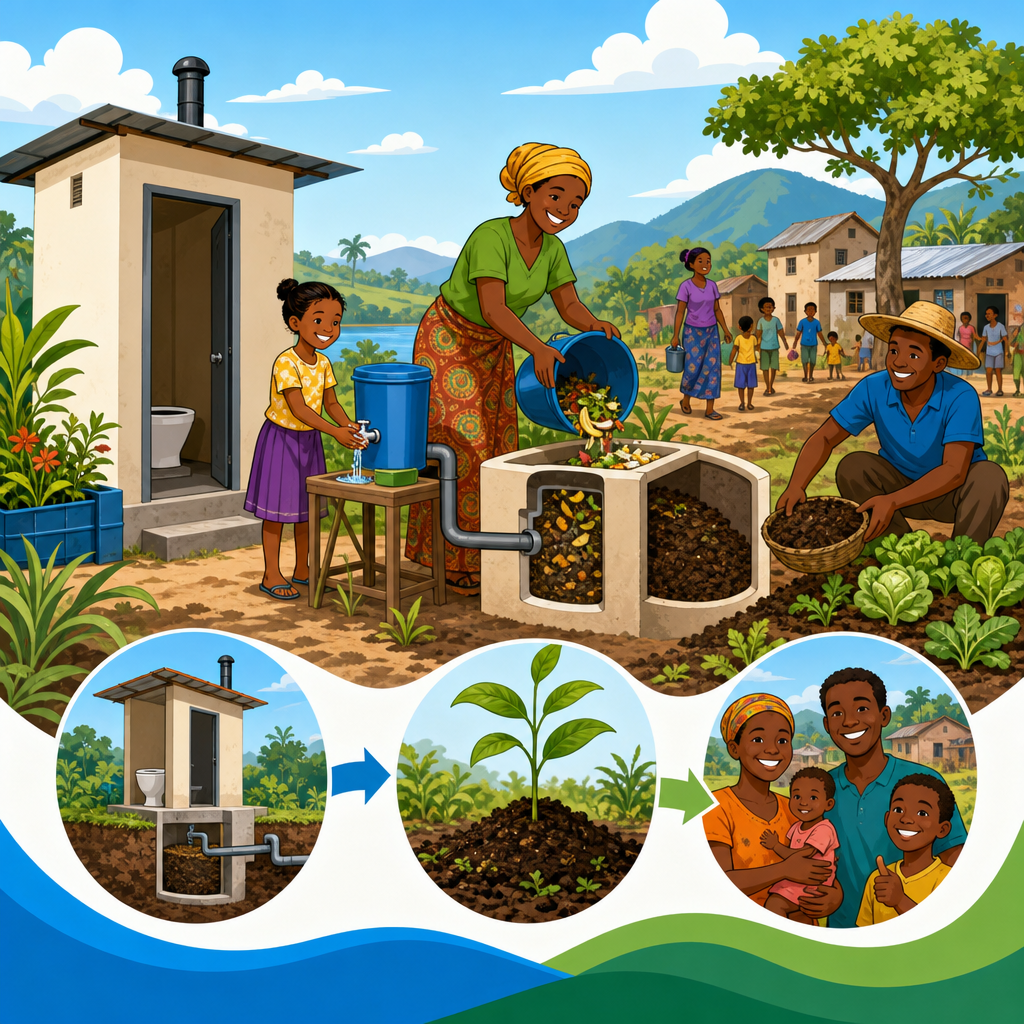
Ecological sanitation, usually shortened to EcoSan, treats human waste as a resource rather than a nuisance, and that shift has changed public health outcomes in many developing countries. At its core, EcoSan includes toilets and treatment systems designed to separate urine and feces, reduce pathogen transmission, conserve water, and recover nutrients that can safely return to agriculture. I have worked on sanitation content and program evaluations long enough to see one lesson repeated: when communities gain reliable sanitation that fits local water, soil, and income conditions, disease burdens fall and dignity rises. This matters because unsafe sanitation is still linked to diarrheal disease, helminth infections, undernutrition, environmental contamination, and lost school and work time. The World Health Organization and UNICEF Joint Monitoring Programme have consistently shown that sanitation access remains uneven, especially in rural areas, informal settlements, and climate-stressed regions. EcoSan deserves attention in this case studies and success stories hub because it addresses multiple problems at once. It can reduce open defecation, protect groundwater, lower demand for freshwater flushing, and produce compost or fertilizer substitutes where farmers face high input costs. It also creates a practical bridge between public health, climate resilience, and circular economy goals. Yet EcoSan is not one technology. It includes urine-diverting dry toilets, arborloo systems, composting toilets, container-based models, and dehydrating vaults, each with different maintenance demands and user expectations. The strongest global EcoSan successes come from programs that matched technology to behavior, climate, governance, and financing, rather than treating toilets as one-size-fits-all hardware.
What Public Health Gains EcoSan Can Deliver
The public health value of EcoSan begins with interrupting fecal-oral transmission. When feces are safely contained, dried, composted, or removed before they enter yards, drains, wells, and food systems, exposure to bacteria, viruses, protozoa, and worms declines. In practical terms, that means fewer diarrheal episodes, fewer parasitic infections, and lower risk of outbreaks after floods or infrastructure failures. In field reviews I have seen, the biggest gains came where sanitation upgrades were combined with handwashing, fecal sludge management, and consistent user training. EcoSan systems are especially important in areas with shallow groundwater, rocky terrain, seasonal water scarcity, or dense settlements where pit latrines contaminate nearby water points. They also help health facilities and schools maintain sanitation when piped sewerage is unavailable or financially unrealistic.
There are broader health pathways too. Safe, private toilets improve menstrual hygiene management, reduce stress related to going out at night, and can lower exposure to gender-based violence associated with open defecation. In schools, improved toilets correlate with better attendance, especially for girls when facilities are usable and separate. For local governments, nutrient recovery has indirect health benefits because improved farm productivity supports food security. Still, these gains are not automatic. Pathogen die-off depends on temperature, moisture, storage time, and operational discipline. Programs that ignore safe handling standards, like the World Health Organization guidelines on sanitation and wastewater use, can undermine trust quickly. The most impactful EcoSan stories therefore combine engineering with behavior change, regulation, and service delivery.
Uganda and East Africa: School Sanitation That Changed Community Norms
Uganda has provided some of the clearest examples of EcoSan moving from demonstration projects into broader public health practice. Urine-diverting dry toilets were introduced in schools and public institutions where high water tables, limited budgets, and unreliable water supply made conventional flush systems difficult to sustain. In several districts, organizations worked with district health teams, school administrators, and masons to build double-vault units that allowed one chamber to rest while the other was in use. This simple operating logic matters. Resting time supports dehydration and pathogen reduction, while diversion helps control odor and improves the quality of recovered material.
The school setting proved powerful because children carried sanitation messages home. Teachers used the toilets as learning tools for hygiene, agriculture, and environmental science, and some schools applied sanitized urine as a nitrogen-rich fertilizer on gardens. Where cleaning routines were enforced and facilities were gender-sensitive, attendance improved and complaints about smell and flies dropped. East African practitioners also learned hard lessons. Toilets failed when anal cleansing materials blocked urine pipes, when ash was not added consistently, or when no one owned maintenance tasks. The better-performing programs solved these issues through caretaker training, local spare parts, and simple pictorial instructions. Those lessons influenced work in Kenya, Rwanda, and Ethiopia, where variations of EcoSan were adapted to different climates and user preferences.
Bangladesh and India: Water Scarcity, Flood Risk, and Dense Settlements
South Asia demonstrates why EcoSan is often less about ideology than about fit-for-purpose sanitation planning. In parts of Bangladesh, frequent flooding and high groundwater levels make pit latrines vulnerable to overflow and contamination. Elevated or urine-diverting designs offered a safer option in communities where waterlogged soils undermined traditional systems. Projects linked sanitation improvements with public health messaging on safe emptying, handwashing, and the protection of tube wells from fecal contamination. In dense settlements, the main benefit was containment. When excreta stayed out of drains and floodwater, the immediate exposure risk for children declined.
India presents a wider range of EcoSan experiences. States and nongovernmental organizations have piloted urine-diverting dry toilets in peri-urban areas, schools, coastal zones, and water-scarce rural communities. The strongest examples came where local governments recognized that sanitation systems must survive drought, power cuts, and weak sewer networks. I have reviewed Indian case material showing that households were more likely to maintain EcoSan toilets when they saw measurable savings on fertilizer, when masons were trained locally, and when pit emptying stigma was directly addressed through service models. At the same time, India also shows EcoSan’s limits. Aspirations often favor flush toilets, and if programs frame dry systems as a poor person’s compromise, acceptance drops. Successful projects instead emphasized cleanliness, resilience, and agricultural value while ensuring toilets looked modern and were easy to use.
Southern Africa: Zimbabwe’s Arborloo and Community-Led Adaptation
Zimbabwe is central to any discussion of showcasing global EcoSan successes because the arborloo became one of the region’s most cited examples of low-cost ecological sanitation. An arborloo is a shallow pit latrine designed for short-term use; once nearly full, it is covered and a tree is planted on top, using the nutrients in decomposed waste to support growth. The design is intentionally simple, low-water, and affordable, which made it attractive in rural communities with limited cash income. Public health gains came first from ending open defecation and second from keeping waste localized and covered rather than dispersed in the environment.
What made the Zimbabwe story influential was not only the hardware but the social framing. Households could see a direct return in the form of fruit trees, shade, or woodlots. That visible benefit changed sanitation from a sunk cost into an asset-building activity. NGOs and local authorities documented improved uptake where communities could compare tree growth at homes using arborloos. Still, arborloos are not universally appropriate. They require enough yard space, workable soil conditions, and clear guidance on safe siting away from water sources. In denser settings, other EcoSan models perform better. The lesson from Zimbabwe is that adoption rises when sanitation delivers a result families can observe within one or two seasons.
| Country or region | EcoSan approach | Public health impact | Key implementation lesson |
|---|---|---|---|
| Uganda | Urine-diverting dry toilets in schools | Reduced exposure, better hygiene routines, improved attendance | Assign caretakers and train users continuously |
| Bangladesh | Elevated and urine-diverting systems in flood-prone areas | Less contamination of floodwater and nearby wells | Design for groundwater and seasonal inundation |
| India | Dry EcoSan toilets in water-scarce and peri-urban locations | Safer containment and lower fertilizer costs | Improve aesthetics and normalize maintenance services |
| Zimbabwe | Arborloo systems linked to tree planting | Reduced open defecation and localized waste treatment | Show tangible household benefits quickly |
| Haiti | Container-based ecological sanitation | Safer waste handling in dense settlements | Reliable collection service matters as much as toilet design |
Haiti and Urban Service Models: EcoSan Beyond Rural Projects
One persistent misconception is that EcoSan only works in rural villages. Haiti has shown the opposite through container-based sanitation and resource recovery models developed for dense urban areas lacking sewers. In neighborhoods where space is tight and pits are unsafe or impractical, sealable containers collected excreta for transport to treatment sites. From a public health perspective, this model reduced direct handling, limited leakage into crowded living environments, and created a managed chain from toilet to treatment. That chain is critical. Urban sanitation fails when collection is irregular, treatment is distant, or disposal remains informal.
Haiti’s experience after earthquake-related displacement and during prolonged infrastructure stress also highlighted resilience. Dry, service-based systems can continue operating when water networks break down. Organizations working there documented that customer service, route reliability, and treatment quality were more important to long-term use than novelty or environmental messaging alone. This is a major insight for the wider case studies and success stories category. EcoSan succeeds in cities when it is treated as a professional service, not just a donated unit. Similar lessons are now relevant to informal settlements across sub-Saharan Africa and parts of Latin America, where container-based sanitation, transfer stations, and co-composting can close gaps left by slow sewer expansion.
What Makes EcoSan Projects Succeed or Fail
Across developing countries, the same implementation factors appear repeatedly. First, technology choice must match context. Urine-diverting dry toilets work well where water is scarce and users can manage dry cover material, but they struggle where cleaning practices use too much water unless design adaptations are built in. Second, supply chains matter. If replacement pans, urine pipes, vent screens, or sealable containers are unavailable locally, minor defects turn into abandonment. Third, behavior support is nonnegotiable. Every successful program I have studied invested in demonstrations, household follow-up, and clear instructions on ash use, vault switching, storage time, and safe handling.
Financing and governance are equally decisive. Capital subsidies may help early adoption, but operations and maintenance need a durable revenue model, especially in schools and urban services. Monitoring should track not just toilet construction but functionality, cleanliness, fill levels, and end-use safety. Public health agencies also need to coordinate with agriculture departments when reuse is part of the model. Nutrient recovery can be valuable, but only if materials are adequately treated and farmers understand application methods. Finally, language matters. Communities rarely adopt sanitation because of technical diagrams alone. They adopt when solutions align with privacy, status, convenience, safety, and visible value. Programs that respect those motivations are the ones that scale.
The Future of Showcasing Global EcoSan Successes
As this hub for showcasing global EcoSan successes makes clear, the most important story is not that one toilet design solved sanitation everywhere. The real story is that carefully adapted ecological sanitation has improved public health in places where conventional sewerage was too expensive, too water-intensive, or too fragile. Uganda demonstrated the educational power of school sanitation. Bangladesh and India showed how EcoSan can protect health in flood-prone, water-scarce, and densely populated settings. Zimbabwe proved that low-cost systems gain traction when households see direct benefits such as tree growth and soil improvement. Haiti showed that urban EcoSan can work when backed by disciplined service delivery and treatment infrastructure.
For readers exploring related case studies and success stories, the central takeaway is practical: EcoSan works best when it is planned as a full system from user behavior to final treatment or reuse. Public health outcomes improve when designs match local conditions, maintenance is funded, and authorities monitor safety instead of counting toilets alone. The benefit is substantial: cleaner environments, lower disease risk, stronger resilience, and more efficient use of water and nutrients. If you are evaluating sanitation options, start by examining context, service capacity, and user needs, then use these global examples to guide the right local model.
Frequently Asked Questions
1. What is EcoSan, and why has it become so important for public health in developing countries?
Ecological sanitation, or EcoSan, is an approach to sanitation that treats human waste as a manageable resource instead of something to simply flush away or dump. In practical terms, EcoSan systems are often designed to separate urine and feces, reduce contact between people and pathogens, limit contamination of water sources, and recover nutrients that can be reused in agriculture after safe treatment. This matters enormously in developing countries, where conventional sewer networks are often too expensive to build, too water-intensive to maintain, or simply unavailable in rural settlements, informal urban communities, and climate-stressed regions.
From a public health standpoint, EcoSan can be transformative because it addresses several disease pathways at once. When feces are safely contained and treated, communities often see reductions in diarrheal disease, intestinal parasite transmission, and environmental contamination. When sanitation systems do not rely heavily on water, they are also more practical in drought-prone areas or places where households already struggle to secure enough water for drinking and hygiene. In many documented country experiences, the most impactful improvements come not only from the toilet technology itself, but from the way EcoSan encourages safer waste handling, stronger hygiene behaviors, cleaner living environments, and local ownership of sanitation services.
What makes EcoSan especially relevant in developing countries is that it aligns health goals with economic and environmental realities. Families and farmers may gain access to nutrient-rich soil inputs, communities can reduce pressure on groundwater and rivers, and local governments can implement more decentralized sanitation strategies where infrastructure is limited. The strongest public health stories usually come from settings where EcoSan was introduced as part of a broader system that included training, behavior change communication, maintenance planning, and community trust. In those cases, EcoSan is not just a toilet option; it becomes a practical public health intervention with lasting local value.
2. How does EcoSan improve health outcomes compared with traditional sanitation methods?
EcoSan improves health outcomes primarily by interrupting the transmission routes that spread disease. In many low-resource settings, traditional sanitation can mean open defecation, poorly built pit latrines, overflowing septic systems, or shared facilities that are difficult to keep clean and safe. These conditions allow fecal matter to contaminate hands, surfaces, soil, food, and water. EcoSan systems are designed to minimize that exposure by containing waste more effectively, promoting treatment before reuse or disposal, and reducing the chance that pathogens will move back into the household or community environment.
One major advantage is source separation. When urine and feces are handled separately, treatment and reuse can become safer and more manageable. Fecal matter can be dried, composted, or otherwise treated to lower pathogen levels, while urine can be stored and later used as a fertilizer under controlled conditions. This is not merely a technical distinction; it changes the sanitation chain in ways that support health protection. It reduces moisture in the waste stream, makes odors easier to control, discourages flies in well-maintained systems, and lowers the risk that untreated sludge will leak into water supplies.
In real-world public health terms, communities using well-managed EcoSan systems may experience fewer outbreaks of diarrhea, lower rates of helminth infections, improved child health, and cleaner household surroundings. Women and girls may also benefit from increased safety, privacy, and dignity, especially where previous sanitation options required going outdoors at night or using overcrowded facilities. Another often-overlooked benefit is resilience: because many EcoSan systems use little or no water, they continue functioning during water shortages, floods of limited duration, or service disruptions that would compromise conventional systems. The public health gains are most consistent when the technology is matched with training, regular maintenance, and community understanding of why safe handling matters.
3. What are some of the most impactful EcoSan success stories from developing countries?
Across developing countries, some of the most compelling EcoSan stories come from places where sanitation improvements were linked directly to measurable health and livelihood benefits. In parts of East and Southern Africa, for example, urine-diverting dry toilets have been introduced in communities where water scarcity made flush systems unrealistic. Households reported cleaner compounds, fewer foul smells, reduced fly breeding, and greater willingness to use sanitation facilities consistently. In several program evaluations, local acceptance improved further when families saw that treated by-products could support home gardening or crop production, turning sanitation into something visibly useful rather than purely a cost.
In South Asia, EcoSan has shown promise in areas facing high groundwater contamination, frequent flooding, or dense settlement patterns that make pit emptying unsafe and difficult. Raised or well-designed dry sanitation systems have helped reduce direct contact with fecal waste and protected water sources that might otherwise be affected by leaking pits. Some projects also demonstrated strong public health value in schools, where improved sanitation reduced absenteeism, supported menstrual hygiene management, and reinforced hygiene habits among children who carried those lessons back to their households.
There are also strong examples from peri-urban communities in Latin America and Africa where municipalities, nongovernmental organizations, and residents worked together to build decentralized sanitation systems based on resource recovery. These efforts were especially impactful when they included local masons, health promoters, agricultural extension workers, and community leaders from the beginning. The lesson repeated across countries is that the most successful EcoSan stories are not defined only by toilet construction numbers. They stand out because they reduced unsafe waste exposure, increased sustained toilet use, improved community perceptions of sanitation, and created a practical maintenance and reuse system that people trusted. In other words, the public health impact was strongest where EcoSan was treated as a social and service model, not just a product installation.
4. What challenges can limit EcoSan’s public health impact, and how can communities overcome them?
EcoSan can deliver substantial public health benefits, but those benefits are not automatic. One of the most common challenges is user acceptance. In some communities, people are unfamiliar with source-separating toilets, uncertain about handling treated waste products, or skeptical about whether dry systems are as hygienic as flush toilets. If a household does not fully understand how to use the system properly, separation can fail, odors can increase, and maintenance burdens can rise. That can quickly undermine confidence and reduce regular use.
Another challenge is operation and maintenance. EcoSan systems require routine attention, including the addition of cover material where needed, proper storage and treatment periods, chamber switching, cleaning, and safe handling practices. Without clear guidance and follow-up support, systems may fall into disrepair or be used incorrectly. There can also be policy and institutional barriers. Some local authorities still lack standards for reuse, treatment monitoring, or inspection, which makes scaling more difficult. In urban areas, land constraints, tenancy arrangements, and shared-use conditions can add another layer of complexity.
Communities overcome these barriers most successfully when EcoSan is introduced with strong software as well as hardware. That means practical user education, behavior change communication, local demonstrations, maintenance support, and trusted community champions. It also means designing systems that match local culture, climate, water access, housing patterns, and agricultural needs. Programs tend to perform better when women, farmers, teachers, health workers, and local artisans are involved early in the planning process. Financing matters too; subsidies, microfinance, or phased payment models can make adoption more realistic for low-income households. Ultimately, EcoSan’s public health impact becomes durable when communities are not simply handed a toilet, but supported in managing an entire sanitation system safely and confidently over time.
5. Can EcoSan really support both public health and agriculture at the same time?
Yes, and that dual benefit is one of the main reasons EcoSan has drawn attention from health, development, and environmental professionals. Human urine and feces contain nutrients such as nitrogen, phosphorus, and potassium, which are essential for plant growth. In conventional sanitation systems, those nutrients are usually diluted with water and lost or discharged as waste. EcoSan aims to recover them safely, after appropriate treatment or storage, and return them to soils in a controlled way. For farming households in developing countries, especially where fertilizer costs are high, this can create a meaningful economic and food security advantage.
The public health value comes from the fact that resource recovery only works well when waste is handled safely. Properly designed EcoSan systems encourage containment, treatment, and managed reuse instead of uncontrolled disposal. When that process is followed correctly, communities can reduce environmental contamination while also producing useful agricultural inputs. This can improve sanitation uptake because households are more likely to maintain systems that provide a visible return. In many successful programs, small-scale farmers became some of the strongest advocates for EcoSan after observing improved crop yields, better soil conditioning, or reduced spending on commercial fertilizer.
That said, it is important to be clear that agricultural reuse must be governed by health safeguards. Safe storage times, treatment standards, crop restrictions where appropriate, correct application methods, and user training are essential. EcoSan should never be presented as a shortcut around sanitation safety; its strength is that it connects sanitation safety with productive reuse. When implemented responsibly, EcoSan can help communities protect children from disease, preserve water resources, and strengthen local agriculture all at once. That combination is exactly why many of the most impactful stories from developing countries continue to attract attention from public health practitioners and development agencies.