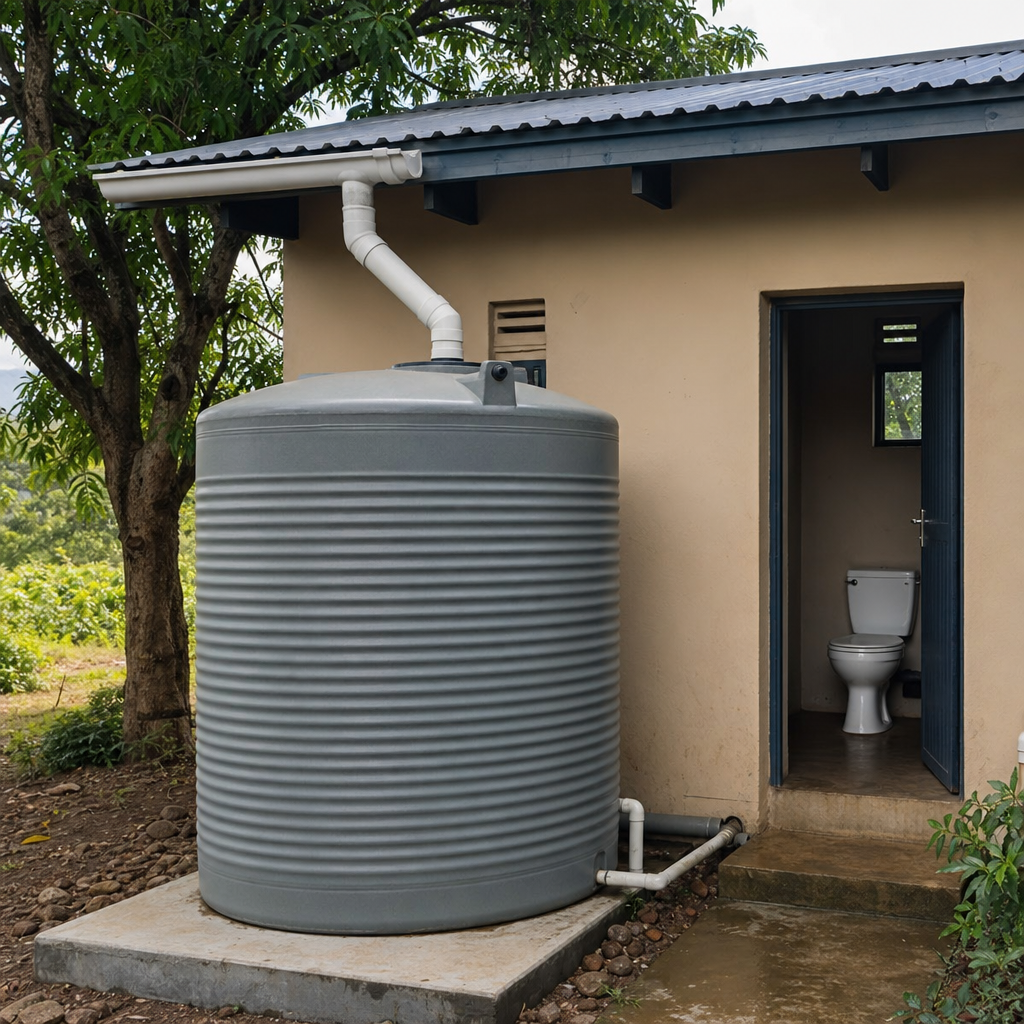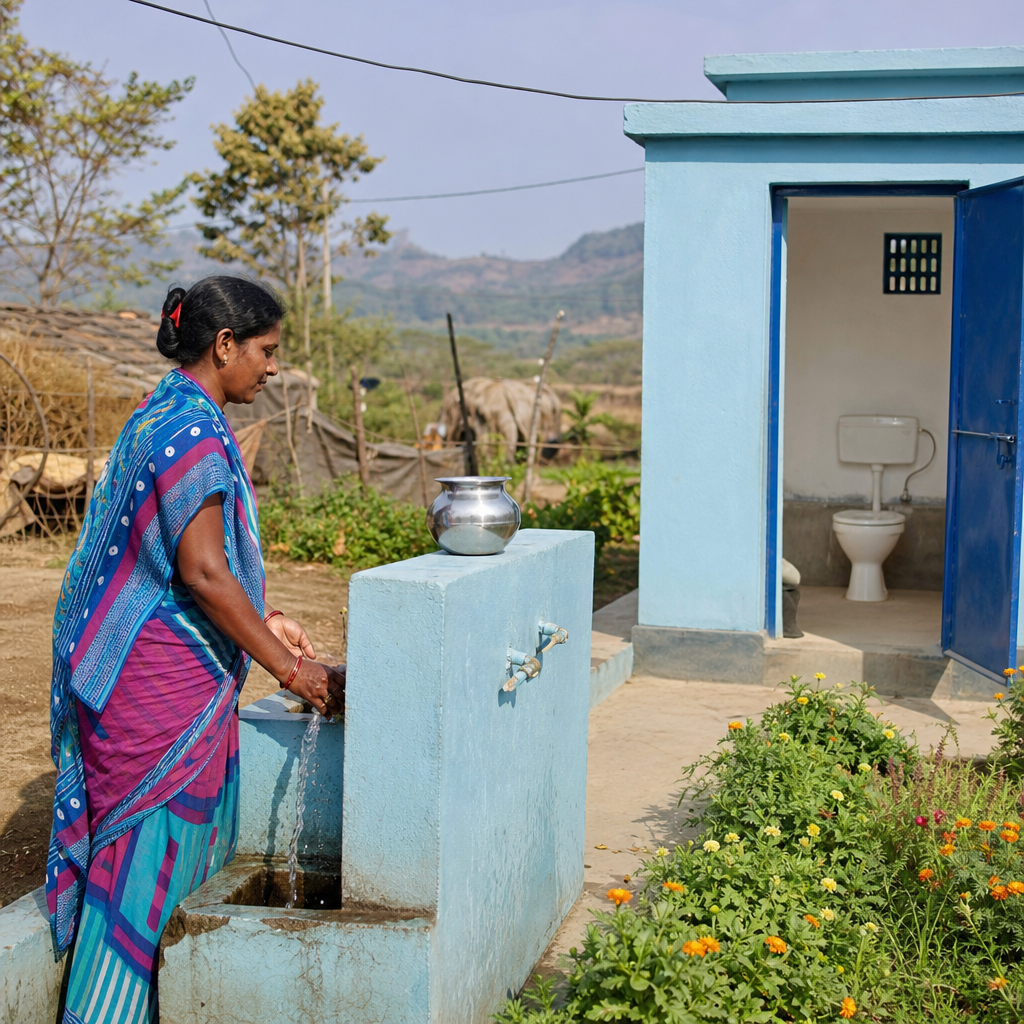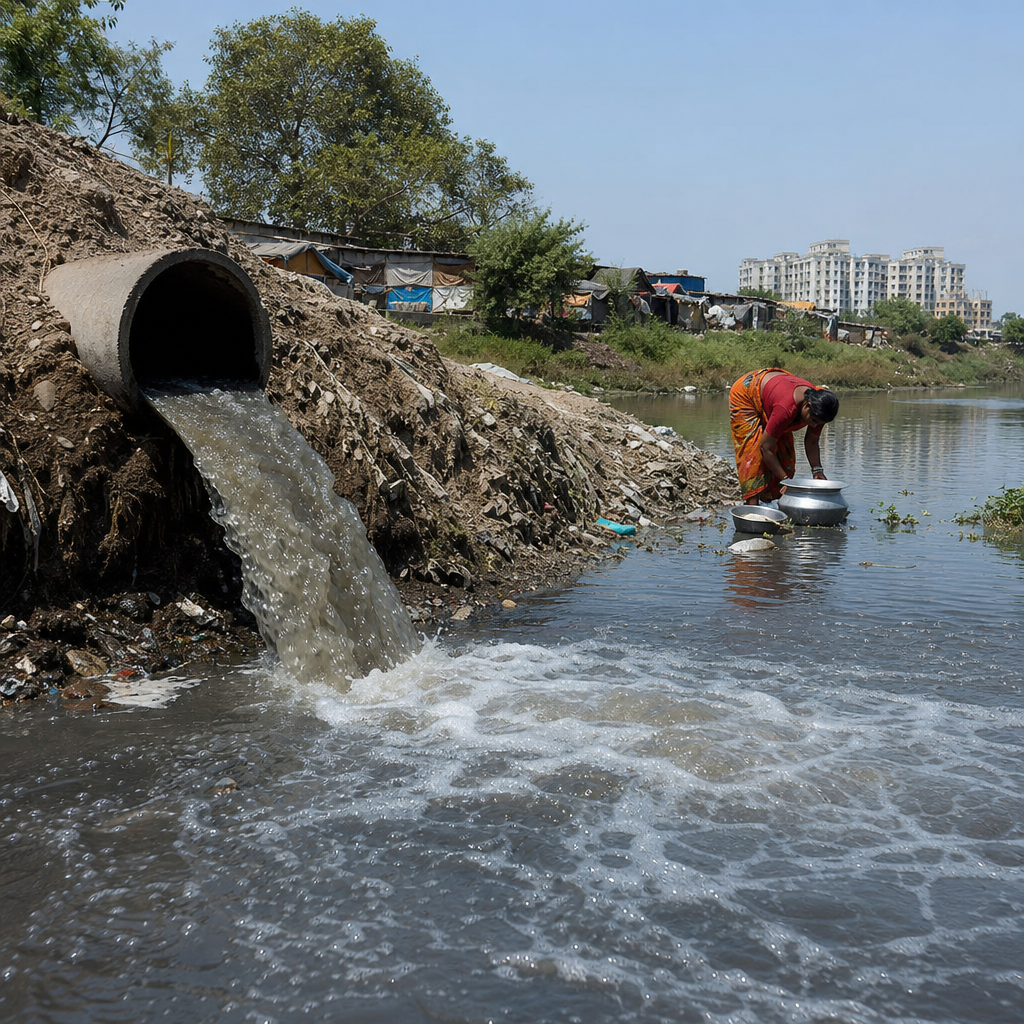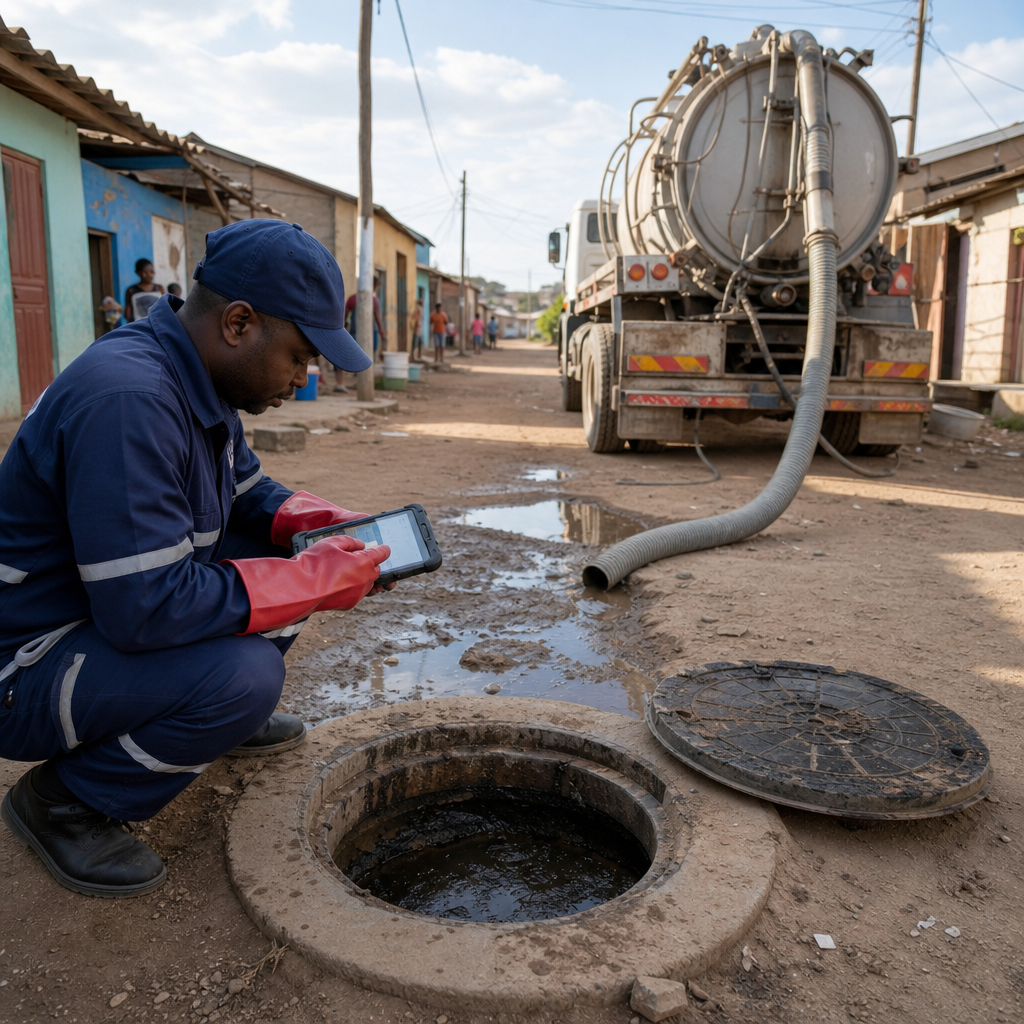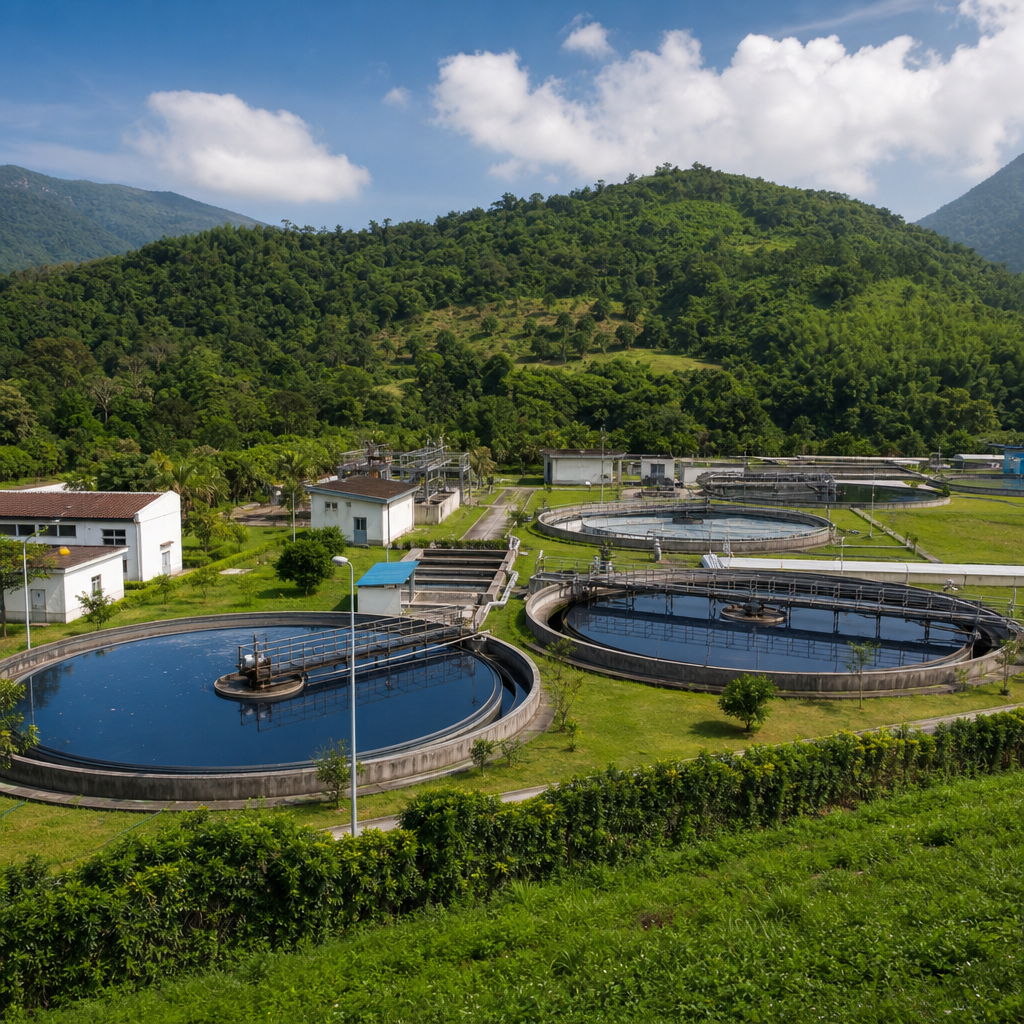
Green bonds and financing for sanitation projects have moved from niche policy discussions to mainstream infrastructure planning because cities, utilities, and development institutions now recognize that sanitation is both an environmental asset and a capital-intensive public service. In the EcoSan context, economic strategies matter even more. EcoSan, short for ecological sanitation, treats human waste, wastewater, and nutrient flows as resources to be recovered rather than liabilities to be disposed of. That shift changes how projects are valued, financed, and managed. Instead of funding only pipes, pumps, and treatment units, decision-makers can finance nutrient recovery, water reuse, biogas generation, soil restoration, and climate resilience. I have worked on sanitation business cases where the project looked weak under a narrow tariff model but became financeable once avoided pollution costs, fertilizer substitution, and carbon benefits were quantified.
This is why green bonds and broader sanitation financing deserve careful attention within Economic Strategies in EcoSan. Traditional sanitation finance usually combines taxes, tariffs, and transfers, often called the three Ts. That model remains essential, but it rarely covers the full investment needed to expand safe sanitation, modernize aging systems, and meet stricter environmental standards. Green finance introduces additional pathways by linking capital markets to projects with measurable environmental outcomes. A green bond is a debt instrument whose proceeds are earmarked for eligible green projects, typically under frameworks such as the Green Bond Principles issued by the International Capital Market Association or the Climate Bonds Standard. For sanitation, eligibility may include wastewater treatment upgrades, sludge-to-energy systems, nutrient recovery units, decentralized treatment for underserved areas, and nature-based treatment systems that improve water quality.
For municipalities and utilities, the appeal is straightforward: green bonds can widen the investor base, extend tenors, and align infrastructure plans with climate and sustainability mandates. For investors, sanitation offers stable, long-lived assets with public-purpose outcomes. For communities, better financing can translate into more reliable service, lower disease burden, cleaner waterways, and stronger local circular economies. The challenge is that sanitation projects often have fragmented revenue streams, complex social objectives, and benefits that are real but not always captured in cash flow. A hub article on Economic Strategies in EcoSan therefore needs to connect instruments, institutions, project design, risk management, and implementation discipline. That is the practical focus here: how green bonds fit into the larger financing toolkit, how EcoSan projects can be structured credibly, and what financial strategies make sanitation projects bankable without losing equity or environmental integrity.
Why EcoSan Changes the Economics of Sanitation
EcoSan changes project economics because it expands the definition of value. In conventional sanitation appraisals, the main outputs are safe collection, transport, treatment, and disposal. In EcoSan systems, outputs can also include reclaimed water for irrigation or industry, recovered phosphorus and nitrogen, compost-like soil amendments, black soldier fly products in some organics chains, and biogas or electricity from anaerobic digestion. These outputs do not automatically make projects profitable, but they create additional revenue lines and avoided costs that improve the financing case. I have seen feasibility studies materially improve after incorporating reduced fertilizer purchases by farmers, lower sludge hauling costs, and avoided energy purchases at treatment plants with digesters.
That broader value proposition also supports stronger public-sector justification. Poor sanitation imposes health costs, productivity losses, environmental cleanup expenses, and water resource degradation. The World Bank has long documented the high economic cost of inadequate sanitation in many low- and middle-income countries, often measured in lost productivity, healthcare spending, and environmental damage. EcoSan investments can reduce these losses while contributing to climate mitigation and adaptation. A wastewater reuse scheme, for example, can protect freshwater supplies during drought. A fecal sludge treatment facility with composting can reduce uncontrolled dumping and strengthen agricultural resilience in peri-urban areas.
However, EcoSan does not remove financial constraints. Resource recovery markets can be immature, product standards may be unclear, and public acceptance can be uneven. Nutrient recovery equipment requires operational competence, and decentralized systems need dependable service arrangements. That is why economic strategy in EcoSan must combine commercial realism with public policy support. The best projects do not rely on a single miracle revenue source. They stack benefits, secure baseline public funding, and use private capital where risks and returns are aligned.
How Green Bonds Finance Sanitation Projects
Green bonds finance sanitation by raising capital from investors and ring-fencing the proceeds for environmentally beneficial projects. The issuer may be a sovereign, municipality, development bank, corporate utility, or special purpose entity. Investors buy the bond and receive fixed or variable returns, while the issuer commits to reporting how proceeds are allocated and what environmental outcomes are achieved. In sanitation, this reporting discipline is useful because it forces project sponsors to define eligible expenditures, establish metrics, and track delivery over time.
Typical sanitation uses of green bond proceeds include wastewater treatment plant upgrades that reduce nutrient discharge, sewer rehabilitation that cuts infiltration and energy waste, decentralized treatment for informal settlements, sludge treatment and reuse infrastructure, water recycling networks, and wetlands or other nature-based systems integrated with treatment. A utility replacing old aeration systems with efficient blowers and process controls can justify the investment through lower electricity consumption and better effluent quality. A city financing fecal sludge transfer stations and treatment units can link the investment to reduced dumping into rivers and improved urban health outcomes.
Issuers generally follow a four-part structure: use of proceeds, project evaluation and selection, management of proceeds, and reporting. External review matters. Second-party opinions from firms such as Sustainalytics, ISS-Corporate, or Moody’s Ratings can strengthen market credibility. Some issuers also align with the EU Taxonomy where relevant or use climate bond certification pathways. In my experience, the strongest sanitation green bond frameworks avoid vague language. They specify pollutant reduction targets, energy benchmarks, service coverage goals, and verification methods. Investors respond better when they can see exactly what is being built, why it qualifies, and how performance will be measured.
Building a Bankable Sanitation Capital Stack
No single instrument finances sanitation well on its own. Most successful projects use layered finance. Public grants may support early-stage studies, land acquisition, or service expansion to low-income areas. Concessional loans from development finance institutions can soften repayment terms. Commercial debt can fund mature, revenue-backed components. Green bonds can refinance completed assets or finance larger capital programs once governance and reporting systems are in place. Tariffs provide recurring operating income, while targeted subsidies protect affordability. Carbon finance, results-based grants, or payments for ecosystem services may add incremental support where methodologies are robust.
The practical question is how to assemble a capital stack that matches project risk. Early development risk is usually too high for capital markets, so grants and concessional finance are often necessary. Construction risk may be shared through engineering, procurement, and construction contracts with performance guarantees. Operational risk can be reduced through experienced operators, preventive maintenance plans, and digital monitoring. Demand risk is lower when sanitation service is essential and regulated, but collection efficiency and political interference remain concerns. For EcoSan, market risk around recovered products must be handled conservatively. A fertilizer product should not carry aggressive revenue assumptions unless there are signed offtake agreements, product certification, and proven demand.
| Financing source | Best use in EcoSan | Main advantage | Main limitation |
|---|---|---|---|
| Public grants | Feasibility, equity-focused expansion, pilots | Absorbs early risk | Limited scale and continuity |
| Concessional loans | Core treatment and reuse infrastructure | Lower cost and longer tenor | Requires sovereign or utility capacity |
| Green bonds | Large capital programs with clear metrics | Access to wider investors | Needs reporting and issuer credibility |
| Commercial debt | Mature, revenue-backed assets | Faster market discipline | Higher pricing and tighter covenants |
| Tariffs and service fees | Operations and maintenance | Recurring local revenue | Affordability constraints |
This layered approach is the core hub concept for Economic Strategies in EcoSan. Every related article under this subtopic should connect back to the same principle: match the right money to the right risk and the right outcome. Capital expenditure, operations, social protection, and environmental performance should not be forced into one blunt funding mechanism.
Revenue Models, Cost Recovery, and Realistic Returns
Sanitation projects are rarely financed purely on direct user charges, and EcoSan projects should not pretend otherwise. Cost recovery usually blends user tariffs, municipal support, intergovernmental transfers, and occasionally industrial customer contracts for reclaimed water or energy sales. The strongest financial models distinguish between financial returns and economic returns. Financial returns measure cash available to repay debt and operate assets. Economic returns include wider public benefits such as lower disease incidence, cleaner rivers, reduced eutrophication, and resilience to water scarcity.
For example, a wastewater reuse project serving an industrial park may have strong direct revenue if factories sign long-term purchase agreements for reclaimed water at a price below potable supply but above treatment cost. By contrast, a fecal sludge treatment plant serving low-income neighborhoods may have weak direct revenue but high public value because it prevents open dumping and groundwater contamination. The first may support more commercial debt. The second may need viability gap funding, output-based aid, or municipal guarantees.
When I review sanitation models, the most common weakness is overestimating resource recovery income. Compost sales may be seasonal. Biogas yields depend on feedstock consistency and plant uptime. Nutrient products require quality assurance, logistics, and farmer trust. A prudent model discounts these revenues until operations are proven. It also includes full lifecycle costs: operator training, spare parts, laboratory testing, sludge handling, odor control, and community engagement. Lenders and bond investors prefer conservative assumptions paired with strong operational plans over optimistic spreadsheets that collapse during implementation.
Project Preparation, Metrics, and Investor Confidence
Project preparation determines whether sanitation can attract serious finance. Before approaching investors, sponsors need a credible feasibility study, environmental and social assessment, procurement strategy, legal authority to borrow, tariff and subsidy analysis, and a monitoring framework. For green bonds, metrics are not optional. Common sanitation indicators include cubic meters of wastewater treated, percentage reduction in biochemical oxygen demand or total nitrogen, volume of water reused, tons of biosolids beneficially reused, greenhouse gas emissions avoided, energy intensity per cubic meter treated, and number of people gaining safely managed sanitation services.
Good metrics do two jobs at once. They demonstrate environmental integrity, and they help management run the asset better. If a treatment plant reports only total volume treated, investors learn little about actual impact. If it also reports effluent quality, energy consumption, downtime, sludge destination, and reuse outputs, both environmental and operational performance become visible. Digital tools now make this easier. Supervisory control and data acquisition systems, remote sensors, geographic information systems, and utility management platforms can generate the reporting discipline green finance requires.
Investor confidence also depends on governance. Clear procurement rules reduce corruption risk. Independent audits strengthen trust in use-of-proceeds claims. Ring-fenced accounts help show that bond funds are used as promised. Where utilities have weak balance sheets, pooled financing facilities or municipal development funds can aggregate smaller projects and standardize due diligence. This is especially relevant for decentralized EcoSan systems, where a single project may be too small for bond markets but a portfolio of repeatable assets can become investable.
Risks, Tradeoffs, and Policy Enablers
Green finance for sanitation is promising, but it is not automatic or universally cheaper. Many green bonds price close to conventional debt, and any pricing advantage may be modest. The real benefits are often strategic: access to a broader investor pool, stronger sustainability positioning, and improved internal project discipline. Issuers still need solid credit fundamentals. A green label cannot rescue a weak utility with poor billing, unstable governance, or inadequate maintenance.
There are also tradeoffs in EcoSan finance. Decentralized systems can reduce network costs and serve hard-to-reach areas, but they require dispersed operational management. Water reuse can improve resilience, but public acceptance and industrial quality standards must be addressed. Nutrient recovery can support circular economy goals, but product regulation and market development take time. Policy can reduce these frictions. Clear reuse standards, biosolids regulations, tariff frameworks, land-use approvals, and procurement rules all improve financeability. National sanitation strategies matter because investors back systems, not isolated pilot projects.
Development banks and climate funds play a catalytic role here. They can provide guarantees, subordinated debt, technical assistance, and results-based incentives that crowd in private capital. Municipalities can support pipelines by standardizing contracts and building project preparation facilities. Utilities can improve creditworthiness through better non-revenue water management, billing collection, asset registers, and audited financial statements. If you want green bonds and sanitation financing to scale, start with institutional quality. Capital follows credible execution.
Green bonds and financing for sanitation projects are ultimately about turning essential public service needs into investable, accountable, and durable infrastructure programs. In the EcoSan field, that means valuing sanitation not only as waste management but as nutrient recovery, water security, energy opportunity, and pollution prevention. The strongest economic strategies combine the traditional foundations of taxes, tariffs, and transfers with targeted grants, concessional finance, commercial discipline, and capital-market instruments where they fit. They separate social obligations from commercial revenue, build realistic assumptions around resource recovery, and use clear metrics to prove environmental performance.
As a hub within Economic Strategies in EcoSan, this topic connects directly to related decisions about tariff design, public-private partnerships, blended finance, lifecycle costing, carbon credit potential, municipal creditworthiness, and market development for recovered products. The practical lesson is simple: sanitation becomes financeable when sponsors prepare projects rigorously, choose the right capital stack, and align environmental claims with measurable outcomes. Green bonds are powerful, but only when backed by sound governance, credible reporting, and service models that can operate for decades.
If you are planning an EcoSan initiative, start by mapping your project’s full value chain, not just its construction budget. Identify who benefits, which benefits generate cash, which require public support, and what metrics can be verified. Then build the financing structure around those realities. That disciplined approach will do more than unlock funding. It will produce sanitation systems that protect health, recover resources, and stand up to investor, regulator, and community scrutiny.
Frequently Asked Questions
What are green bonds, and why are they relevant for sanitation projects?
Green bonds are debt instruments used to raise capital for projects that deliver measurable environmental benefits. In the sanitation sector, they are especially relevant because wastewater treatment, sludge management, nutrient recovery, water reuse, and decentralized ecological sanitation systems all produce environmental outcomes that align well with green finance criteria. These outcomes may include reduced water pollution, lower greenhouse gas emissions, improved resource efficiency, stronger climate resilience, and healthier ecosystems.
For sanitation projects, green bonds can help unlock larger pools of capital than traditional public budgets alone. Sanitation infrastructure is expensive, long-lived, and essential, yet many projects struggle to compete for funding because their benefits are spread across public health, environmental protection, and social development rather than captured through a single revenue stream. Green bonds give municipalities, utilities, and development finance institutions a way to connect these broader benefits to investors who are actively seeking sustainability-linked assets.
In the EcoSan context, green bonds are particularly compelling because ecological sanitation is built around recovery and reuse. Instead of treating waste simply as a disposal challenge, EcoSan systems can recover nutrients, water, energy, and organic matter. That creates a stronger environmental narrative and, in some cases, a more diversified financial case. A well-structured green bond can therefore support not just pipes and treatment plants, but also urine diversion systems, composting facilities, biogas recovery, nutrient processing, and circular sanitation infrastructure that reduces pollution while generating useful outputs.
How can sanitation projects qualify for green bond financing?
To qualify for green bond financing, a sanitation project generally needs to demonstrate that it fits within recognized green use-of-proceeds categories and that its environmental benefits can be clearly defined, managed, and reported. Most green bond frameworks draw from market standards such as the International Capital Market Association’s Green Bond Principles, which emphasize four core elements: use of proceeds, project evaluation and selection, management of proceeds, and reporting.
In practice, this means sanitation sponsors must show how the funds will be used for eligible activities such as wastewater treatment upgrades, sewer network improvements that reduce leakage and contamination, fecal sludge treatment, water recycling, energy-efficient treatment technologies, methane capture, nature-based treatment systems, or resource recovery under EcoSan models. The project should also be supported by a credible environmental rationale. For example, it may reduce nutrient discharge into rivers, prevent groundwater contamination, improve water reuse, or lower emissions compared with conventional sanitation methods.
Qualification also depends on governance and transparency. Issuers typically need a green bond framework, clear selection criteria, internal tracking of proceeds, and a commitment to ongoing impact reporting. Many also seek an external review, second-party opinion, or verification to increase investor confidence. For sanitation projects, strong data is essential. Baseline information on pollution loads, treatment efficiency, recovery rates, or emissions can make the difference between a project that sounds green and one that is demonstrably financeable under green bond standards.
What makes ecological sanitation, or EcoSan, attractive to investors and development lenders?
EcoSan is attractive because it reframes sanitation from a cost center into a resource management system. Traditional sanitation models often focus on collection and disposal, with limited direct financial return beyond user charges or public service benefits. EcoSan, by contrast, seeks to recover value from human waste and wastewater through nutrient reuse, soil amendments, treated water for irrigation or industry, and in some cases biogas or other energy outputs. That circular approach can strengthen both the environmental case and the long-term financial narrative.
From an investor or lender perspective, EcoSan can support multiple policy goals at once. It can improve sanitation access, reduce environmental degradation, support climate adaptation, reduce dependence on synthetic fertilizers, and contribute to local circular economy targets. Projects that achieve several objectives are often more attractive to development banks, climate funds, and public finance institutions because they align with integrated infrastructure planning rather than a single narrow outcome.
That said, investors are not attracted by the concept alone. They want bankable structures, realistic revenue assumptions, sound operations, and credible institutions behind the project. EcoSan systems can be appealing when they are paired with practical delivery models, such as municipal utility management, public-private partnerships, aggregated decentralized systems, or service contracts with guaranteed performance. In short, EcoSan becomes finance-ready when its environmental innovation is matched by operational discipline, measurable outcomes, and a financing structure that recognizes both public value and potential revenue from recovered resources.
What are the biggest financial challenges in funding sanitation infrastructure through green bonds?
The biggest challenge is that sanitation delivers enormous public value but often generates limited direct cash flow. Investors in bonds ultimately care about repayment, so even if a sanitation project has strong environmental benefits, the issuer still needs a reliable credit profile or revenue base. Many local governments and utilities face constraints such as low tariffs, weak billing systems, high non-revenue water losses, fragmented service delivery, or insufficient balance sheet strength. These factors can make bond issuance difficult even when the project itself is environmentally compelling.
Another challenge is measurement. Green bond investors increasingly expect clear impact reporting, and sanitation outcomes can be complex to quantify. Public health improvements are real but not always easy to translate into standard green metrics. Even environmental indicators such as avoided pollution, nutrient recovery, methane reduction, or groundwater protection may require stronger monitoring systems than many utilities currently have. Without robust baseline data and ongoing reporting capacity, issuers may struggle to meet market expectations.
Project scale is also an issue. Many sanitation investments, especially decentralized or EcoSan-based systems, are relatively small when viewed individually. Bond markets typically favor larger, aggregated capital programs because issuance costs, verification requirements, and reporting obligations can be significant. That means smaller sanitation projects often need to be bundled into broader municipal or utility investment plans. Finally, there are institutional and regulatory barriers. Procurement delays, unclear reuse standards, weak coordination across water and sanitation agencies, and uncertain tariff or subsidy frameworks can all reduce investor confidence. Successful green bond financing usually depends on solving these structural issues as much as on promoting the environmental benefits of the project itself.
How can cities, utilities, and project developers make sanitation projects more bankable for green financing?
Bankability starts with translating a sanitation need into an investment proposition that investors can understand. Cities and utilities should begin by defining a clear capital program, identifying eligible green components, and building a credible theory of change around environmental outcomes. Instead of presenting sanitation as a generic public works expense, they should show exactly how the investment will reduce pollution, increase treatment capacity, improve resilience, recover resources, or cut emissions. Specificity matters, especially when targeting green bond investors or development lenders with climate and sustainability mandates.
Financial structuring is equally important. Project sponsors need to demonstrate how debt will be serviced, whether through utility revenues, municipal transfers, availability payments, development finance support, blended finance, guarantees, or cross-subsidized infrastructure programs. In many cases, sanitation projects become more financeable when public funds absorb part of the social-service burden while green debt supports the environmental infrastructure component. For EcoSan projects, revenue from compost, fertilizer products, reclaimed water, or energy can help strengthen the business case, but these income streams should be treated conservatively and backed by realistic market analysis.
Strong preparation can significantly improve financing outcomes. That includes feasibility studies, environmental and social assessments, lifecycle cost analysis, engineering design, regulatory compliance, and data systems for impact reporting. External reviews and green bond frameworks can also increase market confidence. Perhaps most importantly, sponsors should think in portfolios rather than isolated assets. Bundling sewer upgrades, treatment improvements, decentralized sanitation, resource recovery, and resilience measures into a larger program can create the scale and diversification investors prefer. When governance is sound, metrics are credible, and the financing structure matches the realities of sanitation service delivery, green financing becomes much more attainable.