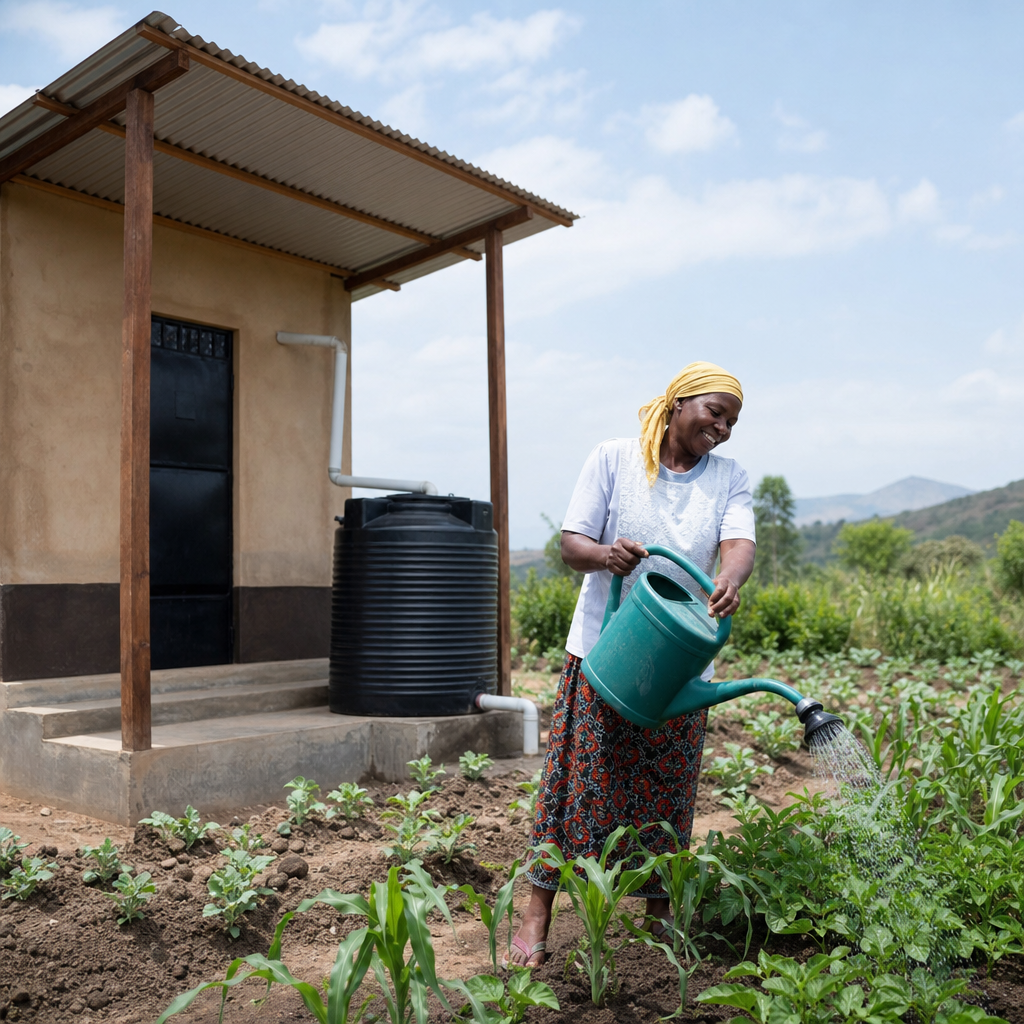
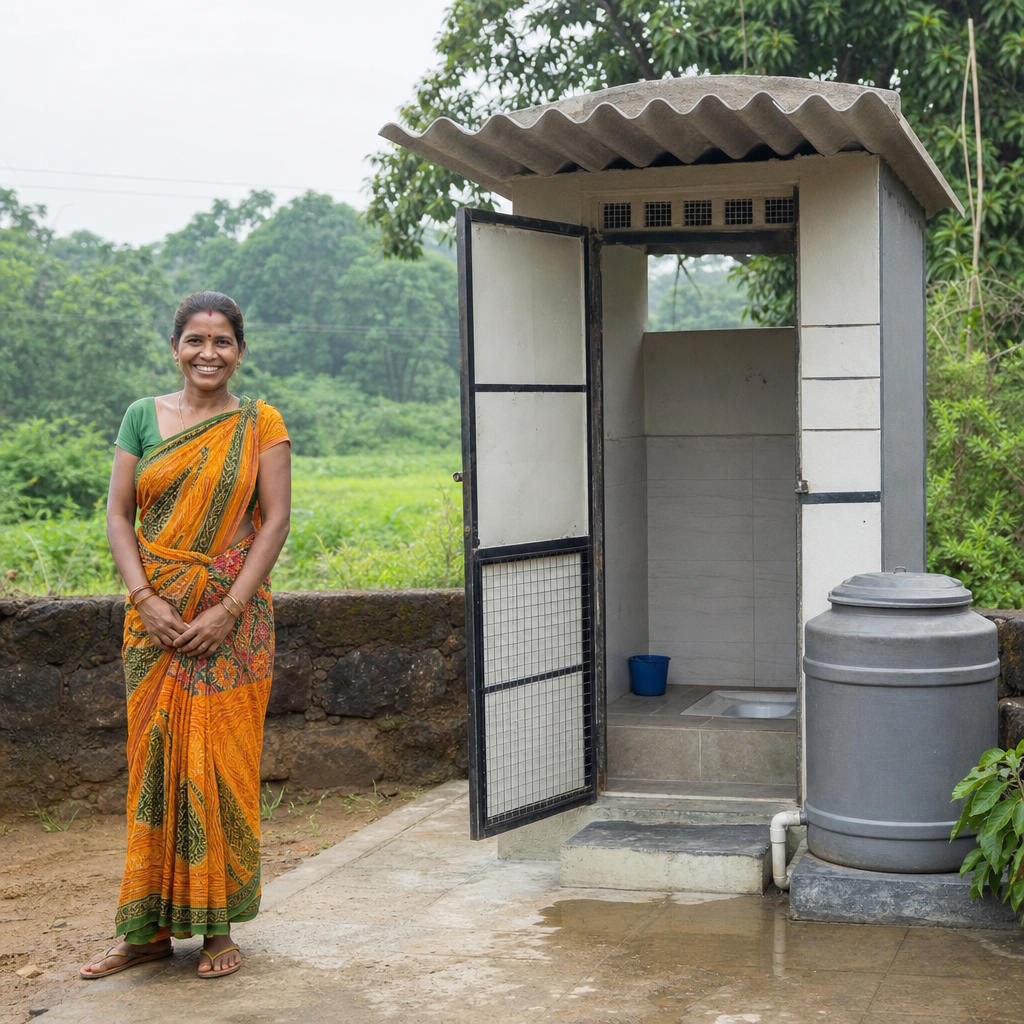
Advancing EcoSan in the global fight against poverty starts with a simple fact: sanitation is not only a health service, but also an economic system that affects household income, school attendance, food security, and community resilience. Ecological sanitation, commonly shortened to EcoSan, refers to sanitation approaches that safely contain, treat, and reuse human waste as a resource, usually through urine diversion, composting, dehydration, or biodigestion. In practice, EcoSan systems aim to close nutrient loops, conserve water, reduce pollution, and create value from materials that conventional systems often treat only as waste. That combination makes EcoSan especially relevant in low-income settings where sewer infrastructure is limited, fertilizer prices are high, and unsafe sanitation drives disease and lost productivity.
I have seen sanitation projects succeed or fail based on whether they were designed as public health hardware alone or as part of a local economy. A toilet that users cannot maintain becomes abandoned infrastructure. A system that protects groundwater, reduces diarrheal disease, lowers spending on chemical fertilizer, and fits local habits has a much better chance of lasting. That is why EcoSan matters within the broader effort of tackling sanitation challenges on a global scale. It addresses several linked problems at once: open defecation, overflowing pits, untreated sludge, water scarcity, agricultural nutrient depletion, and the high cost of centralized sewer expansion.
The global need remains urgent. According to the WHO and UNICEF Joint Monitoring Programme, billions of people still lack safely managed sanitation, and hundreds of millions continue to practice open defecation. The consequences are measurable. Poor sanitation contributes to diarrheal disease, intestinal parasites, undernutrition, lost school days, and reduced worker productivity. Women and girls face additional burdens, including safety risks, menstrual hygiene barriers, and time lost seeking privacy. For governments, the costs show up in healthcare spending, environmental cleanup, and weaker human capital. For households, poor sanitation often means repeated medical bills, lower earnings, and fewer opportunities to build assets.
This hub article explains how EcoSan fits into global sanitation strategy, where it works best, what technical models are used, which policy and financing levers matter, and what implementation mistakes to avoid. It also frames the wider sanitation landscape by connecting hygiene behavior, fecal sludge management, climate adaptation, urban growth, and circular economy principles. If the goal is to reduce poverty sustainably, sanitation must be treated as infrastructure, service delivery, and resource management together. EcoSan does that well when projects are grounded in user demand, careful engineering, safe reuse standards, and strong local institutions.
Why sanitation is central to poverty reduction
Sanitation reduces poverty because it protects the conditions people need to learn, work, and invest. The direct pathway is disease prevention. Unsafe excreta contaminates water, soil, food, and hands, spreading pathogens that cause diarrhea, cholera, typhoid, helminth infections, and environmental enteric dysfunction. Repeated infection harms nutrition and child development, which lowers educational attainment over time. The indirect pathway is financial. Families in poorly served settlements often pay more per liter for water, more per trip for toilet access, and more in emergency healthcare than households connected to reliable services.
In rural areas, the sanitation-poverty link often shows up through labor and agriculture. A farmer weakened by recurrent infection loses workdays during planting or harvest. A household that spends scarce cash on treatment delays school fees or seed purchases. In dense urban settlements, the effects are compounded by shared toilets, flooding, insecure tenure, and weak waste collection. Fecal sludge can enter drains, spread through floodwater, and contaminate shallow wells. The result is not just poor health but degraded neighborhoods that struggle to attract business and public investment.
EcoSan adds a productive dimension. By recovering nutrients and organic matter, systems can support home gardens, tree crops, and local farming where regulations and treatment standards permit safe reuse. This does not eliminate the need for broader sanitation networks, but it can reduce dependence on imported fertilizer and help communities see sanitation as an asset rather than a sunk cost. In poverty reduction terms, that shift matters because technologies adopted and valued by users are more likely to be maintained, paid for, and expanded.
How EcoSan works in real-world settings
EcoSan is not one toilet design. It is a family of approaches built around separation, treatment, and reuse. The most common models include urine-diverting dry toilets, arborloo systems, composting toilets, container-based sanitation with off-site treatment, and biodigesters that turn organic waste into biogas and digestate. The right choice depends on groundwater depth, rainfall, housing density, cultural preferences, supply chains, land tenure, and who will operate the system after installation.
Urine-diverting dry toilets are widely used because urine and feces behave differently and need different treatment. Urine is usually low in pathogens compared with feces and contains much of the nitrogen and potassium excreted by humans. Diverting it at the source reduces smell and moisture, making fecal matter easier to dehydrate or compost. Where local guidance allows, stored urine can be diluted and applied to crops as fertilizer. Feces require longer treatment and stricter handling controls because they carry the highest pathogen load.
Container-based sanitation has proven useful in informal settlements where pits are impractical and sewers are unaffordable. Sealed containers are collected regularly and transported to treatment sites, turning sanitation into a managed service rather than a one-time construction project. I have found this model especially strong where space is constrained and groundwater contamination is already severe. It requires disciplined logistics and tariff design, but it can deliver high service quality quickly compared with waiting years for networked sewer expansion.
Biodigesters can also fit specific contexts, particularly institutions, farms, or peri-urban compounds with steady feedstock and technical oversight. However, they are not universal solutions. Performance drops when temperatures are low, feedstock is inconsistent, or maintenance is neglected. That is a recurring lesson across sanitation: technology choice must follow operating reality, not donor enthusiasm.
Choosing the right sanitation model
A successful sanitation program starts with context assessment, not product selection. The first questions are practical. Is water scarce? Is the settlement flood-prone? Can vacuum trucks access plots? What is the depth to groundwater? Are households owners or tenants? Who empties pits now, and where does sludge go? If these basics are ignored, even technically sound systems fail in use.
| Context | Common challenge | Often suitable approach | Main caution |
|---|---|---|---|
| Arid rural areas | Water scarcity | Urine-diverting dry toilets | Need user training and ash or cover material |
| Dense informal settlements | Limited space and poor access | Container-based sanitation | Requires reliable collection service |
| Flood-prone regions | Pit overflow and contamination | Raised EcoSan units or sealed containers | Must protect storage from stormwater |
| Peri-urban farms | Fertilizer cost | Composting or urine reuse systems | Strict treatment and reuse controls are essential |
| Institutions or farms | Organic waste management | Biodigesters | Needs skilled operation and steady feedstock |
This kind of matching matters because sanitation has always been local. A dry toilet that performs well in water-stressed Namibia may not suit a flood-prone river delta. A composting model accepted in one community may fail in another if cleaning roles, privacy expectations, or beliefs about waste reuse are not addressed. Good programs use participatory design, but they also set hard technical limits. Community preference is important; pathogen control is nonnegotiable.
Public health, safety, and standards for reuse
The strongest criticism of EcoSan is valid when projects underinvest in treatment, monitoring, and user support. Human waste is dangerous until properly managed. Any claim that reuse is automatically safe is wrong. The benchmark is controlled risk reduction through barriers such as source separation, storage time, dehydration, composting temperatures, restricted crop use, protective equipment, and safe application methods. The World Health Organization guidelines on sanitation and wastewater use provide a practical framework: reduce exposure at multiple points instead of relying on a single treatment step.
In the field, that means specifying retention times, moisture targets, transport procedures, and end-use restrictions clearly. For example, treated products may be better suited to tree crops, forestry, or soil conditioning than to leafy vegetables eaten raw. Operators need gloves, washing facilities, and a documented chain of custody. Schools and clinics need even tighter protocols because user turnover is high and maintenance lapses quickly become public health hazards.
Monitoring cannot be an afterthought. Programs should track fill levels, collection frequency, pathogen indicators where feasible, odor complaints, user satisfaction, handwashing access, and downstream environmental quality. I have seen well-built toilets become unsafe because no one budgeted for follow-up visits after the ribbon cutting. Sanitation is a service with recurrent costs. Treating it as a capital project only is one of the most expensive mistakes in the sector.
Economics, financing, and market development
EcoSan can reduce long-term costs, but it is not free, and the economics depend on service chains, not only toilet units. Households may need credit for construction. Entrepreneurs may need working capital for collection vehicles, containers, composting pads, or treatment equipment. Municipalities may need blended finance to cover public-good functions such as oversight, transfer stations, and safe disposal for nonreusable fractions.
The strongest business cases usually combine several value streams: user fees, municipal contracts, sale of soil amendments, carbon-related benefits from avoided methane or reduced synthetic fertilizer use, and healthcare savings at community level. Still, recovered products rarely cover the full cost of service at early stages. That is normal. Water and sewer systems in high-income countries also rely on tariffs, taxes, and transfers. Expecting low-income communities to finance full sanitation transformation without public support is unrealistic.
Market shaping matters just as much as subsidies. Spare parts, local masons, trained emptiers, compost buyers, and quality standards all influence adoption. Programs in East Africa and South Asia have shown that sanitation enterprises grow faster when regulations recognize nonsewered sanitation as legitimate urban infrastructure. When local governments include fecal sludge management in budgets, issue operator licenses, and create demand through institutional procurement, service providers become bankable. That is the point where pilots start turning into systems.
Urbanization, climate pressure, and the global sanitation transition
Rapid urbanization is changing sanitation planning everywhere. Cities are expanding faster than sewer networks, and many secondary cities lack treatment plants, mapped drainage, or formal waste transfer points. At the same time, climate change is increasing flood intensity, drought stress, and heat, all of which affect sanitation performance. Floods spread fecal contamination widely; drought makes flush systems harder to sustain; heat accelerates odor and vector problems where containment is poor.
EcoSan is particularly relevant in this transition because it can complement centralized systems instead of waiting for them. In practice, future sanitation will be mixed. Dense city cores may justify sewers and advanced treatment. Peripheral settlements may rely on containerized collection, urine diversion, or decentralized treatment hubs. Rural areas may continue using improved onsite systems with safe reuse. The planning principle is citywide inclusive sanitation: deliver equitable public health outcomes across all neighborhoods using multiple technical pathways.
This hub perspective is important for anyone studying global challenges and opportunities. Tackling sanitation challenges on a global scale requires more than building toilets. It requires supply chains, behavior change, regulation, digital service tracking, land planning, and climate-resilient design. EcoSan belongs in that conversation because it offers practical options where conventional models are too slow, too water-intensive, or too expensive to reach everyone safely.
What successful EcoSan programs consistently do well
The best programs share several traits. They start with user research and honest mapping of current waste flows. They choose technologies that local builders can repair. They budget for maintenance, training, and monitoring from day one. They connect sanitation to agriculture, schools, health outreach, or urban services so benefits are visible beyond the toilet itself. They also communicate clearly about what reuse products are, how they were treated, and where they can be used safely.
Just as important, successful programs avoid common traps. They do not assume behavior change happens automatically. They do not distribute unfamiliar toilets without after-sales support. They do not ignore women’s input on privacy, cleaning, and menstrual hygiene. They do not promise fertilizer revenues before proving treatment quality and market demand. And they do not treat informal settlements as temporary exceptions that can wait indefinitely for proper service.
For practitioners, policymakers, NGOs, and investors, the takeaway is straightforward: sanitation must be managed as a long-term public service with resource recovery where appropriate. EcoSan is powerful because it aligns health protection with environmental stewardship and local economic value. To move this agenda forward, assess your context carefully, back proven service models, and prioritize safe, inclusive systems that communities can sustain for decades.
Frequently Asked Questions
What is EcoSan, and why does it matter in the fight against poverty?
Ecological sanitation, or EcoSan, is an approach to sanitation that treats human waste not simply as something to dispose of, but as a resource that can be safely managed, treated, and reused. Depending on the system, this can include urine-diverting toilets, composting toilets, dehydration vaults, and biodigesters that convert waste into usable byproducts such as compost, soil conditioner, irrigation nutrients, or biogas. The central idea is to protect public health while also recovering value from materials that are usually lost in conventional sanitation systems.
This matters in the fight against poverty because sanitation affects far more than hygiene. Poor sanitation contributes to disease, lost wages, high medical costs, school absenteeism, undernutrition, and reduced productivity. When households and communities lack safe sanitation, they often absorb these costs quietly over time. EcoSan can help interrupt that cycle by lowering exposure to contamination, reducing the burden of water-intensive infrastructure, and creating practical economic benefits from waste reuse. In rural and low-income settings especially, these gains can support food production, lower fertilizer expenses, improve household resilience, and strengthen local livelihoods.
In other words, EcoSan is important not only because it helps people stay healthier, but because it can turn sanitation into part of a local economic system. That shift is especially valuable in communities where every input, every hour of labor, and every avoidable health expense matters.
How can EcoSan improve household income, food security, and long-term resilience?
EcoSan can improve household income and food security in several connected ways. First, when sanitation systems safely recover nutrients from urine and fecal matter, those nutrients can be reused in agriculture after proper treatment. This can reduce dependence on commercial fertilizers, which are often expensive or difficult to access in low-income areas. For smallholder farmers, even modest savings on farm inputs can make a meaningful difference over time. Treated outputs can also improve soil health, which supports better yields and more reliable crop production.
Second, EcoSan can reduce the economic losses associated with poor sanitation. Families dealing with repeated illness often lose income because adults miss work and children miss school. Medical expenses, transport to clinics, and time spent caregiving can place significant pressure on already limited budgets. By helping reduce sanitation-related disease risks, EcoSan contributes to more stable household economics and stronger day-to-day productivity.
Third, certain EcoSan systems can create new local enterprise opportunities. Communities may develop small businesses around toilet construction, maintenance, compost processing, urine collection, biodigester operation, or agricultural resale of treated sanitation products. These activities support job creation while improving service delivery. In places with weak sewer infrastructure, decentralized systems can also be more affordable to build and maintain, which makes expansion more realistic for underserved areas.
Long-term resilience is another major benefit. EcoSan systems are often designed to function with less water, lower energy use, and more local control than conventional sewer networks. That can make them especially useful in regions facing water scarcity, climate stress, fragile infrastructure, or rapid urban growth. A sanitation model that improves health, supports agriculture, and reduces vulnerability to shocks offers a stronger foundation for poverty reduction than one that only addresses waste disposal.
Is EcoSan safe, and what conditions are needed for it to work effectively?
Yes, EcoSan can be safe and highly effective, but safety depends on proper design, operation, treatment, and user education. The most important principle is that human waste must be handled in a way that breaks the chain of disease transmission. EcoSan systems are not informal dumping methods; they are managed sanitation systems that rely on containment, separation, treatment, and controlled reuse. When correctly implemented, they can protect both users and the surrounding environment.
Different systems achieve safety in different ways. Urine-diverting dry toilets separate urine and feces at the source, which makes treatment and reuse easier. Composting and dehydration systems reduce pathogen survival through time, temperature, dryness, pH, and controlled processing. Biodigesters use biological decomposition to stabilize waste and can produce biogas, though post-treatment and quality control may still be needed depending on intended reuse. In every case, safety protocols, treatment standards, storage times, and appropriate end uses matter greatly.
For EcoSan to work well, communities need more than hardware. They need clear guidance on operation and maintenance, regular monitoring, culturally appropriate design, and local acceptance. Toilets must be convenient, affordable, and easy to use. Collection and reuse systems must be practical, and the people responsible for maintenance must have training and support. Without these elements, even well-designed systems can fail due to misuse, neglect, or stigma.
Policy and regulation also play an important role. Successful EcoSan programs usually include public health oversight, technical standards, and coordination across sanitation, agriculture, and local government sectors. When these conditions are in place, EcoSan can provide a safe, scalable, and resource-efficient alternative to conventional sanitation, particularly in places where sewer expansion is too costly or environmentally unsuitable.
What are the biggest barriers to adopting EcoSan in low-income communities?
One of the biggest barriers is perception. In many places, the idea of reusing products derived from human waste can trigger understandable concerns about dignity, safety, smell, and social acceptance. Even when systems are technically sound, adoption can stall if communities are not involved early, if benefits are poorly explained, or if the design does not align with local expectations and habits. Sanitation is deeply cultural, so technology alone is never enough.
Cost and financing are also major challenges. Although many EcoSan systems can be cheaper than full sewer infrastructure, households may still struggle with upfront construction costs, maintenance expenses, or the need for replacement parts. In low-income settings, even relatively small costs can delay adoption. Programs that succeed often combine subsidies, microfinance, community cost-sharing, or public investment with strong local service support.
Another barrier is weak implementation capacity. EcoSan requires correct installation, regular maintenance, treatment discipline, and in some cases organized collection or agricultural reuse systems. If technicians are not trained, if supply chains are unreliable, or if local authorities lack oversight capacity, systems may underperform. This can damage trust and make future adoption harder.
There can also be policy and institutional obstacles. Sanitation, agriculture, health, and environment agencies may operate separately, even though EcoSan sits at the intersection of all four. If regulations do not clearly support treated waste reuse, or if national sanitation plans focus only on sewers and pit latrines, EcoSan may be overlooked despite its potential. Overcoming these barriers typically requires community engagement, behavior change communication, practical demonstrations, technical training, and policies that recognize circular sanitation as a legitimate development strategy.
How does advancing EcoSan support broader global development goals?
Advancing EcoSan supports a wide range of development goals because it connects sanitation to health, education, food systems, environmental protection, and economic opportunity. At the most basic level, it improves access to safer sanitation, which directly supports disease prevention and public health. That alone can reduce poverty pressures by lowering healthcare costs and helping people maintain steady work and school attendance.
Its broader value comes from the way it links sectors that are often treated separately. For example, a well-designed EcoSan system can reduce water use, protect groundwater from contamination, recover nutrients for agriculture, and in some cases generate renewable energy through biogas. This makes it relevant not only to sanitation targets, but also to goals related to clean water, sustainable cities, climate adaptation, responsible resource use, and food security. In regions where imported fertilizer is costly and water is scarce, these connections are especially important.
EcoSan can also strengthen equity and inclusion. Decentralized systems can reach communities that conventional sewer networks are unlikely to serve soon, including informal settlements, remote rural areas, flood-prone zones, and fragile environments. When designed well, they can improve dignity, safety, and privacy for women, girls, older adults, and people with disabilities. Better sanitation access often has ripple effects on education, especially for girls whose school attendance may be affected by poor facilities.
In the global fight against poverty, this is the key point: EcoSan is not just about toilets. It is about redesigning sanitation so it contributes to healthier people, more productive households, stronger local economies, and more sustainable use of natural resources. That integrated impact is why EcoSan is increasingly seen as a serious and practical tool for inclusive development.