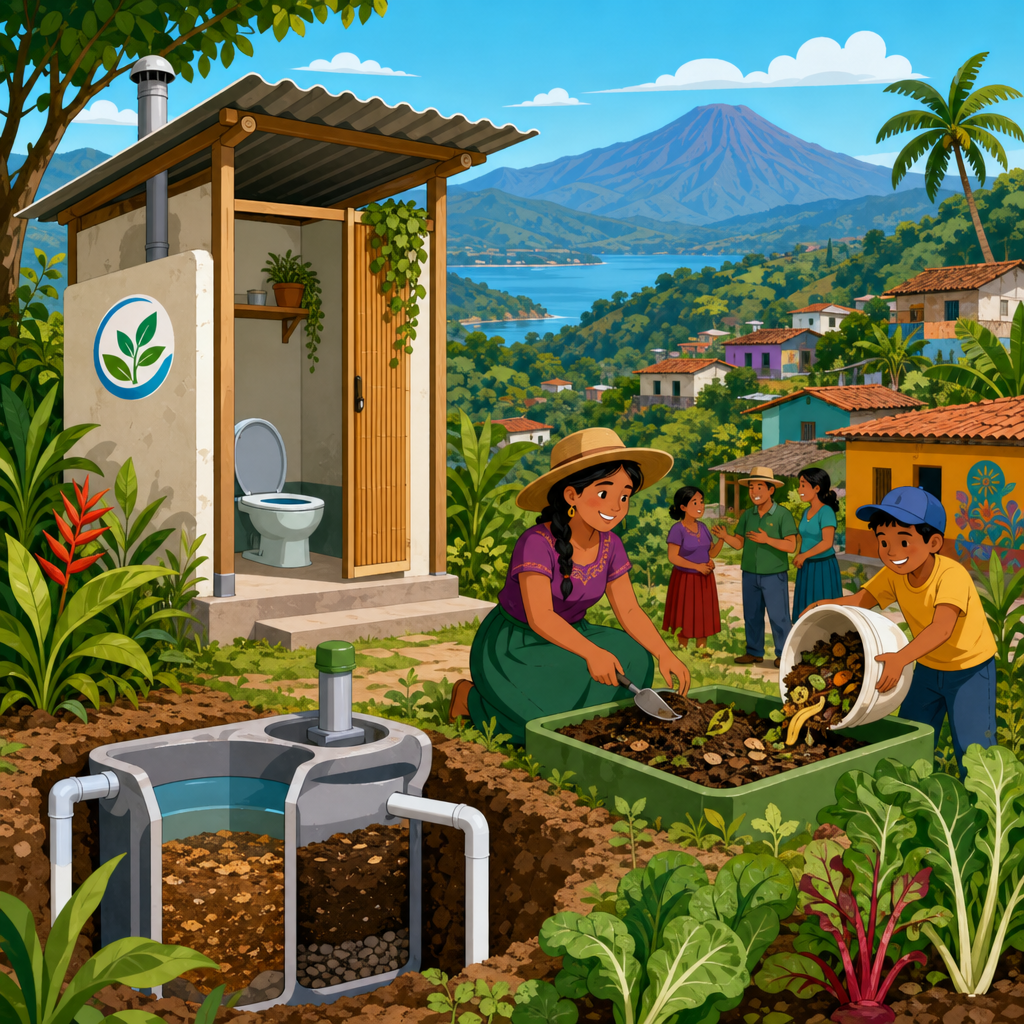
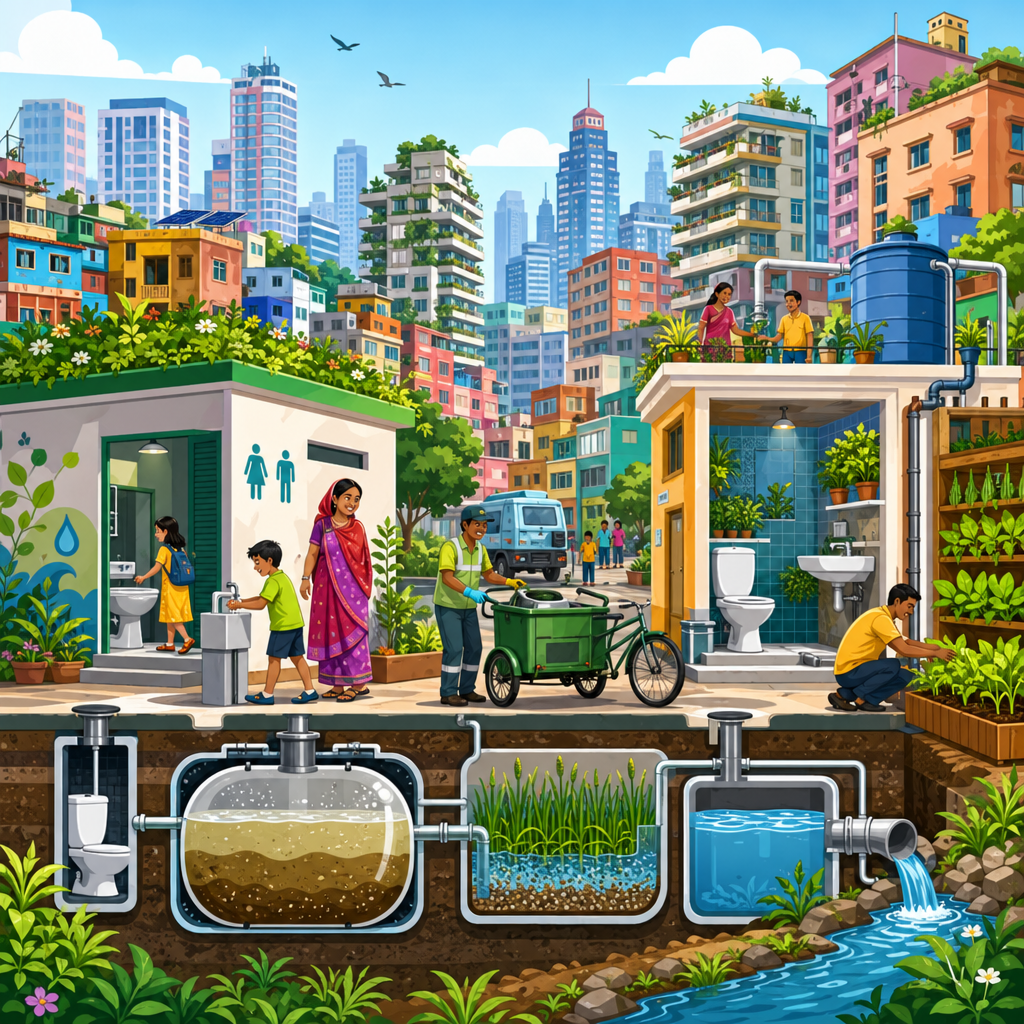
Community water success in Ghana shows how locally managed sanitation and water systems can improve health, protect scarce resources, and create a practical model for other nations facing similar infrastructure gaps. In this context, EcoSan, short for ecological sanitation, refers to sanitation systems designed to safely recover nutrients, conserve water, and reduce environmental contamination rather than simply transporting waste away through expensive sewer networks. In Ghana, EcoSan implementations have mattered most in places where conventional sewerage is financially unrealistic, groundwater is vulnerable, and rapid population growth has outpaced public investment. I have worked on sanitation content and reviewed field reports from municipal and community projects across West Africa, and Ghana stands out because success has depended less on hardware alone than on governance, maintenance, and community ownership. That is why this case study matters beyond one country. It demonstrates that community water success is not only about drilling boreholes or building toilets; it is about linking public health, local financing, behavior change, and resource recovery into one working system. Ghana’s experience offers practical lessons for cities, small towns, schools, and peri-urban settlements that need affordable sanitation options now, not decades from now.
The strongest lesson from EcoSan implementations in Ghana is that water and sanitation cannot be planned separately. When toilets fail, water sources are contaminated. When water is scarce, flush systems become unreliable and unaffordable. Ecological sanitation addresses that link by using urine-diverting dry toilets, composting processes, decentralized treatment, and reuse pathways for agriculture where regulations and safety practices allow. Ghana has tested these ideas through school sanitation blocks, household toilets, institutional pilots, and urban environmental health projects supported by district assemblies, NGOs, universities, and development partners. Some projects succeeded quickly; others struggled because maintenance plans were vague or communities were not consulted early enough. Those mixed results are exactly what makes Ghana useful as a model. Other nations do not need a success story polished beyond recognition. They need a realistic account of what worked, what failed, and why. As a hub for lessons from EcoSan implementations, this article explains the operational features, policy conditions, financing methods, and community practices that turned pilot projects into durable public service improvements.
Why Ghana Became a Meaningful EcoSan Test Case
Ghana became a meaningful EcoSan test case because its sanitation challenge combines urban density, peri-urban expansion, groundwater dependence, and limited sewer coverage. According to UNICEF and WHO Joint Monitoring Programme data over the years, safely managed sanitation has lagged behind basic access, especially in fast-growing settlements where on-site sanitation dominates. That reality pushed local governments and partners to consider options beyond centralized sewer systems. In many districts, pit latrines faced space limits, high water tables, odor complaints, and difficult emptying logistics. EcoSan systems offered an alternative that used little or no water and aimed to transform waste into a resource. The logic was simple: if nutrients can be recovered and pathogens reduced through controlled treatment, sanitation becomes part of a circular local economy instead of a recurring disposal crisis.
In practice, Ghana’s relevance also comes from institutional diversity. The Community Water and Sanitation Agency, Metropolitan, Municipal and District Assemblies, the Environmental Protection Agency, schools, NGOs such as WaterAid and local civil society groups have all played roles in implementation and oversight. Kwame Nkrumah University of Science and Technology and other research institutions have contributed technical validation and user studies. That mix of actors matters because no EcoSan system succeeds on engineering alone. A urine-diverting toilet can be structurally sound and still fail if ash or cover material is unavailable, if users do not understand separation, or if no one is responsible for emptying chambers. Ghana’s better projects recognized those human factors from the beginning. They treated EcoSan as a service chain involving design, training, monitoring, collection, treatment, and reuse. Countries looking for a model should focus on that systems approach, not only on the toilet structure itself.
What EcoSan Implementations in Ghana Actually Included
EcoSan implementations in Ghana have not been one uniform technology. The most common formats included urine-diverting dry toilets, alternating double-vault composting toilets, institutional sanitation blocks for schools, and decentralized treatment linked to reuse in landscaping or agriculture. In water-stressed or rocky areas where pits were hard to dig, elevated or above-ground designs reduced construction constraints. In dense settlements, shared or compound facilities sometimes made more sense than individual household units. In schools, the strongest designs accounted for gender separation, handwashing access, cleaning storage, and menstrual hygiene management. Where these features were omitted, usage dropped and facilities deteriorated quickly.
A practical point often missed in broad summaries is that EcoSan performance depends on correct daily operation. Urine diversion only works when users sit or position themselves correctly, solid waste chambers stay dry enough for pathogen reduction, and anal cleansing practices are considered in design. In Ghana, projects that ignored local habits often faced blockages, odor, or rejection. The better implementations adapted. Some included clear visual instructions in local languages. Others provided attendants or sanitation committees during the transition period. In agricultural reuse pilots, treated urine and composted material were introduced carefully, often with demonstration plots showing effects on maize, vegetables, or trees. Farmers needed evidence that yields would improve and that health safeguards were credible. Once they saw measured benefits and proper handling protocols, acceptance improved substantially.
| Implementation factor | What worked in Ghana | What failed when ignored |
|---|---|---|
| User training | Simple instructions, local language signs, follow-up visits | Incorrect use, mixing of waste streams, odors |
| Maintenance ownership | Named caretakers, sanitation committees, fee collection | Dirty facilities, full chambers, abandonment |
| Reuse pathway | Demonstration farms, safe handling guidance, farmer buy-in | No outlet for by-products, storage problems |
| Design adaptation | School, household, and compound models tailored to context | Low adoption, especially where habits were not considered |
| Institutional backing | District support, NGO supervision, technical monitoring | Pilot collapse after donor exit |
Core Lessons from Community Water Success in Ghana
The first core lesson is that community water success in Ghana depended on treating sanitation as a public service with local accountability. In districts where assemblies or community committees assigned clear roles for cleaning, inspection, fee collection, and repairs, facilities remained functional longer. This sounds basic, but it is where many pilots fail. Hardware is visible and easy to fund; management is less visible and often underfunded. Yet management determines whether users trust a facility enough to keep using it. In Ghana, successful school and community systems usually had a caretaker, budget line, and reporting routine. That is replicable in other nations because it relies more on governance discipline than on expensive technology.
The second lesson is that behavior change must be designed into the project, not added after construction. EcoSan asks users to interact with sanitation differently than with a flush toilet or pit latrine. That means orientation is not optional. In Ghana, projects that included community entry meetings, practical demonstrations, and repeated follow-up achieved higher correct-use rates. The third lesson is that reuse creates value only when safety and market logic are clear. Nutrient recovery is attractive, but compost or treated urine will not be adopted automatically. Standards, storage time, pathogen reduction protocols, and extension advice all matter. Where Ghanaian projects linked sanitation outputs to agriculture with proper safeguards, they strengthened both environmental protection and livelihoods. Where the reuse case was vague, enthusiasm faded. The broader takeaway is direct: sanitation innovation succeeds when users, operators, and end markets are planned together.
Public Health, Water Protection, and the Circular Economy
One reason Ghana’s EcoSan experience deserves attention is its direct relevance to public health. Poorly managed sanitation contributes to diarrheal disease, helminth infection, and environmental contamination. In communities dependent on shallow wells or boreholes, fecal pollution can travel quickly through vulnerable soils or flood pathways. EcoSan systems can reduce that risk when they are correctly built and managed because they minimize uncontrolled seepage and reduce water demand. They are especially useful where flush systems are impractical due to intermittent supply or high operating costs. During dry seasons, that resilience becomes a major advantage. A toilet that does not depend on daily water delivery is more likely to remain functional year-round.
There is also a strong environmental case. Ghana, like many countries, faces pressure on freshwater supplies, agricultural soils, and urban land. Ecological sanitation supports a circular approach by returning nutrients such as nitrogen, phosphorus, and potassium to productive use instead of losing them through unmanaged waste disposal. This does not eliminate all sanitation risks, and it does not replace the need for regulation. Pathogen die-off, storage time, pH conditions, moisture control, and safe application methods still matter. However, when managed according to established sanitation safety principles promoted by the World Health Organization and supported by national guidance, EcoSan can reduce pollution loads while producing a usable soil amendment. That combination of water conservation and resource recovery is why Ghana’s model has policy relevance for drought-prone and low-income regions across Africa and beyond.
Financing, Policy, and Institutional Design
Financing is often the deciding factor in whether EcoSan remains a promising pilot or becomes normal practice. Ghana’s experience shows that capital subsidies may be necessary at the start, especially for schools, public facilities, and low-income households, but long-term viability depends on realistic operating finance. Some projects used household contributions, local government support, NGO grants, and community management fees in combination. The most resilient arrangements were transparent about who paid for consumables, minor repairs, emptying, and supervision. When those costs were hidden, systems deteriorated after the ribbon-cutting. Countries studying Ghana should pay close attention to lifecycle costing rather than initial construction budgets alone.
Policy alignment also matters. EcoSan sits at the intersection of sanitation regulation, building standards, agricultural reuse guidance, and local environmental health enforcement. Ghana’s progress has been strongest where district authorities, public health officers, and implementing partners worked from shared operating rules. That includes siting requirements, caretaker responsibilities, treatment periods, and procedures for reuse or final disposal. Without that clarity, local officials may hesitate to approve systems, and communities may doubt their safety. Institutional design should therefore include technical manuals, inspection protocols, and training for environmental health staff. A useful model is to embed EcoSan within district sanitation planning instead of treating it as a niche experiment. Once it appears in procurement templates, school standards, and local budgets, replication becomes much easier.
What Other Nations Can Replicate from Ghana
Other nations can replicate Ghana’s EcoSan lessons if they start with context matching. EcoSan is most suitable where water scarcity, weak sewer coverage, difficult pit conditions, or nutrient recovery needs make conventional systems less practical. It is not a universal replacement for every sanitation type. The first transferable practice is participatory planning. Before designs are chosen, communities should discuss cleansing habits, privacy expectations, willingness to pay, caretaker roles, and preferred reuse options. The second is phased demonstration. Ghanaian projects gained traction when early facilities were monitored closely and used as learning sites rather than rolled out blindly at scale. The third is service-chain thinking. Every project needs a plan for construction quality, user orientation, routine cleaning, chamber emptying, treatment verification, and reuse or safe disposal.
National planners should also borrow Ghana’s most important caution: do not market EcoSan as a miracle technology. It is a management-intensive solution. Where institutions are weak, start with schools, health posts, or organized compounds where accountability is easier to establish. Use baseline and follow-up indicators such as functionality rates, handwashing availability, chamber turnaround time, user satisfaction, and evidence of safe by-product handling. Link sanitation teams with agricultural extension officers if reuse is part of the model. Finally, document failures honestly. Ghana’s credibility comes from the fact that some projects needed redesign, retraining, or stronger maintenance contracts. That is not a weakness. It is the reason the country offers a realistic model for others. Leaders, practitioners, and donors should study these lessons closely, then adapt them to local conditions and build durable community water success.
Frequently Asked Questions
What makes Ghana’s community water success story so important for other nations?
Ghana’s experience matters because it shows that major improvements in water access and sanitation do not always depend on large, centralized infrastructure projects. In many communities, locally managed water systems, sanitation facilities, and hygiene programs have delivered practical, measurable results by working with the realities on the ground rather than waiting for costly sewer networks or nationwide upgrades. This approach has helped communities improve health, reduce exposure to waterborne disease, and make better use of limited water resources.
What makes the model especially valuable for other nations is its focus on community ownership. When local residents, leaders, and user groups help manage water points, sanitation systems, maintenance funds, and daily operations, the systems are often better cared for and more likely to remain functional over time. Ghana’s example also highlights the importance of pairing infrastructure with education, accountability, and local decision-making. For countries facing similar infrastructure gaps, budget limitations, or rapid population growth, the lesson is clear: durable progress often comes from solutions that are affordable, adaptable, and rooted in community participation.
How do locally managed water and sanitation systems improve public health in Ghana?
Locally managed systems improve public health by reducing the everyday conditions that allow disease to spread. When communities have safer water sources, better sanitation facilities, and stronger hygiene practices, they are less exposed to contaminated water, unsafe waste disposal, and the pathogens that contribute to illnesses such as diarrhea, cholera, and other gastrointestinal infections. In places where open defecation or poorly managed waste had been common, even modest improvements in sanitation can produce significant health benefits.
Another reason these systems work is that local management often leads to faster problem-solving. Communities are more likely to notice broken pumps, overflowing sanitation units, drainage issues, or unsafe water handling practices early and respond before they become larger health threats. In the Ghanaian context, community engagement also supports behavior change, including handwashing, cleaner household water storage, and proper facility use. The result is not only improved infrastructure, but also a stronger public health culture that helps protect children, families, and vulnerable populations over the long term.
What is EcoSan, and why is it relevant to Ghana’s water and sanitation progress?
EcoSan, or ecological sanitation, is a sanitation approach designed to safely recover nutrients, conserve water, and reduce environmental contamination instead of simply moving waste away through expensive sewer systems. This makes it especially relevant in settings where water is scarce, infrastructure funding is limited, or conventional sewage treatment is difficult to build and maintain. Rather than treating human waste only as a disposal problem, EcoSan systems are designed to manage it safely and, in some cases, turn it into a useful resource when handled under appropriate health and environmental safeguards.
In Ghana, EcoSan implementation is relevant because it aligns with the practical needs of many communities. It can reduce pressure on water supplies by using less water than flush-based systems, while also helping limit the contamination of groundwater, rivers, and surrounding land. This is particularly important in areas where water resources are already under strain and where untreated waste can quickly affect both health and local ecosystems. EcoSan also supports a more circular, resource-conscious model of sanitation, which is increasingly important for countries seeking sustainable solutions rather than short-term fixes. Ghana’s experience suggests that when communities understand how EcoSan works and receive the right training and support, it can become an effective part of a broader strategy for sanitation improvement.
Why is community ownership so critical to the long-term success of water projects?
Community ownership is critical because infrastructure alone does not guarantee lasting service. Water systems and sanitation facilities require regular maintenance, fair rules for use, transparent financing, and trusted local oversight. When communities feel that a project belongs to them, they are more likely to protect it, contribute to repairs, monitor performance, and hold managers accountable. This sense of responsibility can mean the difference between a system that functions for years and one that breaks down shortly after installation.
Ghana’s model demonstrates that local ownership also improves relevance and acceptance. Communities understand their own water needs, seasonal challenges, cultural practices, and land-use patterns better than outside organizations working from a distance. That local knowledge helps shape solutions that are practical and more likely to be used consistently. It also encourages stronger participation from households, women’s groups, local committees, and traditional leaders, all of whom can play important roles in decision-making. For other nations, the takeaway is that sustainable water and sanitation progress depends not just on engineering, but on governance, trust, and active local involvement.
What lessons can other countries learn from Ghana when addressing water scarcity and sanitation gaps?
One of the biggest lessons is that countries do not need to wait for perfect conditions to make meaningful progress. Ghana’s experience shows the value of starting with scalable, community-based solutions that match available resources and local realities. This includes investing in systems that can be maintained locally, combining water access with sanitation and hygiene education, and promoting approaches such as EcoSan where they fit environmental and financial conditions. Small, well-managed systems can produce large benefits when they are designed for long-term use and supported by community engagement.
Another important lesson is that water and sanitation policy should focus on resilience as much as access. Protecting scarce water resources, reducing contamination, and building systems that communities can manage during economic or climate-related stress are essential goals. Countries can also learn from Ghana’s emphasis on practical partnership, where communities, local authorities, development organizations, and technical experts each play a role. The broader message is that successful water reform is not only about expanding infrastructure coverage. It is about building systems that improve health, conserve resources, strengthen local capacity, and remain functional long after the initial investment has been made.