
Sustainable sewage treatment is moving from a hidden utility function to a frontline climate, water, and public health strategy. In the last decade, I have watched wastewater projects shift from simply meeting discharge permits to recovering water, energy, and nutrients through integrated ecological sanitation systems. That shift matters because sewage is no longer treated only as waste. It is increasingly managed as a resource stream that contains reusable water, organic carbon, nitrogen, phosphorus, heat, and data about community health.
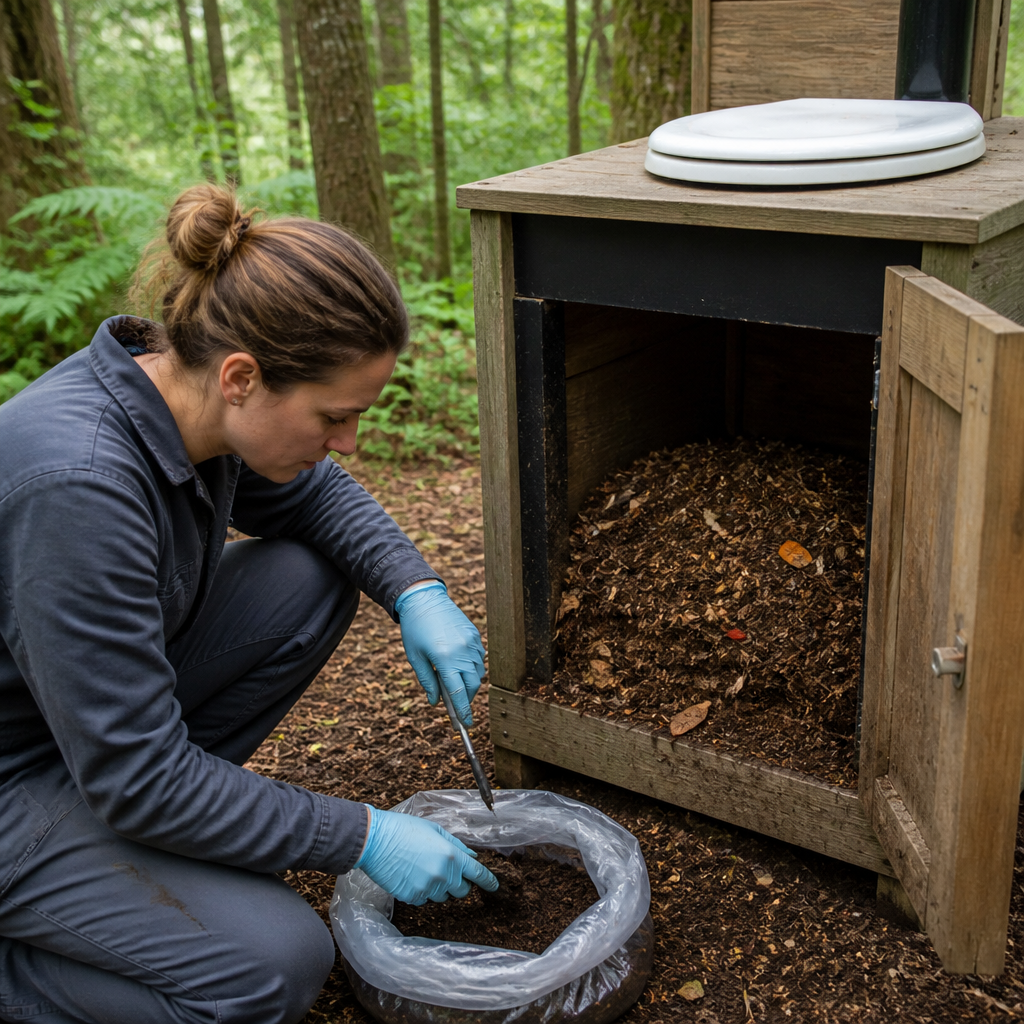
Emerging trends in sustainable sewage treatment center on technologies and operating models that reduce pollution while creating measurable environmental value. In practical terms, sustainable sewage treatment means cleaning wastewater with lower energy demand, lower greenhouse gas emissions, higher resilience to floods and droughts, and better recovery of useful byproducts. Ecological sanitation, often shortened to EcoSan, goes a step further by redesigning sanitation systems so nutrients and water remain in productive cycles instead of being discarded. That can include source separation, urine diversion, decentralized treatment, constructed wetlands, anaerobic digestion, nutrient recovery reactors, and safe reuse in agriculture or industry.
This topic matters for three reasons. First, conventional centralized plants consume significant electricity, often making wastewater utilities among the largest municipal energy users. Second, aging sewer networks struggle with storm surges, infiltration, and population growth. Third, stricter standards for nutrients, pathogens, micropollutants, and sludge management are forcing innovation. Around the world, utilities, researchers, and technology providers are responding with cutting-edge EcoSan technologies that can serve dense cities, informal settlements, industrial campuses, and water-scarce regions. As a sub-pillar hub under technological innovations and research, this guide maps the most important trends, explains how they work, and shows where each approach fits.
Why EcoSan is redefining wastewater infrastructure
EcoSan technologies redefine wastewater infrastructure by treating sanitation as a circular system rather than a one-way disposal service. In a conventional model, drinking-quality water carries mixed waste through extensive sewer networks to a centralized plant, where contaminants are removed and residual sludge is managed at additional cost. In an EcoSan model, designers ask a different question: what can be separated, stabilized, recovered, and reused safely at the smallest effective scale?
That design logic has major consequences. Source-separated streams are easier to treat than mixed sewage because contaminants are more concentrated and predictable. Urine, for example, holds most household nitrogen and a substantial share of phosphorus, yet represents a small fraction of wastewater volume. Fecal solids contain organics that can be digested for biogas or transformed into soil products after appropriate treatment. Greywater from sinks, showers, and laundry can often be polished for nonpotable reuse with simpler treatment trains than blackwater. By matching treatment intensity to the actual risk and value of each stream, EcoSan systems often reduce energy use and improve recovery rates.
Utilities are adopting this mindset even when they keep centralized assets. I have seen treatment upgrades where operators add sidestream deammonification, phosphorus crystallization, and advanced biosolids digestion without rebuilding the entire plant. The result is not a single technology but a portfolio approach: centralized where economies of scale are real, decentralized where resilience and reuse create stronger outcomes.
Advanced biological treatment with lower energy demand
One of the most important emerging trends in sustainable sewage treatment is the refinement of biological processes that remove pollutants with less aeration and lower chemical inputs. Aeration is typically the largest electricity load in activated sludge plants, so any process that cuts oxygen demand or uses microbial pathways more efficiently can change operating economics.
Shortcut nitrogen removal is a leading example. Instead of fully converting ammonia to nitrate and then reducing nitrate to nitrogen gas, processes such as nitritation-denitritation and deammonification shorten the pathway. The best-known deammonification route combines partial nitritation with anaerobic ammonium oxidation, often called anammox. This biology reduces oxygen demand and external carbon requirements, making it especially useful for sidestreams from sludge dewatering that contain high ammonia concentrations. Many facilities in Europe, North America, and Asia now use moving bed biofilm reactors or granular systems to support these microbial communities.
Membrane aerated biofilm reactors are another area to watch. They deliver oxygen through gas-permeable membranes directly to biofilms, improving transfer efficiency and enabling tightly controlled redox zones. That can help plants manage simultaneous nitrification and denitrification in compact footprints. Granular sludge systems, including aerobic granulation, also continue to gain attention because dense microbial granules settle rapidly and can combine multiple treatment functions in one reactor. Compared with conventional activated sludge, they can reduce tank volume and improve process stability when properly operated.
These systems are not effortless. They require skilled monitoring, control logic, and protection against toxic shocks. Still, the trend is clear: biological treatment is becoming more selective, data-driven, and energy efficient.
Resource recovery technologies are becoming core plant functions
Resource recovery is no longer a side project. It is becoming a core design principle in cutting-edge EcoSan technologies because recovered products can offset operating costs and reduce environmental burdens upstream. The most mature recovery pathways involve energy, phosphorus, nitrogen, and reclaimed water.
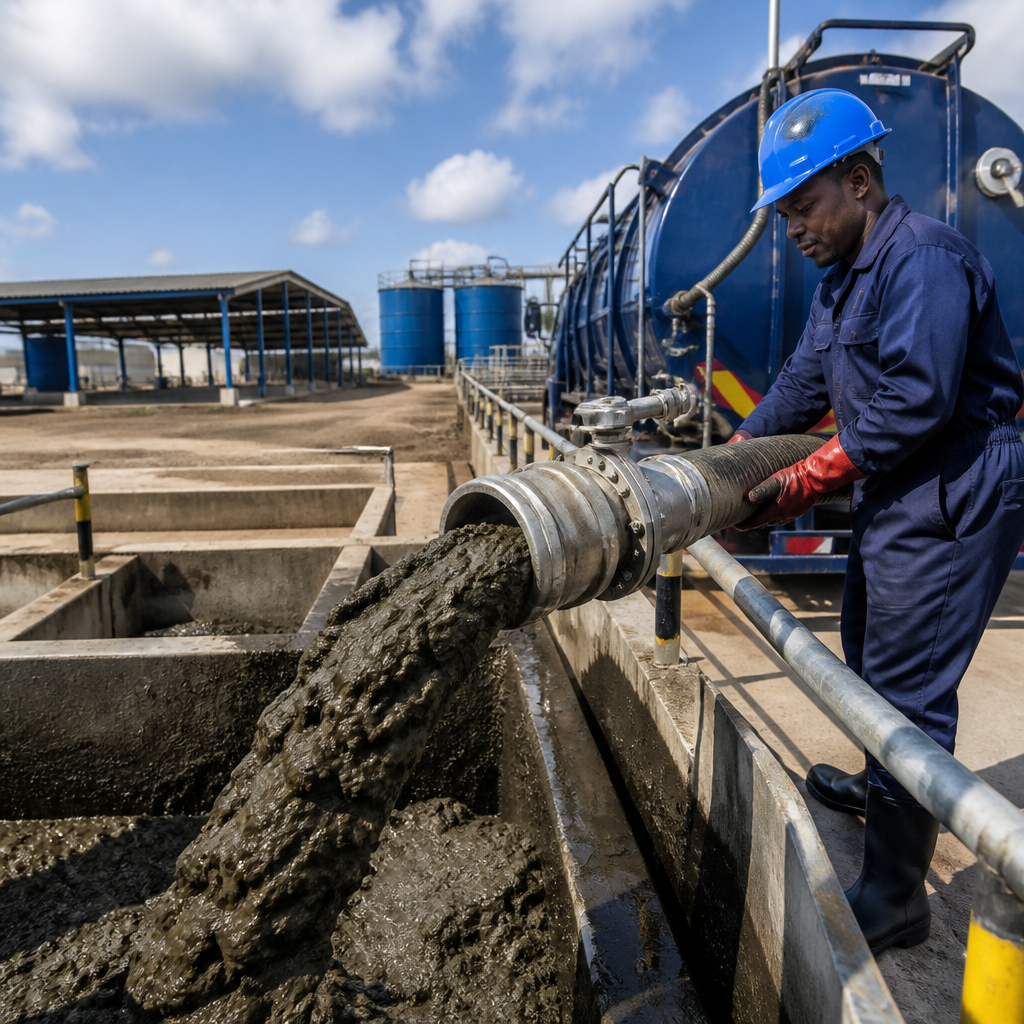
Anaerobic digestion remains foundational. By stabilizing sludge in oxygen-free conditions, digesters produce biogas rich in methane that can fuel boilers, combined heat and power units, or upgrading systems for renewable natural gas. Well-run digestion projects can significantly lower a plant’s net energy demand, especially when paired with codigestion of food waste or fats, oils, and grease. However, codigestion must be carefully managed to avoid foaming, sulfur problems, and overloads.
Phosphorus recovery is advancing through controlled precipitation. Struvite, a crystalline compound of magnesium ammonium phosphate, can be intentionally recovered from high-strength sidestreams using reactors such as Ostara’s Pearl process and similar systems. Utilities pursue struvite recovery for two reasons: it creates a marketable fertilizer product, and it prevents uncontrolled scaling in pipes, pumps, and centrifuges. Nitrogen recovery from urine or ammonia-rich liquors is also gaining ground through air stripping, membrane contactors, ion exchange, and electrochemical methods.
Water reuse is equally important. Advanced treated effluent can supply irrigation, cooling towers, toilet flushing, groundwater recharge, or industrial process water. In water-stressed regions, indirect and direct potable reuse are moving from exceptional projects to strategic planning tools, supported by multi-barrier treatment using microfiltration, reverse osmosis, and advanced oxidation where required.
| Recovery pathway | Main technology examples | Primary benefit | Typical limitation |
|---|---|---|---|
| Energy | Anaerobic digestion, codigestion, CHP, biogas upgrading | Reduces purchased energy and methane emissions | High capital cost and process sensitivity |
| Phosphorus | Struvite crystallization, ash recovery | Creates fertilizer and prevents scaling | Economics depend on sidestream chemistry |
| Nitrogen | Ammonia stripping, membrane contactors, ion exchange | Supports nutrient circularity | Product quality and chemical demand vary |
| Water | Membranes, UV, ozonation, advanced oxidation | Expands reliable nonpotable or potable supply | Public acceptance and energy use require management |
Decentralized and modular systems are expanding access
Another major trend in sustainable sewage treatment is the growth of decentralized and modular systems. These systems treat wastewater close to where it is generated rather than relying entirely on long sewer networks and large central plants. In new developments, remote communities, resorts, institutions, industrial sites, and fast-growing peri-urban areas, decentralized treatment can reduce pipe costs, improve reuse opportunities, and add resilience when one asset fails.
Packaged membrane bioreactors, sequencing batch reactors, anaerobic baffled reactors, and containerized treatment units are now more reliable than early generations. Digital controls, remote telemetry, and standardized skids have made them easier to deploy and monitor. In EcoSan applications, decentralized treatment often pairs with local reuse, such as landscape irrigation, toilet flushing, or agricultural water supply, turning sanitation into a neighborhood-scale circular service.
Modularity also helps utilities phase investment. Instead of committing all capital upfront, operators can install treatment capacity in increments as population or industrial loading grows. I have seen this approach work well at university campuses and mixed-use developments where flow patterns are highly variable. The challenge is governance. Small systems fail when ownership, operator training, and maintenance funding are unclear. Sustainable decentralized treatment succeeds when responsibilities are defined as rigorously as the technology itself.
Nature-based treatment is becoming more engineered and measurable
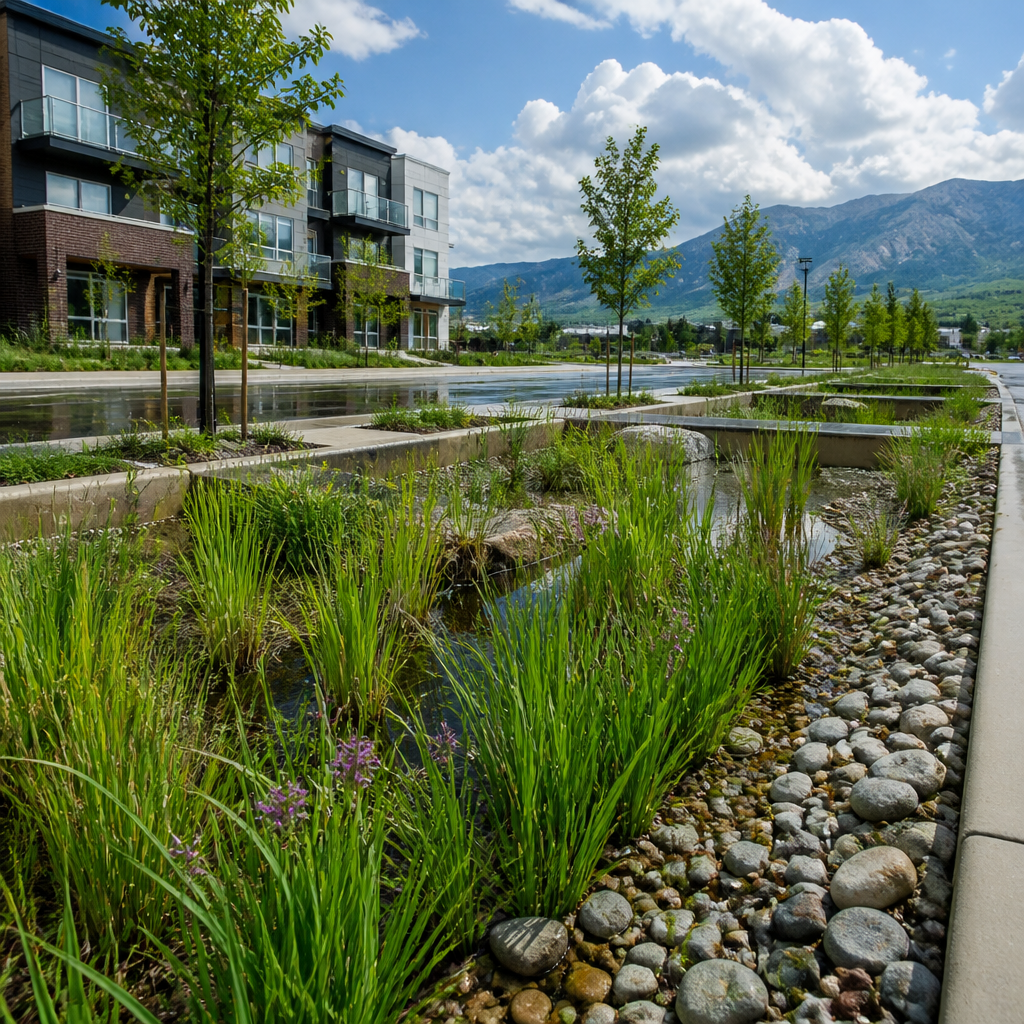
Nature-based systems are often described as simple, but the best modern examples are highly engineered. Constructed wetlands, waste stabilization ponds, soil infiltration systems, and algal treatment units are being redesigned with better hydraulics, media selection, plant management, and performance monitoring. They remain especially valuable where land is available and energy budgets are constrained.
Subsurface flow wetlands can remove organic matter, suspended solids, and some nutrients while creating habitat and reducing operator demands. Hybrid wetland trains improve results by combining vertical flow and horizontal flow stages to optimize oxygen transfer and denitrification. In warm climates, well-designed pond systems still deliver robust pathogen reduction, especially when baffling improves residence time distribution. High-rate algal ponds and algal-bacterial systems are also being studied for nutrient capture and biomass production.
The key trend is quantification. Regulators and investors increasingly want evidence on removal efficiency, land requirements, seasonal limits, and life-cycle emissions. As a result, nature-based treatment is being paired with online sensors, tracer studies, and computational hydraulic modeling. This stronger evidence base is making ecological systems more credible for mainstream projects, not just niche demonstration sites.
Digital monitoring, automation, and public health intelligence
Digitalization is transforming how cutting-edge EcoSan technologies are operated. Smart sensors now track dissolved oxygen, ammonia, nitrate, phosphate, oxidation-reduction potential, turbidity, UV transmittance, methane quality, and energy consumption in near real time. Supervisory control and data acquisition systems are becoming more predictive, using machine learning and soft sensors to anticipate process upsets before effluent quality drops.
For operators, the value is practical. Better control of aeration and internal recirculation can cut energy use while stabilizing nutrient removal. Asset monitoring can detect failing blowers, membrane fouling, or pump inefficiency early enough to avoid expensive downtime. Digital twins, while still uneven in maturity, are increasingly used to test scenarios such as wet weather loading, sidestream return impacts, or changes in industrial influent composition.
Wastewater-based epidemiology adds another layer. Sampling sewage for viral RNA, antimicrobial resistance markers, illicit drugs, or industrial chemicals can provide population-level health intelligence without testing individuals. During the COVID-19 pandemic, many utilities and universities demonstrated that sewage surveillance can detect trends earlier than clinical reporting in some settings. That capability is now influencing sampling design, laboratory partnerships, and investment in automated composite samplers.
Persistent pollutants, carbon accounting, and the next research frontier
The next frontier in emerging trends in sustainable sewage treatment involves contaminants and impacts that older systems were never designed to address. Utilities are now under pressure to respond to PFAS, pharmaceuticals, microplastics, endocrine-disrupting compounds, antibiotic resistance genes, nitrous oxide emissions, and embodied carbon in treatment infrastructure.
No single technology solves all of these issues. Granular activated carbon, ion exchange resins, high-pressure membranes, advanced oxidation, and foam fractionation each have roles depending on the pollutant and treatment objective. Sludge handling is especially important because many persistent compounds partition into biosolids. That means decisions about land application, thermal drying, pyrolysis, gasification, or incineration need stronger contaminant data and risk assessment.
Carbon accounting is becoming central as well. A plant with excellent effluent quality can still have a large climate footprint if it uses energy inefficiently or emits methane and nitrous oxide. Forward-looking utilities now evaluate process changes through life-cycle assessment, considering direct emissions, purchased electricity, chemical use, construction materials, and recovery credits. This broader lens is reshaping procurement, research priorities, and plant upgrades across the sector.
Emerging trends in sustainable sewage treatment point toward a clear future: sanitation systems that protect health while recovering value, cutting emissions, and adapting to water stress. The strongest EcoSan strategies do not rely on one breakthrough. They combine advanced biology, resource recovery, decentralized treatment, engineered natural systems, and digital control in configurations that match local conditions. Across all these approaches, the winning principle is circularity backed by rigorous operations, sound public health safeguards, and realistic economics.
For planners, utilities, researchers, and property developers, the practical lesson is simple. Start by mapping wastewater streams, energy use, nutrient loads, reuse opportunities, and regulatory constraints. Then evaluate which technologies can deliver measurable gains at the right scale. This hub on exploring cutting-edge EcoSan technologies is the place to begin, because each linked subtopic builds on the same goal: turning sewage treatment into resilient environmental infrastructure. Use it to identify the next system, pilot, or upgrade worth pursuing.
Frequently Asked Questions
What are the most important emerging trends in sustainable sewage treatment today?
The most important trend is the shift from linear wastewater disposal to circular resource recovery. Traditionally, sewage treatment plants were designed to remove contaminants and meet discharge standards as efficiently as possible. Today, leading systems are being redesigned to recover value from wastewater in the form of reclaimed water, renewable energy, nutrients, and even usable materials. This means sewage is increasingly viewed as a recoverable resource stream rather than a liability that must simply be managed out of sight.
Several technologies and planning approaches are driving this transition. Water reuse is expanding quickly, especially in regions facing drought, aquifer depletion, or population growth. Advanced treatment processes now allow municipalities and industries to produce high-quality reclaimed water for irrigation, industrial cooling, groundwater recharge, and in some cases potable reuse. At the same time, anaerobic digestion and biogas capture are helping treatment plants convert sewage sludge into energy, reducing both operating costs and greenhouse gas emissions.
Another major trend is nutrient recovery, especially phosphorus and nitrogen. These nutrients can cause environmental damage when discharged into waterways, but they are also essential agricultural inputs. New treatment systems are being designed to capture them for fertilizer production instead of allowing them to become pollutants. There is also a strong movement toward decentralized and nature-based treatment systems, including constructed wetlands, ecological sanitation, and modular neighborhood-scale systems. These approaches can reduce infrastructure burdens, improve resilience, and better serve growing peri-urban or water-stressed communities.
Digital monitoring, automation, and real-time process optimization are also becoming much more influential. Smart sensors and data-driven controls help plants use less energy, respond faster to shocks, and maintain compliance more consistently. Taken together, these trends show that sustainable sewage treatment is no longer only about pollution control. It is increasingly about climate adaptation, public health protection, water security, and building a regenerative urban infrastructure system.
How does sustainable sewage treatment help address climate change and environmental protection goals?
Sustainable sewage treatment contributes to climate and environmental goals in several interconnected ways. First, it reduces pollution loads entering rivers, lakes, wetlands, coastal waters, and groundwater. Better removal of nutrients, pathogens, and organic matter helps prevent eutrophication, fish kills, biodiversity loss, and unsafe water conditions for downstream communities. This remains a foundational environmental benefit, but the newer sustainable models go further by reducing the overall environmental footprint of the treatment process itself.
One of the biggest climate opportunities is energy management. Conventional sewage treatment can be highly energy intensive, particularly where aeration systems are inefficient or infrastructure is outdated. Sustainable treatment facilities are increasingly using energy-efficient blowers, optimized process controls, and low-energy biological treatment designs to reduce power consumption. Many are also capturing methane from sludge digestion and using it to generate heat and electricity on-site. In the most advanced cases, plants are moving toward energy neutrality or becoming net energy producers.
Greenhouse gas reduction is another important factor. Wastewater systems can emit methane and nitrous oxide, both of which are potent climate pollutants. Emerging sustainable practices focus on minimizing these emissions through better process design, tighter operational control, and improved solids handling. In parallel, water reuse reduces the need to extract, transport, and treat fresh water from distant sources, which can significantly lower the energy and carbon intensity of regional water supply systems.
Sustainable sewage treatment also supports ecosystem resilience. Nature-based systems such as treatment wetlands can create habitat, buffer stormwater impacts, and improve landscape-level water retention. Resource recovery reduces dependence on virgin fertilizer inputs and fossil-based energy systems. In practical terms, this means wastewater infrastructure can evolve from being a hidden environmental burden into a visible climate solution that supports cleaner waterways, lower emissions, and more resilient communities.
What role do water reuse and resource recovery play in the future of sewage treatment?
Water reuse and resource recovery are central to the future of sewage treatment because they redefine what treatment plants are designed to produce. Instead of focusing only on safe effluent discharge, modern systems increasingly aim to generate multiple beneficial outputs. Reclaimed water can supplement freshwater supplies, especially in agriculture, landscaping, industrial processes, and aquifer recharge. In water-stressed regions, this is not just an efficiency measure. It is becoming a strategic necessity for long-term supply security.
Resource recovery extends well beyond water. Wastewater contains organic matter that can be converted into biogas through anaerobic digestion. That biogas can then be used to power plant operations, fuel vehicles after upgrading, or supply renewable natural gas systems. Sewage also contains nutrients such as nitrogen and phosphorus, both of which are valuable for food production. Recovering these nutrients reduces pollution while creating a secondary source of fertilizer products, helping close nutrient loops that are currently wasteful and environmentally damaging.
Another promising area is biosolids management. When treated properly, biosolids can be used beneficially in land application, soil improvement, or other controlled reuse pathways. Researchers and utilities are also exploring the recovery of cellulose, bioplastics precursors, and even trace materials from sewage streams. While not every recovery pathway is commercially mature in every market, the direction is clear: the treatment plant of the future is increasingly a water resource recovery facility.
This shift has major planning implications. Utilities must think more broadly about product quality, market demand, public trust, regulatory approval, and infrastructure integration. Communities that invest in reuse and recovery are often better positioned to manage drought, control costs over time, and reduce environmental impacts. In that sense, water reuse and resource recovery are not side benefits. They are becoming defining features of what sustainable sewage treatment means in practice.
Are decentralized and nature-based sewage treatment systems practical alternatives to conventional plants?
Yes, in many settings decentralized and nature-based systems are highly practical alternatives, although their suitability depends on land availability, population density, treatment targets, climate, and local management capacity. Decentralized systems treat wastewater closer to where it is generated, such as at the building, campus, neighborhood, or district scale. This can reduce the need for expensive sewer expansion, lower pumping demands, and create opportunities for local water reuse. In rapidly growing communities or informal settlement areas, decentralized systems can sometimes be deployed faster and more affordably than large centralized networks.
Nature-based systems, including constructed wetlands, stabilization ponds, soil-based treatment, and ecological sanitation approaches, offer another compelling pathway. These systems often rely on natural biological processes involving plants, microbes, and soils to remove pollutants. When well designed, they can achieve meaningful treatment performance with lower energy inputs and simpler operation than highly mechanized facilities. They may also deliver co-benefits such as habitat creation, green space, flood buffering, and improved community acceptance because they can be integrated into the landscape rather than hidden from it.
That said, practicality depends on proper design and realistic expectations. Nature-based systems may require more land area than compact mechanical plants, and performance can vary if hydraulic loading, maintenance, or climate conditions are not well managed. Decentralized systems also require governance models that clarify ownership, operations, monitoring, and maintenance responsibilities. Without that institutional backbone, small systems can underperform just as easily as large ones.
The most effective approach is often not either-or but hybrid. Many regions are combining centralized treatment for dense urban cores with decentralized reuse systems, satellite facilities, or green treatment infrastructure in peri-urban and new development zones. This flexible model improves resilience and expands service coverage. So while decentralized and nature-based treatment systems are not universal replacements, they are increasingly important tools in a more adaptive and sustainable wastewater strategy.
What challenges could slow the adoption of sustainable sewage treatment, and how can utilities overcome them?
The biggest barriers are usually financial, regulatory, institutional, and social rather than purely technical. Many sustainable sewage treatment technologies already work well, but utilities may struggle with high upfront capital costs, limited access to long-term financing, or difficulty justifying investments under traditional budgeting models. Conventional infrastructure planning often rewards lowest initial cost rather than best lifecycle performance, which can make innovative systems harder to approve even when they deliver stronger long-term value.
Regulation can also be a double-edged factor. Strong environmental rules often drive innovation, but outdated permitting structures can slow adoption of reuse systems, nutrient recovery, or decentralized models if standards were written for older treatment paradigms. Utilities may also face fragmented governance, where water supply, wastewater management, stormwater, public health, and agricultural reuse are overseen by different agencies with different priorities. That makes integrated planning more complicated than it should be.
Operational capacity is another common challenge. Advanced recovery systems, digital controls, and hybrid ecological designs can require new technical skills, more sophisticated monitoring, and better asset management. Smaller utilities in particular may need training, partnerships, or phased implementation strategies to build confidence. Public perception matters as well. Water reuse and biosolids projects can face resistance if communities are not engaged early and transparently. People tend to support these systems more strongly when utilities clearly explain safety protections, local benefits, environmental gains, and cost implications.
Utilities can overcome these barriers by taking a staged and evidence-based approach. Pilot projects, demonstration sites, and performance benchmarking help reduce perceived risk. Lifecycle cost analysis can show that energy savings, avoided discharge penalties, water sales, and resource recovery revenue improve long-term project economics. Cross-sector partnerships with agriculture, industry, energy providers, and research institutions can create stronger business cases. Most importantly, successful utilities frame sustainable sewage treatment not as an experimental add-on,