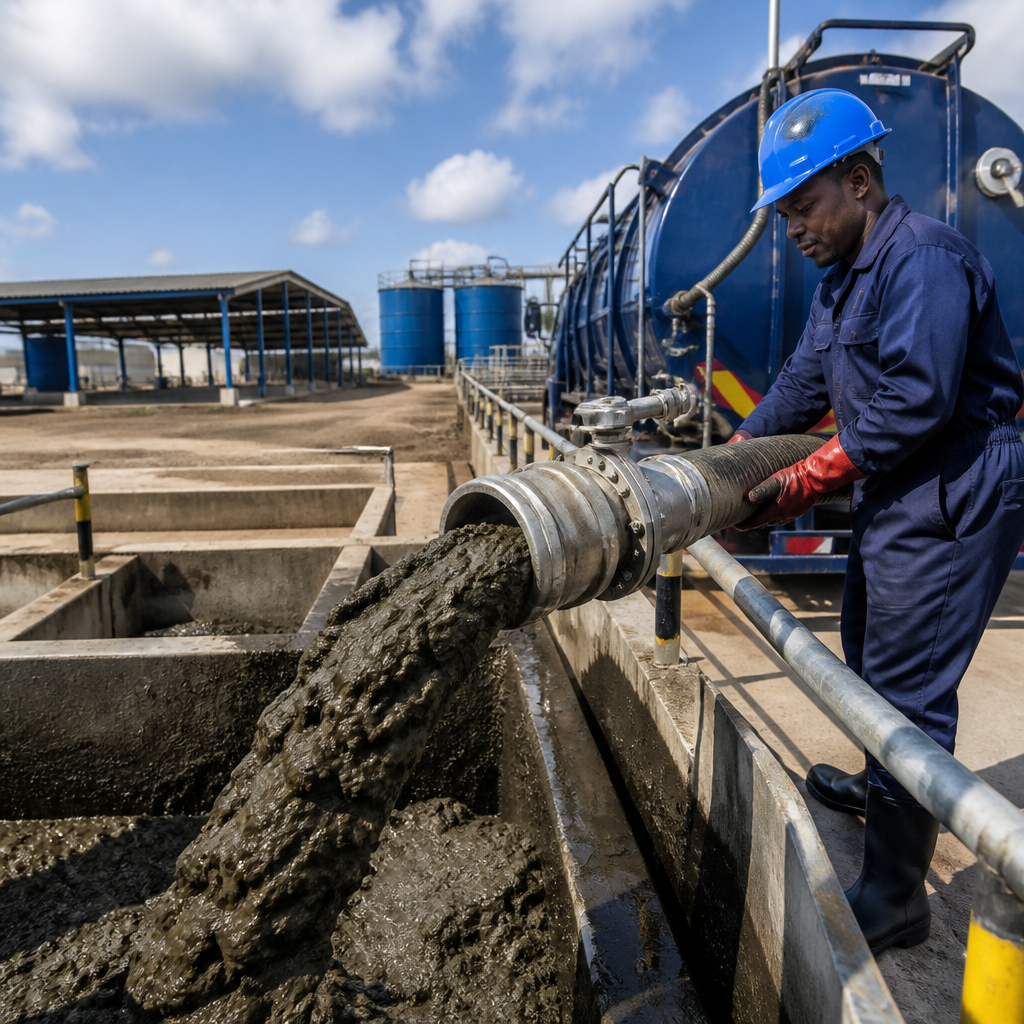
New frontiers in fecal sludge management are reshaping how cities, utilities, researchers, and sanitation entrepreneurs think about waste, public health, and resource recovery. Fecal sludge management refers to the full chain of containment, emptying, transport, treatment, and safe end use or disposal of sludge collected from onsite sanitation systems such as pit latrines, septic tanks, urine-diverting dry toilets, and container-based toilets. EcoSan, short for ecological sanitation, expands that chain by treating human excreta not as a liability to hide, but as a material stream containing water, nutrients, organic carbon, and energy. In practice, I have seen the difference this framing makes: projects that only chase disposal often struggle financially, while systems designed around recovery create stronger incentives for maintenance, monitoring, and adoption.
This topic matters because onsite sanitation serves billions of people worldwide, especially in fast-growing towns where sewers are too expensive, too water intensive, or too slow to expand. According to global sanitation assessments from WHO and UNICEF’s Joint Monitoring Programme, safely managed sanitation still remains out of reach for large populations, and untreated sludge continues to contaminate drains, groundwater, rivers, and coastal zones. The public health burden includes diarrheal disease, helminth transmission, antimicrobial resistance pathways, and chronic environmental exposure. At the same time, wastewater and sludge contain recoverable phosphorus, nitrogen, biogas potential, and useful solids that can support agriculture, soil restoration, and industrial energy systems. The core question is no longer whether fecal sludge should be managed as infrastructure. It is which technologies can do it safely, affordably, and at scale under real operating conditions.
Exploring cutting-edge EcoSan technologies means looking beyond a single machine or toilet design. The strongest systems combine source separation, digital monitoring, improved dewatering, pathogen inactivation, odor control, energy recovery, and product market development. This hub article maps the landscape, defines the leading concepts, and shows where newer approaches are outperforming conventional drying beds and basic lagoon treatment. It also connects this subtopic to related work on treatment process design, sludge logistics, circular economy business models, climate resilience, and sanitation policy. If you need a working overview of where innovation is happening in fecal sludge management today, this is the place to start.
Why EcoSan Innovation Is Changing Fecal Sludge Management
Conventional fecal sludge management has a structural weakness: the material arriving at treatment sites is highly variable. Sludge from a lined septic tank behaves differently from sludge removed from a flooded pit latrine; solids content, grit, trash load, ammonia concentration, and pathogen levels can vary dramatically within the same city. That variability breaks generic treatment designs. In field implementation, I have seen screens clog because incoming sludge carried plastic sachets and textiles, and I have seen drying beds fail during rainy seasons because assumptions about solids loading ignored local weather. EcoSan innovation responds to this reality by designing modular processes that can tolerate feed variability and recover value from different fractions.
Another reason these technologies matter is economics. Emptying and transport often account for a major share of total service costs, especially where roads are narrow, collection is manual, or transfer distances are long. Newer systems reduce those costs through decentralized transfer stations, densification, dewatering near source, and containerized treatment units placed closer to communities. Digital route planning and service scheduling also improve collection efficiency. For operators, the best technology is rarely the most complex one. It is the one that matches local sludge characteristics, labor skill levels, electricity reliability, chemical supply chains, and market demand for outputs such as compost, fuel briquettes, dried pellets, or nutrient concentrates.
EcoSan also changes the performance benchmark. Instead of asking only whether sludge is removed from households, modern programs ask whether the chain achieves verified pathogen reduction, low greenhouse gas emissions, and beneficial reuse that meets regulatory standards. That broader benchmark has opened the door for innovations in thermal treatment, black soldier fly bioconversion, membrane concentration, electrochemical disinfection, struvite precipitation, and sensor-based operations. Each approach has tradeoffs, but together they define the new frontier.
Source-Separating and Water-Smart Toilet Systems
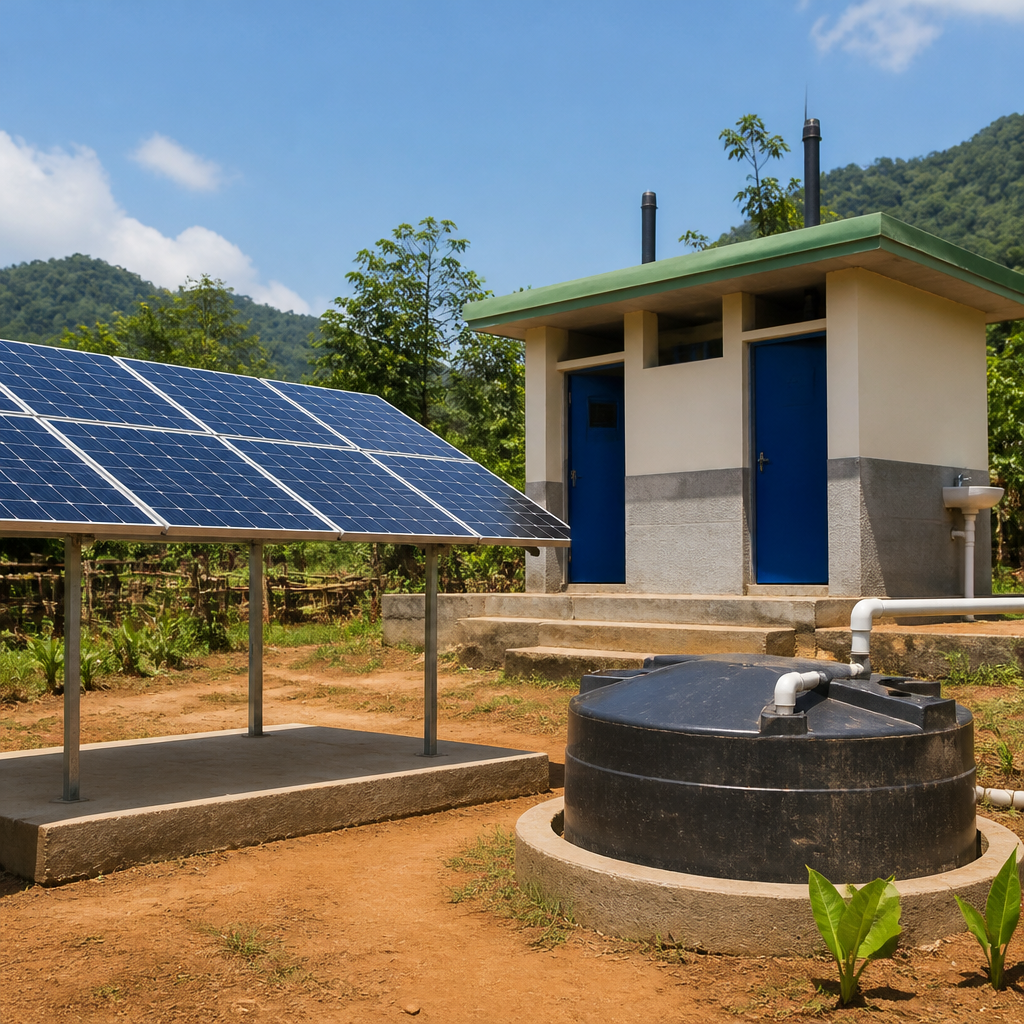
One of the most important shifts in ecological sanitation is the move upstream, toward toilets that produce cleaner, more manageable waste streams. Urine-diverting dry toilets separate urine and feces at the interface, reducing moisture in the fecal fraction and preserving nutrients in urine for controlled recovery. Because urine contains most of the nitrogen and a significant share of phosphorus excreted by humans, diversion can simplify downstream treatment and lower the volume of wet sludge requiring transport. In dense settlements where water supply is constrained, this design can also reduce flushing demand and decrease hydraulic loading on onsite systems.
Container-based sanitation is another high-impact model. Sealed cartridges or removable containers collect excreta for routine pickup, preventing overflow and reducing unsafe manual handling. Companies operating in parts of Kenya, Haiti, Peru, and South Africa have shown that service-based sanitation can work where pits are impractical or where high groundwater makes infiltration risky. The operational lesson is clear: a reliable collection service matters as much as hardware. When households trust pickup schedules, adoption improves and contamination declines.
Vacuum-assisted low-flush toilets and foam-flush systems represent a middle path between dry systems and conventional sewerage. They use far less water than standard pour-flush toilets while producing a concentrated waste stream that can feed anaerobic digestion or mechanical dewatering. These systems are especially relevant for institutions, worker housing, and transport hubs, where user volumes are predictable and maintenance can be centralized. The key design challenge is user behavior. If toilet interfaces are difficult to clean or unintuitive, contamination of separated streams increases and the downstream advantages disappear.
Advanced Treatment Technologies for Safer Resource Recovery
Cutting-edge treatment begins with better solids-liquid separation. Screw presses, geotextile dewatering bags, inclined screens, and mechanical thickeners can reduce transportable water and prepare sludge for stabilization. Compared with passive drying beds, mechanical systems offer faster throughput and smaller footprints, though they require power, spare parts, and operator discipline. In tropical climates with high rainfall, hybrid systems often perform best: mechanical pre-dewatering followed by covered drying or solar greenhouse drying.
Anaerobic digestion remains one of the most practical recovery technologies when feedstock characteristics and retention time are managed carefully. Properly operated digesters convert biodegradable organics into biogas, which can be used for cooking, electricity generation, or thermal drying. Co-digestion with food waste or market organics often improves gas yield because fecal sludge alone may be too variable or too diluted. However, digestion is not a complete sanitation solution by itself. Post-treatment is still needed to meet pathogen targets and manage digestate safely.
Thermal technologies are advancing rapidly. Pyrolysis converts dried sludge into biochar, syngas, and condensable vapors under low-oxygen conditions. Gasification goes further by producing a combustible gas at higher temperatures with controlled oxidant supply. Combustion and pelletization can turn sludge into industrial fuel where calorific value and emissions controls are adequate. These approaches are attractive because high temperatures achieve strong pathogen destruction and can reduce volume dramatically. The limitation is moisture: wet sludge is expensive to thermally process unless drying is efficient. That is why solar dryers, waste heat integration, and mechanical dewatering are central to thermal project viability.
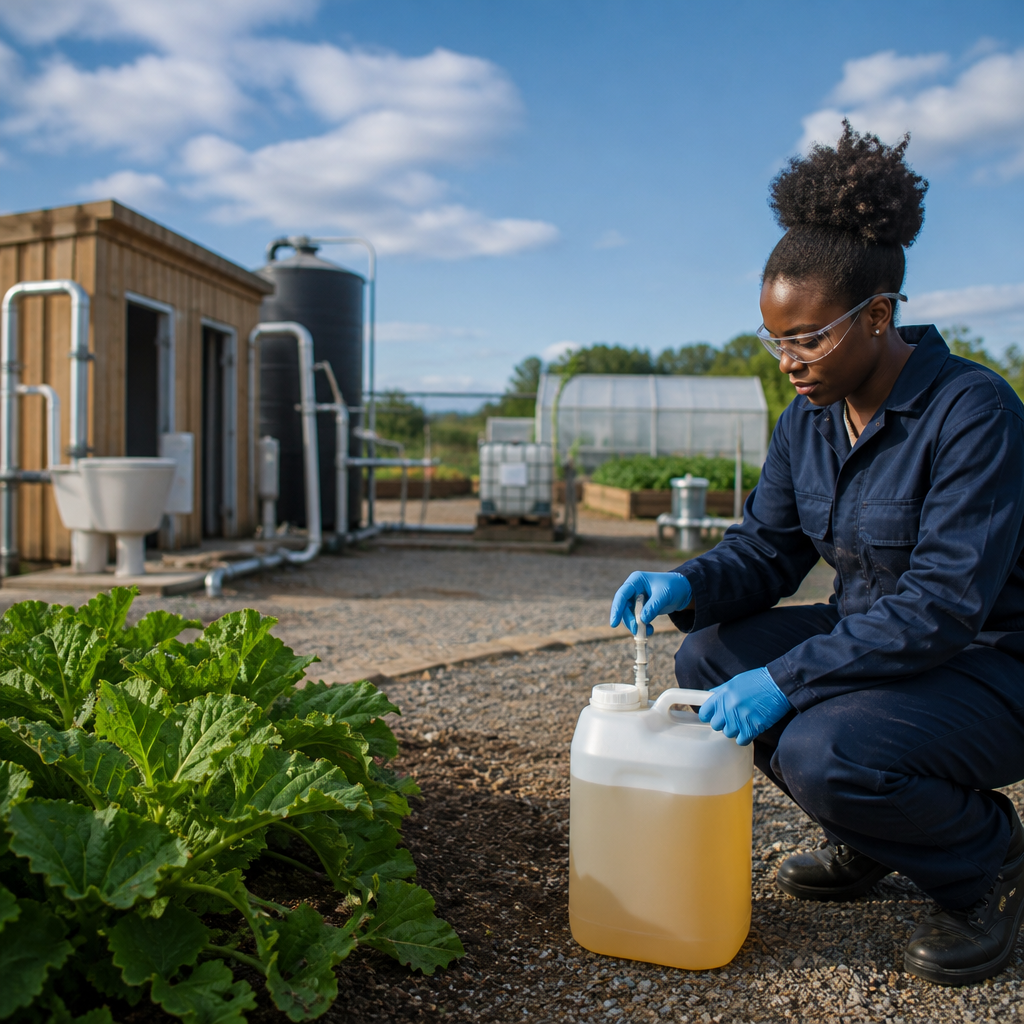
Nutrient recovery is another frontier. Struvite precipitation captures ammonium, magnesium, and phosphate as a slow-release fertilizer, particularly from urine-rich streams or centrate after dewatering. Ammonia stripping and absorption can produce ammonium sulfate solutions. Membrane concentration, ion exchange, and electrochemical systems are being tested to recover nutrients with higher selectivity. These methods are promising, but they demand quality control. Agricultural reuse only works when nutrient composition is consistent, contaminants are monitored, and farmers trust the product.
Biological and Nature-Based Systems With Modern Performance Gains
Not all innovation is high temperature or high voltage. Some of the most resilient advances build on biological treatment and nature-based processes, then improve them with better hydraulics, pretreatment, and monitoring. Planted drying beds, for example, use wetland vegetation to enhance dewatering and evapotranspiration while maintaining sludge accumulation over longer cycles than conventional sand beds. When designed with proper loading rates and underdrain systems, they can reduce operational labor and improve solids handling.
Black soldier fly larvae treatment has received serious attention for fecal sludge and co-substrates. The larvae consume organic matter rapidly and produce a protein- and fat-rich biomass that can be processed for animal feed in jurisdictions where regulations permit, or diverted to other industrial uses where direct feed pathways remain restricted. What makes this technology attractive is speed and footprint. What constrains it is feed preparation, contamination control, and the need to manage residual frass and pathogen risk carefully.
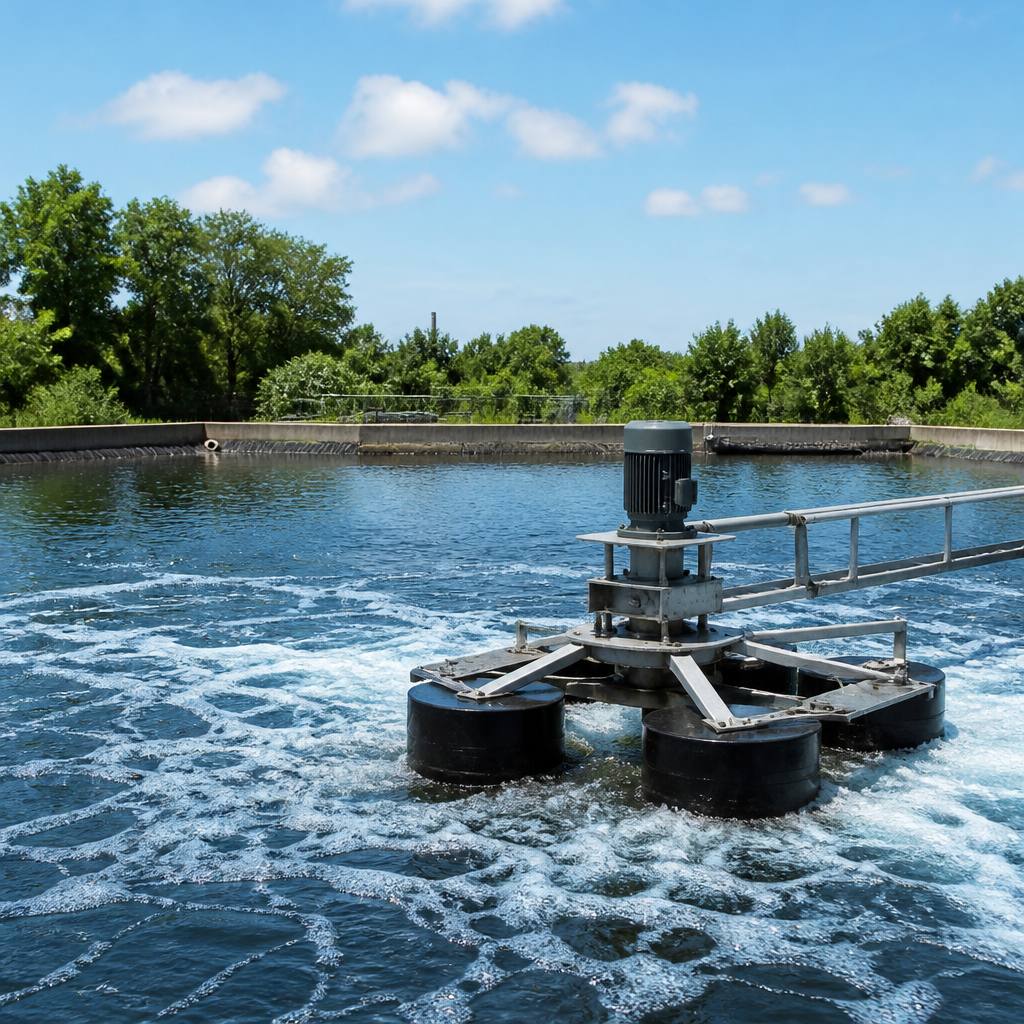
Constructed wetlands, anaerobic baffled reactors, and waste stabilization ponds remain relevant when land is available, but modern versions perform better because designers now pay closer attention to sludge characteristics, hydraulic retention, shock loads, and pre-screening. In several municipal projects, simply adding robust grit removal and equalization upstream has improved downstream wetland performance more than adding a sophisticated polishing unit. That is a recurring lesson in fecal sludge management: pretreatment determines whether the rest of the train functions as intended.
| Technology | Main Benefit | Best Fit | Key Limitation |
|---|---|---|---|
| Urine-diverting dry toilets | Reduced water use and easier nutrient recovery | Water-scarce communities and eco-housing | User training and interface cleanliness |
| Anaerobic digestion | Biogas production with organic stabilization | Facilities with co-digestion options | Needs post-treatment and steady operation |
| Pyrolysis | Strong pathogen kill and biochar production | Dried sludge with energy recovery plans | Drying demand and capital cost |
| Black soldier fly treatment | Fast biomass conversion and compact footprint | Controlled organic waste processing sites | Feed contamination and regulatory limits |
| Planted drying beds | Low-energy dewatering over long cycles | Sites with moderate land availability | Slower processing and climate sensitivity |
Digital Monitoring, Quality Control, and Data-Driven Operations
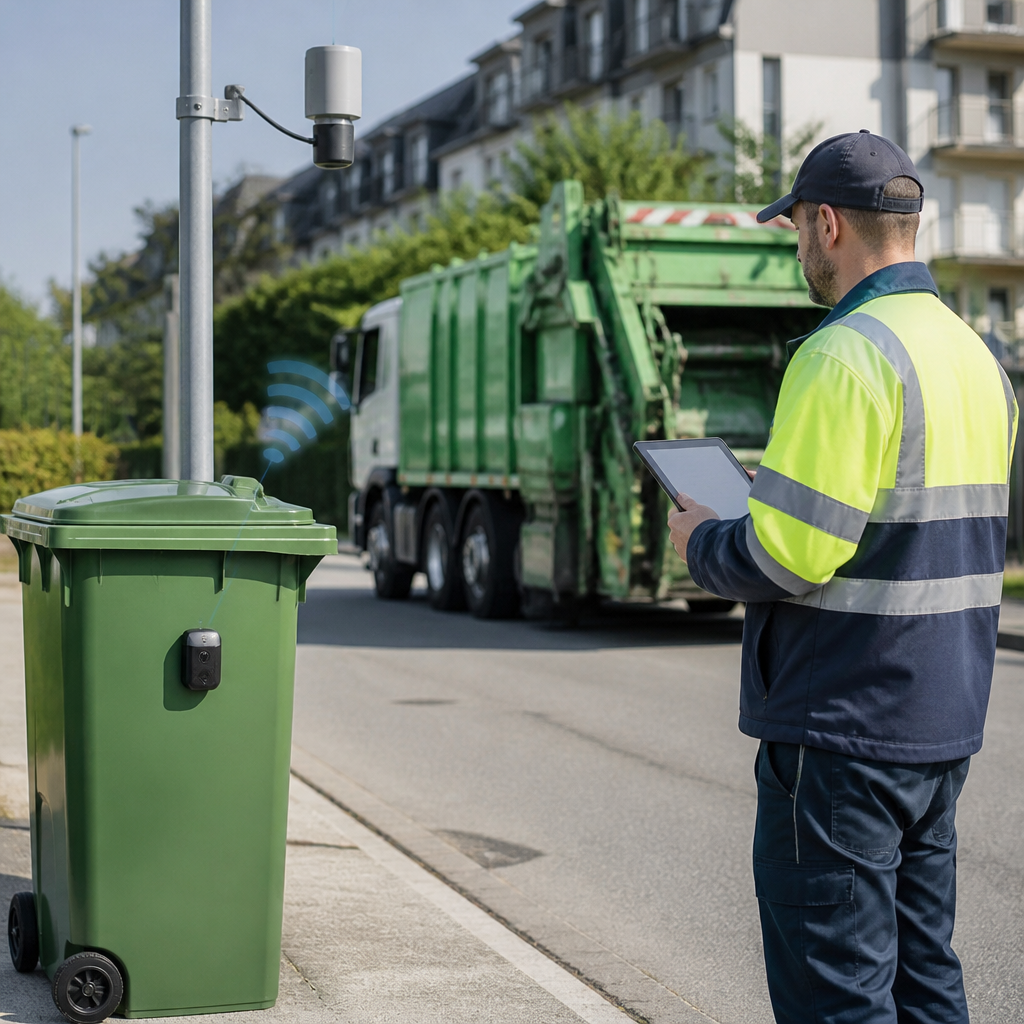
Technology alone does not create safe fecal sludge management; operations do. New digital tools are making EcoSan systems more reliable by improving visibility across the service chain. GPS-linked emptying records, mobile payment systems, barcode-tagged containers, and weighbridge data help operators track who was served, what volume was collected, and where material was delivered. This matters because one of the biggest failures in sanitation systems is not treatment inefficiency, but leakage between stages: illegal dumping, missed pickups, underloaded trucks, and weak billing controls.
Process monitoring is also improving. Portable meters for pH, conductivity, dissolved oxygen, oxidation-reduction potential, and ammonia give operators a better understanding of treatment conditions. Online sensors for temperature, moisture, and gas composition support digesters, dryers, and thermal units. In better-managed facilities, laboratory verification of fecal coliforms, helminth eggs, total solids, volatile solids, and nutrient content is tied to release decisions for biosolids or fertilizers. This is essential because product safety cannot be assumed from process design alone. Verification is the difference between a reuse program that earns market trust and one that creates reputational risk.
Data also supports finance. Cities can use service chain metrics to structure performance-based contracts, compare treatment cost per cubic meter, and identify districts with high unsafe disposal risk. For innovators, evidence on uptime, removal efficiency, and unit economics is what moves a pilot into procurement. Decision-makers should ask direct questions: What is the achieved pathogen reduction? What is the energy balance? How many hours of operator time are needed per ton? How do performance and cost change in the wet season? Good EcoSan technology can answer these questions with measured results.
Implementation Challenges, Standards, and What Comes Next
The biggest misconception about cutting-edge EcoSan technologies is that the obstacle is invention. In reality, the harder problem is implementation at service scale. Many promising pilots falter because spare parts are imported, sludge quality differs from test assumptions, product off-take agreements are weak, or local regulators lack clear standards for reuse. Thermal systems may be technically sound yet fail because feedstock remains too wet. Nutrient recovery systems may produce a marketable concentrate but struggle because distribution channels to farmers were never developed. Success depends on engineering, but also on institutions, tariffs, training, and procurement design.
Established guidance helps. The ISO 30500 standard for non-sewered sanitation systems has pushed the sector toward clearer performance expectations for effluent and emissions. The World Health Organization guidelines on sanitation and health provide a framework for risk-based management across the chain. The IWA, Eawag, the Gates Foundation ecosystem, and many national regulators have also accelerated testing, benchmarking, and operational learning. The strongest projects use these references to set measurable targets instead of relying on vendor claims.
Looking ahead, the most important trend is integration. The future of fecal sludge management is not one miracle technology. It is interoperable systems that combine smart collection, adaptable pretreatment, targeted pathogen destruction, and credible markets for recovered outputs. In some contexts that will mean source-separating toilets linked to nutrient recovery. In others it will mean co-treatment with municipal organics, solar drying, and pellet fuel production. The winning approach is context-specific, but the principle is universal: treat fecal sludge as a managed resource stream, and the sanitation chain becomes safer, more resilient, and more financially durable.
For utilities, researchers, NGOs, and private operators, the practical next step is to evaluate the full service chain before choosing hardware. Map sludge sources, characterize feedstock, identify regulatory constraints, quantify recovery opportunities, and test operational assumptions under local conditions. That discipline turns EcoSan from an interesting concept into functioning infrastructure. As this hub develops, use it to explore deeper articles on source separation, thermal treatment, biological conversion, digital monitoring, and circular sanitation business models. The new frontiers in fecal sludge management are already here, and organizations that understand them now will build the safest and most effective systems next.
Frequently Asked Questions
What is fecal sludge management, and why is it becoming such an important topic in urban sanitation?
Fecal sludge management, often shortened to FSM, is the system that manages waste from onsite sanitation technologies rather than centralized sewers. That includes the full service chain: safe containment in toilets or storage units, regular emptying, transport, treatment, and final disposal or productive reuse. It applies to systems such as pit latrines, septic tanks, urine-diverting dry toilets, and container-based toilets. In many rapidly growing towns and cities, these onsite systems serve a large share of the population, even where sewer networks exist in limited areas. As a result, FSM is no longer seen as a temporary or secondary solution. It is increasingly recognized as a core part of urban infrastructure.
The reason FSM is gaining attention is simple: when any link in the chain fails, the consequences can be serious. Poorly designed pits or tanks can leak into groundwater, unsafe manual emptying can expose workers and communities to pathogens, and untreated sludge dumped into drains, rivers, or open land can spread disease and pollute the environment. On the other hand, when managed properly, FSM protects public health, supports climate resilience, and creates opportunities for resource recovery. Cities are now realizing that effective sanitation requires more than building toilets. It requires a reliable, regulated, and financially viable system to manage what happens after the toilet is used.
How are new frontiers in fecal sludge management changing traditional approaches to sanitation?
Traditional sanitation planning often focused heavily on either sewer expansion or toilet construction, with far less attention given to what happened in between the toilet and final treatment. New frontiers in FSM are changing that mindset by treating sanitation as an integrated service chain. This means utilities, municipalities, private emptiers, engineers, public health experts, and entrepreneurs are increasingly working together to improve every step, from containment standards to transport logistics to treatment performance and safe end use.
One major shift is the rise of data-driven planning. Cities are using mapping tools, service records, remote monitoring, and digital scheduling systems to understand where sludge is being generated, how often tanks fill, which neighborhoods lack safe emptying services, and where treatment bottlenecks exist. Another important change is the growth of inclusive business models. Instead of relying only on public systems, many places now support licensed small-scale operators, call-center dispatch systems, transfer stations, and scheduled desludging programs that make services more predictable and affordable.
Innovation is also expanding treatment and reuse options. Rather than viewing sludge only as a waste product, newer approaches examine its potential as a source of nutrients, soil conditioners, solid fuel, biogas feedstock, or even inputs for industrial processes after proper treatment. These developments are closely linked to broader sustainability goals, including circular economy thinking, climate adaptation, and reduced environmental pollution. In short, the new frontier is not one single technology. It is a broader shift toward smarter, safer, and more resource-conscious sanitation systems.
What role does EcoSan play in modern fecal sludge management strategies?
EcoSan, or ecological sanitation, brings an important perspective to modern FSM by emphasizing that human waste should not automatically be treated only as something to discard. Instead, EcoSan encourages systems that protect health while recovering valuable resources such as nutrients, organic matter, and sometimes water. In practice, this can include urine-diverting dry toilets, composting approaches, source separation, and treatment systems designed specifically to support safe agricultural or landscaping reuse.
Within FSM, EcoSan broadens the conversation from disposal to stewardship. It encourages planners and service providers to think about how waste streams can be safely transformed into useful products rather than simply managed at the lowest possible cost. For example, treated solids may be processed into compost-like soil amendments, and separated urine may be evaluated for nutrient recovery where regulations, culture, and local agricultural demand allow. This can reduce dependence on synthetic fertilizers, improve soil health, and create local value chains.
That said, EcoSan is not a universal replacement for all other sanitation systems. Its success depends on user acceptance, operation and maintenance capacity, safe handling practices, supportive policy, and quality treatment processes. In dense urban settings, some EcoSan models may be more practical than others. The real value of EcoSan in the FSM landscape is that it pushes the sector toward designs that are regenerative, locally appropriate, and grounded in both environmental protection and public health safeguards.
What are the biggest challenges cities face when trying to improve fecal sludge management?
Cities face a combination of technical, financial, institutional, and social challenges when trying to strengthen FSM. One of the biggest is that sanitation responsibility is often fragmented. A utility may manage treatment, a municipal department may oversee regulation, private operators may handle emptying and transport, and households may be responsible for containment. When roles are unclear or poorly coordinated, service gaps appear quickly. Another challenge is that many onsite systems were built without standards, meaning pits and tanks may be undersized, inaccessible, or structurally unsafe to empty.
Financing is another major barrier. Households may delay desludging because the cost is too high, which increases the likelihood of overflows or unsafe dumping. At the city level, treatment plants, transfer stations, vehicle fleets, and monitoring systems require capital investment and long-term operating budgets. Yet sanitation often remains underfunded compared with water supply, roads, or visible public works. Regulatory enforcement can also be weak, allowing informal and unsafe practices to continue even when safer options exist.
There are also workforce and equity issues. Sanitation workers often face dangerous conditions, social stigma, and limited legal protection, despite performing essential public health services. Low-income communities may have the least access to formal desludging services and the highest exposure to contamination. Finally, reuse markets can be difficult to develop unless products are consistently safe, competitively priced, and trusted by buyers. Overcoming these challenges usually requires a mix of policy reform, infrastructure investment, stronger service models, operator training, and public communication that treats FSM as a fundamental city service rather than an afterthought.
How can fecal sludge be safely treated and reused, and what benefits does that create?
Safe treatment and reuse begin with one non-negotiable principle: public health protection comes first. Fecal sludge contains pathogens, and its characteristics can vary widely depending on the sanitation system, storage time, water content, and local behavior patterns. That means treatment methods must be chosen carefully and operated consistently. Common approaches include drying beds, composting, co-composting with organic waste, anaerobic digestion, planted treatment systems, thermal drying, pelletization, and other processes that reduce pathogens, moisture, odor, and volume while stabilizing the material.
Once adequately treated to meet health and environmental standards, sludge-derived products can create significant value. Treated biosolids or composted outputs may be used as soil conditioners in agriculture, landscaping, or land restoration. Dried sludge may be processed into fuel products for certain industrial or institutional uses. In some systems, organic matter can support biogas production, and nutrient recovery can contribute to circular economy goals. These pathways can reduce landfill pressure, lower environmental contamination, and offset some treatment costs through product sales or avoided disposal expenses.
The benefits extend beyond economics. Safe reuse can help cities rethink sanitation as a service that not only removes risk but also recovers value from unavoidable waste streams. It can support greener urban development, strengthen local resource loops, and reduce the environmental footprint of sanitation systems. However, success depends on quality control, market development, regulation, and public confidence. Reuse only works at scale when products are demonstrably safe, treatment performance is monitored, and end users understand the benefits and limitations. Done well, it turns a sanitation burden into a public health and sustainability opportunity.