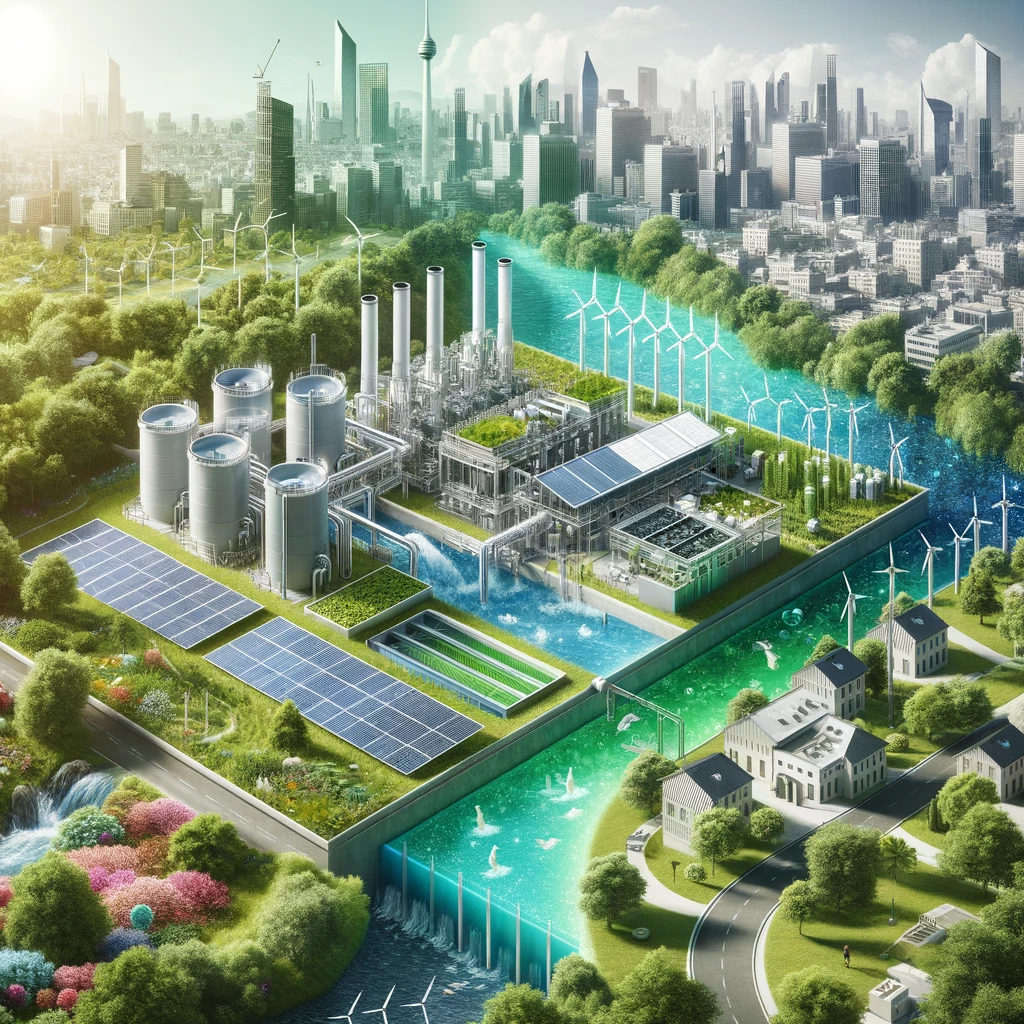
Smart sanitation is reshaping waste management by combining connected sensors, machine intelligence, and resource recovery systems to make cities cleaner, safer, and far more efficient. In practical terms, this means bins that report their fill level, collection fleets that reroute themselves around traffic, sorting lines that identify materials with computer vision, and sanitation infrastructure that turns organic waste into energy, fertilizer, or reusable water. When people discuss smart sanitation, they often focus on convenience, but the real value is broader: lower operating costs, reduced landfill dependence, fewer emissions from unnecessary truck trips, better worker safety, and measurable public health gains.
At the center of this shift are three ideas. First, the Internet of Things links physical assets such as bins, compactors, pumps, digesters, and transfer stations to software platforms through sensors and wireless networks. Second, artificial intelligence turns the resulting stream of data into decisions, from predicting overflow risk to detecting contamination in recycling and forecasting maintenance needs. Third, EcoSan, short for ecological sanitation, treats waste not as a burden to hide but as a resource stream to manage responsibly. That includes decentralized toilets, nutrient recovery, anaerobic digestion, blackwater treatment, composting, and circular systems that protect water while recovering value.
I have worked with municipal operations teams and technology vendors on deployments where the difference between a successful project and an expensive pilot came down to data quality, maintenance discipline, and clear service outcomes. A sensor on a bin is not useful by itself. It becomes useful when collection thresholds are calibrated, battery life is monitored, and route changes fit labor rules and vehicle capacity. The same principle applies to advanced sanitation systems: the technology matters, but standards, operations, and public adoption determine whether the investment actually delivers cleaner neighborhoods and stronger environmental performance.
This topic matters now because waste systems are under pressure from urban growth, climate targets, labor shortages, aging infrastructure, and stricter environmental regulation. Cities need better visibility into what is being discarded, where contamination occurs, how often assets fail, and which interventions produce the highest return. At the same time, households and businesses are demanding more transparent recycling, cleaner streets, and resilience during heat waves, floods, and disease outbreaks. A modern hub on cutting-edge EcoSan technologies therefore needs to connect digital intelligence with treatment, collection, recovery, and governance, because the strongest programs do not optimize one stage in isolation. They design the whole sanitation chain as an adaptive, measurable service.
Connected collection systems and sensor-enabled operations
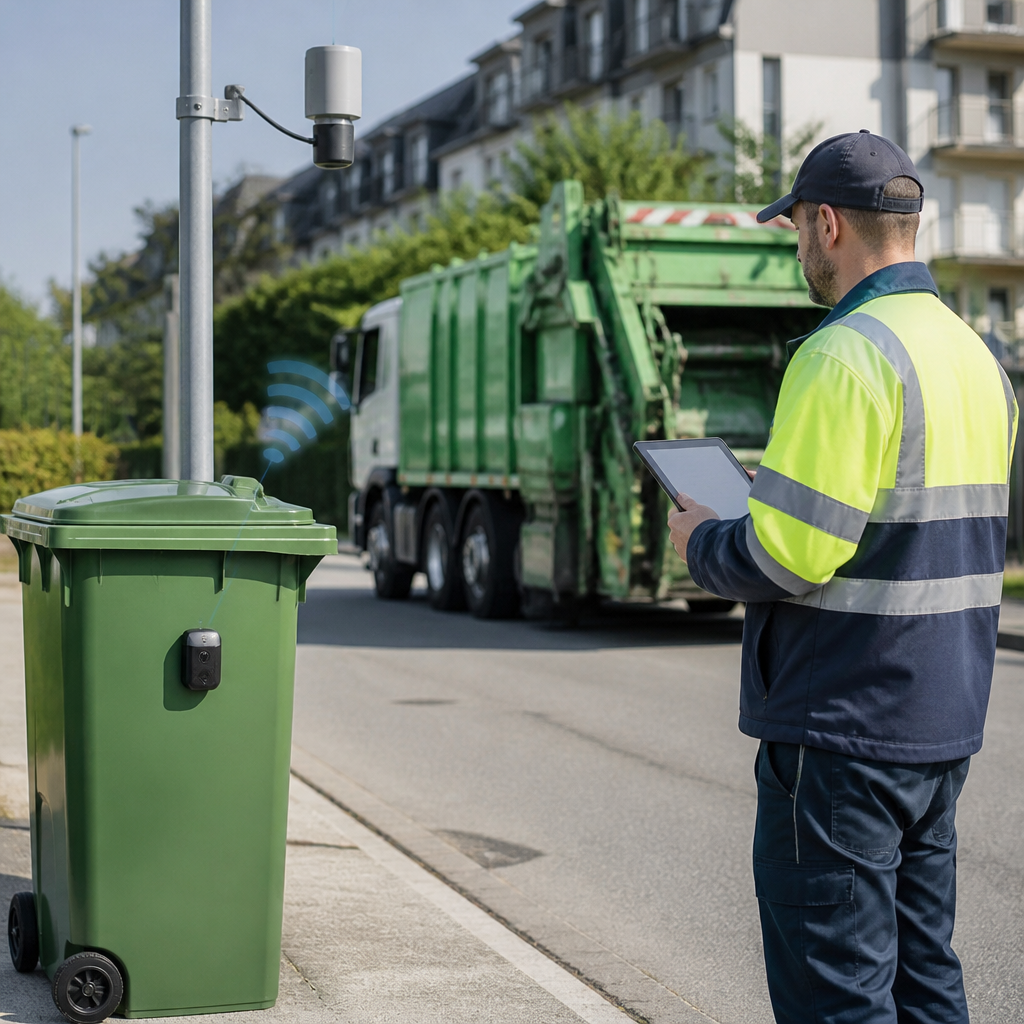
The most visible smart sanitation application is sensor-based collection. Fill-level sensors in public bins and underground containers typically use ultrasonic, infrared, or laser measurement to estimate remaining capacity. Many units also include temperature, tilt, and motion sensing to flag fires, vandalism, or unauthorized movement. In dense urban districts, these devices transmit data over LPWAN technologies such as LoRaWAN or NB-IoT because both support low power consumption and long battery life. The operational goal is straightforward: collect waste when needed, not simply because a static schedule says a truck should arrive every Tuesday at 9 a.m.
In practice, this changes service design. Instead of assigning every route the same sequence each day, software groups containers by urgency, truck capacity, traffic conditions, and driver hours. Operators can set thresholds, such as dispatching only when a container reaches 80 percent projected fullness before the next service window. Cities including Barcelona, Seoul, and Rotterdam have used variants of this model to reduce collection mileage and overflowing bins. Results vary by density and route discipline, but reductions in fuel use and unnecessary pickups are common when the underlying data is reliable. The strongest deployments also integrate resident complaints and event calendars, because sensor readings alone do not always explain sudden spikes in litter.
What often gets overlooked is asset management. Smart bins need calibration, battery replacement schedules, and ruggedized hardware suited to moisture, vibration, corrosion, and pests. Collection optimization also depends on accurate geospatial records, verified bin IDs, and exception handling when a lid is blocked or compaction skews readings. I have seen pilots underperform simply because crews did not trust the dashboard after repeated false alerts. The lesson is clear: smart collection works best when municipalities pair hardware procurement with service-level agreements, maintenance workflows, and route supervisor training.
AI sorting, contamination control, and material recovery
Artificial intelligence has become essential inside material recovery facilities, where the quality of sorting determines whether recyclables keep their market value or become residue. Modern systems combine conveyor-mounted cameras, near-infrared spectroscopy, optical sorters, robotic arms, and machine learning models trained to identify polymers, paper grades, metals, cartons, and contaminants in real time. Vendors such as AMP Robotics, TOMRA, and ZenRobotics have shown that AI-assisted sorting can improve purity rates, recover materials missed by manual lines, and provide detailed composition data back to plant managers.
The practical advantage is speed with consistency. Human pickers remain important, especially for quality control and unusual items, but AI can inspect thousands of objects per minute without fatigue. If a stream intended for PET contains too much PVC, labels, or food residue, the system can flag the contamination and adjust sorting parameters or trigger operator intervention. This matters economically because bale specifications are strict. A small increase in contamination can reduce the resale price of recyclables and increase disposal costs. Machine vision also helps facilities document inbound contamination by route or customer class, which supports targeted education and commercial enforcement.
Computer vision is equally useful beyond traditional recycling lines. In organics processing, image analysis can detect plastic film in food waste streams before anaerobic digestion or composting. In construction and demolition waste, AI can classify wood, aggregates, metals, and gypsum to support higher-value recovery. The technology is powerful, but it is not magic. Models must be retrained when packaging formats change, lighting conditions shift, or local waste composition differs from the training set. Facilities that treat AI as an ongoing operational program, rather than a one-time installation, see the strongest long-term gains.
EcoSan technologies that recover water, nutrients, and energy
Ecological sanitation expands the conversation from collection efficiency to resource recovery. Instead of sending all waste into sewers or landfills, EcoSan systems separate, stabilize, and reuse outputs wherever practical. Urine-diverting dry toilets, vacuum toilets, source-separated blackwater systems, decentralized anaerobic digesters, and nutrient recovery reactors are all part of this landscape. The scientific logic is well established. Human excreta and food waste contain nitrogen, phosphorus, potassium, carbon, and water. If these streams are safely captured and treated, they can offset synthetic fertilizer demand, reduce eutrophication risk, and create local circular economy value.
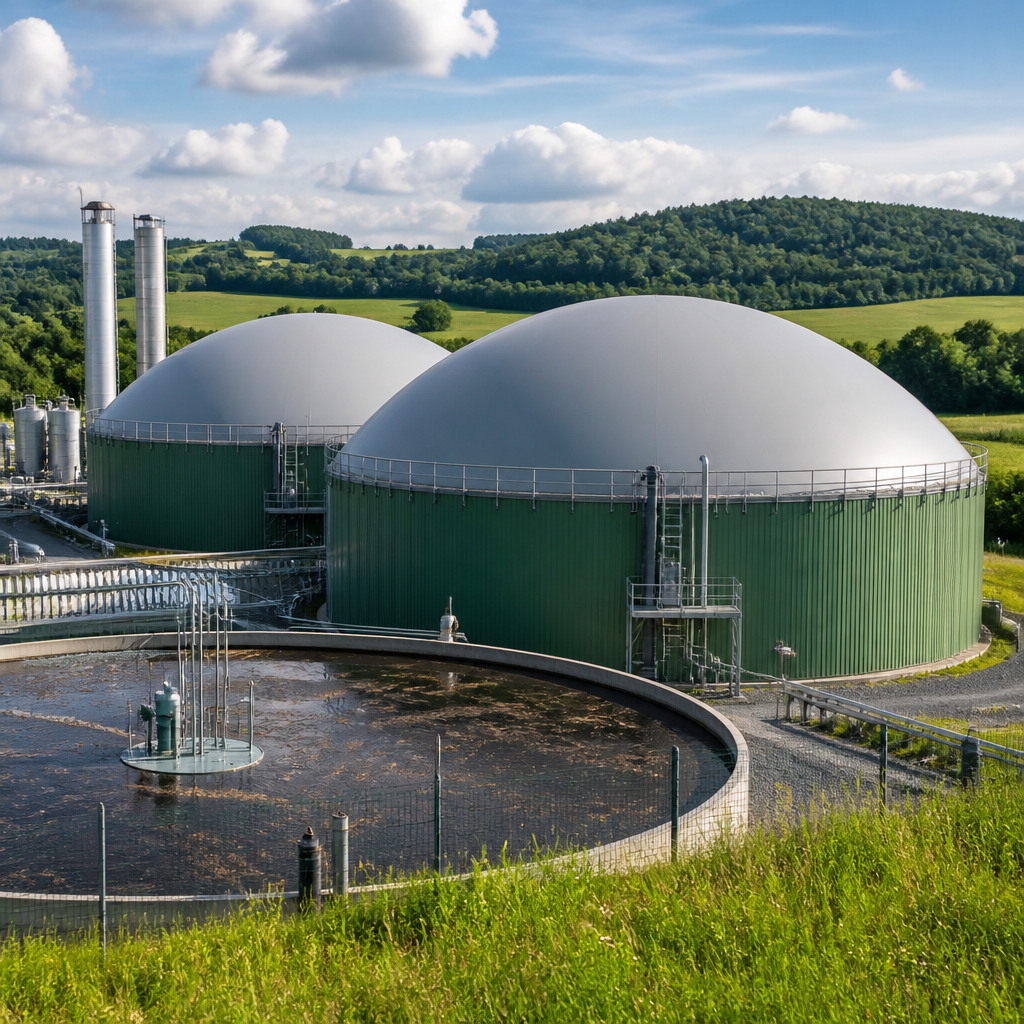
One important example is struvite recovery. In treatment systems with high ammonium and phosphate loads, operators can induce magnesium ammonium phosphate precipitation to recover phosphorus in a slow-release fertilizer form. Commercial systems such as Ostara have demonstrated this at wastewater facilities, reducing scaling while creating a marketable product. Anaerobic digestion is another cornerstone technology. Digesters convert organic waste into biogas, which can be used for heat, electricity, or upgraded biomethane, while leaving digestate that may be further processed into soil amendments if contaminant levels meet regulatory requirements.
Decentralized blackwater treatment and container-based sanitation are especially relevant in informal settlements, remote sites, climate-stressed regions, and peri-urban growth zones where centralized sewer expansion is too costly or too slow. Smart monitoring improves these systems by tracking tank levels, flow rates, pH, oxidation-reduction potential, and pathogen-treatment conditions. Operators can then schedule desludging before failure, verify process stability, and document compliance. EcoSan is not a single product category. It is a systems approach that combines engineering, microbiology, public health, and service design to safely recover value from waste streams that were once treated only as liabilities.
Data platforms, predictive analytics, and digital twins
Once collection assets and treatment systems are connected, the next step is turning raw telemetry into operational intelligence. This is where predictive analytics and digital twins matter. A digital twin is a living software representation of a physical system, updated with data from sensors, maintenance records, GIS layers, laboratory tests, and operating logs. In waste management, twins can model transfer stations, fleet performance, sewer catchments, digesters, landfills, and neighborhood collection demand. They allow planners to test what happens if route density changes, if contamination rises, or if a transfer station goes offline during peak season.
Predictive maintenance is one of the highest-value use cases. Sensors on compactors, pumps, blowers, screens, and vehicle components can feed models that identify abnormal vibration, temperature, pressure, or energy consumption patterns before breakdowns occur. Standards such as ISO 55000 for asset management and established reliability methods like condition-based maintenance provide a strong framework for these programs. In practice, preventing a digester mixing failure or compactor outage can save far more than the annual software subscription, particularly when service interruptions trigger overflow, odor complaints, or environmental noncompliance.
| Technology | Primary function | Typical data captured | Operational benefit |
|---|---|---|---|
| Fill-level sensors | Monitor container capacity | Volume, temperature, tilt, battery status | Fewer unnecessary pickups and fewer overflows |
| AI vision sorters | Identify materials and contaminants | Image streams, polymer class, object counts | Higher recycling purity and better residue control |
| Anaerobic digester monitoring | Track biological process stability | pH, gas yield, volatile fatty acids, temperature | More reliable energy production and faster troubleshooting |
| Fleet telematics | Optimize vehicle use and driver behavior | GPS, idle time, fuel burn, brake events | Lower fuel cost, safer driving, better route compliance |
For city leaders, the key is interoperability. Data loses value when collection software, maintenance systems, recycling facilities, and treatment plants operate in silos. Open APIs, common identifiers, and disciplined data governance are not glamorous, but they determine whether analytics can scale beyond a single pilot district. The strongest smart sanitation programs build an information architecture first, then add applications that solve specific service problems.
Implementation challenges, governance, and what successful cities do differently
Smart sanitation projects succeed when procurement, policy, community behavior, and frontline operations are aligned. The most common failure points are not algorithmic. They include weak change management, unrealistic return-on-investment assumptions, poor network coverage, fragmented ownership of data, and contracts that buy hardware without funding maintenance. Privacy and cybersecurity also matter. Route systems, camera feeds, and facility controls must be protected under clear access rules, patching practices, and incident response plans. Utilities and municipalities increasingly follow established security guidance such as the NIST Cybersecurity Framework because sanitation systems are part of critical urban infrastructure.
There are also environmental tradeoffs to evaluate honestly. Sensors and batteries create their own material footprint. AI sorting improves recovery, but only if there are downstream markets for the materials. Anaerobic digestion delivers strong climate benefits when methane leakage is controlled and feedstock contamination is low. Water reuse and nutrient recovery can be transformative, yet public acceptance depends on transparent safety protocols and credible monitoring. Regulations shape these outcomes. Biosolids rules, fertilizer product standards, discharge permits, and waste shipment regulations all influence which technologies are viable in a specific region.
Successful cities do three things differently. First, they define measurable service goals before selecting technology: fewer overflows, higher diversion rates, lower collection cost per ton, better worker safety, reduced greenhouse gas emissions, or faster complaint resolution. Second, they run phased deployments with baseline data, not headline-driven pilots. A district-level rollout with six months of comparative performance data reveals far more than a ribbon-cutting launch. Third, they invest in resident communication and workforce adoption. Clear signage, contamination feedback, and simple reporting channels improve behavior, while dispatchers, drivers, plant operators, and maintenance crews need training that reflects real operating conditions.
For organizations building a roadmap under the broader technological innovations and research umbrella, this hub should guide the next questions: which sensor architecture fits your network conditions, how AI should be validated against local waste composition, where decentralized EcoSan provides the best return, and how data governance supports future expansion. Smart sanitation is most valuable when it links collection, recovery, treatment, and planning into one evidence-based system. Start with a waste audit, map your highest-cost pain points, and evaluate technologies against operational reality. That is how digital tools and ecological sanitation become lasting infrastructure, not temporary experiments.
Frequently Asked Questions
1. What does “smart sanitation” mean in modern waste management?
Smart sanitation refers to the use of connected devices, software, automation, and data analysis to improve how waste is collected, sorted, processed, and reused. Instead of relying on fixed schedules and manual checks, smart systems use Internet of Things (IoT) sensors, cloud platforms, artificial intelligence, and machine learning to monitor conditions in real time and support faster, better decisions. In a practical city setting, that can include public bins that report when they are nearly full, trucks that receive dynamic route updates based on traffic and collection demand, and processing facilities that automatically identify recyclable materials with camera-based systems.
The goal is not just convenience. Smart sanitation helps municipalities and private operators reduce overflow, cut fuel consumption, improve worker safety, and recover more value from waste streams. It also supports sustainability by reducing unnecessary trips, increasing recycling accuracy, and enabling organic waste to be converted into energy, compost, fertilizer, or reclaimed water. In short, smart sanitation transforms waste management from a reactive service into a responsive, data-driven urban system.
2. How do IoT sensors improve waste collection and sanitation operations?
IoT sensors give sanitation teams visibility they simply do not have with traditional collection models. Sensors placed in bins, compactors, underground containers, transfer stations, and treatment equipment can measure fill levels, weight, temperature, tilt, odor, moisture, vibration, or contamination. That information is transmitted to a central platform, where operators can see what needs attention immediately and what can wait. Rather than emptying every bin on a fixed route regardless of whether it is full, crews can prioritize containers that are nearing capacity and skip those that do not yet require service.
This creates several operational advantages. First, it reduces unnecessary collections, which saves fuel, labor hours, and vehicle wear. Second, it lowers the chance of overflowing bins in high-traffic areas such as downtown districts, transit hubs, campuses, hospitals, and event venues. Third, it allows maintenance teams to identify equipment issues before they become failures. For example, sensors can detect abnormal heat in compactors, mechanical stress in lifting systems, or unusual moisture levels in organics handling infrastructure. These early warnings support preventive maintenance and improve service reliability.
IoT data is also valuable beyond collection. Facilities can use it to monitor sanitation conditions, verify service levels, and generate reports for compliance or performance benchmarking. Over time, cities can identify patterns by neighborhood, season, weather, or event schedule, which helps them place containers more intelligently and allocate resources more effectively. The result is a cleaner public environment and a far more efficient sanitation network.
3. What role does AI play in waste sorting, route optimization, and decision-making?
Artificial intelligence is what turns large amounts of sanitation data into useful operational action. In collection, AI can analyze fill-level data, historical service records, traffic patterns, weather conditions, and special-event calendars to determine the most efficient pickup schedule and route sequence. Instead of dispatching trucks the same way every day, AI-enabled systems can continuously adjust routes to reduce total mileage, avoid congestion, and improve response times. This lowers costs and can significantly reduce greenhouse gas emissions from collection fleets.
At materials recovery and processing facilities, AI is especially powerful in sorting. Computer vision systems trained on thousands or millions of images can identify plastics, paper grades, metals, glass, organics, or contaminants moving along conveyor belts at high speed. Robotic picking systems can then separate those materials with much greater consistency than manual sorting alone. This improves recovery rates, reduces contamination in recyclable bales, and helps operators capture more value from the waste stream. In organics and wastewater-related sanitation systems, AI can also help regulate process conditions, forecast feedstock volumes, and optimize outputs such as biogas, compost quality, nutrient recovery, or water reuse.
On the management side, AI supports forecasting and planning. It can predict seasonal spikes in waste generation, estimate asset replacement timing, and highlight underperforming routes or neighborhoods with persistent contamination issues. Importantly, AI does not replace sanitation professionals; it gives them stronger tools. Human operators still define policy, oversee exceptions, manage public health priorities, and make judgment calls in the field. AI strengthens those decisions by making them faster, more accurate, and more scalable.
4. Can smart sanitation support sustainability and resource recovery, not just cleaner streets?
Yes, and this is one of the most important reasons smart sanitation is gaining attention worldwide. Traditional waste systems often focus narrowly on collection and disposal, but smart sanitation expands the mission to include circular resource recovery. When cities can track waste streams more accurately and process them more intelligently, they can divert more material away from landfills and turn it into useful outputs. Organic waste can be directed into anaerobic digestion systems that produce biogas for electricity, heat, or renewable fuel. It can also be processed into compost or nutrient-rich fertilizers for agriculture and landscaping. In some sanitation and treatment systems, water can be cleaned and reclaimed for non-potable reuse.
Digital monitoring and AI improve this process by helping operators separate materials earlier, detect contamination, and maintain ideal processing conditions. That matters because recovery quality depends heavily on input quality. A smart sorting line that removes contaminants from recyclables increases the resale value of recovered materials. A smart organics program that tracks moisture, temperature, and feedstock composition can improve biogas yield and digestate quality. In broader environmental terms, these systems help reduce landfill methane, conserve raw materials, and lower the overall carbon footprint of sanitation services.
There is also a policy and reporting dimension. Smart sanitation platforms can generate data that supports sustainability targets, extended producer responsibility programs, climate action plans, and environmental, social, and governance reporting. For municipalities and businesses alike, that means better proof of performance. So while cleaner streets are a visible benefit, the deeper value of smart sanitation is that it helps turn waste from a cost center into a managed resource stream.
5. What challenges should cities and organizations consider before adopting IoT and AI in waste management?
Smart sanitation offers major benefits, but successful adoption requires planning, integration, and realistic expectations. One of the first challenges is infrastructure compatibility. Many cities and waste operators already use legacy vehicles, containers, scales, dispatch tools, and facility equipment. New sensor networks and AI platforms need to work with those existing systems, or the organization may face data silos and fragmented workflows. Interoperability, vendor support, and scalable software architecture are critical considerations at the start.
Data quality is another major issue. AI systems are only as useful as the information they receive. If sensors are unreliable, bins are inconsistently tagged, or service records are incomplete, optimization results may be weak or misleading. Organizations also need to think about connectivity, battery life, calibration, cybersecurity, and privacy, especially when public infrastructure is transmitting data across city networks. Workforce readiness matters too. Drivers, dispatchers, plant operators, and sanitation managers need training so they can trust the tools, interpret the data correctly, and respond to automated recommendations when conditions change in the field.
Cost is often part of the discussion, but the more important question is total value. Upfront spending on sensors, software, analytics, and connected equipment can be significant, yet the long-term return may come from reduced collection frequency, lower fuel use, fewer overflows, better recycling recovery, stronger compliance, and less downtime. The strongest implementations usually begin with targeted pilot programs in specific districts or waste streams, then scale once performance is verified. In other words, smart sanitation is not just about buying technology. It is about redesigning operations around better information, measurable outcomes, and continuous improvement.