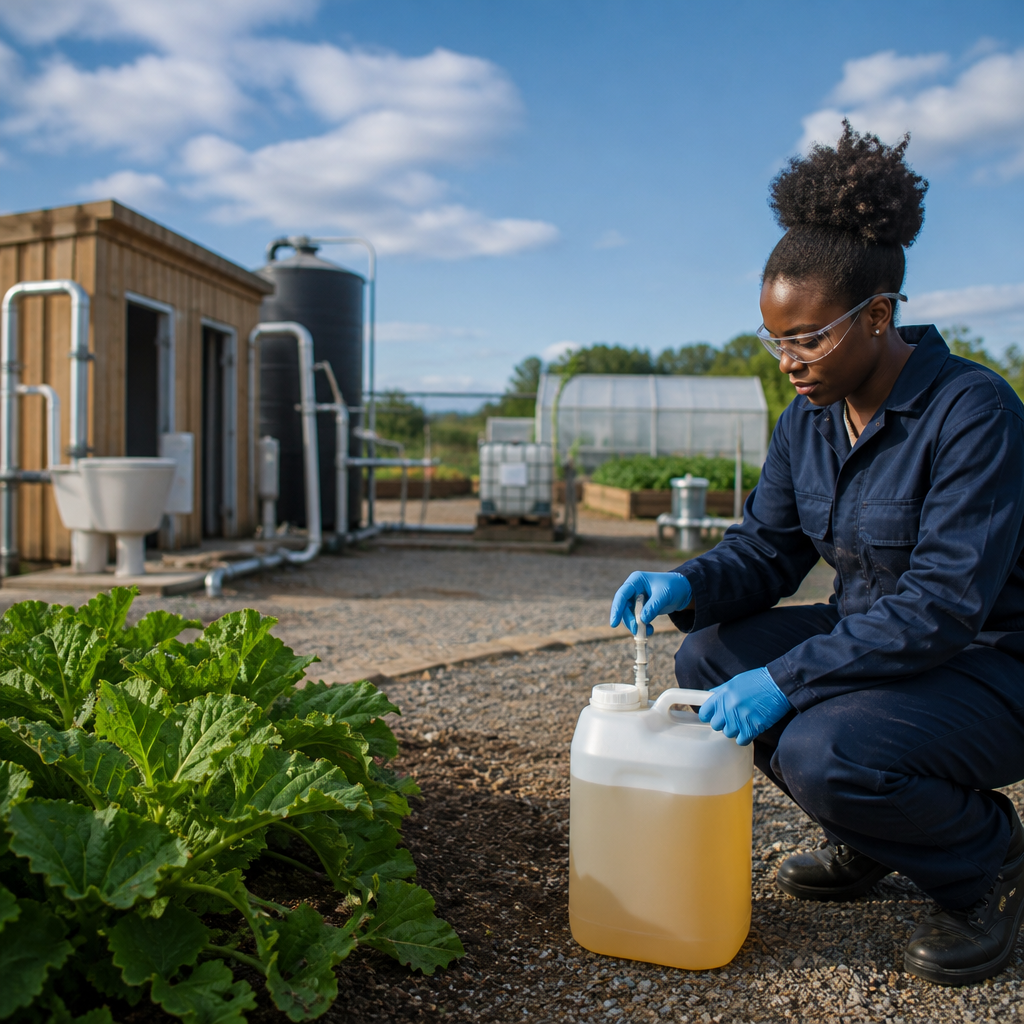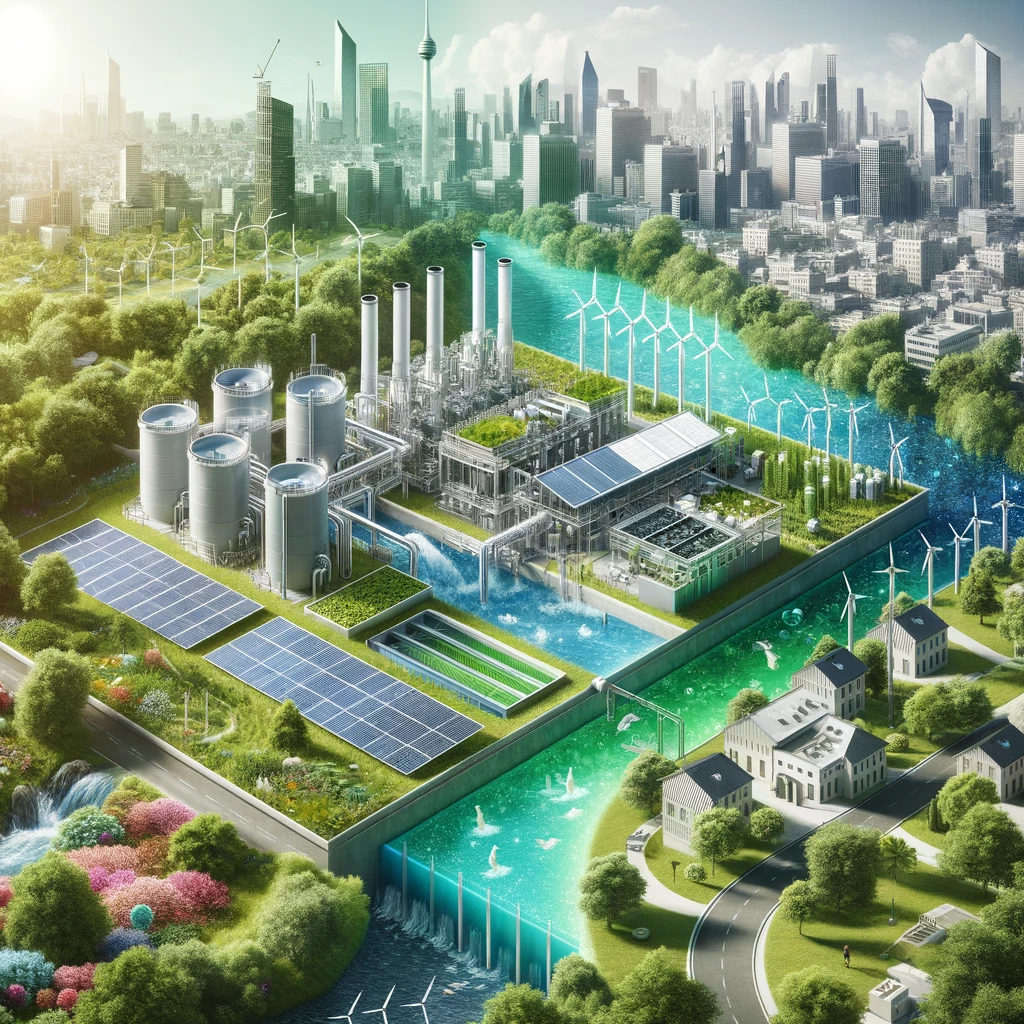
Greywater systems are moving from simple diversion setups to intelligent water recovery platforms, and that shift is reshaping how buildings, campuses, and communities think about sanitation and resource use. Greywater refers to wastewater from showers, bathroom sinks, laundry, and in some cases handwashing stations, excluding toilet waste and usually excluding heavily contaminated kitchen discharge unless specially treated. EcoSan, short for ecological sanitation, is the broader approach of designing sanitation systems that conserve water, recover nutrients, reduce pollution, and support circular resource use. In practice, the future of greywater systems sits at the center of this movement because greywater is both abundant and comparatively easy to treat for reuse.
This matters for three connected reasons: water scarcity, infrastructure strain, and tighter environmental standards. The United Nations has repeatedly warned that urban water stress is intensifying, while utilities worldwide face aging pipes, rising treatment costs, and greater weather variability. In buildings I have assessed, greywater often represents 50 to 70 percent of indoor wastewater volume, which means even modest reuse rates can sharply cut potable water demand for toilet flushing, irrigation, and cooling tower makeup. That is why developers, municipalities, and manufacturers are now treating greywater not as waste to discard, but as a local water asset to manage.
The old model of greywater reuse relied on basic settling, sand filtration, and direct landscape discharge. Those methods still have a place, especially in low-energy settings, but they are not the leading edge. Emerging technologies now combine compact membrane systems, advanced biological treatment, low-power disinfection, IoT sensors, digital controls, and modular manufacturing. The result is better water quality, more stable performance, and easier compliance with standards such as NSF/ANSI 350 in the United States or equivalent non-potable reuse guidelines used in Europe, Australia, Singapore, and the Gulf region.
As a hub within technological innovations and research, this article maps the most important advances in cutting-edge EcoSan technologies tied to greywater systems. It explains what is changing, which tools are gaining traction, where the limitations remain, and how the pieces fit together across residential, commercial, institutional, and decentralized applications. If you want to understand the future of greywater systems, start with the technologies that make reuse safer, smarter, and more scalable.
Why greywater innovation is accelerating now
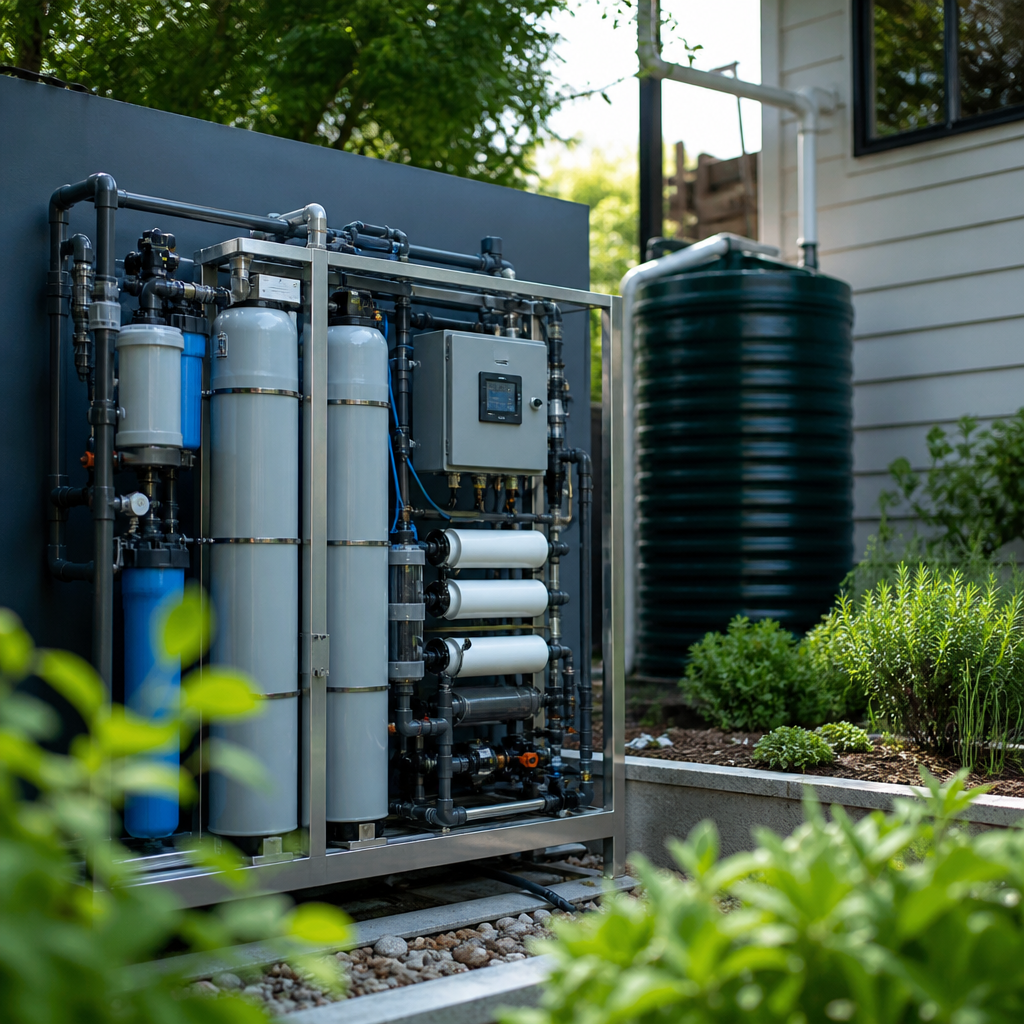
Three market forces are driving rapid innovation. First, water efficiency targets are becoming measurable procurement criteria. Green building programs such as LEED, BREEAM, and WELL increasingly reward reductions in potable water use, while many cities now require water budgets or drought-resilience planning for large developments. Second, decentralized treatment has become more practical because treatment hardware has shrunk. A system that once needed a plant room can now fit into a skid, cabinet, or compact mechanical enclosure. Third, data visibility has changed buyer expectations. Facility managers no longer want black-box systems; they want dashboards showing turbidity, residual disinfectant, flow, pump status, membrane pressure, and alarm history.
Public health expectations have also risen. Earlier greywater installations sometimes failed because maintenance was underestimated and quality control was inconsistent. Today, newer systems are designed around risk management principles: multiple barriers, automatic diversion when water quality drops, and remote alerts before a failure becomes a health issue. That design philosophy mirrors the broader water industry, where reliability is often more important than theoretical peak treatment efficiency. In plain terms, a system that removes contaminants well but fails unpredictably is less valuable than one that performs slightly below that benchmark yet runs steadily with clear safeguards.
Cost dynamics are changing too. In high-tariff regions, the business case has improved because water and sewer charges have both increased. Commercial buildings with high toilet flushing demand, hotels with heavy laundry and shower loads, and multifamily projects in drought-prone markets often see the strongest returns. Manufacturers have responded by standardizing modules, simplifying controls, and reducing installation complexity. That combination is moving greywater from bespoke engineering toward repeatable products.
Core treatment technologies shaping next-generation systems
The most important technical shift is from passive reuse toward engineered treatment trains. A modern greywater system typically combines screening, equalization, biological treatment, filtration, and disinfection. The exact sequence depends on the source water and end use, but the goal is consistent: produce non-potable water that is clear, low in odor, biologically stable, and safe for the intended application.
Membrane bioreactors are among the strongest contenders for future-ready greywater treatment. An MBR couples microbial degradation with ultrafiltration or microfiltration membranes, allowing very high solids removal and compact footprints. In several commercial projects I have reviewed, MBRs were selected because they produce reliably low turbidity water suitable for toilet flushing and because they handle variable loading better than simpler media filters. The tradeoff is membrane fouling. To manage that, designers use aeration scouring, routine backwash cycles, and cleaning-in-place protocols. When operators understand those requirements, MBRs can deliver excellent effluent quality from a small footprint.
Moving bed biofilm reactors are another important option. MBBRs use floating plastic carriers that support biofilm growth, enabling robust biological treatment without returning activated sludge in the conventional sense. They are valued for resilience and comparatively simple operation. Paired with downstream filtration and ultraviolet disinfection, an MBBR can offer a good balance between cost and performance, especially for larger buildings or campuses where load swings are common.
Advanced filtration is also improving. Beyond sand and cartridge filters, systems increasingly use ultrafiltration membranes, disc filters, or textile-based media optimized for low pressure drop and easier maintenance. Electrocoagulation is being tested in some research and pilot settings to destabilize fine particles and improve downstream filtration efficiency. While not yet a default choice, it has promise where detergents and colloidal loads make conventional clarification difficult.
Disinfection is evolving just as quickly. UV remains common because it leaves no chemical residual and is straightforward to automate, but it requires low turbidity to work well. Ozone is effective for oxidation and odor control, though it adds complexity and off-gas handling concerns. Chlorination provides a residual that protects storage tanks and distribution lines, which is useful in larger systems, but by-product management and dosing control matter. Increasingly, the best systems use disinfection as one barrier within a broader treatment train rather than relying on it alone.
| Technology | Main strength | Best-fit application | Key limitation |
|---|---|---|---|
| Membrane bioreactor | High effluent quality in a compact footprint | Hotels, multifamily, commercial towers | Membrane fouling and cleaning needs |
| Moving bed biofilm reactor | Stable biology under variable loads | Campuses, mixed-use sites, institutions | Needs downstream polishing for reuse quality |
| Ultrafiltration | Excellent particle and pathogen barrier | High-spec reuse for toilet flushing or cooling | Pressure, maintenance, concentrate management |
| UV disinfection | Fast, chemical-free microbial control | Final polishing after strong filtration | Performance drops if turbidity rises |
Smart monitoring, automation, and predictive maintenance
The future of greywater systems is digital as much as mechanical. Smart controls are solving one of the biggest historical weaknesses in decentralized water reuse: invisible underperformance. A well-designed control platform continuously tracks parameters such as pH, oxidation-reduction potential, conductivity, temperature, turbidity, tank levels, and pump runtimes. More advanced systems infer fouling or process upset by watching transmembrane pressure, dissolved oxygen trends, or abnormal cycle times. If quality drifts outside limits, valves can automatically divert water to sewer rather than distribute substandard reclaimed water.
Remote monitoring has become essential for distributed portfolios. A property operator managing ten buildings does not want ten different maintenance routines with no central visibility. Cloud-connected supervisory platforms now allow service providers to monitor alarms, compare performance across sites, and dispatch technicians based on real need instead of fixed intervals. In practice, that reduces emergency callouts and improves compliance documentation. It also creates a traceable operational record, which is increasingly valuable during inspections, insurance reviews, and tenant due diligence.
Artificial intelligence is starting to play a narrower but useful role. The immediate benefit is not autonomous treatment design; it is anomaly detection and maintenance forecasting. For example, machine learning models can correlate feedwater quality, membrane pressure, and pump energy draw to flag fouling before water quality degrades. Similar tools can optimize chemical dosing to avoid overuse while maintaining target residuals. These are incremental gains, but they matter because operational reliability determines whether building owners keep investing in reuse.
Cybersecurity cannot be ignored. Any internet-connected water system must protect credentials, firmware, and remote access pathways. The trend toward smart greywater systems will only continue if vendors treat digital security as part of public health protection, not an optional software feature.
Resource recovery and integration with broader EcoSan systems
Greywater innovation is no longer limited to water reuse alone. The more ambitious EcoSan model treats buildings as resource loops where water, energy, heat, and nutrients can be managed together. Greywater heat recovery is one of the clearest examples. Drain water from showers and laundries often carries significant thermal energy, and heat exchangers can capture part of that energy before treatment or discharge. In hotels, student housing, and sports facilities, the combined savings from heat recovery and water reuse can be materially stronger than either strategy on its own.
Integration with blackwater, rainwater, and organics management is also advancing. Some district-scale projects separate source streams so each can receive the most appropriate treatment. Greywater may go through compact reuse treatment, blackwater through anaerobic digestion or vacuum sewer collection, and organic wastes into biogas systems. This separation improves recovery efficiency and lowers the load on centralized sewers. In high-performance developments, digital building platforms increasingly coordinate these subsystems rather than treating them as isolated utilities.
Constructed wetlands and hybrid natural-engineered systems remain relevant, especially where land is available and energy use must stay low. What is new is the hybridization. Designers pair wetlands with recirculating biofilters, sensors, or polishing membranes to stabilize performance and meet stricter standards. That approach respects ecological treatment principles while addressing the consistency demands of modern reuse regulation.
Another frontier is fit-for-purpose water quality design. Not every end use needs the same treatment level. Irrigation, toilet flushing, subsurface discharge, and cooling towers each present different risk profiles. The most sophisticated systems now tailor treatment objectives and storage strategies to those end uses, which avoids overengineering and reduces lifecycle cost. That is a mature EcoSan principle: match the process to the actual function.
Real-world adoption barriers and what will determine success
The technology is improving fast, but adoption still depends on regulation, economics, maintenance capacity, and public acceptance. Codes vary widely. Some jurisdictions define greywater narrowly, others regulate it under broader reclaimed water rules, and approval pathways can be unclear for novel systems. Projects move faster when designers engage health departments and plumbing officials early, submit clear treatment validation data, and specify cross-connection controls, labeling, and backflow protection from the start.
Economics remain project-specific. A single-family home with seasonal occupancy may struggle to justify an advanced treatment unit, while a dense residential building with year-round toilet flushing demand may see a stronger payback. Water tariffs, sewer charges, space costs, energy rates, and maintenance contracts all influence viability. In my experience, the strongest business cases are not built on utility savings alone; they also include resilience value, sustainability targets, development approvals, and brand differentiation for owners competing for tenants or guests.
Operations and maintenance are the decisive factors. Many underperforming systems were not fundamentally bad designs; they were mismatched to operator skill or left without service support. The future belongs to systems with simple maintenance pathways, clear standard operating procedures, easy access for cleaning, and dependable local service networks. Vendor claims should always be checked against third-party certification, actual installed references, and long-term OPEX data.
Public acceptance is often better than expected when communication is direct. People generally support greywater reuse when they understand that the water is treated for non-potable applications, quality is monitored, and drinking water remains fully separate. Clear signage, transparent reporting, and visible safeguards build trust faster than marketing language.
The future of greywater systems will be defined by compact treatment, smarter controls, fit-for-purpose design, and tighter integration with broader EcoSan infrastructure. The winning technologies are not simply the most advanced on paper; they are the ones that deliver consistent water quality, manageable maintenance, and verifiable safety in real buildings. For planners, engineers, developers, and researchers exploring cutting-edge EcoSan technologies, greywater is the practical starting point because it offers immediate water savings and a scalable path toward circular sanitation.
The key takeaway is simple. Greywater reuse is no longer a fringe sustainability feature. It is becoming a serious infrastructure strategy for drought resilience, utility cost control, and low-impact development. Membrane systems, biofilm reactors, advanced disinfection, remote monitoring, and heat recovery are moving the field beyond basic diversion into dependable resource management. At the same time, success still depends on regulation, operator capability, and choosing a system that matches the site rather than chasing complexity for its own sake.
If you are building out a technological innovations and research roadmap, use this hub as your foundation. From here, examine treatment validation, smart controls, heat recovery, district-scale reuse, and hybrid ecological systems in greater depth, then compare those options against your water goals, risk tolerance, and operating capacity. The future is already arriving; the next step is selecting the greywater system architecture that can prove its value over time.
Frequently Asked Questions
1. What does the future of greywater systems look like compared with traditional setups?
The future of greywater systems is defined by a clear shift from basic diversion methods to intelligent, monitored, and highly efficient water recovery platforms. Traditional systems often moved water from showers, bathroom sinks, and laundry outlets directly to landscape irrigation with limited filtration and very little automation. Emerging systems, by contrast, are being designed to treat, store, recirculate, and manage greywater as a valuable on-site resource. This means buildings can do much more than simply redirect wastewater. They can now recover usable water for toilet flushing, cooling, irrigation, and in some cases broader non-potable applications, while continuously tracking water quality and system performance.
What makes this transformation significant is the integration of sensors, controls, and modular treatment technologies. Modern greywater platforms may include automated filtration, membrane treatment, UV disinfection, smart pumps, remote monitoring dashboards, and predictive maintenance alerts. These features improve reliability and safety while reducing the labor traditionally associated with decentralized water reuse. In larger buildings, campuses, and community-scale developments, these technologies support water resilience by reducing dependence on municipal supplies and decreasing discharge to sewer systems.
This evolution also reflects a broader EcoSan mindset. Ecological sanitation is not just about disposing of wastewater more responsibly. It is about rethinking water, nutrients, energy, and sanitation as interconnected systems. Greywater plays an important role in that transition because it represents a substantial portion of domestic wastewater that can be safely recovered with the right treatment strategy. As regulations mature and urban water stress grows, future greywater systems are likely to become more standardized, more digitally managed, and more tightly integrated into sustainable building design.
2. Which emerging technologies are having the biggest impact on greywater treatment and reuse?
Several technologies are driving the next generation of greywater systems, and the biggest impact comes from how they work together rather than from any single component. Advanced filtration is one of the most important developments. Multi-stage systems that combine coarse screening, fine filtration, biological treatment, and membrane processes can remove suspended solids, soaps, organic matter, and many pathogens more consistently than older designs. Membrane bioreactors, ultrafiltration units, and compact biological reactors are especially promising for buildings that need high-quality non-potable reuse water in a small footprint.
Disinfection technologies are also advancing quickly. Ultraviolet treatment, ozonation, and carefully controlled chemical dosing are helping operators produce more reliable reclaimed water for indoor reuse applications such as toilet flushing. These technologies matter because public confidence and regulatory acceptance depend heavily on water quality consistency. Treatment is no longer judged only by whether it works on a good day. It must perform under variable flow rates, changing soap formulations, and fluctuating contaminant loads.
Digital intelligence is another major breakthrough. Smart sensors can now monitor turbidity, flow, tank levels, pump status, and sometimes surrogate indicators of water quality in real time. When paired with automation software, the system can adjust treatment sequences, initiate backwashing, trigger alarms, or temporarily divert water if conditions fall outside acceptable ranges. This reduces risk and helps facilities teams manage greywater systems more like professional water infrastructure than like plumbing add-ons.
Finally, modular design is making adoption easier. Prefabricated, skid-mounted treatment units can be installed in multifamily buildings, hotels, schools, and commercial properties with less custom engineering than in the past. That scalability is essential for wider adoption. As treatment becomes more compact, automated, and performance-based, greywater reuse becomes practical for a much larger range of projects.
3. How are smart monitoring and automation changing the way greywater systems are operated?
Smart monitoring and automation are changing greywater systems from reactive infrastructure into proactive water management tools. In older systems, operators often had to rely on manual inspection, fixed maintenance schedules, or complaints from users to identify problems. That approach can lead to inconsistent water quality, equipment wear, odor issues, or unnecessary downtime. With intelligent controls, many of those challenges can be identified early and managed automatically.
For example, a modern greywater system may use sensors to track incoming flow, storage tank levels, filter pressure differentials, turbidity trends, pump energy use, and disinfection status. If the system detects abnormal readings, it can send alerts to building operators, switch to a backup operating mode, or divert water until treatment performance is restored. This kind of automation improves reliability and helps ensure that reclaimed water remains appropriate for its intended non-potable use.
Automation also improves efficiency. Pumps and treatment processes can be optimized based on real demand rather than running on simple timers. In large buildings or campuses, software platforms can coordinate water reuse with occupancy patterns, weather conditions, irrigation schedules, and overall building management systems. That means greywater can be treated and used more strategically, reducing both potable water demand and operating costs.
From a long-term perspective, data collection is just as important as automation itself. Historical performance data allows designers and operators to understand peak loads, maintenance needs, seasonal changes, and equipment life cycles. It also supports compliance reporting and can strengthen the business case for investment. As artificial intelligence and predictive analytics continue to develop, greywater systems are likely to become even better at anticipating failures, minimizing waste, and adapting to real-world use conditions.
4. What are the main benefits of advanced greywater systems for buildings, campuses, and communities?
Advanced greywater systems offer a combination of environmental, operational, and economic benefits that make them increasingly attractive across many scales. The most obvious benefit is water conservation. Showers, bathroom sinks, and laundry can generate a substantial volume of reusable water, and treating that water for non-potable uses can significantly reduce demand for municipal drinking water supplies. In regions facing drought, groundwater depletion, or rising water costs, that reduction is especially valuable.
Another major benefit is improved resilience. Buildings and campuses with on-site water recovery are less vulnerable to supply disruptions, infrastructure stress, and future restrictions on water use. This can be particularly important for hospitals, educational campuses, multifamily housing, resorts, and large commercial properties where water demand is constant and non-potable applications such as toilet flushing and irrigation are substantial. By keeping part of the water cycle on-site, these systems help reduce pressure on centralized utilities and sewer networks.
There are also sustainability and planning advantages. Greywater systems align with green building strategies, net-zero water goals, and broader EcoSan principles that view sanitation and water reuse as opportunities rather than liabilities. They can support certification programs, reduce wastewater discharge volumes, and help developments meet local conservation requirements. At the community scale, decentralized water reuse can complement stormwater management, drought planning, and circular resource strategies.
Financially, the value depends on local utility rates, regulations, incentives, and project design, but advanced systems can deliver meaningful long-term savings when they are sized and operated properly. They may lower potable water purchases and sewer charges while improving a property’s sustainability profile. Just as importantly, modern systems are becoming easier to manage, which helps close the gap between environmental ambition and day-to-day operational reality.
5. What challenges could affect the adoption of future greywater systems, and how can they be addressed?
The future of greywater systems is promising, but adoption still depends on overcoming several practical and regulatory challenges. One of the biggest issues is code complexity. Rules governing greywater reuse vary widely by jurisdiction, and in some places they remain limited, outdated, or inconsistent across agencies. This can make permitting slow and discourage developers who are otherwise interested in water reuse. A key solution is clearer performance-based regulation that focuses on treatment outcomes, monitoring standards, and safe end uses rather than relying only on rigid prescriptive rules.
System design and maintenance are also critical. Greywater quality can vary significantly depending on occupant behavior, cleaning products, laundry chemicals, and the mix of sources connected to the system. If designs do not account for those variations, performance can suffer. The answer is better engineering, source control, operator training, and treatment systems that are robust enough to handle real-world conditions. Emerging technologies help here because automation, sensors, and modular treatment units make systems easier to maintain and verify.
Cost perception is another barrier. Some stakeholders still view greywater reuse as a niche sustainability feature rather than a serious infrastructure investment. In reality, its value becomes clearer when decision-makers consider lifecycle savings, water security, sewer reduction, resilience planning, and the growing importance of climate adaptation. Better financial modeling, incentives, and standardized system packages can all help move projects forward.
Finally, public understanding matters. People are more likely to support greywater reuse when they understand what greywater is, what it is not, and how it differs from sewage. Clear communication about treatment, safety, and approved uses builds confidence. As technology improves and successful projects become more visible, greywater systems are likely to be seen less as experimental features and more as a normal part of sustainable sanitation and water management infrastructure.