Low-cost sanitation solutions for developing countries are no longer limited to pit latrines and septic tanks; today, they increasingly include ecological sanitation systems that recover nutrients, save water, and operate in places where sewer networks are unrealistic. Sanitation, in practical terms, means the safe management of human waste from capture to treatment and reuse or disposal. Ecological sanitation, often shortened to EcoSan, goes further by treating urine and feces as resources rather than pure waste. That shift matters because nearly half the world still lacks safely managed sanitation, according to UNICEF and the WHO Joint Monitoring Programme, and the consequences show up in disease, stunting, groundwater contamination, school absenteeism, and lost income. In many low-income settlements and rural regions, conventional sewerage fails for predictable reasons: high capital cost, unreliable water supply, difficult topography, weak utility capacity, and expensive sludge management. I have worked on sanitation planning where the cheapest toilet to build became the most expensive system to maintain because emptying, transport, and treatment were ignored. A useful hub article on exploring cutting-edge EcoSan technologies therefore has to connect hardware, operations, behavior, financing, and public health. The best low-cost sanitation solutions for developing countries are not simply cheap toilets; they are complete service models that fit local soils, climate, density, culture, and municipal capacity while reducing environmental harm.
Why EcoSan matters in low-resource settings
EcoSan technologies matter because they solve several infrastructure problems at once. First, they reduce dependence on piped water. Flush toilets can use six to nine liters per flush in older systems, or three to six liters in efficient models, which is unworkable where households buy water by the jerrycan. Second, they reduce nutrient loss. Human urine contains most of the nitrogen and a large share of the phosphorus excreted by households, and both nutrients have agricultural value when managed safely. Third, they make decentralized sanitation viable in places where extending sewers would cost far more than household incomes or local tax bases can support. In flood-prone areas, high water tables and seasonal inundation can render pits unsafe; raised urine-diverting dry toilets, container-based sanitation, and compact treatment units can keep waste isolated from stormwater and groundwater. The public health logic is straightforward: keep excreta contained, prevent contact, treat adequately, and create a reliable chain of responsibility. The environmental logic is just as clear: minimize water demand, cut untreated discharge, and recover energy or nutrients where feasible.
EcoSan is not one single technology. It is a design philosophy expressed through multiple systems, including urine-diverting dry toilets, composting toilets, dehydrating vault toilets, anaerobic digesters, black soldier fly larvae treatment for fecal sludge, container-based sanitation, and neighborhood-scale resource recovery hubs. What makes these systems cutting-edge is not novelty alone but how they combine proven biological processes with better materials, safer collection logistics, and smarter monitoring. Mobile payment collection, GIS route planning for container pickup, low-cost sensors for fill levels, and prefabricated toilet interfaces have improved service reliability in cities from Nairobi to Cap Haitien. Meanwhile, research institutions and social enterprises have pushed pathogen reduction, odor control, and user acceptance much further than early EcoSan pilots managed. The lesson from the field is that low-cost sanitation solutions for developing countries work best when innovation focuses on the entire sanitation value chain rather than only the toilet pan.
Core EcoSan technologies and where they fit best
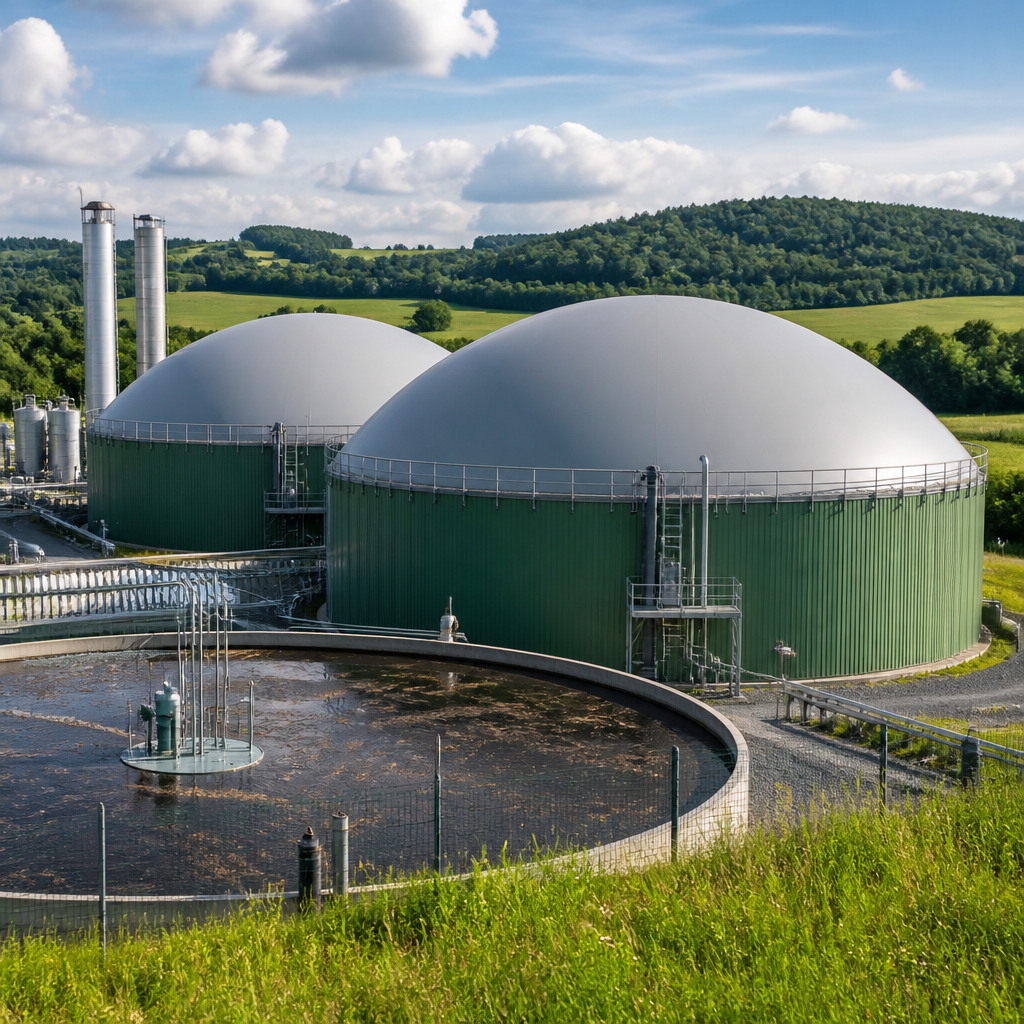
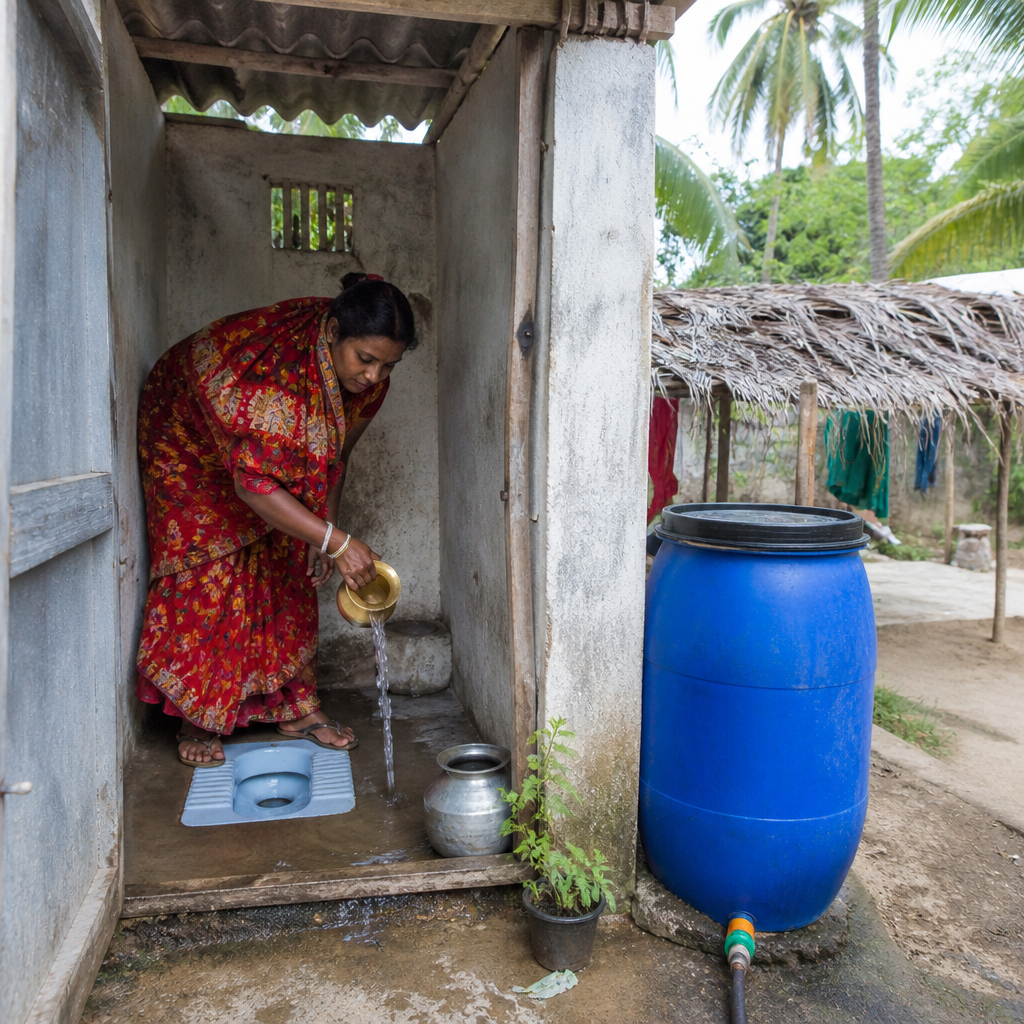
Urine-diverting dry toilets are among the most practical EcoSan options for water-scarce regions. They separate urine at the source, keeping feces drier and easier to sanitize. When well built, they reduce odor, lower fly nuisance, and simplify nutrient recovery. They fit rural homesteads, peri-urban plots, schools, and health posts where users can be trained in ash or cover material use. Double-vault dehydrating toilets improve continuity because one chamber can rest and sanitize while the other is in service. Composting toilets are suitable where households or institutions can maintain carbon balance with sawdust, husks, or dried leaves, but they need disciplined operation and are less forgiving of misuse. Anaerobic digesters work better where there is enough consistent feedstock, such as institutions, markets, or clustered housing, and where there is value for biogas in cooking. Container-based sanitation is especially strong in dense informal settlements with poor road access and unstable land tenure because sealed cartridges can be collected frequently without unsafe manual pit emptying.
| Technology | Best-fit context | Main advantage | Key limitation |
|---|---|---|---|
| Urine-diverting dry toilet | Rural and peri-urban water-scarce areas | Very low water use and nutrient separation | Requires user training and routine cover material |
| Double-vault dehydrating toilet | Flood-prone or high water table zones | Improved pathogen reduction through resting time | Needs adequate superstructure space |
| Composting toilet | Schools, farms, eco-lodges, institutions | Produces soil amendment when managed well | Operation can fail if moisture is too high |
| Anaerobic digester | Institutions, farms, clustered housing | Biogas recovery and sludge stabilization | Higher upfront complexity and maintenance |
| Container-based sanitation | Dense informal settlements | Safe collection without pits or sewers | Depends on strong service logistics |
No technology is universally best. In sandy soils with deep groundwater, lined pits may remain a low-cost interim option if paired with safe emptying and treatment. In rocky terrain, shallow soils, or dense urban compounds, above-ground EcoSan units often outperform pits because excavation is expensive or impossible. I have seen projects fail when a toilet type was copied from one district to another without checking user behavior, cleansing practices, or supply chains for spare parts. A pan designed for urine diversion, for example, must match whether households use water for anal cleansing; otherwise liquid ends up in the solids vault and defeats the design. The best-fit decision should therefore consider hydrogeology, plot size, cultural norms, handwashing access, expected sludge service, and whether reuse has a real local market.
Resource recovery, treatment performance, and safety standards
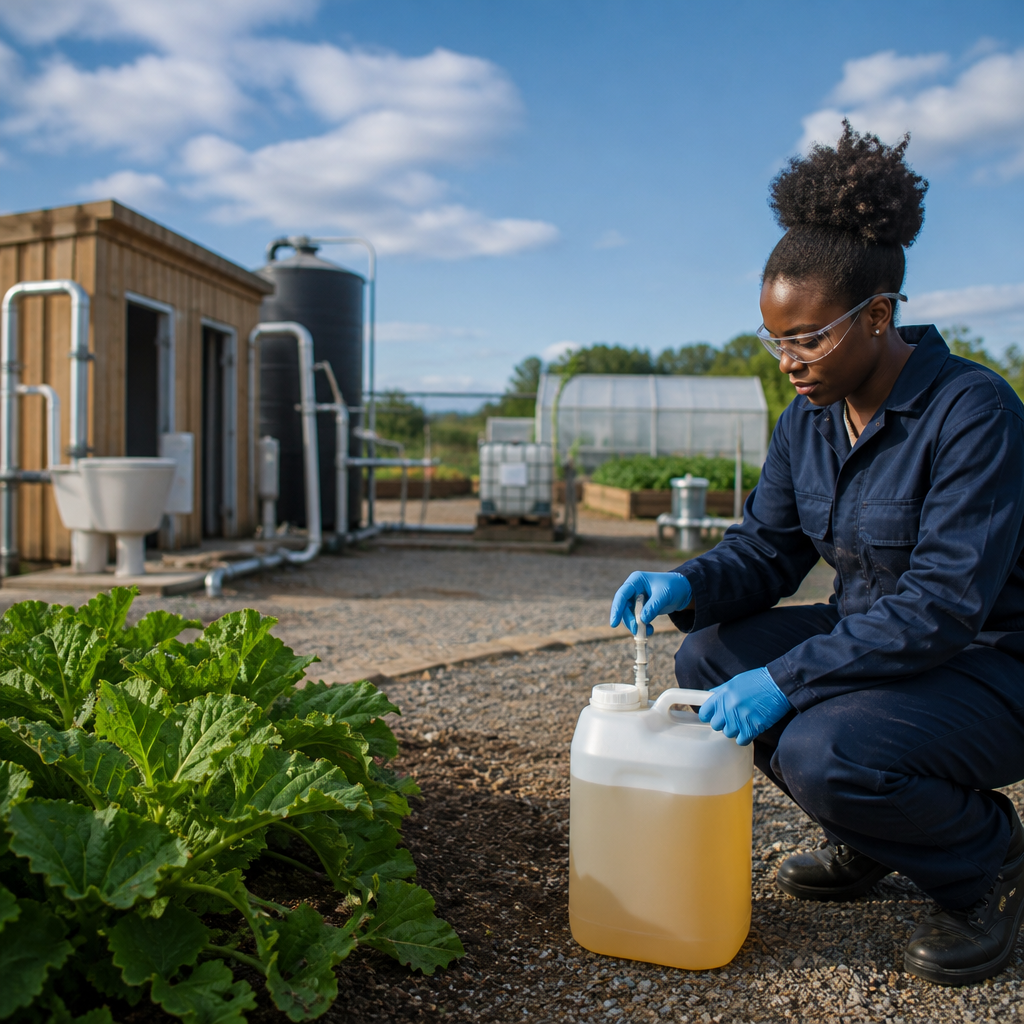
The promise of EcoSan is not just containment but recovery. Urine can be stored and applied as fertilizer under controlled conditions because it contains plant-available nitrogen, phosphorus, and potassium. Fecal solids, after dehydration, composting, or thermal treatment, can become soil conditioners, though pathogen reduction must be verified. Biogas from digesters can displace charcoal or LPG in institutional kitchens, reducing fuel costs and air pollution. Black soldier fly larvae systems can reduce sludge volume and produce protein-rich larvae for animal feed, although regulations and feed safety rules vary by country. Emerging thermal processes such as pyrolysis and carbonization can create biochar-like products while reducing volume and pathogens, but these solutions are still more viable at enterprise or municipal scale than at household scale. The reason these technologies deserve attention in technological innovations and research is that they turn sanitation from a recurring expense into a partial circular economy service.
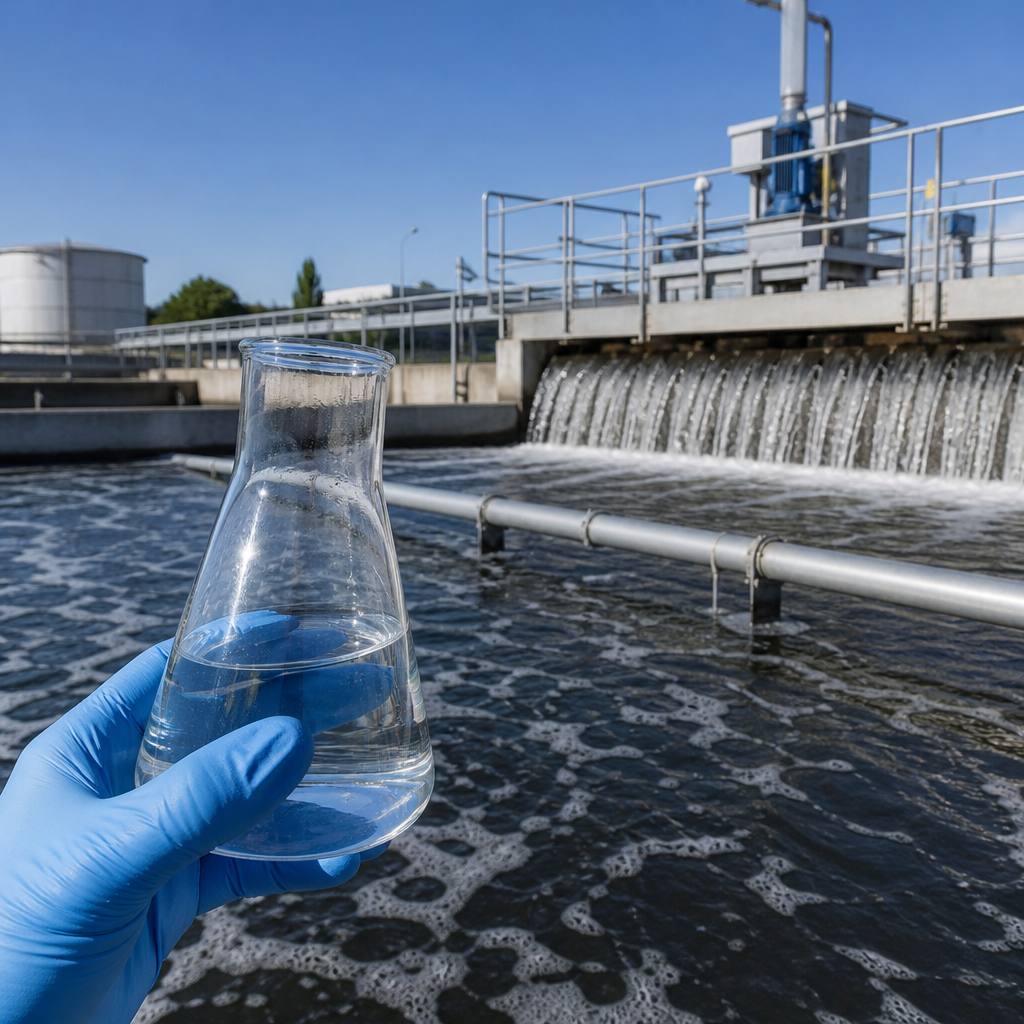
Safety is the dividing line between a successful EcoSan program and a public health setback. The WHO Sanitation Safety Planning framework is the right starting point because it identifies hazards across the chain, from toilet use to transport, treatment, storage, and agricultural application. ISO 30500 has also shaped the discussion around non-sewered sanitation systems by setting performance expectations for off-grid treatment units. In practice, low-cost sanitation solutions for developing countries should prioritize barriers that are easy to verify: source separation, sealed containers, drying time, pH increase with ash or lime where appropriate, controlled compost temperatures, restricted crop application, protective equipment for workers, and consistent handwashing. Reuse should never be promoted casually. Farmers need clear guidance on dilution, withholding periods, crop selection, and application methods. Households need plain-language instructions that explain what goes where and why. The most credible programs treat training, monitoring, and occupational safety as nonnegotiable operating costs, not optional extras.
Designing for affordability, scale, and long-term adoption
Affordability in sanitation is often misunderstood as the lowest construction price. Real affordability includes lifecycle cost: toilet interface, containment, consumables, collection, transport, treatment, repair, and eventual replacement. A $120 toilet that fills incorrectly and requires unsafe emptying is not cheaper than a $220 unit with a workable service plan. For governments and donors, the smarter metric is cost per safely managed user over time. Prefabricated slabs, modular vaults, molded urine-diverting pans, and simplified superstructures can reduce build cost without sacrificing performance. Local fabrication matters because imported pans and fittings delay repairs and raise prices. On urban projects I have supported, the biggest savings came from standardizing parts and training local masons, not from stripping features out of the toilet. If people cannot clean it easily, use it comfortably, and understand it intuitively, adoption falls and the economics collapse.
Scaling EcoSan also depends on business model design. Household purchase works for some rural markets, but many low-income urban communities need subscription services, output-based aid, or blended finance. Container-based sanitation companies have shown that weekly or twice-weekly collection can be viable when routing is dense and treatment sites are secure. School sanitation can be financed differently, with public budgets covering capital costs and parent committees or local governments supporting maintenance. Municipalities need realistic plans for fecal sludge treatment plants, co-composting yards, drying beds, or transfer stations; toilets alone do not create sanitation coverage. Digital tools are improving this layer quickly. Operators now use QR-coded containers, mobile money billing, customer service dashboards, and route optimization software to cut missed pickups and fuel waste. Research is also advancing low-cost indicators for treatment quality, including moisture monitoring, temperature logging, and field-friendly pathogen proxies. The strongest hub strategy links these technologies to governance, procurement, tariffs, and training, because scale is operational before it is technical.
Implementation lessons from real projects and emerging research
Several patterns appear repeatedly in successful low-cost sanitation solutions for developing countries. First, user-centered design beats engineering purity. In Uganda and Ethiopia, urine-diverting toilets performed better where project teams invested in demonstrations, follow-up visits, and maintenance coaching instead of assuming one training session was enough. Second, service reliability builds trust faster than marketing campaigns. In container-based sanitation programs in Kenya, Ghana, and Haiti, households valued regular collection, odor control, and privacy more than the abstract idea of nutrient recovery. Third, institutions can anchor demand. Schools, markets, farms, and health centers create visible case studies and stable waste streams that justify treatment investments. Fourth, climate resilience must be planned from day one. Raised plinths, flood-resistant slabs, ventilated vaults, and lined storage areas are not premium upgrades in monsoon or cyclone zones; they are basic risk controls.
Research is pushing the field toward more compact, safer, and more automated systems. Membrane filtration, electrochemical disinfection, solar drying, and small-scale thermal treatment are all being tested for decentralized sanitation, though cost and maintenance remain barriers in many settings. The Gates Foundation’s Reinvent the Toilet portfolio accelerated development of off-grid units that destroy pathogens and recover water or energy, but commercialization has been uneven because manufacturing, servicing, and affordability are harder than laboratory performance. That is why simpler EcoSan systems still dominate practical deployment. They use familiar materials, local labor, and biological processes that communities can understand. Going forward, the most promising path is hybridization: pair a simple user interface with better backend treatment, stronger logistics, and clearer safety verification. If you are building a sanitation content hub under technological innovations and research, use this article as the entry point, then connect readers to deeper guidance on urine diversion, composting science, container logistics, sludge treatment, nutrient reuse, climate adaptation, and monitoring methods. EcoSan succeeds when technology serves the service chain, and that is where informed decisions begin.
Frequently Asked Questions
1. What are the most effective low-cost sanitation solutions for developing countries today?
The most effective low-cost sanitation solutions today go well beyond traditional pit latrines and septic tanks. While those systems still play an important role in many communities, especially where budgets are limited and infrastructure is sparse, newer approaches are increasingly focused on affordability, safety, water efficiency, and resource recovery. In practice, effective low-cost sanitation usually means selecting systems that match local conditions such as soil type, groundwater level, climate, population density, available maintenance services, and cultural preferences.
Common options include improved pit latrines, ventilated improved pit latrines, composting toilets, urine-diverting dry toilets, container-based sanitation, simplified sewer systems, and decentralized wastewater treatment systems. Improved pit latrines remain one of the lowest-cost options, particularly in rural areas, because they can reduce open defecation and improve public health when properly designed and maintained. However, they may not work well in flood-prone areas, dense settlements, or places with high water tables because of contamination risks.
Ecological sanitation systems, often called EcoSan, are gaining attention because they treat human waste as a resource rather than only a disposal problem. These systems can separate urine and feces, reduce water use, and produce outputs that may be reused safely in agriculture after proper treatment. This is especially valuable in regions facing water scarcity, poor soil fertility, or high fertilizer costs. In urban informal settlements, container-based sanitation can also be highly effective because it does not require sewer connections and allows waste to be collected and treated off-site.
The best solution is rarely a one-size-fits-all technology. The strongest sanitation programs typically combine affordable hardware, community engagement, user education, regular maintenance, and safe treatment or reuse pathways. In other words, success depends not just on building toilets, but on creating a complete sanitation chain that safely manages waste from capture to final treatment, reuse, or disposal.
2. How does ecological sanitation differ from traditional sanitation systems?
Ecological sanitation differs from traditional sanitation systems in both purpose and design. Traditional systems often focus primarily on removing human waste from the household and isolating it from people. That remains essential, but EcoSan takes an additional step by recognizing that urine and feces contain valuable nutrients and organic matter that can be recovered after safe treatment. Instead of viewing waste only as something to dispose of, ecological sanitation treats it as a potential resource.
In a conventional flush toilet and sewer model, large amounts of clean water are used to transport waste to a centralized treatment system. This approach can work well in high-income areas with extensive infrastructure, stable utilities, and strong public funding. However, in many developing regions, sewer networks are too expensive to build, difficult to maintain, or simply impractical due to geography, informal settlement patterns, or water scarcity. EcoSan systems are designed for these realities. Many require little or no water, can function off-grid, and may be managed at household, community, or neighborhood scale.
A common ecological sanitation model is the urine-diverting dry toilet, which separates urine from feces at the source. This separation reduces odor, helps with treatment, and makes nutrient recovery easier. After appropriate storage or composting, the treated material may be used to improve soil fertility, depending on local regulations and public health guidance. This creates a circular approach in which sanitation contributes not only to disease prevention, but also to agriculture, environmental protection, and resource conservation.
That said, EcoSan is not automatically better in every setting. It requires careful design, user acceptance, proper operation, and safe handling of treated outputs. Where these elements are in place, ecological sanitation can provide a resilient, low-cost, and environmentally sound alternative to conventional sanitation models.
3. Are low-cost sanitation systems safe and hygienic enough for widespread use?
Yes, low-cost sanitation systems can be safe and hygienic enough for widespread use, but only when they are properly designed, installed, used, and maintained. Cost alone does not determine whether a sanitation system protects health. A low-cost solution can perform very well if it safely separates people from human waste, prevents contamination of water sources, reduces exposure to pathogens, and includes a reliable method for treatment or disposal. On the other hand, even expensive systems can fail if they are poorly maintained or not suited to local conditions.
Safety depends on the entire sanitation service chain. A toilet may appear functional at the household level, but if sludge is emptied unsafely, drains leak, or untreated waste is discharged into rivers or fields, the broader public health risk remains high. This is why experts increasingly define sanitation as the full management process from capture and containment to emptying, transport, treatment, and final reuse or disposal. Hygienic sanitation is not just about the toilet structure itself; it is about preventing harmful contact at every stage.
Different systems have different safety strengths and risks. For example, lined pits and properly managed septic tanks can reduce leakage. Composting toilets and urine-diverting systems can be highly hygienic when treatment times and handling procedures are followed correctly. Container-based sanitation can also be very safe because waste is sealed and professionally collected. In crowded or flood-prone areas, these alternatives may be safer than unlined pits that can overflow or contaminate groundwater.
For widespread use, training and maintenance are just as important as technology. Households need clear instructions. Service providers need protective equipment and treatment standards. Communities need affordable emptying and repair services. Governments and NGOs need to support monitoring and regulation. When these elements come together, low-cost sanitation systems can deliver major improvements in hygiene, dignity, environmental protection, and disease prevention at scale.
4. What challenges prevent low-cost sanitation solutions from being adopted more widely?
Several challenges can slow the adoption of low-cost sanitation solutions, even when the technologies themselves are practical and affordable. One of the biggest barriers is not technical but institutional. Many sanitation projects focus on construction rather than long-term service delivery, which means toilets may be built without a clear plan for maintenance, sludge removal, replacement parts, user support, or financing. Without these follow-up systems, even promising low-cost solutions can fall into disuse.
Social acceptance is another major factor. Sanitation is closely tied to habits, privacy, status, religion, and cultural norms. Some households may prefer flush toilets because they are seen as modern, even if water is scarce and sewer service does not exist. Others may be uncomfortable with the idea of handling composted waste or reusing nutrients from human excreta, despite the environmental and agricultural benefits. These concerns are real and need to be addressed through education, demonstration projects, and respectful community engagement rather than assumptions.
Environmental conditions also matter. A sanitation system that works well in a dry rural area may fail in a dense urban settlement or floodplain. High groundwater, unstable soil, seasonal rains, limited land, and informal housing can all affect feasibility. In many places, there is also a shortage of trained masons, operators, and local suppliers who can build or maintain alternative sanitation systems to an acceptable standard.
Financing remains a persistent challenge as well. Even low-cost systems can be unaffordable for the poorest households if payment is required upfront. Small subsidies, microfinance, pay-per-use models, sanitation marketing, and service-based business models can help close that gap. Finally, weak policy and regulation often hold the sector back. When governments do not formally recognize decentralized, non-sewered, or resource-recovery systems, innovation is harder to scale. Wider adoption usually happens when technology, financing, public education, and supportive policy move together.
5. Can sanitation systems really turn human waste into useful resources?
Yes, sanitation systems can absolutely turn human waste into useful resources, and this is one of the most promising aspects of ecological sanitation. Human urine contains significant amounts of nitrogen, phosphorus, and potassium, which are key plant nutrients. Fecal matter contains organic material that can contribute to soil improvement after proper treatment. When handled safely, these outputs can support agriculture, reduce dependence on synthetic fertilizers, and create value from materials that would otherwise be treated only as waste.
This resource-recovery approach is especially relevant in developing countries where farmers may face poor soils, rising fertilizer prices, and limited access to water. Urine-diverting systems can allow urine to be collected separately and stored for a period that helps reduce health risks before agricultural use, depending on local standards. Feces may be composted, dehydrated, or otherwise treated to lower pathogen levels. In some systems, biogas technologies can also convert waste into energy for cooking or lighting, adding another layer of practical benefit.
However, it is important to be clear that reuse must be managed carefully. Untreated or poorly treated waste can spread disease, contaminate crops, and undermine public trust. Safe reuse depends on correct system design, adequate storage or treatment time, controlled application methods, and compliance with public health guidance. It also depends on user training and ongoing oversight. Resource recovery is not a shortcut around sanitation safety; it is an added benefit that becomes possible when sanitation is managed well.
When done correctly, turning waste into resources supports a circular economy approach. It reduces pollution, conserves water, recycles nutrients, and may create livelihoods through collection, treatment, compost production, or sanitation service enterprises. For many communities, this