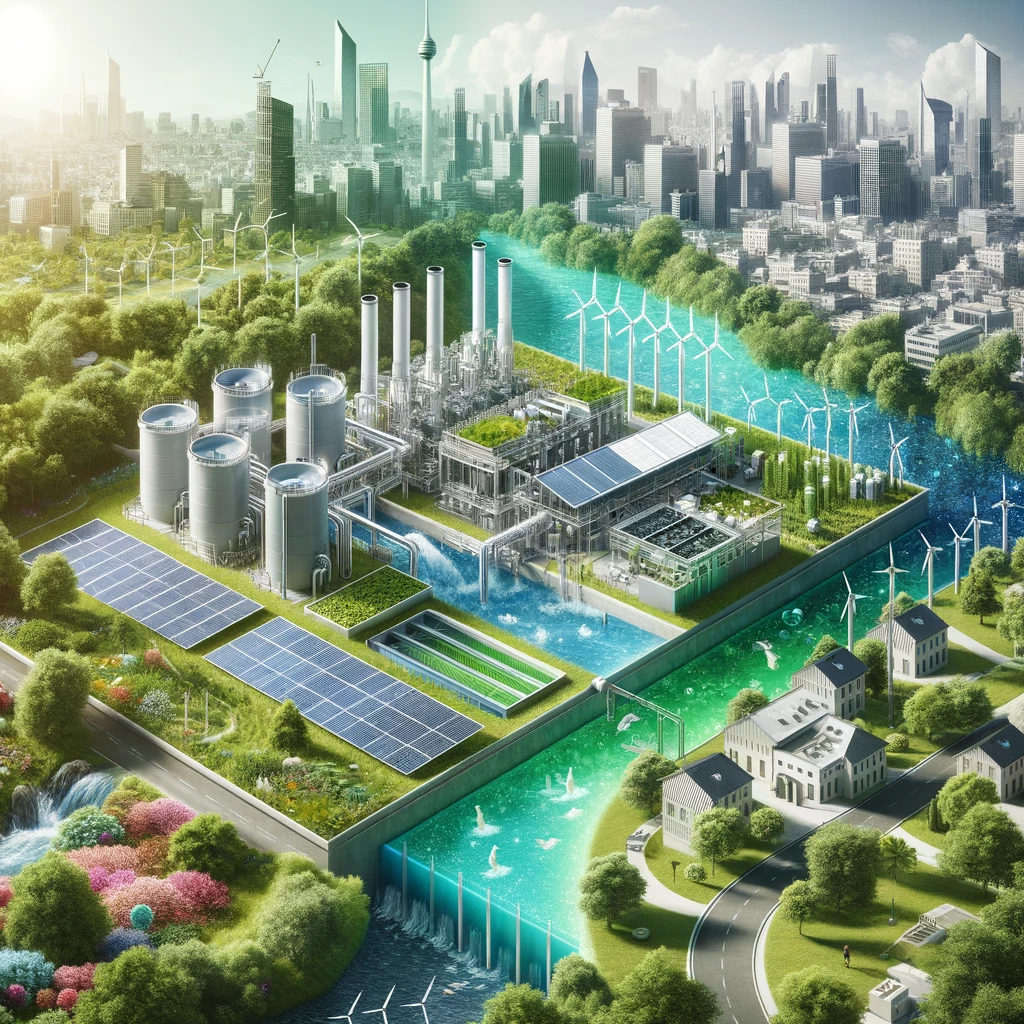
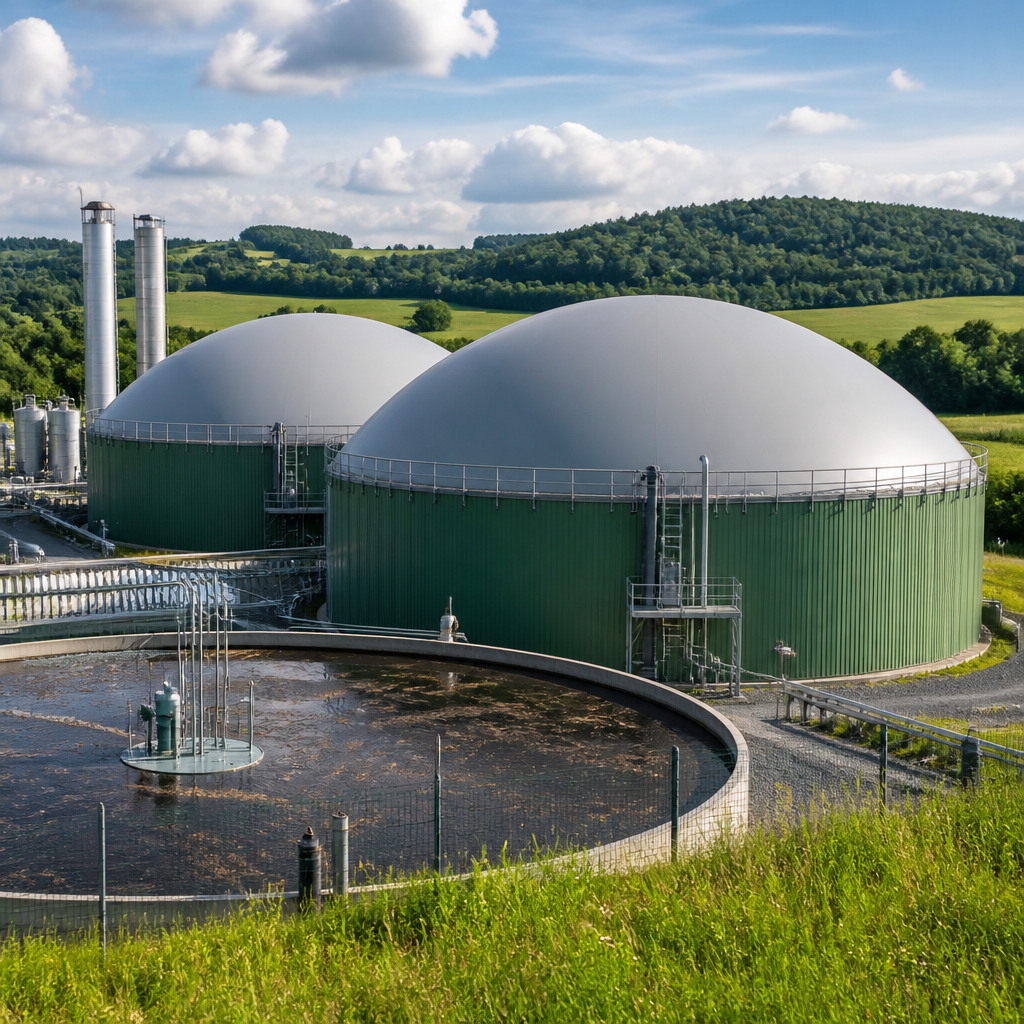
Biogas digesters are reshaping sanitation and energy systems by turning organic waste into usable fuel, nutrient-rich fertilizer, and measurable climate benefits. In the EcoSan field, which focuses on ecological sanitation that safely recovers water, nutrients, and energy from human and organic waste, digesters are no longer niche infrastructure. They are becoming core technology for cities, farms, institutions, and off-grid communities seeking resilient waste to energy conversion. I have worked on sanitation content and technology evaluations where the recurring lesson was clear: the best systems do not simply dispose of waste, they recover value from it with predictable engineering and strong operational discipline.
A biogas digester is a sealed vessel where microorganisms break down biodegradable material in the absence of oxygen, a process called anaerobic digestion. The main outputs are biogas, usually 50 to 70 percent methane with most of the remainder carbon dioxide, and digestate, a stabilized slurry containing nitrogen, phosphorus, potassium, and organic matter. Feedstocks can include food scraps, animal manure, sewage sludge, agricultural residues, and source-separated toilet waste. In modern EcoSan planning, the digester sits within a broader resource recovery chain that may also include solids separation, urine diversion, pasteurization, composting, nutrient polishing, and gas cleanup.
This matters because untreated organic waste causes overlapping problems: methane emissions from uncontrolled decomposition, pathogen risks in poorly managed sanitation, rising fertilizer costs, and dependence on fossil fuels for cooking, heating, or electricity. A well-designed digester addresses each issue at once. It captures methane that would otherwise escape, reduces odors and vector attraction, cuts the volatile solids load of waste, and creates products with economic value. As a hub topic within technological innovations and research, biogas digesters connect directly to other emerging EcoSan technologies including smart monitoring, modular toilets, nutrient recovery units, blackwater treatment systems, and decentralized circular sanitation networks.
The most important innovation is not one device but the integration of biology, materials science, controls, and service models. Earlier digesters often failed because they were treated as simple tanks. Current best practice treats them as living reactors that require feedstock consistency, hydraulic retention time control, temperature management, gas safety, and downstream use planning. That shift has produced more reliable methane yields, better public health outcomes, and stronger business cases. For anyone exploring cutting-edge EcoSan technologies, understanding how biogas digesters work and where they fit is essential because they anchor the transition from waste management to resource recovery.
How Biogas Digesters Work in EcoSan Systems
Anaerobic digestion occurs in four biological stages: hydrolysis, acidogenesis, acetogenesis, and methanogenesis. During hydrolysis, complex materials such as carbohydrates, fats, and proteins are broken into simpler compounds. Acid-forming bacteria then convert these compounds into volatile fatty acids, alcohols, hydrogen, and carbon dioxide. Acetogenic bacteria refine those products into acetate, hydrogen, and more carbon dioxide. Finally, methanogenic archaea generate methane, the energy-rich component of biogas. Each group thrives under a narrow chemical balance, which is why stable pH, alkalinity, and organic loading rate matter so much in practice.
In EcoSan applications, digesters may process blackwater, fecal sludge, manure, market waste, or blended organic streams. The design choice depends on total solids content and treatment goals. Wet digesters typically handle slurries with lower solids, while dry or high-solids digesters are better for stackable organic waste. Plug-flow systems are common on dairy farms. Continuously stirred tank reactors are widely used in municipal and industrial settings. Fixed-dome and tubular polyethylene digesters remain important for rural households because they are affordable and comparatively simple to maintain when local support exists.
Temperature is one of the strongest performance drivers. Mesophilic digestion usually operates around 35 degrees Celsius and offers robust, stable performance. Thermophilic digestion around 55 degrees Celsius can increase reaction rates and improve pathogen reduction, but it requires tighter process control and more energy input. Hydraulic retention time, often between 15 and 40 days depending on feedstock and temperature, determines how long material stays in the digester. Short retention can reduce capital cost, but if loading is too aggressive methane yield drops and process souring becomes likely.
Gas handling is equally important. Raw biogas may contain hydrogen sulfide, moisture, ammonia, siloxanes, and trace contaminants that corrode engines and reduce safety. Basic systems remove water through condensate traps and lower hydrogen sulfide using iron media, activated carbon, or biological scrubbers. If the gas will be upgraded to biomethane for grid injection or vehicle fuel, carbon dioxide removal through pressure swing adsorption, membrane separation, or water scrubbing is needed. Digestate management also shapes project success because nutrient recovery is one of the main reasons EcoSan programs adopt digesters in the first place.
Recent Innovations Driving Better Waste to Energy Conversion
The strongest advances in biogas digester technology improve yield, reliability, and fit within decentralized sanitation systems. Pretreatment is one major area. Mechanical pulping, thermal hydrolysis, ultrasound, and enzymatic conditioning can make organic matter more accessible to microbes, increasing volatile solids destruction and gas production. Thermal hydrolysis, used in plants such as those based on Cambi systems, is especially effective for sewage sludge because it breaks cell walls and supports higher loading rates. The tradeoff is capital cost and the need for skilled operation, which means it suits larger facilities better than village-scale units.
Another innovation is co-digestion, where multiple feedstocks are blended to balance carbon to nitrogen ratio, moisture, and micronutrients. A digester treating food waste alone may acidify quickly, while manure provides buffering capacity and microbial diversity. Municipal plants increasingly accept fats, oils, and grease from restaurants because these streams have high methane potential, often much higher than sludge on a per-ton basis. In projects I have reviewed, the difference between underperforming and high-performing plants often came down to feedstock strategy rather than reactor shape. Getting the mix right is operational science, not guesswork.
Digital monitoring has also changed the field. Modern units use inline sensors for pH, oxidation-reduction potential, temperature, gas flow, methane fraction, and hydrogen sulfide. Supervisory control systems can trigger mixing changes, alarms, or feed pauses before instability turns into failure. Remote telemetry is especially valuable for decentralized EcoSan networks in schools, clinics, refugee settlements, and peri-urban sanitation hubs, where expert operators are not always on site. The availability of low-cost sensors and cloud dashboards makes performance verification easier for funders, municipalities, and carbon credit programs.
Materials and modularization are improving deployment speed. Prefabricated steel or reinforced polymer digesters arrive with integrated mixers, safety valves, gas bladders, and control packages, reducing construction errors. Containerized systems now serve hotels, food markets, campuses, and agro-processing sites that need compact treatment close to the waste source. These modules are not a universal replacement for custom civil works, but they reduce commissioning time and create standardized maintenance routines. That matters in EcoSan because serviceability often determines long-term success more than headline methane yield.
| Innovation | Primary benefit | Best-fit use case | Main limitation |
|---|---|---|---|
| Thermal hydrolysis pretreatment | Higher biogas yield and better sludge dewaterability | Large municipal sludge plants | High capital and energy demand |
| Co-digestion | Improved nutrient balance and methane output | Facilities with mixed organics access | Feedstock logistics complexity |
| Membrane biogas upgrading | Pipeline-quality biomethane production | Sites selling transport or grid fuel | Requires gas cleaning and compression |
| Remote sensor monitoring | Earlier fault detection and data visibility | Decentralized sanitation networks | Needs connectivity and calibration discipline |
Applications Across Households, Farms, Cities, and Institutions
Household digesters remain one of the most recognized waste to energy technologies. In countries including China, India, and Nepal, millions of small digesters have been promoted for manure and toilet-linked sanitation. When designed for local climate, water availability, and maintenance capacity, these units can replace firewood or charcoal for cooking while reducing indoor air pollution. The strongest programs pair installation with after-sales support, mason training, and user education on feeding rates. Where those support systems are weak, abandonment rates rise quickly even if the hardware itself is sound.
On farms, digesters provide both energy and manure management benefits. Dairy operations often use plug-flow or covered lagoon systems to capture methane from slurry, then run combined heat and power units for electricity and hot water. In Europe and North America, farm-based plants increasingly rely on co-digestion with food processing residues to strengthen revenue. Covered digestate storage further cuts emissions. For farms facing odor complaints or nutrient regulations, digestion also helps stabilize solids and supports more controlled land application, although it does not eliminate the need for nutrient management planning.
Municipal EcoSan systems use digesters in wastewater plants, fecal sludge treatment stations, and source-separated organics facilities. Some cities digest sewage sludge and inject upgraded biomethane into gas grids or fuel bus fleets. Stockholm, for example, has long used biogas in public transport, while many German and Danish plants integrate digestion into circular municipal energy strategies. In lower-income urban settings, decentralized fecal sludge digesters can serve markets, transport hubs, or dense settlements where sewer expansion is slow and conventional treatment is unaffordable. The design challenge is consistent collection and pre-processing rather than digestion chemistry alone.
Institutions such as universities, hospitals, prisons, hotels, and military bases are also strong candidates. They generate predictable waste streams and have steady energy demand, which improves payback. I have seen especially compelling cases in boarding schools and food courts, where digesters handle cafeteria waste while producing gas for kitchens. These projects work best when procurement includes spare parts, operator training, and a plan for digestate use. Without those elements, even technically good systems drift into underperformance because no one owns daily process control.
Performance Metrics, Economics, and Environmental Impact
The best way to evaluate a biogas digester is through operational metrics, not marketing claims. Key indicators include volatile solids reduction, specific methane yield, biogas production per ton of feedstock, methane concentration, parasitic energy demand, digestate nutrient content, and downtime. For sanitation-linked systems, pathogen reduction and odor control also matter. A digester treating cattle manure will not perform like one treating food waste or blackwater, so benchmarks must be feedstock-specific. That is why experienced developers insist on characterization data before final sizing, including total solids, volatile solids, chemical oxygen demand, ammonia, sulfur, and trace elements.
Economics depend on scale and product pathways. Revenue can come from avoided fuel purchases, electricity sales, renewable gas contracts, tipping fees for waste acceptance, carbon finance, and fertilizer substitution. Costs include civil works, tanks, pumps, mixing, gas cleanup, controls, labor, maintenance, and often significant feedstock logistics. Small digesters can be socially valuable even when formal financial returns are modest, especially where they replace expensive cooking fuel or improve sanitation access. Larger commercial plants need disciplined contracts and uptime because debt service quickly overwhelms projects with unstable feedstock supply.
Environmental gains are substantial when systems are well managed. Capturing methane from manure, sludge, or food waste prevents emissions from lagoons and dumps, and methane has a far higher short-term warming impact than carbon dioxide. Digesters also support nutrient recycling, reducing reliance on synthetic fertilizers whose production is energy intensive. However, leakage can erase climate benefits if gas piping, storage, and flares are neglected. The climate case for anaerobic digestion is therefore strong but conditional: high capture efficiency, reliable combustion or upgrading, and responsible digestate handling are nonnegotiable.
Implementation Challenges and the Future of EcoSan Integration
The most common failures are not mysterious. They come from poor feedstock assessment, overambitious sizing, weak operator training, and neglect of downstream management. In sanitation projects, contamination from plastics, grit, or cleaning chemicals can cripple pumps and upset biology. Cold climates demand insulation or heating that some project budgets underestimate. Social factors matter too. Communities may accept toilets but distrust the use of gas or fertilizer derived from human waste unless engagement is handled early and respectfully. Successful EcoSan deployment treats technology, operations, regulation, and behavior as one system.
Policy and standards are pushing the sector forward. ISO 30500 for non-sewered sanitation systems, WHO sanitation safety planning principles, and national renewable energy incentives all influence how digesters are designed and financed. The future points toward tighter integration: urine diversion combined with digesters for solids-rich streams, nutrient concentration from digestate liquor, biochar blending, membrane polishing of effluents, and AI-assisted controls that forecast instability from sensor trends. For organizations building a technological innovations and research hub, biogas digesters deserve central attention because they connect sanitation, energy, agriculture, and climate action in one practical platform. Explore the related EcoSan technologies around this hub, then map where digestion can create the greatest local value from waste.
Frequently Asked Questions
1. What is a biogas digester, and how does it convert organic waste into usable energy?
A biogas digester is a sealed system that uses anaerobic digestion to break down organic materials such as food scraps, animal manure, agricultural residues, sewage sludge, and human waste in the absence of oxygen. As naturally occurring microorganisms digest that waste, they produce a gas mixture primarily made up of methane and carbon dioxide. The methane-rich portion is the valuable energy product, because it can be burned for cooking, heating, electricity generation, or upgraded into biomethane for injection into gas grids or use as vehicle fuel.
What makes this technology especially important in EcoSan applications is that it does more than just manage waste. It transforms sanitation from a disposal challenge into a resource recovery system. Instead of allowing organic waste to decompose in open pits, lagoons, or landfills where emissions are uncontrolled, digesters capture the gas in a managed environment. This improves hygiene, reduces odors, lowers pathogen risks when paired with proper treatment trains, and creates a predictable source of renewable energy.
The process also produces a residual material called digestate, which contains valuable nutrients such as nitrogen, phosphorus, and potassium. When treated and applied correctly, digestate can be used as a soil amendment or fertilizer, helping close nutrient loops in farms, peri-urban systems, and decentralized sanitation programs. In practical terms, a well-designed biogas digester converts a liability into three assets at once: fuel, fertilizer, and emissions reduction.
2. What are the latest innovations making biogas digesters more efficient and practical?
Recent innovation in biogas digestion is centered on improving gas yield, system stability, feedstock flexibility, and operational simplicity. One major advancement is the use of co-digestion, where multiple waste streams are blended to achieve a better nutrient balance and more efficient microbial activity. For example, combining food waste with manure or sewage sludge often produces more stable digestion and higher methane output than treating a single waste source alone.
Another important area of progress is digester design. Modern systems now include plug-flow, continuously stirred tank reactors, fixed-dome digesters, prefabricated modular units, and high-rate anaerobic reactors tailored to specific contexts. Small-scale modular systems are making it easier for farms, schools, hospitals, and off-grid communities to adopt digestion without the cost and complexity of fully custom infrastructure. At larger scales, automated monitoring systems can track pH, temperature, loading rates, and gas composition in real time, allowing operators to optimize performance and respond quickly to process upsets.
There have also been meaningful improvements in gas handling and upgrading. Better desulfurization technologies remove hydrogen sulfide, which helps protect engines and downstream equipment. More affordable biogas purification systems are making it increasingly viable to upgrade raw biogas into higher-purity biomethane. In parallel, innovation in digestate management is helping facilities recover nutrients more effectively and reduce the cost of post-treatment. Together, these developments are moving digesters beyond simple waste treatment and into the category of integrated energy, sanitation, and circular economy infrastructure.
3. Why are biogas digesters so valuable in ecological sanitation and waste to energy systems?
Biogas digesters are highly valuable in ecological sanitation because they align closely with the core EcoSan objective of safely recovering resources from waste. Traditional sanitation systems often focus only on collection and disposal, which can be costly, environmentally damaging, and disconnected from local energy and agricultural needs. Digesters change that model by recovering energy from organic waste while also retaining nutrients in a form that can often be returned to the soil under proper management.
In urban and institutional settings, digesters can reduce the burden on landfills and wastewater systems while creating localized energy for cooking, water heating, or electricity production. In rural and agricultural settings, they are particularly effective because farms generate steady streams of manure and crop residues and can directly use both the gas and the digestate. In off-grid communities, biogas systems can improve energy access, reduce reliance on charcoal or firewood, and support more resilient local sanitation infrastructure.
There is also a strong climate argument. When organic waste decomposes unmanaged, it releases methane directly to the atmosphere, where it acts as a potent greenhouse gas. A digester captures that methane for productive use instead. This creates measurable mitigation benefits, especially when the recovered biogas displaces fossil fuels or unsustainably harvested biomass. From a public health, environmental, and resource recovery perspective, digesters sit at the intersection of sanitation innovation and clean energy transition, which is why they are increasingly considered core technology rather than experimental add-ons.
4. What kinds of waste can be used in a biogas digester, and what makes a feedstock suitable?
Biogas digesters can process a wide range of biodegradable organic materials, including livestock manure, food waste, market waste, crop residues, fats, oils, grease, sewage sludge, and in some systems, source-separated human excreta. The best feedstocks are those that are rich in biodegradable organic matter and can be introduced into the digester in a way that supports consistent microbial activity. Moisture content, carbon-to-nitrogen balance, particle size, contamination levels, and the presence of inhibitory substances all affect how suitable a material is for digestion.
Not every organic waste stream behaves the same way. Manure is often a reliable base feedstock because it contains both organic material and the microbial populations that support digestion. Food waste can produce high gas yields, but it may require careful control because it can acidify quickly if overloaded. Crop residues may need pre-treatment or size reduction, especially if they are fibrous or lignin-rich. Human waste can be an excellent feedstock in sanitation-linked systems, but it requires thoughtful design, containment, and downstream treatment protocols to ensure health protection and regulatory compliance.
A suitable feedstock program also depends on contamination control. Plastics, metals, stones, chemicals, and cleaning products can interfere with operations, damage equipment, or reduce digestate quality. That is why successful facilities pay close attention to source separation, collection practices, and pre-processing. In short, the best digester feedstocks are not just abundant organic wastes; they are waste streams that can be supplied consistently, handled safely, and matched to the technical design of the digestion system.
5. What are the biggest challenges to adopting biogas digesters, and how can they be addressed successfully?
The biggest barriers to adoption usually involve financing, technical capacity, feedstock logistics, and long-term operations. Although digesters can deliver strong environmental and economic value over time, the upfront capital cost can be significant, especially for systems that include gas cleaning, storage, power generation, or digestate treatment. Many promising projects struggle because they are designed around ideal conditions rather than the realities of waste collection, user behavior, maintenance budgets, and operator training.
Technical performance is another common challenge. Anaerobic digestion is a biological process, which means it depends on stable operating conditions. If feedstock quality varies too much, if the digester is overloaded, or if temperature and pH are not managed properly, gas production can drop and system reliability can suffer. This is why successful implementation usually requires more than equipment installation. It requires operator training, routine monitoring, preventive maintenance, realistic performance expectations, and a service ecosystem for repairs and spare parts.
Policy and institutional support also matter. Projects tend to perform better when there are clear regulations for waste management, safe biosolids use, renewable energy interconnection, and emissions accounting. Financial mechanisms such as grants, concessional loans, carbon finance, or energy purchase agreements can improve feasibility. Perhaps most importantly, the strongest projects are designed as complete value chains rather than standalone tanks. When developers plan for waste supply, gas use, digestate management, user engagement, and long-term governance from the beginning, biogas digesters become far more practical, bankable, and scalable.