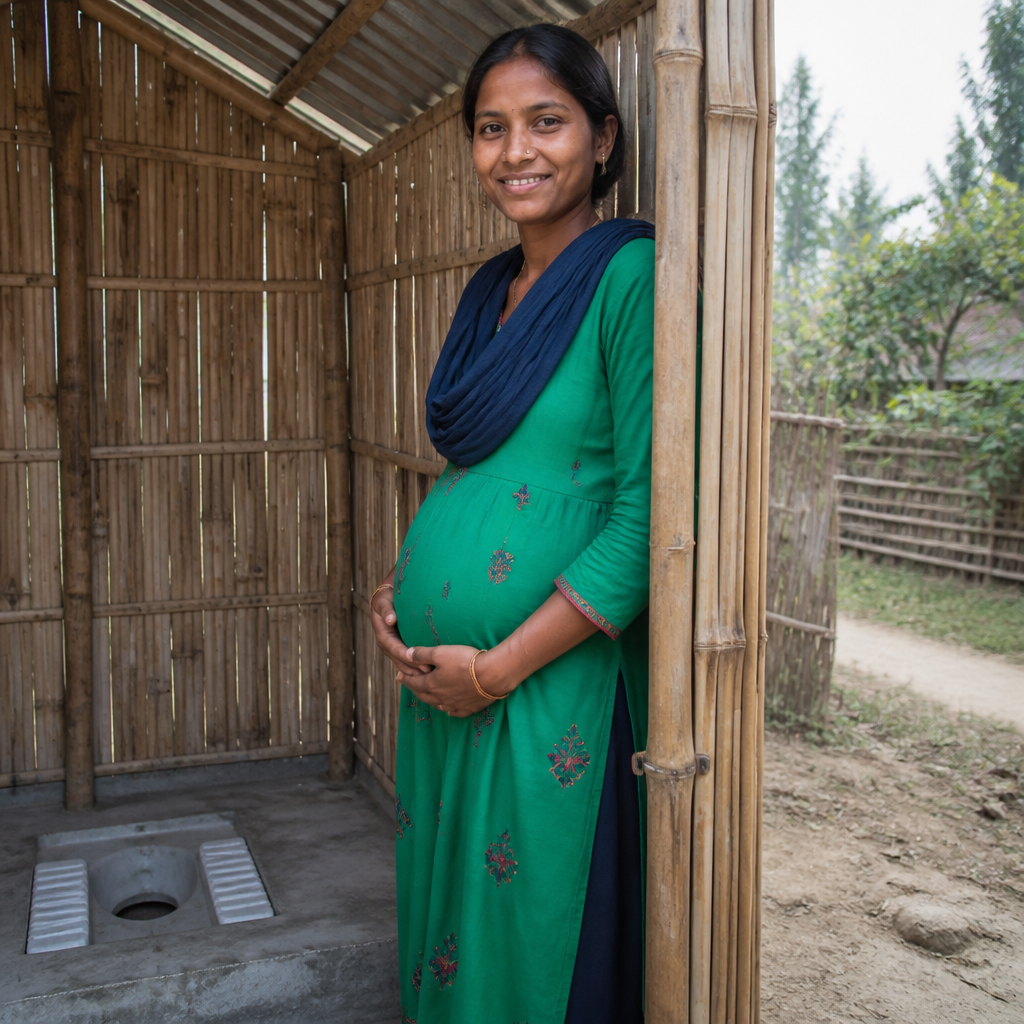
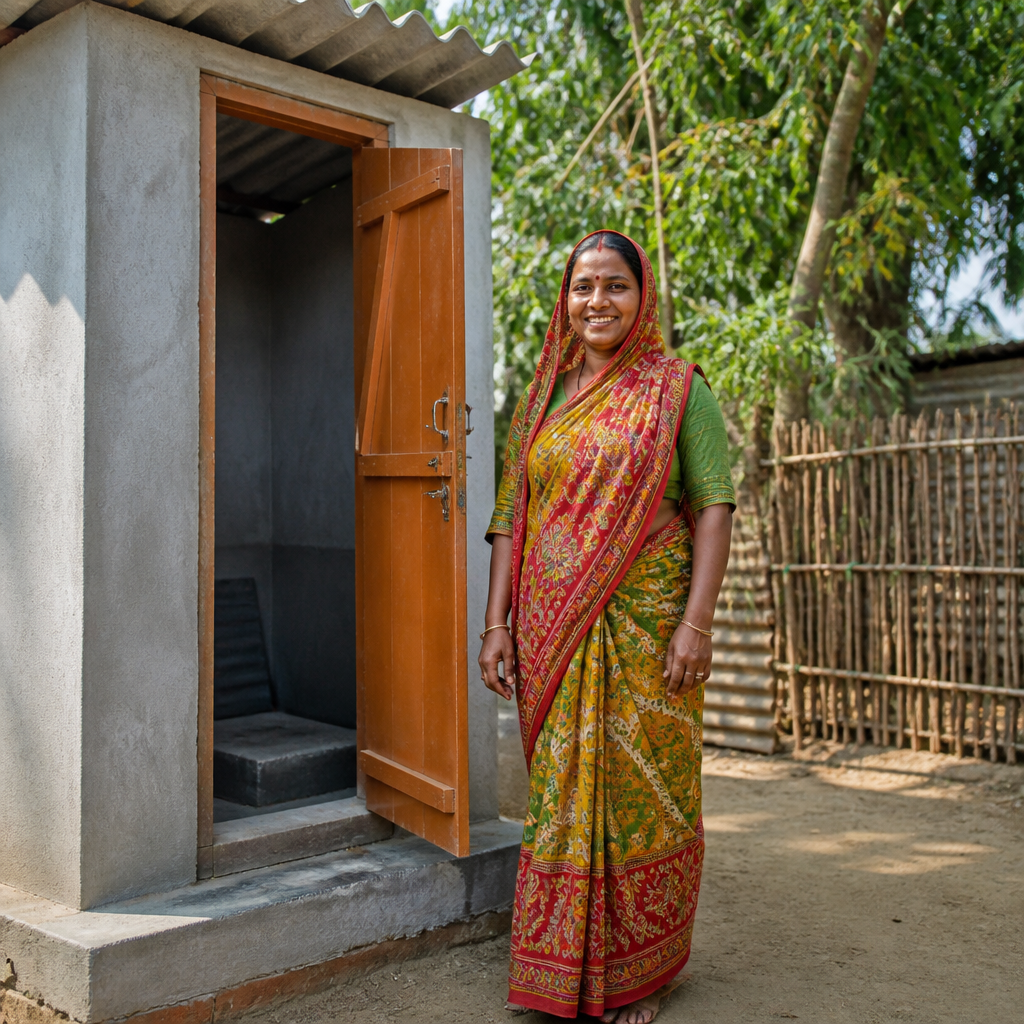
Enhancing women’s health through improved sanitation starts with recognizing that toilets, handwashing, menstrual hygiene, and safe waste treatment are not separate issues. They form one system that shapes infection risk, privacy, safety, dignity, and daily opportunity. In ecological sanitation, often shortened to EcoSan, that system is designed to protect human health while recovering nutrients and conserving water. For women and girls, the stakes are especially high because sanitation affects menstruation, pregnancy, caregiving, urinary and reproductive health, school attendance, work participation, and exposure to harassment or violence. When sanitation is poorly designed, women carry the burden first and longest.
Safety and wellness in EcoSan means more than building a toilet. It means creating facilities and management practices that reduce pathogens, support menstrual hygiene, prevent injuries, protect groundwater, enable hand hygiene, and make users feel secure at any hour. In my work reviewing sanitation programs and facility audits, the best outcomes have never come from hardware alone. They come from design decisions such as adequate lighting, lockable doors, washable surfaces, clear waste separation, handwashing stations with soap, and maintenance plans that survive beyond the launch photo. They also come from user education, because even a well-built urine-diverting dry toilet can fail if the community does not understand ash cover, vault resting times, or safe emptying procedures.
This matters across households, schools, clinics, markets, and dense informal settlements. The World Health Organization and UNICEF Joint Monitoring Programme defines safely managed sanitation as improved facilities not shared with other households where excreta are safely disposed in situ or transported and treated off site. EcoSan can support that goal when it is competently designed and operated. It can reduce water demand, improve resilience in drought-prone areas, and create agricultural value from treated byproducts. Yet the health promise is realized only when women’s needs are central: privacy during menstruation, toilets accessible during pregnancy, safe paths at night, containers for absorbents, and protocols that protect cleaners and pit emptiers. A sanitation system that ignores these factors is not safe, no matter how innovative its engineering appears.
As a hub for safety and wellness in EcoSan, this article explains the health links, outlines practical design requirements, and highlights the operational safeguards that determine whether an EcoSan system protects women or creates new risks. If you are planning, evaluating, funding, or managing sanitation under a health and safety strategy, the core question is simple: does the system consistently make hygiene easier, exposure lower, and use safer for women throughout the entire sanitation chain?
Why sanitation is a women’s health issue, not only an infrastructure issue
Improved sanitation affects women’s health directly through reduced exposure to fecal pathogens and indirectly through stress reduction, time savings, and safer daily routines. Diarrheal disease, intestinal worms, skin and eye infections, and environmental contamination all worsen when human waste is not safely contained. Women often face additional risk because they clean children, manage household water, care for ill relatives, and use toilets during pregnancy or menstruation, times when privacy and cleanliness become even more important. Open defecation, unsafe shared toilets, and poorly maintained facilities can also encourage delayed urination or reduced fluid intake, behaviors associated with urinary discomfort and possible infection risk in some settings.
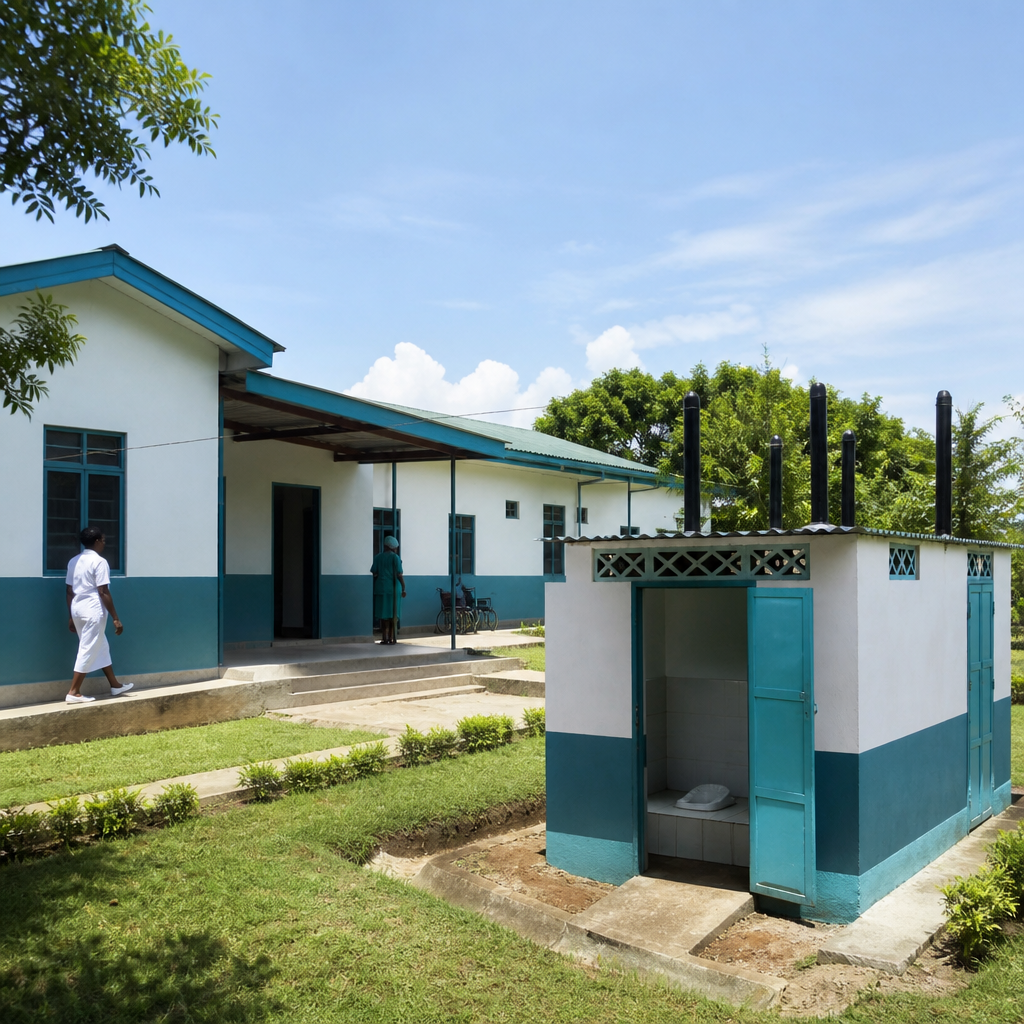
The sanitation environment also influences maternal and newborn health. Inadequate hygiene in households and health facilities raises the chance of infections during pregnancy and after delivery. The WHO has repeatedly linked water, sanitation, and hygiene in healthcare facilities to infection prevention and quality of care. In community settings, women who lack nearby safe toilets may walk long distances, use isolated areas before dawn or after dark, or avoid toilet use entirely during daylight. Those coping strategies can increase falls, musculoskeletal strain, anxiety, and vulnerability to assault. The public health case for women-centered sanitation is therefore both biomedical and social.
Menstrual health is another core reason sanitation must be treated as a women’s health priority. A functional facility needs water for washing when appropriate, soap, a shelf or hook for supplies, a discreet bin or chute for absorbents, and enough interior space to change comfortably. Many sanitation projects still miss these basics. When they do, girls may skip school, women may avoid work, and both may use unhygienic materials for longer than intended. A safe EcoSan system supports menstrual hygiene without contaminating the waste stream or exposing users to shame.
How EcoSan can improve safety and wellness when designed correctly
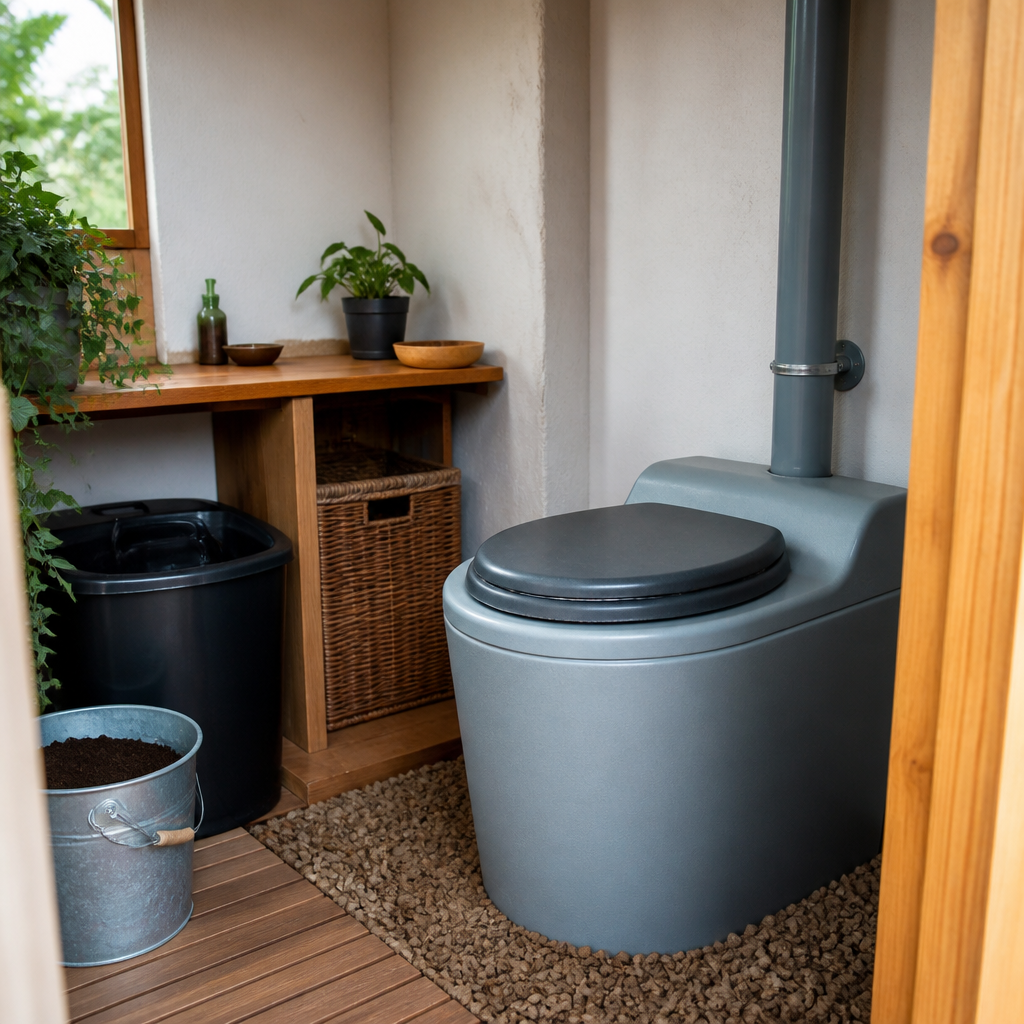
EcoSan refers to sanitation approaches that treat human excreta as a resource while protecting health and the environment. Common examples include urine-diverting dry toilets, composting toilets, dehydrating vault systems, and container-based sanitation linked to treatment and reuse. These systems are especially useful in places with water scarcity, rocky ground, flood risk, high water tables, or limited sewer access. For women, the benefits can be substantial: closer toilets, less waiting, fewer unsafe trips at night, and cleaner surroundings when waste is contained and treated properly.
The word properly is essential. EcoSan only improves women’s health if pathogen barriers are maintained from toilet use through storage, emptying, transport, treatment, and reuse. Urine diversion reduces moisture in the feces chamber, which can speed dehydration and reduce odor. Adding dry cover material such as ash or lime can further suppress smell, flies, and surface contamination. Resting vaults for the recommended period allows pathogen die-off before handling. These are not optional details. They are the difference between a healthy system and one that simply relocates exposure.
In practice, the best EcoSan installations combine engineering with behavior support. In one school project I assessed, the toilets themselves were technically sound, but girls avoided them because disposal bins were missing and doors did not latch. After those low-cost changes were made, use increased and maintenance improved because students felt the facilities respected their needs. That pattern is common. Sanitation is used consistently when it feels safe, private, and manageable within daily life.
Design features that make EcoSan toilets safer for women and girls
Women benefit from EcoSan systems when design responds to real patterns of use. Location matters first. Toilets should be close enough for routine access but not so close that odors, insects, or emptying activities disturb living and cooking areas. Routes should be lit, visible, and accessible for pregnant users, older adults, and people carrying children. Entrances need stable, slip-resistant surfaces and drainage that prevents pooling water or mud. Inside the cubicle, users need adequate turning space, a functional lock, ventilation, and surfaces that can be cleaned without damage.
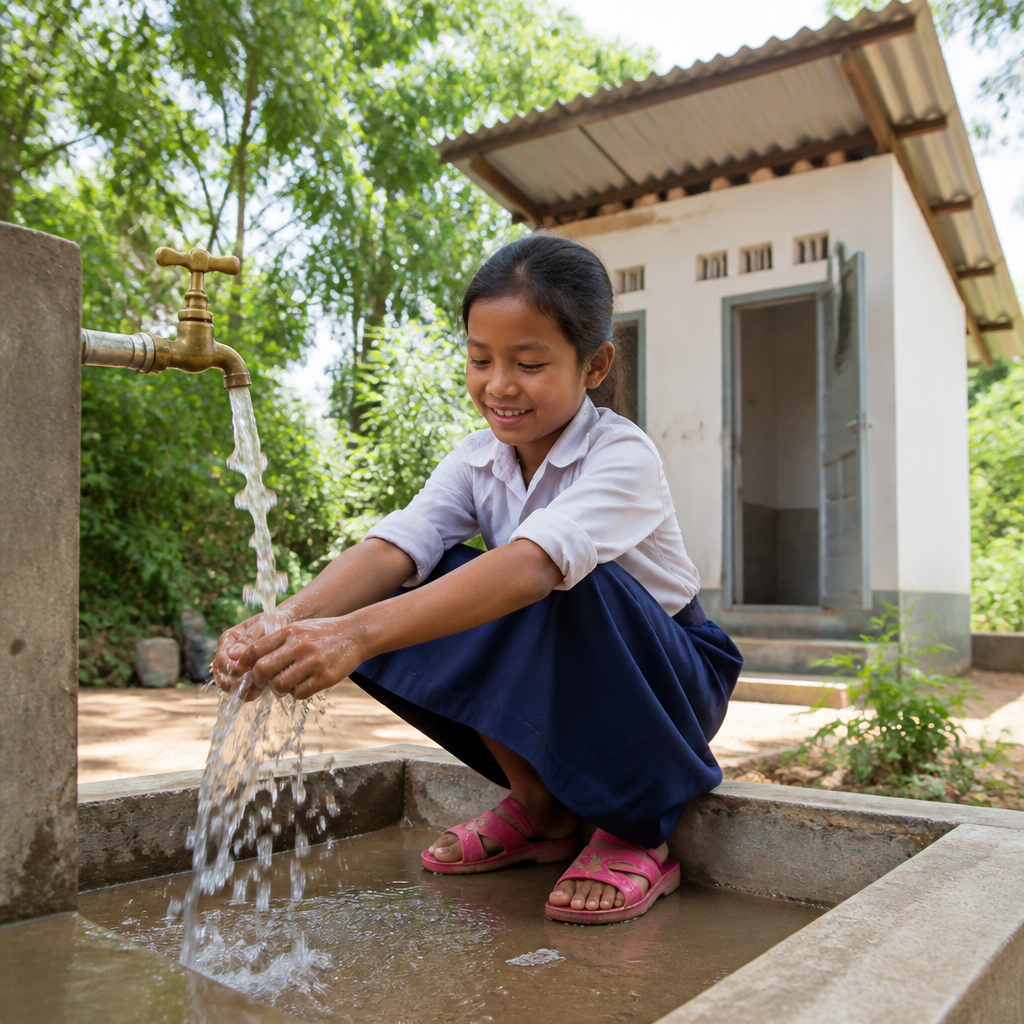
Separation and usability are equally important. Urine-diverting pans or seats must fit users of different ages and body sizes. If the geometry is awkward, urine and feces mix, odors rise, and cleaning burdens increase. Handwashing stations should be immediately adjacent, supplied with soap, and easy to refill. Menstrual hygiene requires a hook, shelf, water access where culturally appropriate, and a covered bin that can be emptied hygienically. For reusable materials, women need a private place to wash and dry them without stigma or contamination. In schools and markets, this often determines whether the facility is considered truly usable.
Maintenance access deserves equal attention. Doors, vault covers, and service hatches should allow safe emptying without requiring women or cleaners to enter confined, contaminated spaces. Personal protective equipment for maintenance staff is mandatory, not a luxury. Gloves, masks or respirators suited to dust exposure, boots, and hand hygiene supplies protect the workforce and reduce household exposure when workers return home.
| Design element | Why it matters for women’s health | Good EcoSan practice |
|---|---|---|
| Lockable door and lighting | Reduces fear, stress, and exposure to harassment | Install inside latch, exterior lighting, and visible approach path |
| Urine diversion and dry cover material | Lowers odor, flies, and surface contamination | Use correctly shaped pan and provide ash or lime at point of use |
| Handwashing with soap | Interrupts fecal-oral disease transmission | Place station within a few steps of exit and maintain daily |
| Menstrual disposal or washing support | Improves comfort, attendance, and hygienic management | Add bin, shelf, hook, water access, and discreet collection routine |
| Safe emptying access | Protects users and workers from direct contact with waste | Use sealed hatches, tools, PPE, and documented emptying intervals |
Managing pathogens, odors, and waste reuse without compromising health
The strongest argument for EcoSan is that excreta can be treated into safer products, but reuse is never a shortcut around hygiene. Feces may contain bacteria, viruses, protozoa, and helminths. Among these, helminth eggs are often the most persistent and are a key reason treatment standards matter. WHO guidance on safe use of wastewater, excreta, and greywater emphasizes multiple barriers: treatment, application controls, crop restrictions where needed, and worker protection. For household and community EcoSan systems, this means defining storage times, moisture control, pH management where relevant, and end-use restrictions that match actual treatment performance.
Urine is typically lower risk than feces but is not sterile once collected. Storage can reduce risk before agricultural use, and dilution or direct application practices should prevent crop burn and runoff. Treated fecal matter may be useful as a soil amendment, but only when the process has achieved adequate pathogen reduction. If treatment is uncertain, the material should not be handled casually or applied to crops eaten raw. This is where many small projects fail: enthusiasm for circularity outruns the treatment evidence.
Odor control is often dismissed as a comfort issue, yet it strongly affects health behavior. Persistent odor signals poor moisture balance, blocked ventilation, or user error, and it drives people back to unsafe alternatives. Flies indicate contamination pathways that can spread disease. Simple operational disciplines solve much of this: keep feces dry, add cover material after use, inspect vent pipes and screens, repair urine channels, and clean contact surfaces with appropriate agents. A clean-smelling toilet is more likely to be used, and a used toilet is more likely to deliver its intended public health benefit.
Operational practices that sustain safety in homes, schools, and public settings
Sanitation systems fail operationally before they fail structurally. The routine that protects women’s health includes cleaning schedules, refill protocols, fault reporting, emptying plans, and accountability for supplies. In schools, assign budget and staff responsibility for soap, water, bins, and minor repairs; otherwise girls quickly absorb the message that the facility is not for them. In public toilets and market settings, attendants need training on menstrual waste handling, user communication, and surface disinfection. In households, family members should know which chamber is active, when to switch vaults, and how long material must rest before removal.
Monitoring should be practical and visible. I recommend a short checklist that asks whether locks work, handwashing is stocked, cover material is available, floors are dry, bins are emptied, and service hatches are secure. These indicators are simple, but they predict whether women will use the facility regularly. More advanced programs can add environmental checks such as groundwater risk assessment, vector monitoring, and treatment record review. Digital tools like mWater, KoboToolbox, and Open Data Kit make routine inspections easier and create auditable maintenance histories.
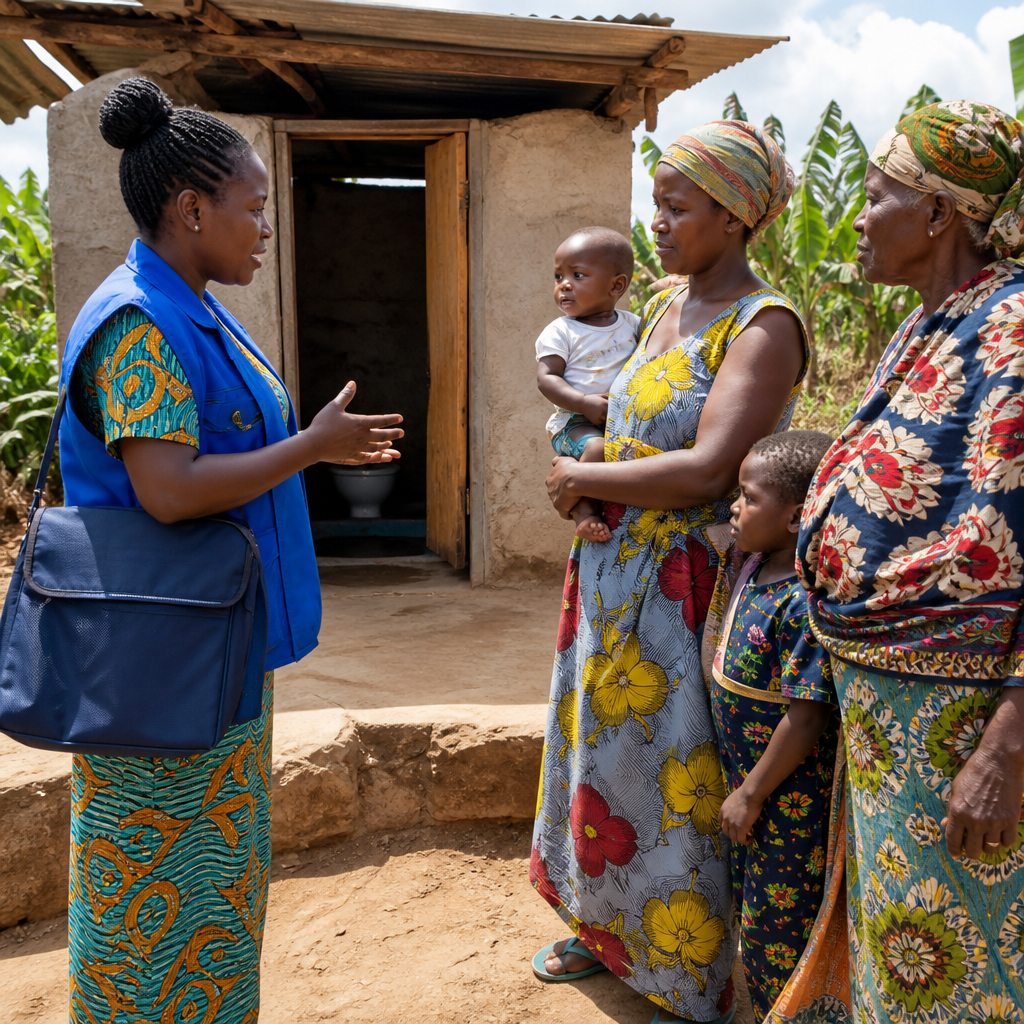
Community engagement is the final operating safeguard. Women should help choose locations, hours of access, disposal methods, and maintenance rules. Their involvement changes design priorities in ways technical teams often miss. For example, a women’s group may prioritize a waiting area with lighting near market toilets, or request that emptied materials be transported on specific days to reduce stigma. Those are not side issues. They are the practical details that determine whether a sanitation service protects health in real life.
Common risks, tradeoffs, and how to evaluate an EcoSan program
EcoSan is not automatically the best option in every context. Poorly managed dry systems can become dirty, smell strongly, and lose user acceptance. In very dense settlements, storing materials safely may be difficult. In flood-prone areas, above-ground systems can perform well, but only if structures are stable and service logistics remain intact during storms. Menstrual waste can disrupt some systems if no separate collection method exists. For users with disabilities, steps, narrow doors, and awkward squat plates can make an otherwise sustainable design exclusionary.
A credible evaluation therefore looks beyond installation counts. Measure sustained use, handwashing availability, privacy, nighttime safety, menstrual hygiene support, cleaning frequency, emptying safety, and treatment performance. Ask women whether they change drinking patterns to avoid toilet use, whether girls miss school during menstruation, and whether caregivers can assist children safely. Review whether workers have PPE and vaccinations where recommended. If agricultural reuse is part of the model, verify training, storage duration, and crop application practices. The most reliable EcoSan programs are the ones that treat user safety, worker protection, and environmental health as one chain.
For organizations building a health and safety hub, the lesson is straightforward: improved sanitation enhances women’s health when the system is private, usable, maintained, and microbiologically controlled from first use to final disposal or reuse. EcoSan offers powerful advantages in water-stressed and off-grid settings, but it demands disciplined operation and women-centered design. Start with a risk assessment, involve women early, choose technology that local teams can maintain, and monitor what users experience day to day. When those fundamentals are in place, sanitation stops being a source of exposure and becomes what it should be: a reliable foundation for health, safety, and dignity.
Frequently Asked Questions
How does improved sanitation directly affect women’s health?
Improved sanitation has a direct and wide-ranging impact on women’s health because it reduces exposure to disease-causing organisms while also improving the conditions in which daily hygiene happens. When women and girls have access to safe, private toilets, reliable handwashing facilities, and effective waste treatment, the risk of diarrheal disease, intestinal infections, skin problems, and some reproductive and urinary health complications can decline significantly. Poor sanitation often means contact with contaminated surfaces, unsafe disposal of human waste, and limited access to clean water for washing, all of which increase infection risk. Women may be especially affected during menstruation, pregnancy, after childbirth, and when caring for children or sick family members, because these situations involve frequent hygiene needs and greater vulnerability to infection.
Sanitation also affects health in less visible but equally important ways. If toilets are unsafe, too far away, or unusable at night, many women delay urination or bowel movements, reduce food and water intake, or avoid washing when they need to. Over time, these coping behaviors can contribute to dehydration, constipation, urinary tract discomfort, and stress. Better sanitation supports not just physical health, but dignity, rest, mobility, and peace of mind. In practice, enhancing women’s health through sanitation means treating toilets, handwashing, menstrual hygiene, and waste management as one connected system rather than isolated services.
Why is menstrual hygiene management such an important part of sanitation for women and girls?
Menstrual hygiene management is a core part of sanitation because menstruation is a routine biological process that requires privacy, clean materials, water, soap, and safe disposal options. Without those basics, women and girls may struggle to manage their periods comfortably and hygienically. A sanitation system that ignores menstruation is incomplete, because it fails to meet one of the most regular and practical health needs many women face. Good menstrual hygiene infrastructure includes private toilets with doors that lock, access to water for washing the body and reusable materials, soap for hand hygiene, and bins or systems for safe disposal. These features help reduce embarrassment, stress, and the chance of poor hygiene practices caused by lack of options.
The benefits go beyond comfort. When women and girls can manage menstruation safely, they are more likely to attend school, go to work, participate in community life, and move confidently through their day. Lack of menstrual hygiene support can lead to absenteeism, social withdrawal, and unsafe workarounds such as using unclean absorbent materials or changing products in unhygienic environments. This is why menstrual hygiene is not a niche issue; it is central to public health, gender equity, and sanitation planning. Any serious effort to improve women’s health through sanitation should include menstrual needs from the beginning, not as an afterthought.
What is ecological sanitation, or EcoSan, and how can it benefit women’s health?
Ecological sanitation, often called EcoSan, is an approach to sanitation that aims to protect human health while also conserving water and recovering valuable nutrients from human waste. Instead of viewing waste only as something to dispose of, EcoSan systems are designed to manage it safely and, in many cases, turn treated outputs into useful resources such as fertilizer or soil amendments. Common EcoSan models may separate urine and feces, reduce water use, and rely on treatment methods that limit contamination and make reuse safer. The central idea is that sanitation should break the cycle of disease while supporting environmental sustainability and resource efficiency.
For women, EcoSan can offer several meaningful advantages when it is well designed and properly maintained. Because many EcoSan systems use little or no water, they can be especially useful in places where women and girls bear the burden of water collection. Reducing water demand can save time, physical effort, and household stress. Well-planned EcoSan toilets can also provide privacy, cleanliness, and safer containment of waste, which supports menstrual hygiene and reduces contact with pathogens. In agricultural communities, nutrient recovery can strengthen food production and household resilience, indirectly benefiting women’s nutrition and economic security. However, these benefits depend on good design, user education, safe handling protocols, and cultural acceptance. EcoSan is most effective when it is introduced as part of a broader health and sanitation strategy that centers user safety, convenience, and dignity.
How do sanitation, privacy, and safety affect women’s daily lives beyond disease prevention?
Sanitation shapes women’s daily lives far beyond infection control because it influences privacy, personal security, time use, and the ability to participate fully in school, work, and community life. A toilet that is close, clean, well lit, and secure can make ordinary routines much easier and safer. In contrast, facilities that are distant, shared without safeguards, broken, or lacking doors may expose women and girls to fear, harassment, or shame. This can force them to change their routines in harmful ways, such as waiting until dark to use the toilet, avoiding drinking water during the day, or skipping school and work when sanitation needs feel impossible to manage.
These pressures have a cumulative effect. Poor sanitation can limit mobility, interrupt sleep, increase anxiety, and reduce concentration. It can also make caregiving harder, especially for mothers, pregnant women, elderly women, and women with disabilities who need sanitation that is accessible and dependable. Improved sanitation creates the conditions for dignity and autonomy. It allows women to manage bodily needs without fear, handle menstruation discreetly, care for children more safely, and maintain hygiene throughout the day. In this way, sanitation is closely tied to opportunity. When women have safe sanitation, they gain not only health protection but also greater control over their time, comfort, and participation in public and economic life.
What should communities and policymakers prioritize to improve sanitation for women and girls?
Communities and policymakers should prioritize sanitation as an integrated health and equity issue, which means planning for toilets, handwashing, menstrual hygiene, water access, and safe waste treatment together. The first priority is universal access to toilets that are safe, private, clean, and convenient to use. Facilities should have doors that lock, adequate lighting, ventilation, and designs that accommodate pregnancy, disability, aging, and caregiving responsibilities. Handwashing stations with soap and water should be consistently available near toilets, because hand hygiene is one of the most effective ways to reduce the spread of disease. Menstrual hygiene needs should be built into every sanitation plan through water access, disposal systems, and private space for changing and washing.
Equally important is long-term system management. Sanitation improvements do not succeed if facilities are built and then neglected. Policymakers should invest in maintenance, waste treatment, behavior change education, and community engagement so systems remain safe and trusted over time. In settings using EcoSan or other resource-recovery approaches, training is essential to ensure waste is handled and treated correctly. Women and girls should be involved in planning and decision-making from the start, because they best understand the barriers that affect privacy, safety, and daily usability. When policies reflect women’s lived experience, sanitation solutions become more practical, more inclusive, and more effective at delivering better health outcomes.