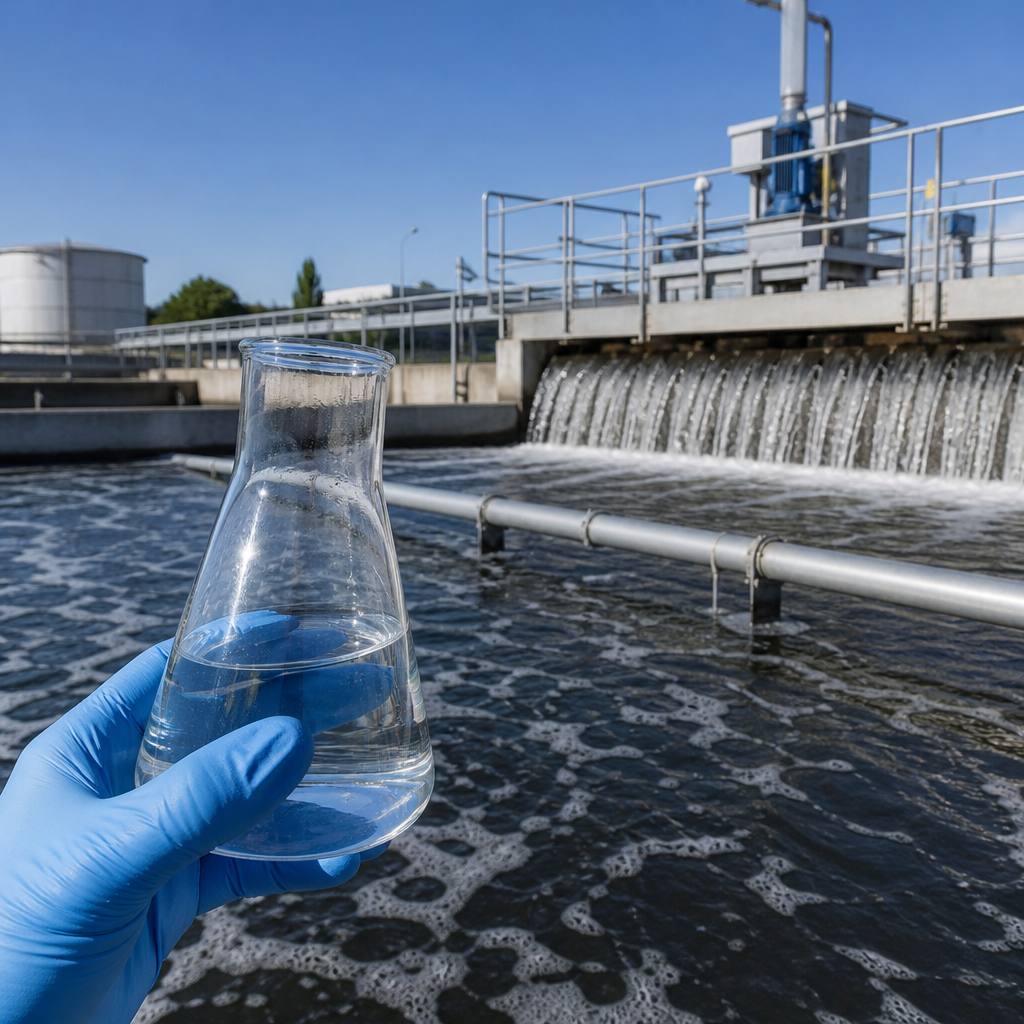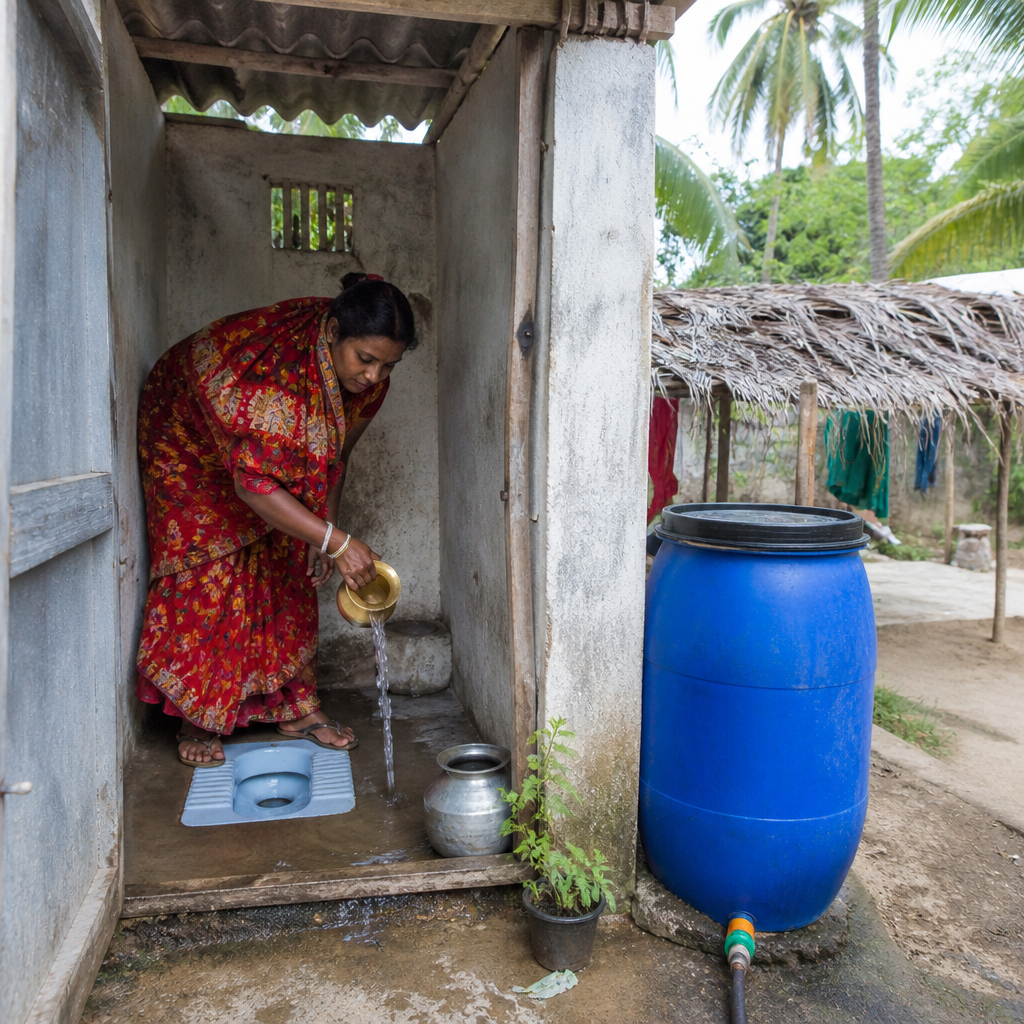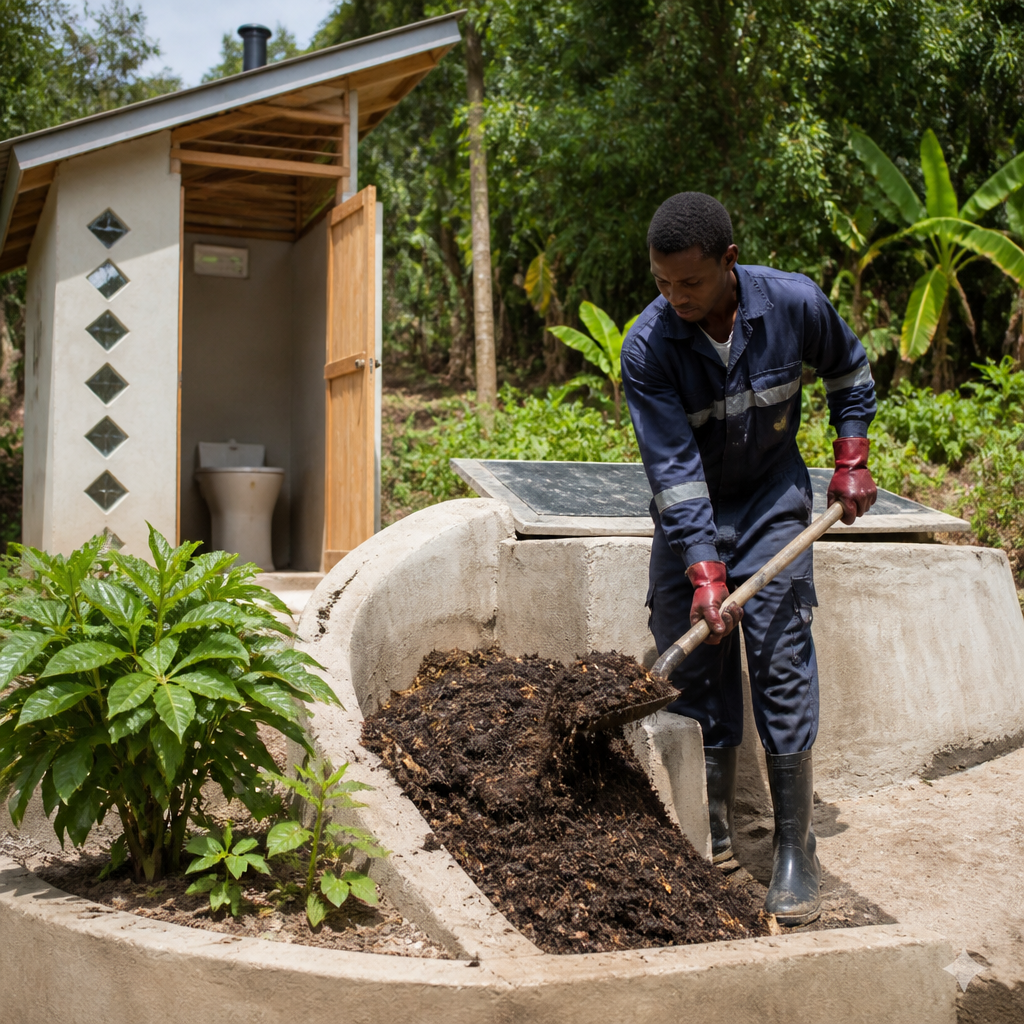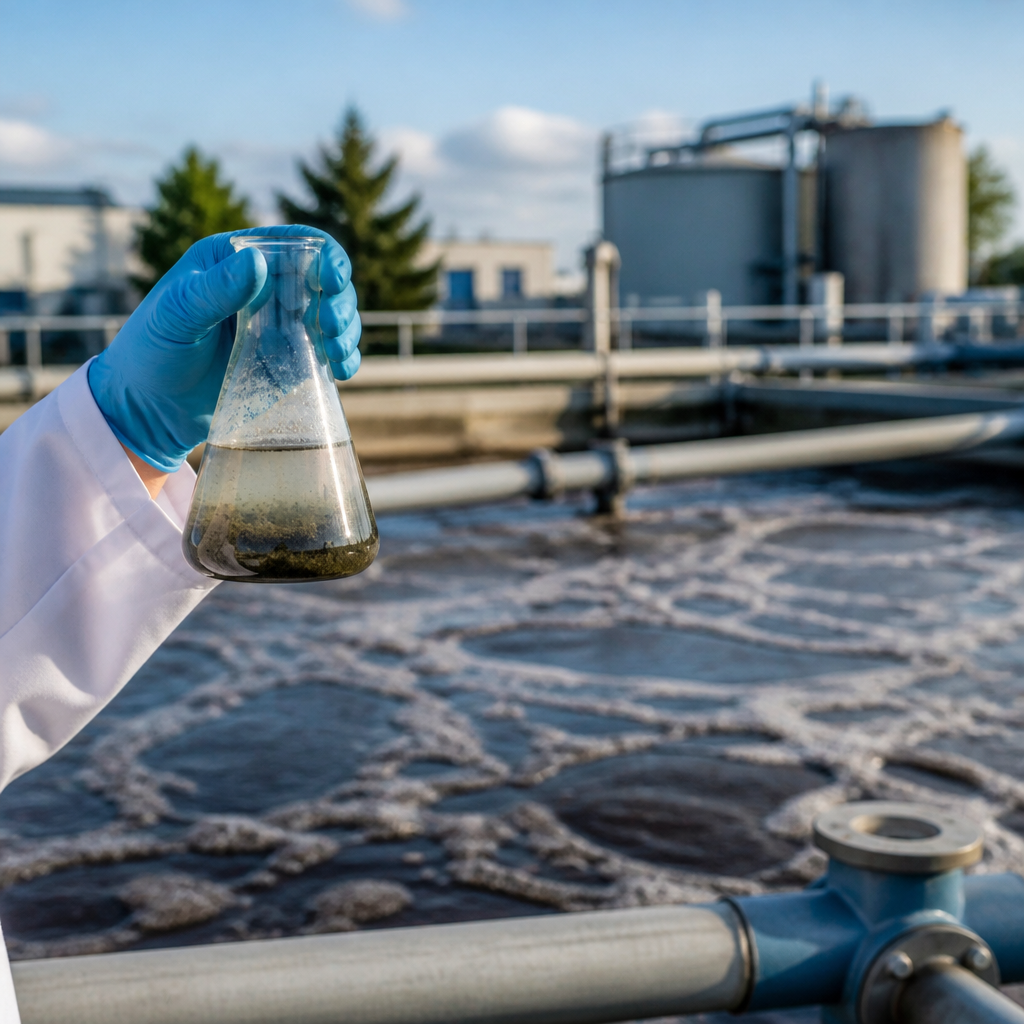
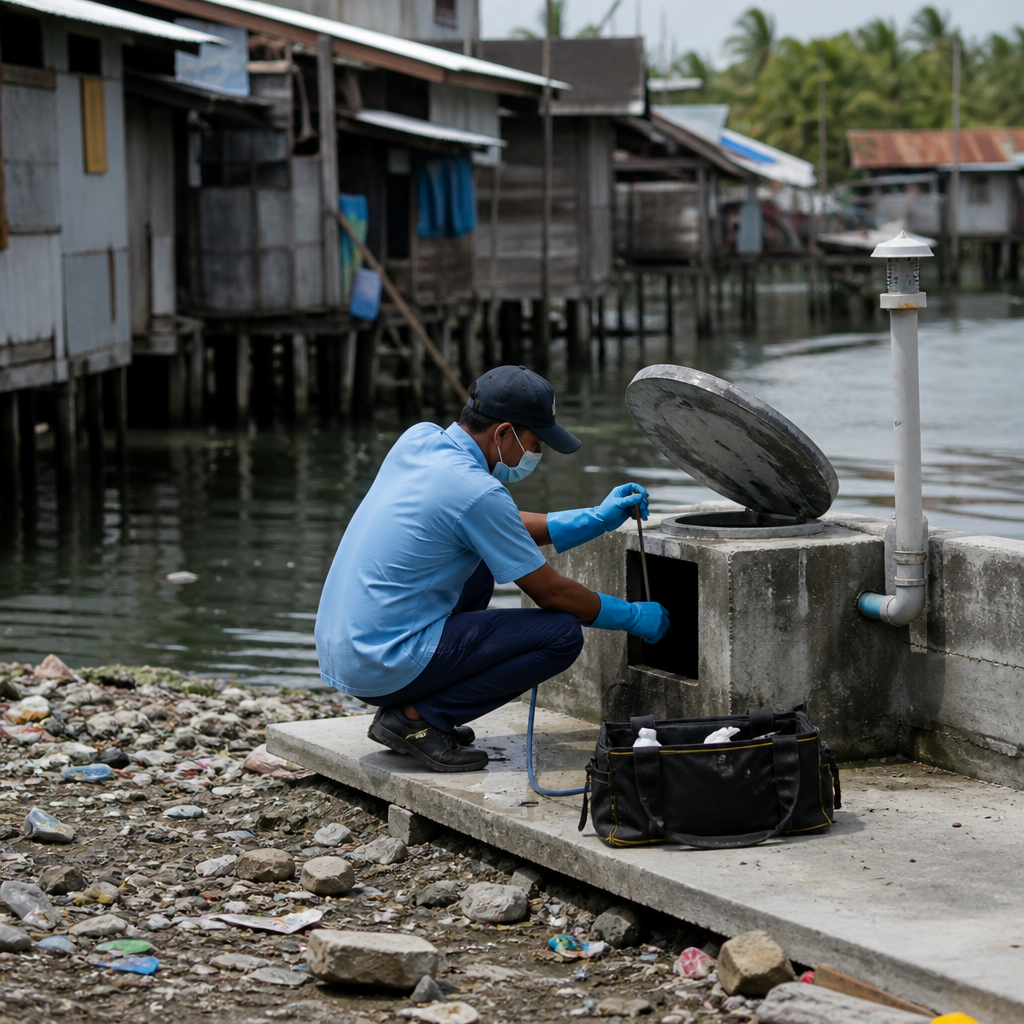
Improving sanitation in coastal regions requires research that accounts for saltwater intrusion, dense seasonal populations, fragile ecosystems, and infrastructure that fails differently than inland systems. In practice, coastal sanitation means the safe collection, treatment, reuse, or disposal of human waste and wastewater in places where groundwater is often shallow, flooding is common, and untreated discharge can quickly contaminate fisheries, beaches, mangroves, and drinking supplies. Research findings matter here because standard sewerage models, septic designs, and fecal sludge management plans often underperform when corrosion, storm surge, erosion, and tourism pressure are added to the equation. I have seen projects that looked technically sound on paper lose effectiveness within one monsoon season because pit latrines flooded, pumps corroded, or desludging routes became impassable. That gap between design assumptions and coastal reality is why advancing research in sanitation is not an academic exercise; it is the basis for public health protection, regulatory compliance, and climate resilience. This hub article brings together the most important findings, methods, and innovation pathways shaping sanitation research in coastal regions today, with a focus on what decision-makers, engineers, utilities, and communities can apply.
Why Coastal Sanitation Research Demands Its Own Evidence Base
Coastal regions are not just inland settlements placed near water. They have distinct hydrogeology, land use patterns, and risk profiles that change how sanitation systems behave. Shallow water tables reduce the vertical separation needed for on-site containment. Salinity affects concrete durability, metal fittings, pumps, and biological treatment performance. Tides can reverse hydraulic gradients, which means contaminants may move in unexpected directions through soils and drains. In deltas and low-lying islands, a one-meter sea level rise can significantly increase groundwater salinity and flood frequency, undermining latrines and septic systems long before permanent inundation occurs.
Research over the past decade has clarified a central point: the sanitation chain must be studied as a whole. It is not enough to count toilets. Investigators now trace excreta from containment to emptying, transport, treatment, discharge, and reuse. This full-chain perspective has exposed why nominal access rates can look acceptable while pathogen exposure remains high. In several coastal municipalities, household surveys reported high latrine coverage, yet environmental sampling found widespread fecal contamination in storm drains, canals, and shellfish beds. The explanation was poor containment integrity, illegal bypasses, and untreated sludge dumping. The policy implication is straightforward: coastal sanitation performance must be measured by service outcomes, not infrastructure presence alone.
Another reason for a dedicated evidence base is economic concentration. Coastal areas often host ports, hotels, fish processing, aquaculture, and tourism economies that depend on water quality. A single sanitation failure can trigger beach advisories, seafood contamination events, and disease outbreaks that damage livelihoods. Studies from South Asia, West Africa, the Caribbean, and Southeast Asia consistently show that the cost of inaction extends beyond health systems into tourism revenue, property values, and ecosystem restoration budgets. That broader cost frame has helped sanitation research gain traction with finance ministries and coastal planning agencies that previously saw it as a narrow public works issue.
What Recent Research Says About Health and Environmental Risk
The strongest research finding is that coastal sanitation failures amplify both human exposure and ecological harm. Enteric pathogens move rapidly through flooded neighborhoods, open drains, and tidal channels. When fecal contamination reaches nearshore waters, it affects bathers, shellfish harvesters, and fish markets. Investigators commonly track Escherichia coli, enterococci, helminth eggs, and viral markers, but newer studies increasingly use microbial source tracking to distinguish human waste from livestock or wildlife sources. That distinction matters because interventions differ. If contamination is predominantly human, then containment upgrades and sludge treatment will have the highest payoff.
Evidence from environmental surveillance also shows that contamination spikes after rainfall and during peak tourism periods. In one common pattern, loads increase because stormwater infiltrates damaged sewers and overflows lift stations, while restaurants, guesthouses, and informal rentals generate wastewater volumes far beyond baseline assumptions. Researchers now combine rainfall data, occupancy records, and water quality sampling to identify seasonal failure points. This has improved capital planning because utilities can size assets for realistic peak loads rather than annual averages.
Antimicrobial resistance is another priority. Coastal discharge zones receive wastewater from households, clinics, and industry, creating conditions where resistant organisms and resistance genes can spread. Although this field is still developing, findings already support tighter control of untreated wastewater and stronger monitoring around hospitals, outfalls, and aquaculture operations. In practical terms, sanitation research is no longer limited to diarrhea prevention. It now intersects with food safety, marine ecology, and One Health surveillance.
Advancing Research in Sanitation Through Better Data, Methods, and Monitoring
The most useful progress in advancing research in sanitation has come from combining engineering assessment with spatial data and public health monitoring. Fecal waste flow diagrams are now widely used to estimate how much excreta is safely managed versus unsafely discharged. In coastal cities, I have found these diagrams especially effective when paired with GIS layers showing flood extent, elevation, groundwater depth, and service gaps. Together they reveal where unsafe containment overlaps with the highest exposure risk.
Remote sensing and drones are improving settlement mapping in informal coastal areas where roads, waterways, and structures change quickly. Researchers use high-resolution imagery to track shoreline change, identify flooded sanitation assets, and locate drainage chokepoints. On the ground, smart sensors in pumping stations and treatment units provide operating data that was previously missing, such as pump runtimes, overflow frequency, and retention times. These data streams matter because many sanitation systems fail operationally before they fail structurally.
Household surveys also have become more sophisticated. Rather than asking only whether a family has a toilet, researchers now ask where sludge goes, how often pits flood, who empties them, whether graywater enters the same system, and how much households pay during emergencies. Those details expose the hidden service economy around sanitation. In many coastal towns, informal emptiers are essential because narrow lanes and tidal access routes limit conventional vacuum trucks. Research that ignores them produces unrealistic recommendations.
| Research method | What it measures | Why it matters in coastal regions |
|---|---|---|
| Fecal waste flow analysis | Share of waste safely contained, transported, treated, and reused or disposed | Shows where leakage to drains, beaches, and groundwater actually occurs |
| GIS and remote sensing | Elevation, flooding, shoreline change, settlement growth, asset exposure | Helps target investments in low-lying and rapidly changing coastal zones |
| Microbial source tracking | Whether contamination is human, livestock, or environmental in origin | Prevents misdirected interventions and improves regulatory action |
| Sensor-based operational monitoring | Pump performance, overflow events, retention time, power interruptions | Identifies hidden service failures before public health impacts escalate |
| Longitudinal household surveys | Flooding frequency, coping costs, emptying practices, user behavior | Captures seasonal stress and affordability constraints missed by one-time surveys |
Technology Findings: What Works, What Fails, and Under Which Conditions
Research does not support a single best technology for all coastal regions. Instead, it points to condition-based selection. Conventional septic tanks and soak pits often perform poorly where groundwater is shallow or saline intrusion is severe. Leakage can contaminate wells, and infiltration capacity may collapse during wet seasons. Raised latrines, sealed tanks, urine-diverting dry toilets, simplified sewers, small-bore solids-free sewers, container-based sanitation, and decentralized wastewater treatment systems each have a role when matched to site constraints and service capacity.
Decentralized systems are gaining attention because they reduce dependence on long trunk sewers that are expensive to protect from corrosion, infiltration, and sea level rise. Anaerobic baffled reactors, constructed wetlands, membrane bioreactors, and packaged treatment plants have all been tested in coastal contexts. The evidence suggests that treatment reliability depends less on technology branding than on operator skill, pretreatment quality, power stability, and sludge handling. I have seen simple baffled systems outperform more advanced units because the simpler process matched local maintenance capacity and spare parts supply.
Materials research is equally important. Saline and humid environments accelerate corrosion, especially in pumps, fasteners, electrical panels, and reinforcement steel. Studies repeatedly recommend marine-grade materials, protective coatings, cathodic protection in some applications, and better separation between electrical equipment and flood-prone zones. These choices raise capital cost, but lifecycle analysis usually shows lower total expenditure because emergency repairs and replacement intervals drop sharply. That is a recurring research lesson in sanitation: cheapest upfront is often most expensive over ten years.
Resource recovery has also moved from pilot novelty to practical strategy. Treated effluent can support landscape irrigation or industrial uses where regulations permit. Stabilized biosolids or co-composted products can serve agriculture if pathogen reduction and contaminant standards are met. Biogas from anaerobic digestion can offset treatment energy demand. In coastal regions with scarce land and high disposal costs, these pathways improve financial viability, but only when quality control, market demand, and public communication are built into system design from the start.
Governance, Finance, and Community Factors Driving Better Outcomes
Technical evidence alone does not improve sanitation unless institutions can act on it. One of the clearest research findings is that fragmented responsibility undermines coastal sanitation. Utilities may manage sewers, municipalities regulate drains, environmental agencies monitor beaches, and health departments track outbreaks, yet no single body owns the entire sanitation chain. Successful programs create coordination mechanisms with shared indicators, joint budgeting, and common emergency protocols. Without that structure, investments shift problems downstream rather than solving them.
Finance research shows that coastal sanitation needs blended funding. Household contributions rarely cover the cost of resilient containment, regular desludging, transfer stations, treatment, and climate-proofed infrastructure. Public subsidy is usually justified because benefits include disease reduction, tourism protection, fisheries preservation, and reduced environmental cleanup costs. Tariff design matters as well. Flat tariffs can discourage conservation and fail to recover peak-season operating costs, while volumetric charges alone may miss unsewered services entirely. Better models combine user fees, municipal transfers, tourism levies, and performance-based grants tied to verified treatment and environmental compliance.
Community engagement remains a research-backed determinant of success. In coastal settlements, sanitation behavior is shaped by tides, shared compounds, rental housing, fishing schedules, and seasonal migration. Programs work better when communities help validate flood maps, identify informal service providers, and test designs for accessibility and privacy. Women, informal landlords, and sanitation workers often understand system failure points long before utilities do. Participatory research has repeatedly uncovered practical issues such as desludging trucks blocked by market stalls, or elevated toilets rejected because stair access was unsafe for older users at night.
Climate Adaptation and the Future Research Agenda
Climate change is turning coastal sanitation research into a resilience discipline. Sea level rise, stronger storms, changing rainfall intensity, and chronic flooding alter the design envelope for every part of the sanitation chain. The future research agenda is therefore centered on adaptation thresholds: at what salinity level does biological treatment performance decline, at what flood depth do containment units fail, and at what recurrence interval does relocation become more cost-effective than hardening assets in place? These are decision questions, not abstract climate scenarios.
Researchers are also focusing on interoperability between sanitation and other urban systems. Drainage, solid waste, housing, roads, and energy all influence sanitation performance. A blocked drain can flood toilets; poor solid waste collection can disable pumping stations; power outages can cause untreated bypasses. The next generation of studies is using integrated risk models rather than isolated sector analyses. That shift is essential for coastal planning because infrastructure interactions are most visible during storms and peak tourist demand.
This hub on advancing research in sanitation should guide readers toward deeper work on treatment technologies, fecal sludge management, environmental surveillance, behavior change, utility reform, and adaptation planning. The evidence is already strong on several points. Coastal regions need full-chain sanitation planning, climate-resilient design standards, operational monitoring, and governance that connects public health with environmental protection. They also need research that continues beyond pilot projects into long-term performance, cost, and user acceptance. If you are shaping policy, funding infrastructure, or evaluating technology, use these findings to ask harder questions, demand better data, and prioritize systems that remain safe under coastal conditions.
Frequently Asked Questions
Why is sanitation in coastal regions more difficult than sanitation in inland areas?
Sanitation in coastal regions is more complex because the environmental and infrastructure conditions are fundamentally different from those found inland. In many coastal communities, groundwater sits very close to the surface, which makes conventional pit latrines and poorly sealed septic systems much riskier. When the water table is high, waste can move quickly into surrounding soil and groundwater, carrying pathogens, nutrients, and chemicals into wells, lagoons, estuaries, and nearshore waters. Saltwater intrusion adds another layer of difficulty, since saline conditions can corrode pipes, pumps, tanks, and treatment equipment faster than expected and can also affect the biological processes that many treatment systems rely on.
Population patterns also play a major role. Coastal areas often experience strong seasonal swings because of tourism, fishing cycles, and temporary labor movement. A system designed for a small resident population may be overwhelmed during peak months, leading to overflows, untreated discharge, and rapid environmental contamination. At the same time, many coastal ecosystems are unusually sensitive. Mangroves, coral reefs, shellfish beds, and beaches can all be damaged by wastewater pollution, and those impacts can quickly affect food security, public health, and local livelihoods. Research consistently shows that coastal sanitation planning must account for flooding, erosion, storm surge, land scarcity, and ecosystem vulnerability from the start, rather than treating sanitation as a standard engineering problem with only minor site adjustments.
What have research findings shown about the biggest sanitation risks in coastal communities?
Research has identified several recurring risk factors that make sanitation failures more likely and more harmful in coastal settings. One of the most important is flooding. Heavy rain, tidal inundation, and storm surge can flood toilets, septic tanks, pit latrines, pumping stations, and treatment facilities, causing direct release of untreated or partially treated waste into surrounding neighborhoods and waterways. In areas with shallow aquifers, even systems that appear to function normally during dry periods may leak or contaminate water sources once soils become saturated. Studies also point to the danger of relying on sanitation designs developed for inland conditions, because those systems often perform poorly where salinity, unstable soils, and regular inundation are present.
Another major finding is that contamination pathways in coastal regions are often faster and wider than decision-makers assume. Untreated wastewater does not stay in one place. It can move through groundwater, drainage channels, tidal creeks, and stormwater networks, eventually reaching beaches, fisheries, and drinking water supplies. This means sanitation is not only a household issue but a broader coastal water quality issue. Research also highlights the importance of operation and maintenance. Even well-designed systems can fail if desludging services are unavailable, power supplies are unreliable, treatment units are not sized for peak demand, or spare parts are too costly. In short, the evidence shows that coastal sanitation risk is shaped by a combination of hydrology, climate exposure, infrastructure durability, and service management, not just by whether a toilet is present.
Which sanitation approaches tend to work best in coastal regions?
The most effective sanitation approaches in coastal regions are usually those that are adapted to local water levels, flood exposure, land constraints, and long-term maintenance capacity. Research does not support a single universal solution. Instead, it points toward context-specific systems that safely contain waste above or away from flood-prone groundwater, reduce leakage, and include realistic plans for collection, transport, treatment, and final reuse or disposal. In some settings, this may mean raised or sealed containment systems, simplified sewers designed for dense settlements, decentralized treatment units, or fecal sludge management models that rely on scheduled emptying rather than household-by-household emergency service. The key principle is that containment and treatment must remain reliable even during wet seasons and extreme weather events.
Studies also emphasize that treatment and disposal choices matter just as much as toilet design. A community may improve household access to sanitation, but if sludge is later dumped into wetlands or nearshore waters, the public health and environmental benefits are lost. For that reason, stronger coastal sanitation programs typically integrate the entire service chain: safe capture, regular removal, appropriate treatment, and monitored end use or discharge. Researchers have also found that modular and decentralized systems can be especially useful in coastal areas where land is limited, settlements are dispersed, or centralized sewer expansion is financially unrealistic. What works best is generally a resilient mix of engineering, service delivery, and environmental protection measures tailored to how people actually live and how coastal systems actually behave.
How does poor sanitation affect coastal ecosystems, fisheries, and public health?
Poor sanitation can damage coastal ecosystems very quickly because wastewater pollutants often travel directly into sensitive environments. When untreated sewage enters estuaries, beaches, tidal flats, or mangrove channels, it introduces pathogens, excess nutrients, and organic matter that can degrade water quality and alter ecosystem balance. Nutrient loading may contribute to algal blooms and low-oxygen conditions, while pathogen contamination can make recreational waters unsafe and increase disease risks for nearby residents. In shellfish-growing areas, contamination is particularly serious because filter-feeding species can accumulate harmful microorganisms, creating a direct link between sanitation failure and foodborne illness.
The public health consequences extend well beyond obvious sewage exposure. Contaminated groundwater can affect drinking water sources, especially where wells are shallow or poorly protected. Children are often at greatest risk, since repeated exposure to fecal contamination is associated with diarrheal disease, parasitic infection, and broader impacts on nutrition and development. Economic consequences follow closely behind. Fisheries may decline in quality or marketability, beach tourism can suffer, and communities may face higher healthcare costs and lost income. Research increasingly frames coastal sanitation as a cross-sector issue: protecting sanitation systems helps protect marine resources, household water safety, local economies, and community resilience all at once. That broader perspective is one of the most important findings in recent coastal sanitation research.
What should governments, planners, and communities prioritize to improve coastal sanitation effectively?
Research suggests that effective improvement begins with better risk-informed planning. Governments and planners should start by mapping flood zones, groundwater depth, erosion risk, population density, seasonal population changes, and proximity to sensitive ecosystems such as reefs, mangroves, beaches, and fishing grounds. Those factors should guide technology selection, siting decisions, and investment priorities. Coastal sanitation cannot be treated as a copy-and-paste version of inland infrastructure planning. Standards for containment, setbacks, drainage integration, and treatment performance may need to be stricter because the consequences of failure spread quickly and affect more sectors.
Equally important is strengthening the full service system, not just building more toilets. That includes financing for routine maintenance, reliable fecal sludge collection, resilient treatment capacity, trained local operators, corrosion-resistant materials, and emergency plans for storms and flooding. Communities should be involved early because user behavior, land tenure, affordability, and local acceptance strongly influence whether systems are used and maintained properly. Researchers also emphasize the value of ongoing monitoring, including water quality testing, system performance checks, and adaptive management as climate conditions and settlement patterns change. The most successful coastal sanitation strategies are practical, locally grounded, and designed for long-term resilience. They combine engineering, governance, public health, and ecosystem protection rather than addressing each one in isolation.