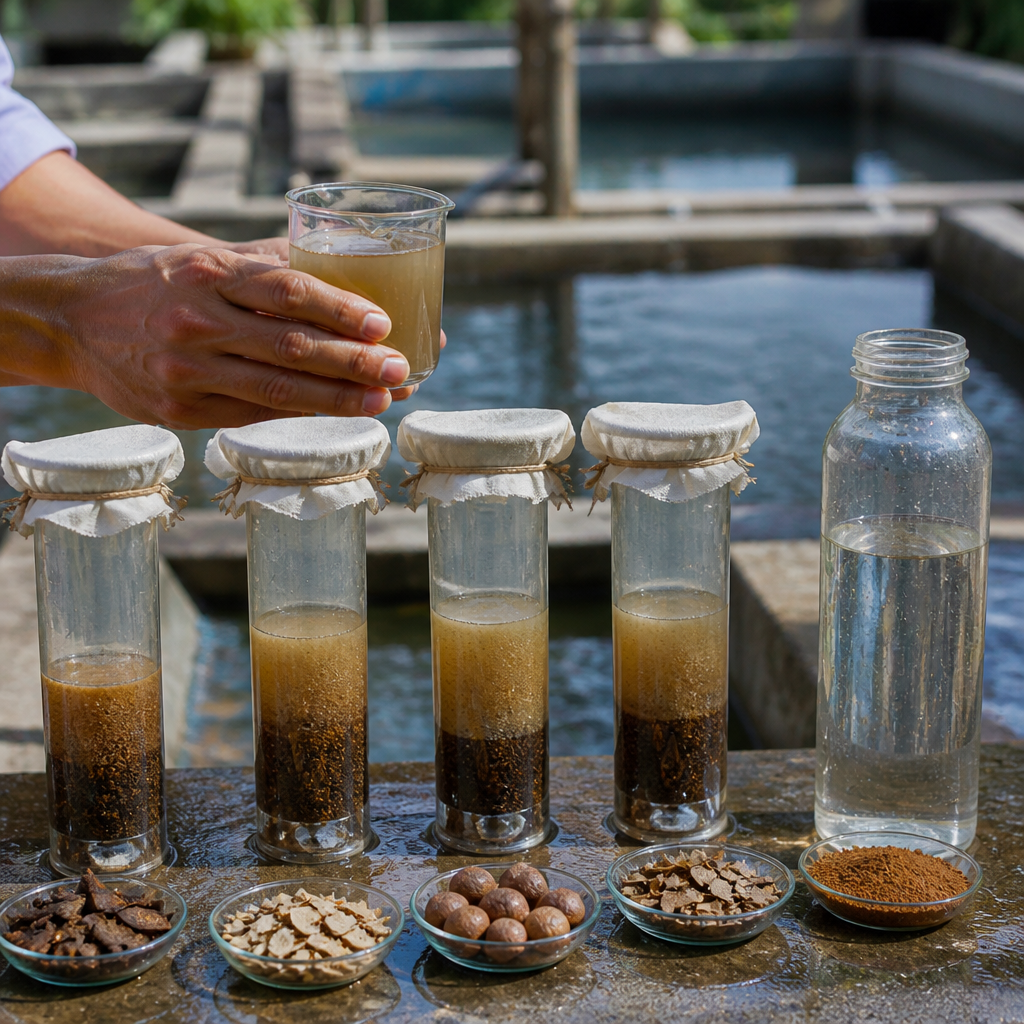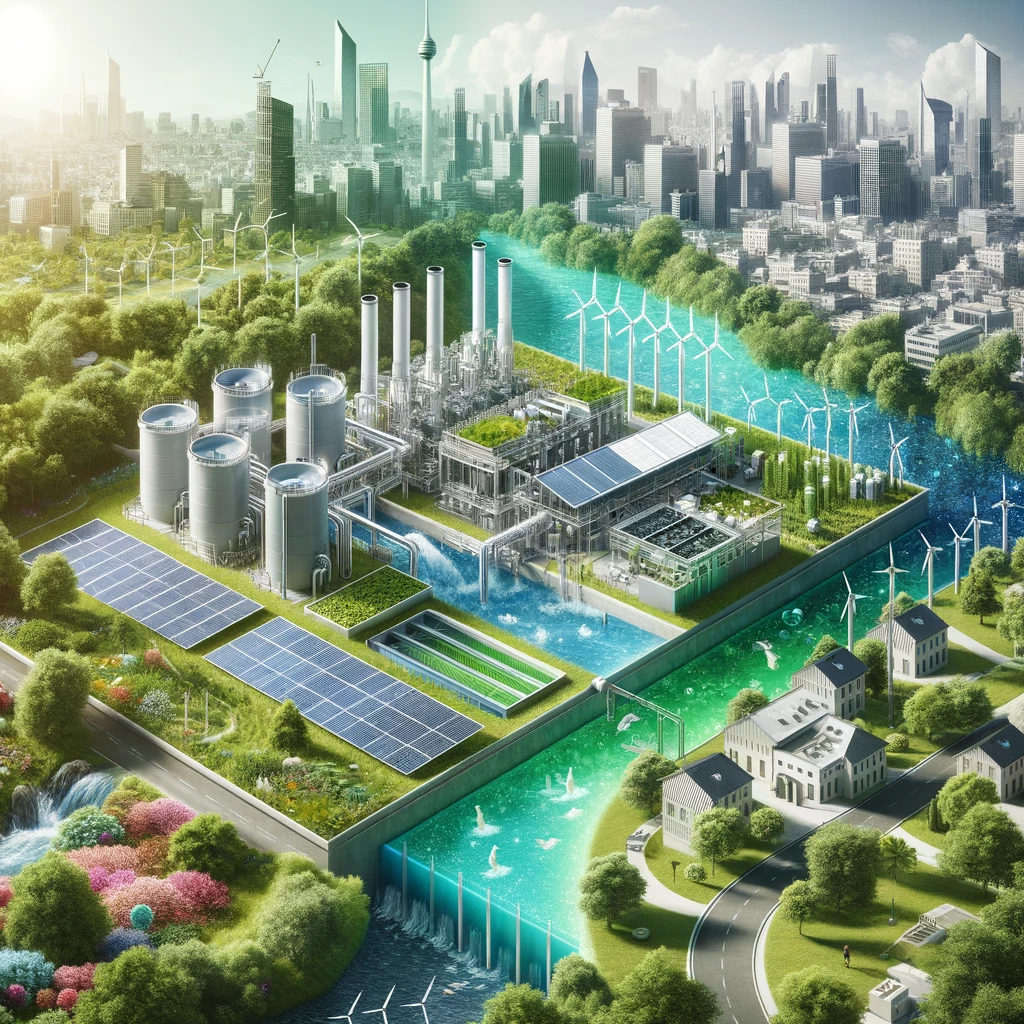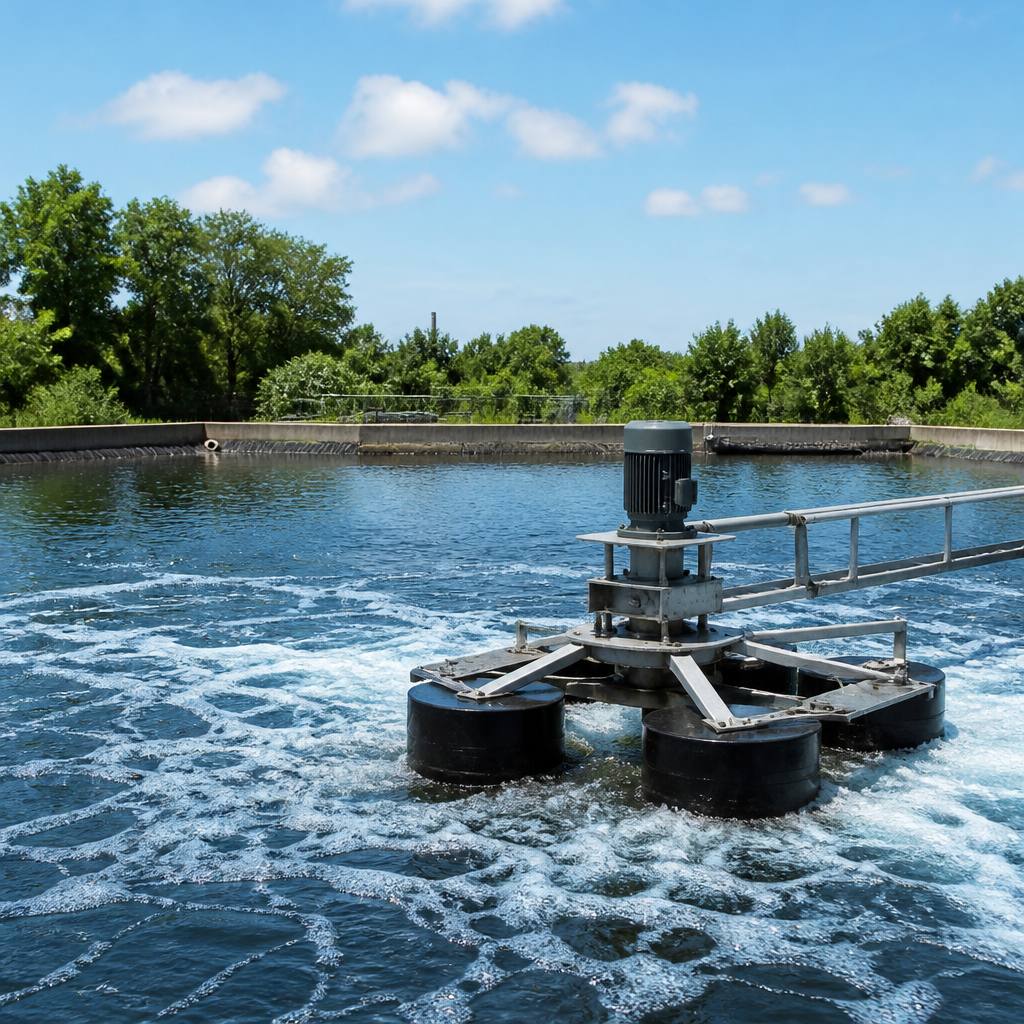
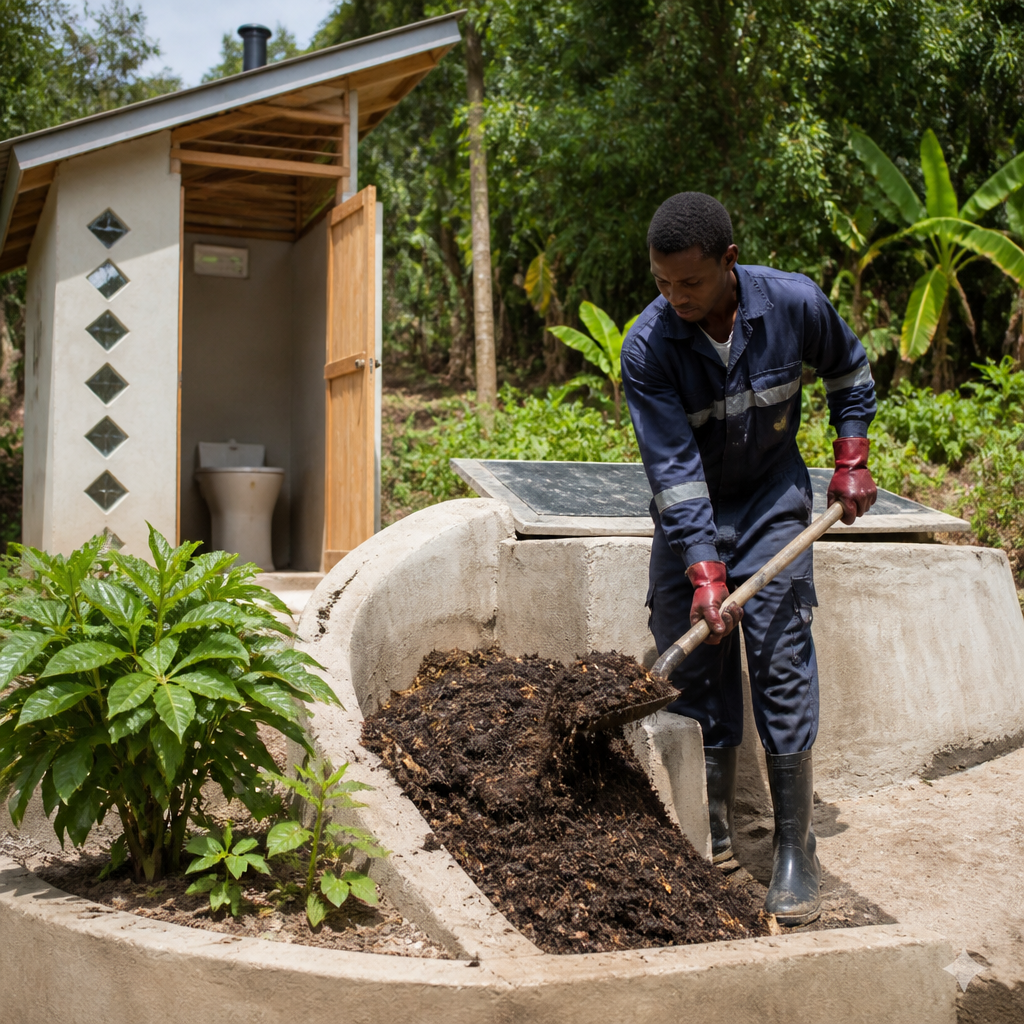
Enhancing nutrient recovery in EcoSan systems has become one of the most practical ways to turn sanitation from a disposal problem into a resource strategy for agriculture, water protection, and climate resilience. Ecological sanitation, usually shortened to EcoSan, refers to sanitation approaches that safely separate, treat, and reuse human excreta and related organic wastes instead of treating them only as waste streams. In practice, that includes urine-diverting dry toilets, source-separated collection, dehydration, composting, struvite precipitation, ammonia recovery, blackwater treatment, and decentralized reuse systems. The central goal is simple: capture nutrients such as nitrogen, phosphorus, and potassium before they pollute waterways, then return them to soils in forms crops can use.
This topic matters because conventional sanitation and fertilizer systems are inefficient when viewed together. Wastewater infrastructure often dilutes valuable nutrients, making recovery expensive downstream, while farming depends heavily on synthetic fertilizers produced with finite phosphate rock and energy-intensive nitrogen processes. I have seen this gap clearly in project planning: the sanitation team tries to remove nutrients to meet discharge permits, and the agriculture team buys those same nutrients back in bags. EcoSan technologies close that loop. They also support food security, reduce eutrophication, lower treatment loads, and create new business models for local service providers. As a hub topic under technological innovations and research, nutrient recovery in EcoSan sits at the intersection of engineering, public health, agronomy, product design, and regulation, making it a foundational area for modern circular sanitation.
Why nutrient recovery is central to modern EcoSan design
Nutrient recovery is not an optional add-on in advanced EcoSan systems; it is the design principle that determines collection methods, treatment trains, user interfaces, and end-use markets. Human urine contains most of the excreted nitrogen and a large share of phosphorus and potassium, while feces contain substantial organic matter, residual nutrients, and pathogens that require stronger treatment barriers. That basic distribution shapes technology choices. If a system separates urine at the source, it can recover nitrogen more efficiently and reduce the treatment burden on solids. If it mixes all flows, recovery becomes possible but generally more energy- and infrastructure-intensive.
Research and field programs consistently show why this matters. Excess nitrogen and phosphorus discharged into lakes, rivers, and coastal waters drive algal blooms and oxygen depletion. At the same time, phosphorus is a critical plant nutrient with geographically concentrated reserves, and nitrogen fertilizer production depends heavily on natural gas through the Haber-Bosch process. Recovering these nutrients within EcoSan systems therefore addresses two problems simultaneously: pollution control and fertilizer supply. In decentralized settings, especially peri-urban settlements, schools, institutions, and off-grid developments, the economics can become compelling because source separation prevents dilution and preserves nutrient concentration from the start.
Good design begins with target products. Are you producing a sanitized liquid fertilizer, a precipitated phosphorus salt, compost-like soil amendment, dried fuel, or concentrated ammonia solution? Each product requires a different treatment pathway, quality standard, storage method, and market channel. The most successful projects define the end use first, then engineer the sanitation chain backwards from that destination.
Source separation technologies that preserve nutrient value
The fastest gains in nutrient recovery usually come from source separation, because nutrients are easiest to capture before they are diluted in greywater or mixed with large wastewater volumes. Urine-diverting dry toilets and urine-diverting flush toilets are the most established options. In both, the front section of the pan or pedestal collects urine separately, while feces move into another chamber or conveyance line. When installed and maintained correctly, these systems preserve a high-strength nutrient stream that can be stored, sanitized, concentrated, or converted into marketable fertilizer products.
From implementation experience, user interface details matter as much as reactor design. Poorly shaped pans, inadequate rinsing, or confusing instructions reduce separation efficiency and increase maintenance. Newer product development has improved this significantly. Manufacturers now use optimized bowl geometry, low-splash surfaces, trapless or micro-flush concepts, and more reliable urine diversion inserts. Sensors and smart valves are also being tested in institutional settings to track volume, detect clogging, and support service scheduling. These advances are especially important because precipitates can form in urine pipework, particularly calcium and magnesium phosphate scales, if hydraulic design is weak.
Vacuum collection and container-based sanitation models can also support nutrient recovery. Vacuum systems reduce water use and maintain high-strength blackwater, which improves downstream digestion or nutrient extraction. Container-based systems, when paired with separate urine collection and scheduled service logistics, can enable safe recovery in dense informal settlements where sewer expansion is slow or unaffordable. The common principle is controlled collection that protects material quality. Without that control, downstream recovery becomes more expensive, less predictable, and often commercially unviable.
Cutting-edge nutrient recovery processes and what they produce
Several technologies now move EcoSan beyond simple reuse toward engineered nutrient products with more consistent quality. Struvite precipitation is one of the best known. Struvite, chemically magnesium ammonium phosphate, forms when magnesium is added under the right pH conditions to streams rich in ammonium and phosphate. The result is a crystalline fertilizer that releases nutrients more slowly than many soluble fertilizers. Utilities and decentralized treatment operators use reactors designed to control crystal growth, improve harvest efficiency, and reduce unwanted scaling in pipes and pumps.
Ammonia recovery is another major area of innovation. Because urine rapidly hydrolyzes to ammonium and raises pH, it becomes a favorable feedstock for ammonia stripping, membrane contactors, and adsorption media. In practice, this means nitrogen can be captured as ammonium sulfate or related concentrated fertilizer products. Membrane-based systems are especially promising in modular EcoSan applications because they can fit into compact treatment units and produce standardized outputs. Electrochemical systems are also under research for nutrient concentration and disinfection, although energy demand and electrode durability still shape feasibility.
For phosphorus, technologies extend beyond struvite. Calcium phosphate precipitation, ion exchange, and ash-based phosphorus recovery from treated fecal sludge or sludge-derived char are being explored where thermal treatment is already part of the process. Black soldier fly bioconversion, pyrolysis, hydrothermal carbonization, and drying systems are also relevant when the aim is to stabilize organics while retaining nutrient value in residues. No single method is universally best; the right choice depends on feedstock composition, pathogen reduction targets, energy access, operator skill, and whether local farmers want liquid inputs, granules, or organic amendments.
| Technology | Main nutrient focus | Typical input stream | Primary output | Key operational note |
|---|---|---|---|---|
| Urine storage and direct reuse | N, P, K | Source-separated urine | Liquid fertilizer | Requires storage time and application controls |
| Struvite precipitation | P and N | Urine or high-strength sidestreams | Crystalline fertilizer | Needs magnesium dosing and pH management |
| Ammonia stripping or membrane capture | N | Hydrolyzed urine | Ammonium salt solution | Performance depends on pH, temperature, and membrane integrity |
| Composting or thermophilic treatment | Organic matter and residual nutrients | Feces with bulking material | Soil amendment | Must achieve pathogen reduction through time and temperature |
| Pyrolysis | P, K, carbon retention | Dried fecal solids | Biochar-like product | Requires dry feedstock and emissions control |
Safe treatment, quality assurance, and public health safeguards
Nutrient recovery only creates value if products are safe. That is the line responsible EcoSan projects never cross. Human excreta can contain bacteria, viruses, protozoa, helminths, pharmaceutical residues, and trace contaminants, so treatment must be matched to both the material and the intended reuse. The World Health Organization sanitation safety planning framework remains highly useful because it starts with hazard identification and requires multiple barriers across the service chain, from user behavior and collection to treatment, transport, storage, and field application.
Urine is often lower in pathogens than feces, but it cannot automatically be assumed safe. Storage can inactivate many pathogens under the right pH, temperature, and time conditions, yet contamination from fecal cross-over must be considered. Fecal solids generally require stronger controls, such as dehydration with sufficient retention time, thermophilic composting, alkaline treatment, thermal drying, or other validated processes. In projects I have reviewed, failures usually come not from the core treatment method but from weak quality assurance: no temperature logs, inconsistent moisture control, missing sampling plans, and poorly documented handling procedures.
Product standards and end-use specifications are essential for market acceptance. Farmers and regulators need clarity on nutrient concentration, moisture, pathogen indicators, heavy metals where relevant, and application guidance. Laboratories should verify total nitrogen, ammonium, available phosphorus, pH, electrical conductivity, and microbiological parameters linked to the risk profile. Trace organic contaminants remain an important research topic. Current evidence suggests the agronomic benefits of recovered nutrients are real, but treatment and use guidelines should still be conservative and context specific, especially for edible crops consumed raw.
Digital monitoring, modular systems, and research trends shaping the field
The most exciting changes in EcoSan today are not only biological or chemical; they are digital and system-level. Modular treatment skids now combine source-separated collection, sensors, dosing pumps, remote telemetry, and compact reactors into units suitable for campuses, apartment blocks, refugee settings, and eco-developments. Real-time monitoring helps operators track pH, conductivity, temperature, fill levels, and flow imbalances. That data is valuable because nutrient recovery systems can drift silently: a blocked urine line, failed magnesium dosing pump, or membrane fouling event can reduce product quality long before users notice anything is wrong.
Machine learning is beginning to support predictive maintenance and process optimization, though most deployments remain early stage. More mature innovations include cloud-based service scheduling for container collection, QR-linked batch traceability for recovered fertilizer, and digital field trials comparing crop response to recovered products against urea, diammonium phosphate, or compost controls. Life-cycle assessment is also becoming standard in serious research. It helps quantify tradeoffs among greenhouse gas emissions, eutrophication reduction, transport intensity, and energy use, which is critical because some high-tech recovery systems can lose their environmental advantage if they rely on carbon-intensive power or complex consumables.
Another trend is integration with broader resource recovery. EcoSan hubs increasingly combine nutrient recovery with water reuse, biogas generation, insect protein production, or biochar systems. This matters for business viability. A stand-alone recovered nutrient product may face a thin margin, but a bundled service model can spread capital cost, create multiple revenue streams, and improve resilience. Future research should focus on standardization, product certification, low-maintenance designs, and field performance over multiple seasons rather than only laboratory recovery rates.
Implementation strategies, economics, and pathways for scaling
Scaling nutrient recovery in EcoSan systems depends less on technical novelty alone and more on matching technology to governance, user behavior, and market demand. The best implementations begin with a service model, not just a toilet model. Who collects the material, who owns the treatment unit, who certifies the product, who sells it, and who carries liability if quality fails? These questions determine whether a pilot becomes a program. Municipalities, utilities, social enterprises, and farmer cooperatives can all play roles, but responsibilities must be explicit from the start.
Economically, source-separated systems often perform best where water savings, avoided sewer costs, nutrient value, and environmental benefits are all counted together. Direct fertilizer revenue alone may not repay infrastructure quickly, particularly at small scale. However, when projects include avoided desludging frequency, lower wastewater treatment loads, reduced chemical fertilizer imports, and compliance benefits, the business case strengthens. Schools and institutions are useful entry points because collection is concentrated, training can be repeated, and demonstration effects are strong. Urban agriculture networks also create nearby demand for recovered products, reducing logistics costs.
Policy support accelerates adoption. Building codes that allow urine-diverting fixtures, procurement standards for recovered fertilizers, and permitting pathways for decentralized treatment make a measurable difference. So do extension services that teach safe application rates and timing. For readers exploring cutting-edge EcoSan technologies, the practical next step is to map local waste streams, identify likely end users, and evaluate which recovery pathway can deliver a safe, reliable, and marketable product. Nutrient recovery works best when engineering, operations, and agriculture are planned as one circular system rather than three separate sectors.
Frequently Asked Questions
What does nutrient recovery mean in EcoSan systems, and why is it so important?
Nutrient recovery in EcoSan systems means capturing valuable plant nutrients from human excreta and related organic waste streams, then safely returning those nutrients to productive use instead of losing them to the environment. In most conventional sanitation models, nutrients such as nitrogen, phosphorus, and potassium are diluted with large volumes of water and discharged into sewers, septic systems, or treatment plants, where recovery is often difficult, expensive, or incomplete. EcoSan takes a different approach by separating waste streams at the source, treating them appropriately, and preparing them for reuse in agriculture, landscaping, forestry, or soil restoration.
This matters because the nutrients in urine and feces are not waste in a biological sense. They are part of a natural nutrient cycle that supports plant growth, soil fertility, and food production. Urine typically contains a large share of the nitrogen and potassium excreted by humans, while feces contains much of the phosphorus and organic matter. When those materials are recovered properly, they can reduce dependence on synthetic fertilizers, lower nutrient pollution in lakes and rivers, and support more resilient local food systems.
Enhancing nutrient recovery is especially important in areas facing fertilizer price volatility, soil degradation, water contamination, or limited sanitation infrastructure. A well-designed EcoSan system can simultaneously improve public health, conserve water, reduce greenhouse gas emissions associated with fertilizer production and wastewater treatment, and create a practical resource stream for farmers and communities. In short, nutrient recovery is one of the main reasons EcoSan is increasingly viewed not just as a sanitation alternative, but as a circular economy strategy.
Which nutrients can be recovered from EcoSan systems, and how are they usually reused?
The main nutrients recovered in EcoSan systems are nitrogen, phosphorus, and potassium, often referred to as N, P, and K, the same core nutrients highlighted on fertilizer labels. Human excreta also contains secondary nutrients and micronutrients, along with organic matter that can improve soil structure, moisture retention, and biological activity when treated and applied correctly. The exact nutrient composition depends on diet, water use, collection methods, and the type of treatment system in place.
Urine is typically one of the easiest and most efficient streams to recover because it is relatively low in pathogens compared with feces and contains a high concentration of plant-available nutrients, especially nitrogen. After storage or treatment, source-separated urine may be applied as a fertilizer in diluted or controlled doses, depending on crop needs and local guidance. Fecal matter, once safely treated through composting, dehydration, alkaline treatment, thermophilic processing, or other validated methods, can contribute phosphorus, organic carbon, and additional nutrients to soils. In some systems, combined organic wastes such as food scraps, animal manure, and crop residues are co-treated to improve nutrient balance and product quality.
Recovered nutrients are usually reused in agriculture, horticulture, agroforestry, land rehabilitation, and sometimes urban landscaping. For example, sanitized urine may support cereal crops, vegetables, or tree crops, while treated fecal compost may be used to rebuild degraded soils or supply phosphorus in longer-term fertility programs. The most effective reuse strategies are based on crop demand, soil testing, treatment verification, and careful application timing. That is what turns recovery into real agronomic value rather than just diversion from a waste stream.
How can nutrient recovery efficiency be improved in EcoSan systems?
Improving nutrient recovery efficiency starts with source separation. The more effectively urine, feces, and greywater are kept apart, the easier it becomes to preserve nutrients and apply targeted treatment methods. Urine-diverting toilets, well-designed collection containers, leak-free storage, and clear user instructions all help minimize nutrient losses. This is particularly important for nitrogen, which can be lost through ammonia volatilization if urine is poorly stored or exposed to unsuitable conditions.
System design also plays a major role. Storage tanks should be properly sealed and sized, conveyance pathways should avoid unnecessary dilution, and treatment units should be selected based on climate, user behavior, maintenance capacity, and intended end use. In fecal treatment, controlling moisture, temperature, carbon-to-nitrogen ratios, pH, and retention time can significantly improve pathogen reduction and nutrient stabilization. In urine treatment, options such as storage, acidification, nitrification, struvite precipitation, evaporation, or concentration technologies may be used to preserve or recover specific nutrient fractions more effectively.
Operational quality is just as important as hardware. Nutrient recovery systems perform best when users understand correct toilet use, operators follow routine maintenance schedules, and managers monitor contamination risks, storage times, and end-product quality. Training, recordkeeping, and periodic testing help reduce failures such as cross-contamination, odor issues, nutrient losses, or under-treated materials. In many cases, the biggest gains come not from adding complexity, but from improving consistency.
Finally, recovery efficiency should be measured not only by how much material is collected, but by how much usable nutrient reaches safe final reuse. A system that captures nutrients but produces a product farmers cannot safely or practically use is not truly efficient. The strongest EcoSan programs link sanitation design, treatment performance, agricultural demand, logistics, and user acceptance into one integrated nutrient management strategy.
Is nutrient recovery from human waste safe, and what safeguards are needed?
Yes, nutrient recovery from human waste can be safe when EcoSan systems are properly designed, operated, and monitored. The key issue is not whether nutrients come from human excreta, but whether the system reliably reduces health risks before reuse. Human waste can contain pathogens such as bacteria, viruses, protozoa, and helminths, so treatment and handling protocols must be strong enough to break transmission pathways and protect users, workers, farmers, consumers, and nearby water sources.
Safety begins with separation and containment. Urine-diverting systems reduce mixing and make each stream easier to manage. Urine often presents lower pathogen risks than feces, but it still requires appropriate storage or treatment depending on local regulations, household conditions, and the crops being fertilized. Fecal matter generally requires more rigorous treatment, such as composting under controlled temperatures, dehydration over sufficient time, alkaline stabilization, or other validated sanitation methods. The treatment approach should be matched to the intended reuse and the local risk context.
Additional safeguards include personal protective equipment for handlers, hygienic transport, secure storage, prevention of runoff, and application methods that reduce direct human contact and crop contamination. It is also important to follow withholding periods, crop restrictions where relevant, and local or national reuse standards. In many programs, laboratory testing for indicators such as pathogen reduction, moisture content, nutrient content, and product maturity helps confirm that treatment goals have been achieved.
From a practical standpoint, the safest nutrient recovery systems are those that combine technical treatment with good governance. That means clear operating procedures, user education, maintenance accountability, and realistic oversight. When these pieces are in place, nutrient recovery can protect public health while delivering real environmental and agricultural benefits. Without them, even a well-intended system can face performance or acceptance problems. Safety, therefore, is not automatic, but it is absolutely achievable.
What are the biggest benefits and challenges of enhancing nutrient recovery in EcoSan systems?
The benefits are substantial. Enhanced nutrient recovery can reduce water pollution by keeping nitrogen and phosphorus out of rivers, lakes, and groundwater. It can lower demand for industrial fertilizers, which helps communities manage costs and reduce dependence on imported inputs. It also supports circular resource use by returning nutrients and organic matter to soils where they are needed. In water-scarce regions, dry or low-water EcoSan systems can conserve significant volumes of freshwater compared with flush-based sanitation. There are also climate benefits, including reduced energy use in wastewater transport and treatment, and potentially lower emissions associated with fertilizer manufacturing and unmanaged waste decomposition.
From an agricultural perspective, recovered nutrient products can improve soil fertility, strengthen local nutrient self-reliance, and support smallholder production when integrated into sound agronomic planning. From a sanitation perspective, EcoSan can create value from materials that would otherwise be expensive to manage as waste. This shift in perspective is one of the strongest arguments for enhancing nutrient recovery: it links sanitation outcomes with food security, ecosystem protection, and resilience planning.
At the same time, there are important challenges. Social acceptance remains one of the most persistent barriers, particularly where there are cultural concerns about handling or using products derived from human excreta. Technical challenges can include odor control, user error, poor separation, nutrient losses during storage, insufficient treatment, and weak maintenance. Economic barriers may involve upfront investment, collection logistics, product processing, and limited market development for recovered fertilizers or soil amendments. Regulatory gaps can also slow adoption when reuse standards are unclear or inconsistent.
The most successful programs address these challenges directly. They combine user-centered design, public education, strong operations, product quality assurance, and clear links to agricultural end users. In other words, enhancing nutrient recovery in EcoSan systems is not only about installing a better toilet or treatment unit. It is about building a reliable system that people trust, institutions support, and farmers can use with confidence.