
Innovative waterless toilets are reshaping sanitation by offering practical, dignified service where sewers, piped water, and reliable treatment systems do not exist. In simple terms, a waterless toilet is a sanitation system that operates without flush water, usually by separating, drying, composting, containerizing, or chemically stabilizing human waste so it can be handled safely. EcoSan, short for ecological sanitation, goes a step further: it treats human waste as a resource stream that can be sanitized, transformed, and potentially reused for nutrients, energy, or soil improvement. That distinction matters because the sanitation gap is not just about toilets. It is about the full chain, from user experience and pathogen control to transport, treatment, reuse, and long term affordability.
I have worked on sanitation content and technology assessments long enough to see the same mistake repeated: people focus on the toilet interface and ignore operations. A sleek pedestal or smart container means little if a household cannot maintain it, if odors drive people back to open defecation, or if collected waste ends up dumped untreated. The strongest waterless toilet systems solve several constraints at once. They reduce water demand, protect groundwater, cut sewer expansion costs, and create service models that fit dense informal settlements, schools, construction sites, climate stressed regions, and remote communities. They also align with widely used sanitation frameworks from the World Health Organization, UNICEF, and the ISO standards developed for non sewered sanitation systems.
The urgency is clear. Billions of people still lack safely managed sanitation, and many existing flush systems are vulnerable to drought, flooding, energy outages, and weak wastewater treatment capacity. In cities with intermittent water supply, flush toilets can become unusable for days. In rural areas with rocky soils or high water tables, pit latrines can fail or contaminate aquifers. Waterless toilets fill this gap because they decouple sanitation from continuous water use and often from underground pipe networks. The best innovations now combine mechanical engineering, microbiology, materials science, digital monitoring, and service design. This hub article maps the leading categories, explains where each works best, and highlights the technical questions decision makers should ask before choosing a system.
Why waterless sanitation matters now
Waterless sanitation matters because conventional sanitation is resource intensive and unevenly distributed. A standard gravity sewer network requires large capital investment, stable electricity somewhere in the treatment chain, skilled utility management, and significant water volumes to move waste. In many lower income settlements, those prerequisites are absent. Even where sewerage exists, treatment plants may be overloaded, causing nutrient pollution and pathogen release into rivers and coastal waters. Waterless toilets avoid the transport by dilution model. Instead of mixing excreta with liters of clean water, they contain waste close to the source and manage it through separation, dehydration, biological conversion, or scheduled collection.
This approach also supports climate resilience. During drought, every flush becomes expensive. During floods, pits and sewers can overflow, spreading contamination. Non sewered, sealed, or elevated systems can be designed to resist inundation and continue operating with minimal water dependency. In refugee settings, mining camps, peri urban neighborhoods, and islands where freshwater is scarce, waterless toilet technology can move from a stopgap solution to the primary sanitation strategy. The most successful deployments treat sanitation as a service, not merely a product, with maintenance plans, user training, spare parts, and safe downstream processing built in from the beginning.
Core categories of cutting edge EcoSan technologies
Not all waterless toilets work the same way, and choosing the wrong type is one of the fastest ways to undermine adoption. Urine diverting dry toilets separate urine and feces at the source. This reduces moisture in the fecal chamber, limits odor, and preserves urine for storage and possible nutrient recovery. Composting toilets rely on aerobic decomposition, usually aided by bulking material such as sawdust or coconut coir, to reduce volume and stabilize solids over time. Container based sanitation systems collect waste in removable cartridges or canisters that are exchanged on a service schedule, then treated off site. Desiccating and solar drying systems use ventilation, heat, and moisture control to inhibit pathogens and speed dehydration. Advanced non sewered units may integrate membranes, electrochemical treatment, pasteurization, or solid liquid separation with sensors and automated controls.
From field experience, the best choice depends on user density, climate, feedstock consistency, and who is responsible for operations. A well designed urine diverting toilet can perform excellently in a rural compound where households can add cover material and manage storage. The same unit may struggle in a crowded rental block where users are transient and cleaning accountability is weak. Container systems often outperform in dense settlements because they simplify collection and centralize treatment quality control. High tech units can be transformative in institutions, but only if spare parts, service technicians, and power reliability are addressed. Innovation is not about novelty alone; it is about engineering a sanitation chain that people will actually keep using.
How leading systems compare in practice
Decision makers usually ask the same practical questions: Which system controls odor best, which one is easiest to maintain, and which can scale without hidden costs. The answer depends on context, but the comparison below captures the operating logic I see most often in pilots and commercial deployments.
| Technology | How it works | Best use case | Main strength | Main limitation |
|---|---|---|---|---|
| Urine diverting dry toilet | Separates urine and feces at the pan, adds dry cover material | Rural homes, eco lodges, schools with trained caretakers | Low water use and easier nutrient recovery | Requires correct user behavior and regular cleaning |
| Composting toilet | Aerobic decomposition reduces volume and stabilizes solids | Off grid homes, parks, low to moderate user loads | Can produce compost like material when well managed | Moisture imbalance quickly causes odor or poor breakdown |
| Container based sanitation | Sealed containers are collected and replaced on schedule | Dense informal settlements, emergency settings, rental housing | Strong control over transport and treatment chain | Needs reliable logistics and ongoing service payments |
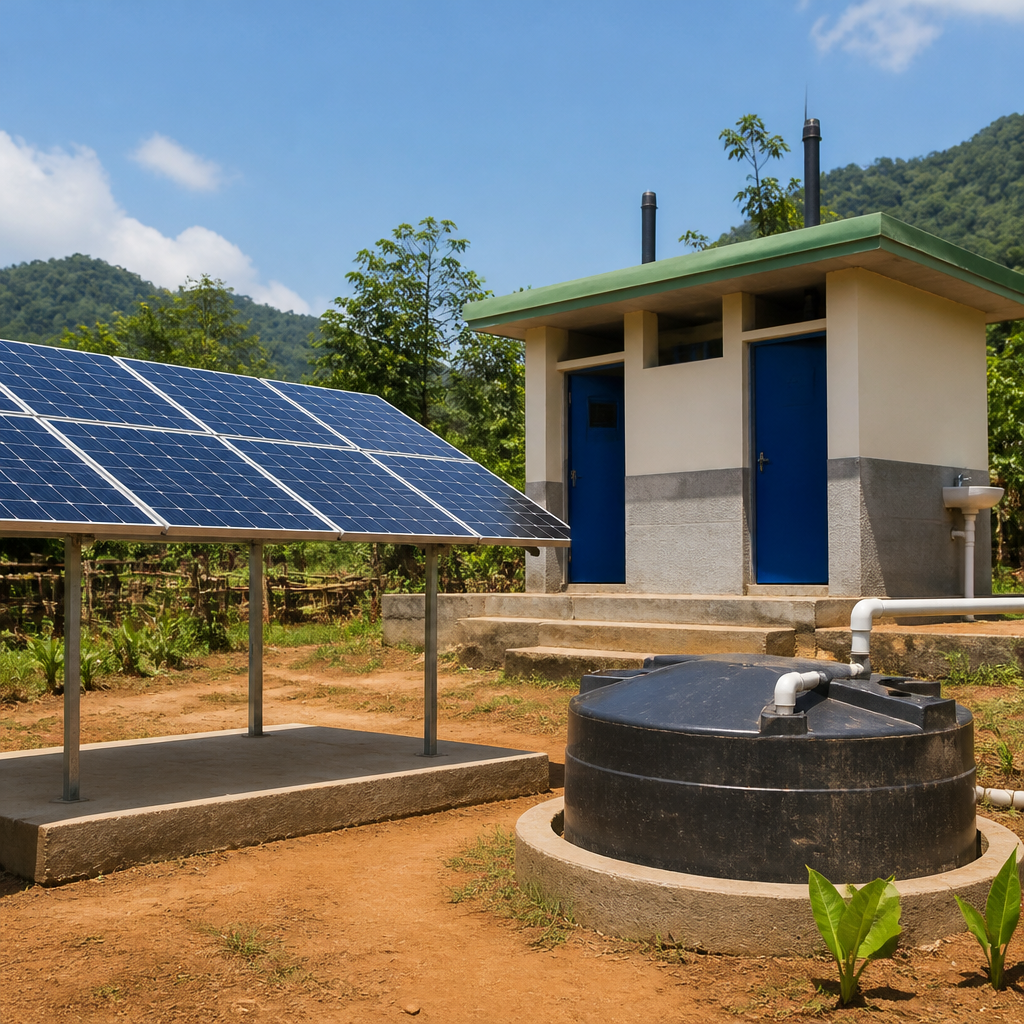
| Solar or desiccating toilet | Ventilation and heat dry feces to suppress pathogens | Arid climates and sites with strong solar exposure | Simple operation with low water demand | Less effective in humid or shaded conditions |
| Advanced non sewered unit | Uses mechanical or thermal treatment, sometimes with sensors | Institutions, premium housing, demonstration projects | High performance and strong user appeal | Higher capital cost and technical service needs |
What this table does not show is the decisive role of service design. Sanivation in East Africa, for example, built a model around collection, treatment, and fuel briquettes rather than relying on households to process waste themselves. SOIL in Haiti demonstrated that container based ecological sanitation can work at scale when pickup schedules, customer support, and treatment infrastructure are dependable. On the technology development side, the Reinvent the Toilet initiative accelerated systems that remove pathogens without conventional sewers, pushing manufacturers to think beyond the toilet seat toward autonomous treatment and recovery.
Resource recovery, health protection, and performance standards
EcoSan becomes compelling when it protects health first and then captures value from waste streams. Urine contains most of the nitrogen and much of the potassium excreted by humans, while feces contain organic matter and phosphorus. With proper storage and treatment, these fractions can contribute to fertilizer products, compost amendments, black soldier fly larvae feed pathways, biogas production, or solid fuel outputs. But the order matters: recovery without sanitation is unsafe. Pathogen reduction targets, moisture control, residence time, and contamination prevention are non negotiable.
In practice, I advise people to judge systems against measurable outcomes rather than marketing claims. Ask for evidence on log reduction of pathogens, user acceptance rates, downtime, sludge volume reduction, energy use, and cost per household per month. ISO 30500 established performance requirements for non sewered sanitation systems, including criteria for treatment and emissions. NSF testing protocols and WHO sanitation safety planning principles also provide credible reference points. A serious supplier should be able to explain how their unit handles helminths, bacteria, and viruses; how odors are vented or scrubbed; what happens during peak usage; and how residuals are transported, stored, and treated.
Health protection also includes the user interface. People will not use a toilet consistently if it feels dirty, unsafe, or inconvenient at night. Features like urine diverting bowls shaped to reduce splash, hand friendly cover material dispensers, fly proof seals, passive ventilation stacks, and easy to clean surfaces can matter as much as the backend reactor. In schools and public sites, menstrual hygiene compatibility, accessibility for older adults, lighting, and privacy are critical design criteria. The best waterless toilets are not just environmentally sound; they are comfortable enough to become the default choice.
What makes deployment succeed or fail
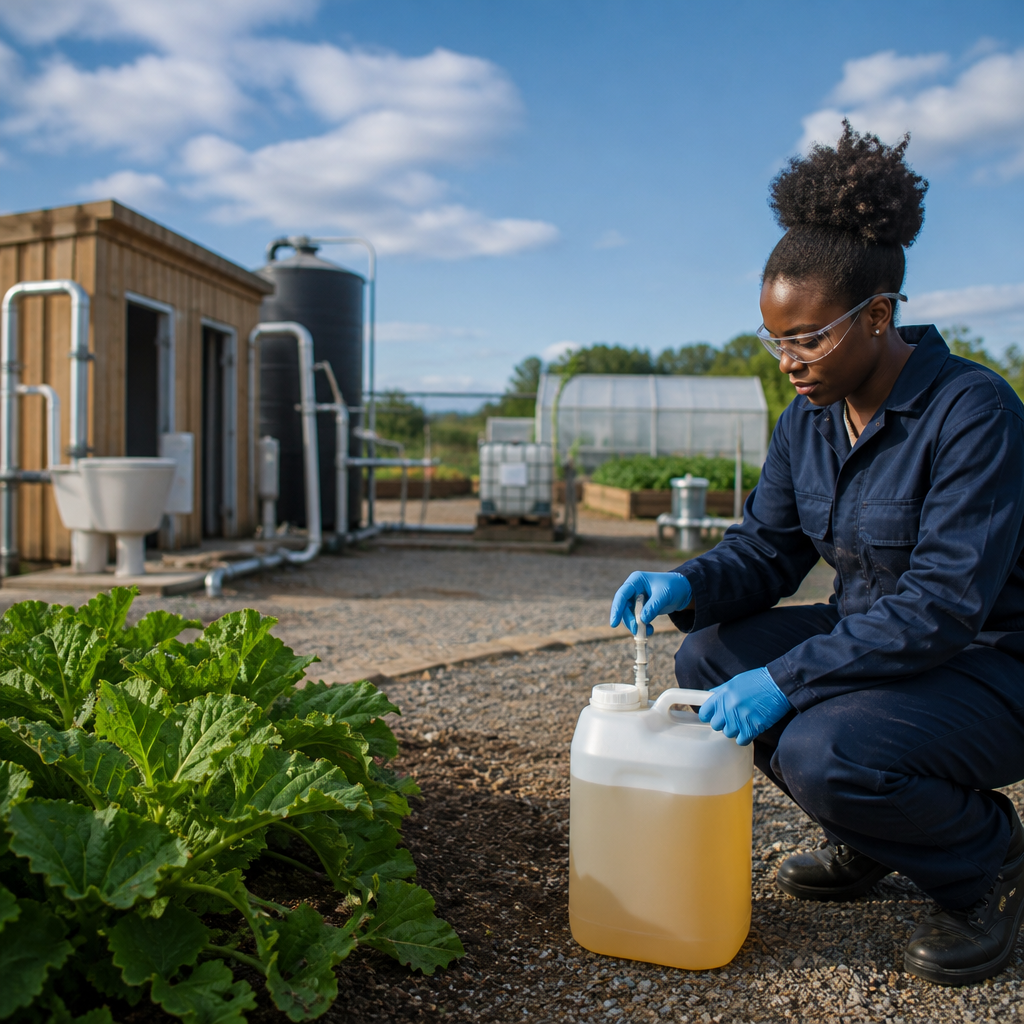
The success factors are usually operational, social, and financial. First, match the technology to the management model. If no one will monitor carbon to nitrogen balance or compost temperature, do not install a system that depends on expert composting practice. Second, price the full sanitation chain. A low upfront toilet cost can hide expensive collection, liner replacement, or media replenishment. Third, invest in behavior design. Clear graphics, intuitive interfaces, and caretaker training reduce misuse dramatically. I have seen odor complaints disappear after simple changes such as better urine drainage slope, drier cover material storage, and a stricter cleaning roster.
Failure often comes from skipping the unglamorous pieces. Ventilation pipes are undersized. Local technicians are not trained. Consumables are imported and unavailable six months later. Regulators are engaged too late, leaving treated outputs with no legal reuse pathway. Community engagement is treated as a box to tick instead of a real design input. By contrast, strong projects pilot with actual users, measure performance across seasons, and adapt. They establish responsibilities for emptying, transport, treatment verification, and customer service before scale up. They also plan internal links across the broader sanitation portfolio: fecal sludge management, decentralized wastewater treatment, school WASH upgrades, and climate adaptation programs should reinforce, not compete with, the waterless toilet strategy.
The innovation pipeline and where research is heading
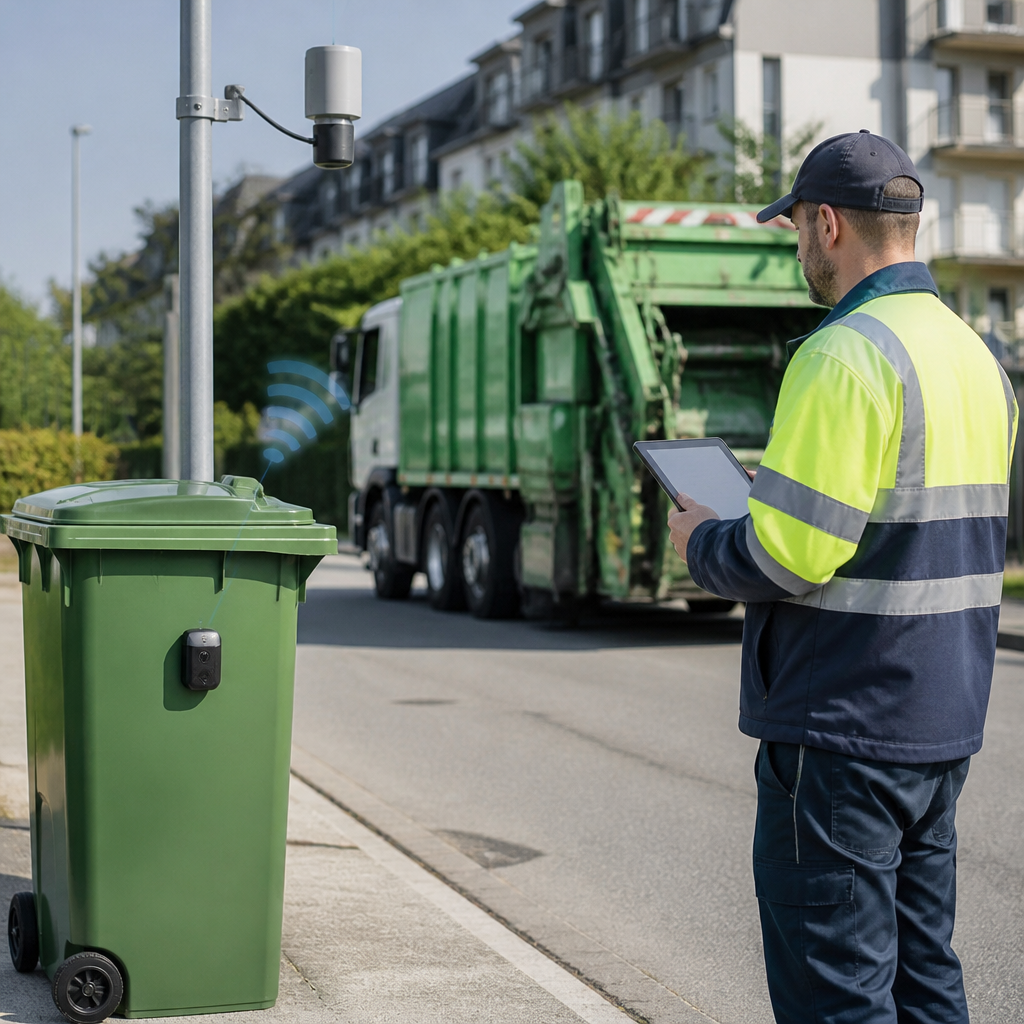
The next wave of innovative waterless toilets is moving in three directions. The first is smarter source separation and treatment control. Sensors now monitor fill level, temperature, humidity, and door counts, allowing service providers to optimize collection routes and detect failure early. The second is stronger resource recovery. Researchers are improving ammonia capture, struvite precipitation, pathogen inactivation, and carbonization processes to turn excreta into safer, more standardized outputs. The third is industrial design that makes non sewered systems feel mainstream rather than improvised. Better ergonomics, quieter fans, modular cartridges, and lower maintenance surfaces are raising user acceptance.
For organizations building a knowledge hub on exploring cutting edge EcoSan technologies, the most useful next step is to go deeper into each branch: urine diversion design, composting performance, container based business models, ISO compliant non sewered systems, pathogen testing methods, nutrient recovery pathways, and lifecycle cost analysis. Waterless toilets bridge the sanitation gap when they are chosen for the right context, operated as a service, and judged by health outcomes as much as environmental benefits. Start with a clear assessment of local constraints, compare technologies against measurable criteria, and build the sanitation chain end to end. That is how innovation turns into reliable access, safer communities, and lasting resilience.
Frequently Asked Questions
What is a waterless toilet, and how does it work in places without sewers or piped water?
A waterless toilet is a sanitation system designed to manage human waste without using flush water. Instead of relying on sewer pipes, treatment plants, and a steady water supply, these toilets use alternative methods such as urine diversion, dehydration, composting, container-based collection, or chemical stabilization to make waste safer to handle and easier to manage. That makes them especially valuable in communities where conventional sanitation infrastructure is unavailable, unreliable, or too expensive to build and maintain.
Different waterless toilet designs work in different ways, but the core principle is the same: contain waste safely at the point of use and reduce health risks without depending on water-intensive systems. Some models separate urine and feces to reduce odor and improve treatment efficiency. Others collect waste in sealed cartridges or removable containers for transport and off-site processing. Composting and dehydrating systems reduce moisture, suppress pathogens over time, and can create end products suitable for further treatment or beneficial reuse, depending on local regulations and treatment standards.
In practical terms, waterless toilets can bridge major sanitation gaps because they are adaptable. They can be installed in informal settlements, remote rural communities, schools, emergency settings, flood-prone areas, and regions facing chronic water scarcity. When paired with reliable servicing, user education, and safe treatment chains, they offer a dignified and realistic sanitation option where conventional toilets simply are not feasible.
How are EcoSan toilets different from standard waterless toilets?
EcoSan, or ecological sanitation, is a broader approach that goes beyond simply operating without water. While many EcoSan systems are waterless, the defining idea is that human waste should be managed as a resource stream rather than treated only as a disposal problem. In other words, EcoSan aims not just to isolate waste safely, but also to recover nutrients and organic matter in ways that can support agriculture, soil improvement, or circular economy goals when properly treated.
Standard waterless toilets may focus primarily on containment, odor reduction, convenience, and safe removal. An EcoSan system includes those goals but adds a resource recovery dimension. For example, urine may be diverted and stored because it contains valuable nutrients such as nitrogen and phosphorus. Fecal matter may be dehydrated or composted under controlled conditions so it can eventually be transformed into a soil amendment, provided treatment standards, handling protocols, and local regulations are met. This approach can reduce pressure on freshwater resources, lower dependence on synthetic fertilizers, and create a more closed-loop sanitation model.
That said, EcoSan is not just a technology choice; it is also a management philosophy. It requires careful attention to treatment quality, user acceptance, maintenance routines, and cultural context. The promise of nutrient recovery is significant, but it only works when health protections remain the top priority. Done well, EcoSan can help communities improve sanitation access while also unlocking environmental and economic benefits.
Are waterless toilets safe, hygienic, and comfortable for everyday use?
Yes, waterless toilets can be safe, hygienic, and comfortable for daily use when they are well designed, correctly installed, and properly maintained. Safety does not come from the absence of water alone; it comes from how effectively the system contains waste, limits human contact, controls insects and odors, and connects to a reliable treatment or servicing process. A poorly managed flush toilet can create serious health risks, and a well-managed waterless toilet can provide excellent sanitation outcomes. The difference lies in the quality of the full service chain.
Modern waterless toilet systems often include features that improve user experience significantly. These may include urine-diverting pans, tight-sealing lids, vent pipes, absorbent cover material, removable containers, and easy-to-clean surfaces. These elements help reduce smells, minimize flies, and keep the toilet area dry and more pleasant to use. In schools, clinics, and homes, thoughtful design also matters for privacy, accessibility, menstrual hygiene needs, lighting, handwashing integration, and safe access for children, older adults, and people with disabilities.
From a hygiene standpoint, maintenance is essential. Containers need regular servicing, composting chambers need correct operation, and operators need protective equipment and training. Users also need clear instructions, especially for systems that require cover material or source separation. When these pieces are in place, waterless toilets can deliver a dignified sanitation experience that is comparable to or better than poorly functioning conventional systems, particularly in areas where sewer-based sanitation is not realistic.
What are the biggest benefits of innovative waterless toilets for communities facing sanitation gaps?
The most immediate benefit is access. Innovative waterless toilets make it possible to provide sanitation in places where traditional infrastructure cannot easily reach, including dense informal settlements, off-grid communities, rocky terrain, flood-prone zones, refugee settings, and drought-affected regions. Because they do not need large volumes of water or costly sewer networks, they can expand service faster and often at lower system-wide cost than conventional approaches.
Water savings are another major advantage. In regions where clean water is scarce or expensive, using potable water to flush waste is often impractical. Waterless toilets help preserve limited supplies for drinking, cooking, and hygiene. They can also reduce wastewater generation, which is important where drainage, treatment, and environmental controls are weak. By keeping waste contained instead of allowing open defecation or unsafe dumping, these systems can help reduce contamination of soil, groundwater, and nearby living areas.
There are also social, environmental, and economic benefits. Better sanitation supports dignity, privacy, and personal safety, especially for women and girls. It can improve school attendance, reduce exposure to disease, and strengthen public health resilience. Some service models create local jobs in manufacturing, installation, collection, transport, and treatment. In EcoSan-oriented systems, treated outputs may contribute to nutrient recovery or soil restoration. Altogether, innovative waterless toilets are not just a stopgap; they can be part of a long-term sanitation strategy that is more flexible, resource-efficient, and inclusive.
What challenges do waterless toilets face, and what is needed for them to succeed at scale?
One of the biggest challenges is the misconception that sanitation is solved once a toilet is installed. In reality, the toilet is only one part of the system. Waterless sanitation succeeds when there is a complete service chain that includes user training, regular maintenance, safe collection or on-site treatment, transport if needed, final processing, and clear accountability. Without those elements, even a technically sound product can fail to deliver health and environmental benefits.
User acceptance is another important factor. People may be unfamiliar with dry sanitation, skeptical about odor control, or uncomfortable with practices such as urine diversion or adding cover material. These concerns are understandable and should be addressed through community engagement, demonstration projects, responsive design, and ongoing support. Successful programs usually adapt the technology to local preferences rather than expecting users to adapt entirely to the technology.
Policy, financing, and regulation also matter. Many sanitation rules and subsidy systems were written with sewered or septic models in mind, which can make approval and scale-up harder for innovative alternatives. To expand waterless sanitation effectively, governments, utilities, social enterprises, and development partners need standards for performance and safety, financing models for operation and servicing, treatment infrastructure, and monitoring systems that focus on outcomes rather than just construction numbers. When these enabling conditions are in place, waterless toilets can move from niche innovation to mainstream sanitation solution.