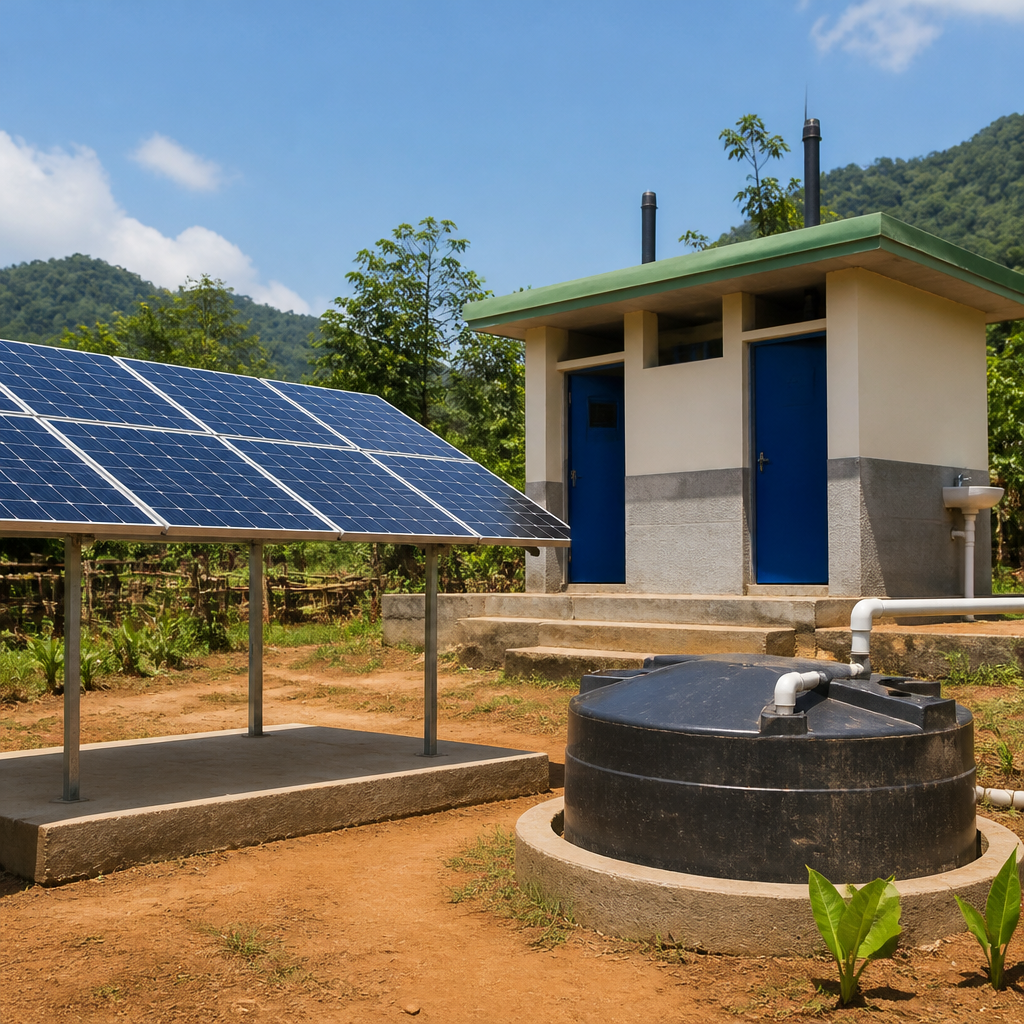
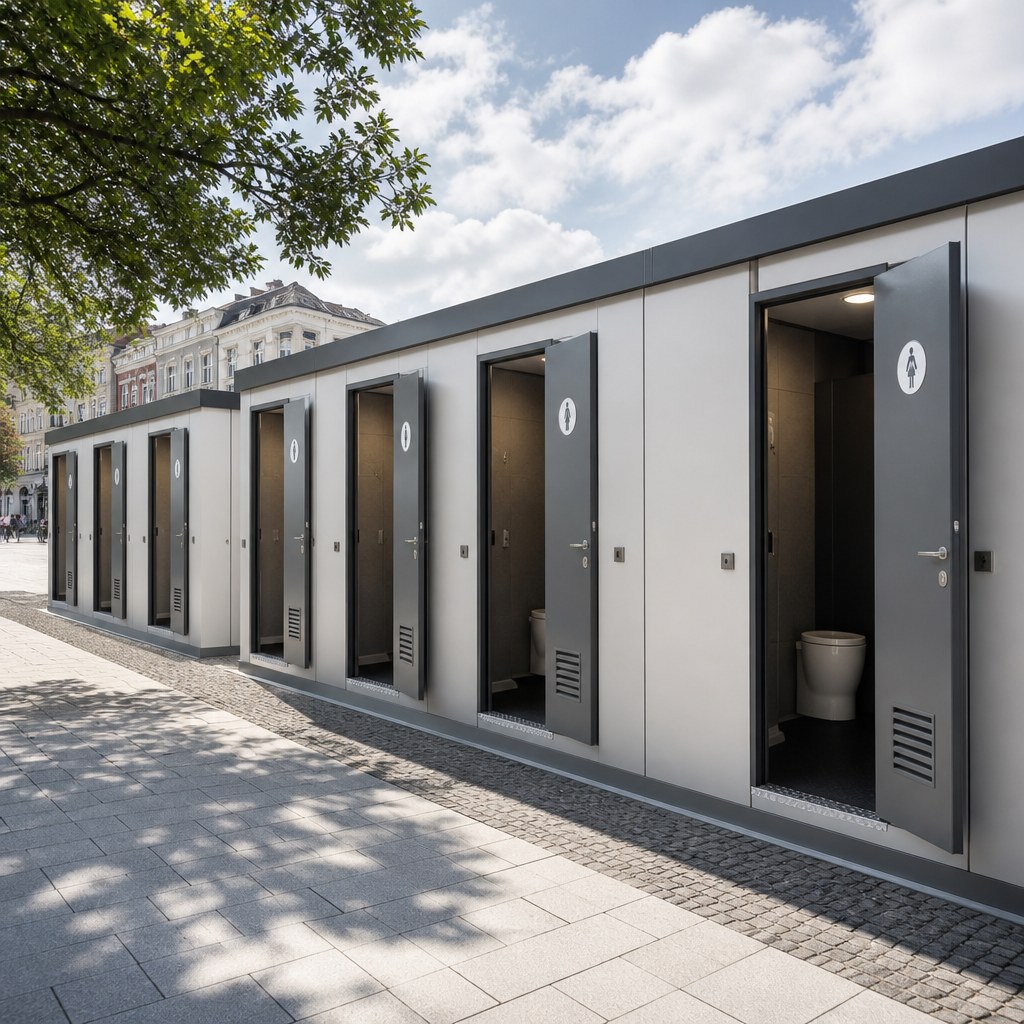
Modular sanitation is reshaping how fast-growing cities manage waste, water, health, and land constraints by replacing rigid, centralized systems with flexible units that can be deployed, expanded, relocated, and upgraded as urban needs change. In practice, modular sanitation includes prefabricated toilet blocks, container-based collection services, decentralized wastewater treatment skids, urine-diverting dry toilets, blackwater treatment modules, sensor-equipped handwashing stations, and resource-recovery units that convert waste into compost, biogas, reclaimed water, or fertilizer products. In the EcoSan context, the goal is not simply disposal. It is safe separation, treatment, and reuse of nutrients, organics, and water while protecting public health.
I have worked on sanitation planning discussions where the biggest constraint was not technology performance but mismatch between infrastructure and urban reality. Informal settlements expand faster than sewer networks. Flood-prone neighborhoods damage pits and septic systems. Rental compounds need toilets today, not after a five-year capital program. Municipal budgets favor phased investments, and operators need systems that can keep running during power cuts, road closures, and seasonal surges. That is why flexible sanitation matters. It aligns with dense land use, incremental urban development, climate stress, and the growing demand for circular economy outcomes.
As a hub for exploring cutting-edge EcoSan technologies, this article maps the main concepts, components, and decision points that connect the field. It explains what modular sanitation means, where it works best, which technologies are leading the market, how treatment and reuse pathways differ, what operating models cities can adopt, and which standards should guide implementation. It also helps readers understand the practical tradeoffs. No single solution fits every neighborhood. The strongest urban sanitation strategies combine multiple modules into service chains that are technically sound, financially realistic, and socially acceptable.
What modular sanitation means in urban EcoSan
Modular sanitation is a systems approach built around standardized components that can function alone or as part of a larger network. A module might be a single toilet cabin, a cartridge-based urine-diversion pedestal, a compact membrane bioreactor, an anaerobic digester in a shipping-container frame, or a sludge dewatering unit mounted on a skid. The value of modularity is interoperability. Cities can start with user-interface modules, add collection and transport modules, then connect treatment and reuse modules as demand and funding grow.
In urban EcoSan, source separation is especially important. Urine contains most of the nitrogen and a substantial share of phosphorus and potassium in domestic wastewater, while feces carry most pathogens and organic solids. Separating these streams early can reduce treatment complexity and improve recovery efficiency. Technologies such as urine-diverting dry toilets, vacuum toilets paired with concentrated blackwater treatment, and container-based sanitation systems all use this principle differently. The common thread is controlled handling that minimizes dilution, leakage, and unsafe manual contact.
Modular sanitation differs from conventional sewer expansion in timeline and risk profile. A sewer project often requires major excavation, pumping design, hydraulic modeling, road coordination, and years of capital commitment before service reaches households. Modular systems can be deployed block by block. They are useful in peri-urban zones, transit hubs, schools, markets, emergency settlements, and dense informal areas where plot sizes are small and tenure is uncertain. They also give utilities a way to pilot service improvements before locking in long-term designs.
Core technology categories shaping the field
The current EcoSan technology landscape can be grouped into user interface, collection and transport, treatment, monitoring, and reuse. At the user interface level, leading options include urine-diverting dry toilets, low-flush or vacuum toilets, smart public toilet kiosks, and gender-responsive shared facilities with handwashing, menstrual hygiene features, and touchless fixtures. For difficult urban sites, container-based sanitation has become one of the most important innovations because sealed cartridges or removable bins allow safe service without underground pipes or pits.
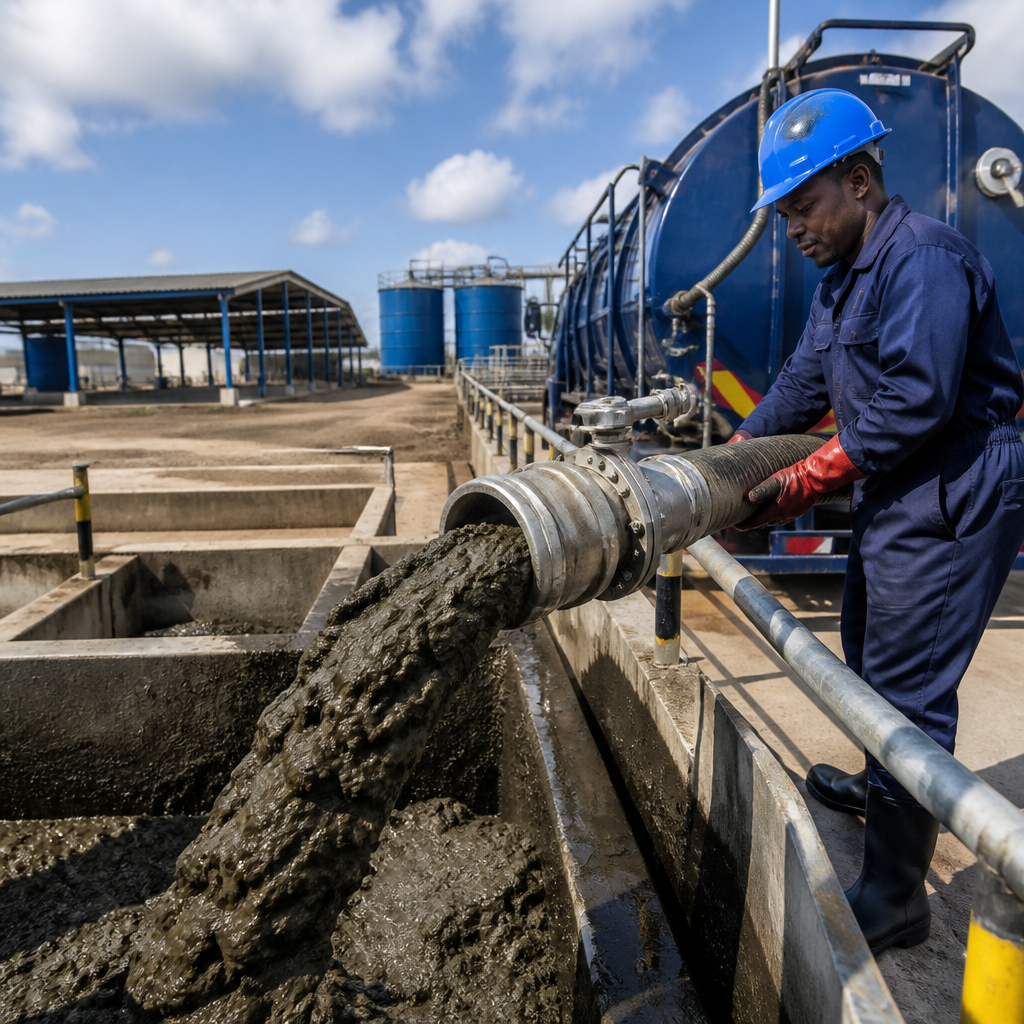
Collection and transport innovations determine whether a modular sanitation system is practical at scale. Digital route planning, barcode or RFID container tracking, vacuum transfer in clustered compounds, and scheduled desludging platforms all improve reliability. I have seen operations improve dramatically when service providers moved from ad hoc pickups to app-based route management linked to fill-level data. Simple logistics changes reduced overflow events and made customer billing more transparent.
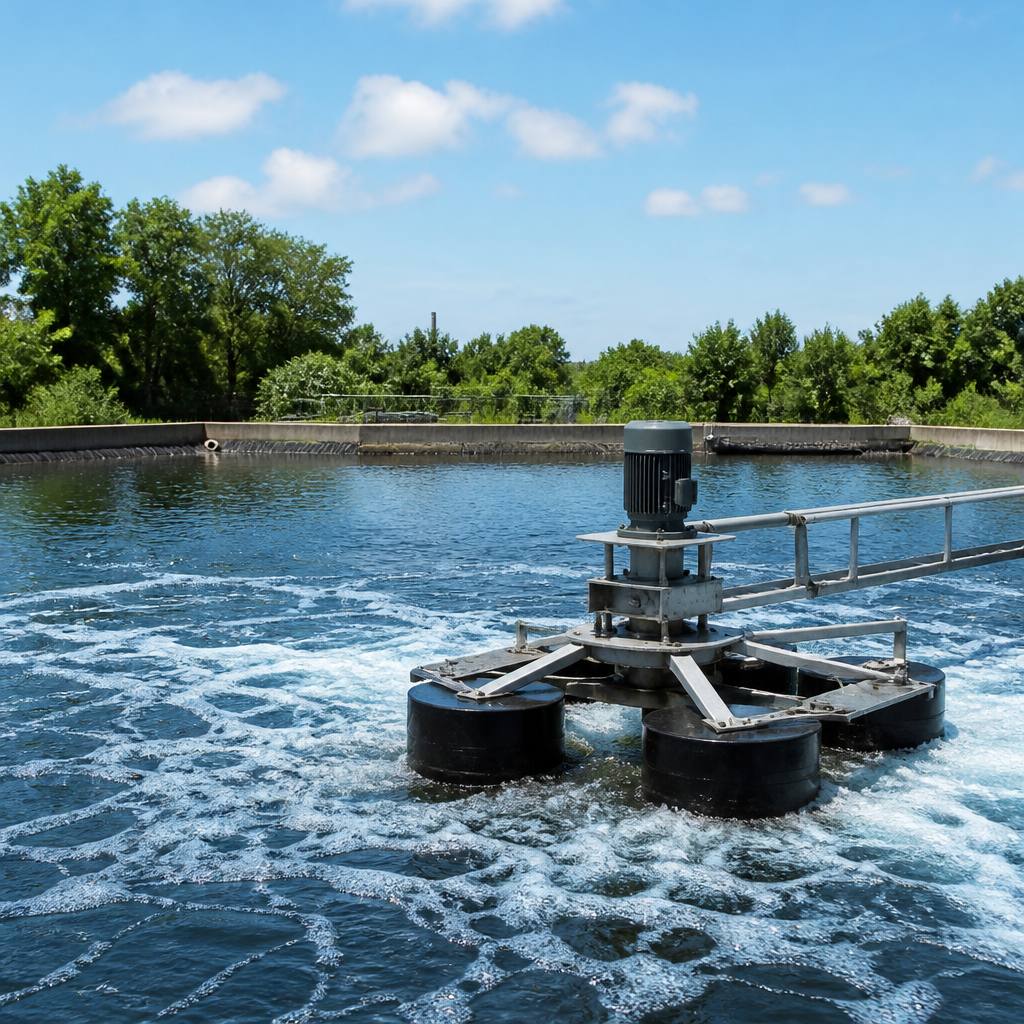
Treatment is where many cutting-edge EcoSan technologies stand out. Containerized anaerobic digesters can stabilize organics and produce biogas. Black soldier fly larvae systems can process selected organic fractions into insect protein and residue, though they require careful feedstock control. Membrane bioreactors deliver high effluent quality in a compact footprint but demand skilled maintenance and energy. Electrochemical disinfection, pyrolysis, hydrothermal carbonization, struvite precipitation, nitrification and distillation for urine treatment, and solar sludge drying are all being tested or used in urban contexts. The right choice depends on influent consistency, energy access, operator capacity, land price, and end-market demand for recovered products.
Comparing leading modular EcoSan options for cities
City officials and developers often ask which modular sanitation technology works best. The practical answer is that the best option is the one that matches settlement density, user behavior, collection logistics, and treatment capacity. A source-separating toilet can fail if users are not trained and cleaning teams mix streams. A compact treatment unit can underperform if influent quality varies widely. The comparison below captures the strengths and constraints of common options.
| Technology | Best urban use case | Main advantages | Key limitations |
|---|---|---|---|
| Urine-diverting dry toilets | Water-scarce compounds, schools, peri-urban edges | Low water demand, nutrient recovery, reduced blackwater volume | Needs user compliance, regular maintenance, odor control |
| Container-based sanitation | Dense informal settlements, rental compounds, flood-prone areas | Rapid deployment, sealed handling, no sewer excavation | Requires disciplined collection logistics and service subscriptions |
| Vacuum toilets with decentralized treatment | High-density blocks, commercial sites, transport hubs | Very low flush volume, concentrated waste stream, compact pipes | Higher capital cost, energy dependence, specialist maintenance |
| Package wastewater treatment units | Apartment clusters, institutions, mixed-use developments | Modular expansion, controlled effluent quality, water reuse potential | Needs trained operators, sludge management, spare parts access |
These categories are not mutually exclusive. Strong sanitation plans combine them. For example, a city can use container-based service in inaccessible lanes, package treatment in formal housing clusters, and vacuum conveyance in market districts where washdown demand is high. The modular mindset is about assembling fit-for-purpose service chains rather than insisting on one universal platform.
Treatment, resource recovery, and circular value
EcoSan becomes compelling when recovery pathways are designed as seriously as toilets and transport. Urine can be sanitized and concentrated into fertilizer products through nitrification, evaporation, distillation, or precipitation processes such as struvite recovery. Fecal sludge and blackwater solids can be composted, digested, dried, pelletized, or thermochemically converted depending on contamination, moisture, and market access. Treated greywater or effluent can support toilet flushing, cleaning, construction activities, or landscape irrigation where regulations permit.
From an engineering standpoint, resource recovery only works when product quality is consistent. That means contamination control, pathogen reduction verification, and realistic off-take planning. I have seen promising pilots struggle because they produced compost without a distribution channel or recovered water without storage and dual plumbing. By contrast, projects tied to nearby agriculture, landscaping contractors, brick makers, or institutional campuses were more resilient because they matched treatment outputs to dependable local demand.
Safety is non-negotiable. The World Health Organization sanitation safety planning approach and ISO guidance for non-sewered sanitation systems provide useful structure for hazard assessment, control measures, and validation. Helminth eggs, bacterial indicators, viruses, pharmaceuticals, salinity, and heavy metals may all matter depending on the waste stream and reuse route. Urban authorities should define acceptance criteria early, not after a plant is installed. Reuse succeeds when technical performance, regulation, and buyer confidence are aligned from the start.
Design principles for dense and informal urban areas
Urban sanitation fails when designers treat all neighborhoods the same. Dense informal areas require compact footprints, shared-service models, robust containment, and easy access for collection. Flood-prone sites need elevated interfaces, watertight storage, anchored modules, and drainage integration. High-turnover rental housing needs simple user instructions and tamper-resistant hardware. Public facilities need vandal-resistant finishes, rapid cleaning cycles, accessible stalls, and enough lighting to improve safety, especially for women and girls.
Another design principle is service chain visibility. Residents often judge sanitation only by the toilet they use, but health outcomes depend on every downstream step. If collection teams spill containers, if transfer stations leak, or if sludge is dumped untreated, the system is not safe. Good modular sanitation makes each step measurable. Fill levels, pickup times, downtime, effluent quality, and complaint resolution should be tracked as operational indicators, not treated as optional reporting.
Affordability also has to be designed, not assumed. Shared facilities can lower household costs, but only if cleaning, water, and maintenance are financed reliably. Cross-subsidies, output-based aid, landlord obligations, public toilet concessions, and blended tariffs can all support access. In several city programs, the decisive factor was not hardware price but whether operators had predictable revenue to keep the system clean and responsive over time.
Digital monitoring, operations, and performance management
Some of the most useful EcoSan innovations are digital rather than biological. Sensors that detect fill level, door use, handwashing water availability, chlorine residual, pump status, and energy consumption help operators intervene before failures become public health problems. Geographic information systems support route optimization, customer mapping, and service gap analysis. Cloud dashboards let utilities compare neighborhoods by uptime, collection compliance, and treatment output instead of relying on anecdotal reports.
Performance management should focus on service outcomes: safe capture, reliable collection, verified treatment, and acceptable user experience. For public or shared toilets, queue time, cleanliness score, soap availability, and disabled access matter alongside technical data. For decentralized treatment, operators should track hydraulic loading, retention time, solids accumulation, nutrient recovery rates, pathogen reduction, and power use per cubic meter. This level of monitoring allows modular systems to earn credibility with regulators and financiers.
There are limits to digital tools. Sensors foul, connectivity drops, and dashboards become cluttered if no one acts on the information. The best projects pair automation with simple field routines: visual inspection checklists, preventive maintenance schedules, spare-parts inventories, and operator training. Technology should reduce uncertainty, not create a false sense of control.
Implementation models, policy support, and what cities should do next
Modular sanitation scales when cities treat it as essential infrastructure rather than a temporary workaround. The strongest implementation models combine municipal oversight, private or social-enterprise operations, clear performance contracts, and phased capital investment. Utilities may own treatment assets while contracted providers handle container collection. Housing authorities may require source-separating systems in new developments where sewers are infeasible. Market operators may fund premium public facilities through concessions tied to cleaning standards and digital payment systems.
Policy support should cover approvals, land allocation, discharge and reuse standards, occupational safety, and service-level benchmarks. Without this framework, even strong technologies stall. Procurement also matters. Cities should buy outcomes, not only hardware, specifying uptime, collection frequency, treatment verification, response times, and reporting requirements. Pilot projects should be structured with a pathway to scale, including tariff testing, community engagement, and data collection that can justify expansion.
The key takeaway is simple: modular sanitation gives urban areas a practical route to safer, faster, and more adaptable services while opening the door to nutrient recovery, water reuse, and lower environmental impact. For anyone exploring cutting-edge EcoSan technologies, this hub provides the strategic lens. Start by mapping waste streams, density, flooding, user needs, and operator capacity. Then compare modular options as connected service chains, not isolated devices. Cities that do this well build sanitation systems that can grow with the neighborhood instead of failing behind it. Use this hub as the starting point for deeper evaluation, pilot design, and investment planning.
Frequently Asked Questions
What is modular sanitation, and why is it important for urban areas?
Modular sanitation refers to sanitation systems built from flexible, self-contained units rather than relying entirely on large, permanent, centralized infrastructure. These units can include prefabricated toilet blocks, container-based waste collection systems, decentralized wastewater treatment skids, urine-diverting dry toilets, blackwater treatment modules, and sensor-enabled handwashing stations. The key advantage is adaptability: cities can deploy these systems quickly, expand them as neighborhoods grow, relocate them when land use changes, and upgrade individual components without overhauling an entire network.
This approach is especially important in fast-growing urban areas where population growth often outpaces conventional sewer and treatment expansion. Informal settlements, transit hubs, markets, construction zones, peri-urban communities, and disaster-affected neighborhoods may need safe sanitation long before permanent utilities can be financed and built. Modular sanitation fills that gap by delivering practical, scalable services in places where land tenure is uncertain, density is high, and infrastructure budgets are stretched.
Beyond speed and flexibility, modular sanitation can improve public health outcomes by reducing open defecation, unmanaged waste, and contaminated runoff. It also supports better resource efficiency because many systems are designed to recover water, nutrients, or energy from waste streams. For urban planners and service providers, modular sanitation offers a way to build resilience into city systems, meeting immediate needs while creating pathways toward longer-term sanitation improvements.
How does modular sanitation differ from traditional centralized sewer systems?
Traditional centralized sanitation is built around extensive underground pipe networks that transport wastewater to large treatment plants, usually located far from where waste is generated. These systems can be highly effective, but they require major capital investment, long construction timelines, stable land access, reliable water supply, and significant technical and institutional capacity. In many rapidly urbanizing areas, those conditions are difficult to achieve quickly enough to keep up with demand.
Modular sanitation works differently. Instead of assuming every user must connect to one large network, it uses smaller service components that can operate independently or as part of a distributed system. A neighborhood might use container-based toilet collection, a local blackwater treatment module, and stand-alone handwashing stations, for example, without waiting for a full sewer extension. If the area densifies, more units can be added. If the site changes, systems can often be moved or reconfigured.
Another major difference is how modular systems match services to context. In water-scarce areas, dry or low-flush technologies may be more appropriate than conventional toilets. In flood-prone districts, above-ground or sealed systems may offer better protection against contamination. In temporary or transitional settlements, relocatable infrastructure can be far more practical than buried pipes. Rather than replacing centralized networks everywhere, modular sanitation complements them by covering service gaps and offering more responsive options where conventional models are too slow, costly, or rigid.
What are the main benefits of modular sanitation for fast-growing cities?
The most immediate benefit is speed of deployment. Modular sanitation units can often be manufactured off-site, delivered quickly, and installed with minimal disruption. That makes them well suited for communities facing urgent service gaps, whether due to population growth, migration, infrastructure delays, or emergency conditions. Instead of waiting years for large-scale utility expansion, cities can provide safer sanitation in a much shorter time frame.
Scalability is another major advantage. Urban growth is rarely linear, and sanitation systems need to respond to changing patterns of density, land use, and demand. Modular systems allow service providers to start with a small footprint and increase capacity over time. Additional toilets, treatment units, storage modules, or hygiene stations can be added as usage rises. This reduces the risk of overbuilding too early or underserving communities for too long.
Modular sanitation can also make better use of limited urban land. Because many systems are compact and decentralized, they can serve difficult sites where large treatment works or deep sewer excavations are impractical. At the same time, newer modular solutions often incorporate digital monitoring, helping operators track fill levels, system performance, maintenance needs, water use, and hygiene compliance. That supports more efficient operations and improved service reliability.
Finally, there are strong environmental and social benefits. Properly managed modular sanitation can reduce contamination of drains, waterways, and groundwater, while also enabling resource recovery through composting, nutrient capture, water reuse, or biogas production. For users, improved access to toilets and handwashing facilities supports dignity, safety, convenience, and health. For cities, the result is a more inclusive and resilient sanitation strategy that can adapt alongside urban change.
What types of modular sanitation solutions are commonly used in cities?
Cities are using a wide range of modular sanitation technologies depending on local conditions. Prefabricated toilet blocks are among the most visible examples. These units can be installed in markets, schools, transport centers, informal settlements, and public spaces, providing immediate access to safe sanitation with less construction time than permanent brick-and-mortar facilities. Some include integrated handwashing stations, solar lighting, water storage, and accessibility features.
Container-based sanitation is another important model, particularly in dense settlements where sewers are not feasible. In these systems, toilets capture waste in sealed containers that are regularly collected and transported for treatment. This approach reduces direct environmental exposure and can function even where roads are narrow, plots are crowded, or flood risks are high. It also supports structured service delivery because collection, transport, and treatment are part of a managed chain.
Decentralized treatment modules are also increasingly common. These may include packaged blackwater treatment units, compact wastewater skids, anaerobic digesters, membrane-based treatment systems, or modular sludge processing equipment. They can serve a single building, a cluster of homes, an institution, or an entire neighborhood. Because they are modular, they can be expanded or upgraded over time rather than replaced all at once.
Dry sanitation and source-separating systems, such as urine-diverting dry toilets, are especially useful in water-stressed or off-grid environments. By separating waste streams, these systems can reduce water demand, simplify treatment, and create opportunities for nutrient recovery. Sensor-equipped handwashing stations add another layer of value by supporting hygiene behavior and allowing operators to monitor soap levels, water availability, and usage patterns. Together, these technologies show that modular sanitation is not one single product, but a flexible toolkit that cities can combine to meet different operational, environmental, and social needs.
Can modular sanitation support long-term urban development, or is it only a temporary solution?
Modular sanitation is often associated with temporary, transitional, or emergency settings, but that view is too narrow. While modular systems are excellent for rapid response, they can also play a long-term role in urban development when they are planned, regulated, and serviced properly. In many cities, flexibility is not a short-term convenience; it is a long-term necessity. Neighborhoods evolve, land use shifts, infrastructure corridors change, and demand can rise unpredictably. A sanitation system that can adapt to those realities may be more sustainable over time than one designed around fixed assumptions.
In practice, modular sanitation can serve as both an immediate service solution and a foundation for phased urban upgrading. A city might begin with container-based collection and decentralized treatment in an underserved district, then later connect parts of that district to trunk infrastructure as conditions improve. The modular components do not become irrelevant in that process; they can be relocated to another underserved area, retained for peak demand management, or integrated into a hybrid system. This makes modular sanitation a strategic asset rather than a stopgap measure.
Long-term success does depend on more than technology. Cities need clear service models, maintenance plans, financing mechanisms, regulatory oversight, land-use coordination, and strong public engagement. User acceptance matters, as do standards for safe collection, transport, treatment, and reuse or disposal. When those elements are in place, modular sanitation can deliver reliable performance for years while supporting broader goals such as climate resilience, equitable service access, circular resource use, and healthier urban living conditions. In that sense, modular sanitation is not simply a temporary alternative to conventional infrastructure; it is an increasingly important part of the future urban sanitation landscape.