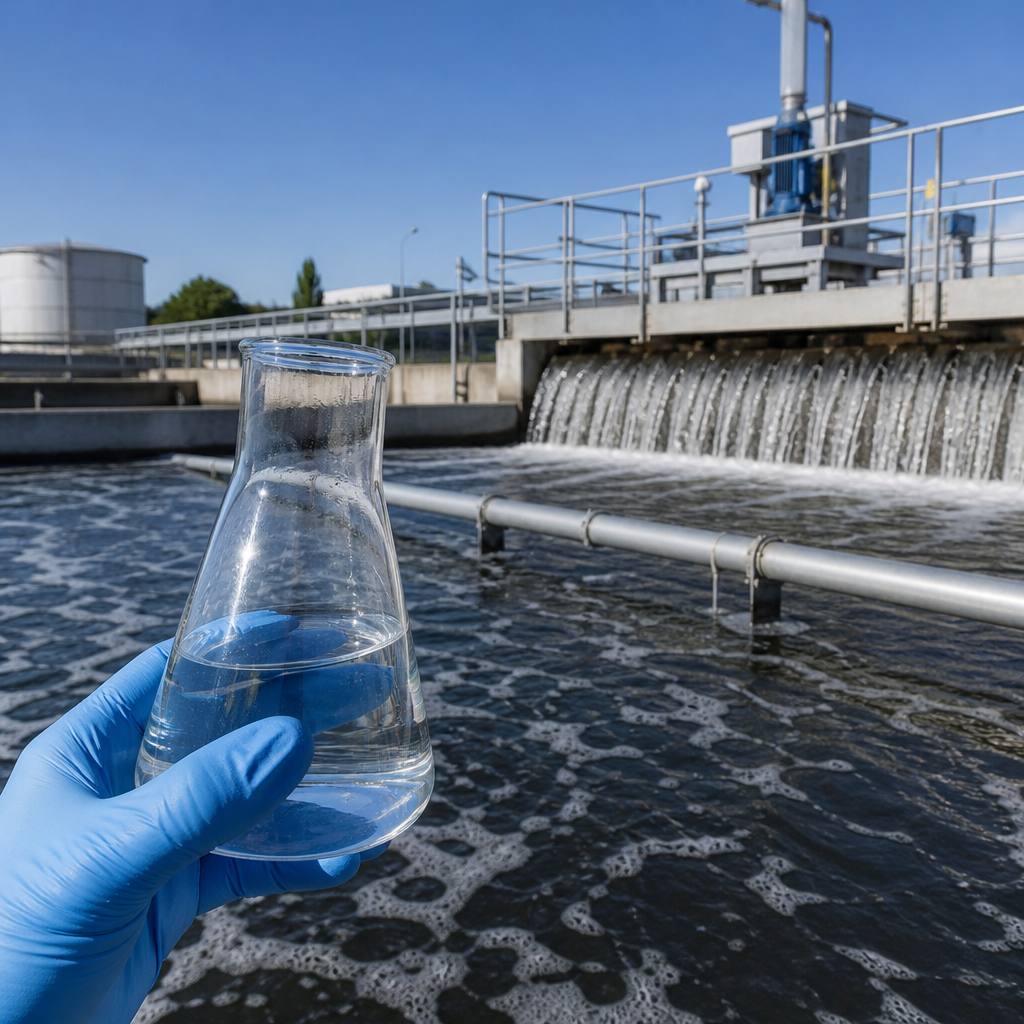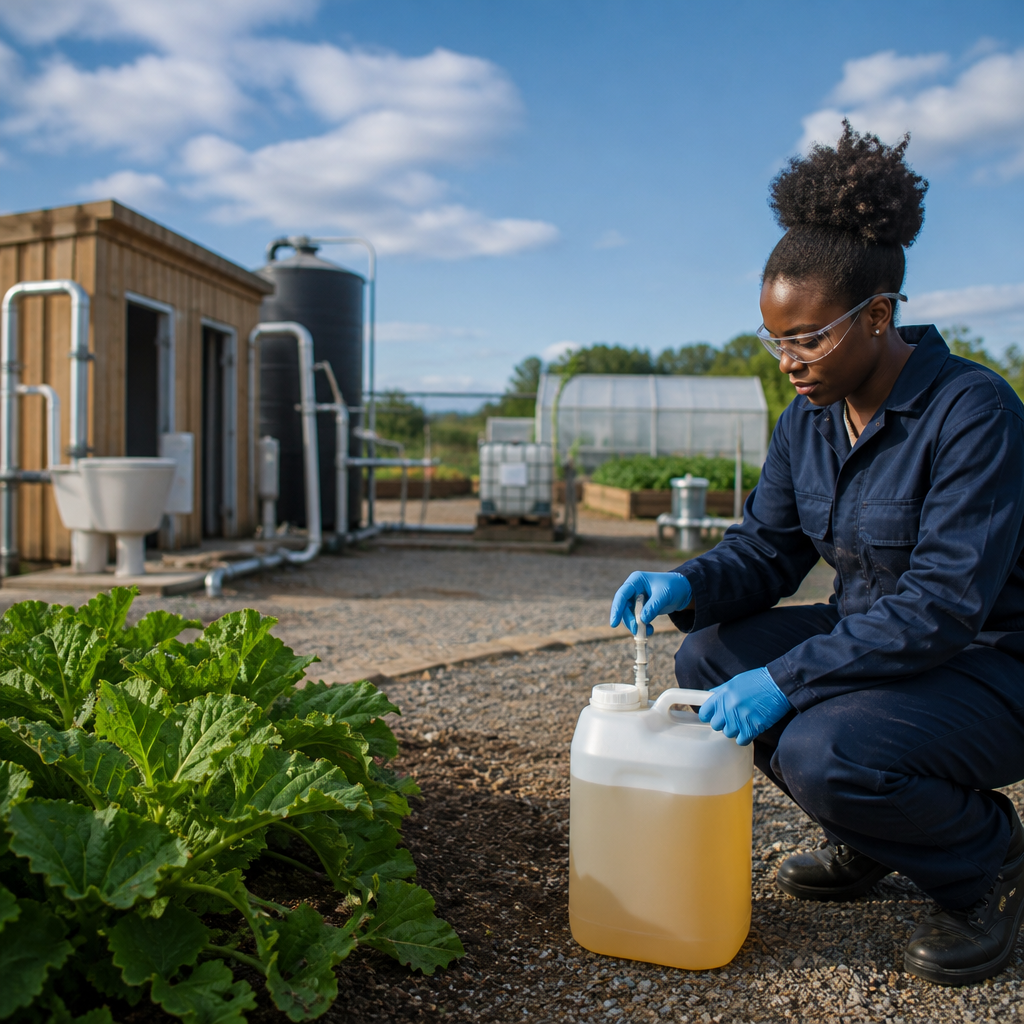
Water purification using natural coagulants is moving from niche experimentation to a serious research field because utilities, NGOs, and decentralized sanitation projects need lower-cost, lower-toxicity ways to clarify water and manage waste streams. In practical terms, a coagulant is a substance added to turbid water to neutralize particle charges, allowing fine solids, microbes, and organic matter to clump into larger flocs that settle or can be filtered out. Natural coagulants are derived from plants, animals, or microorganisms rather than conventional metal salts such as alum or ferric chloride. Within the broader push to explore cutting-edge EcoSan technologies, this topic matters because source separation, water reuse, nutrient recovery, and community-scale treatment all depend on reliable clarification steps that fit local supply chains and environmental goals.
I have worked on pilot systems where the real challenge was not whether coagulation worked in a beaker, but whether operators could source materials consistently, dose them safely, and handle sludge without creating another disposal problem. That is why the latest research is important. Researchers are no longer asking only whether moringa seed powder or cactus extract can reduce turbidity. They are examining extraction chemistry, active biopolymers, pathogen removal, residual organic loading, life-cycle impacts, and compatibility with membranes, solar disinfection, and fecal sludge treatment. For readers following technological innovations and research, natural coagulants form a hub topic because they connect drinking water treatment, greywater polishing, blackwater pre-treatment, and resilient sanitation in places where imported chemicals are expensive or unreliable.
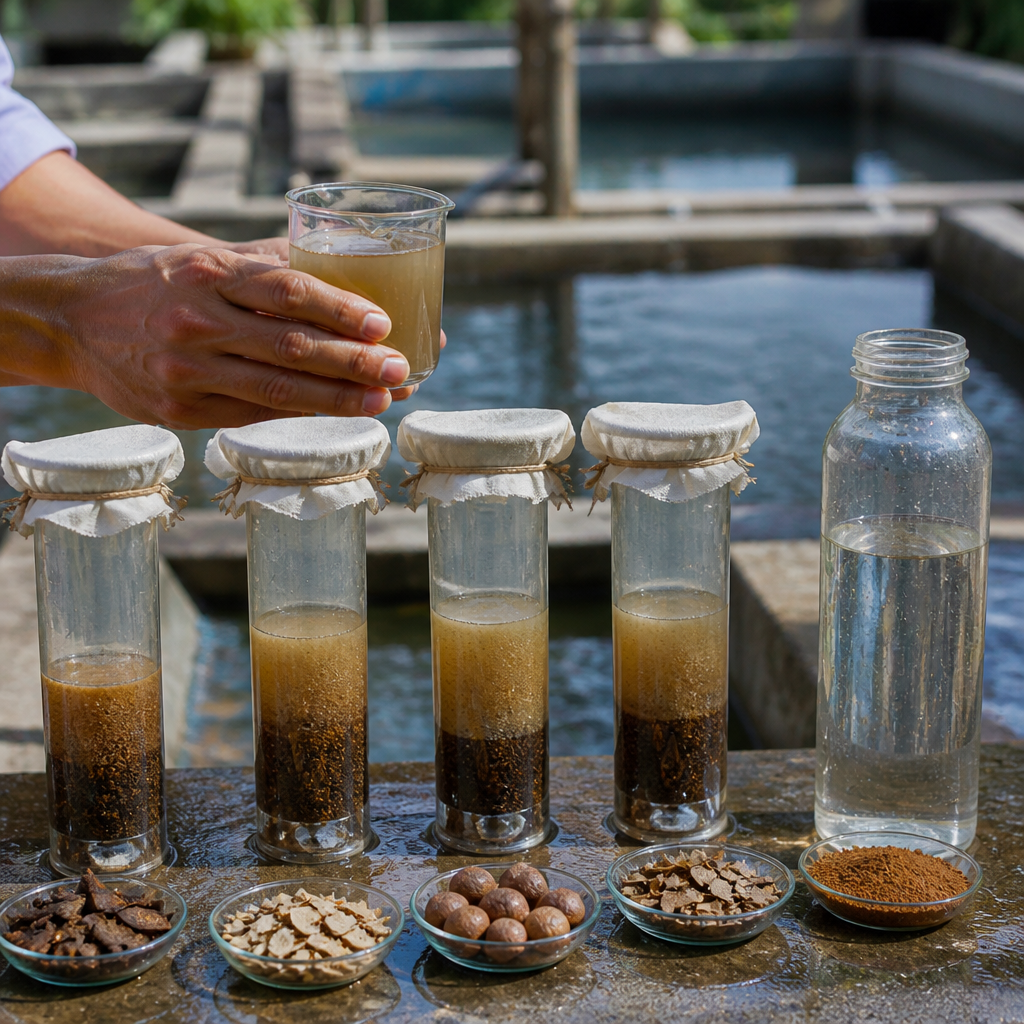
Key terms frame the field. Coagulation destabilizes colloids; flocculation gently mixes water so destabilized particles aggregate; clarification removes the resulting flocs by sedimentation, flotation, or filtration. Jar testing remains the standard bench method for optimizing dose and pH. Natural coagulants include proteins from Moringa oleifera, mucilage polysaccharides from cactus and okra, tannin-based products from bark or galls, chitosan from crustacean shells or fungal biomass, and microbial extracellular polymeric substances. The latest research focuses on making these materials more predictable, scalable, and safe. For EcoSan practitioners building circular systems, that predictability is the difference between a promising lab result and a treatment train that communities can trust every day.
Why Natural Coagulants Are Gaining Research Momentum
Conventional coagulants are effective, but they come with tradeoffs that become sharper in decentralized sanitation and reuse projects. Alum and ferric salts require ongoing procurement, increase dissolved solids, can depress pH, and generate metal-rich sludge. In remote installations, I have seen treatment performance fail simply because delivery schedules slipped and operators stretched chemical stocks. Natural coagulants promise local availability, lower toxicity, and biodegradable sludge that may integrate better with composting or biodigestion routes used in EcoSan systems. Those advantages explain why research activity has accelerated across Africa, South Asia, Latin America, and parts of Europe working on nature-based treatment.
The momentum is also technical rather than purely environmental. Several natural materials perform exceptionally well under the right conditions. Moringa seed proteins can achieve high turbidity reductions in low- to medium-strength waters. Chitosan often performs as both a primary coagulant and flocculation aid, with strong results in dye wastewater, algal bloom treatment, and harvested rainwater polishing. Tannin-based coagulants have shown value in color removal and can work across broad pH ranges. Researchers are now pairing these materials with membrane filtration, dissolved air flotation, electrocoagulation, and ceramic filtration to create hybrid systems that reduce chemical demand while protecting downstream units from fouling.
Another driver is regulatory pressure around sustainability and waste. Utilities and sanitation programs are being pushed to account for embodied carbon, sludge handling costs, and worker exposure. Natural coagulants will not replace metal salts everywhere, but current studies show they can reduce dose requirements, improve dewaterability, or serve as pretreatment steps in small systems. In a hub focused on exploring cutting-edge EcoSan technologies, this matters because coagulation is rarely a standalone fix. It is a foundational process that can enable safer reuse, lower energy treatment, and better resource recovery across the entire sanitation chain.
What the Latest Research Says About Leading Natural Coagulants
The most studied plant coagulant remains Moringa oleifera. Its cationic water-soluble proteins neutralize negatively charged suspended particles, making it useful for turbidity reduction in surface water. Recent research has moved beyond crude seed powder toward defatted seed cake, salt extraction, and purified protein fractions to improve consistency and reduce the dissolved organic carbon left in treated water. That residual organic matter is a known limitation because it can encourage microbial regrowth if no disinfection follows. The strongest studies therefore evaluate Moringa inside a full treatment train, not as a miracle ingredient.
Cactus species such as Opuntia ficus-indica provide mucilage rich in polysaccharides that bridge particles into settleable flocs. Research groups have tested fresh cladode extracts, dried powders, and purified mucilage in waters with high turbidity and in arsenic-associated systems where floc structure affects downstream removal. Okra mucilage and guar-derived polymers are being investigated similarly. These biopolymers often perform best as flocculants rather than charge-neutralizing coagulants, so performance depends heavily on pairing, mixing conditions, and raw water chemistry. When researchers report mediocre results, the issue is often process design rather than the material itself.
Chitosan stands out because it already has a semi-commercial track record in water and wastewater treatment. Derived traditionally from shrimp and crab shell chitin through deacetylation, it carries positive charges in acidic to neutral conditions and can remove turbidity, color, metals, oils, and some microorganisms. New work on fungal chitosan is particularly relevant for EcoSan because it avoids shellfish allergen concerns and links well with circular bioeconomy models. Tannin-based coagulants, including modified quebracho and chestnut tannins, are also gaining traction because manufacturers can standardize them more readily than fresh plant extracts, making scale-up easier.
| Natural coagulant | Main active component | Best-known strengths | Key limitation | Promising EcoSan use |
|---|---|---|---|---|
| Moringa oleifera | Cationic proteins | Strong turbidity reduction, local cultivation potential | Residual organic matter can support regrowth | Surface water pretreatment before filtration and disinfection |
| Chitosan | Deacetylated chitin polymer | Broad contaminant removal, effective floc formation | Cost and variable solubility by pH | Greywater polishing, fecal sludge dewatering aid |
| Cactus mucilage | Polysaccharides | Good bridging flocculation, low toxicity | Extraction stability and shelf life | Rural clarification where cactus is abundant |
| Tannin-based products | Polyphenolic compounds | Commercial standardization, color removal | Performance varies by source water chemistry | Small-package plants and reuse systems |
How Researchers Are Improving Performance and Reliability
The biggest shift in recent literature is from raw materials to engineered biocoagulants. Researchers are optimizing extraction methods using sodium chloride, ethanol, acid, alkali, and membrane fractionation to concentrate active compounds and remove components that add color, odor, or biodegradable residue. For Moringa, defatting with food-grade solvents or pressing can improve protein availability and lower oil interference. For cactus and okra, drying temperature and particle size change viscosity and floc strength. These details matter because natural coagulants are not single molecules; they are complex materials whose treatment performance changes with preparation.
Another important trend is chemical modification. Chitosan is being grafted, cross-linked, or blended with inorganic particles to improve solubility and adsorption capacity. Tannins are being aminated or combined with quaternary ammonium groups to create stronger cationic charge density. Bio-based composite coagulants can target phosphorus, dyes, or heavy metals more effectively than unmodified extracts. From an operational standpoint, this research is valuable because it narrows the gap between natural materials and the consistency expected from commercial treatment chemicals. The tradeoff is that more modification can reduce the simplicity and low-cost appeal that made the material attractive in the first place.
Standardization is also improving through better analytics. Zeta potential, Fourier-transform infrared spectroscopy, scanning electron microscopy, and dissolved organic carbon measurement are now common in studies that used to report only turbidity removal. This is a healthy development. In my experience, projects fail when teams optimize for one visible metric and ignore the hidden ones. A water sample can look clear while still carrying enough biodegradable residue to destabilize storage quality. The best current studies therefore measure turbidity, UV254 absorbance, chemical oxygen demand, microbial indicators, and sludge characteristics together, giving a more realistic picture of field performance.
Applications Across EcoSan and Decentralized Treatment Systems
Natural coagulants fit EcoSan best when they are used strategically inside a treatment train. For drinking water, they are most valuable as pretreatment before slow sand filtration, ceramic filtration, chlorination, or solar UV systems. Reducing turbidity first improves the effectiveness of downstream disinfection because particles and natural organic matter shield microorganisms. In rainwater harvesting systems, chitosan and tannin products can polish stored water affected by roof debris, fine dust, and biofilm fragments. In rural settings, Moringa-based clarification can reduce the burden on household filters, extending cleaning intervals and improving user acceptance.
In sanitation and water reuse, the opportunity is broader. Greywater from bathing and laundry often contains suspended solids, surfactants, skin particles, and lint. Natural coagulants can improve settling and lower membrane fouling when greywater is reused for irrigation or toilet flushing. In blackwater and fecal sludge management, coagulation aids solids-liquid separation before drying beds, geotextile bags, screw presses, or anaerobic digestion. I have seen chitosan substantially improve floc density in sludge dewatering trials, cutting drainage time enough to change the economics of a pilot unit. Those gains matter in dense settlements where footprint is limited.
There is also growing work on nutrient-linked sanitation. EcoSan systems aim not only to treat waste but to recover value. Coagulation can capture particulate phosphorus, reduce suspended solids before struvite precipitation, or condition source-separated streams so downstream recovery performs better. Natural coagulants will not solve every nutrient recovery challenge, yet they can reduce reliance on imported chemicals in pre-treatment stages. As this sub-pillar hub for technological innovations and research expands, related articles should examine membrane integration, fecal sludge dewatering, nature-based polishing, and nutrient recovery because natural coagulants intersect with each of those areas directly.
Limits, Safety Questions, and What Still Needs Research
The field is promising, but the limitations are real. Natural coagulants are highly sensitive to raw water quality, especially turbidity level, alkalinity, pH, ionic strength, and natural organic matter composition. A dose that works in one river may fail in another. Seasonal variation in the source material itself is another problem. Seed maturity, growing conditions, storage temperature, and microbial contamination all affect activity. This variability is exactly why some pilots shine in academic papers and disappoint in routine operation. Stable formulations, quality control protocols, and simple field dosing guidance are still needed.
Safety is another critical issue. Plant-based materials can introduce dissolved organic carbon, taste, odor, or microbial contaminants if processing is poor. That does not make them unsafe by default, but it means they must be evaluated within complete treatment systems. Any article on water purification using natural coagulants should say this plainly: clarification alone is not disinfection. Most natural coagulants remove some bacteria by enmeshment in flocs, yet they do not replace proven barriers such as chlorination, UV, ozone, or membrane exclusion. Residual risk management remains essential, especially for drinking water and reuse with human contact.
Future research is heading in the right direction. The strongest priorities are shelf-stable formulations, fungal and fermentation-derived biopolymers, techno-economic analysis, life-cycle assessment, and side-by-side comparison against alum or ferric salts under standardized protocols. Machine learning is also entering the field through dose prediction and source water classification, which could help operators tune natural coagulants more reliably. If you are building out knowledge on exploring cutting-edge EcoSan technologies, keep this topic central: natural coagulants are not a fad. They are a practical research frontier with clear relevance to circular sanitation, resilient water treatment, and locally grounded infrastructure.
Water purification using natural coagulants deserves attention because it sits at the intersection of environmental performance, operational resilience, and practical sanitation design. The latest research shows genuine progress: better extraction methods, stronger characterization, more standardized products, and smarter integration with filtration, disinfection, sludge management, and reuse systems. The evidence is strongest for materials such as Moringa, chitosan, tannin-based products, and cactus-derived polymers, but the headline is broader than any single ingredient. Natural coagulants work best when teams understand the chemistry, test doses carefully, and place them inside a complete treatment train rather than expecting stand-alone results.
For the wider EcoSan landscape, that conclusion matters. Exploring cutting-edge EcoSan technologies means looking for solutions that close loops, reduce imported inputs, and perform reliably under local constraints. Natural coagulants can support those goals by lowering chemical dependence, improving solids separation, and making decentralized treatment more adaptable. They also raise useful design questions about source material supply, formulation, operator training, sludge reuse, and monitoring. Those questions are not drawbacks; they are the practical details that determine whether innovation scales responsibly. As a hub topic under technological innovations and research, this subject connects directly to membrane pretreatment, greywater reuse, fecal sludge dewatering, nutrient recovery, and low-energy water treatment.
The clearest takeaway is simple: natural coagulants are no longer just low-tech substitutes discussed in emergency or rural contexts. They are becoming engineered, evidence-based tools for modern water purification and sanitation systems. If you are planning research, procurement, or system design, start with jar testing, evaluate residual organics and microbial safety, and compare natural options against conventional coagulants on both performance and whole-system cost. Then use those results to choose where natural coagulants add real value. Continue through this EcoSan hub to explore the connected technologies that turn better clarification into safer reuse and stronger circular sanitation outcomes.
Frequently Asked Questions
What are natural coagulants, and how do they work in water purification?
Natural coagulants are substances derived from biological or mineral-based natural sources that help remove suspended particles from water. They are used to destabilize the electrical charges that keep fine solids, colloids, microorganisms, and some dissolved organic matter dispersed in water. Once those charges are neutralized, the tiny particles begin to aggregate into larger clusters called flocs, which can then settle out by gravity or be removed through filtration. This is the same basic treatment principle used with conventional chemical coagulants, but natural coagulants rely on compounds such as proteins, polysaccharides, tannins, and biopolymers sourced from plants, agricultural byproducts, algae, or other renewable materials.
Recent research has focused on understanding exactly which active components in these materials drive coagulation performance. For example, positively charged proteins from certain seeds can bind with negatively charged suspended matter, while plant-derived tannins and modified starches can promote floc formation through charge neutralization and particle bridging. Researchers are also looking at how extraction methods, pH, dose, mixing speed, and water chemistry affect performance. In many cases, natural coagulants work best as part of an optimized treatment train rather than as a simple one-to-one replacement for aluminum or iron salts. That makes them especially interesting for decentralized treatment systems, low-resource settings, and applications where reducing chemical residuals or sludge toxicity is a priority.
Which natural materials are being studied most активно? Wait we need English only. Let’s correct. Which natural materials are most commonly studied in the latest research?
The most widely studied natural coagulant sources include plant seeds, tannin-rich extracts, biopolymer materials, and agricultural residues. One of the best-known examples is Moringa oleifera seed extract, which has been investigated extensively because its water-soluble cationic proteins can reduce turbidity effectively under certain conditions. Researchers have also studied cactus mucilage, chitosan from crustacean shells, tannin-based extracts from bark and plant tissues, starch derivatives, and proteins or polysaccharides recovered from food-processing waste streams. Interest is growing in using locally available biomass because it can lower costs and improve the practicality of community-scale adoption.
Latest research is moving beyond simple screening of raw materials and toward refining, modifying, and standardizing these substances for reliable treatment performance. For instance, chitosan is being explored not only as a standalone coagulant but also as a flocculant aid in hybrid systems. Tannin-based products are being assessed for municipal and industrial wastewater treatment because they can perform well across a broader range of water qualities. Scientists are also testing blends of natural coagulants with low doses of conventional chemicals to reduce total chemical consumption while maintaining treatment efficiency. This shift is important because it addresses one of the biggest barriers in the field: natural materials may be abundant, but without standardization, their performance can vary significantly from batch to batch.
What are the main advantages of using natural coagulants instead of conventional chemical coagulants?
The biggest advantages are sustainability, potentially lower toxicity, and the possibility of producing less problematic sludge. Conventional coagulants such as alum and ferric salts are highly effective, but they can increase treatment costs, alter pH significantly, and generate sludge that may require careful handling or disposal. Natural coagulants can, in some cases, reduce chemical dependency, lower the metal content in sludge, and support circular economy goals by turning agricultural or biological byproducts into useful treatment materials. For rural systems, emergency response, and decentralized sanitation projects, these benefits are especially attractive because they align with affordability, local sourcing, and simpler logistics.
There are also operational and social benefits being explored in current studies. Some natural coagulants are biodegradable, may require less pH correction, and can be integrated into low-tech water treatment setups. In settings where imported chemicals are expensive or unreliable to obtain, locally processed natural materials may improve resilience. That said, the latest research is careful not to overstate the advantages. Performance depends heavily on raw water characteristics, and not all natural coagulants outperform conventional options. The strongest evidence today suggests that natural coagulants are most promising where treatment goals, local material supply, and process design are aligned carefully, rather than assuming they are universally superior in every water treatment scenario.
What are the biggest limitations or challenges identified in current research on natural coagulants?
The leading challenge is consistency. Natural coagulants are derived from materials whose composition can vary with species, growing conditions, harvest time, storage, and extraction method. That means two batches from the same source may not behave identically in treatment. For water utilities and regulated treatment plants, this variability creates a serious barrier because operators need predictable performance, repeatable dosing, and reliable compliance with water quality targets. Researchers are therefore investing substantial effort into purification methods, active compound isolation, formulation control, and quality assurance protocols to make these materials more standardized.
Other important limitations include shelf life, risk of adding dissolved organic matter, scalability, and incomplete removal of certain contaminants. Some natural coagulants can increase organic loading if not processed properly, which may create downstream issues such as microbial regrowth or greater disinfectant demand. In addition, many studies are still conducted at laboratory or pilot scale, so there is a gap between promising bench-top results and real-world performance in full-scale systems with fluctuating water quality. Cost comparisons can also be misleading if they ignore extraction, transport, storage, and preprocessing requirements. This is why the latest research increasingly emphasizes life-cycle assessment, techno-economic analysis, and hybrid treatment strategies rather than evaluating natural coagulants solely on turbidity removal percentages.
Can natural coagulants replace conventional coagulants completely, or are they better used in combination with other treatment methods?
In most cases, current evidence suggests that natural coagulants are better viewed as complementary tools rather than universal full replacements for conventional coagulants. For some low-turbidity or moderate-turbidity waters, and in certain decentralized or small-scale systems, natural coagulants may perform well enough to serve as the primary coagulation agent. However, large municipal systems often require highly consistent treatment under a wide range of conditions, including seasonal changes, storm events, and strict regulatory targets for turbidity, pathogens, and organic matter. Under those conditions, natural coagulants alone may not always provide the reliability operators need.
That is why many of the most promising recent studies focus on hybrid approaches. Natural coagulants can be used alongside reduced doses of alum, ferric salts, membrane filtration, sedimentation, sand filtration, or disinfection steps to improve overall process efficiency. This can help lower chemical consumption, reduce sludge hazards, and preserve treatment performance. Researchers are also examining how natural coagulants fit into circular and decentralized water treatment models, where local production and resource recovery matter as much as removal efficiency. The practical takeaway is that the future of natural coagulants is likely to be application-specific: they may fully replace conventional chemicals in some contexts, partially substitute them in others, and serve as part of integrated multi-barrier treatment systems in the most advanced designs.