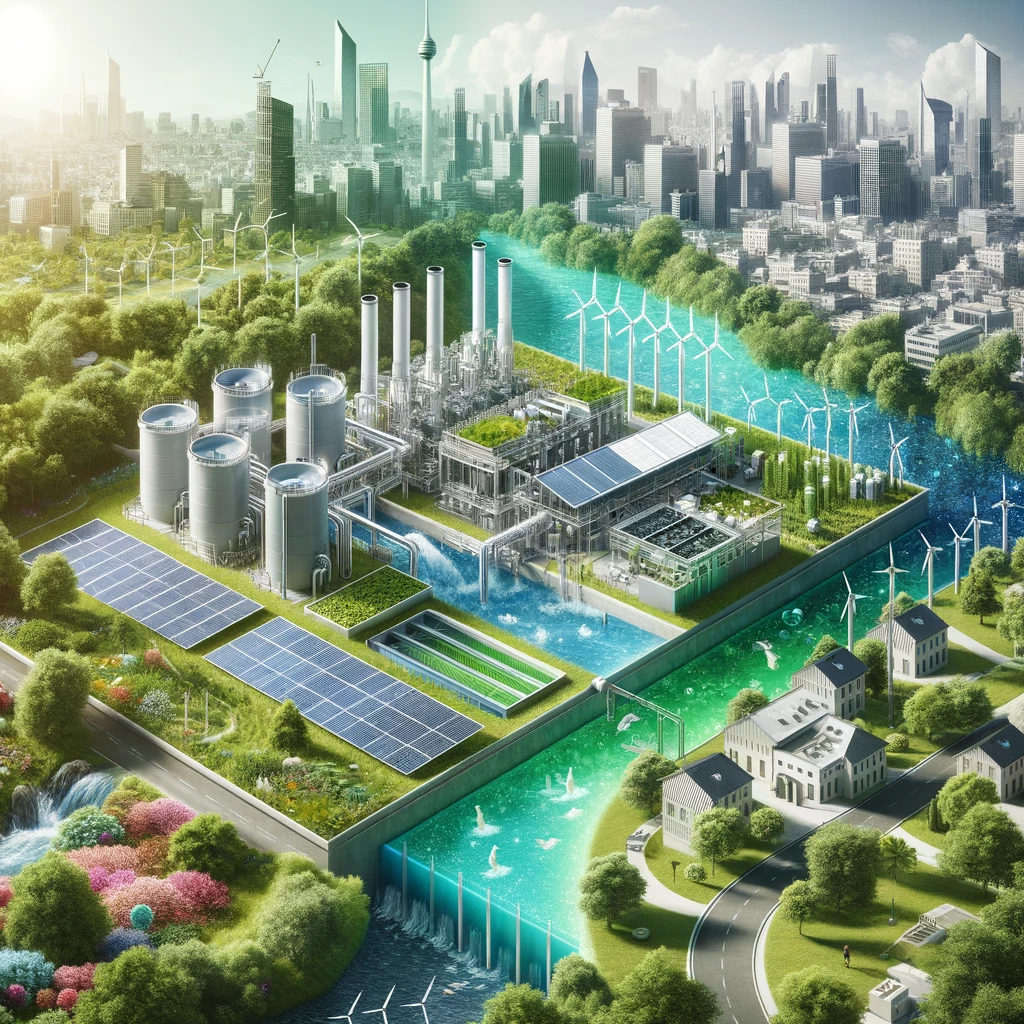
Eco-friendly disinfection methods for wastewater are becoming central to modern sanitation because utilities, industries, and decentralized treatment operators need pathogen control without creating new environmental burdens. In practice, wastewater disinfection means reducing bacteria, viruses, protozoa, and helminths in treated effluent before reuse or discharge, while eco-friendly methods aim to minimize toxic residuals, energy waste, greenhouse gas emissions, and harmful byproducts. This matters across the full spectrum of ecological sanitation, or EcoSan, where the goal is not only safe treatment but also recovery of water, nutrients, and energy. I have seen projects stall because teams focused narrowly on killing pathogens and ignored chlorine residual management, power reliability, or impacts on downstream wetlands. The better approach is systems-based: match the disinfection step to the treatment train, the intended reuse, local regulations, and the operational capacity on site. As a hub for exploring cutting-edge EcoSan technologies, this article maps the main low-impact disinfection options, explains where each fits, and shows how emerging research is changing design decisions for municipal plants, onsite systems, and resource-recovery facilities.
Why Disinfection Design Is Changing in EcoSan
Traditional disinfection has often relied on chlorination because it is inexpensive, familiar, and effective against many pathogens. Yet the environmental costs are real. When free chlorine reacts with natural organic matter, it can form trihalomethanes and haloacetic acids, compounds associated with ecological and human health concerns. In wastewater, chlorination can also create chloramines and chlorinated organics that complicate reuse in irrigation or discharge to sensitive receiving waters. Dechlorination with sulfur compounds adds another chemical step and can depress dissolved oxygen. These issues are pushing utilities toward lower-impact alternatives.
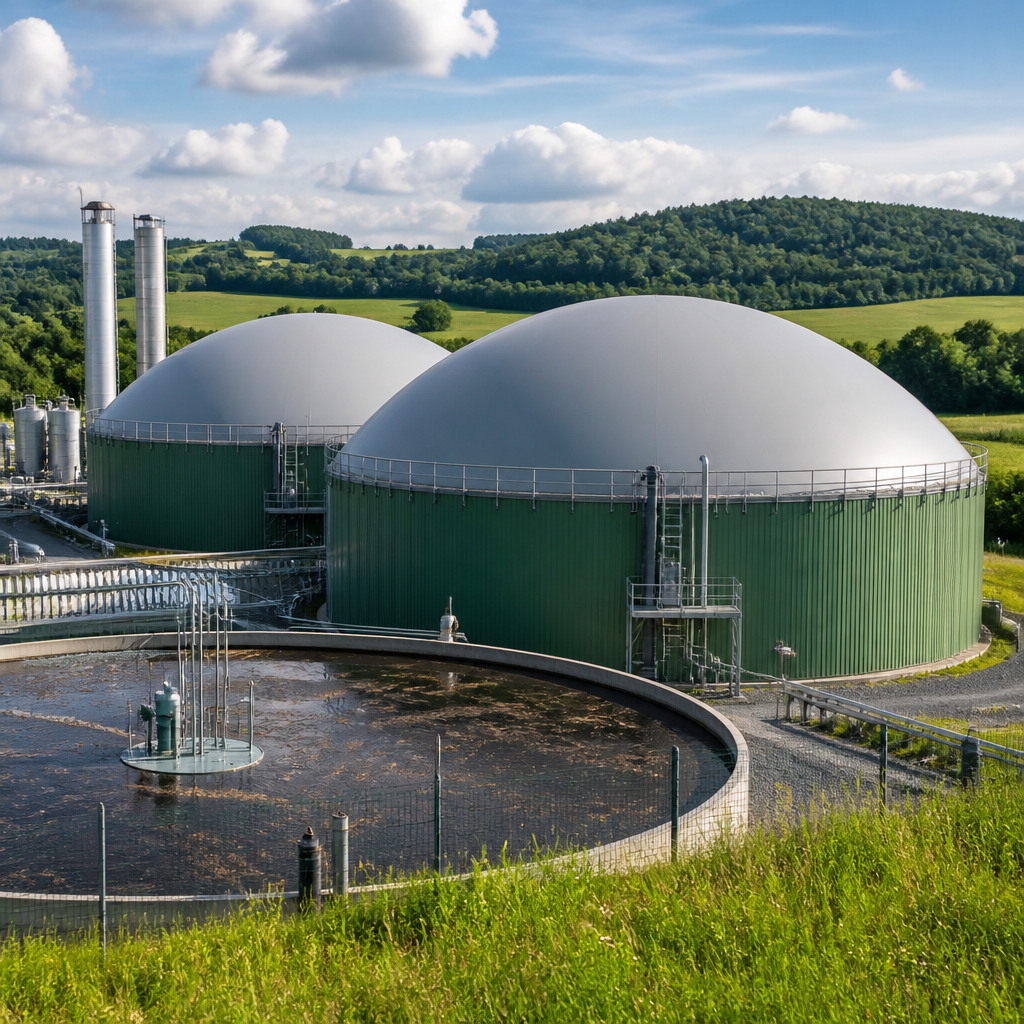
EcoSan raises the standard further. A treatment process cannot be considered sustainable if it undermines soil health, damages aquatic life, or prevents nutrient recovery. That is why cutting-edge EcoSan technologies increasingly integrate disinfection with membrane bioreactors, anaerobic digestion, source separation, constructed wetlands, and water reuse systems. The key design question is no longer simply, “Does it disinfect?” It is, “Does it disinfect reliably under variable loads, with manageable cost and skill requirements, while supporting circular use of water and nutrients?”
Public health targets also shape decisions. The World Health Organization frames reuse safety through health-based targets and multiple barriers rather than a single silver bullet. In the field, that means filtration, retention time, sunlight exposure, or crop restrictions may work alongside the final disinfection unit. A good EcoSan hub article must therefore treat disinfection as part of a wider risk-management chain, not as an isolated box at the end of the plant.
Ultraviolet Disinfection: Efficient, Chemical-Free, and Widely Proven
Ultraviolet, or UV, disinfection is one of the strongest eco-friendly options because it inactivates microorganisms without adding chemicals to the effluent. UV-C light, typically around 254 nanometers in conventional low-pressure systems, damages nucleic acids so organisms cannot replicate. In municipal reuse schemes, I have found UV particularly effective when upstream treatment already delivers low turbidity and low suspended solids. Under those conditions, UV offers fast contact times, no residual taste or odor issues, and no chlorinated byproducts.
The main limitation is equally clear: UV performance depends on water clarity. Particles can shield pathogens, and fouling on quartz sleeves reduces dose delivery. That is why UV is often paired with tertiary filtration or used after membrane bioreactors, where effluent quality is consistently high. Modern reactors address efficiency with automatic wiping systems, dose pacing, and UV transmittance sensors. Compared with chlorination, UV usually lowers chemical handling risks and simplifies compliance for reuse where residual disinfectants are undesirable.
Recent innovation is improving UV further. UV-LED systems, though still developing economically, promise mercury-free operation, compact reactor design, instant on-off control, and wavelength tuning. This matters for decentralized EcoSan units in clinics, schools, and remote settlements where maintenance simplicity is crucial. The tradeoff is that many UV-LED installations still face cost and scaling barriers relative to established mercury-lamp reactors. Even so, for treated wastewater with stable quality, UV remains one of the most practical green disinfection technologies available today.
Ozone and Advanced Oxidation for High-Performance Treatment
Ozone is a powerful oxidant generated on site from oxygen or air, making it attractive where operators want strong disinfection without storing bulk chemicals. It is effective against a broad range of pathogens and can also reduce color, odor, and some trace organic contaminants. In water reuse projects serving urban landscaping or industrial applications, ozone can provide a dual benefit: microbial control and polishing of effluent quality. Because ozone decomposes back to oxygen, it leaves no persistent residual in the finished water.
However, ozone is not automatically low impact. Energy demand can be significant, and bromate formation is a concern in waters containing bromide. Mass transfer efficiency, reactor hydraulics, and off-gas destruction all matter. In other words, ozone becomes eco-friendly only when it is well engineered and matched to a treatment train that justifies its broader treatment value. I have seen ozone make the most sense in advanced reuse facilities where the utility also needs micropollutant reduction, not just pathogen removal.
Advanced oxidation processes, including combinations such as ozone with hydrogen peroxide or UV with peroxide, push this concept further by generating hydroxyl radicals. These systems can attack persistent contaminants including pharmaceuticals and endocrine-disrupting compounds. For EcoSan research, they are important because safe reuse increasingly depends on both microbiological and chemical quality. Their drawback is complexity and cost. They are best viewed as specialized tools for high-value reuse, hospital effluent management, or demonstration projects rather than universal solutions for every community plant.
Nature-Based Disinfection: Sunlight, Wetlands, and Storage
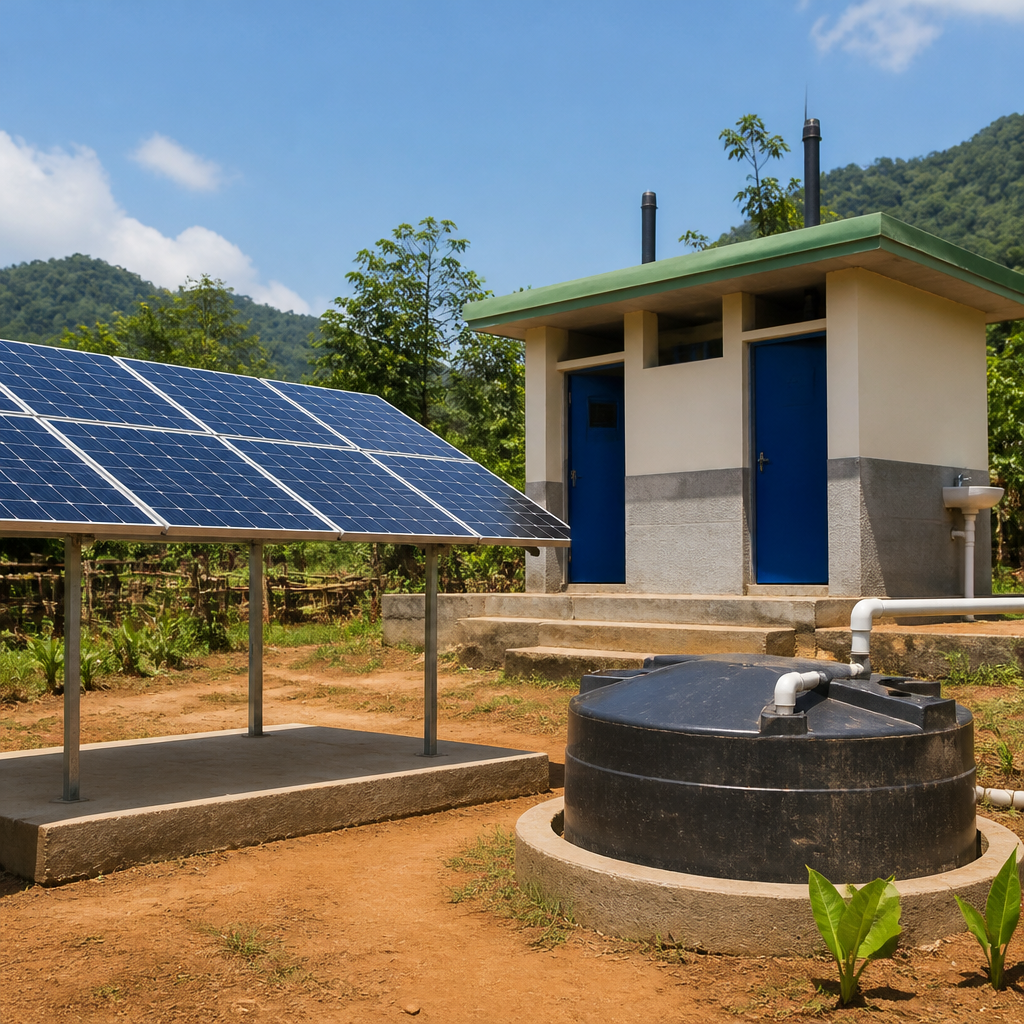
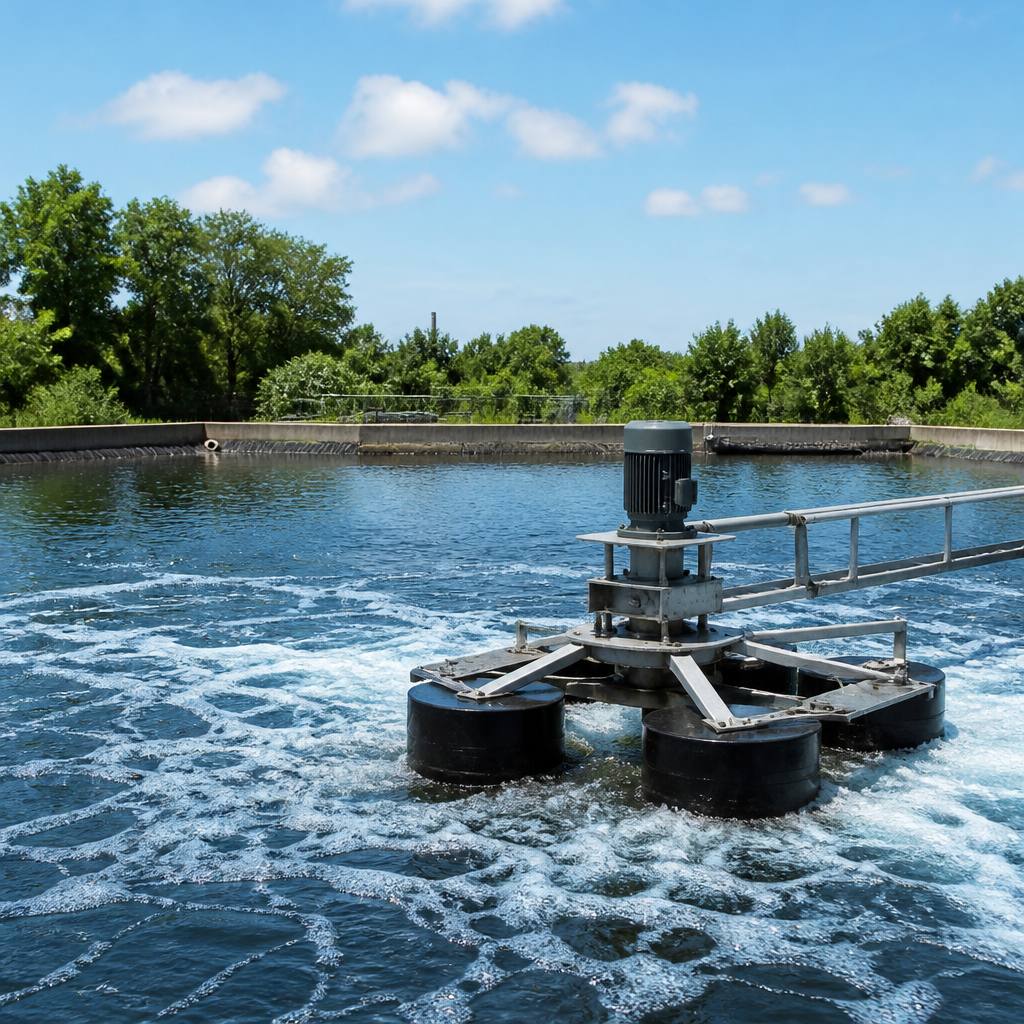
Some of the most sustainable disinfection methods use natural processes rather than intensive machinery. Waste stabilization ponds, maturation ponds, and constructed wetlands reduce pathogens through sunlight, temperature, predation, sedimentation, natural die-off, and time. These approaches fit EcoSan especially well because they can be integrated with nutrient polishing, habitat creation, and low-energy operation. In warm climates with available land, they are often the most resilient option because they keep functioning during power outages and require modest mechanical maintenance.
Constructed wetlands deserve special attention as a hub topic within technological innovations and research. Subsurface-flow and free-water-surface systems can complement primary and secondary treatment, especially in peri-urban developments, institutions, and clustered housing. They are not just passive landscapes. Their performance depends on hydraulic loading, plant species, media selection, retention time, short-circuit prevention, and seasonal conditions. Well-designed wetlands can substantially lower indicator bacteria and support final reuse for forestry, non-food irrigation, or aquifer recharge as part of a multiple-barrier strategy.
The limitation is predictability. Nature-based systems often need more land and may not consistently meet stringent discharge limits on their own, especially during storms or cold weather. For that reason, many successful EcoSan projects use them in hybrid form: for example, anaerobic baffled reactors followed by planted gravel filters and then UV or solar finishing. This layered design preserves low energy use while giving operators a controllable final barrier before discharge or reuse.
Electrochemical and Membrane-Based Innovations
Electrochemical disinfection is gaining attention because it can produce oxidants in situ, reduce chemical transport, and potentially integrate with renewable power. Depending on electrode material and wastewater chemistry, systems may generate hydroxyl radicals, ozone, hydrogen peroxide, or free chlorine from naturally present chloride. In decentralized sanitation pilots, electrochemical units can be compact and responsive, making them useful where storage of hazardous chemicals is impractical. Boron-doped diamond electrodes, mixed metal oxides, and electrocoagulation-assisted designs are prominent research areas.
Yet this category requires careful evaluation. If chloride is high, electrochemical treatment may still generate chlorinated byproducts, undermining environmental goals. Electrode fouling, replacement cost, and energy intensity also vary widely. The technology is promising, but not all products marketed as green perform equally well in real wastewater. Verification through pathogen log reduction data, power consumption records, and byproduct monitoring is essential.
Membrane systems contribute to disinfection by physically separating microorganisms from the water stream. Microfiltration and ultrafiltration can achieve strong removal of bacteria and protozoa, while membrane bioreactors combine biological treatment with membrane separation to deliver excellent effluent quality for downstream UV or reuse. Reverse osmosis can provide an even higher barrier, especially in advanced potable reuse, though it comes with concentrate management challenges and higher energy demand. From an EcoSan perspective, membranes are most sustainable when they enable reliable water reuse in space-constrained settings or protect valuable receiving environments where conventional polishing is insufficient.
How Leading Eco-Friendly Options Compare
Decision-makers usually need a practical comparison rather than a list of technologies. The best disinfection method depends on effluent quality, land availability, operator skill, energy price, climate, and the intended reuse standard. The table below summarizes how leading options typically perform in EcoSan applications.
| Method | Main strengths | Main limitations | Best-fit EcoSan use case |
|---|---|---|---|
| UV disinfection | No chemical residuals, fast treatment, proven at many scales | Needs low turbidity, lamp fouling management, power dependent | Tertiary-treated municipal effluent, membrane bioreactor effluent, decentralized reuse with stable pretreatment |
| Ozone | Strong oxidant, improves color and odor, helps with some micropollutants | Higher energy use, bromate risk, more complex operation | Advanced reuse and polishing where chemical contaminant reduction also matters |
| Constructed wetlands and ponds | Low energy, resilient, supports nutrient polishing and habitat value | Needs land, variable seasonal performance, slower treatment | Peri-urban systems, institutions, warm-climate reuse schemes, hybrid low-cost treatment trains |
| Electrochemical systems | Compact, on-site oxidant generation, compatible with modular treatment | Performance varies, byproduct risk, electrode cost | Decentralized sanitation pilots and niche applications with strong monitoring |
| Membrane-based barriers | Excellent physical removal, compact footprint, high-quality reuse water | Capital cost, fouling, energy demand, concentrate issues for high-pressure membranes | Urban reuse, water-scarce regions, advanced treatment hubs |
Selecting the Right Method for Reuse, Cost, and Local Conditions
The most effective way to choose among eco-friendly disinfection methods for wastewater is to start with the reuse objective. If the water is intended for restricted irrigation, the design may prioritize low energy and multiple barriers, making wetlands plus storage or UV a sensible pathway. If the target is industrial reuse with strict quality requirements, membrane treatment plus UV or ozone may be justified. Where discharge is to a nutrient-sensitive river, avoiding toxic residuals becomes especially important, which often moves designers away from conventional chlorination.
Operational reality is just as important as treatment theory. I have worked on systems where an elegant advanced oxidation process failed because replacement parts were unavailable, while a simpler UV or pond-based solution delivered consistent compliance for years. Questions that should always be answered include: What happens during power cuts? Who cleans the reactor or wetland inlet? Can local staff calibrate sensors? Is there a spare-parts supply chain? Sustainability depends on reliable daily operation, not brochure-level performance.
Economics should include lifecycle cost, not only capital price. A low-cost unit that consumes substantial power or demands frequent chemical inputs may be less sustainable than a higher-capital system with lower operating expense and longer asset life. Monitoring needs also differ. UV requires dose verification and sleeve maintenance. Ozone needs off-gas management and oxidation control. Wetlands need hydraulic inspections and vegetation management. Membranes need transmembrane pressure tracking and cleaning protocols. The right choice is the one that meets health targets with the fewest avoidable burdens in the specific local context.
The Research Frontier in EcoSan Disinfection
Current research is expanding what eco-friendly disinfection can achieve. UV-LEDs are progressing toward better wall-plug efficiency and tailored pathogen targeting. Solar-driven photocatalysis using materials such as titanium dioxide is being investigated for low-energy oxidation, especially in sunny regions. Hybrid wetlands with conductive media, intensified aeration zones, or biochar amendments are being tested to improve both pathogen reduction and contaminant removal. Real-time monitoring using online turbidity, oxidation-reduction potential, and microbial surrogates is also making distributed treatment more manageable.
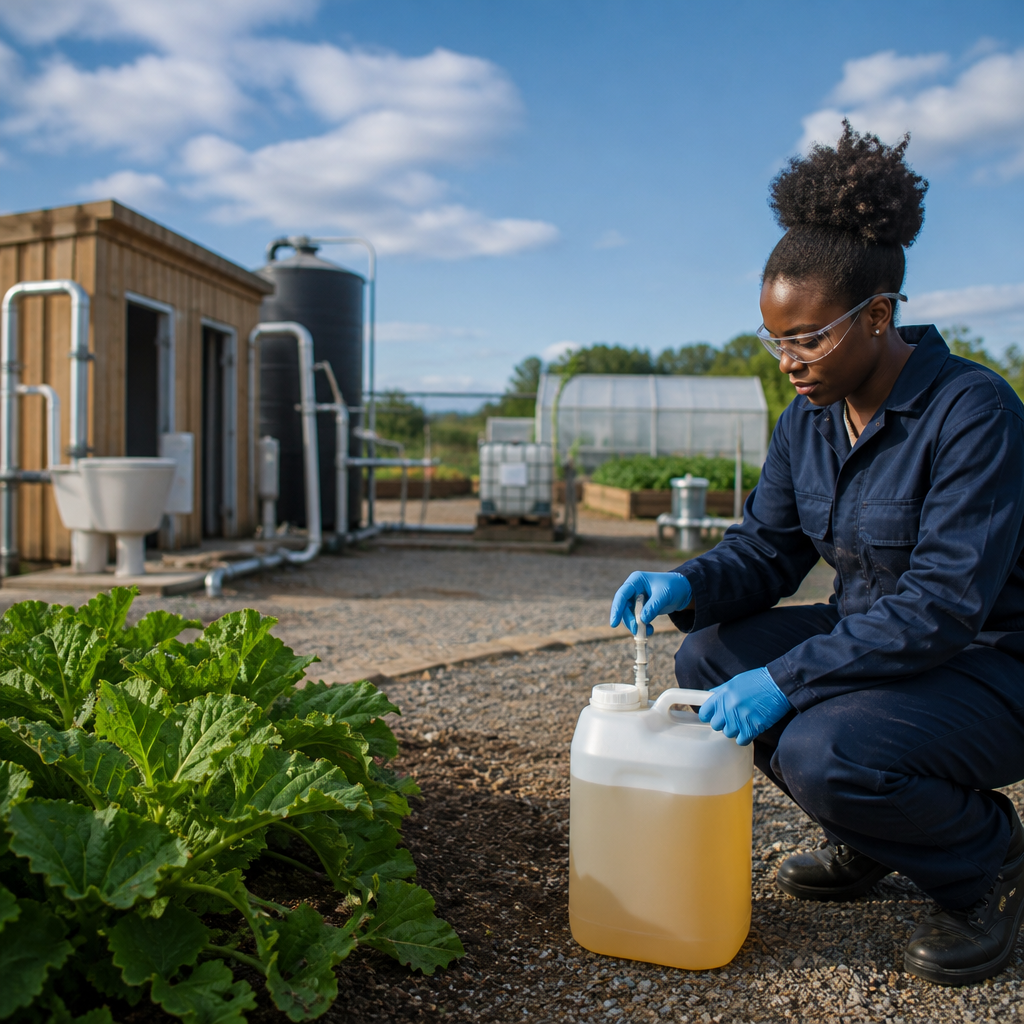
Another major frontier is source-separated sanitation. Urine diversion, blackwater concentration, and fecal sludge treatment create streams with very different chemistry than conventional municipal wastewater. That opens the door to tailored disinfection and sanitation approaches, including alkaline treatment, thermal pasteurization using recovered heat, and ammonia-based inactivation in stored urine-derived fertilizers. These are important EcoSan technologies because they connect pathogen control directly to resource recovery rather than treating mixed wastewater as a single problem.
The core lesson across all of these innovations is that no single method wins everywhere. Eco-friendly wastewater disinfection works best when it is integrated with pretreatment, reuse goals, and local operating conditions. UV, ozone, wetlands, electrochemical systems, and membranes each have a clear place in modern EcoSan, and the strongest projects combine them thoughtfully as multiple barriers. If you are building out your knowledge of technological innovations and research, use this hub as a starting point, then evaluate each method against your water quality targets, energy constraints, land availability, and maintenance capacity before moving to design or procurement.
Frequently Asked Questions
1. What are eco-friendly disinfection methods for wastewater?
Eco-friendly disinfection methods for wastewater are treatment approaches designed to reduce or inactivate disease-causing microorganisms in treated effluent while limiting environmental harm. In wastewater applications, the main targets typically include bacteria, viruses, protozoa, and helminths before water is reused or discharged. What makes a method “eco-friendly” is not just whether it kills pathogens effectively, but whether it does so with fewer toxic residuals, lower energy demand, reduced greenhouse gas emissions, and minimal formation of harmful disinfection byproducts.
Common examples include ultraviolet (UV) disinfection, ozone treatment, peracetic acid, and optimized natural or nature-based systems such as polishing ponds, constructed wetlands, and solar-assisted disinfection under appropriate conditions. Each option has a different sustainability profile. UV is widely valued because it does not leave a chemical residual in the water, although it requires electricity and works best when the effluent has low turbidity. Ozone is a powerful oxidant that can inactivate a broad range of pathogens and also improve effluent quality, but it must be generated on site and can be energy-intensive depending on system design. Peracetic acid is increasingly discussed as a lower-residual chemical disinfectant because it breaks down into relatively benign compounds, though dose control and cost remain important considerations.
In practice, there is no single best method for every facility. The most sustainable choice depends on effluent quality, treatment goals, infrastructure, operator skill level, energy availability, reuse requirements, and local regulations. A method can only truly be considered eco-friendly if it delivers reliable pathogen control without shifting the burden elsewhere, such as increasing toxicity, sludge issues, operating complexity, or lifecycle emissions.
2. Why is wastewater disinfection important, and how do greener methods improve sustainability?
Wastewater disinfection is important because even after primary and secondary treatment, treated effluent can still contain significant levels of pathogens capable of causing human and ecological harm. If inadequately disinfected water is reused for irrigation, industrial processes, groundwater recharge, or urban applications, or if it is discharged into rivers, lakes, or coastal areas, it can spread waterborne disease, contaminate crops, affect recreational waters, and damage sensitive ecosystems. Effective disinfection is therefore a critical public health barrier in modern sanitation systems.
Greener disinfection methods improve sustainability by reducing the unintended consequences historically associated with conventional chemical approaches. Traditional disinfectants such as chlorine are highly effective and remain widely used, but depending on the wastewater matrix they can form disinfection byproducts, create toxic residuals that require dechlorination, and contribute to risks for aquatic life if not properly controlled. Eco-friendly alternatives seek to preserve the public health function of disinfection while reducing these tradeoffs. This means less chemical carryover into receiving waters, fewer hazardous storage and handling requirements, lower toxicity in final effluent, and often a better fit for water reuse strategies.
Sustainability also involves operational efficiency. A greener system may lower lifecycle costs through reduced chemical consumption, safer working conditions, simpler residual management, or better compatibility with renewable power and decentralized operation. For utilities and industries under pressure to meet stricter environmental standards, eco-friendly disinfection is not just an environmental preference. It is increasingly a strategic way to balance pathogen control, regulatory compliance, resource recovery, and long-term resilience.
3. What are the main eco-friendly alternatives to chlorine for wastewater disinfection?
The main eco-friendly alternatives to chlorine for wastewater disinfection are ultraviolet irradiation, ozone, peracetic acid, and certain natural polishing systems, with the best choice depending on treatment objectives and site conditions. UV disinfection is one of the most established alternatives. It works by damaging microbial genetic material so organisms cannot reproduce or infect hosts. Its major environmental advantage is that it does not add chemicals to the water or leave a toxic residual. However, UV performance depends heavily on water clarity, suspended solids, and lamp maintenance, so upstream treatment quality is essential.
Ozone is another strong alternative because it is an extremely effective oxidant that can inactivate many pathogens rapidly and can also help reduce color, odor, and some trace contaminants. Since ozone decomposes quickly, it does not persist as a long-term residual in the effluent. The tradeoff is that ozone systems are more technically complex, require on-site generation, and may use substantial energy if not carefully optimized. For larger plants with strong process control, however, ozone can be a high-performance option.
Peracetic acid is gaining attention because it offers effective microbial control and breaks down into acetic acid, oxygen, and water-related decomposition products, making it attractive where minimizing chlorinated byproducts is a priority. It can be particularly useful where operators want a chemical disinfectant without the same byproduct concerns associated with chlorine. In addition, natural systems such as maturation ponds, constructed wetlands, and solar-supported post-treatment can contribute to pathogen reduction in low-energy or decentralized settings, although they typically require more land and may not provide the same consistency as engineered mechanical systems.
It is important to note that replacing chlorine does not automatically guarantee a better environmental outcome. Decision-makers should compare pathogen removal performance, energy demand, byproduct formation, operator safety, capital cost, maintenance requirements, and whole-system environmental impact before selecting an alternative.
4. What factors determine the best eco-friendly disinfection method for a wastewater treatment system?
Selecting the best eco-friendly disinfection method depends first on the quality of the treated effluent entering the disinfection stage. Parameters such as turbidity, total suspended solids, organic matter, ammonia, and UV transmittance strongly affect performance. For example, UV systems work best when the water is already well clarified, because particles can shield microorganisms from exposure. Chemical alternatives may be influenced by organic load or reactions with other constituents, which can increase dosage requirements and affect cost or environmental performance.
The next major factor is the intended end use or discharge standard. Water being reused for irrigation, urban non-potable applications, industrial processes, or environmental release may be subject to different pathogen limits and monitoring expectations. Some applications demand highly consistent virus and protozoa control, while others may emphasize residual protection in distribution or storage. Local regulations, permit requirements, and public health guidance often shape technology choice just as much as engineering preferences do.
Operational context matters as well. A large municipal plant with skilled staff, automation, and stable power may be well positioned to run advanced UV or ozone systems efficiently. A decentralized facility, small industrial site, or rural treatment scheme may prioritize low-maintenance, low-chemical, or low-energy methods that are easier to manage with limited technical capacity. Land availability, climate, chemical supply chains, safety requirements, and backup needs all influence what is practical in real-world operation.
Finally, the best eco-friendly option should be judged using a lifecycle perspective. That includes capital equipment, energy use, replacement parts, chemical manufacturing and transport, operator exposure, residual handling, greenhouse gas implications, and overall reliability. A system that looks green on paper but fails under variable loading or requires frequent intervention may not be sustainable in practice. The strongest choices are those that consistently meet pathogen targets while fitting local infrastructure, budget, and environmental goals over the long term.
5. Are eco-friendly wastewater disinfection methods as effective as conventional methods?
Yes, eco-friendly wastewater disinfection methods can be highly effective, but their success depends on proper design, pretreatment quality, operational control, and matching the technology to the specific wastewater conditions. In many cases, UV, ozone, and peracetic acid can achieve excellent pathogen reduction when systems are correctly sized and managed. These methods are already used in municipal and industrial treatment applications around the world, which demonstrates that environmentally preferable options can meet serious public health objectives.
That said, effectiveness should never be judged in abstract terms. Every disinfection process has strengths and limitations. UV is very effective against many bacteria, viruses, and protozoa, but poor maintenance, fouled lamps, or high solids can sharply reduce performance. Ozone provides powerful oxidation and broad-spectrum disinfection, yet system complexity and energy demand require skilled operation. Peracetic acid can perform well across a range of applications, but dose optimization and contact time are essential to ensure reliable results. Natural systems may offer meaningful pathogen reduction, especially as part of a treatment train, but they usually provide less precision and consistency than fully engineered disinfection systems.
Conventional chlorine systems remain common because they are familiar, relatively low cost, and capable of leaving a residual. However, greener options often compare favorably when the full picture is considered, especially where byproduct control, aquatic toxicity, worker safety, and reuse quality are priorities. The most important takeaway is that eco-friendly does not mean weaker. With sound engineering and good operations, sustainable disinfection strategies can deliver robust pathogen control while reducing the environmental burdens that older methods may impose.