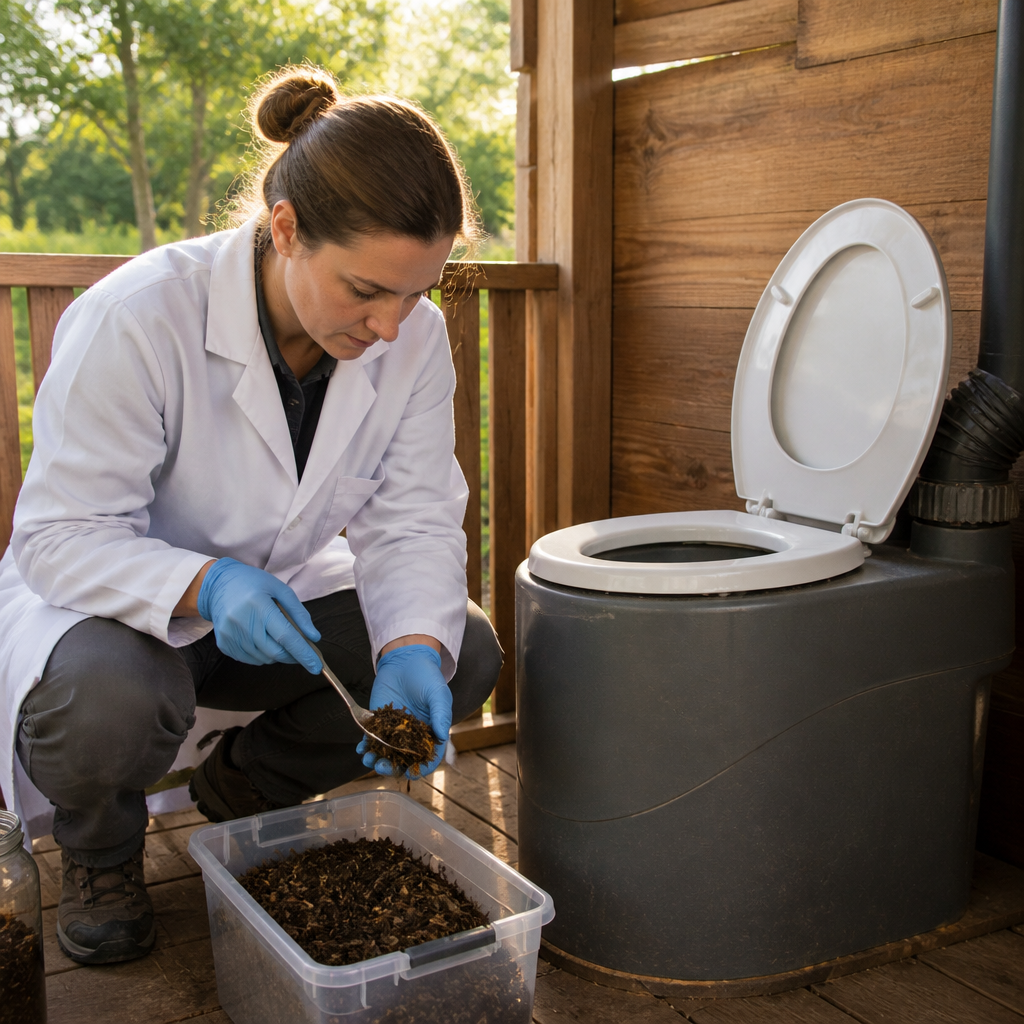
Research in reducing odor in composting toilets has moved from improvised ventilation tweaks to a serious sanitation science discipline that blends microbiology, materials engineering, user behavior, and public health. A composting toilet is a dry or near-dry toilet system that treats human waste through aerobic decomposition, usually with carbon-rich bulking material, airflow, moisture control, and time. Odor control is not a cosmetic issue. It directly affects user acceptance, maintenance frequency, indoor air quality, pathogen management, and whether decentralized sanitation systems succeed in homes, parks, disaster zones, off-grid cabins, and water-stressed communities. In my work reviewing field installations and pilot systems, the same lesson appears repeatedly: people will tolerate many inconveniences, but persistent smell quickly undermines trust in the technology.
This hub page covers advancing research in sanitation through the lens of odor reduction, because odor is where engineering performance, microbial ecology, and daily human experience meet. When people search for better composting toilets, they usually ask practical questions first: What causes the smell, which designs work best, what new technologies are being tested, and how should performance be measured? Those questions deserve direct answers. Odor typically comes from volatile compounds such as ammonia, hydrogen sulfide, volatile fatty acids, mercaptans, and amines, produced when oxygen is limited, moisture is excessive, urine is poorly managed, or temperatures fall outside the active composting range. Effective research therefore focuses on source control rather than masking. The broader significance is clear: better odor outcomes improve adoption, support circular nutrient management, and strengthen the case for resilient sanitation beyond conventional sewer systems.
Why odor research is central to advancing sanitation
Odor research matters because sanitation systems fail socially before they fail mechanically. A composting toilet can meet a manufacturer’s basic operating specification and still be rejected by users if a bathroom smells sour, sulfurous, or strongly ammoniacal. In field evaluations, odor complaints often correlate with hidden process imbalance: inadequate vent draft, wet biomass, poor carbon-to-nitrogen ratio, insect activity, or urine accumulation in corners and drains. That makes odor an early warning signal. Researchers increasingly treat it as a measurable performance indicator linked to treatment efficiency, not merely comfort.
This is why the topic belongs at the center of technological innovations and research. Odor reduction research touches reactor design, fan energy use, sorbent media, microbial inoculation, thermal management, and smart monitoring. It also connects to adjacent sanitation research areas, including pathogen inactivation, nutrient recovery, fecal sludge handling, container-based sanitation, and low-water toilet design. As a hub, this article frames those related lines of work and shows how they converge in practical system improvement. If a sanitation innovation cannot manage odor consistently across seasons, load conditions, and user habits, scaling it becomes difficult.
What actually causes odor in composting toilets
The main drivers of odor are now well understood. First, oxygen limitation shifts decomposition toward anaerobic pathways, generating reduced sulfur compounds and organic acids with strong smells. Second, excess urine raises moisture and free ammonia potential, especially when pH increases. Third, insufficient cover material leaves fresh waste exposed and reduces pore space needed for air movement. Fourth, low temperatures slow aerobic microbes, extending the period when fresh inputs release odor before stabilization. Fifth, poor exhaust design allows indoor backdrafting instead of steady negative pressure through the chamber.
These causes rarely occur alone. For example, a weekend cabin system may receive a burst of high loading, little bulking material, and no fan maintenance. Within days, moisture pockets form, compaction reduces airflow, and users describe a rotten-egg smell. In another common case, a urine-diverting model performs well until mineral scaling partially blocks the liquid drain, after which ammonia and sour notes rise rapidly. Good research therefore studies interacting variables rather than isolated ones. The strongest studies combine gas monitoring, moisture data, user logs, and physical inspections to identify the real failure chain.
Core engineering strategies that reduce odor
Most effective odor control strategies fall into five categories: ventilation, urine management, bulking media optimization, chamber geometry, and thermal stability. Ventilation remains foundational. A dedicated vertical vent stack, smooth ducting, weather-protected termination, and low-energy continuous fan can maintain negative pressure and move odor outside before it accumulates indoors. In my evaluations, systems with undersized fans or convoluted vent routes almost always underperform, even when the compost matrix itself is reasonably healthy.
Urine management is equally important because urine contributes the majority of nitrogen and moisture. Modern research increasingly favors either source separation at the toilet interface or fast drainage through sloped, cleanable channels. Bulking media, often sawdust, wood shavings, coco coir, or biochar blends, creates porosity and balances carbon. Chamber geometry also matters: shallow, broad surfaces dry differently from deep drums, and dead zones along walls become odor hotspots. Thermal stability supports aerobic metabolism, especially in cold climates where insulated chambers, solar gain, or low-watt heating elements can reduce seasonal odor spikes. None of these interventions work as a magic fix; they perform best as an integrated control package.
Recent research directions shaping next-generation systems
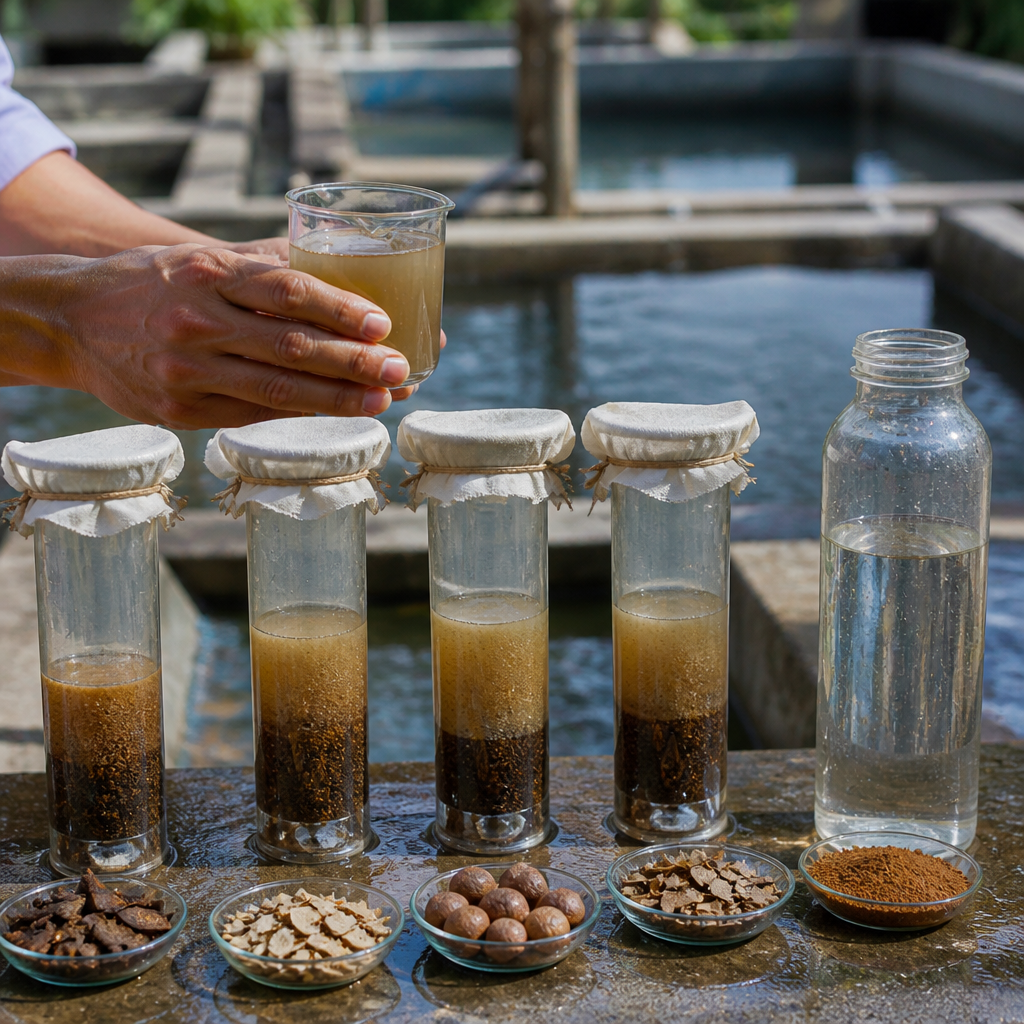
Current research is moving beyond simple fan upgrades. One major direction is advanced sorbent media. Activated carbon remains common, but researchers are testing biochar, zeolites, and impregnated mineral media that adsorb ammonia and sulfur compounds while tolerating humid air streams. Biochar is especially promising because it can increase porosity in the compost mass and provide microbial habitat, not just passive adsorption. Studies on ammonia control repeatedly show that cation-exchange materials such as clinoptilolite can reduce nitrogen volatilization under the right moisture and contact conditions.
Another active area is sensor-based control. Low-cost sensors for temperature, humidity, carbon dioxide, and ammonia are being integrated into prototypes that adjust fan speed or alert users before odor becomes obvious. While metal oxide gas sensors are not laboratory instruments, they are improving enough to support maintenance decisions in small systems. Researchers are also exploring microbial ecology using sequencing methods to understand which community structures correlate with low-odor aerobic decomposition. The practical goal is not designer microbes in a marketing sense, but predictable process biology: stable consortia, fewer anaerobic pockets, and faster transition from fresh waste to humified material.
| Research area | What is being tested | Why it helps odor control | Typical limitation |
|---|---|---|---|
| Ventilation design | Variable-speed fans, improved stack geometry, draft modeling | Maintains negative pressure and removes volatile compounds quickly | Needs power, maintenance, and weather-aware installation |
| Urine management | Source separation bowls, anti-scale drains, liquid recirculation limits | Prevents excess moisture and ammonia release | User alignment and cleaning discipline affect performance |
| Sorbent media | Biochar, zeolite, activated carbon, mineral blends | Adsorbs ammonia and sulfur compounds; may improve porosity | Media replacement cost and saturation over time |
| Microbial optimization | Inocula trials, aeration patterns, moisture setpoints | Supports aerobic breakdown and reduces anaerobic byproducts | Results vary by climate and feedstock composition |
| Smart monitoring | Ammonia, humidity, and temperature sensors with alerts | Detects imbalance before users notice strong odors | Sensor drift and calibration remain concerns |
Materials science and filtration breakthroughs
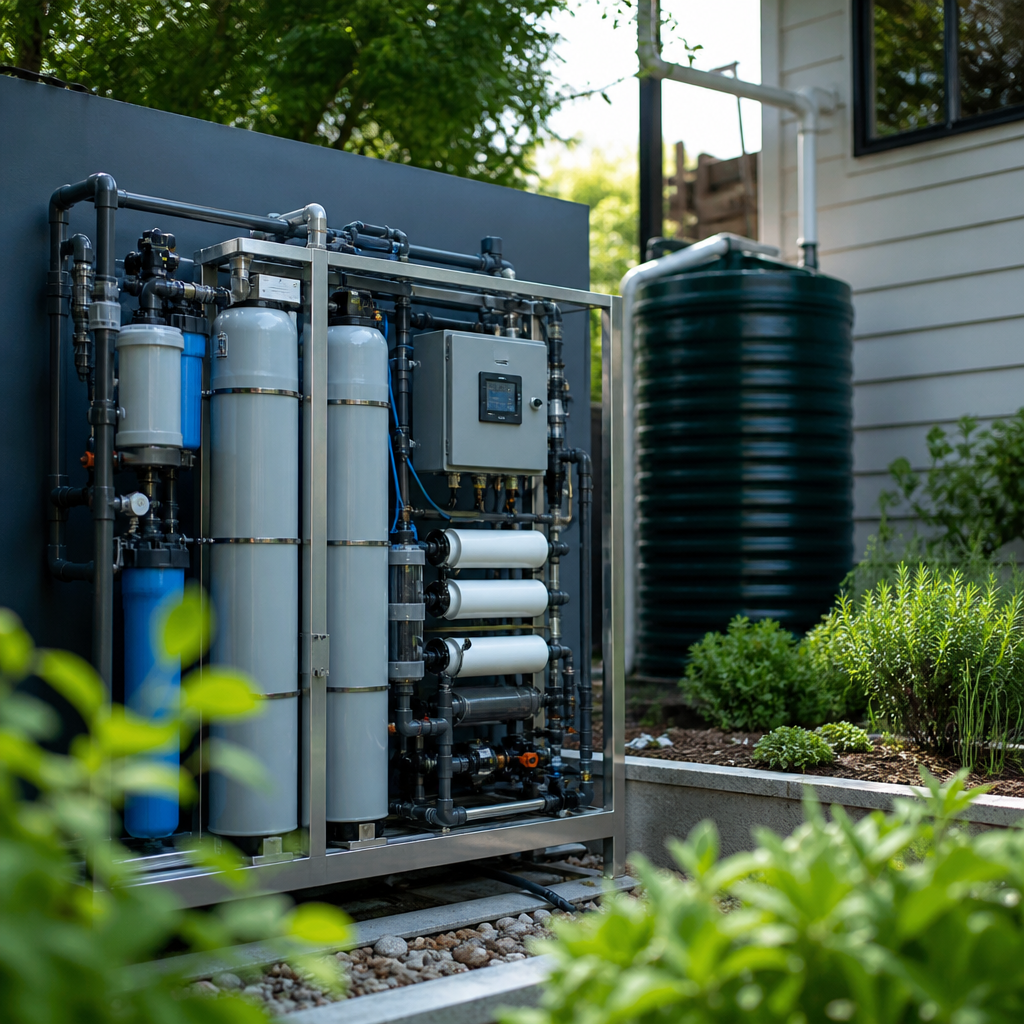
Materials science is giving odor research a sharper edge. Traditional vent filters often lose effectiveness in wet conditions, which is a serious problem because composting toilet exhaust is warm and humid. New filter configurations use staged treatment: moisture knockdown, particulate capture, then adsorption. Hydrophobic activated carbon, structured biochar pellets, and composite media that pair zeolite with carbon are being investigated to extend service life. In some prototypes, engineers place sorbent layers where airflow is most uniform rather than at the very end of the vent, reducing bypass and pressure drop.
Surface materials inside the toilet also matter more than many buyers realize. Smooth, non-porous polymers and corrosion-resistant metals reduce residue adhesion and make urine channels easier to flush or wipe, lowering persistent smell. Anti-fouling coatings may sound minor, but they address one of the biggest real-world odor sources: thin films of urine and organic matter in hidden crevices. Research on gasket materials, seals, and removable liners is similarly valuable because small leakage paths can undermine an otherwise sound ventilation system. Odor control is often won or lost at the interfaces.
Measuring odor: from user complaints to repeatable data
One reason composting toilet research used to be inconsistent is that odor was described subjectively. That is changing. Robust studies now combine sensory assessment with instrument-based measurement. Dynamic olfactometry remains a recognized approach for evaluating odor concentration, though it is resource-intensive. More commonly, researchers track proxies such as ammonia, hydrogen sulfide, volatile organic compounds, moisture content, oxygen availability, temperature profiles, and exhaust airflow rates. A strong protocol also records loading frequency, cover material type, ambient conditions, and maintenance events.
Standardization is critical. If one study tests a unit in a temperate lab with controlled synthetic feed and another examines a remote park toilet during a humid holiday season, direct comparison is weak unless methods are transparent. I look for studies that define odor thresholds, sampling locations, and chamber conditions clearly. User-centered data still matters, but it should be structured through diaries, Likert-scale surveys, and event logs rather than anecdote alone. The future of advancing research in sanitation depends on this measurement discipline. Without it, promising ideas cannot be compared, replicated, or trusted by regulators and procurement teams.
Field applications, tradeoffs, and where research should go next
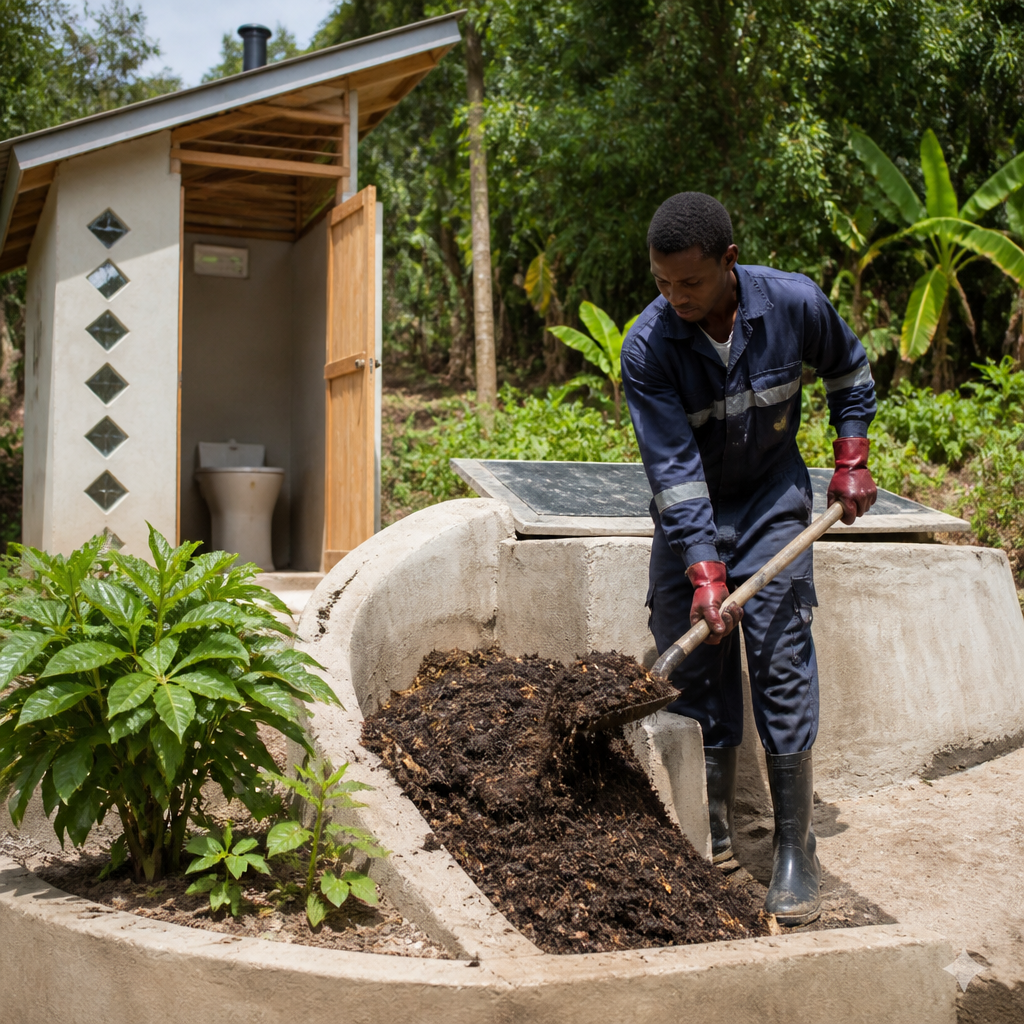
Real-world deployment shows why odor research must stay practical. In national parks, high daily loading and variable maintenance make passive systems risky; active ventilation and easy-to-replace media cartridges are usually worth the added complexity. In tiny homes and off-grid residences, users often accept routine bulking and cleaning, but they need low-noise fans, reliable urine diversion, and winter resilience. Disaster relief and temporary camps pose another challenge: speed of installation matters, yet odor failure can quickly reduce use and increase open defecation or unsafe alternatives. Different contexts require different design priorities.
There are also tradeoffs researchers should address directly. Strong airflow reduces odor, but excessive drying can stall composting and increase fan energy demand. Urine diversion lowers ammonia risk, yet diversion bowls can foul if geometry or user guidance is poor. Additives can help, but recurring consumables raise operating costs and complicate supply chains. The next phase of research should emphasize long-duration field trials, open performance datasets, and design-for-maintenance principles. This sub-pillar topic connects naturally to sensor diagnostics, nutrient recovery, pathogen reduction, and circular sanitation economics, because odor control is not separate from those goals. It is the practical gateway to them.
Research in reducing odor in composting toilets shows how advancing research in sanitation turns user complaints into engineering criteria and engineering criteria into broader adoption. The evidence is consistent: odor is primarily a process-management problem involving airflow, moisture, urine handling, carbon balance, surfaces, and maintenance design. The most successful systems do not hide smell with fragrances or one-off additives. They prevent the formation and escape of odor compounds through integrated design supported by measurement. That is the central lesson this hub page brings to the wider technological innovations and research landscape.
For readers building a deeper understanding of this subtopic, the key takeaway is simple. Better odor control improves acceptance, health protection, and confidence in decentralized sanitation. It also creates a bridge to related research on treatment efficiency, smart monitoring, nutrient capture, and resilient infrastructure for water-scarce settings. Use this hub as a starting point for evaluating designs, comparing studies, and asking better questions of products and pilots. If you are planning, specifying, or studying sanitation systems, focus on odor early, measure it carefully, and follow the connected research paths that make composting toilets work in the real world.
Frequently Asked Questions
What causes odor in composting toilets, and why has it become a major research focus?
Odor in composting toilets is usually a sign that the biological and physical conditions inside the system are out of balance. In a well-functioning unit, human waste is broken down primarily through aerobic decomposition, meaning oxygen-loving microorganisms convert organic matter into more stable compounds with relatively low odor. When airflow is inadequate, moisture becomes excessive, the carbon-to-nitrogen ratio is off, or waste accumulates faster than the system can process it, anaerobic conditions can develop. That is when stronger-smelling compounds such as ammonia, volatile fatty acids, sulfur-containing gases, and other decomposition byproducts become more noticeable.
Researchers now treat odor control as a central performance issue rather than a minor comfort problem. That shift happened because odor directly influences whether people are willing to use and maintain composting toilets consistently. If a system smells unpleasant, users may avoid it, misuse it, add the wrong materials, or abandon it altogether. From a public health perspective, poor user acceptance can undermine sanitation access, especially in remote, water-scarce, or off-grid environments where composting toilets are meant to provide a sustainable alternative. Odor also matters for facility managers, regulators, and designers because it affects maintenance frequency, indoor air quality, and the perceived legitimacy of non-flush sanitation systems.
Modern research therefore looks beyond simple “bad smell” complaints and studies odor as a measurable outcome shaped by microbiology, reactor design, environmental conditions, and user behavior. Scientists examine how microbial communities change under different temperatures, moisture levels, aeration rates, and bulking materials. Engineers test vent stacks, fans, passive draft systems, filters, and absorbent media. Public health researchers explore how households and communities respond to smell, cleanliness, and maintenance demands. The result is a much more serious, interdisciplinary approach to reducing odor at the source rather than masking it after it appears.
How do airflow and ventilation reduce odor in composting toilets?
Airflow is one of the most important variables in odor control because composting toilets depend on oxygen to support aerobic decomposition. When fresh air moves through the waste chamber, it helps beneficial aerobic microbes remain active and discourages the anaerobic conditions that generate many offensive odors. Good ventilation also removes moisture-laden air and carries odor molecules away from the user area before they can accumulate indoors. In practical terms, a toilet can have excellent composting media and still smell if the air exchange pattern is weak, inconsistent, or poorly directed.
Research has shown that effective ventilation is not just about adding a vent pipe. The geometry of the system matters. Scientists and engineers evaluate vent diameter, pipe height, bends, air intake placement, chamber shape, wind exposure, and temperature differences between the chamber and outdoor air. These factors influence draft strength and whether air moves in the correct direction. In passive systems, solar heating and stack effect can improve upward airflow, but performance may fluctuate with weather and installation conditions. In active systems, low-energy fans can create more reliable negative pressure, helping ensure that air is drawn into the toilet and out through the vent rather than leaking odors into the room.
Ventilation research also examines tradeoffs. Too little airflow can allow odor-causing gases to build up, while too much airflow may dry the composting mass unevenly or cool it excessively, slowing microbial activity. The best designs balance oxygen delivery, humidity management, heat retention, and user comfort. Increasingly, researchers are integrating airflow modeling, field testing, and sensor-based monitoring to understand how real units behave over time. This has led to smarter approaches such as adjustable vents, demand-based fan control, and hybrid passive-active systems that maintain odor reduction without excessive energy use.
What role do bulking materials and moisture control play in reducing composting toilet odor?
Bulking materials are essential because they help create the physical and chemical conditions needed for low-odor composting. Materials such as sawdust, wood shavings, coconut coir, shredded leaves, biochar blends, or other carbon-rich additives improve porosity, absorb excess moisture, and raise the carbon content of the waste mixture. Human waste is relatively rich in nitrogen and water, and without enough carbon-rich structure, the pile can compact, become wet, and lose airflow. That combination is one of the fastest paths to odor problems.
Moisture control is closely tied to this process. Composting toilets work best within a range where microbes have enough water to remain active but not so much that free liquid accumulates or oxygen is displaced. If the contents become too wet, anaerobic pockets form, and odor-producing compounds can increase rapidly. If the contents become too dry, microbial decomposition slows, and fresh waste may sit longer before stabilizing, which can also contribute to unpleasant smells. Research in this area focuses on understanding how absorbency, particle size, decomposition rate, and user loading patterns influence the moisture balance over time.
One reason this topic has attracted serious study is that not all bulking materials perform equally. Some absorb moisture well but compact too easily. Others maintain airflow but decompose slowly or are inconvenient for users to store and apply. Researchers are testing blended media to optimize odor reduction, microbial performance, and practical usability. Biochar, for example, has gained attention for its high surface area and potential to adsorb odor compounds while also improving the structure of the composting mass. The best-performing materials are those that support aerobic conditions consistently, are locally available, affordable, and easy for users to add correctly after each use.
Can microbiology and new materials actually neutralize odor at the source?
Yes, and this is one of the most exciting directions in composting toilet research. Instead of relying only on ventilation to remove smells after they form, many studies now focus on preventing odor generation through microbial management and advanced materials. In a healthy composting system, the microbial community breaks down waste efficiently and converts unstable, odor-prone compounds into more stable end products. Researchers are studying which microbial populations are associated with better odor outcomes and how conditions such as temperature, pH, oxygen availability, and substrate composition influence those communities.
This does not mean every composting toilet needs a commercial microbial additive. In many cases, the right environmental conditions are more important than adding outside organisms. However, inoculants and biologically active amendments are being evaluated for whether they can help systems start faster, recover from imbalances, or maintain more consistent decomposition under challenging conditions. Researchers are especially interested in how microbial ecosystems respond to intermittent use, cold climates, and changing feedstock composition, because those are common real-world situations where odor spikes occur.
Materials engineering is also making a significant contribution. Adsorptive materials such as biochar, activated carbon, mineral media, and engineered filter substrates can capture volatile compounds before they enter the user environment. Some materials are incorporated directly into bulking mixes, while others are placed in exhaust pathways or chamber linings. Membranes, coatings, and structured media are being studied for moisture regulation, gas capture, and easier cleaning. The goal is to combine biological stabilization with physical odor interception so that compounds are either never produced in large quantities or are trapped before becoming noticeable. This source-control approach is more reliable and sustainable than simply masking odor with fragrances or chemical deodorizers.
What practical findings from current research are most useful for designing and maintaining low-odor composting toilets?
The most useful finding is that odor control depends on system balance, not a single fix. Research consistently shows that low-odor performance comes from aligning several factors at once: reliable airflow, adequate oxygen, proper moisture range, enough carbon-rich bulking material, separation or management of excess liquids when needed, and maintenance routines that users can realistically follow. Even well-designed toilets can develop odor problems if they are overloaded, used with the wrong cover material, or neglected for long periods. That is why newer research emphasizes not only engineering performance but also user-friendly operation.
Another important conclusion is that user behavior must be designed into the system. Clear instructions, convenient access to cover material, easy removal of finished compost, and visible cues for maintenance all improve odor outcomes. If users have to guess how much bulking material to add or do not understand why urine diversion, mixing, or periodic inspection matters, performance becomes inconsistent. Researchers in sanitation adoption have found that simple, intuitive routines often matter as much as technical sophistication. A highly engineered unit that is difficult to operate may perform worse than a simpler system designed around actual user habits.
Current research also supports tailoring designs to climate and context. Cold environments may require insulation or assisted airflow to keep biological activity stable. High-use public or institutional toilets may need larger chambers, stronger ventilation, and more robust media management than household systems. Areas with limited access to sawdust or wood shavings may benefit from testing locally available agricultural residues or manufactured blends. Increasingly, researchers recommend monitoring key indicators such as chamber moisture, airflow consistency, fill level, and odor events over time rather than waiting for complaints. The practical lesson is clear: the most successful low-odor composting toilets are not improvised afterthoughts. They are engineered sanitation systems that combine microbiological understanding, appropriate materials, thoughtful ventilation, and realistic maintenance practices.