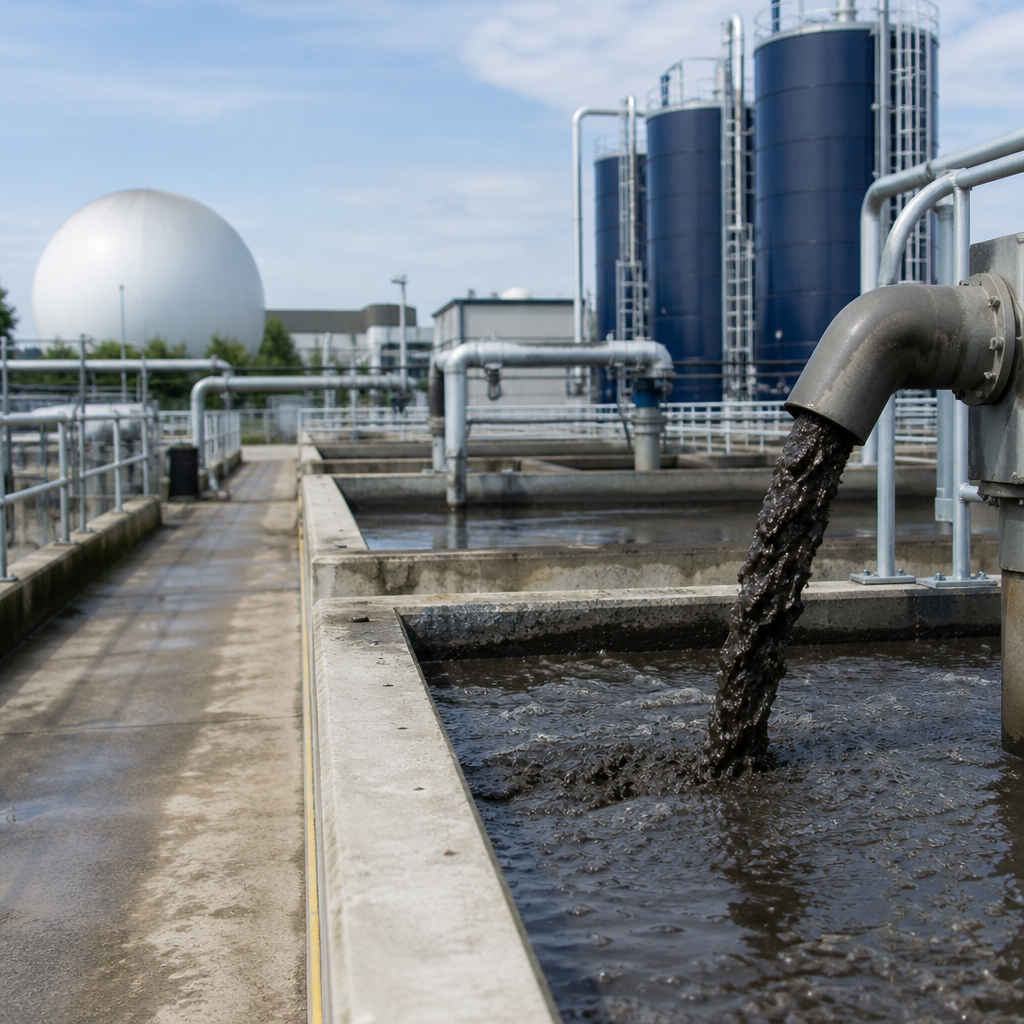
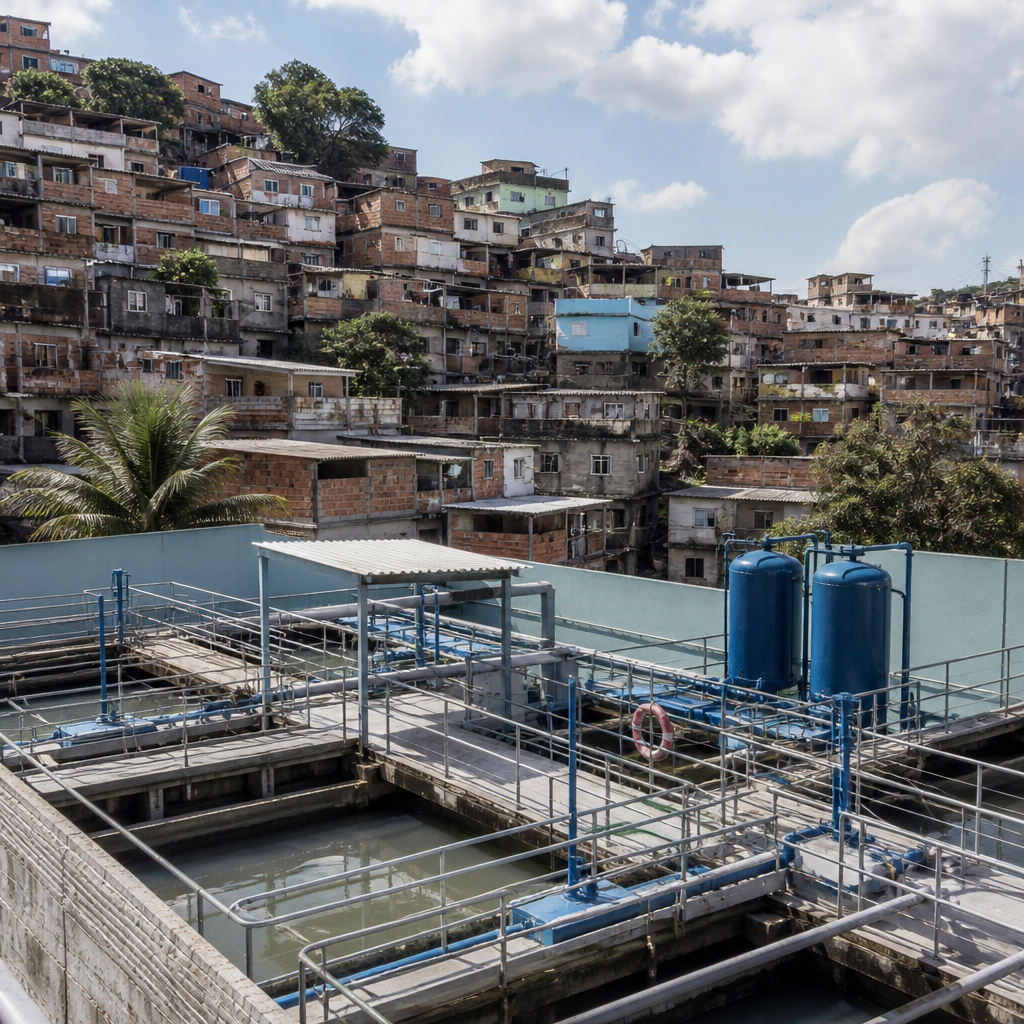
Technological responses to sanitation in high-density areas have become a defining public health challenge because urban growth is outpacing the systems designed to keep waste, wastewater, and disease risks under control. In this context, sanitation means the safe capture, containment, transport, treatment, and reuse or disposal of human waste, greywater, and related contaminants. High-density areas include informal settlements, refugee camps, low-income urban neighborhoods, dormitory-style worker housing, and rapidly growing peri-urban districts where land is scarce and infrastructure is overloaded. I have worked on sanitation planning discussions for dense settlements, and the same pattern appears everywhere: toilets alone do not solve the problem. Without reliable emptying, treatment, drainage, pathogen monitoring, and governance, new facilities quickly fail.
This article serves as a hub for advancing research in sanitation by mapping the technologies, methods, and decision frameworks shaping the field. The topic matters because sanitation failures in dense areas are linked to diarrheal disease, cholera outbreaks, antimicrobial resistance, groundwater contamination, flooding, and severe losses in dignity and safety, especially for women and children. The World Health Organization and UNICEF Joint Monitoring Programme distinguishes between basic access and safely managed sanitation for good reason: a toilet that discharges untreated waste into drains or open land is not a complete sanitation solution. Research therefore increasingly focuses on service chains, not just hardware.
Advancing research in sanitation also requires looking beyond conventional sewer expansion. Dense neighborhoods often have narrow lanes, unstable tenure, shallow groundwater, intermittent water supply, and limited municipal budgets. Those constraints have pushed engineers, microbiologists, data scientists, social researchers, and utilities toward decentralized treatment units, container-based sanitation, fecal sludge management, digital monitoring, resource recovery, and pathogen surveillance. The most useful studies now combine technical performance with affordability, user behavior, maintenance realities, climate resilience, and regulatory fit. That integrated lens is what makes this hub practical. It explains the main technology pathways, highlights where evidence is strongest, and shows how research is turning sanitation from a reactive service into a measurable, adaptable urban system.
Why sanitation research in dense settlements has changed
Sanitation research used to emphasize central sewerage as the default end state. In very dense areas, that assumption often breaks down. Retrofitting sewers into unplanned neighborhoods can require road widening, pumping stations, household connection fees, and continuous water supply that local governments cannot sustain. In places with frequent flooding, combined stormwater and sewage systems can spread contamination during heavy rain. Researchers now ask a more practical question: which full sanitation service chain can operate safely under real site constraints?
That shift has produced stronger field research on non-sewered and hybrid systems. Citywide Inclusive Sanitation, promoted by institutions such as the World Bank, the Bill & Melinda Gates Foundation, and several utilities, has helped frame sanitation as a portfolio of solutions rather than one network model. In research terms, this changed the unit of analysis from toilet coverage to outcomes like pathogen reduction, safe sludge handling, service reliability, operating cost, greenhouse gas emissions, and user acceptance. When I review dense-settlement sanitation pilots, the best projects track all of those indicators because a technically elegant toilet is irrelevant if desludging trucks cannot reach it or residents stop using it at night for safety reasons.
Another major change is the rise of environmental microbiology and rapid sensing. Researchers can now detect contamination patterns through wastewater surveillance, microbial source tracking, and molecular tools such as quantitative PCR. During the COVID-19 pandemic, wastewater epidemiology moved from specialist practice into mainstream urban health planning. That same capacity is now being applied to cholera, poliovirus, typhoid, and antimicrobial resistance genes. Dense areas benefit most because disease transmission accelerates where sanitation gaps, crowding, and weak drainage intersect.
Core technology pathways for high-density sanitation
No single technology fits every dense settlement, so research groups usually evaluate systems by settlement form, water availability, management capacity, and downstream treatment options. Simplified sewers remain valuable where lane widths, topography, and water use patterns support shallow, lower-cost networks. Condominial sewerage, used notably in Brazil, demonstrated that smaller diameter pipes and block-level layouts can reduce costs while maintaining public health outcomes when community engagement is strong. However, these systems still depend on treatment plants and utility discipline.
Where full sewering is not feasible, fecal sludge management has become a central research domain. This includes improved containments such as lined pits and septic tanks, scheduled or on-demand emptying, transfer stations, sludge treatment, and safe reuse or disposal. In dense areas, small-scale vacuums, cart-based emptying devices, and modular transfer systems are often more realistic than standard vacuum trucks. Cities such as Dakar and Lusaka have informed important studies on scheduled desludging, operator licensing, and treatment economics. The core lesson is direct: containment without professional emptying is only deferred failure.
Container-based sanitation is another significant pathway. In this model, sealable cartridges or containers are collected frequently and transported to treatment sites. It is especially relevant where flooding, rocky ground, high water tables, or landlord-tenant arrangements make pits unsafe or impossible. Research from service providers like Sanergy and SOIL has shown that container systems can deliver high-quality user experience and pathogen control when logistics are dependable. The research challenge is scale economics: unit costs decline only when routes, treatment throughput, and customer retention are managed rigorously.
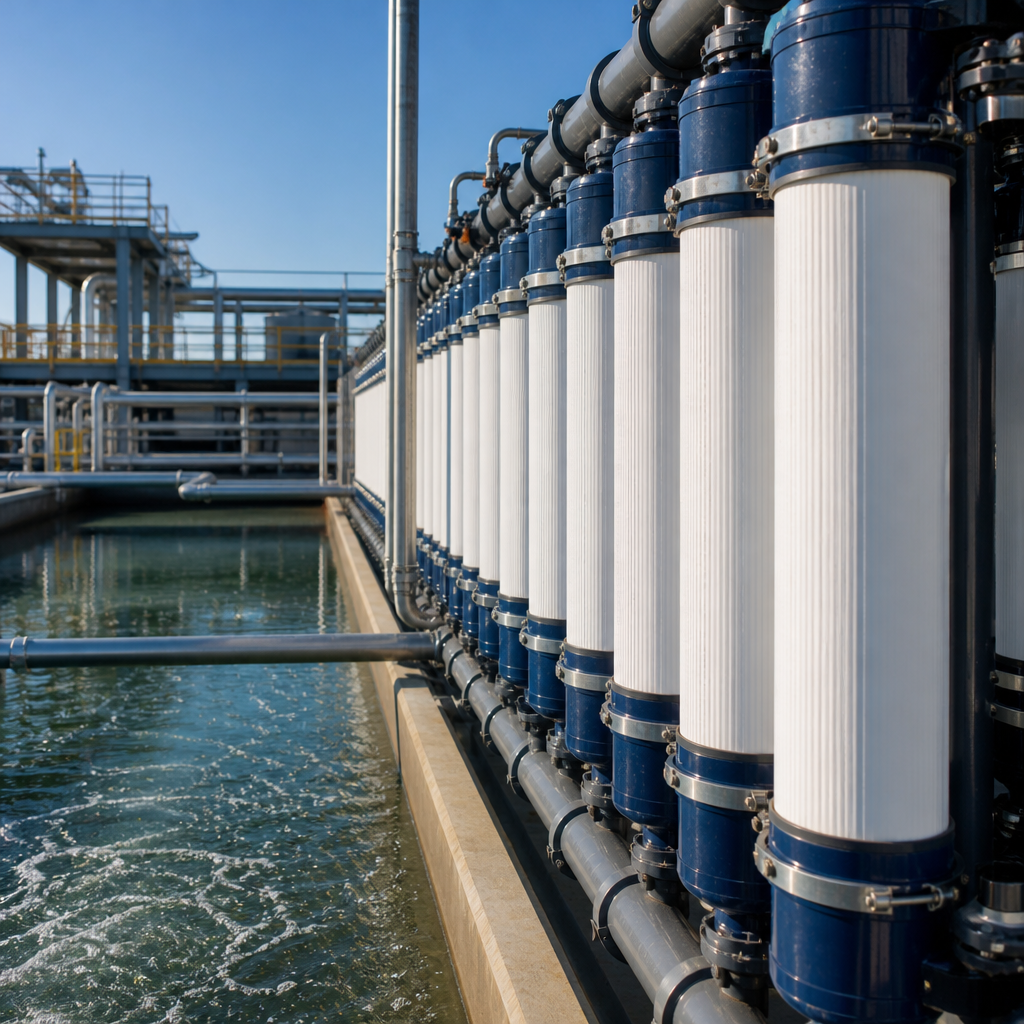
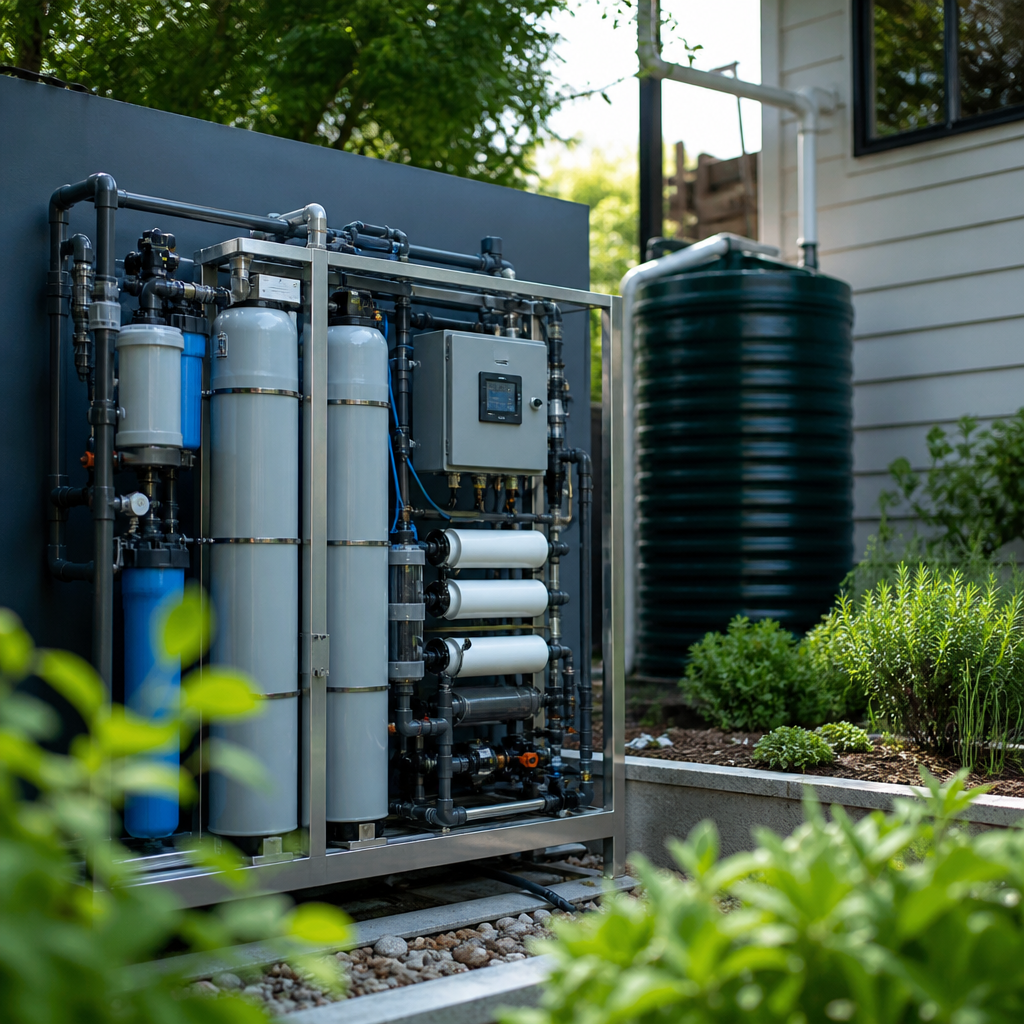
Onsite and decentralized treatment technologies are also advancing. Anaerobic baffled reactors, membrane bioreactors, planted drying beds, black soldier fly larvae processing, biodigesters, and thermal treatment units are all being tested for dense settings. Their suitability varies. Anaerobic systems are robust and relatively low energy, but performance can drop without proper loading and sludge management. Membrane systems can produce high-quality effluent in small footprints, yet membrane fouling, energy demand, and specialist maintenance remain real barriers. Thermal and pyrolysis-based systems are promising for pathogen destruction and volume reduction, though fuel balance, emissions control, and ash handling need careful validation.
Research priorities across the sanitation service chain
Advancing research in sanitation means studying each link in the chain together, because weak performance in one stage cancels gains elsewhere. For dense areas, the highest-value research questions usually concern containment integrity, collection efficiency, treatment performance under variable loads, and institutional accountability.
| Service chain stage | Main research question | Promising technologies or methods | Common limitation in dense areas |
|---|---|---|---|
| Capture and containment | How can waste be isolated safely in small footprints? | Urine-diverting toilets, lined tanks, container systems, prefabricated modules | Space constraints, shared use, high groundwater |
| Emptying and transport | How can waste move through narrow, congested settlements? | Mini-vacs, transfer stations, route optimization software, sealed carts | Access barriers, illegal dumping, irregular demand |
| Treatment | Which processes achieve pathogen reduction at viable operating cost? | Drying beds, anaerobic reactors, composting, BSF processing, thermal units | Land scarcity, operator skill gaps, unstable feedstock quality |
| Reuse or disposal | How can outputs create value without health risk? | Compost standards, briquettes, biogas, nutrient recovery, safe landfill disposal | Weak markets, quality assurance, regulation |
| Monitoring and governance | How is safety verified continuously? | Sensor networks, GIS mapping, digital payments, lab surveillance, audits | Fragmented data, budget limits, poor enforcement |
Containment research now pays much closer attention to infiltration and exfiltration. In dense settlements with shallow aquifers, poorly built pits can contaminate groundwater used for washing or even drinking. Studies therefore measure sludge accumulation rates, structural durability, leakage pathways, and user loading in shared facilities. Shared sanitation itself is a critical subject. It is often excluded from idealized sanitation ladders, yet in dense neighborhoods it is a practical reality. The strongest research does not dismiss shared toilets outright; it examines cleaning regimes, payment models, lighting, gender safety, queue times, and caretaker management to determine what makes shared systems function safely.
Transport research has benefited from digital operations tools. GPS fleet tracking, mobile work orders, and digital payment systems help reduce missed pickups and illegal disposal. In several cities, operators now use geographic information systems to map containments and forecast desludging demand. This matters because treatment plants cannot be designed accurately without realistic estimates of sludge volume and characteristics. Fecal sludge is far more variable than municipal sewage; solids content, grit, trash contamination, and moisture levels differ sharply by containment type and user behavior.
Data, surveillance, and evidence-based planning
Better sanitation technology depends on better evidence. Dense urban areas generate complex waste flows, so planning based on assumptions is expensive and risky. Research is increasingly built on sanitation flow diagrams, sometimes called SFDs, which map where excreta is safely managed and where it leaks into the environment. These diagrams are not merely communication tools. When built from verified local data, they reveal the precise breakpoints in the service chain and help cities prioritize investments.
Wastewater and environmental surveillance are becoming equally important. Sampling drains, treatment inlets, community toilets, and receiving waters can identify hotspots of fecal contamination and track pathogen circulation over time. For example, poliovirus environmental surveillance has helped public health teams detect transmission before clinical case counts rise. Similar approaches are being adapted for cholera and antimicrobial resistance monitoring. In high-density areas, that early warning function is critical because outbreaks move faster than conventional reporting systems.
Remote sensing and urban informatics also support sanitation research. High-resolution settlement maps, flood models, and elevation data help identify where pits are likely to fail, where overland contamination spreads, and where decentralized treatment can be sited. Machine learning is being tested for demand forecasting and fault detection, but the most reliable gains still come from disciplined baseline mapping and simple operational dashboards. In practice, a city that knows where every containment, transfer point, and treatment asset is located already has a major advantage over one relying on paper records and estimates.
Innovation in treatment, reuse, and circular economy models
Treatment research is moving toward compact systems that recover value while meeting health standards. Resource recovery can improve economics, but only when quality control is serious. Composting and co-composting of fecal sludge with organic waste can produce soil amendments, yet helminth inactivation, heavy metal monitoring, and market acceptance must be verified. Briquetting dried sludge for industrial fuel has been tested in several contexts, but calorific value, emissions, and ash management determine whether it is truly viable. Anaerobic digestion can produce biogas, though dense areas often struggle with feedstock consistency and operation quality.
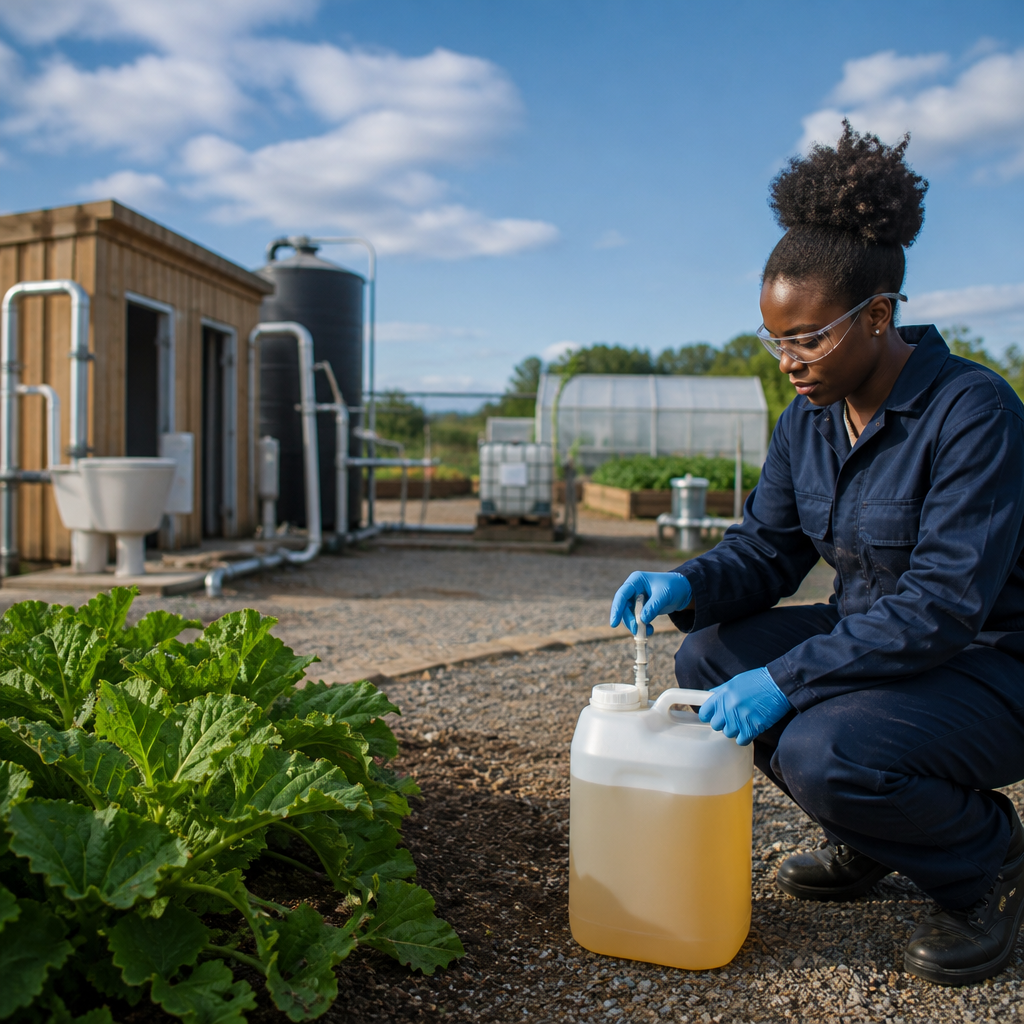
One of the most promising frontiers is nutrient recovery. Human waste contains nitrogen, phosphorus, and potassium, and phosphorus scarcity is a long-term agricultural concern. Technologies for struvite precipitation, ammonia capture, and urine diversion are attracting research attention because they can reduce nutrient discharge while creating inputs for agriculture. The challenge is not chemistry alone. Researchers must prove stable collection systems, contaminant control, farmer acceptance, and a regulatory path for sale or reuse.
Non-sewered sanitation systems are also benefiting from formal testing frameworks. ISO 30500 established performance requirements for standalone sanitation systems, including pathogen reduction and emissions criteria. That matters because it gives innovators and regulators a common reference point. In my experience, pilots gain credibility faster when they are evaluated against recognized standards instead of vendor claims. Dense-area sanitation is too important for unverified experimentation.
Implementation barriers and what research must solve next
The hardest sanitation problems in high-density areas are rarely purely technical. Land tenure uncertainty can block infrastructure investment. Utilities may lack mandates for non-sewered services. Households often face irregular income, making large upfront payments unrealistic even when monthly service fees are acceptable. Gender, disability access, child use, and night-time safety strongly influence whether facilities are used consistently. Research that ignores those realities usually produces elegant reports and failing systems.
Financing remains a decisive barrier. Capital subsidies are often necessary because sanitation produces public health benefits that private markets do not capture. At the same time, operating models must be realistic about tariffs, cross-subsidies, municipal transfers, or output-based aid. Researchers are increasingly using life-cycle costing rather than headline capital cost because low-cost construction can produce high long-term expense if emptying, repairs, and treatment are neglected. Climate resilience must also move to the center of sanitation research. Flood-tolerant containment, backup power for treatment, and overflow risk management are no longer optional design features.
For organizations building knowledge under technological innovations and research, the clearest priority is integrated evidence. Study systems over multiple years, not just pilot launches. Measure pathogen reduction, service reliability, user retention, worker safety, and greenhouse gas impacts together. Compare sewered, non-sewered, and hybrid models using the same indicators. Link laboratory findings to field maintenance realities. Most importantly, involve utilities, municipalities, community groups, and private operators from the start so research answers implementation questions, not academic ones.
Technological responses to sanitation in high-density areas work when research stays grounded in the full service chain, from the user interface to final treatment and safe reuse or disposal. The strongest evidence shows that progress comes from combining fit-for-context infrastructure, professional operations, pathogen monitoring, and clear accountability. Simplified sewers, fecal sludge management, container-based services, decentralized treatment, and digital surveillance all have roles, but only when chosen for actual site conditions rather than ideology. Advancing research in sanitation therefore means testing what survives congestion, flooding, fragile budgets, and constant use.
As this hub for advancing research in sanitation, the main takeaway is simple: dense urban sanitation improves when technology is evaluated as a service system, not a standalone product. Decision-makers should prioritize comparative research, verified standards, long-term operating data, and community-informed design. If you are planning content or investments in this subtopic, start by mapping the service chain gaps, then explore each linked article in this hub to match technologies, evidence, and implementation strategies to the realities of high-density areas.
Frequently Asked Questions
1. What does sanitation mean in high-density areas, and why does it require different technological solutions?
In high-density areas, sanitation goes far beyond simply providing toilets. It includes the full chain of safely capturing, containing, transporting, treating, and either reusing or disposing of human waste, greywater, and related contaminants. In places such as informal settlements, refugee camps, low-income urban neighborhoods, and dormitory-style worker housing, population pressure can overwhelm conventional systems very quickly. Narrow pathways, insecure land tenure, irregular water supply, flood exposure, and limited space for pipes, septic tanks, or treatment plants all make standard sanitation models harder to install and maintain.
That is why technological responses in these settings usually focus on adaptability, compact design, low water use, and decentralized operation. Instead of relying only on large underground sewer networks, many programs use modular toilets, container-based sanitation, urine-diverting systems, prefabricated treatment units, small-bore sewers, fecal sludge management tools, and digital monitoring platforms. These technologies are designed to function where infrastructure is incomplete, land is constrained, and service interruptions can create immediate public health risks. The goal is not just to remove waste, but to prevent exposure pathways that lead to diarrhea, cholera, typhoid, parasitic infections, and environmental contamination.
Different technological choices also matter because high-density environments create a multiplier effect. If one sanitation point fails, the consequences spread rapidly through shared facilities, shallow drains, contaminated water containers, and overcrowded living conditions. Effective sanitation technology in these contexts must therefore be resilient, easy to maintain, affordable for users or providers, and integrated with hygiene, drainage, and waste collection systems. In practical terms, the best technology is often the one that can be serviced reliably, accepted by the community, and sustained over time rather than the most advanced solution on paper.
2. What are the most effective technologies currently used to improve sanitation in high-density settlements?
Several technologies are proving especially valuable because they address the core constraints of dense urban and emergency settings. One of the most important is container-based sanitation, where sealed, removable cartridges or containers collect waste at the toilet level and are then transported to treatment sites. This model works well in areas where sewer installation is too expensive, flooding is common, or households lack space for on-site pits or tanks. It reduces direct contact with waste and can provide a predictable service model similar to solid waste collection.
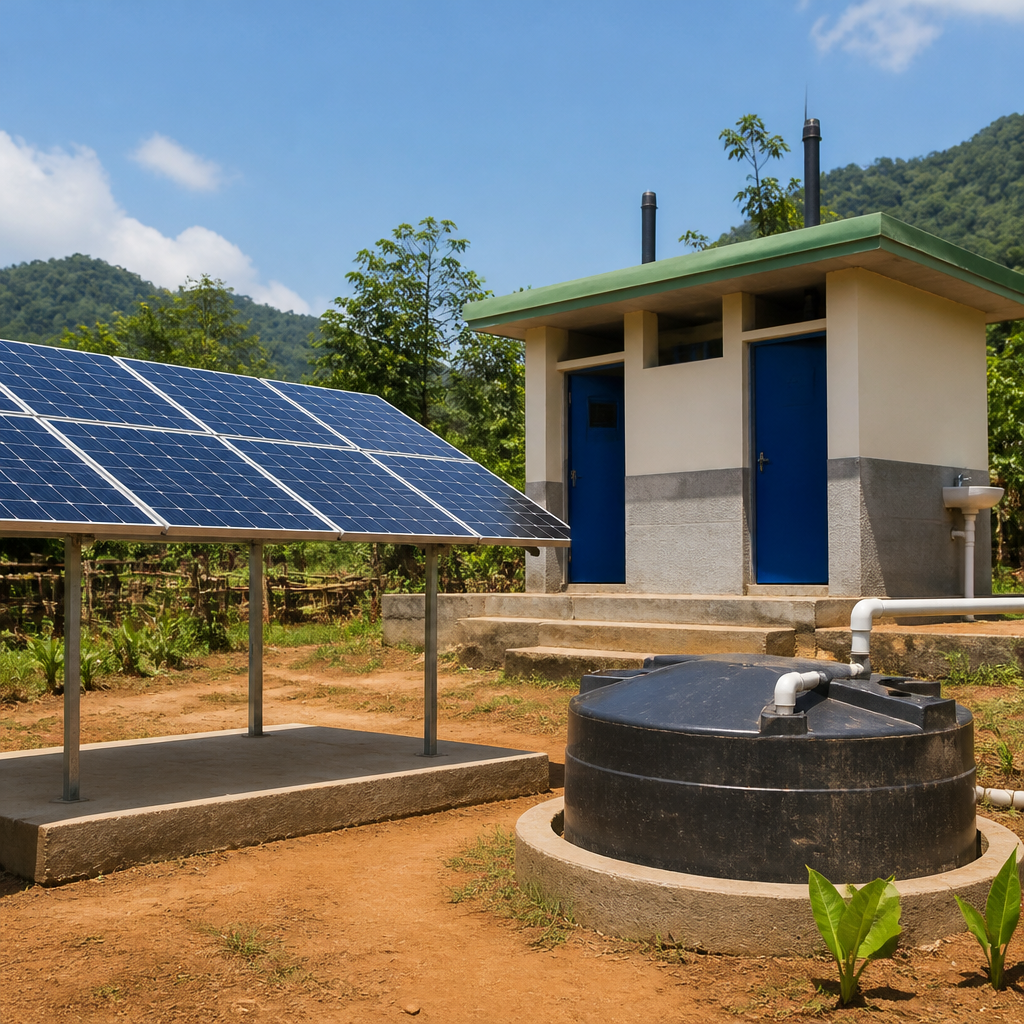
Decentralized wastewater treatment systems are also increasingly important. These include compact anaerobic digesters, baffled reactors, membrane bioreactors, and packaged treatment plants that serve clusters of homes, schools, markets, or housing blocks. Because they operate closer to the point of waste generation, they can reduce the need for extensive trunk infrastructure and allow phased expansion as neighborhoods grow. In dense areas where every meter counts, modular treatment technology can offer a realistic middle path between unsafe on-site disposal and fully centralized sewerage.
Another critical category is fecal sludge management technology. In many high-density communities, toilets discharge into pits, vaults, or septic systems that must be emptied safely. Technologies such as small-scale vacuum pumps, transfer stations, dewatering units, sludge thickening systems, and scheduled desludging platforms improve the removal and treatment of accumulated waste. These tools are especially useful where conventional vacuum trucks cannot enter because roads are too narrow or settlements are built informally.
Smart monitoring tools are also making sanitation services more responsive. Sensors can track fill levels, toilet usage, odor conditions, or treatment performance. Mobile applications can support payment systems, maintenance alerts, route optimization for waste collection, and reporting of breakdowns. While digital systems are not a substitute for physical infrastructure, they help service providers maintain reliability and respond faster in settings where missed pickups or clogged facilities can create immediate health hazards.
Finally, water-efficient and non-sewered toilet technologies are gaining traction, including urine-diverting dry toilets, low-flush systems, and toilets designed for off-grid treatment. Their effectiveness depends on local conditions, but they can be particularly useful where water scarcity, unstable tenure, or poor drainage makes conventional flushing systems impractical. The strongest sanitation programs typically combine multiple technologies rather than relying on one standalone intervention.
3. Why are conventional sewer systems often difficult to implement in high-density low-income urban areas?
Conventional sewer systems can be highly effective in planned cities with stable financing, formal land layouts, and long-term maintenance capacity, but those conditions are often missing in high-density low-income areas. Building a sewer network requires major excavation, rights-of-way, consistent engineering standards, and significant capital investment. In informal settlements, pathways may be too narrow for equipment, structures may be built too close together, and underground utilities may be undocumented or absent entirely. This makes installation disruptive, technically difficult, and expensive.
Water supply is another limiting factor. Many sewer-based systems depend on regular water flows to transport waste through pipes. In settlements with intermittent water access, illegal connections, or low household storage capacity, sewer lines may clog or fail. Flooding also creates serious operational risks, as stormwater intrusion can overwhelm sewers, spread contamination, and damage treatment capacity. Where drainage is poor, sewage backups can become frequent and dangerous.
Institutional and financial constraints are just as important as engineering ones. Sewer infrastructure needs long-term public investment, routine maintenance, treatment plant operation, and clear accountability among utilities, municipalities, land agencies, and service providers. In under-served urban areas, residents may not have formal addresses or recognized tenure, making billing, permitting, and system expansion more difficult. Even when construction is funded initially, long-term operation can falter if tariff structures are weak or maintenance budgets are insufficient.
Because of these challenges, many sanitation experts advocate context-specific solutions instead of assuming centralized sewers are always the ideal endpoint. Simplified sewers, condominial sewer systems, decentralized treatment, shared facilities with professional maintenance, and fecal sludge management models may deliver safer and faster improvements in dense low-income settings. The best approach depends on topography, density, governance capacity, affordability, and how quickly risks need to be reduced.
4. How do sanitation technologies help reduce disease and public health risks in crowded environments?
Sanitation technologies reduce disease by breaking the pathways through which pathogens move from human waste back to people. In crowded environments, that movement can happen very quickly through contaminated hands, surfaces, water containers, drains, floodwater, flies, and food preparation areas. When toilets are overflowing, pits are leaking, or wastewater flows openly through shared spaces, disease-causing organisms can spread across entire blocks or camps in a short time. Effective sanitation technology interrupts that chain at multiple points.
At the front end, improved toilets and containment systems reduce open defecation, prevent waste from entering living areas, and limit direct exposure. Safe storage or sealed containment is especially important where many people share facilities, because even short periods of failure can expose hundreds of users. During transport, mechanized emptying, sealed containers, and scheduled collection reduce the unsafe manual handling of sludge and lower the chance that waste will be dumped into drains, vacant land, or waterways.
Treatment technologies then play a critical role by reducing pathogen loads before waste is discharged or reused. Depending on the system, treatment may involve biological digestion, sedimentation, drying, filtration, chemical treatment, composting, or thermal processing. The public health value is substantial: properly treated waste is far less likely to contaminate water sources, spread intestinal infections, or contribute to outbreaks. In areas facing repeated cholera or acute diarrheal disease risks, rapid deployment of reliable sanitation systems can be as important as clinical response measures.
There are also indirect health benefits. Better sanitation reduces standing wastewater, unpleasant odors, insect breeding, and environmental degradation. It can improve school attendance, especially for girls, increase safety for women using facilities at night, and reduce the economic burden of illness on already vulnerable households. Importantly, these benefits are strongest when technology is paired with cleaning, handwashing access, user education, drainage management, and dependable service delivery. Public health outcomes depend not only on what technology is installed, but on whether it functions consistently under real-world conditions.
5. What makes a sanitation technology sustainable and scalable in high-density areas?
A sanitation technology is sustainable and scalable when it works not only in a pilot project, but across daily realities such as limited budgets, space constraints, inconsistent utilities, and rapid population growth. The first requirement is service reliability. In high-density settings, even a technically impressive system can fail if it depends on spare parts that are hard to source, highly specialized operators, or maintenance schedules that local institutions cannot support. Sustainable technologies are usually those that match local operational capacity and can be repaired, emptied, monitored, and financed over time.
Affordability is equally important. This does not simply mean low upfront cost. A scalable sanitation solution must have a realistic business or public service model covering installation, cleaning, waste transport, treatment, replacement, and oversight. In many successful programs, costs are shared through a mix of user fees, municipal support, donor funding, cross-subsidies, or performance-based contracts. If ongoing service costs are ignored, facilities often deteriorate quickly, especially where many households rely on the same infrastructure.
User acceptance is another major factor. Technologies must be safe, culturally acceptable, easy to access, and designed with privacy