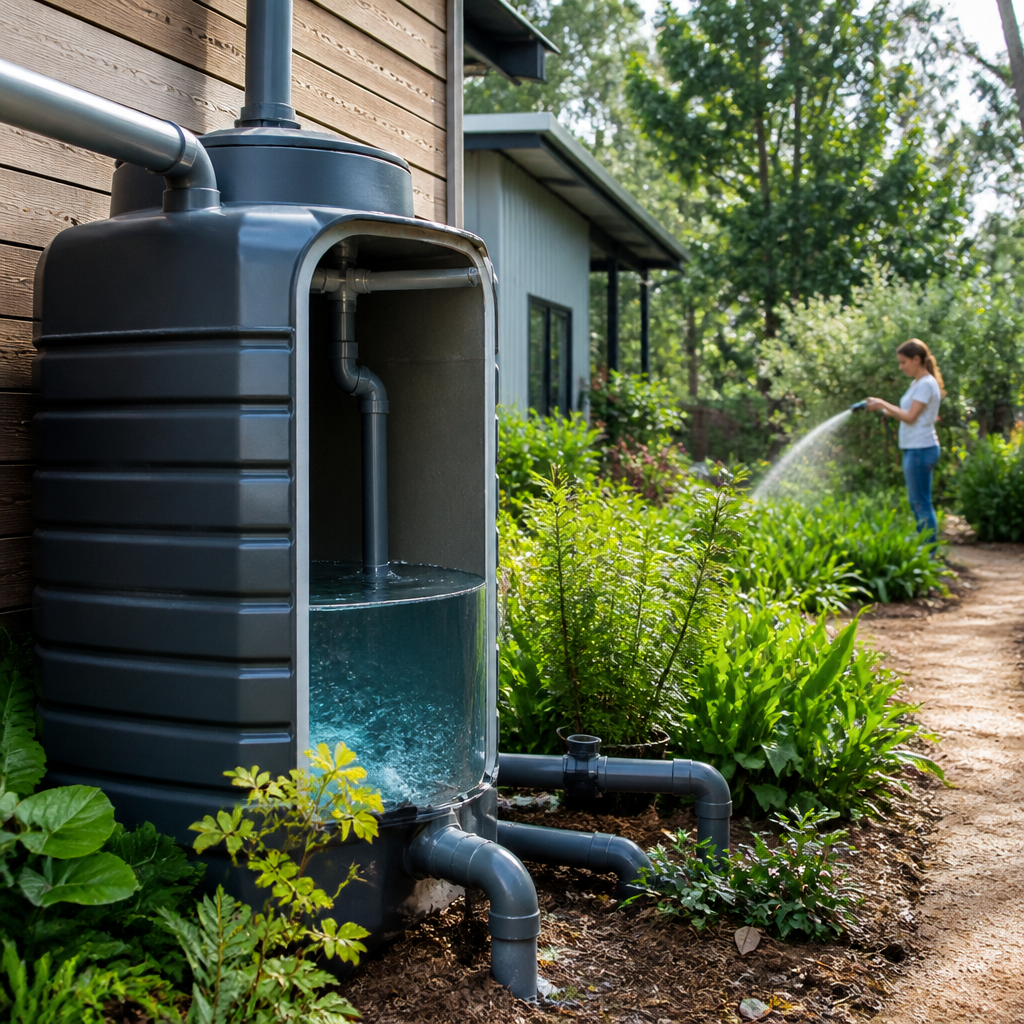
Greywater recycling is no longer a niche conservation tactic; it is becoming a central research frontier in modern sanitation. In practice, greywater refers to wastewater from showers, bathroom sinks, laundry, and in some systems kitchen basins, excluding toilet waste, which is classified separately as blackwater because it carries a much higher pathogen load. When communities, utilities, and building owners ask how to stretch limited freshwater supplies without compromising public health, greywater sits at the center of the answer. I have worked on sanitation planning projects where greywater was first treated as a simple plumbing diversion issue, then quickly revealed itself as a multidisciplinary challenge involving microbiology, membrane engineering, user behavior, building codes, and urban resilience.
Rethinking greywater means moving beyond the old assumption that any reuse system is automatically sustainable. Research now shows that the quality of greywater changes drastically depending on detergents, household routines, pipe residence time, and storage temperature. A laundry-heavy stream can carry surfactants, salts, optical brighteners, and microfibers. Shower water may have lower organic strength but still contain skin cells, hair, personal care chemicals, and opportunistic pathogens. Once stored, even for a few hours, relatively mild greywater can turn septic, consume dissolved oxygen, and generate odor. That is why advancing research in sanitation increasingly focuses on source separation, smart treatment trains, risk-based standards, and monitoring tools that match treatment intensity to actual reuse goals.
This hub article maps the most important directions in advancing research in sanitation through the lens of greywater innovation. It matters for drought-prone cities, dense apartment developments, refugee and emergency settings, industrial campuses, and households trying to cut potable demand. It also matters because sanitation research has shifted from end-of-pipe disposal toward resource recovery and circular water systems. A high-performing greywater strategy can reduce freshwater demand for toilet flushing and irrigation, lower sewer loading, and in some cases recover heat and nutrients. The challenge is that every benefit depends on sound design, clear health protections, and treatment methods validated under real operating conditions rather than ideal lab assumptions.
Why greywater research now drives sanitation innovation
Greywater is attracting serious attention because it intersects three urgent pressures at once: water scarcity, aging infrastructure, and tighter public health expectations. In many cities, indoor nonpotable uses such as toilet flushing, cooling makeup water, and irrigation account for a large share of demand that does not require drinking-water quality. Researchers and utilities therefore see greywater as a practical decentralized supply. In building-scale analyses, toilet flushing alone can represent roughly a quarter of indoor potable use, which makes it an obvious target for substitution. On campuses and in hotels, I have seen feasibility studies improve dramatically when designers right-sized treatment around flushing demand rather than trying to over-treat every liter for unrestricted reuse.
Sanitation research also values greywater because it is easier to treat than combined sewage, but not as easy as many early designs assumed. Typical greywater has lower nitrogen and pathogen concentrations than blackwater, yet it still contains biodegradable organic matter, suspended solids, fats, salts, and emerging contaminants. The sanitation field now treats greywater as a variable feedstock requiring characterization, not a uniform resource. That shift is important for a hub on advancing research in sanitation because many related topics branch from it: decentralized treatment, safe water reuse, low-energy disinfection, sensors, microbial risk assessment, antimicrobial resistance tracking, and circular-economy design. Greywater has become the proving ground where those research themes meet a real building or neighborhood installation.
Understanding greywater quality and health risk
The first principle in modern greywater recycling is simple: reuse quality must match end use. Researchers assess this by measuring biochemical oxygen demand, chemical oxygen demand, total suspended solids, turbidity, surfactants, conductivity, oils and grease, indicator bacteria such as Escherichia coli, and increasingly trace contaminants including pharmaceuticals and microplastics. Standards vary by jurisdiction, but the performance goal is consistent: avoid human contact with inadequately treated water and prevent regrowth in storage or distribution. The World Health Organization has long promoted risk-based sanitation planning, and current greywater research builds on that logic using quantitative microbial risk assessment, or QMRA, to estimate infection risk from aerosols, surface contact, and accidental ingestion.
One major research finding is that pathogen behavior in greywater is highly context dependent. Fresh shower greywater may start with relatively low fecal indicators, yet contamination rises when diapers, soiled laundry, floor wash water, or cross-connections are involved. Opportunistic pathogens such as Pseudomonas aeruginosa and Legionella are also relevant because they can persist in biofilms and be inhaled in fine droplets. This is why advanced sanitation research no longer asks only whether treatment removes contaminants at the reactor outlet. It asks whether the whole system, including tanks, pumps, valves, storage loops, and user interfaces, maintains hygienic stability over time. In field audits, poor maintenance and warm storage often explain more failures than the core treatment unit itself.
New treatment approaches moving beyond basic filtration
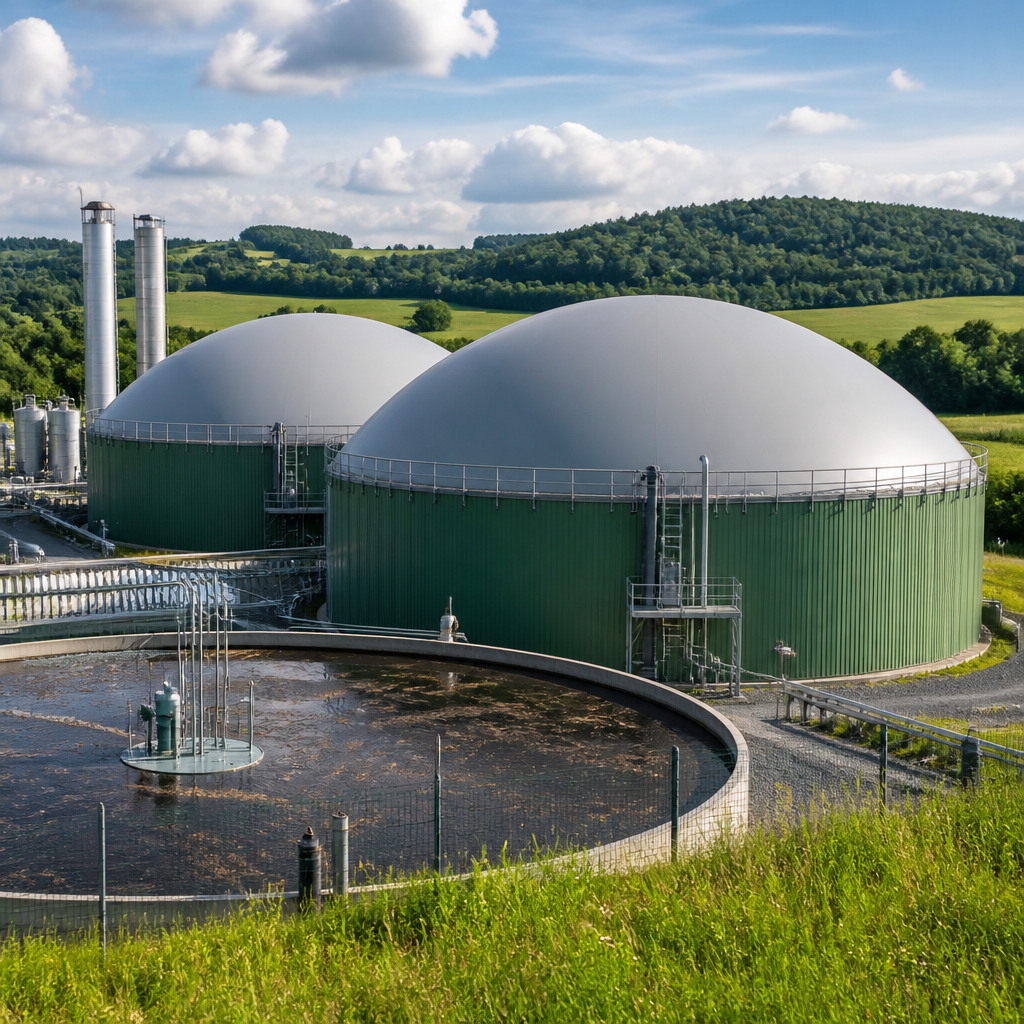
Older greywater systems often relied on coarse screening, settlement, and chlorine dosing. Those methods can work for restricted irrigation, but they struggle to deliver stable water quality in compact urban buildings. Current research is therefore centered on multi-barrier treatment trains. Membrane bioreactors combine biological degradation with microfiltration or ultrafiltration, producing low-turbidity effluent suited to toilet flushing. Moving bed biofilm reactors offer strong resilience to load fluctuations and can be paired with membranes or media filters. Electrocoagulation is being studied for surfactant and colloid removal. Constructed wetlands remain relevant, especially where land is available, but they are now optimized with aeration zones, engineered media, and hybrid polishing steps rather than treated as passive boxes.
Disinfection is also evolving. Ultraviolet systems are effective when turbidity is controlled, while chlorination offers residual protection in distribution but can create byproducts if organic matter remains high. Ozonation and advanced oxidation processes are being tested for difficult organics, though energy demand and cost still limit broad use. In several pilot systems I have reviewed, the most robust setups were not the most complex. They combined source control, equalization, biological treatment, membrane polishing, and carefully managed residual disinfection. That sequence matters because no single unit process solves every problem. The practical lesson for sanitation researchers is that performance depends on hydraulic design, fouling control, cleaning frequency, and operator simplicity just as much as on headline removal rates.
Comparing leading greywater recycling pathways
Because advancing research in sanitation requires practical comparison, the table below summarizes how common greywater recycling approaches differ in performance, complexity, and suitable applications.
| Approach | Typical Strengths | Main Limitations | Best Fit |
|---|---|---|---|
| Simple filtration plus chlorination | Low capital cost, easy retrofit, basic odor control | Weak solids removal, inconsistent microbial control, storage instability | Restricted irrigation with close supervision |
| Biological treatment plus media filtration | Better organic removal, moderate energy demand, scalable | Needs routine maintenance, performance varies with load swings | Small buildings and community systems |
| Membrane bioreactor | High clarity, compact footprint, reliable for toilet flushing | Membrane fouling, higher capital and cleaning requirements | Hotels, apartments, commercial buildings |
| Constructed wetland hybrid | Low chemical input, ecological co-benefits, visible public value | Large area need, climate sensitivity, harder urban integration | Campuses, peri-urban sites, institutions |
No option is universally best. The right pathway depends on available space, operator capacity, target reuse, local regulations, and influent quality. Research that compares systems under matched conditions is especially valuable because vendor claims often emphasize peak performance rather than seasonal stability, cleaning downtime, or user acceptance. That is exactly where sanitation research adds value: by testing treatment trains under realistic loading and documenting the failure modes that determine long-term safety.
Digital monitoring, data, and smarter system control
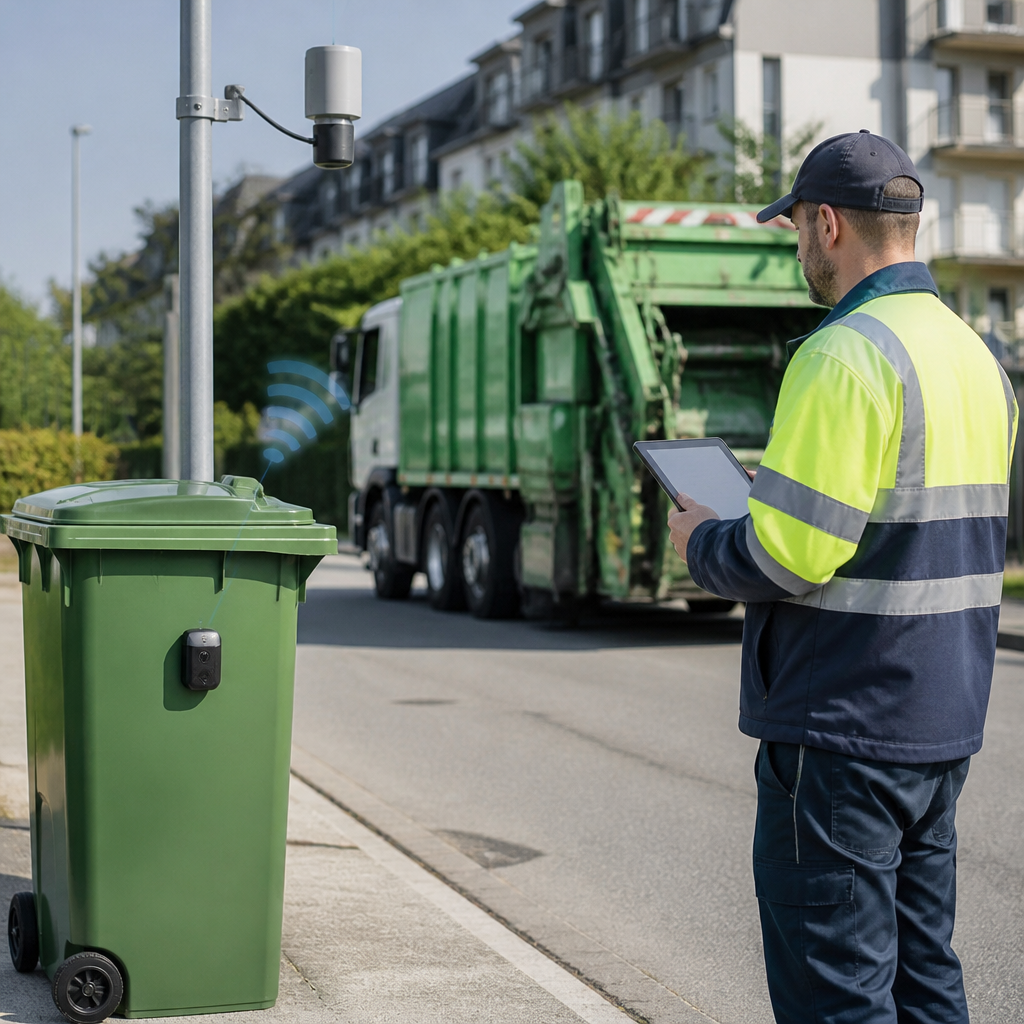
One of the most important new approaches in recycling is the shift from periodic sampling to continuous or semi-continuous monitoring. Greywater systems have historically been under-instrumented. Operators might test turbidity or residual disinfectant weekly, yet contamination events can develop within hours. New sanitation research is therefore focused on low-cost sensors, anomaly detection, and remote supervision. Turbidity, oxidation-reduction potential, conductivity, pH, flow, and free chlorine can now be tracked in near real time. Machine learning models are also being explored to predict membrane fouling, identify abnormal influent patterns, and trigger diversion when water quality falls outside a safe operating window.
This matters because decentralized sanitation succeeds when it is fail-safe, not merely efficient. A well-designed building system should divert off-spec water to the sewer automatically, alarm when maintenance is overdue, and record compliance data. In larger projects, digital twins are being used to simulate demand, storage turnover, and treatment performance before installation. Researchers are also integrating life-cycle assessment with operational data so decisions reflect energy, chemical use, carbon impact, and water savings together. For a subtopic hub on advancing research in sanitation, this digital layer connects directly to broader work on smart infrastructure, resilience analytics, predictive maintenance, and evidence-based regulation.
Designing for circular sanitation and real-world adoption
The most promising greywater research does not stop at treatment efficiency; it asks how systems perform within buildings, neighborhoods, and institutions over years. Circular sanitation design looks at energy recovery, material recovery, user acceptance, and infrastructure compatibility. For example, warm shower water can be routed through heat exchangers before treatment, reducing water-heating energy demand. Detergent reformulation can lower sodium and boron loads that harm soils during irrigation reuse. Dual plumbing layouts can be optimized during new construction to lower installation cost dramatically compared with retrofits. I have seen projects fail not because treatment was poor, but because maintenance access was awkward, spare parts were proprietary, or occupants were never told how the nonpotable network worked.
Policy and standards are equally important. Effective programs align plumbing codes, health regulations, and performance verification. The best jurisdictions specify validated treatment targets, color-coded nonpotable piping, backflow protection, signage, and operator responsibilities. Researchers also increasingly study social acceptance. People are generally comfortable with toilet flushing and subsurface irrigation when systems are reliable and clearly labeled, but acceptance drops for uses perceived as close to personal contact. That insight shapes communication and design. As a hub article, this page points readers toward the full landscape of advancing research in sanitation: decentralized reuse, pathogen control, low-resource system design, monitoring technologies, reuse governance, and circular building services. Greywater sits at the crossroads of all of them because it turns sanitation from a disposal problem into a managed resource system.
Rethinking greywater ultimately means treating it with the same rigor applied to any other sanitation stream. It is not clean enough to reuse casually, and it is not dirty enough to waste by default. The strongest new approaches in recycling combine source separation, risk-based treatment, continuous monitoring, and practical operation. They recognize that water savings alone are not a success metric; public health protection, system reliability, maintenance realism, and long-term economics matter just as much. For cities facing drought, institutions managing utility costs, and researchers building the next generation of sanitation technologies, greywater offers one of the clearest opportunities to turn innovation into measurable resilience.
The key takeaway is straightforward. Advancing research in sanitation depends on moving from simplistic reuse concepts to validated, monitored, and user-centered systems. Better characterization of greywater, better treatment trains, better sensors, and better standards are making that transition possible. If you are planning content, policy, or projects in this subtopic, use greywater as the hub issue that connects engineering, health science, digital control, and circular design. Start by reviewing current reuse goals, treatment performance expectations, and monitoring capacity, then build outward to the related sanitation research areas that will define the next decade.
Frequently Asked Questions
What is greywater, and how is it different from blackwater?
Greywater is wastewater generated from everyday activities such as showering, handwashing, bathing, and laundry. In many systems, water from bathroom sinks and washing machines is included, while kitchen wastewater may or may not be classified as greywater depending on local regulations and system design. The key distinction is that greywater does not include toilet waste. Wastewater from toilets is classified as blackwater because it contains a much higher concentration of pathogens, organic waste, and contaminants that require more intensive treatment.
This distinction matters because greywater is generally easier and less expensive to treat and reuse than blackwater. While greywater still contains soaps, detergents, body oils, lint, hair, and microorganisms, its contamination profile is usually less severe. That makes it especially attractive for non-potable reuse applications such as toilet flushing, subsurface irrigation, and in some advanced systems, cooling or process water. As water scarcity intensifies and infrastructure costs rise, separating greywater from blackwater allows households, commercial buildings, and municipalities to recover a valuable water resource that would otherwise be sent directly to the sewer.
Why is greywater recycling gaining so much attention in modern sanitation research?
Greywater recycling is receiving renewed attention because it sits at the intersection of water security, urban resilience, infrastructure efficiency, and public health. For decades, water systems in many regions were designed around a linear model: extract freshwater, use it once, treat it, and discharge it. That model is increasingly under pressure from drought, population growth, aging infrastructure, climate variability, and rising treatment costs. Greywater recycling offers a practical way to reduce demand for potable water by substituting treated reused water for tasks that do not require drinking-water quality.
Researchers are also interested in greywater because it can support more decentralized and adaptable sanitation systems. Instead of relying only on large, centralized treatment plants, buildings and neighborhoods can treat water closer to the point of generation and reuse it locally. This can reduce strain on sewers, lower energy use associated with pumping and distribution, and help communities better manage water shortages. New research is focused not just on basic reuse, but on smarter treatment technologies, risk-based regulations, real-time monitoring, and system designs that can maintain safety while becoming more affordable and scalable.
In other words, greywater recycling is no longer viewed as a fringe conservation measure. It is becoming part of a broader shift toward circular water management, where wastewater is treated as a resource rather than a disposal problem.
What are the newest approaches being used to recycle greywater safely and effectively?
New approaches in greywater recycling go well beyond simple diversion systems. Traditional systems often relied on basic filtration and immediate outdoor use, but current innovation is focused on improving consistency, treatment reliability, automation, and health protection. One major area of progress is compact on-site treatment technology. Modern systems may combine settling, filtration, membrane processes, biological treatment, and disinfection to produce higher-quality reclaimed water suitable for a wider range of non-potable uses inside buildings and across developments.
Another important trend is sensor-based monitoring and smart controls. Rather than operating as static systems, newer greywater units can monitor flow, turbidity, disinfectant levels, and overall system performance in real time. If water quality drops below a defined threshold, the system can automatically divert the water, trigger maintenance alerts, or increase treatment intensity. This kind of automation is especially important for larger residential buildings, hotels, schools, and commercial facilities that need dependable performance without constant manual oversight.
Researchers are also rethinking design at the building and neighborhood scale. Instead of treating greywater as an isolated plumbing feature, new models integrate it into broader water reuse networks that may include rainwater harvesting, stormwater capture, and energy-efficient sanitation planning. There is growing interest in modular systems that can be expanded over time, as well as treatment methods that are more robust against variable water chemistry caused by changing detergents, personal care products, and household behaviors. The overall goal is clear: create systems that are safe, practical, easier to maintain, and suitable for mainstream adoption rather than limited niche use.
Is recycled greywater safe to use, and what are the main health concerns?
Recycled greywater can be safe when it is properly treated, matched to the right end use, and managed under clear operational standards. However, safety should never be assumed simply because greywater excludes toilet waste. Greywater can still contain bacteria, viruses, skin cells, cleaning chemicals, food residues in some cases, and other contaminants that create health risks if the water is stored too long, applied incorrectly, or reused without adequate treatment. The biggest concerns typically involve microbial growth, odors, cross-connections with drinking water lines, and human exposure through spray, aerosolization, or direct contact.
That is why the intended use matters so much. For example, using treated greywater for subsurface irrigation generally involves a different risk profile than using it for toilet flushing inside a large building. Applications that increase human contact usually require stronger treatment and disinfection. Storage time is another critical issue because untreated or minimally treated greywater can degrade quickly, allowing bacteria to multiply and water quality to deteriorate. Well-designed systems address these risks through filtration, disinfection, safe plumbing separation, routine inspection, and operational safeguards that prevent unsafe reuse.
Public health agencies and regulators increasingly support a risk-based approach rather than a one-size-fits-all model. In practice, that means treatment standards are tied to how the water will be used and how likely people are to be exposed. When those standards are followed, greywater can play a safe and important role in reducing freshwater demand. The strongest systems are not just technologically advanced; they are also backed by good design, maintenance, user education, and regulatory oversight.
Where can greywater recycling have the biggest impact in homes, buildings, and communities?
Greywater recycling can have significant impact anywhere non-potable water demand is high and freshwater supplies are under pressure. In single-family homes, one of the most practical uses is landscape irrigation, especially in dry climates where outdoor watering can represent a large share of household water use. Some homes also use treated greywater for toilet flushing, which can further reduce potable water demand. The actual benefit depends on household size, local climate, plumbing layout, and whether the home was designed or retrofitted to support reuse efficiently.
In larger buildings, the impact can be even greater. Hotels, apartment complexes, dormitories, gyms, and hospitals often produce consistent volumes of greywater from showers, sinks, and laundry, while also having substantial demand for toilet flushing or irrigation. That balance of supply and demand makes these properties strong candidates for on-site recycling systems. In many cases, the economics improve with scale because the treatment equipment can serve many users and offset a meaningful share of incoming potable water use and wastewater discharge costs.
At the community level, greywater recycling can support broader water resilience strategies. New developments can be designed with dual plumbing, decentralized treatment hubs, and integrated water reuse planning from the start, which is often more efficient than retrofitting later. For utilities and local governments, greywater reuse can help defer infrastructure expansion, reduce pressure on centralized treatment plants, and diversify water supply portfolios. Its biggest long-term impact may come not from any single device, but from embedding greywater systems into a more circular approach to urban water management—one that values reuse, protects health, and treats wastewater as part of the solution to water scarcity.