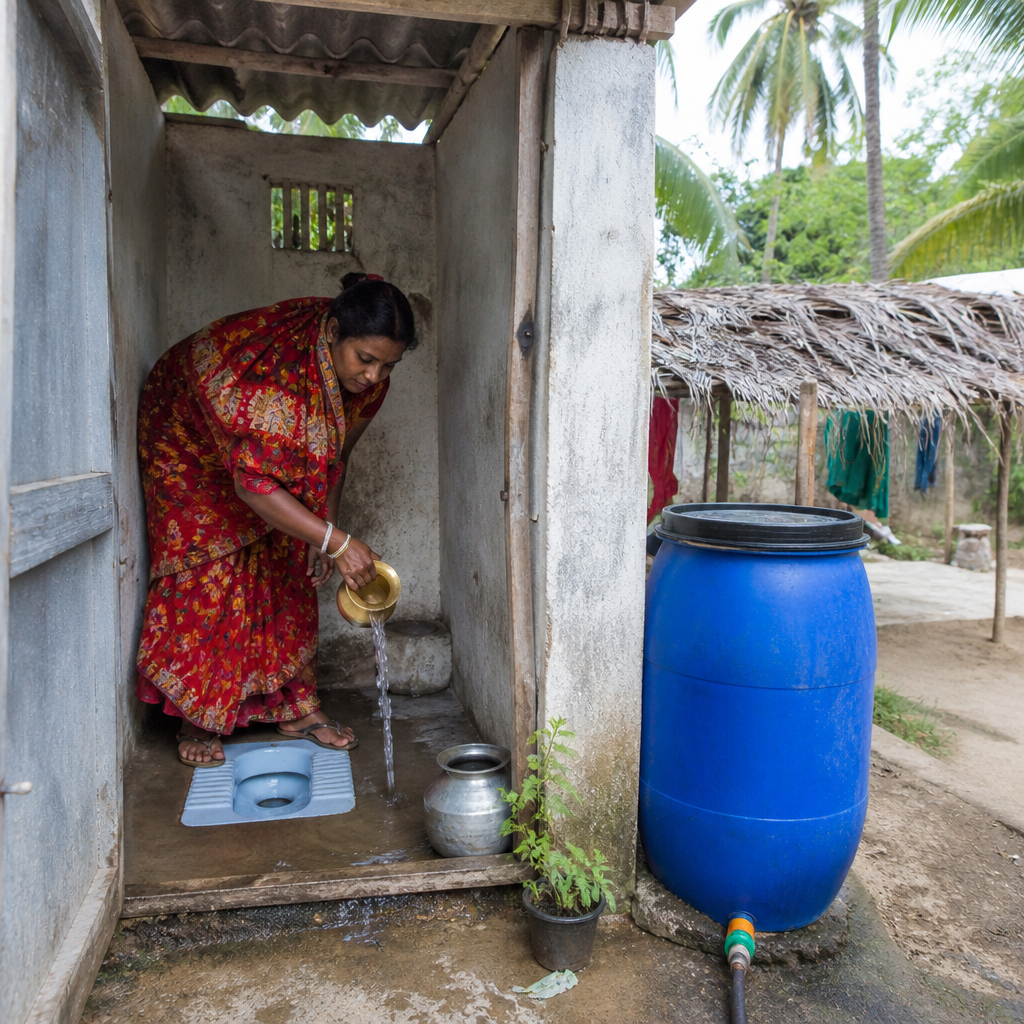
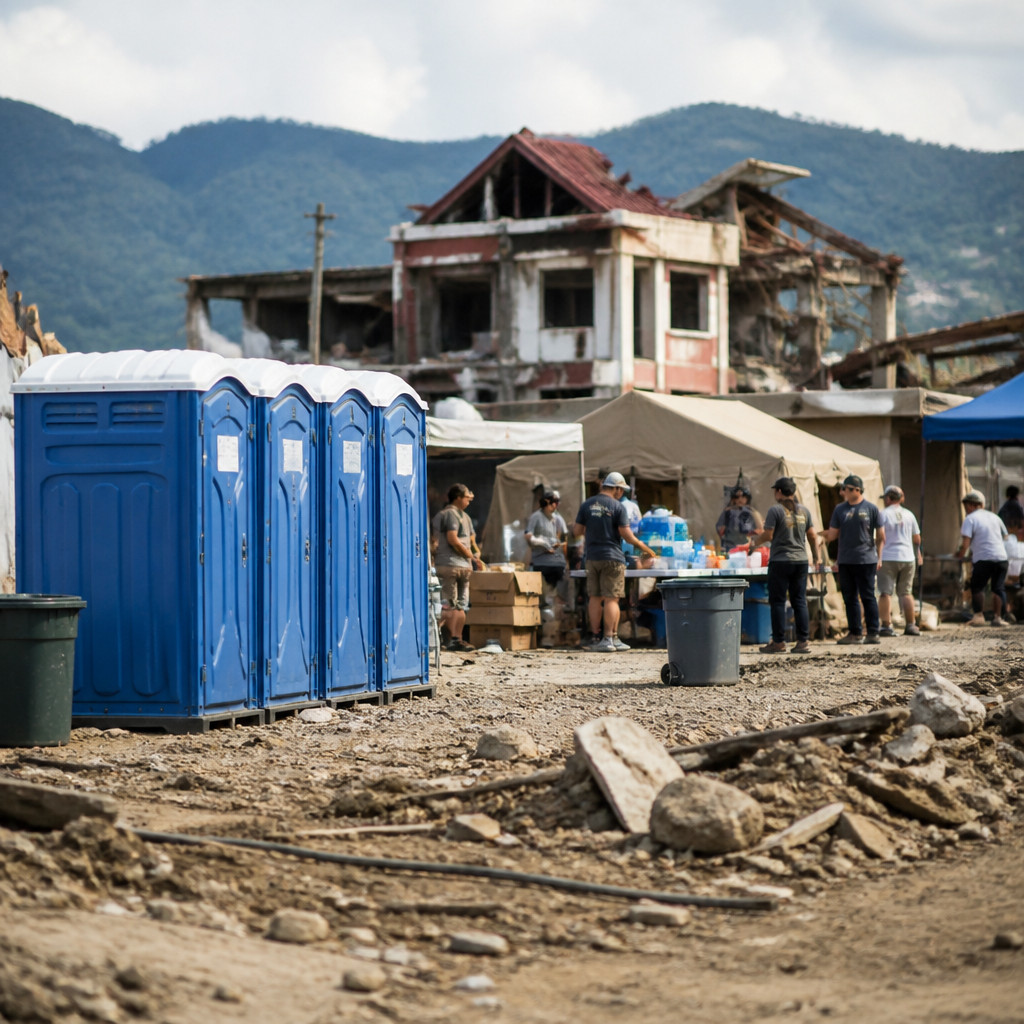
Portable sanitation solutions for disaster relief have evolved from simple field latrines into sophisticated, low-water, rapidly deployable systems that protect health, dignity, and the environment when conventional infrastructure fails. In relief operations, portable sanitation means any temporary toilet, handwashing, waste containment, treatment, or reuse system that can be transported, installed, operated, and removed under emergency conditions. EcoSan technologies, short for ecological sanitation, go further by treating human waste as a resource stream rather than a disposal problem. In practice, that includes urine diversion, dehydration, composting, container-based collection, mobile treatment units, and nutrient recovery methods that can reduce pathogen risks while lowering water demand. I have worked on sanitation planning for temporary sites where roads were cut off, groundwater was vulnerable, and the first seventy-two hours determined whether disease risk stayed manageable or spiraled. In those settings, the choice of toilet technology was never a side issue; it shaped camp layout, gender safety, desludging logistics, and community trust.
This topic matters because sanitation failures after floods, earthquakes, conflicts, hurricanes, and wildfires create secondary emergencies. The World Health Organization and humanitarian WASH guidance consistently show that unsafe excreta management increases exposure to diarrheal disease, cholera, hepatitis E, intestinal parasites, and environmental contamination. Yet standard emergency latrines are often a poor fit for dense urban displacement, high water tables, rocky terrain, cold climates, or isolated islands with no vacuum trucks. Portable EcoSan systems fill that gap. They can be staged in warehouses, moved by pickup or helicopter, assembled with minimal civil works, and adapted to schools, clinics, transit hubs, shelters, and informal camps. As a hub article under technological innovations and research, this page explains the core technologies, where they work best, what tradeoffs operators must manage, and how relief agencies can compare options realistically. It also provides the conceptual foundation for deeper articles on urine-diverting toilets, container-based sanitation, off-grid treatment, pathogen reduction, and circular nutrient recovery in emergency settings.
Why EcoSan Matters in Disaster Relief Operations
EcoSan technologies matter in disaster relief because they solve three emergency constraints at once: time, water, and safe disposal. Conventional sewered toilets require intact pipes, pumping stations, and treatment plants, which disasters routinely disable. Pit latrines can be quick, but they need diggable ground, enough separation from groundwater, and space for ongoing excavation. Chemical toilets provide rapid containment, but they depend on frequent servicing, proprietary consumables, and transport access. EcoSan systems were designed for constrained environments, so many perform well where digging is impossible, water is scarce, or sludge transport is unreliable.
The defining advantage is source control. By separating urine from feces, reducing moisture, or sealing waste in removable containers, portable EcoSan units make excreta easier to handle and less likely to spread pathogens through leaks, flies, or runoff. Urine-diverting dry toilets, for example, keep the fecal vault drier, which slows odor generation and improves downstream treatment options. Container-based sanitation systems use sealable cartridges or buckets with cover material, allowing crews to collect waste on a service schedule much like solid waste routes. In flood zones, elevated sealed systems outperform pits because they avoid groundwater intrusion. In earthquake response, where roads are blocked and debris fills open space, modular container systems can be deployed inside existing structures such as schools or warehouses.
Another reason EcoSan matters is user acceptance. People do not simply need a toilet; they need one that feels safe, private, clean, and understandable. In my fieldwork, the units with the best uptake were not always the most technically elegant. They were the ones with intuitive interfaces, stable floors, internal lighting, menstrual hygiene provisions, handwashing nearby, and a servicing plan that kept them visibly clean. Portable sanitation fails when the hardware arrives without operational discipline. EcoSan approaches acknowledge this by focusing on the full sanitation chain: capture, storage, collection, treatment, and final reuse or disposal.
Core Portable EcoSan Technologies and How They Work
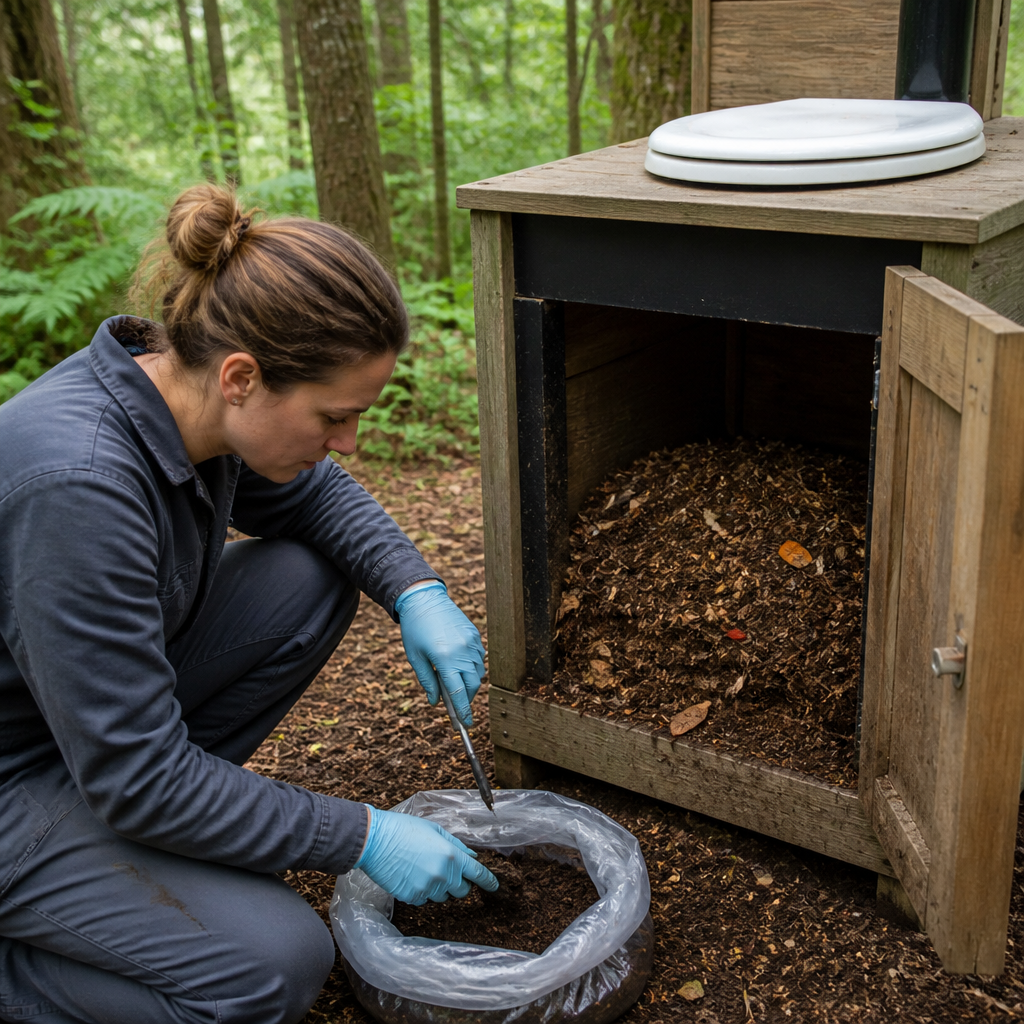
Portable EcoSan technologies can be grouped into five practical categories used in relief settings. First are urine-diverting dry toilets, which separate liquid and solid waste at the pedestal or squat plate. Urine can be directed to jerrycans or tanks, while feces drop into a removable vault with dry cover material such as sawdust, rice hulls, biochar, or ash. This design cuts moisture, odors, and fly breeding. Second are container-based sanitation systems, where waste is collected in exchangeable sealed containers that are transported to a treatment site. These systems are especially useful in dense settlements because they require almost no excavation.
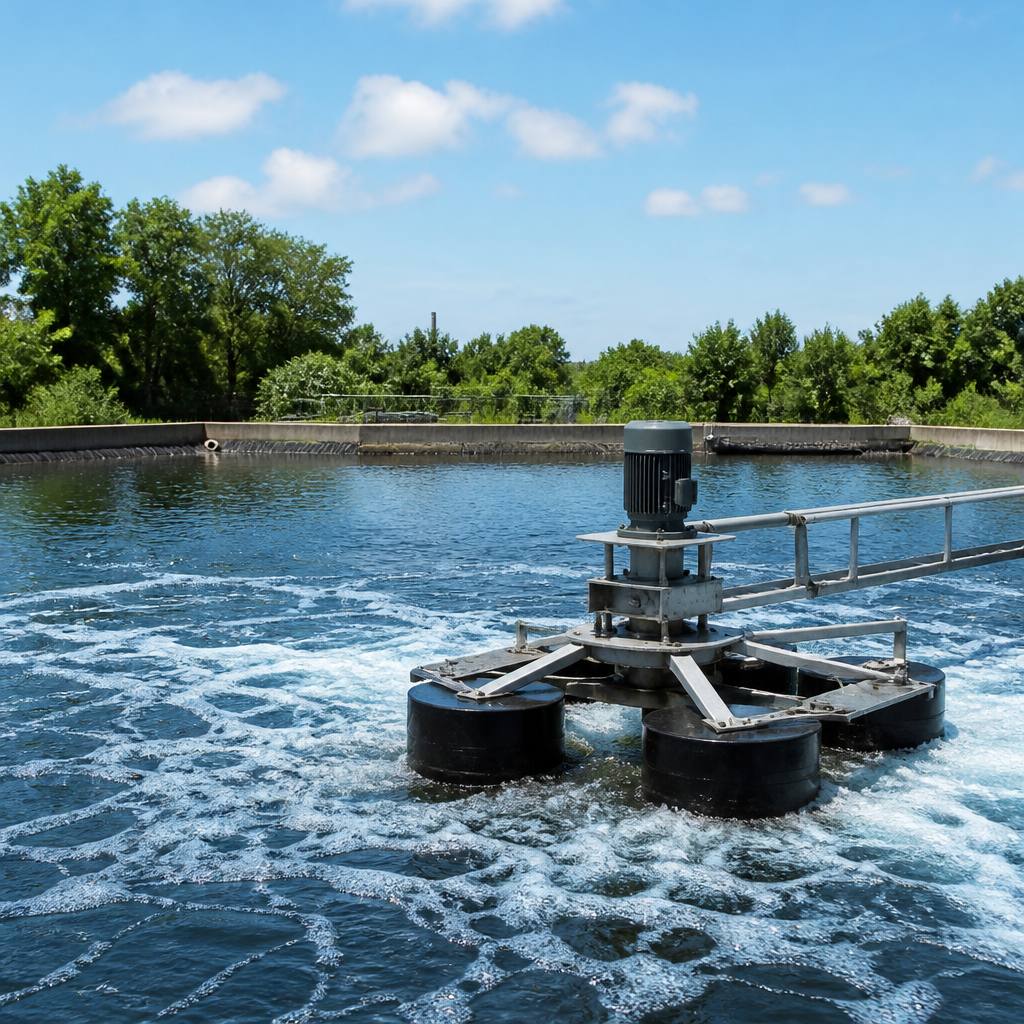
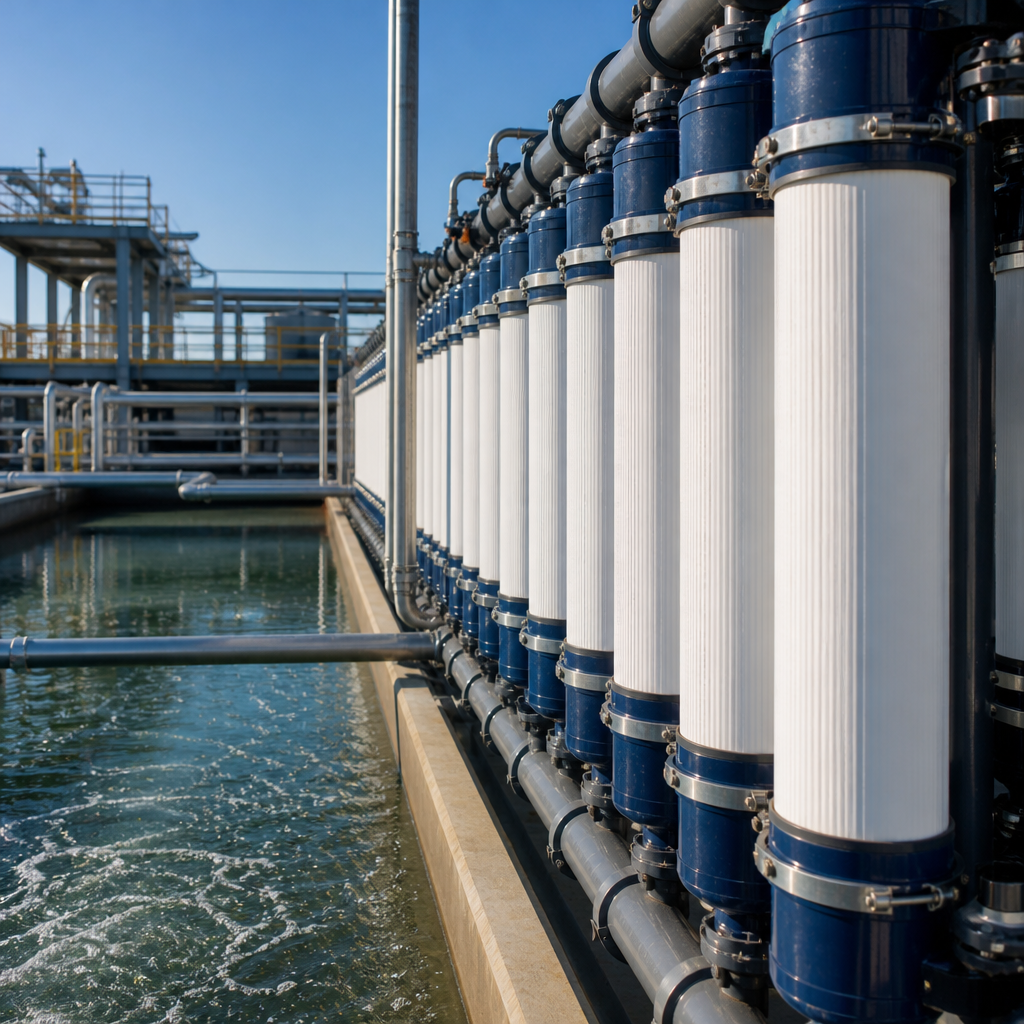
Third are portable composting and dehydration toilets. True composting in emergencies is less common than marketing suggests, because reliable thermophilic composting needs time, aeration, carbon balance, and process control. However, dehydration toilets are practical in arid climates or prolonged camp situations. By ventilating the chamber and adding absorbent material, operators reduce moisture and mass, making later treatment easier. Fourth are mobile treatment units, including skid-mounted anaerobic digesters, lime stabilization systems, solar dryers, and compact membrane or electrochemical modules that can treat collected blackwater or fecal sludge near the point of generation. Fifth are hybrid systems that combine familiar user interfaces with off-grid backend treatment, such as flush or micro-flush toilets connected to above-ground tanks and mobile dewatering equipment.
| Technology | Best Use Case | Main Advantage | Main Limitation |
|---|---|---|---|
| Urine-diverting dry toilet | Water-scarce sites, high groundwater, rocky terrain | Low water use and reduced odors | Requires user instruction and dry cover supply |
| Container-based sanitation | Dense camps, urban shelters, flood response | No digging and controlled collection | Needs dependable service logistics |
| Dehydration toilet | Longer deployments in dry climates | Lower waste volume over time | Performance drops in humid conditions |
| Mobile treatment unit | Large camps, clinics, logistics hubs | On-site or near-site processing | Higher capital cost and skilled operation |
| Micro-flush hybrid | Users needing familiar interfaces | Better acceptance and cleanliness perception | Still needs water and tank management |
When relief teams ask which option is best, the correct answer is that the best portable sanitation solution for disaster relief depends on density, duration, climate, access, and service capacity. A cyclone shelter hosting families for one week has different needs than a cholera treatment center or a twelve-month displacement camp. The technology should be selected only after mapping user numbers, peak loads, groundwater conditions, haulage routes, gender and protection requirements, and local regulations on waste treatment and reuse.
Design Criteria: Speed, Safety, Dignity, and Environmental Performance
Effective design starts with deployment speed, but speed without safety creates expensive failures. Relief toilets must assemble quickly, yet the unit footprint has to include queue space, handwashing, lighting, drainage control, and accessibility. Sphere-aligned planning principles emphasize culturally appropriate, safe, and equitable access. That means separate facilities where needed, child-friendly options, menstrual hygiene support, and placement that minimizes violence risks. I have seen technically sound units underused because women did not feel safe walking to them after dark or because the superstructure did not provide adequate privacy.
Environmental performance is the second design filter. In fragile settings, sanitation should not solve one problem by creating another. Portable EcoSan systems reduce water use and can lower pollution loads if the containment and treatment chain is complete. Urine diversion allows separate management of nitrogen and phosphorus. Dehydration cuts transport weight. Containerization minimizes uncontrolled seepage. Some newer systems integrate solar-powered ventilation fans, carbon-rich cover media, and geotextile dewatering bags to improve handling. Biochar is increasingly studied because it can absorb moisture and odor while creating a carbon-stabilizing amendment after proper treatment, although evidence varies by feedstock and operating conditions.
Third is operational resilience. Every emergency sanitation system needs a realistic plan for cleaning, consumables, spare parts, staffing, and off-take. The strongest designs use standard fittings, locally available materials, and simple maintenance protocols. A urine-diverting toilet that depends on a custom molded insert with no replacement stock is fragile by design. So is a mobile digester requiring uninterrupted power and highly trained technicians in a volatile environment. In contrast, systems built around modular bins, common hoses, durable vent stacks, and color-coded service routines are more forgiving. Resilience is not glamorous, but it is the difference between a pilot project and a dependable relief asset.
Field Deployment Models and Real-World Use Cases
Different disasters favor different deployment models. After flooding, sealed raised toilets and container-based systems are usually superior to pits because saturated soils and standing water spread contamination quickly. In one flood-prone settlement project, we used elevated platforms with urine-diverting pedestals feeding removable tanks and feces containers. Crews could service units from the rear without entering the user space, which improved privacy and cleaning efficiency. In earthquakes, where debris and broken utilities constrain movement, modular flat-pack units can be carried through narrow access routes and installed in school courtyards or parking areas with little ground preparation.
Conflict displacement presents another pattern: populations may move frequently, and operators may have weak access to mechanized desludging. Here, container-based sanitation has proven valuable because it separates user access from transport logistics. Waste can be collected by handcart, motorcycle trailer, or small truck and transferred to a decentralized treatment point. Organizations such as SOIL and Sanergy have demonstrated service-chain discipline in non-emergency environments that relief agencies can adapt. The lesson is not to copy a city franchise model directly into a camp, but to borrow the essentials: sealed containers, route planning, chain-of-custody records, and regular user communication.
Healthcare settings require stricter standards. Clinics and cholera treatment units generate high-risk waste streams that should not be mixed casually with domestic sanitation. Portable systems for these sites often include dedicated toilets, chlorine or lime-based disinfection steps, protected collection points, and controlled treatment or incineration pathways for associated infectious wastes. Research groups and specialized manufacturers are also testing compact thermal treatment, pyrolysis, and electrochemical disinfection units for isolated settings. These are promising, but they must be judged on fuel use, emissions control, operator safety, and validated pathogen reduction, not novelty alone.
Implementation Challenges, Monitoring, and the Next Wave of Innovation
The hardest part of portable EcoSan is not invention; it is sustained operation under pressure. User training must be immediate and repetitive, especially for urine-diverting systems where misuse can flood the solids chamber. Supply chains must provide cover material, liners, soap, disinfectant, PPE, and replacement seals. Service crews need standard operating procedures for collection frequency, spill response, vector control, and safe unloading at treatment sites. Monitoring should track fill levels, waiting times, odor complaints, cleaning frequency, handwashing functionality, and breakdown rates. Where possible, teams should also test effluent or end products against recognized microbiological targets before any reuse.
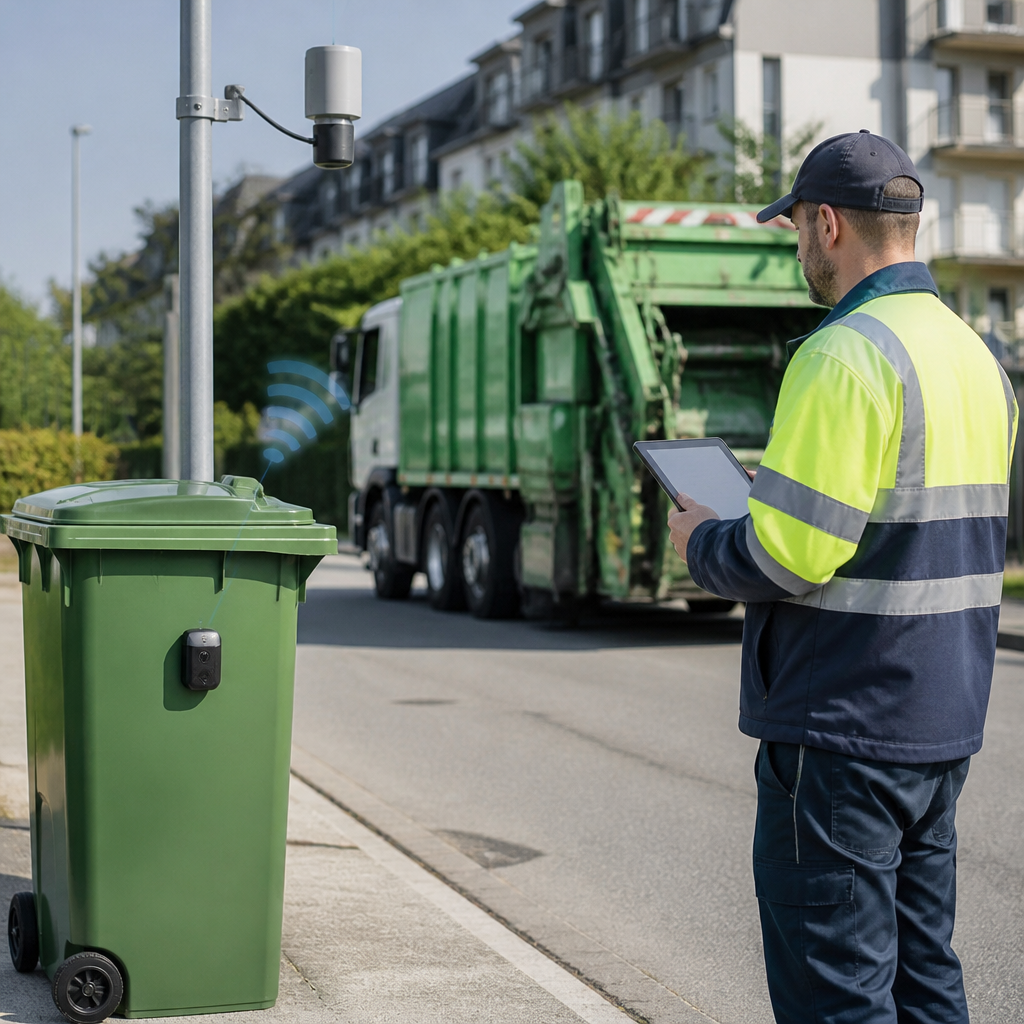
Digital tools are improving this work. Some operators now use QR-coded units, mobile maintenance logs, and low-cost fill sensors to schedule servicing before overflow occurs. GIS mapping helps position toilets relative to shelters, water points, and lighting. Decision support models can compare total cost of ownership, greenhouse gas implications, and transport needs across technologies. Research into membrane concentrates, black soldier fly larvae for organic residuals, struvite precipitation from urine, and solar thermal pathogen reduction is advancing rapidly. Not all of these methods are ready for every emergency, but the direction is clear: future disaster sanitation will be more modular, data-informed, resource-efficient, and circular.
Portable sanitation solutions for disaster relief work best when technology selection starts with the service chain, not the toilet catalog. EcoSan technologies offer practical answers for water scarcity, contaminated ground, difficult access, and the growing expectation that emergency response should minimize environmental harm. The strongest systems separate waste streams where useful, contain pathogens reliably, simplify collection, and match local operating capacity. They also respect the lived reality of users by prioritizing privacy, accessibility, cleanliness, and safety. For planners building a technological innovations and research roadmap, this hub should anchor deeper exploration into urine diversion, container logistics, mobile treatment, nutrient recovery, and performance monitoring. Use it to compare options honestly, identify deployment constraints early, and design sanitation responses that protect health from day one. When the next emergency hits, the teams that prepared now will deliver toilets people actually use and service chains that actually hold.
Frequently Asked Questions
What are portable sanitation solutions in disaster relief, and why are they so important?
Portable sanitation solutions in disaster relief are temporary systems designed to provide safe toilets, handwashing, waste collection, containment, treatment, and sometimes reuse when normal water and sewer infrastructure is damaged, inaccessible, or completely unavailable. In practical terms, this can include everything from rapidly installed field toilets and container-based toilets to mobile handwashing stations, urine-diverting dry toilets, holding tanks, vacuum units, and compact treatment systems that can be transported into crisis zones and deployed quickly. Their importance cannot be overstated because sanitation failures in the aftermath of floods, earthquakes, hurricanes, conflict, or displacement emergencies can lead to fast-moving public health threats, including diarrheal disease, cholera, contamination of drinking water, and unsafe living conditions in shelters and camps.
Beyond disease prevention, portable sanitation is essential for preserving dignity, privacy, and safety. People affected by disaster still need secure, clean, culturally acceptable places to use the toilet, wash hands, and manage menstrual hygiene. Women, children, older adults, and people with disabilities are especially vulnerable when these services are missing or poorly designed. Well-planned portable sanitation reduces open defecation, limits environmental contamination, improves daily living conditions, and supports the broader effectiveness of relief operations. In short, portable sanitation is not just a logistical necessity; it is a frontline public health intervention and a core part of humane emergency response.
How have portable sanitation systems evolved beyond traditional field latrines?
Traditional field latrines have long been used in emergency settings because they are simple and can be built with limited materials, but modern disaster relief increasingly relies on more advanced portable sanitation systems that are faster to deploy, easier to maintain, and better suited to complex operational environments. Many emergencies now occur in dense urban areas, flood-prone locations, informal settlements, or temporary camps where digging pits may be impractical, unsafe, or environmentally damaging. As a result, sanitation providers have moved toward modular, low-water, and above-ground solutions that can be installed on hard surfaces, in high water table areas, or in places where contamination risks are especially high.
Today’s systems often include sealed waste containers, urine diversion, odor control, hand hygiene integration, and scheduled waste collection rather than simple on-site burial. Some units are designed for rapid assembly by small teams, while others can be connected to temporary treatment systems or mobile desludging services. EcoSan technologies, or ecological sanitation systems, represent a major area of innovation. These approaches aim not only to contain waste safely but also to treat it in ways that reduce water use, protect soil and groundwater, and in some cases support nutrient recovery or beneficial reuse when conditions allow. This evolution reflects a broader shift in emergency sanitation: the goal is no longer just immediate disposal, but safer, more adaptable, and more sustainable sanitation under extreme conditions.
What types of portable sanitation systems work best in different disaster scenarios?
The best portable sanitation system depends heavily on the disaster context, including population size, duration of displacement, available water, site conditions, climate, road access, and whether waste can be collected and treated elsewhere. In very rapid-onset emergencies, simple portable toilets and handwashing stations may be the fastest way to establish basic service. In camps or shelters expected to operate for weeks or months, container-based toilets, mobile restroom trailers, or modular toilet blocks may offer better reliability and user comfort. In flood zones or locations with a high water table, raised or sealed systems are often preferable because pit-based options can leak and contaminate surrounding water sources. In urban disaster areas where excavation is difficult, above-ground units with waste collection logistics are often the most practical choice.
Low-water and dry sanitation systems are especially valuable where clean water is scarce or where wastewater handling is limited. Urine-diverting dry toilets, composting-style units, and other EcoSan-inspired designs can reduce water demand while improving nutrient separation and treatment potential. However, no technology works well without a full service chain behind it. Relief teams must consider who will clean the units, how often waste will be removed, where it will be transported, how it will be treated, and whether the system can be adapted for children, older adults, and people with disabilities. The strongest disaster sanitation programs do not choose equipment in isolation; they select complete service models that match the emergency phase, the environment, and the needs of the affected population.
How do EcoSan technologies support health, sustainability, and resilience in disaster relief?
EcoSan technologies, short for ecological sanitation, are designed around the idea that human waste should be managed as a resource as well as a health risk. In disaster relief, these systems can play an important role because they often use little or no water, minimize contamination pathways, and support safer handling of urine and feces through separation, containment, and treatment. This is especially useful in emergencies where water is limited, sewer lines are damaged, or relief operations need sanitation systems that can function independently of conventional infrastructure. By reducing reliance on flushing and underground disposal, EcoSan approaches can make sanitation more resilient in unstable or resource-constrained settings.
From a health perspective, EcoSan systems help when they are properly designed and managed to interrupt contact between people and pathogens. Sealed collection, controlled drying, diversion, or treatment steps can reduce exposure risks and improve sanitation performance in difficult field conditions. From an environmental standpoint, these systems can help protect groundwater, reduce wastewater generation, and lower the burden on transport and treatment networks. In longer-term recovery settings, treated outputs may even be suitable for safe reuse under established guidelines, although this requires strict controls and is not appropriate in every emergency context. The key advantage is that EcoSan broadens the toolkit for responders: instead of relying only on water-intensive toilets or improvised pits, relief teams can deploy solutions that are more adaptable, more sustainable, and often better aligned with long-term resilience goals.
What should relief agencies look for when selecting and managing portable sanitation solutions?
Relief agencies should evaluate portable sanitation solutions based on speed, safety, scalability, ease of transport, user acceptance, and the ability to maintain the system from installation through final waste treatment. A toilet unit by itself is never enough; agencies need a complete operational plan that includes handwashing, cleaning supplies, staffing, waste removal schedules, spare parts, sludge or container transport, treatment capacity, and site monitoring. It is also critical to assess whether the system can perform under local conditions such as heat, flooding, unstable ground, high user volume, or limited road access. Good sanitation planning starts with a rapid assessment and continues with adaptation as the emergency evolves.
User-centered design is just as important as technical performance. Facilities should provide privacy, lighting where possible, clear signage, menstrual hygiene support, and safe access for women, children, older people, and persons with disabilities. Agencies should also consider cultural preferences, squatting versus sitting options, gender separation where appropriate, and the location of facilities relative to shelters and water points. Hygiene promotion and community engagement are vital because even well-engineered systems can fail if people do not trust them, understand them, or feel safe using them. Finally, agencies should look beyond the first days of deployment and ask whether the solution can transition into medium-term recovery without creating larger waste management problems. The best portable sanitation systems are not simply quick to install; they are reliable, dignified, operationally realistic, and capable of protecting both public health and the environment throughout the full emergency response cycle.