Peruvian innovations in environmental sanitation show how a country facing sharp geographic contrasts, rapid urbanization, water stress, and persistent inequality can build practical, scalable systems that protect health while recovering value from waste. Environmental sanitation refers to the safe management of human excreta, wastewater, solid waste, stormwater, and hygiene-related conditions in homes, schools, markets, and public spaces. In Peru, that definition has expanded beyond pipes and treatment plants to include ecological sanitation, decentralized treatment, fecal sludge management, source separation, nutrient recovery, nature-based treatment, and community-led service models adapted to the coast, Andes, and Amazon. I have worked on sanitation content and project reviews across Latin America, and Peru consistently stands out because innovations are rarely imported whole; they are modified to fit altitude, dispersed settlements, informal peri-urban growth, and uneven municipal capacity.
This matters because sanitation failures in Peru are not abstract. Untreated wastewater contaminates rivers used for irrigation, inadequate rural toilets contribute to diarrheal disease and stunting, and overloaded urban systems increase exposure during floods and landslides. At the same time, sanitation investments can produce multiple gains: cleaner waterways, reduced child illness, safer schools, improved dignity for women and girls, better reuse of treated water in agriculture, and lower greenhouse gas emissions when waste is managed intelligently. Peru has also become an important reference point in global ecological sanitation because its strongest cases show that success is not one technology. It is the alignment of engineering, behavior change, financing, regulation, and long-term operation.
As a hub for showcasing global EcoSan successes, Peru deserves close attention because it offers several distinct models in one national context. Lima demonstrates how utility-scale wastewater treatment and water reuse can support a desert megacity. Highland regions illustrate dry sanitation, urine-diverting systems, and decentralized solutions where sewers are unrealistic. Small cities and peri-urban districts show how condominial networks, simplified sewers, and modular treatment lower costs. The Amazon highlights the need for flood-resilient and river-sensitive sanitation design. Across these settings, Peruvian practitioners, municipalities, utilities, NGOs, universities, and international partners have tested what works, what fails, and what can be replicated in other countries facing similar constraints.
Understanding these case studies helps planners, donors, researchers, and local leaders answer practical questions. Which sanitation model fits water-scarce settlements? How can schools maintain ecological toilets after installation? When does decentralized treatment outperform sewer expansion? What governance arrangements make fecal sludge services reliable? Peru offers grounded answers because projects have been implemented under real budget limits and under the scrutiny of national policies, utility performance expectations, and public health needs. The lessons are useful not only for Peru itself but for any region seeking environmental sanitation systems that are affordable, resilient, and resource-efficient.
Why Peru Became a Crucible for Environmental Sanitation Innovation
Peru’s sanitation landscape is shaped by extremes. Most people live on the arid Pacific coast, where water scarcity is structural, yet many rural communities are in high-altitude Andean zones where cold temperatures affect biological treatment and where dispersed homes make sewerage expensive. In the Amazon, heavy rainfall, high water tables, and seasonal flooding create another set of constraints. A conventional one-size-fits-all sewer model cannot solve all three realities. That pressure has pushed institutions and implementers toward adaptive environmental sanitation strategies.
National policy has reinforced that shift. Peru’s Ministry of Housing, Construction and Sanitation and sector regulators have steadily raised expectations for service quality, wastewater treatment, and rural sanitation coverage. Utilities such as SEDAPAL in Lima have invested in large treatment plants, while smaller operators and municipalities have adopted decentralized systems where trunk infrastructure would take years to finance. International actors, including the World Bank, Inter-American Development Bank, Swiss cooperation, Water For People, CARE, and academic partners, have contributed technical support and pilot funding, but the strongest Peruvian cases succeeded because local institutions absorbed the knowledge and adjusted operations over time.
Another reason Peru matters globally is that sanitation has increasingly been tied to broader environmental goals. In a coastal desert city like Lima, wastewater is no longer viewed only as a disposal problem; treated effluent is a strategic water source for landscaping, agriculture, and aquifer support. In rural Andean communities, ecological sanitation can reduce contamination while creating compost-like soil amendments when systems are managed correctly. These links between sanitation, water security, and circular resource use make Peru especially relevant to the global EcoSan conversation.
Urban Breakthroughs: Lima, Utility-Scale Treatment, and Water Reuse
Lima is one of the world’s largest desert cities, receiving minimal rainfall while depending on stressed river basins and complex water transfers. That physical reality has made wastewater treatment and reuse central to environmental sanitation planning. Over the last two decades, major facilities such as Taboada and La Chira transformed the city’s wastewater profile by intercepting and treating vast volumes that previously reached the Pacific with limited control. These plants are often discussed in terms of compliance and pollution reduction, but their deeper significance is strategic: they show how sanitation infrastructure can also function as water resource infrastructure.
From an environmental sanitation perspective, Lima’s lessons are clear. First, scale matters when a megacity needs rapid reductions in marine and river pollution. Second, treatment alone is not enough; reuse pathways must be planned early. Treated effluent has supported irrigation of green areas and reduced pressure on potable water supplies for non-potable uses. Third, utility competence is decisive. Large treatment plants require reliable energy management, sludge handling, process monitoring, and contractual oversight. Where those management capacities exist, utility-scale sanitation can deliver visible environmental gains quickly.
Yet Lima also demonstrates the limits of centralized systems. Informal peri-urban settlements on steep hillsides and city edges often remain poorly served because extending full sewerage is costly and slow. In these areas, simplified networks, neighborhood-scale treatment, or staged sanitation service models can fill the gap more effectively. The Peruvian lesson is not that centralized treatment is better than decentralized sanitation. It is that both are necessary, and each should be used where it matches settlement form, density, and financing reality.
EcoSan in the Highlands: Dry Toilets, Source Separation, and Community Management
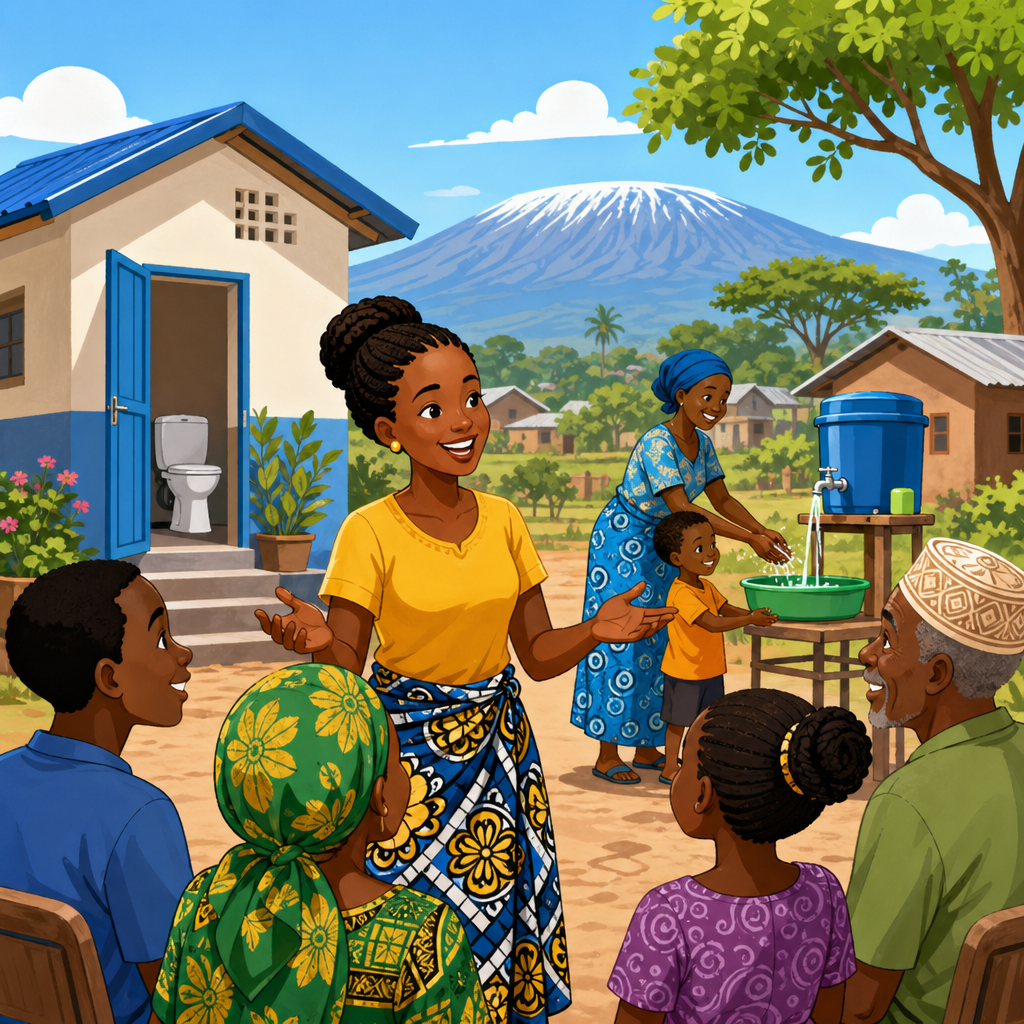
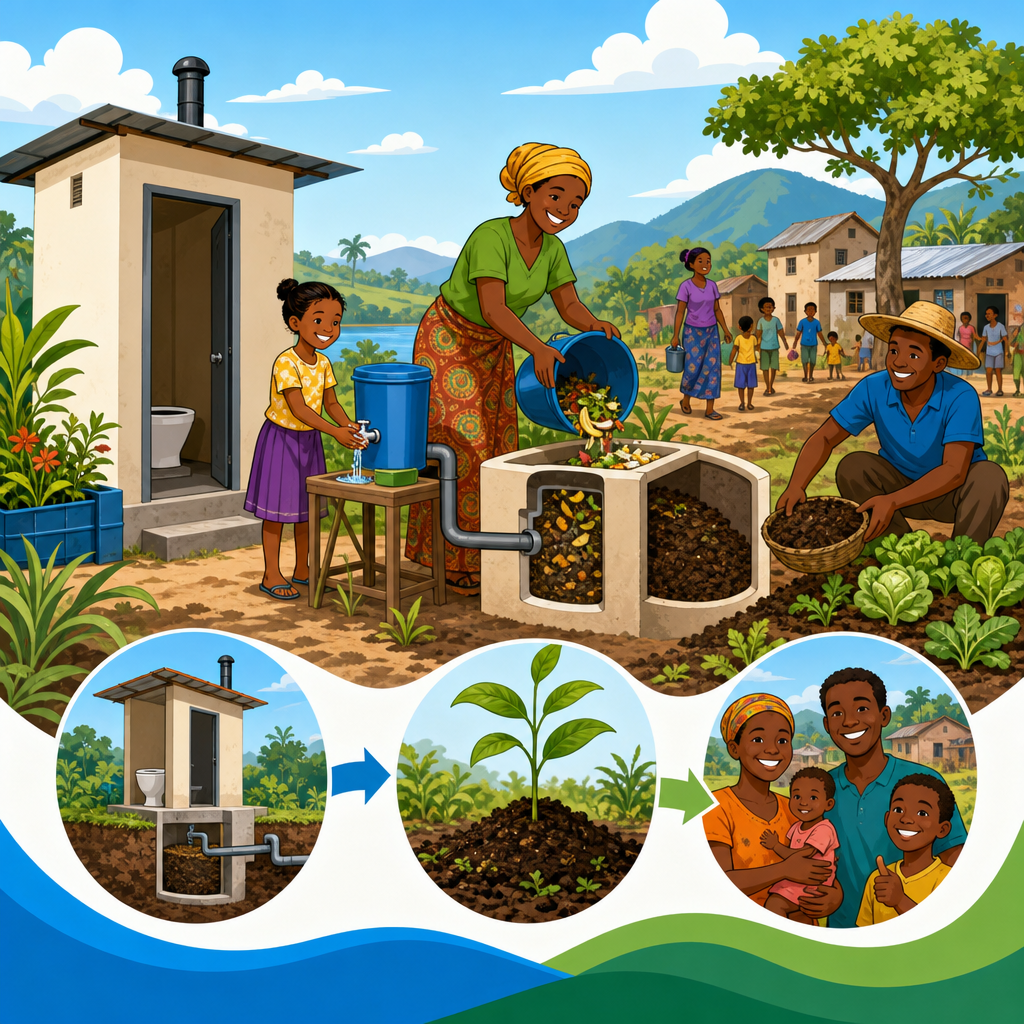
Highland Peru has produced some of the most instructive ecological sanitation cases in Latin America. In many mountain communities, scarce water, cold temperatures, difficult terrain, and low household density make conventional flush toilets impractical. Ecological sanitation systems, especially urine-diverting dry toilets and composting-oriented designs, emerged as alternatives that reduce water use and isolate waste at the source. When designed and maintained correctly, these systems improve household sanitation without requiring expensive sewers or continuous water supply.
I have seen repeatedly that the technical design is only half the project. The best-performing highland EcoSan initiatives paired toilet construction with user training on ash addition, urine diversion, vault rotation, ventilation, handwashing, and safe handling intervals. Programs that treated the toilet as a product installation often failed within a few years. Programs that treated it as a managed household system performed better. This is one of Peru’s strongest contributions to global practice: ecological sanitation succeeds when behavior, maintenance routines, and local support are designed as carefully as the hardware.
Peruvian highland experiences also reveal the importance of cultural fit. Some households appreciate dry systems because they save water and can be built close to homes. Others resist them due to odor concerns, handling requirements, or preferences for pour-flush models associated with modernity. Successful projects addressed these perceptions directly through demonstration units, women’s group engagement, school-based sanitation education, and follow-up visits. In several districts, local masons trained in EcoSan construction became critical to quality control and to community trust because households could access repairs without waiting for outside NGOs.
| Peruvian sanitation model | Best-fit context | Main advantage | Main limitation |
|---|---|---|---|
| Urine-diverting dry toilet | Water-scarce rural highlands | Very low water demand and source separation | Requires disciplined household maintenance |
| Simplified sewer with decentralized treatment | Dense small towns and peri-urban areas | Lower capital cost than conventional sewerage | Needs competent local operation |
| Utility-scale activated sludge or marine outfall-linked treatment | Large metropolitan areas | Rapid pollution reduction at city scale | High energy and institutional requirements |
| Constructed wetlands | Small communities, schools, institutions | Low-energy treatment with strong environmental co-benefits | Needs land and proper pretreatment |
Decentralized Wastewater Treatment and Small-City Service Models
Outside Lima, some of Peru’s most practical sanitation progress has come from decentralized wastewater treatment systems, condominial approaches, and modular plants sized for small cities, schools, health posts, and peri-urban settlements. These models reduce the need for long trunk sewers and can be expanded in phases as communities grow. Technologies vary, including anaerobic baffled reactors, Imhoff tanks, stabilization ponds, upflow anaerobic sludge blanket units in selected settings, and constructed wetlands for polishing. The best systems are not chosen for novelty; they are chosen because operators can realistically run them.
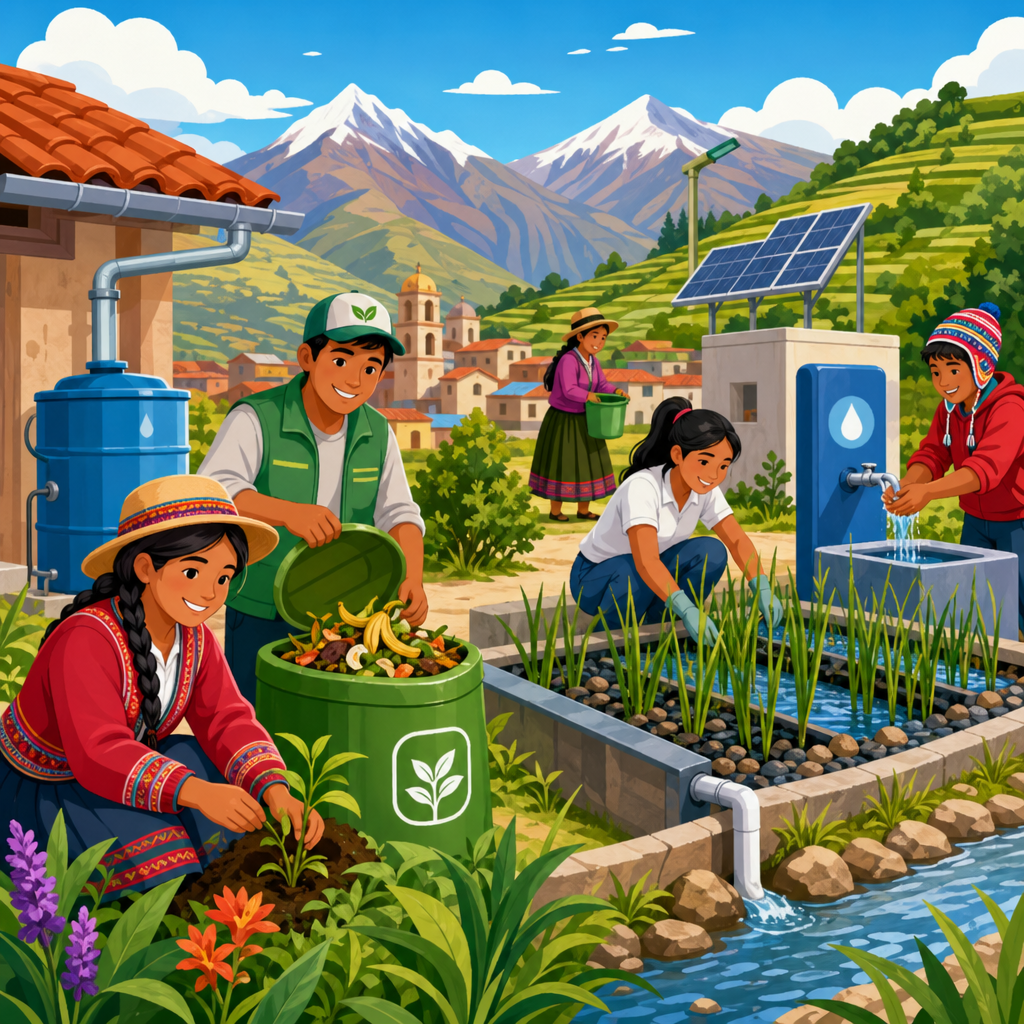
Constructed wetlands deserve special attention in the Peruvian context. They have been used in institutional and community settings where energy reliability is weak and where low-operation systems are preferred. Wetlands can remove organic matter, suspended solids, and some pathogens when properly designed with screening and primary treatment upstream. They also create visible environmental value, which helps communities understand that treatment is happening. However, Peru’s experience shows they are not maintenance-free. Clogging, poor hydraulic distribution, and neglected pretreatment can quickly undermine performance.
For small municipalities, financial sustainability is the central challenge. Capital grants may fund construction, but operation often depends on tariffs, local budgets, or cross-subsidies that are politically fragile. Some Peruvian success stories improved longevity by linking sanitation assets to municipal service plans, training dedicated operators, and using standardized spare parts and process monitoring routines. Others failed because treatment plants were delivered without sludge management plans, electrical backup, or operator salaries. The practical lesson for the global EcoSan community is straightforward: decentralized sanitation works best when governance is decentralized too, but not abandoned.
Fecal Sludge Management, Rural Sanitation, and the Shift from Access to Service
Peru’s sanitation debate has gradually moved from counting toilets to evaluating full service chains. That shift is essential in rural and peri-urban areas where on-site systems dominate. A pit latrine or septic tank improves containment only if it is safely emptied, transported, treated, and either disposed of or reused under controlled conditions. Fecal sludge management has therefore become a critical frontier. In many parts of Peru, emptying services remain informal, treatment capacity is limited, and municipalities are still building regulatory and logistical systems for safe sludge handling.
What makes Peru notable is growing recognition that sanitation service includes post-construction support. Rural sanitation programs increasingly combine hardware with hygiene promotion, technical assistance, and local monitoring. School sanitation initiatives have also influenced practice by showing that child-friendly toilets fail quickly without clear cleaning protocols, water access, menstrual hygiene support, and assigned budgets. These lessons matter globally because many EcoSan projects are judged at inauguration rather than after three rainy seasons and one change in local leadership.
Peru has also contributed valuable evidence on climate and resilience. Floods associated with El Niño events can overwhelm drains, damage pits, spread contamination, and interrupt treatment operations. In response, resilient sanitation design has gained attention: elevated facilities in flood-prone areas, protected sludge drying beds, improved stormwater separation, and contingency planning for utilities and municipalities. This resilience lens is increasingly inseparable from environmental sanitation, especially in countries facing stronger hydrological variability.
What Global EcoSan Practitioners Can Learn from Peru
Peru’s strongest environmental sanitation successes share five traits. They match technology to geography instead of forcing standard sewer templates. They treat user behavior as infrastructure, not as an afterthought. They define operation and maintenance before construction begins. They connect sanitation to water reuse, environmental quality, or agricultural value where possible. And they recognize that sanitation is an institutional service chain, not a one-time civil works project. These principles explain why some Peruvian projects became durable references while others remained short-lived pilots.
For readers exploring broader case studies and success stories, Peru should be viewed as a hub topic because it links multiple global themes: dry sanitation in water-scarce areas, decentralized treatment for underserved settlements, utility-scale wastewater modernization, climate-resilient design, and circular use of treated effluent and nutrients. Few countries offer such a clear side-by-side comparison of sanitation pathways under radically different conditions. That makes Peruvian innovations especially useful for planners building national sanitation portfolios rather than single-technology programs.
The main takeaway is simple. Effective environmental sanitation in Peru has not come from chasing perfect systems. It has come from choosing appropriate systems and then supporting them with training, monitoring, finance, and institutions. That is why Peru belongs at the center of any serious review of global EcoSan success stories. If you are mapping sanitation solutions, use Peru as a benchmark: compare your geography, service chain, operator capacity, and reuse opportunities against these cases, then follow the linked subtopic articles to go deeper into each model and its results.
Frequently Asked Questions
1. What makes environmental sanitation innovation in Peru different from traditional sanitation approaches?
Peruvian innovation in environmental sanitation stands out because it responds directly to the country’s extraordinary diversity of landscapes, climates, and settlement patterns. A conventional sanitation model often assumes that one centralized network of sewers, treatment plants, and waste collection systems can serve everyone in roughly the same way. In Peru, that assumption breaks down quickly. Coastal cities face water scarcity and dense urban growth, highland communities deal with cold temperatures, steep terrain, and dispersed populations, and Amazonian settlements must work within flood-prone ecosystems and remote logistics. As a result, Peru has increasingly adopted solutions that are modular, decentralized, resource-efficient, and better matched to local realities.
Another difference is that environmental sanitation in Peru has expanded beyond the narrow idea of simply removing waste. It now includes safe management of excreta, wastewater, solid waste, stormwater, drainage, hygiene conditions, and the overall quality of public and domestic environments. That broader view has encouraged innovations such as ecological toilets, small-scale wastewater treatment, segregated solid waste systems, neighborhood recycling models, and sanitation designs for schools, markets, and peri-urban communities. These approaches aim not only to reduce contamination and disease, but also to improve dignity, public cleanliness, environmental resilience, and service continuity.
Importantly, Peru’s sanitation innovations increasingly treat waste as a resource rather than only as a disposal problem. Wastewater can be treated and reused for irrigation or landscape maintenance. Organic solid waste can be converted into compost. Fecal sludge can be handled through safer service chains that reduce pollution while opening possibilities for recovery and reuse. This value-recovery mindset is especially important in water-stressed and budget-constrained settings, where every recovered resource can improve long-term sustainability. In that sense, Peru’s innovation model is practical and adaptive: it prioritizes public health while building systems that make economic and environmental sense in places where conventional infrastructure alone cannot keep pace.
2. Which Peruvian sanitation innovations are having the greatest impact in urban and peri-urban areas?
Some of the most influential sanitation innovations in Peru’s urban and peri-urban areas are those designed for rapid expansion zones where formal infrastructure lags behind population growth. In the outskirts of major cities, especially along the coast, many neighborhoods have historically developed faster than sewer systems, drainage networks, and regular waste collection can be extended. In these contexts, Peru has seen growing use of decentralized wastewater treatment, improved on-site sanitation, conditional service models, community storage and transfer systems for solid waste, and low-water or water-efficient technologies that reduce dependence on already stressed supplies.
One major area of impact is wastewater management and reuse. In water-scarce regions, treating wastewater for non-potable applications can reduce pressure on freshwater sources while preventing raw effluent from contaminating rivers, soils, and coastal environments. Small and medium-scale treatment systems, especially when located close to where wastewater is generated, can offer more flexible and affordable service in settlements not yet connected to full sewer networks. These systems are particularly valuable in peri-urban areas because they can be expanded incrementally as communities grow.
Solid waste innovation has also been significant. Peru has made progress through source separation campaigns, municipal recovery initiatives, neighborhood collection improvements, and stronger integration of recyclers into formal waste management systems. In many places, informal recycling networks have long played a vital role in recovering materials; innovation occurs when municipalities, social enterprises, and communities build systems that make this work safer, more efficient, and more economically stable. The result is better diversion of waste from dumps, cleaner streets and markets, and stronger local circular economy practices.
Stormwater and drainage management are another critical frontier. Urban flooding, erosion, and contaminated runoff can quickly turn sanitation failures into public health emergencies. Innovations in drainage design, green infrastructure, and community-based maintenance are helping cities reduce standing water, protect roads and housing, and lower exposure to pathogens. In Peru’s urban reality, the most effective innovations are not always the most technologically complex. They are the ones that can be maintained, financed, and adapted over time while delivering visible improvements in health, cleanliness, and resilience.
3. How do Peruvian sanitation innovations address inequality and service gaps in rural, highland, and Amazon communities?
Peru’s sanitation innovations are especially important in areas where geography and poverty have historically made public service delivery difficult. Rural highland and Amazon communities often cannot rely on conventional sewerage systems because of distance, terrain, flooding patterns, low population density, or the high cost of construction and maintenance. Innovative sanitation in these regions therefore focuses on locally appropriate designs, simpler operation requirements, and stronger community participation. The goal is not to impose an urban model on rural areas, but to create systems that protect health under real local conditions.
In the highlands, cold temperatures and topographic complexity affect the performance of sanitation technologies, especially those dependent on large volumes of water or long transport networks. Solutions such as dry or ecological toilets, simplified treatment systems, and community-managed service models can offer more realistic alternatives. These technologies can reduce contamination of local water sources, improve household hygiene, and lower maintenance burdens where technical support is limited. Their success often depends on coupling infrastructure with training, behavior change, and local governance arrangements so that systems continue functioning after installation.
In Amazonian areas, sanitation must respond to heavy rainfall, seasonal flooding, river-based transport, fragile ecosystems, and dispersed settlement patterns. Technologies need to be resilient to waterlogged conditions and must avoid polluting waterways that communities depend on for daily life. This has encouraged innovation in raised or flood-adapted systems, localized treatment, and service models that account for remoteness and environmental sensitivity. The emphasis is on reducing direct discharge, preserving ecosystem health, and preventing sanitation-related disease without relying on infrastructure that is too expensive or vulnerable for the local context.
What makes these approaches especially meaningful is their connection to social equity. Sanitation inequality is not only about missing infrastructure; it is also about whose environments are considered worth protecting. When Peru develops sanitation systems for schools in remote regions, for informal settlements, for Indigenous communities, and for public spaces used by low-income populations, it broadens the idea of public health. Innovation in this sense becomes a tool for inclusion. It helps close service gaps, reduces disease exposure, and supports dignity, safety, and environmental justice in places that have too often been underserved.
4. Why is resource recovery such an important part of Peru’s environmental sanitation strategy?
Resource recovery has become central to Peru’s environmental sanitation strategy because the country faces a combination of water stress, urban growth, environmental degradation, and fiscal constraints. In that context, simply collecting and disposing of waste is no longer enough. Sanitation systems are increasingly expected to reduce pollution while generating additional value through reuse, recycling, and recovery. This shift is especially important in Peru because many regions cannot afford wasteful systems that consume large amounts of water, energy, land, and public funds without creating long-term environmental benefits.
Wastewater reuse is one of the clearest examples. In arid and semi-arid zones, especially along the coast, treated wastewater can support irrigation, green areas, industrial uses, or other non-potable needs. This reduces extraction pressure on scarce freshwater sources and helps cities manage growth more responsibly. At the same time, treating wastewater before reuse or discharge lowers contamination risks for communities and ecosystems. Properly managed, wastewater becomes part of a more circular urban water cycle rather than a pollutant that is simply moved downstream.
Organic waste recovery is another major opportunity. Markets, households, and food-related businesses generate large volumes of biodegradable waste that can be transformed into compost or soil amendments instead of being dumped. In agricultural regions, this has obvious value. It can improve soils, support local production, and reduce methane emissions associated with unmanaged decomposition. Similarly, stronger recycling systems recover plastics, paper, glass, and metals while reducing pressure on landfills and informal dumping sites.
Fecal sludge and excreta management also fit within this broader recovery perspective, although this area requires careful treatment, regulation, and public health safeguards. When managed safely, sanitation by-products can potentially contribute to soil restoration, nutrient recovery, or energy generation pathways. The key point is that Peru’s sanitation innovation agenda increasingly recognizes that waste streams contain water, nutrients, materials, and economic value. Recovering those resources helps make sanitation systems more financially and environmentally sustainable, which is crucial in a country where infrastructure needs are high and natural resources are unevenly distributed.
5. What lessons can other countries learn from Peruvian innovations in environmental sanitation?
One of the most important lessons from Peru is that effective sanitation policy must be grounded in geographic reality. Countries with strong regional contrasts often struggle when they apply a single infrastructure model everywhere. Peru shows that sanitation systems work better when they are adapted to local conditions such as water availability, terrain, settlement density, climate, and institutional capacity. That may sound obvious, but in practice it requires flexible regulation, diversified technology options, and funding structures that do not privilege only large centralized projects.
A second lesson is that environmental sanitation should be treated as a system rather than a single service. Peru’s experience demonstrates that public health outcomes depend on how excreta, wastewater, solid waste, drainage, hygiene, and public-space cleanliness interact. A neighborhood with toilets but no fecal sludge management, or with waste collection but poor drainage, may still face serious