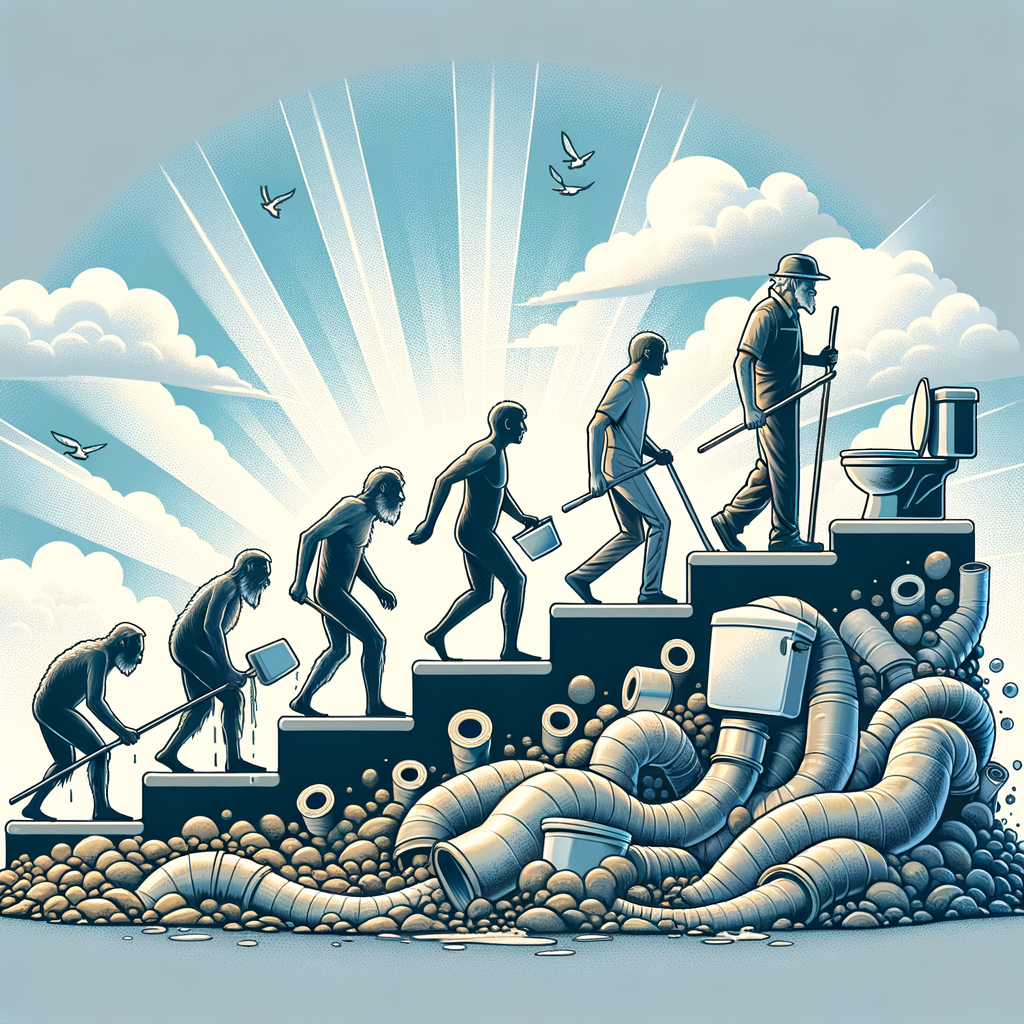
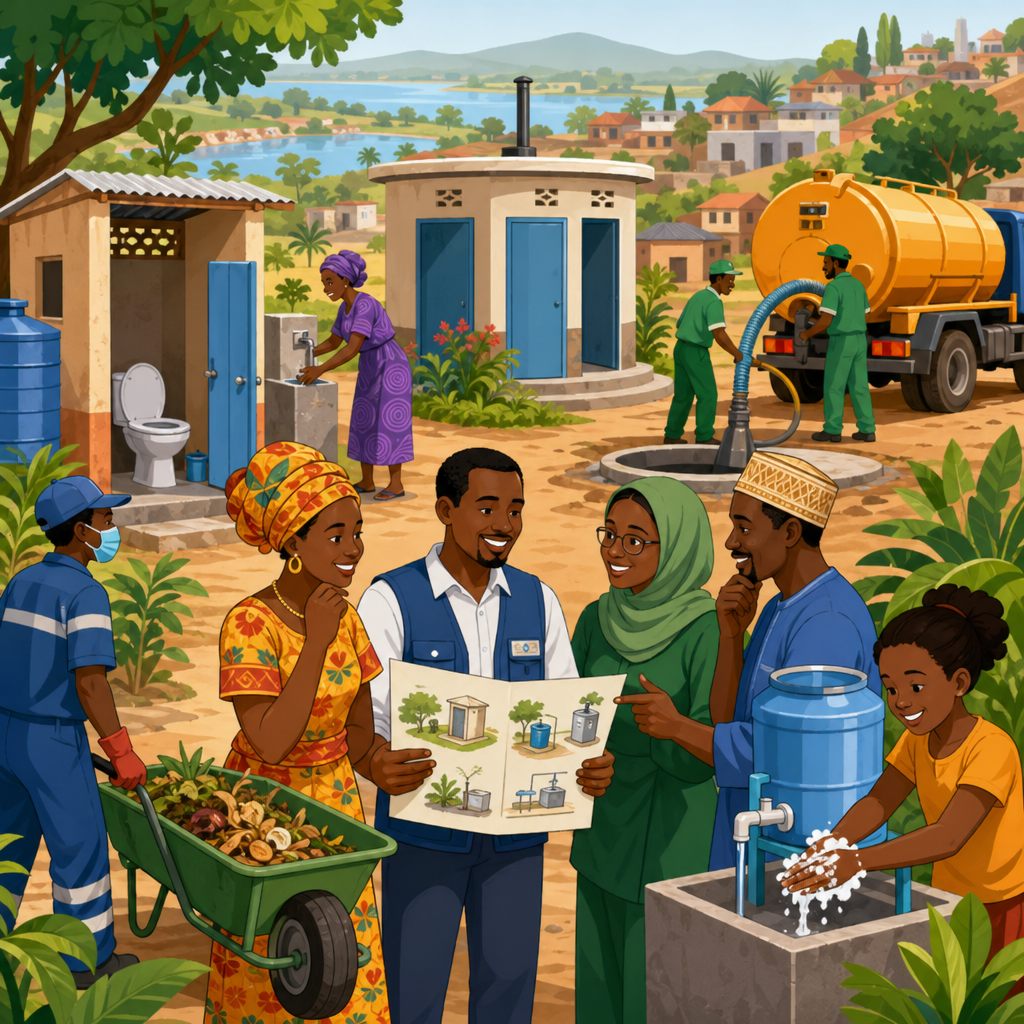
Universal sanitation access is one of the clearest measures of whether development reaches daily life, yet progress remains uneven across regions, incomes, and settlement types. Sanitation means the safe capture, containment, treatment, and reuse or disposal of human waste, along with the hygiene behaviors and service systems that protect health and dignity. In my work reviewing sanitation programs, the most durable gains rarely come from hardware alone; they come from systems that fit local water availability, land tenure, cultural norms, municipal budgets, and user behavior. That is why diverse EcoSan success stories matter. Ecological sanitation, often shortened to EcoSan, describes approaches that treat human excreta as a resource stream rather than only a waste problem. Designs vary, but the core idea is consistent: close nutrient loops, protect water, and deliver practical service where conventional sewers may be unaffordable or physically unsuitable.
This hub article maps the road to universal sanitation access through case studies that show both progress and persistent barriers. It focuses on diverse EcoSan success stories because no single model works everywhere. Urine-diverting dry toilets, container-based sanitation, composting toilets, decentralized treatment units, and fecal sludge reuse enterprises each solve different constraints. They can reduce groundwater contamination in flood-prone areas, conserve water in arid settlements, create fertilizer value for farmers, and bring safer services to informal neighborhoods where sewer extension is slow. At the same time, these systems demand careful operation, supply chains, regulation, and public trust. Understanding what has worked, where it has failed, and why, helps practitioners, local governments, NGOs, and investors design better sanitation programs. The examples below show that universal access is achievable when technology choice, community engagement, financing, and long-term management are aligned from the start.
Why EcoSan matters in the push for universal sanitation
EcoSan matters because the global sanitation gap is not simply an infrastructure deficit; it is a service delivery problem shaped by water scarcity, rapid urbanization, weak fecal sludge management, and the cost of centralized sewer networks. Conventional sewerage can be highly effective in dense, well-financed cities, but it is capital intensive, energy dependent, and often slow to reach peri-urban and rural populations. EcoSan approaches create additional pathways. In dry and water-stressed regions, they cut or eliminate flush water demand. In high-water-table or rocky terrain, they avoid expensive excavation. In dispersed rural communities, they can provide safe sanitation without waiting for trunk infrastructure. In informal settlements, container-based or modular systems can offer immediate containment while broader upgrading plans mature.
The public health case is direct. Safely managed sanitation reduces exposure to pathogens that drive diarrhea, intestinal worm infections, and environmental enteric dysfunction. The environmental case is equally strong. Poorly managed sanitation pollutes groundwater, rivers, and coastal areas, while nutrient losses from human waste increase dependence on synthetic fertilizer. EcoSan systems can recover nitrogen, phosphorus, and organic matter for agriculture when treatment is reliable and socially accepted. The economic case is practical too. Households save on water, municipalities avoid some network costs, and local enterprises can emerge around collection, treatment, and reuse. However, these benefits appear only when the full sanitation chain is managed. A toilet that users abandon, a collection service that skips routes, or a compost product that lacks quality assurance will not deliver lasting impact.
Rural urine-diverting toilets and nutrient recovery
Some of the strongest EcoSan results have come from rural programs using urine-diverting dry toilets. These systems separate urine and feces at the source, keeping solids drier, reducing odor, and making treatment more manageable. In parts of East Africa, Southern Africa, and South Asia, projects paired toilet construction with farmer training on nutrient reuse. The practical logic was simple: if households saw value in the outputs, they were more likely to maintain the system. I have seen uptake improve markedly when extension workers demonstrated how stored urine could be diluted and applied to maize or vegetable plots, and when they clearly explained pathogen die-off periods for dehydrated feces.
One recurring success factor is adaptation to local farming calendars. Where programs aligned storage periods, collection schedules, and field application with rainy seasons, households could use nutrients when crops most needed them. Another is design quality. Pedestals or squat plates must be intuitive, vaults must stay dry, and superstructures must provide privacy and safety. In several successful communities, trained local masons built standardized models, reducing common failures like poor urine diversion angles or leaky vault covers. The biggest challenge has been consistency. Households may accept urine reuse quickly yet remain hesitant about handling composted solids. Programs that addressed this directly through demonstrations, health messaging, and trusted local champions generally performed better than those that assumed acceptance would follow installation.
Urban container-based sanitation in informal settlements
Dense informal settlements expose the limits of conventional planning. Narrow lanes block vacuum trucks, land tenure uncertainty discourages permanent construction, and flooding can spread fecal contamination rapidly. Container-based sanitation has emerged as a credible EcoSan pathway in these contexts. Instead of relying on pits or sewers, sealed cartridges or containers capture waste at the household or shared toilet level and are removed on a service schedule. This model has been demonstrated by enterprises such as Sanergy in Nairobi and SOIL in Haiti, each adapting the concept to different operational realities. The key advantage is service control: waste is contained from the start and transported to treatment before it enters drains, soil, or floodwater.
Successful container-based systems behave more like utilities than construction projects. Customer service, route optimization, spare parts, odor control, and payment systems matter as much as toilet design. In Nairobi, franchised or managed sanitation units linked collection to centralized processing, showing how sanitation can support circular economy enterprises through compost or insect-based treatment pathways. In Haiti, container-based services gained attention after earthquake-related displacement exposed the urgency of alternatives that did not depend on sewer restoration. These examples demonstrate that low-water sanitation can be dignified and reliable in urban settings. Their limitations are also clear: recurring service costs require subsidies, tariffs, or cross-financing; treatment sites need land and permits; and municipal integration is essential for scale. Without city recognition, promising pilots can remain isolated islands of good practice.
School sanitation, behavior change, and long-term use
Schools are often the turning point in community acceptance of EcoSan because they combine infrastructure, education, and daily habit formation. A well-run school EcoSan project does more than provide toilets. It teaches handwashing, menstrual hygiene management, water stewardship, and nutrient cycles in visible ways. I have observed that students quickly understand resource recovery when gardens are linked to treated compost or urine fertilizer, especially when teachers explain the process scientifically rather than symbolically. This educational function matters because sanitation choices are social. Children carry new norms home, influence parents, and reduce stigma through familiarity.
Yet school sanitation also reveals the operational fragility of many projects. Facilities fail when cleaning budgets disappear, teachers are not trained, or maintenance responsibilities are vague. Successful school case studies share several traits: durable fixtures sized for age groups, clear janitorial protocols, secure storage for cover material such as ash or sawdust, and regular inspection by local authorities or parent committees. Gender-sensitive design is nonnegotiable. Separate blocks, disposal options for menstrual materials, locks, lighting, and water for washing determine whether girls use facilities consistently. Where these elements are missing, attendance can suffer even if the toilets are technically sound. The strongest school programs therefore treat EcoSan as a service and learning platform, not a one-time donation. That lesson transfers directly to community-scale sanitation planning.
What the most successful EcoSan programs consistently include
Across rural, peri-urban, and urban settings, the same implementation patterns appear repeatedly.
| Success factor | What it means in practice | Example of impact |
|---|---|---|
| User-centered design | Toilets match local defecation posture, privacy needs, climate, and cleaning habits | Higher daily use and lower abandonment rates |
| Service-chain planning | Containment, collection, transport, treatment, and reuse are designed together | Less leakage into drains, soils, and waterways |
| Local maintenance capacity | Masons, operators, schools, or enterprises are trained and paid | Faster repairs and more reliable performance |
| Clear health safeguards | Storage times, compost standards, PPE, and handling rules are explained | Greater trust in reuse products |
| Financial realism | Tariffs, subsidies, or municipal budgets cover recurring costs | Projects continue after donor funding ends |
| Institutional support | Local government permits, monitors, and integrates services into plans | Pilots can scale beyond demonstration sites |
The absence of any one factor usually predicts trouble. For example, programs that focus only on toilet construction often underinvest in treatment quality assurance. Others subsidize installation but ignore emptying, making households responsible for technically difficult or culturally sensitive tasks. In my experience, the strongest EcoSan managers track simple operational indicators: toilet functionality, collection punctuality, contamination incidents, compost maturity, customer retention, and complaint resolution time. These metrics turn sanitation from a charity output into a managed public service.
Where progress stalls: finance, policy, and perception barriers
Despite compelling case studies, EcoSan expansion still faces barriers that are structural rather than technical. Financing is first. Households may afford a latrine slab but not a higher-specification urine-diverting unit or a recurring collection fee. Municipalities may support sewer projects because they fit established engineering norms and capital procurement structures, even when decentralized systems would reach underserved neighborhoods faster. Donors sometimes prefer visible builds over long-term operations support, yet EcoSan depends heavily on maintenance and user follow-up. Bridging this gap requires blended finance, output-based subsidies, and realistic lifecycle costing that compares options over ten to twenty years rather than only at installation.
Policy and regulation are the second barrier. In many countries, building codes, sanitation standards, and fertilizer regulations do not clearly accommodate recovered products from human waste. That uncertainty slows permits and discourages private operators. Recognized frameworks from the World Health Organization on sanitation safety planning and reuse risk management provide a strong basis, but local adaptation is often incomplete. Perception is the third barrier. Many users still associate dry or reuse-oriented sanitation with poverty or inconvenience. The answer is not marketing spin; it is reliability, cleanliness, and proof. When facilities are odor-free, collection is punctual, and agricultural results are visible, acceptance grows. When systems are poorly maintained, skepticism hardens quickly. Trust is earned through performance.
How this hub connects the wider case studies
This hub article is designed to anchor a broader set of case studies on diverse EcoSan success stories by organizing the field into practical themes. Readers exploring rural sanitation can move deeper into examples of urine-diverting dry toilets, farmer adoption, and village-level maintenance models. Those focused on cities can follow linked analyses of container-based sanitation, fecal sludge logistics, and decentralized treatment business models. Education and public institutions open another branch, covering school sanitation, hygiene behavior, and gender-responsive design. A final branch examines reuse markets, including compost standards, co-composting, black soldier fly systems, and partnerships with farmers. Together, these strands show that universal sanitation access is not a single road but a network of routes that must converge around safe management.
The central lesson from the strongest EcoSan case studies is straightforward. Progress happens when sanitation is planned as a full service system, adapted to local realities, and supported long enough to become routine. Challenge appears when projects chase installation numbers without funding operations, ignore social acceptance, or fail to secure regulatory backing. For practitioners and decision-makers, the benefit of studying diverse EcoSan success stories is clarity: you can see which design principles transfer across contexts and which choices must remain local. Use this hub to compare models, identify the enabling conditions behind good results, and build sanitation programs that are both safe and durable. If you are planning the next phase of work, start by mapping your service chain, your users, and your financing model before choosing the technology.
Frequently Asked Questions
What does universal sanitation access actually mean?
Universal sanitation access means that every person can use sanitation services that safely separate human waste from people and the environment, every day, in every setting. It goes far beyond simply building toilets. True sanitation includes the full chain: safe capture, secure containment, transport when needed, treatment, and final reuse or disposal in ways that protect health, water sources, and communities. It also includes the hygiene behaviors, maintenance systems, financing, and public institutions that keep services working over time.
In practice, this means looking at whether households, schools, health facilities, workplaces, and public spaces all have reliable, dignified sanitation options. It also means asking whether services are equitable. A settlement may show high toilet coverage on paper while still leaving out renters, informal communities, remote villages, people with disabilities, women and girls needing privacy and menstrual hygiene support, or families who cannot afford upkeep. Universal access is achieved only when sanitation is safe, inclusive, affordable, and sustainably managed for everyone, not just for those easiest to reach.
Why has progress in sanitation been so uneven across regions and communities?
Sanitation progress is uneven because it depends on much more than infrastructure budgets. Geography, income levels, governance capacity, land tenure, water availability, urban growth, and social norms all shape what is possible and how quickly improvements can last. Dense informal settlements face different constraints than dispersed rural villages. Flood-prone areas require different technical choices than dry regions. Fast-growing towns may install facilities, only to find population growth outpaces service expansion within a few years. In many places, sanitation is also politically less visible than roads, electricity, or major water projects, so it can remain underfunded or fragmented across agencies.
Another major reason is that sanitation systems succeed when they fit local realities. Programs that focus only on distributing hardware often struggle if households cannot afford repairs, if there is no sludge collection service, if treatment sites are absent, or if community engagement is weak. By contrast, places that make lasting gains usually combine infrastructure with behavior change, local government support, operator training, clear accountability, and financing that reflects what people can realistically sustain. The story of uneven progress is therefore not just about scarcity; it is often about whether the system was designed around daily life, long-term service delivery, and the people who will maintain and use it.
What are the biggest challenges standing in the way of universal sanitation access?
The biggest challenges tend to cluster around service sustainability, inclusion, and system coordination. Many communities still lack basic toilets, but even where facilities exist, the larger sanitation chain often breaks down. Containment may be unsafe, pits may overflow, sludge may be emptied informally and dumped untreated, or treatment plants may be poorly operated. These failures are not always visible, which is why sanitation can appear improved while serious environmental and health risks continue. Financing is another major obstacle. Households may struggle with upfront costs, while local governments often lack stable budgets for maintenance, regulation, and service expansion.
There are also human and institutional barriers. Sanitation behavior is shaped by habit, convenience, privacy, safety, and social expectations. If a toilet is poorly located, hard to clean, inaccessible, or seen as unreliable, use may remain inconsistent. Women, girls, older adults, and people with disabilities are often most affected when sanitation is not designed with dignity and accessibility in mind. On the institutional side, responsibilities can be split among multiple agencies with weak coordination, making it difficult to plan citywide or districtwide solutions. Climate pressure adds a further layer of difficulty, as floods, droughts, and water scarcity can quickly undermine systems that were never designed for changing environmental conditions.
What do successful sanitation stories usually have in common?
Successful sanitation stories usually share one essential feature: they treat sanitation as a service system rather than a one-time construction project. The strongest examples often begin with local problem-solving. Communities, service providers, and authorities assess how people live, what they can afford, what environmental conditions matter, and which technologies are realistic to maintain. From there, progress comes through a combination of practical design, community engagement, reliable operations, and accountability. Toilets are important, but so are supply chains for materials, skilled workers for installation and repair, safe emptying services, treatment capacity, and clear institutional responsibility.
Another common thread is persistence. Durable gains rarely happen through a single campaign. They come from repeated follow-up, adaptation, and learning. Programs that work well often invest in behavior change alongside infrastructure, support local governments rather than bypassing them, and collect data that helps identify which groups remain underserved. They also pay attention to dignity and convenience, because people are far more likely to adopt and maintain sanitation services that genuinely fit daily routines. In many of the most encouraging stories, progress is incremental rather than dramatic: a village moving from open defecation to basic facilities, a town building a reliable sludge collection route, or a district improving sanitation in schools and clinics first and then expanding outward. Those steady gains matter because they create systems people can trust and sustain.
How can governments, organizations, and communities accelerate the road to universal sanitation access?
Acceleration starts with treating sanitation as a core public service tied to health, education, gender equity, environmental protection, and economic productivity. Governments can make the greatest difference by setting clear policy direction, assigning responsibility across institutions, funding both infrastructure and long-term operations, and using data to target underserved populations. This includes investing in sanitation where people are often missed: informal settlements, peri-urban growth areas, remote rural communities, schools, healthcare facilities, and public spaces. It also means supporting a range of technical options rather than assuming one model fits every context.
Organizations and development partners can help most when they strengthen systems instead of creating short-lived parallel programs. That includes building local technical capacity, improving monitoring, supporting private and public service providers, and helping design financing mechanisms that are affordable for households and workable for municipalities. Communities themselves remain central. When residents are involved in planning, know their service options, and can hold providers and authorities accountable, sanitation solutions are far more likely to endure. The road to universal access is not paved by hardware alone. It advances when infrastructure, behavior, institutions, and local ownership move together, turning sanitation from an isolated project into a dependable part of everyday life.