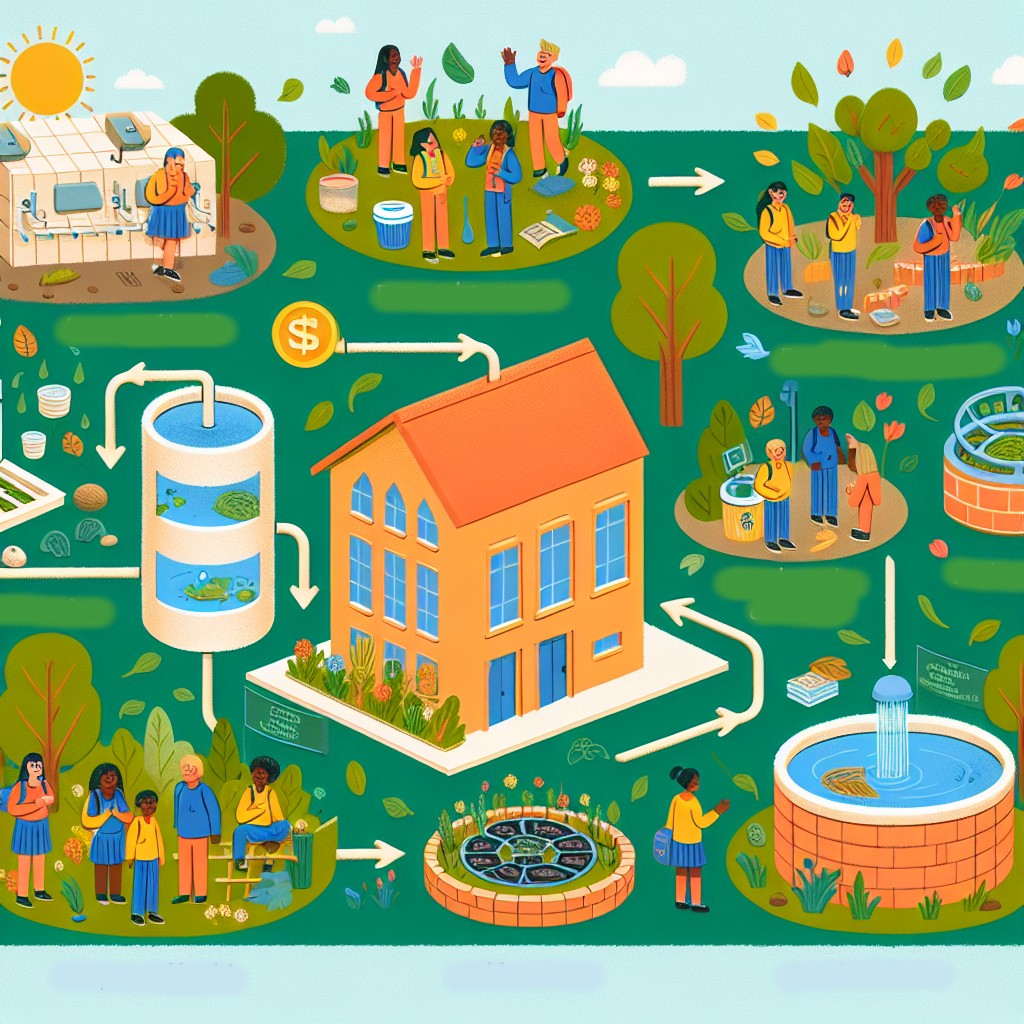
Ecological Sanitation (EcoSan) is an approach that integrates human excreta management with the broader management of natural resources. It recognizes the value of human waste as a resource rather than a problem, aiming to create safe, health-promoting, and sustainable sanitation solutions. Implementing EcoSan strategies involves engaging communities, understanding local contexts, and integrating traditional and modern practices. By doing so, sustainability and effectiveness can be ensured.
In many parts of the world, conventional sanitation systems often fail to provide adequate services due to infrastructural limitations, financial constraints, and unsuitability to local conditions. EcoSan offers a way to address these challenges by promoting the recycling of nutrients, water conservation, and environmental protection. However, the implementation of EcoSan requires more than just technical solutions; it calls for a deep understanding of local knowledge, culture, and practices.
This article examines the importance of utilizing local knowledge and practices in EcoSan design and implementation. By tapping into the indigenous knowledge and existing practices, communities can ensure the feasibility, acceptability, and sustainability of EcoSan projects. We will discuss the strategies for integrating local insights, the role of participatory approaches, and the benefits of aligning EcoSan systems with community needs. Our aim is to provide a comprehensive guide for practitioners, policymakers, and stakeholders involved in the development and promotion of EcoSan solutions.
Understanding Local Knowledge and Practices
Local knowledge encompasses the skills, experiences, and insights of people living in a particular area, which have been developed over generations through interaction with the environment. This knowledge is crucial for the successful implementation of EcoSan projects as it provides valuable information about local environmental conditions, cultural practices, and community needs.
Incorporating local knowledge into EcoSan design means recognizing and respecting traditional sanitation practices and adapting EcoSan technologies to fit within these contexts. For instance, in some communities, the use of human excreta as fertilizer is a long-standing practice. By building on such practices, EcoSan systems can be more readily accepted and adopted by the community.
It is also important to involve community members in the planning and decision-making processes. This participatory approach ensures that the systems designed are in line with the cultural norms, values, and preferences of the community. Additionally, it helps in identifying potential challenges and solutions that might not be evident to external experts.
Case studies from various regions demonstrate that when local knowledge and practices are integrated into EcoSan designs, the outcomes are more sustainable. For instance, in some African communities, traditional pit latrines have been transformed into urine diversion toilets, enabling the safe collection and reuse of nutrients. This has not only improved sanitation but also enhanced agricultural productivity.
Strategies for Integrating Local Knowledge
Effective strategies for integrating local knowledge into EcoSan designs involve several key steps. First, conducting thorough community assessments to understand existing sanitation practices, cultural contexts, and environmental conditions is essential. This involves engaging with community leaders, conducting surveys, and organizing focus group discussions.
Second, designing flexible EcoSan systems that can be adapted to local contexts is crucial. For instance, in regions with water scarcity, dry sanitation options such as composting toilets can be more appropriate. Similarly, in areas where agriculture is a major livelihood, systems that facilitate nutrient recycling can provide added benefits.
Another important strategy is capacity building through training and education. Equipping community members with the knowledge and skills to maintain and operate EcoSan systems ensures their long-term success. This can include training on the safe handling and processing of human excreta and the use of compost and urine in agriculture.
Partnerships with local organizations, NGOs, and government agencies can also play a significant role in supporting EcoSan implementation. These entities often have a deep understanding of local contexts and can facilitate the transfer of knowledge and resources needed to sustain EcoSan projects.

The Role of Participatory Approaches
Participatory approaches in EcoSan implementation involve actively engaging community members in the planning, design, and monitoring of sanitation projects. This participatory process not only empowers communities but also ensures the solutions developed are relevant and acceptable.
Participatory tools such as Participatory Rural Appraisal (PRA) can be utilized to gather valuable insights from community members. PRA includes methods such as mapping, seasonal calendars, and problem-ranking exercises, which help in understanding the community’s needs and priorities.
Encouraging community ownership of EcoSan projects through participatory approaches also fosters a sense of responsibility and commitment. When community members are involved in decision-making processes, they are more likely to take care of the infrastructures and ensure their proper functioning.
In addition to direct involvement in project design and implementation, participatory approaches can include regular feedback mechanisms. This allows communities to voice their concerns and suggestions, ensuring continuous improvement and adaptation of the EcoSan systems to meet evolving needs.
Aligning EcoSan Systems with Community Needs
Aligning EcoSan systems with the specific needs and preferences of the community is fundamental to their success. This alignment can be achieved by tailoring EcoSan designs to address specific challenges such as water scarcity, soil degradation, or health issues.
For instance, in water-scarce regions, implementing dry sanitation systems like composting toilets or urine diversion dry toilets (UDDTs) can significantly reduce water usage while recycling valuable nutrients. In areas facing soil degradation, the use of eco-friendly fertilizers derived from human waste can enhance soil fertility and support sustainable agriculture.
It is also important to consider the social and cultural dimensions of sanitation. Practices such as handwashing, menstrual hygiene management, and safe excreta disposal should be integrated into EcoSan designs. Creating separate facilities for males and females, ensuring privacy, and incorporating culturally appropriate designs can enhance acceptance and use of the systems.
Involving women and marginalized groups in the planning and implementation processes is also crucial. These groups often have unique insights and needs that should be addressed to ensure the inclusivity and effectiveness of EcoSan projects.
Conclusion
The successful implementation of EcoSan strategies hinges on the integration of local knowledge and practices. By understanding and incorporating the skills, experiences, and insights of community members, EcoSan projects can become more sustainable, acceptable, and effective.
Strategies such as conducting community assessments, designing flexible systems, capacity building, and forming partnerships with local organizations are essential in creating EcoSan solutions that are aligned with community needs and preferences. Participatory approaches further enhance the relevance and success of EcoSan projects by engaging communities in every step of the process.
Aligning EcoSan systems with the specific needs of the community not only addresses sanitation challenges but also contributes to broader goals of water conservation, nutrient recycling, and environmental protection. By fostering a sense of ownership and responsibility among community members, EcoSan projects can achieve long-term success and sustainability.
In conclusion, the integration of local knowledge and practices in EcoSan design is not just beneficial but necessary for creating resilient and sustainable sanitation solutions. Practitioners, policymakers, and stakeholders must recognize the value of indigenous knowledge and work collaboratively with communities to lay the groundwork for successful EcoSan implementation.