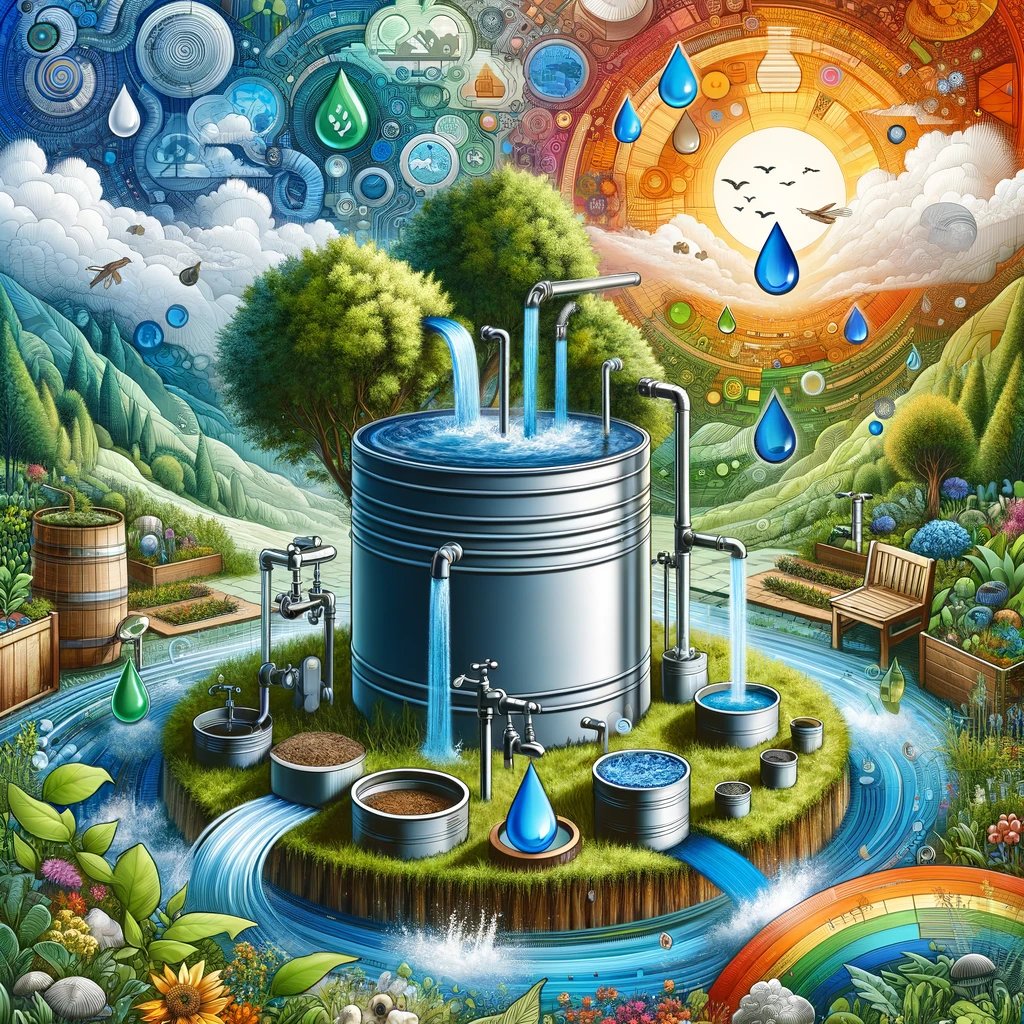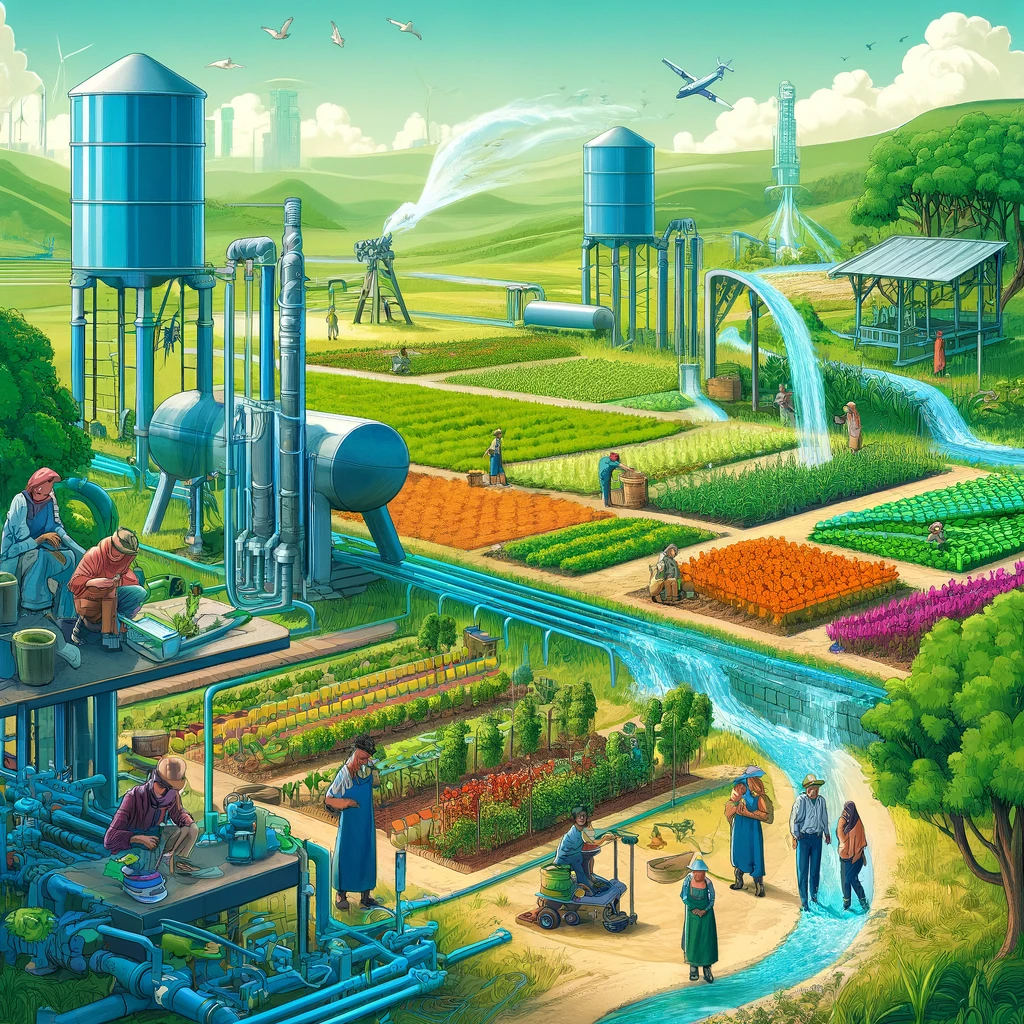
In the quest for sustainability, the reuse of greywater for agricultural purposes emerges as a compelling solution to water scarcity issues while also contributing to resource management. Greywater, which includes water from baths, sinks, washing machines, and other kitchen appliances (excluding toilet waste), holds potential not only for saving fresh water but also for reducing the burden on sewage treatment facilities. This article explores various innovative techniques and systems developed to harness the benefits of greywater for sustainable agriculture.
Understanding Greywater and Its Potential
Greywater typically contains fewer pathogens than blackwater (toilet water) and is less contaminated, making it a safer choice for reuse in agriculture. Although it may contain traces of detergents, fats, and food particles, with proper treatment, greywater can be safely used for irrigation. The key advantage of using greywater is its role in significantly reducing the demand for fresh water in irrigated agriculture, which consumes a substantial percentage of the world’s fresh water supply.
Greywater Treatment Methods
Effective greywater reuse in agriculture requires adequate treatment to remove potential contaminants and ensure it is safe for crop irrigation. Here are several commonly implemented treatment methods:
1. Direct Filtration and Use
This straightforward method involves minimal treatment, where greywater is passed through a simple filtration system to remove solid waste and then used for irrigation. This method is suitable for areas with non-food crops or ornamental gardens.
2. Constructed Wetlands
Constructed wetlands mimic natural wetland processes to treat greywater. Plants and microorganisms in the wetland system naturally break down contaminants. This method is highly effective, environmentally friendly, and visually appealing.
3. Membrane Bioreactors
A more advanced treatment, membrane bioreactors combine biological degradation and membrane separation to purify greywater to a higher standard. This technology is suitable for regions where greywater is reused for food crops.
4. UV and Chlorination Treatment
These disinfection methods are used to kill any remaining pathogens after primary treatment. While effective, they require careful handling and monitoring to ensure that the water quality is suitable for its intended use.
Innovations in Greywater Systems
The evolution of greywater reuse systems has led to the development of several innovative solutions designed to optimize water use in agriculture:
1. Smart Irrigation Systems
Integrating greywater reuse with smart irrigation technology can significantly enhance water efficiency. These systems use sensors and IoT technology to monitor soil moisture and weather conditions, delivering the exact amount of water needed at the right time.
2. Hybrid Rainwater-Greywater Systems
These systems combine rainwater and treated greywater storage, providing a more resilient water supply for agricultural use, especially in regions with seasonal rainfall.
3. Modular Greywater Units
Portable and modular greywater treatment units can be installed quickly and scaled according to demand. These units are ideal for small farms and urban agriculture projects.
Case Studies and Practical Applications
Several regions around the world have successfully implemented greywater systems for agriculture. For instance, in arid regions like parts of Australia and the Middle Eastern countries, greywater reuse has not only conserved water but also transformed previously barren landscapes into productive agricultural lands.
1. Urban Farms in Berlin, Germany
In Berlin, urban farms utilize greywater to grow vegetables and herbs. This not only reduces water usage but also enhances local food production, contributing to urban sustainability.
2. Community Gardens in California, USA
California’s community gardens often use greywater systems to combat drought conditions, demonstrating how community-level initiatives can lead to substantial water savings.
The innovative reuse of greywater in agriculture offers a promising path towards more sustainable farming practices. By incorporating advanced treatment methods and new technologies, it is possible to safely and effectively use greywater to support crop production, reduce water consumption, and alleviate the pressure on freshwater resources. As the world leans more towards sustainable practices, greywater reuse in agriculture not only becomes a necessity but a model for future resource management strategies.
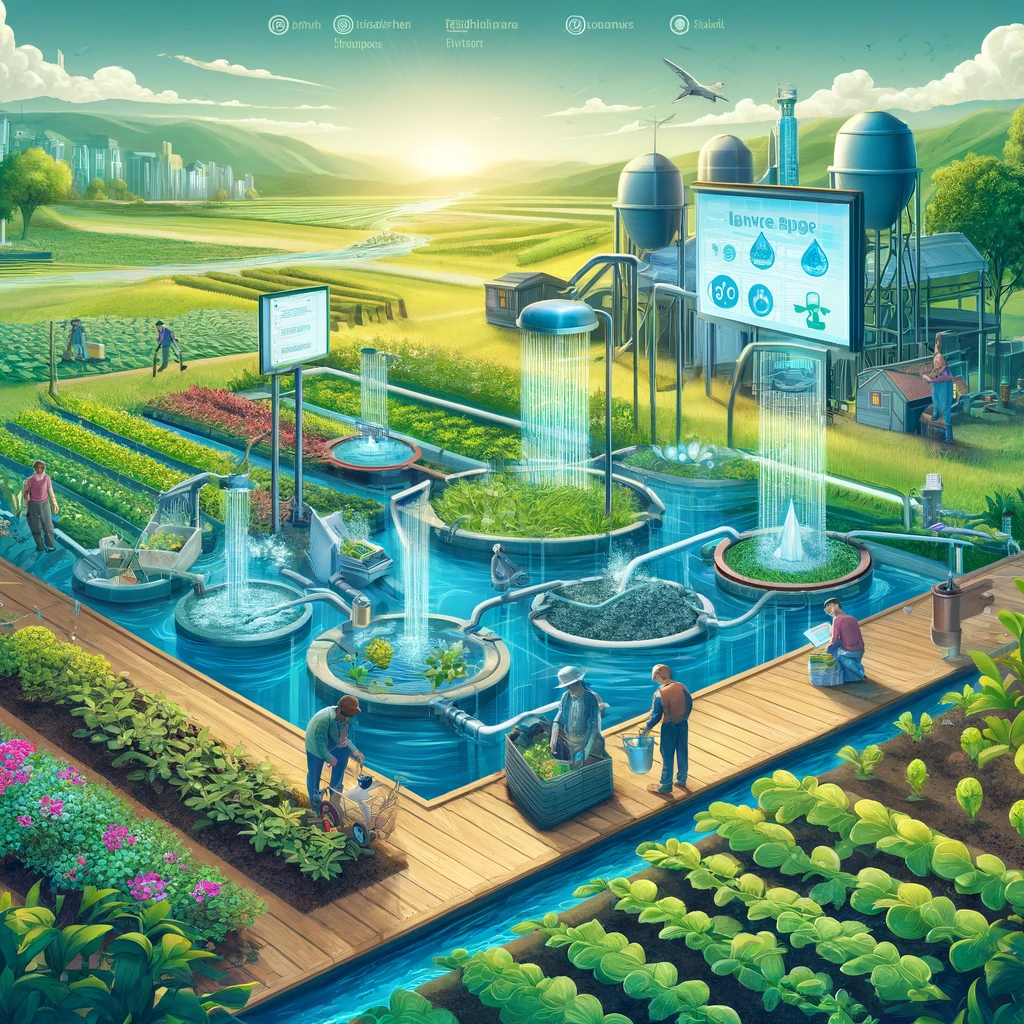
Challenges and Solutions in Greywater Reuse
While greywater reuse presents numerous benefits for sustainable agriculture, several challenges must be addressed to optimize its potential:
1. Regulatory Barriers
In many regions, strict regulations regarding water quality and reuse can hinder the implementation of greywater systems. Solutions involve working with regulatory bodies to develop guidelines that ensure safety while promoting greywater reuse.
2. Public Perception
Often, there is a negative perception associated with using recycled water for crop production. Educational programs and awareness campaigns are crucial in changing public attitudes and demonstrating the safety and benefits of greywater reuse.
3. Technical Challenges
The variability in greywater quality, depending on household products and habits, poses a challenge. Developing robust treatment systems that can handle such variability is essential for the broader adoption of greywater reuse.
4. Economic Factors
Initial setup and maintenance costs of greywater systems can be prohibitive for some users. Financial incentives, such as subsidies or tax breaks, can encourage more widespread adoption of greywater systems.
Technological Advances and Future Directions
As technology evolves, so do the opportunities to enhance greywater reuse systems. Innovations in nanotechnology, biotechnology, and chemical engineering hold promise for more efficient and less costly treatment solutions:
1. Nanotechnology
Using nanomaterials for water treatment can improve the efficiency of removing contaminants from greywater, making it safer for agricultural use.
2. Genetic Engineering
Researchers are exploring the use of genetically engineered plants and microbes to treat greywater. These organisms could potentially break down contaminants more effectively than natural systems.
3. Automation and AI
The integration of artificial intelligence with greywater systems can optimize water use and treatment processes. AI can predict water demand and adjust treatment schedules accordingly to maximize efficiency.
Success Stories in Greywater Reuse
Around the globe, innovative projects showcase the successful implementation of greywater reuse in agriculture:
1. The Sahara Forest Project, Jordan
This project uses treated greywater to irrigate crops in arid environments, demonstrating how desert areas can be turned into productive land using sustainable water management practices.
2. Singita Serengeti, Tanzania
A luxury safari lodge in Tanzania uses a greywater system to irrigate its landscape, preserving the natural resources of the Serengeti while maintaining high environmental standards.
Leveraging Greywater for Global Sustainability Goals
Embracing greywater reuse aligns with several United Nations Sustainable Development Goals (SDGs), including clean water and sanitation (SDG 6), sustainable cities and communities (SDG 11), and responsible consumption and production (SDG 12). By implementing greywater systems, communities can improve water efficiency, enhance food security, and contribute to a more sustainable and resilient future.
Conclusion
Innovations in greywater reuse are pivotal for advancing sustainable agriculture and promoting efficient resource management. Despite challenges, the integration of sophisticated treatment technologies, coupled with strategic policies and public education, can pave the way for wider adoption and optimization of greywater systems. As we move forward, it is imperative that stakeholders from various sectors collaborate to harness the full potential of greywater, turning today’s challenges into tomorrow’s opportunities for a greener, more sustainable world.
This comprehensive exploration reflects the growing importance of greywater reuse in sustainable agriculture, highlighting both its current applications and future possibilities. As this practice gains traction globally, it holds the key to addressing some of the most pressing environmental challenges of our time.