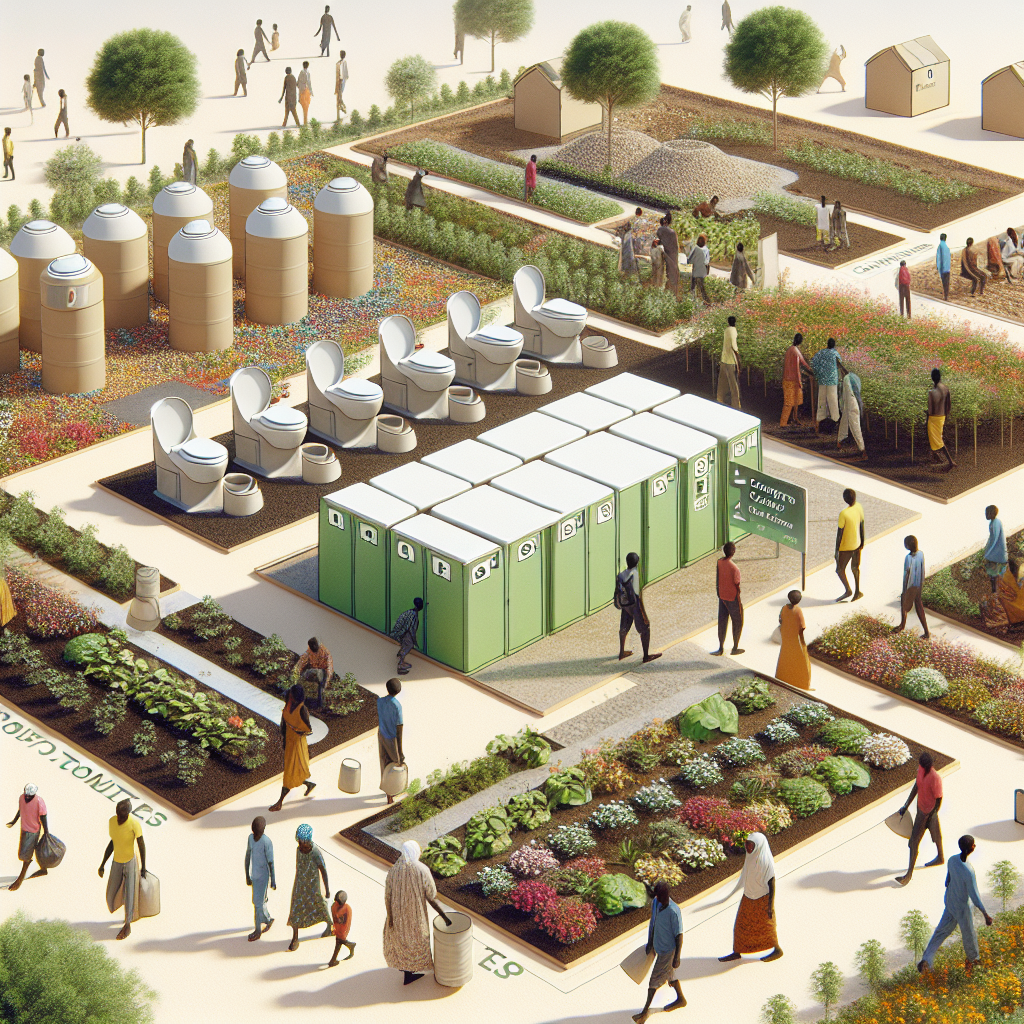
Ecological sanitation (EcoSan) is an innovative approach to managing human waste by transforming it into a valuable resource, rather than treating it as mere waste. This technique aims to close the nutrient loop by converting waste into fertilizer, thereby reducing contamination and promoting sustainable agriculture. In the context of refugee camps and temporary settlements, where traditional sanitation infrastructure is often inadequate or non-existent, EcoSan can offer a practical and environmentally friendly solution.
The pressing need for effective sanitation in refugee camps cannot be overstated. These settings are frequently marked by limited access to clean water and sanitation facilities, leading to the proliferation of waterborne diseases. Traditional sanitation methods often fall short due to the transient nature of such settlements, lack of resources, and environmental concerns. Enter EcoSan—a viable alternative that not only addresses these challenges but also provides long-term benefits.
Implementing EcoSan in refugee camps involves understanding specific context-related challenges and developing solutions tailored to these environments. We need to consider aspects such as cultural acceptance, technological feasibility, resource availability, and maintenance strategies to ensure the success and sustainability of EcoSan initiatives. This comprehensive guide will delve into the various implementation strategies that can be adopted to advance EcoSan in refugee camps and temporary settlements. From stakeholder engagement to technical planning and community training, we’ll cover all the essential aspects required for successful EcoSan implementation.
Stakeholder Engagement and Community Participation
Successful EcoSan implementation begins with strong stakeholder engagement and active community participation. Refugee camps are dynamic environments where cooperation between various stakeholders—such as camp management, local authorities, humanitarian organizations, and the refugees themselves—is critical. Establishing a collaborative approach ensures that the specific needs and concerns of all parties are addressed.
Initial steps in stakeholder engagement involve identifying and mapping out key stakeholders. Conducting workshops and information sessions can help raise awareness about EcoSan’s benefits and gather valuable input from the community. It is essential to build trust and establish communication channels that allow continuous feedback and improvement.
Community participation, particularly involving women and vulnerable groups, plays a crucial role in the acceptance and success of EcoSan facilities. These groups are often the most affected by inadequate sanitation, and their insights can offer practical solutions and foster greater ownership. Involving local leaders and influencers can also facilitate the adoption of new practices and technologies.
Additionally, promoting education and training programs for community members about the use and maintenance of EcoSan systems can ensure long-term sustainability. These programs should emphasize the health, environmental, and economic benefits of EcoSan. By making the community aware of how EcoSan can improve their quality of life, you foster a supportive environment for its implementation.
Technological Feasibility and Site Selection
The success of EcoSan in refugee camps hinges on selecting appropriate technologies and suitable sites for their implementation. Given the often resource-constrained settings of refugee camps, it is vital to choose technologies that are cost-effective, easy to install and maintain, and adaptable to local conditions.
There are various EcoSan technologies to consider, including composting toilets, urine-diverting dry toilets (UDDTs), and biogas toilets. Each of these technologies has unique benefits and requirements. For instance, UDDTs separate urine and feces at the source, facilitating their treatment and reuse. Composting toilets convert human waste into compost through aerobic decomposition, while biogas toilets produce biogas that can be used for cooking and lighting.
Site selection is another critical aspect of EcoSan implementation. Factors such as soil type, groundwater level, population density, and proximity to water sources must be considered. The site should be accessible yet sufficiently distant from living areas to prevent any potential health hazards. Conducting a thorough site assessment can help identify the most suitable locations for EcoSan facilities.
Additionally, considering climatic conditions and seasonal variations is essential in planning EcoSan facilities. The design and materials should be robust enough to withstand local weather patterns, ensuring continuous operation and safety. Collaboration with technical experts and local engineers can provide valuable insights into selecting appropriate technologies and sites, thereby enhancing the feasibility and sustainability of EcoSan systems.
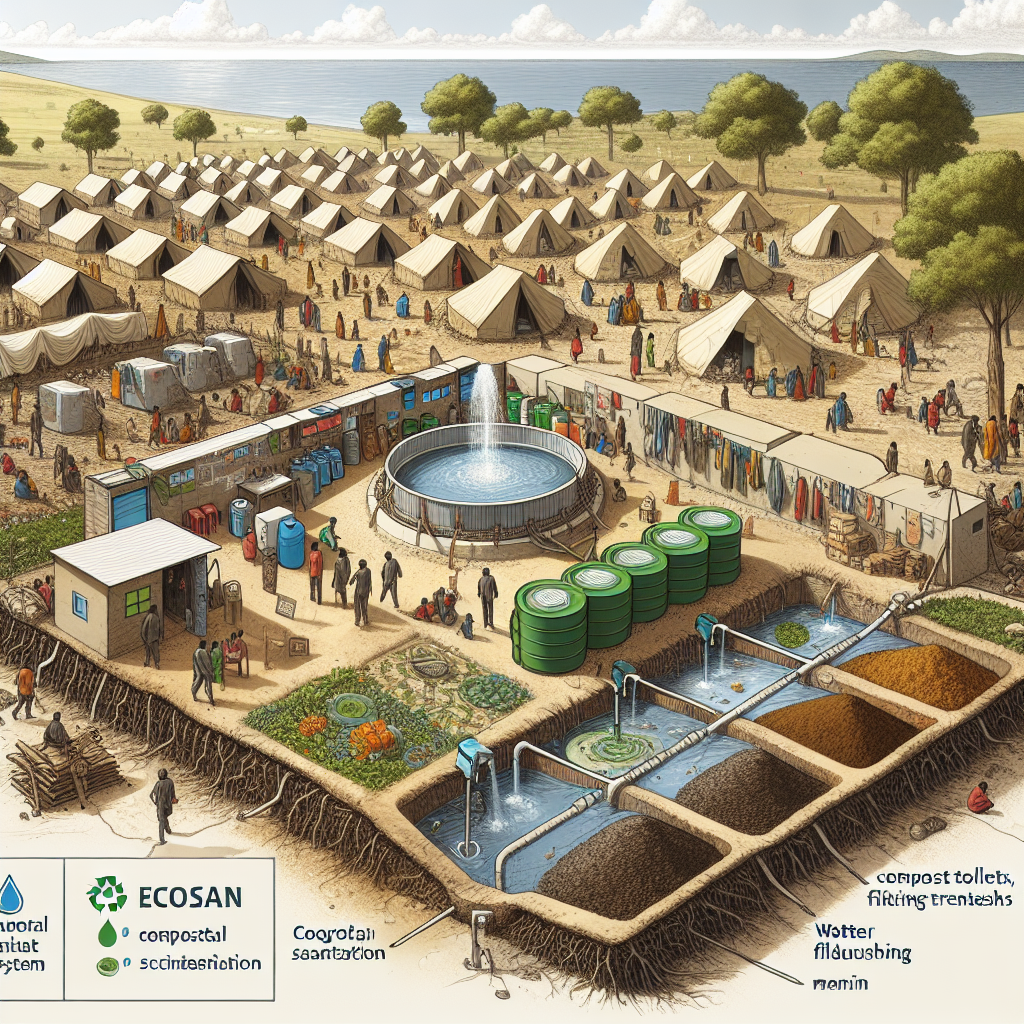
Resource Mobilization and Financial Planning
Implementing EcoSan in refugee camps requires adequate financial resources and strategic resource mobilization. Humanitarian organizations often face budget constraints, making it imperative to efficiently allocate and manage resources for EcoSan projects.
Securing funding from multiple sources—government agencies, international donors, non-governmental organizations (NGOs), and private sector partners—can diversify and enhance financial support. Developing comprehensive project proposals that highlight the multi-faceted benefits of EcoSan, including health improvements, environmental sustainability, and potential cost savings, can attract funding.
Budget planning should detail the costs associated with construction, operation, maintenance, and community training. Allocating funds for periodic monitoring and evaluation ensures the system’s efficiency and identifies areas requiring improvement. Incorporating cost-recovery mechanisms, such as charging minimal fees for the use of facilities, can also contribute to the financial sustainability of EcoSan projects.
Furthermore, exploring opportunities for public-private partnerships can bring in additional expertise and resources. Collaborating with businesses that specialize in waste management, agriculture, or renewable energy can lead to innovative solutions and reduce the financial burden on humanitarian agencies. Resource mobilization should also include in-kind contributions, such as material donations and volunteer labor, to maximize available resources for EcoSan implementation.
Training and Capacity Building
Capacity building and training are vital components of EcoSan implementation. Empowering refugees and camp personnel with the skills and knowledge required to operate and maintain EcoSan systems ensures their long-term functionality and success.
Training programs should cover various aspects of EcoSan, including proper usage, routine maintenance, waste collection and processing, and health and hygiene education. These programs can be delivered through workshops, hands-on demonstrations, and educational materials such as pamphlets and videos.
Building local capacity involves training a core group of community members to act as EcoSan champions. These trained individuals can assist in the day-to-day management of EcoSan facilities, conduct peer education sessions, and provide support to users. Establishing a maintenance committee within the community can further ensure the regular upkeep and monitoring of the facilities.
Collaborating with local institutions, such as schools and health centers, can extend the reach of training programs and promote broader community engagement. Establishing networks with technical experts and professionals can provide continuous support and address technical challenges that may arise. Investing in capacity building creates a knowledge base within the community, promoting ownership and sustainability of EcoSan projects.
Monitoring and Evaluation
Continuous monitoring and evaluation (M&E) are essential for assessing the effectiveness and impact of EcoSan systems in refugee camps. A robust M&E framework ensures that the objectives of EcoSan projects are met and provides valuable insights for future initiatives.
Key performance indicators (KPIs) should be established to measure various aspects of EcoSan implementation, such as usage rates, maintenance frequency, user satisfaction, and health outcomes. Regular data collection through surveys, field observations, and community feedback sessions provides evidence-based information on system performance.
Periodic evaluations help identify successes, challenges, and areas for improvement. Ensuring community involvement in M&E processes allows for a more comprehensive understanding of the project’s impact and sustainability. It is important to share findings with all stakeholders to maintain transparency and accountability.
Utilizing digital tools and technologies can enhance the efficiency and accuracy of M&E activities. Mobile applications for data collection, geographic information systems (GIS) for mapping, and remote sensors for monitoring can provide real-time data and streamline the M&E process. Incorporating adaptive management practices, where M&E findings inform decision-making and modifications, ensures the continuous improvement and relevance of EcoSan systems.
Conclusion
EcoSan presents a transformational opportunity to address the critical sanitation needs in refugee camps and temporary settlements. By rethinking traditional sanitation approaches, EcoSan offers sustainable solutions that benefit both the environment and the community.
The successful implementation of EcoSan in refugee camps requires a multifaceted strategy, encompassing stakeholder engagement, technological feasibility, resource mobilization, capacity building, and robust monitoring and evaluation. Through active participation and collaboration between all stakeholders, EcoSan can significantly improve public health, enhance environmental sustainability, and provide agricultural benefits.
As we advance EcoSan implementation, it is vital to remain adaptive and culturally sensitive, ensuring that proposed solutions are well-suited to the unique conditions of each settlement. Empowering communities through education and capacity building fosters ownership and promotes the long-term success of EcoSan initiatives.
In conclusion, EcoSan represents more than just a sanitation solution; it symbolizes a shift towards more sustainable and resilient practices in addressing humanitarian crises. By embracing EcoSan, we pave the way for healthier, safer, and more dignified living conditions for refugees and displaced populations worldwide.