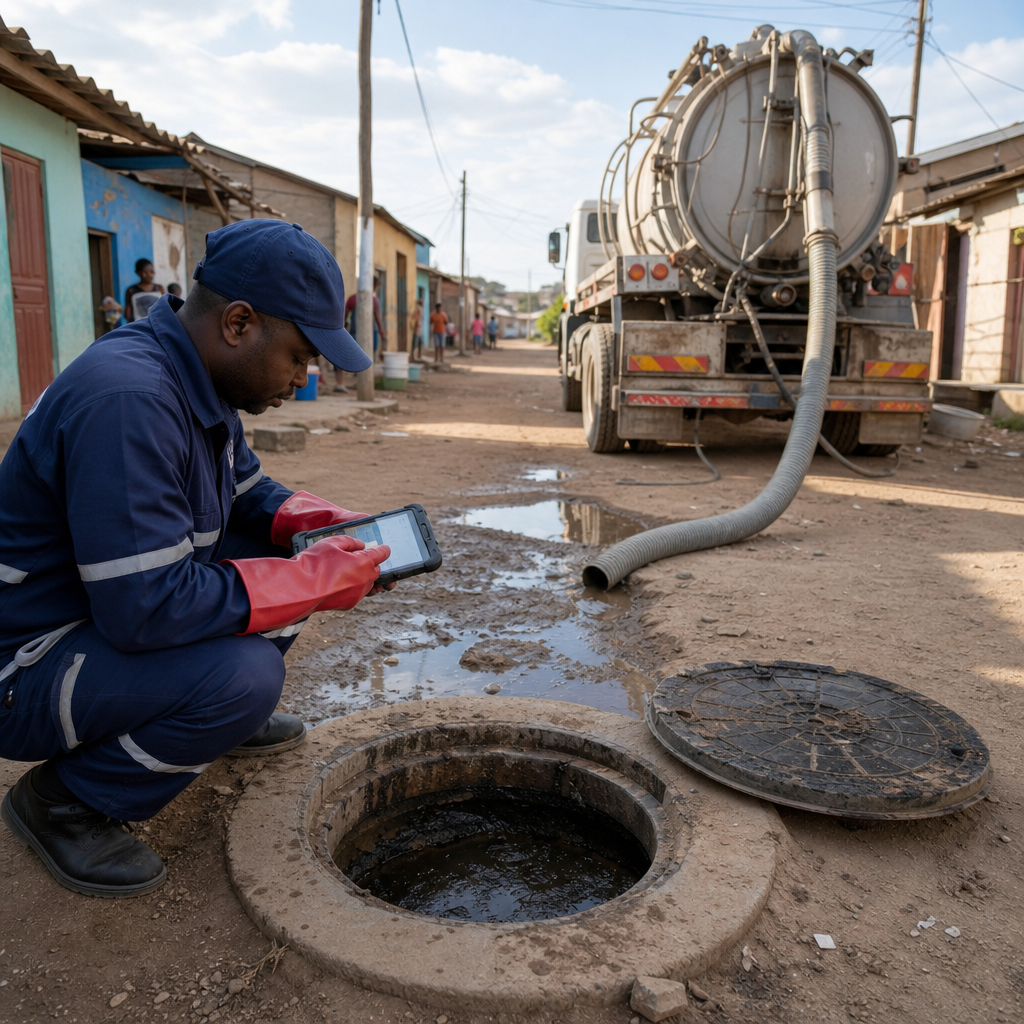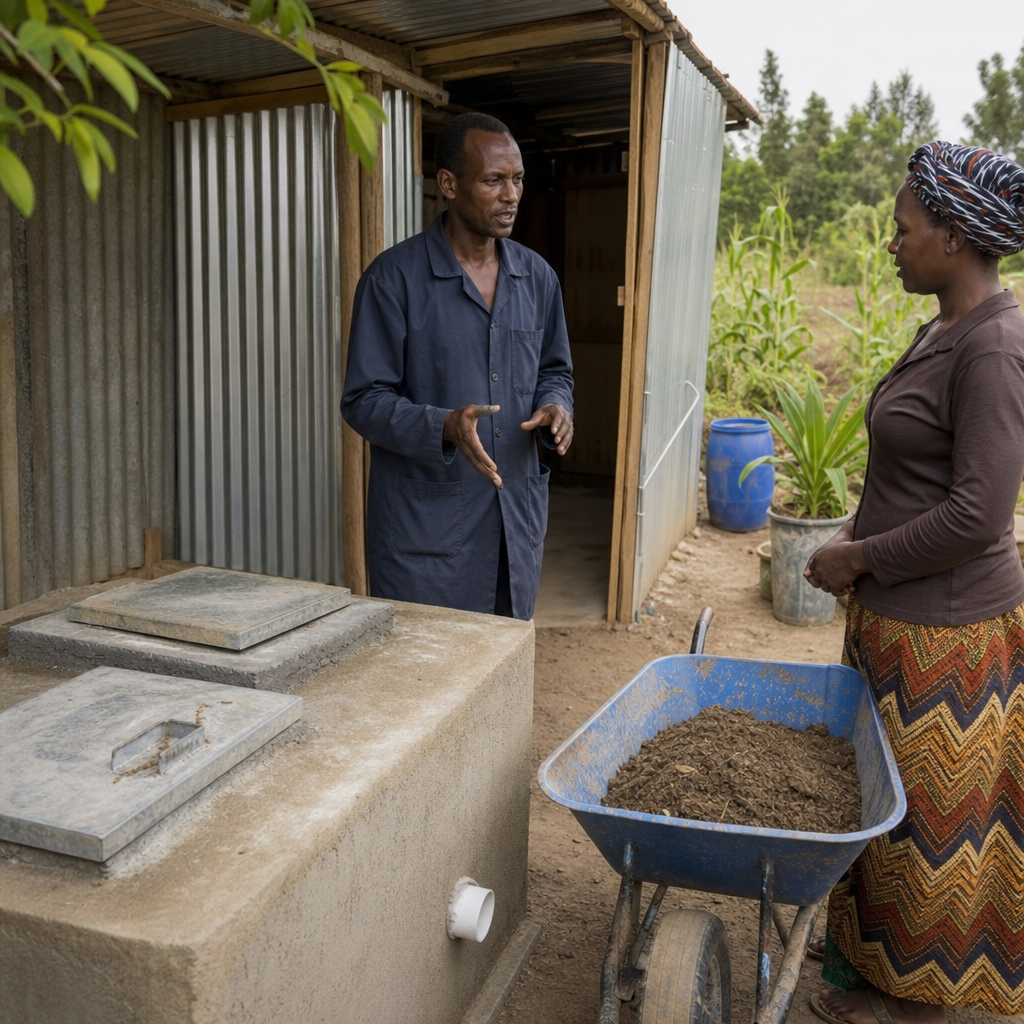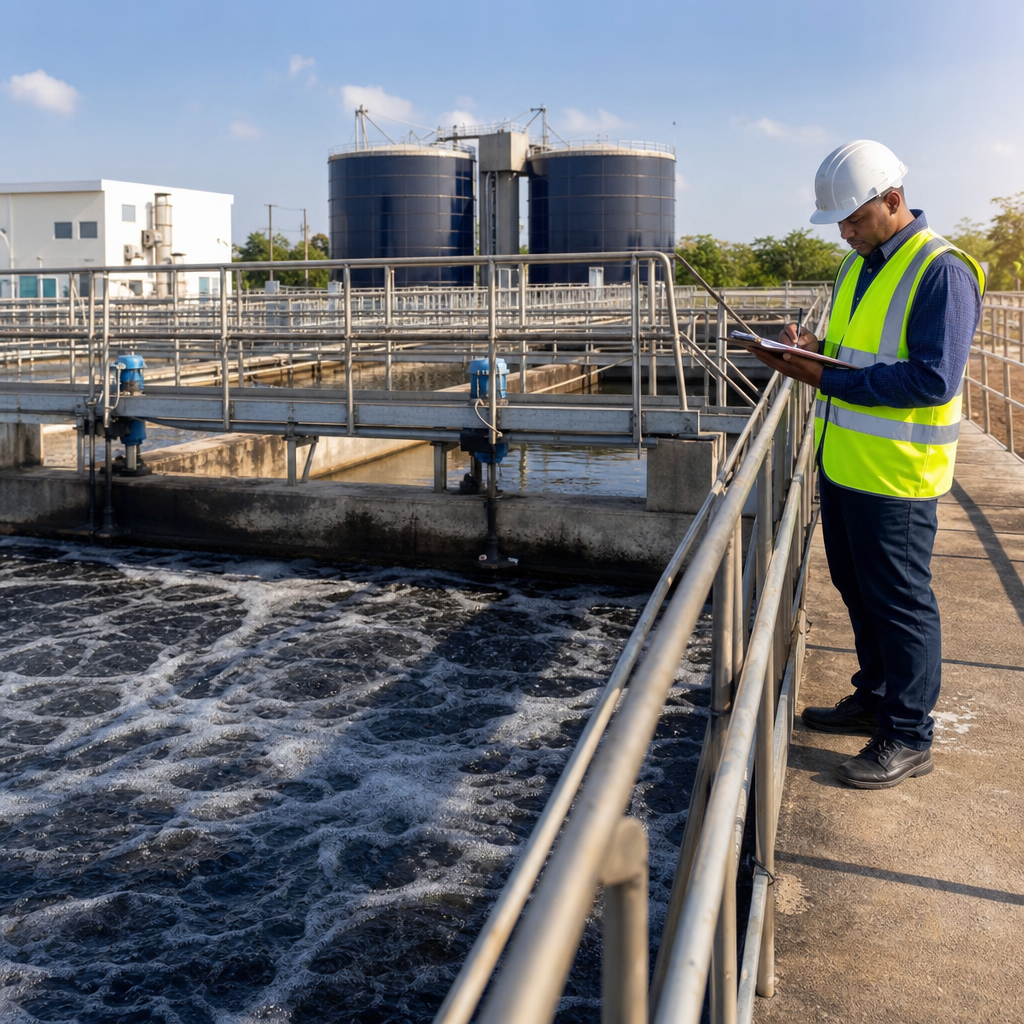
The financial sustainability of sanitation systems determines whether toilets, treatment units, collection services, and reuse markets keep working long after construction crews leave. In the EcoSan context, financial sustainability means designing sanitation so that capital costs, operating expenses, maintenance, replacement, and governance can be funded without constant emergency subsidies. I have worked on sanitation business cases where a well-built system failed within three years because no one had budgeted for sludge transport, spare parts, operator wages, or user support. That experience shapes a simple conclusion: sanitation succeeds economically when planners treat it as a service chain, not a one-time infrastructure project.
EcoSan, short for ecological sanitation, aims to recover nutrients, organic matter, water, and energy from human waste while protecting health and the environment. Common EcoSan approaches include urine-diverting dry toilets, composting toilets, container-based sanitation, decentralized wastewater treatment, and systems that turn sludge into compost, briquettes, or biogas. Economic sustainability in EcoSan is broader than affordability. It asks who pays, when they pay, how cash flows through the service chain, and whether recovered resources can offset costs without creating health risks or unrealistic market assumptions.
This matters because sanitation is a classic public-good challenge with private-use behavior. Households value convenience and privacy, municipalities need disease control and cleaner waterways, farmers may benefit from recycled nutrients, and utilities seek predictable revenue. Yet costs and benefits fall on different actors at different times. A toilet owner may not capture the downstream value of safer sludge treatment, and a treatment operator may not profit from reduced public-health spending. Financially sustainable sanitation systems align those incentives through tariffs, taxes, transfers, cross-subsidies, and viable reuse markets.
For an EcoSan hub article, the key question is direct: what makes ecological sanitation financially sustainable at household, community, city, and market levels? The answer combines lifecycle costing, realistic demand assessment, sound tariff design, risk management, and evidence-based decisions about resource recovery. Systems that ignore full costs usually degrade into broken toilets, unsafe emptying, and underused treatment plants. Systems that price services carefully, support vulnerable users, and build reliable end markets are more likely to endure.
Lifecycle costing: the foundation of financial sustainability
The first principle in economic sustainability in EcoSan is full lifecycle costing. In practice, that means counting more than construction. Every sanitation option has capital expenditure, operations and maintenance, major repairs, emptying or collection, transport, treatment, monitoring, compliance, administration, and eventual rehabilitation or decommissioning. I routinely separate these costs because decision-makers often approve an attractive low-capex option that becomes expensive once labor and logistics are visible.
For example, a urine-diverting dry toilet may require lower water infrastructure costs than sewer expansion, but it can impose regular expenses for user training, consumables such as cover material, vault emptying, and safe storage of recovered products. A decentralized treatment plant may be cheaper than a conventional centralized sewer in low-density settlements, yet power demand, operator competency, and spare-part availability can determine long-term viability. The correct comparison is not toilet versus toilet; it is service chain versus service chain over ten to twenty years.
Sanitation economists commonly use lifecycle cost analysis, net present value, and discounted cash flow to compare options. Discount rates matter. A high discount rate favors lower upfront costs and can make preventive maintenance look less attractive than it really is. Inflation also matters, especially in economies where fuel, imported equipment, and construction materials fluctuate sharply. A robust business case stress-tests costs under realistic scenarios rather than assuming stable prices and perfect payment behavior.
Financial sustainability also depends on asset management. Pumps, pipes, sealed containers, drying beds, and composting structures have different replacement cycles. If these future liabilities are not reflected in reserve funds or depreciation planning, systems fail suddenly and expensively. A financially sound EcoSan program therefore links technology choice to local maintenance capacity, supply chains, and operator skill, not just to engineering performance on paper.
Revenue models, tariffs, and the limits of cost recovery
The next issue is how sanitation services generate dependable revenue. In EcoSan, revenue can come from user fees, municipal budgets, national transfers, donor grants, climate or carbon finance in limited cases, and the sale of recovered products. Most successful systems combine several sources because expecting full cost recovery from poor households alone is rarely realistic. The sanitation service chain produces social benefits that justify public financing, particularly for treatment, oversight, and safe disposal.
Tariff design should match the service provided. A one-time toilet sale works for hardware distribution but not for emptying, collection, transport, treatment, and customer support. Subscription models are often stronger for container-based sanitation because they convert irregular payments into predictable monthly revenue and create accountability for service quality. Pay-per-emptying may suit on-site systems where usage is infrequent, but it can also encourage households to delay service and resort to unsafe dumping when fees feel unaffordable.
Cross-subsidies can improve viability. Commercial premises, higher-income neighborhoods, or water bills can subsidize low-income sanitation services when regulation permits. Municipal sanitation levies are another option, especially where direct user charging is politically difficult. The practical rule is simple: revenue collection must be easy, transparent, and socially acceptable. If billing is confusing or disconnected from service quality, collection rates fall quickly.
Recovered resources can help, but they seldom finance the entire system. Urine can offset part of fertilizer expenditure if farmers trust its quality and nutrient consistency. Compost and co-composted biosolids can generate revenue where agriculture, landscaping, or land restoration markets exist. Briquettes from dried fecal sludge may compete with charcoal in specific settings, but drying, pathogen reduction, and distribution costs can be substantial. Biogas systems can reduce fuel purchases for institutions, yet gas yields depend heavily on feedstock quality, retention time, and maintenance discipline. In my experience, reuse income is best treated as a supporting revenue stream, not the single pillar of the business model.
Comparing EcoSan financial models across service chains
Different EcoSan service chains produce very different financial profiles. The table below summarizes common patterns seen in project appraisal and municipal planning.
| EcoSan model | Main cost drivers | Typical revenue sources | Key financial risk | Best-fit context |
|---|---|---|---|---|
| Urine-diverting dry toilets | User training, vault emptying, consumables, product handling | Household payments, targeted subsidies, fertilizer substitution | Low user acceptance or poor separation quality | Water-scarce areas, rural and peri-urban settings |
| Container-based sanitation | Frequent collection, logistics, labor, transfer stations, treatment | Monthly subscriptions, philanthropy, municipal contracts, compost sales | High last-mile service costs and weak payment discipline | Dense informal settlements with limited space and access |
| Decentralized wastewater treatment | Civil works, electricity, skilled operators, sludge management | User tariffs, property fees, institutional budgets, water reuse | Underfunded O&M and technical downtime | Housing estates, campuses, small towns |
| Fecal sludge to compost or fuel | Collection, transport, drying, quality control, marketing | Tipping fees, municipal support, product sales | Weak end-market demand and quality assurance failures | Cities with active agriculture or fuel markets |
The main lesson is that no model is universally cheapest. Density, road access, groundwater conditions, agricultural demand, labor costs, and governance quality can change the ranking entirely. A financially sustainable sanitation system is context-matched, not copied from another city because it looked innovative.
Demand, affordability, and willingness to pay
Economic sustainability in EcoSan depends on demand that is measured honestly. Stated willingness to pay in surveys often exceeds actual payment behavior once households face monthly bills, repairs, or inconvenient service schedules. That is why revealed preference matters: what do users already pay for pit emptying, water hauling, fuel, fertilizer, or waste collection, and how reliable are those payments? This baseline provides a more realistic anchor for tariff setting than aspirational survey answers.
Affordability analysis should distinguish between connection or installation costs and recurring service fees. Many households can manage small regular payments but cannot afford a large upfront investment. Microfinance, supplier credit, savings groups, output-based aid, and targeted subsidies can bridge this gap. However, credit only works when repayments match cash-flow patterns. Seasonal agricultural incomes, informal labor, and gendered control over household spending all influence whether a sanitation loan is practical.
User acceptance also has economic consequences. If urine diversion is misunderstood, contamination increases and product value falls. If a composting toilet requires behavior change that users reject, maintenance costs rise and abandonment becomes likely. In projects I have reviewed, the cheapest way to protect financial performance was often not a cheaper toilet but better user engagement, follow-up visits, and customer service. Small investments in behavior support can prevent large losses in asset value and service revenue.
Targeting is equally important. Universal subsidies often benefit better-off households first because they are more able to apply, co-finance, or navigate administrative systems. Smart subsidy design focuses public money on outcomes that markets underprovide: safe treatment, service access for low-income users, disability-inclusive design, and neighborhood-level environmental protection.
Resource recovery markets and how to make them bankable
Resource recovery is central to EcoSan, but markets must be developed with commercial discipline. A compost or urine reuse program becomes bankable only when product quality, logistics, regulation, and buyer trust are managed systematically. Farmers do not buy because a project calls something circular; they buy because nutrient content is known, pathogen risk is controlled, the product is available on time, and the price competes with alternatives.
That means setting specifications, testing inputs and outputs, and documenting treatment performance. Standards from the World Health Organization on sanitation and safe reuse, along with national fertilizer and biosolids regulations where they exist, provide the basis for quality assurance. Without this, a single product failure can destroy market confidence. Packaging, branding, and extension support also matter. Demonstration plots frequently outperform brochures because they let farmers compare yield, soil structure, and application methods directly.
Market segmentation improves financial performance. High-value horticulture may pay for concentrated, reliable products, while broad-acre farming may only absorb lower-priced bulk compost near treatment sites. Municipal landscaping, reforestation, and land rehabilitation can provide anchor demand when private markets are immature. Offtake agreements with institutions reduce sales volatility and strengthen cash-flow projections. Even then, prudent planning assumes conservative sales volumes and includes contingencies for unsold inventory.
Governance, risk allocation, and investment readiness
Financial sustainability ultimately depends on governance. Someone must own assets, collect revenue, enforce service standards, monitor public health, and finance gaps that markets will not cover. Clear institutional roles reduce duplication and revenue leakage. In many cities, the biggest economic problem is not technology but fragmented mandates between utilities, public health departments, environment agencies, and local governments.
Risk allocation should follow control. Households can manage routine toilet use, but they cannot regulate pathogen standards at treatment plants. Municipalities can support treatment and oversight, while private operators may efficiently handle collection, transport, and customer service under performance-based contracts. Public-private partnership structures can work in EcoSan when payment triggers are tied to verified service outputs, not merely asset construction.
For investors and public funders, bankability requires evidence. Feasibility studies should include demand analysis, route optimization for collection, sensitivity testing, market studies for recovered products, regulatory review, and operator staffing plans. Key indicators include operating ratio, collection efficiency, customer retention, treatment compliance, asset uptime, and percentage of costs covered by recurring revenue. These metrics turn sanitation from a vague social program into a managed service business with public value.
Climate resilience is now part of financial planning as well. Flooding can disrupt containment and transport, drought can make dry systems more attractive, and energy price volatility can undermine treatment processes that depend on constant power. Resilient design protects balance sheets as much as infrastructure.
The financial sustainability of sanitation systems is not achieved by choosing the cheapest toilet or assuming resource recovery will pay for everything. It is achieved by financing the full service chain over time, matching technology to local operating capacity, setting tariffs that people can and will pay, and using public funds strategically where social benefits exceed private returns. EcoSan strengthens this case because it can convert waste liabilities into usable products, but only when quality assurance, logistics, and market demand are managed with discipline.
For decision-makers working on economic sustainability in EcoSan, the practical priorities are clear: calculate lifecycle costs, separate capital from operating finance, design blended revenue models, verify demand with real payment data, and treat reuse income conservatively until markets are proven. Build governance around clear roles, transparent contracts, and measurable performance. When these elements are in place, sanitation systems are more likely to remain safe, inclusive, and operational year after year.
Use this hub as your starting point for deeper work on tariffs, subsidy design, fecal sludge business models, reuse market development, and municipal sanitation finance. The strongest next step is simple: review your current sanitation option as a complete service chain, then test whether its long-term costs, revenues, and responsibilities truly add up.
Frequently Asked Questions
What does financial sustainability mean in sanitation systems?
Financial sustainability in sanitation means a system can keep functioning reliably over time because the money needed to run it is built into the design from the start. That includes far more than initial construction. A financially sustainable sanitation system has a realistic plan for capital investment, routine operations, preventive maintenance, repairs, replacement of parts, labor, transport, treatment, administration, regulation, and long-term asset renewal. In practical terms, it means toilets stay usable, collection continues on schedule, treatment units keep operating, and the institutions managing the service do not collapse as soon as donor funding or emergency support disappears.
In the EcoSan context, this is especially important because sanitation is not a one-time infrastructure product; it is an ongoing service chain. A toilet can be well built and still fail if there is no budget for emptying, no revenue for operators, no market for recovered products, or no governance structure to collect and manage funds. Financial sustainability therefore requires matching technology choices to local payment capacity, service delivery models, and the real costs of keeping the whole system alive. If any one part of that chain is unfunded, the system becomes vulnerable, even if it looked successful at commissioning.
Why do sanitation systems often fail financially after they are built?
Many sanitation systems fail financially because project planning focuses heavily on construction and far too little on lifecycle costs. It is common to secure funding for toilets, tanks, treatment units, or vehicles, but not for the recurring expenses that begin immediately after installation. These include fuel, operator wages, spare parts, desludging, water, electricity, cleaning materials, monitoring, billing, supervision, and eventual replacement of worn-out equipment. When those costs are underestimated or ignored, the system can appear affordable on paper but become unmanageable within a few years.
Another common reason is weak institutional ownership. If responsibility for paying, maintaining, and enforcing service standards is unclear, assets deteriorate quickly. Households may assume the municipality will pay, municipalities may expect users to cover full costs, and private operators may withdraw if tariffs are too low to sustain service. In addition, sanitation systems often depend on fragile revenue assumptions, such as expecting all users to pay on time or assuming that compost, biogas, or nutrient products will generate significant income immediately. Reuse can add value, but in most settings it takes time to build reliable demand, quality control, logistics, and trust. Financial failure usually comes from this mismatch between optimistic assumptions and the everyday economics of operating a sanitation service.
How can planners design a sanitation system that remains affordable and functional in the long term?
Long-term affordability starts with honest costing. Planners should calculate the full lifecycle cost of the entire sanitation chain, not just the visible construction phase. That means including capital expenditure, operating expenditure, maintenance, major repairs, asset replacement, administration, training, customer support, regulatory compliance, and contingency reserves. Once those costs are clear, the next step is to identify who will pay which portion: households, landlords, utilities, local government, national subsidies, businesses, or development partners. Systems are much more resilient when financing responsibilities are explicit rather than assumed.
Technology selection is also critical. A financially sustainable system is not necessarily the cheapest to build; it is the one that communities and service providers can realistically afford to operate year after year. In some contexts, lower-maintenance decentralized options may outperform more complex systems that depend on imported parts or highly specialized technicians. In others, container-based collection, scheduled desludging, or clustered treatment may be more financially viable than household-level solutions. Strong planning also includes tariff design, targeted subsidies for low-income users, asset management plans, operator training, and performance monitoring. The most successful sanitation systems are designed as service businesses with public health goals, not as standalone construction projects.
Can resource recovery and reuse make sanitation systems financially sustainable on their own?
Resource recovery can improve financial sustainability, but it rarely covers all sanitation costs on its own. In EcoSan systems, recovered compost, urine-derived fertilizers, treated water, energy, or other by-products can create useful revenue streams and reduce waste management costs. However, these benefits depend on reliable product quality, safe handling, market demand, transport logistics, branding, regulation, and customer confidence. Without those conditions, expected revenue may remain small or inconsistent, and relying on it too heavily can put the entire system at risk.
The more realistic approach is to view reuse as one component of a diversified financial model. Reuse revenues can help offset operating expenses, improve cost recovery, and strengthen the business case, especially where agriculture is active and supply chains are close to end users. But sanitation systems still usually need a mix of user fees, public funding, cross-subsidies, or service contracts to remain stable. The key is to avoid building a financial plan on overly optimistic sales projections. If reuse succeeds, it can add resilience and value. If it is treated as the sole engine of sustainability before the market is proven, it can become a source of financial disappointment rather than strength.
What are the most important financial indicators to track in a sanitation system?
The most important indicators are the ones that show whether the system can continue delivering service without falling into deferred maintenance or sudden breakdown. At a minimum, managers should track cost recovery levels, operating ratio, collection efficiency, maintenance spending, downtime, revenue reliability, and reserve funds for major repairs and replacements. They should also monitor whether tariffs are covering routine service costs, whether subsidy flows are predictable, and whether operators are being paid enough to maintain quality. If these indicators are not reviewed regularly, financial stress often remains hidden until service standards collapse.
It is also important to track indicators across the full sanitation chain rather than only at the toilet level. For example, a household facility may appear functional while transport, treatment, sludge management, or reuse operations are losing money and deteriorating. Asset age, replacement schedules, nonpayment rates, customer retention, desludging frequency, treatment unit performance, and reuse sales are all part of the real financial picture. Strong financial sustainability comes from linking technical performance with financial monitoring. When managers know both what the system costs and how well it is performing, they can adjust tariffs, improve efficiency, target subsidies, and prevent the kind of avoidable failures that often occur a few years after construction.