Sustainable waste management sits at the center of modern sanitation policy because the way cities collect, treat, recover, and dispose of waste determines public health outcomes, environmental quality, and economic resilience. In practice, sustainable waste management means designing systems that protect people from exposure to pathogens and pollutants while reducing landfill dependence, conserving materials, and lowering greenhouse gas emissions. It covers municipal solid waste, sewage sludge, organic waste, plastics, healthcare waste, informal dumping, and the infrastructure that connects households, businesses, utilities, and regulators. When I have worked with municipal planning teams on sanitation strategy, the first lesson has always been the same: waste is not a side issue. It is the operating system behind clean neighborhoods, safe water, climate action, and dignified urban life.
This matters globally because sanitation challenges are expanding faster than many service systems can adapt. Rapid urbanization, population growth, tourism, industrialization, and climate stress are increasing waste volumes and exposing weaknesses in collection, treatment, and governance. According to the World Bank, global municipal solid waste generation is projected to rise significantly by 2050, with the fastest growth in low and middle income countries. At the same time, the World Health Organization and UNICEF continue to document major gaps in safely managed sanitation, especially where fecal sludge management and wastewater treatment are underdeveloped. Poor waste handling does not stay local. It contaminates groundwater, carries disease, clogs drainage channels, worsens flooding, releases methane, and pushes plastics into rivers and oceans.
As a hub for tackling sanitation challenges on a global scale, this article maps the field clearly. It explains what effective systems look like, why some countries achieve high recovery rates, how cities can move from open dumping to circular management, and where tradeoffs must be managed honestly. It also connects the sanitation conversation across household behavior, public finance, regulation, worker safety, treatment technology, and climate policy. Global practices offer useful models, but no single template works everywhere. The strongest results come from adapting proven principles to local realities: reliable collection, source separation, treatment capacity, producer responsibility, transparent data, and long term funding. Understanding those principles is the foundation for better sanitation outcomes worldwide.
Why sanitation challenges begin with system design
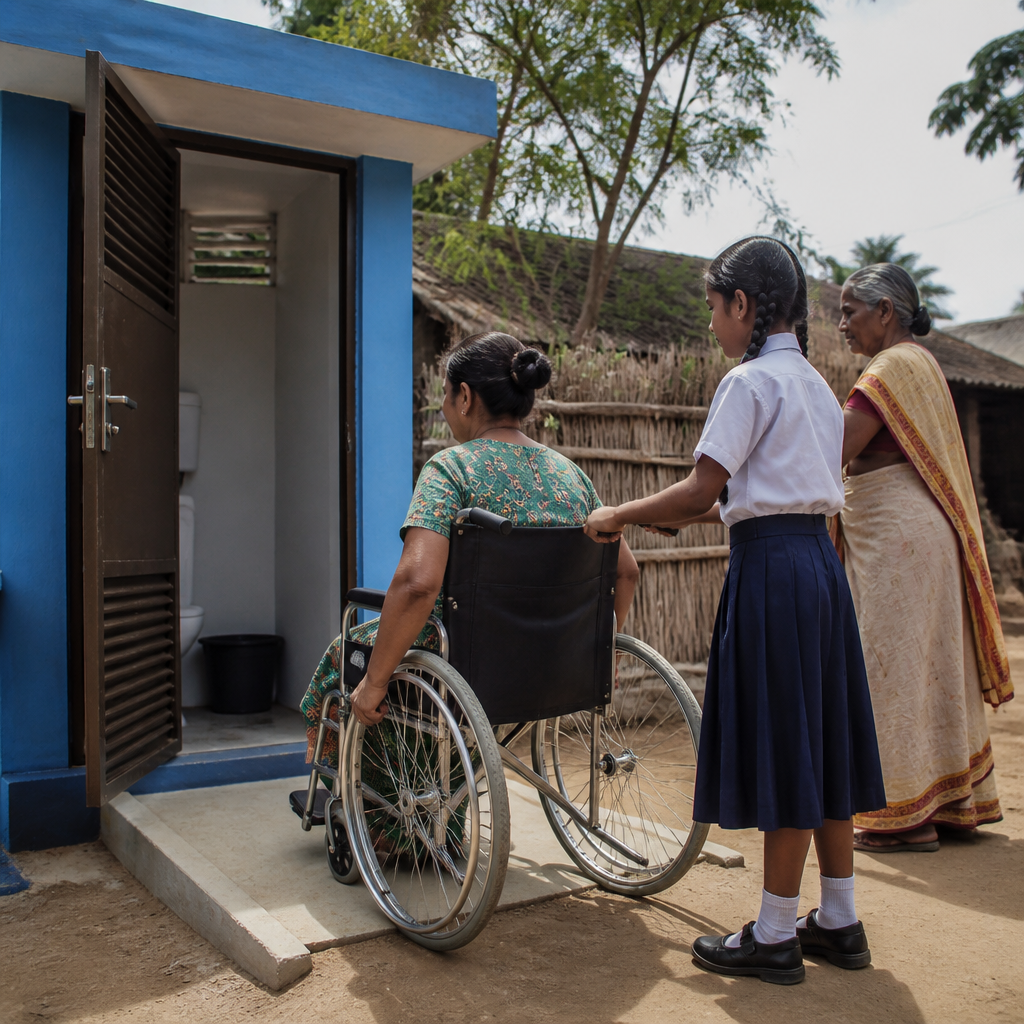
Sanitation failures are often described as behavior problems, but in most cities they are system design problems first. If bins are absent, collection is irregular, transfer stations are overloaded, and disposal sites are unsafe, even motivated residents cannot maintain hygienic conditions. A sustainable system begins with universal service coverage, which means every household, market, school, clinic, and business has a practical path for waste storage, collection, and treatment. That sounds basic, yet uneven coverage is one of the main reasons waste accumulates in vacant lots, waterways, and informal settlements.
Good design also separates waste streams because different materials create different risks and opportunities. Organics can be composted or digested. Recyclables need sorting and market access. Fecal sludge requires safe emptying, transport, treatment, and end use or disposal. Healthcare waste demands strict segregation and controlled treatment to prevent infection. When these streams are mixed, costs rise and recovery rates fall. I have seen cities spend heavily on landfill expansion while ignoring segregation, only to discover that wet mixed waste destroys the economics of recycling and generates uncontrolled leachate. Separation at source is not a cosmetic upgrade. It is the technical basis for sanitation efficiency.
Governance is the next design layer. Clear institutional roles matter more than ambitious slogans. One agency may regulate, another may collect, a utility may treat wastewater, and private operators may transport waste or manage materials recovery. Without defined accountability, service gaps multiply. The best performing cities set service standards, track route completion, publish diversion and contamination data, and tie contractor payment to measurable outcomes. They also align sanitation planning with land use, drainage, and public health. Waste trucks need road access. Transfer stations need buffers from residences. Treatment facilities need power, water, permits, and trained operators. Sustainable waste management succeeds when infrastructure and institutions are planned together.
What leading global practices teach
High performing waste systems around the world share several practical features. They prioritize prevention, make recycling easy, recover organics, enforce disposal standards, and treat landfill as the last option rather than the default. Germany is frequently cited because its packaging rules, deposit return systems, and household sorting norms support high material recovery. South Korea transformed food waste management by requiring separation, charging households based on quantity in many districts, and expanding composting and anaerobic digestion. Sweden combines high collection coverage with energy recovery, though its model works best where district heating infrastructure already exists. Japan demonstrates meticulous source separation and strong municipal discipline, while Rwanda has shown how national regulation and public order can sharply reduce plastic bag pollution.
These examples are useful, but context matters. A city with informal settlements, seasonal flooding, and weak tax collection cannot copy a high income system line for line. What can be transferred are the operating principles: keep waste visible in policy, assign responsibility clearly, build public compliance through convenience and enforcement, and use data to improve routes and treatment performance. In lower income settings, community based collection, transfer points, micro franchising, and support for informal recyclers may deliver better results than capital intensive systems introduced too quickly. In dense cities, collection frequency and container design may matter more than advanced sorting technology at the start.
| Country or city practice | Main method | Sanitation lesson |
|---|---|---|
| South Korea | Mandatory food waste separation and volume based fees | Organics diversion reduces landfill methane and improves cleanliness |
| Germany | Producer responsibility and deposit return systems | Policy can increase recovery when consumers have simple return options |
| Japan | Detailed household sorting rules | Clear guidance lowers contamination and supports municipal efficiency |
| Kigali | Strong plastic restrictions and visible enforcement | Consistent regulation can change public behavior quickly |
| Pune | Integration of waste picker cooperatives | Inclusive systems can improve recovery and protect livelihoods |
One lesson stands out from every successful case: sanitation improves when policy, finance, and operations reinforce each other. Cities do not reach sustainable waste management through awareness campaigns alone. They do it by matching legal obligations with collection infrastructure, contracts, treatment capacity, and stable budgets. That is why global practice should be read less as a catalog of technologies and more as evidence about institutional discipline.
Collection, segregation, and safe treatment across the sanitation chain
The sanitation chain starts where waste is generated and ends only when materials are safely recovered or disposed of. Every break in that chain creates public health risk. For municipal waste, the first priority is reliable primary collection. Missed pickups increase rodent activity, open burning, and dumping in drains. Route optimization software from providers such as AMCS, SAP, and GIS based municipal systems can improve fuel use and service reliability, but technology only works when fleets are maintained and supervisors verify completion. In many cities, basic operational discipline produces larger gains than expensive equipment purchases.
Segregation is the second priority. A simple three stream model often works best at scale: organics, dry recyclables, and residual waste. Additional categories can be added for glass, e waste, or household hazardous waste where markets and public understanding support them. Color coded containers, standardized labels, and repeated outreach increase compliance. Pay as you throw systems can reduce waste generation, but they must be designed carefully to avoid illegal dumping. The most effective programs pair incentives with enforcement and convenient service access.
Treatment must fit the composition of local waste. In many low and middle income countries, municipal waste contains a high organic fraction and moisture content, which makes composting and anaerobic digestion more suitable than mass burn incineration. Compost quality, however, depends on clean feedstock. If plastics and metals contaminate organics, the final product loses agricultural value. Anaerobic digestion can produce biogas and digestate, but it requires operator skill, pre processing, and stable feed. Residual disposal still matters. Even advanced systems need engineered landfills with liners, leachate control, gas management, and environmental monitoring. Open dumps are not a low cost option once disease burden, groundwater damage, and fire risk are counted honestly.
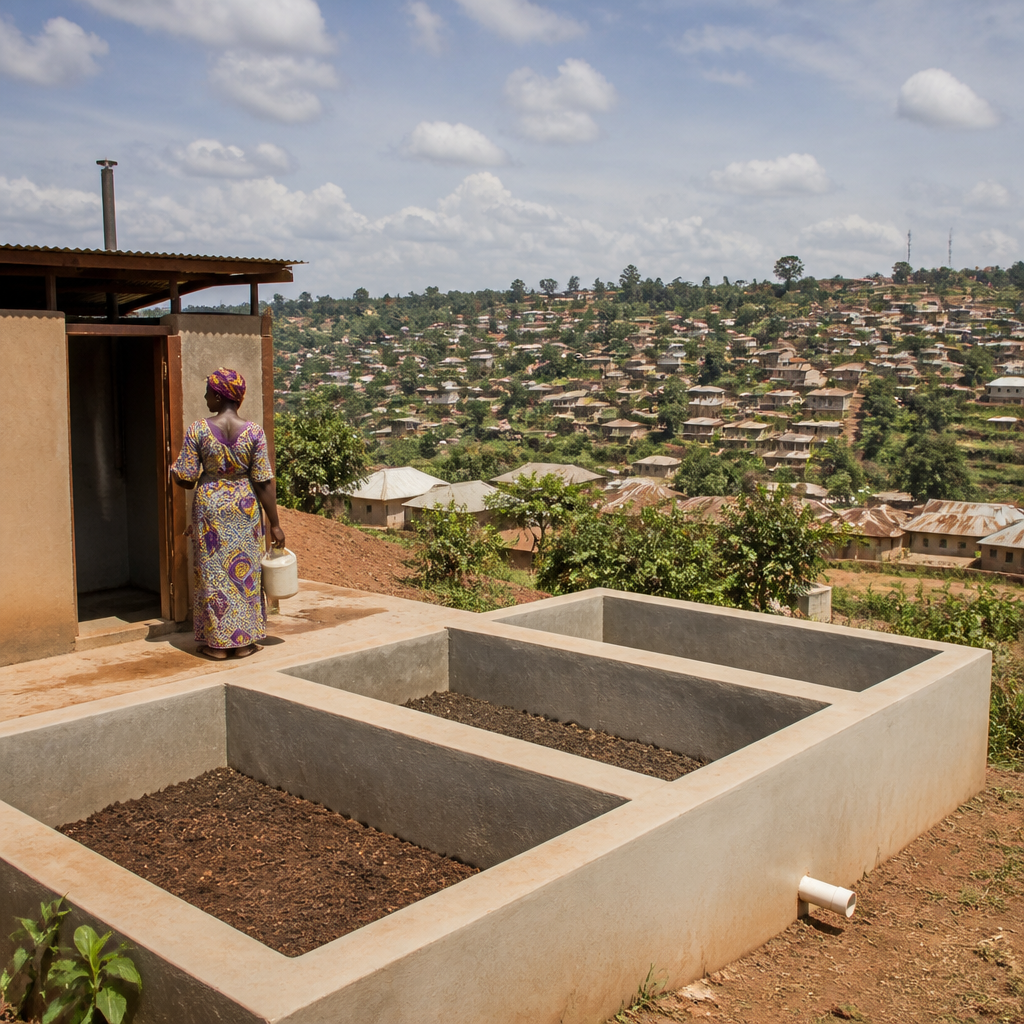
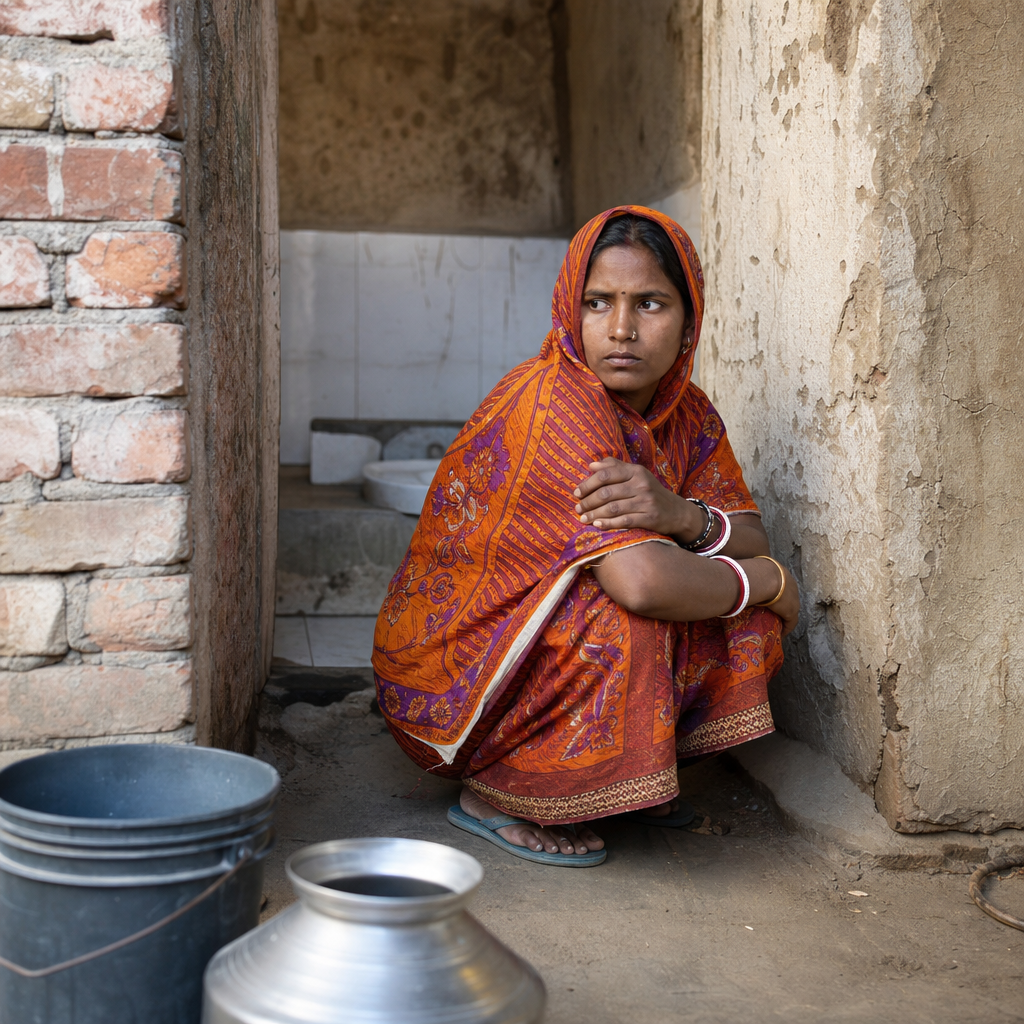
Sanitation also includes human waste management beyond sewers. In many rapidly growing cities, onsite sanitation such as pit latrines and septic tanks serves large populations. If sludge is dumped untreated, the public health consequences can be severe. Safely managed sanitation requires licensed emptying services, transfer logistics, fecal sludge treatment plants, and enforceable disposal protocols. Cities in Bangladesh, Senegal, and India have piloted scheduled desludging and treatment models that reduce unsafe discharge. These systems deserve more attention because sewer expansion alone will not solve sanitation gaps quickly enough.
Financing, regulation, and the role of communities and workers
One of the hardest truths in global sanitation is that sustainable waste management is never free. Someone pays through taxes, user fees, producer charges, utility bills, or public borrowing. The question is whether the financing model is transparent, equitable, and sufficient to support operations over time. Collection usually consumes the largest share of municipal waste budgets, especially in sprawling cities with traffic congestion and informal growth. Treatment infrastructure often attracts donor or capital funding, but underfunded operations cause rapid decline. I have seen facilities celebrated at launch and barely functioning two years later because tariffs, maintenance budgets, and staffing plans were never realistic.
Sound regulation creates the framework for better spending. Core tools include service mandates, landfill standards, emissions controls, procurement rules, data reporting, and extended producer responsibility for packaging, electronics, tires, or batteries. Producer responsibility shifts part of the cost burden upstream and encourages better product design. It works best when targets are measurable, compliance is audited, and recyclers have legal channels into the system. Weak enforcement turns good policy into paperwork. Strong enforcement changes markets.
Communities and frontline workers are equally important. Public participation is not only about awareness posters. Residents need practical instructions, feedback channels, and visible proof that separated waste stays separated. Trust collapses when households sort carefully and the collection truck mixes everything. Worker safety also deserves far more attention. Waste collectors, sorters, sewer workers, and sludge handlers face injury, infection, heat stress, and toxic exposure. Personal protective equipment, vaccination, mechanized lifting, confined space protocols, and formal contracts are basic requirements, not optional extras. Informal waste pickers recover significant value in many countries, yet they often work without protection or legal recognition. Inclusive programs such as the SWaCH cooperative model in Pune show that integrating waste pickers can improve recovery rates, lower municipal costs, and strengthen livelihoods when contracts and safeguards are properly designed.
Building resilient, circular sanitation systems for the future
The future of sanitation depends on resilience and circularity. Resilience means systems continue to function during floods, heat waves, conflict, migration surges, and market disruptions. Circularity means materials and nutrients are kept in use wherever safe and practical. These goals are connected. Cities that rely entirely on distant disposal sites or imported fertilizer are more vulnerable than cities that recover compost, biogas, recyclables, water, and energy locally. Yet circular strategies only work when health protections are nonnegotiable. Reuse without standards can spread contamination rather than solve it.
Climate policy is accelerating this shift. Landfills are major methane sources, and methane has far greater warming power than carbon dioxide over the short term. Diverting organics, capturing landfill gas, and improving wastewater and sludge treatment are among the fastest waste sector actions for climate mitigation. Tools such as greenhouse gas inventories, material flow analysis, and life cycle assessment help cities choose investments based on measurable impact rather than assumptions. Digital tracking, sensor based bins, and AI assisted contamination monitoring can support efficiency, but they are only valuable when embedded in competent public service management.
For decision makers, the practical path is clear. Start with service coverage and safe disposal. Add source separation that residents can actually follow. Invest in organics treatment where waste composition supports it. Formalize worker protections and include informal recyclers where they already sustain recovery markets. Use regulation to move costs and responsibility upstream. Track data publicly, adjust contracts based on results, and plan sanitation as part of public health and climate strategy, not as an isolated utility function. Sustainable waste management is one of the clearest ways to tackle sanitation challenges on a global scale because it turns a daily urban burden into a system for cleaner streets, safer water, lower emissions, and more durable local economies. The next step is straightforward: assess your local sanitation chain, identify its weakest link, and improve that link first.
Frequently Asked Questions
What does sustainable waste management actually mean in practice?
Sustainable waste management is the design and operation of waste systems in ways that protect public health, reduce environmental harm, and make better use of materials and energy. In practical terms, it goes far beyond simply collecting garbage and moving it out of sight. It includes how cities separate waste at the source, how frequently it is collected, how safely workers handle it, how organics are composted or digested, how recyclables are recovered, how sewage sludge is treated, and how the remaining residuals are disposed of with minimal risk. A sustainable system aims to prevent waste where possible, recover value from materials that would otherwise be discarded, and ensure that final disposal does not contaminate soil, water, or air.
At the policy level, sustainable waste management also means aligning sanitation goals with climate, health, and economic objectives. Poorly managed waste can spread disease, attract pests, clog drainage systems, and release methane and toxic pollutants. By contrast, well-managed systems can improve neighborhood cleanliness, reduce flood risks, lower greenhouse gas emissions, create jobs in recycling and resource recovery, and extend the life of existing landfills. In many countries, the most effective models combine regulation, public education, data-driven planning, and investment in infrastructure. The key idea is that waste is not just a disposal problem; it is a systems challenge that affects urban resilience, resource efficiency, and quality of life.
Why do global waste management practices differ so much from one country or city to another?
Waste management systems vary widely because they are shaped by local conditions, including income levels, population density, governance capacity, infrastructure, land availability, cultural habits, and the composition of the waste stream itself. A high-density city with limited landfill space may prioritize recycling, composting, waste-to-energy, and strict source separation. A lower-income municipality may focus first on universal collection coverage, safer disposal, and worker protection before expanding into advanced recovery systems. Climate also matters. In wetter regions, landfill design and leachate control become especially important, while in hotter climates, rapid decomposition of organics can increase odor and vector problems if collection is irregular.
Another major reason for variation is that successful waste policy depends on institutions, not just technology. Some cities have strong enforcement, reliable financing, and public participation, which allows them to implement complex sorting rules and extended producer responsibility programs. Others may struggle with informal dumping, underfunded services, or fragmented agencies. Even so, there are valuable lessons that travel across borders. Many of the best-performing systems share common features: clear legal responsibilities, predictable funding, public education, integration of informal workers where relevant, and a hierarchy that emphasizes waste prevention, reuse, recycling, and safe treatment before disposal. The specific tools may differ, but the underlying principles are often remarkably consistent.
What can cities learn from the most successful global waste management models?
One of the biggest lessons is that strong results usually come from combining infrastructure with behavior change. Cities that perform well do not rely on a single facility or policy. Instead, they build integrated systems. For example, they make it easy for residents and businesses to separate organics, recyclables, and residual waste; they support that separation with clear labeling and dependable collection schedules; and they invest in treatment facilities that can actually process what is collected. This consistency matters. If the public is asked to sort waste but collection and processing systems are weak, trust breaks down quickly. High-performing cities also tend to measure waste generation and diversion carefully, using data to identify where contamination is happening and where services need improvement.
Another lesson is that sustainable waste management works best when it is treated as part of broader urban policy. Cities can reduce waste volumes by influencing product design, procurement standards, packaging rules, food system planning, and construction practices. They can improve sanitation outcomes by coordinating solid waste services with wastewater management, drainage maintenance, and public health campaigns. Many global examples also show the value of investing in organics management, since food and green waste often make up a large portion of the municipal waste stream. Composting and anaerobic digestion can cut methane emissions, produce soil amendments or energy, and reduce pressure on landfills. Perhaps most importantly, successful models recognize that the final goal is not simply cleaner disposal, but a more circular economy in which materials are kept in use for as long as possible.
How does sustainable waste management improve public health and environmental quality?
The public health benefits are direct and significant. When waste is collected regularly, stored properly, and treated safely, communities face lower exposure to pathogens, vermin, smoke, and hazardous substances. Open dumping and uncontrolled burning can create ideal conditions for flies, rodents, and mosquitoes, while also releasing dangerous air pollutants that affect respiratory health. Uncollected waste can block drains and contribute to flooding, which in turn increases sanitation risks and waterborne disease. Safe treatment of sewage sludge and other organic residues is equally important because it reduces pathogen loads and limits contamination of land and water resources. In this sense, sustainable waste management is a foundational public service, not an optional environmental upgrade.
The environmental benefits are just as important. Better waste systems reduce methane emissions from landfills, prevent plastics and other debris from entering rivers and oceans, and limit soil and groundwater contamination from poorly managed disposal sites. Recycling conserves raw materials and usually lowers the energy required to manufacture new products. Composting and digestion of organic waste can return nutrients to soils or generate biogas, turning liabilities into resources. Cleaner waste handling also improves urban livability by reducing odors, litter, and visual blight. Over time, these gains support climate goals, biodiversity protection, and more efficient land use. In other words, sustainable waste management helps cities become healthier, cleaner, and more resilient at the same time.
What are the biggest barriers to sustainable waste management, and how can they be overcome?
The most common barriers are inadequate funding, weak governance, low collection coverage, limited treatment capacity, and poor public participation. In many places, waste services are underpriced or inconsistently financed, making it difficult to maintain vehicles, pay workers, or invest in modern facilities. Fragmented responsibilities between local agencies can also lead to gaps in enforcement and planning. At the household level, source separation may fail if residents are not given clear instructions or if they do not trust that sorted materials will be handled properly. Informal dumping and open burning often persist when formal systems are inconvenient, unreliable, or too expensive. These challenges are especially acute in rapidly growing cities where waste volumes are increasing faster than infrastructure can keep up.
Overcoming these barriers requires a phased, realistic approach. Cities often make the most progress when they begin by strengthening the basics: reliable collection, safe transfer, controlled disposal, and worker health and safety. From there, they can expand recycling, organics recovery, and landfill diversion programs in ways that match local capacity. Stable financing is essential, whether through user fees, municipal budgets, producer responsibility schemes, or blended public-private investment. Public communication must also be continuous and practical, with simple sorting instructions and visible proof that participation matters. Where informal waste workers already play a major role, integrating them into formal systems can improve recovery rates while protecting livelihoods. The broader lesson from global practice is that sustainable waste management is not achieved through one-time projects alone. It depends on long-term governance, public trust, and systems that are designed to evolve as cities grow and priorities change.