Latest research in microbial remediation for wastewater is reshaping how sanitation systems remove pollutants, recover resources, and protect public health. Microbial remediation refers to the use of bacteria, fungi, algae, archaea, and mixed microbial consortia to break down, transform, immobilize, or capture contaminants in water. In practice, that includes familiar biological treatment processes such as activated sludge and anaerobic digestion, as well as newer approaches involving electroactive biofilms, engineered microbial communities, membrane bioreactors, and high-resolution monitoring of treatment microbiomes. As a hub topic within technological innovations and research, advancing research in sanitation means looking beyond one treatment tank or one organism and understanding how biology, engineering, chemistry, data science, and public policy now interact.
The subject matters because wastewater is no longer viewed only as a disposal problem. It is a complex stream carrying nutrients, pharmaceuticals, pathogens, industrial chemicals, heavy metals, microplastics, and carbon that can either damage ecosystems or be managed as a recoverable resource. I have seen utilities struggle when conventional treatment meets newer contaminants such as PFAS precursors, antibiotic residues, and shock industrial loads that destabilize biomass. Research in microbial remediation addresses these real operating problems by asking practical questions: Which microbes remove which pollutants? Under what oxygen, pH, salinity, temperature, and retention time conditions? How can operators keep systems stable when influent quality changes daily? And how can treatment plants meet tighter discharge permits without unsustainable energy or chemical use?
Recent advances are being driven by three major pressures. First, urban growth and industrialization are increasing wastewater volumes and contaminant complexity. Second, regulators are tightening standards for nutrients, pathogens, and emerging contaminants because eutrophication, antimicrobial resistance, and chronic chemical exposure create measurable environmental and health risks. Third, utilities are under pressure to reduce energy use and greenhouse gas emissions while improving resilience. Biological treatment is central to this transition because microbes already perform the hardest chemistry in most plants. Research now focuses on making those biological processes more selective, more robust, and easier to control at full scale.
For readers following sanitation innovation, this hub article maps the most important research directions: next-generation biological nutrient removal, treatment of emerging contaminants, bioelectrochemical systems, microbiome analytics, membrane-based bioprocesses, nature-based hybrid systems, and resource recovery. It also highlights where research is strong, where evidence is still developing, and what plant managers, engineers, and public agencies should watch as pilot studies move toward mainstream adoption.
How microbial remediation works in modern wastewater treatment
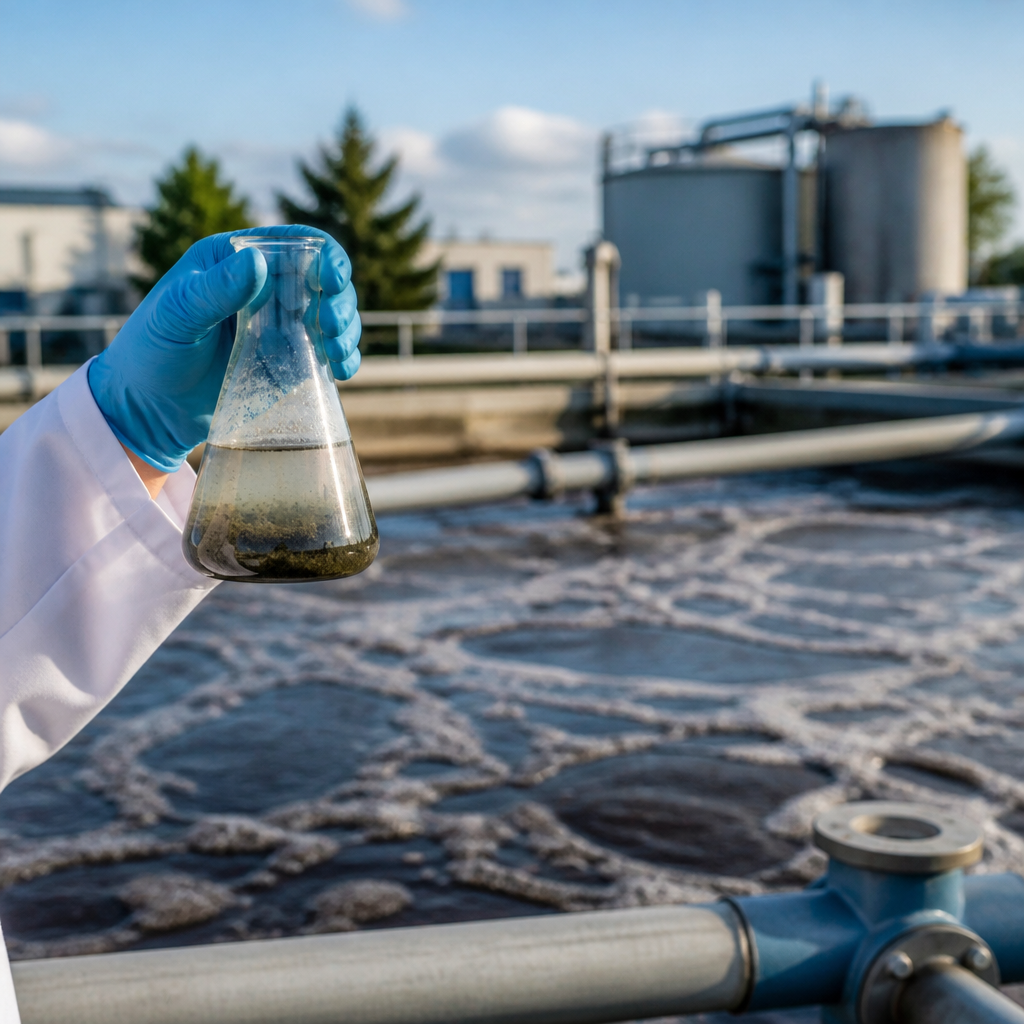
Microbial remediation works because microorganisms use contaminants as food, electron donors, electron acceptors, or binding targets. In aerobic treatment, heterotrophic bacteria oxidize organic matter and reduce biochemical oxygen demand. In nitrification, ammonia-oxidizing and nitrite-oxidizing microorganisms convert ammonia to nitrate. In denitrification, facultative bacteria reduce nitrate to nitrogen gas under anoxic conditions, removing total nitrogen. Enhanced biological phosphorus removal depends on phosphate-accumulating organisms that store phosphorus intracellularly and allow subsequent sludge-based removal. Anaerobic microorganisms convert organic carbon into methane and carbon dioxide, making high-strength wastewater treatment less energy intensive than fully aerated systems.
That basic picture is familiar, but the latest research shows that performance depends less on single species than on community structure, metabolic cooperation, and operational selection pressure. For example, complete ammonia oxidizers, known as comammox Nitrospira, challenged the older assumption that nitrification always requires two separate functional groups. Anaerobic ammonium oxidation, or anammox, continues to gain attention because it can remove nitrogen with far less aeration and reduced external carbon demand. Researchers have also mapped quorum sensing, extracellular polymeric substances, and biofilm architecture more precisely, showing why some systems tolerate toxic shocks better than suspended-growth basins. These findings are not academic details; they influence reactor design, aeration strategy, solids retention time, and troubleshooting protocols.
Breakthroughs in nutrient removal and process intensification
Among the most important advances in sanitation research is process intensification for nitrogen and phosphorus removal. Conventional nutrient removal often requires multiple basins, heavy aeration, careful carbon balancing, and significant footprint. Current research aims to achieve the same or better outcomes with less energy, less space, and lower chemical dosing. Shortcut nitrogen removal is a key example. By stopping nitrification at nitrite and pairing it with denitritation or anammox, plants can cut oxygen demand and reduce sludge production. In sidestream treatment of centrate from sludge dewatering, deammonification is already established in many advanced facilities. The research frontier is stable mainstream implementation at lower temperatures and lower ammonia concentrations.
Phosphorus research is also moving beyond simple compliance. Scientists are studying how microbial selection, volatile fatty acid availability, and sidestream fermentation improve the competitiveness of phosphate-accumulating organisms over glycogen-accumulating organisms. This matters because biological phosphorus removal can reduce ferric or alum dosing, lower sludge ash contamination, and improve phosphorus recovery opportunities. Struvite precipitation, while a physicochemical step, is increasingly integrated with microbial treatment trains to recover phosphorus from digester liquors. Plants in Europe, North America, and East Asia are using these combined strategies to move toward circular sanitation systems rather than linear waste disposal.
| Research area | Main microbial mechanism | Operational benefit | Key limitation under study |
|---|---|---|---|
| Shortcut nitrogen removal | Partial nitritation with denitritation or anammox | Lower aeration and carbon demand | Mainstream stability in cold, dilute wastewater |
| Enhanced biological phosphorus removal | Phosphate accumulation by specialized organisms | Reduced chemical dosing and better recovery potential | Competition from glycogen-accumulating organisms |
| Anaerobic digestion | Methanogenesis from complex organics | Energy recovery and lower sludge mass | Process inhibition from ammonia, sulfide, or toxins |
| Membrane bioreactors | High-biomass biological degradation with membrane separation | Excellent effluent quality and compact footprint | Membrane fouling and energy cost |
| Bioelectrochemical systems | Electron transfer by electroactive microbes | Potential energy recovery and selective treatment | Scale-up economics and electrode durability |
Emerging contaminants: pharmaceuticals, PFAS, metals, and microplastics
One reason microbial remediation research has become so prominent is that conventional treatment was never designed for today’s contaminant mix. Wastewater now contains antibiotics, hormones, antidepressants, flame retardants, personal care ingredients, surfactants, pesticides, and industrial compounds at trace concentrations that can still cause chronic ecological effects. Researchers are evaluating which compounds biodegrade readily, which transform into equally concerning metabolites, and which require hybrid treatment. Pharmaceutical removal, for example, depends heavily on molecular structure, redox conditions, sludge age, and cometabolic pathways. Ibuprofen is often removed well in activated sludge, while carbamazepine is notably persistent. Diclofenac, sulfamethoxazole, and triclosan show variable removal depending on reactor conditions and biomass adaptation.
PFAS research illustrates both promise and limits. Per- and polyfluoroalkyl substances are highly resistant because carbon-fluorine bonds are among the strongest in organic chemistry. Microbial systems are not yet a universal solution for terminal PFAS compounds such as PFOA and PFOS, but current studies show potential for biotransformation of some precursors, especially when coupled with adsorption, advanced oxidation, electrochemical treatment, or foam fractionation. The practical lesson is clear: microbial remediation is powerful, but not magical. The best designs increasingly use staged treatment, where biology handles biodegradable fractions and complementary unit operations address persistent residues.
Heavy metals and metalloids present a different challenge because they cannot be biodegraded. Microbes instead transform oxidation states, precipitate metals as sulfides, or immobilize them through biosorption and bioaccumulation. Sulfate-reducing bacteria, for instance, can help remove cadmium, lead, and zinc from industrial effluents by generating sulfide under anaerobic conditions. Research on mine drainage and electroplating wastewater has shown useful removal efficiencies, but process control is critical because sulfide toxicity and odor must be managed. Microplastics are another active area. While microbes do not rapidly mineralize most common plastics in standard wastewater residence times, biofilms can influence particle aggregation, settling, and contaminant adsorption. Researchers are investigating enzymes capable of attacking specific polymers, but this remains an early-stage field for mainstream sanitation.
Microbiome sequencing, sensors, and digital control
The biggest shift I have observed in wastewater research is the move from treating biomass as a black box to treating it as a measurable ecosystem. High-throughput sequencing, quantitative PCR, fluorescence in situ hybridization, flow cytometry, and metagenomics now allow researchers to identify functional populations and link them to process outcomes. Instead of saying a plant lost nitrification for unknown reasons, teams can now investigate whether ammonia oxidizers were washed out, inhibited by free ammonia or free nitrous acid, outcompeted at low dissolved oxygen, or suppressed by toxic influent events. Metatranscriptomics and metabolomics add another layer by showing which pathways are active, not just which organisms are present.
This microbiological visibility becomes more valuable when paired with modern sensors and control systems. Online ammonium, nitrate, phosphate, oxidation-reduction potential, dissolved oxygen, turbidity, and off-gas monitoring are feeding machine-learning models that predict instability before permit exceedances occur. Digital twins of treatment plants are being built using platforms that combine historical SCADA data with process models such as ASM frameworks. The result is better aeration control, lower energy use, and more stable effluent quality. Research is still needed because many AI models remain site-specific and can fail when influent patterns shift. Still, the direction is unmistakable: future microbial remediation will be monitored and optimized in near real time rather than adjusted only after lab results arrive.
Membrane bioreactors, granular sludge, and bioelectrochemical systems
Several technology platforms are translating microbial research into compact, high-performance treatment systems. Membrane bioreactors combine biological degradation with membrane filtration, allowing high mixed liquor concentrations and producing excellent effluent for reuse applications. Their strengths are small footprint and reliable solids separation; their main challenge is membrane fouling, which increases energy and cleaning requirements. Research is improving fouling management through better air scouring, surface modification, quorum sensing disruption, and optimized extracellular polymeric substance control.
Aerobic granular sludge is another major development. Instead of diffuse flocs, biomass forms dense granules with oxygen gradients that support simultaneous nitrification, denitrification, and phosphorus removal within one aggregate. Full-scale installations have shown footprint savings and strong settling, though successful operation depends on careful hydrodynamics and feast-famine selection. Bioelectrochemical systems, including microbial fuel cells and microbial electrolysis cells, remain less mature commercially but highly important scientifically. Electroactive bacteria can transfer electrons to or from electrodes, enabling treatment with potential energy recovery, nutrient transformation, or targeted reduction of contaminants. Pilot-scale economics, electrode cost, and long-term maintenance are still barriers, yet the field continues to generate valuable insights for decentralized sanitation and industrial sidestream treatment.
From treatment to resource recovery and resilient sanitation
The most forward-looking research no longer asks only how to remove pollution; it asks how microbial remediation can support resilient, resource-positive sanitation. Anaerobic digestion remains central because it stabilizes sludge and produces biogas, but new work is improving co-digestion, trace nutrient dosing, and microbial resilience under high-ammonia loading. Algal-bacterial systems are being studied for nutrient capture, oxygen production, and biomass valorization. Purple phototrophic bacteria have attracted interest for converting wastewater carbon and nutrients into useful biomass with lower aeration demand. In water-scarce regions, coupling advanced biological treatment with reuse standards is becoming essential for agriculture, industry, and indirect potable reuse.
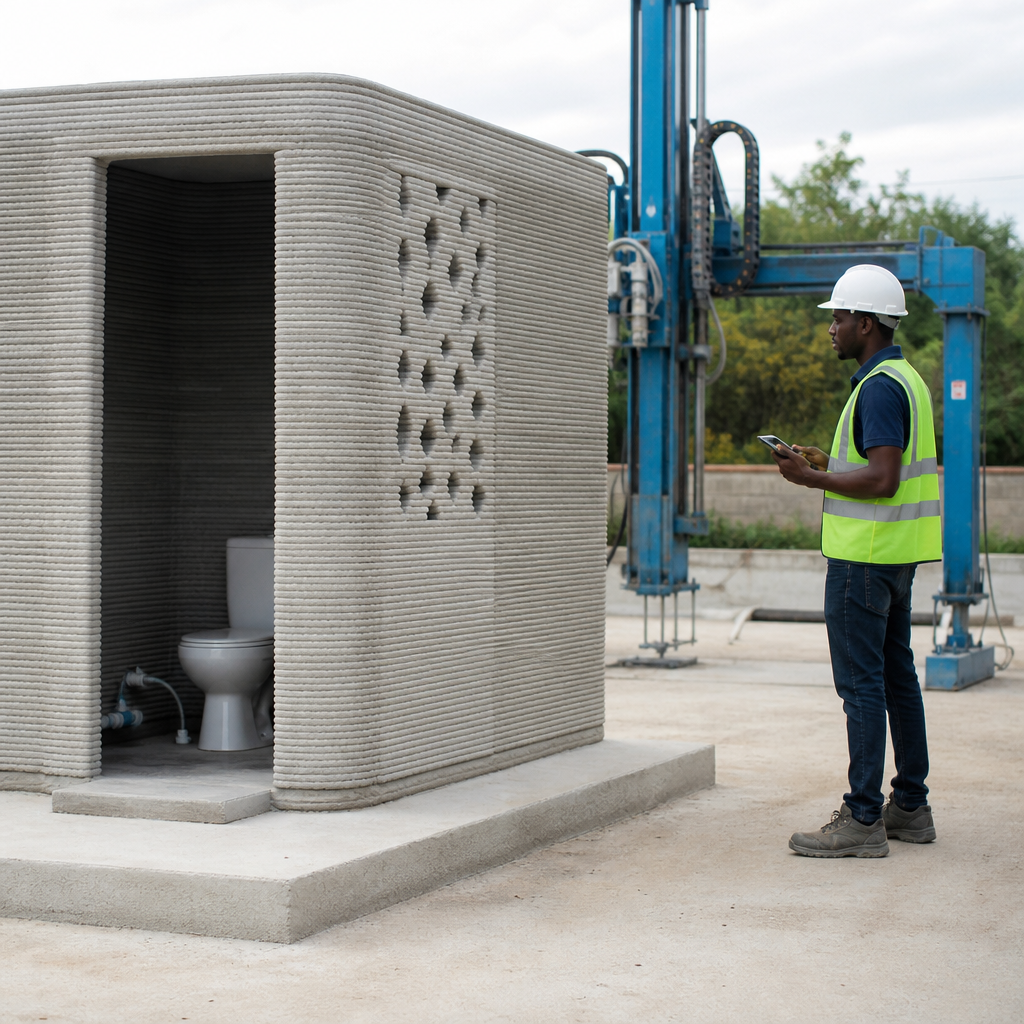
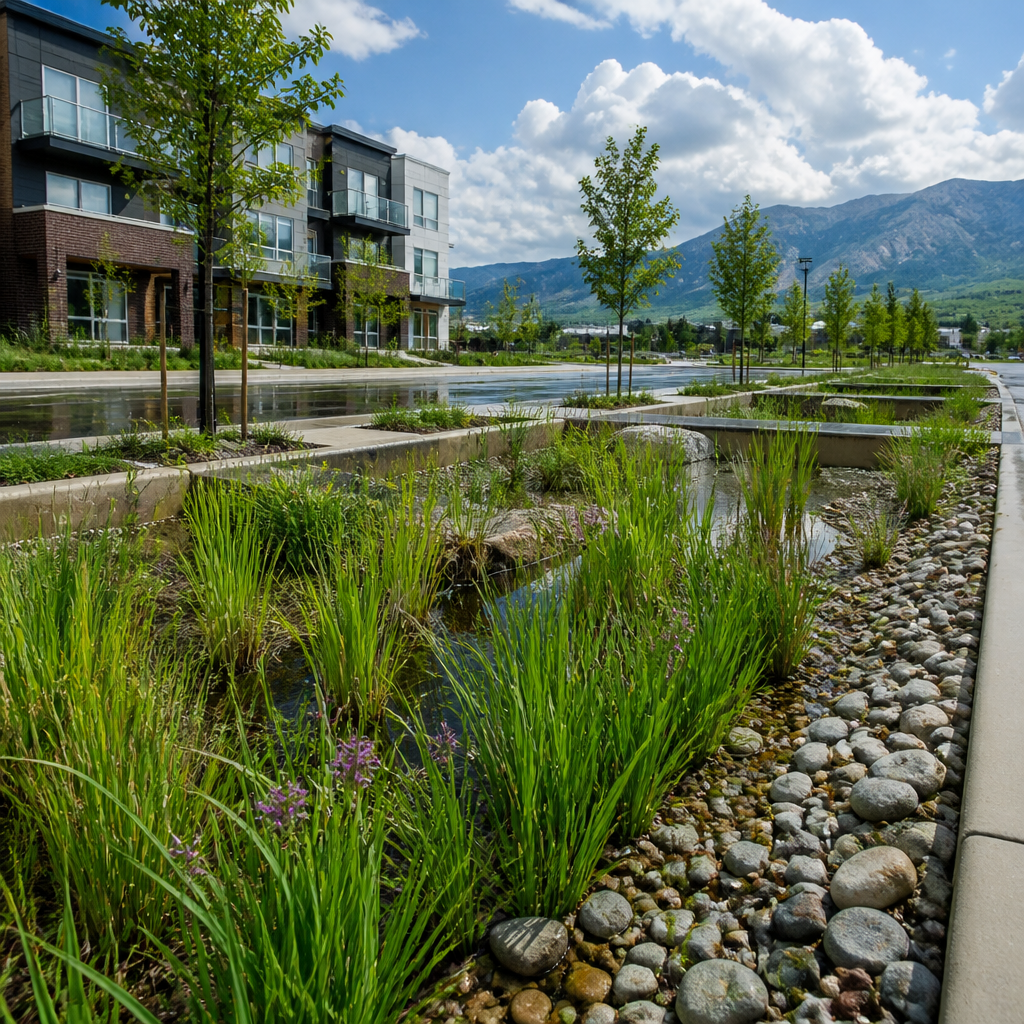
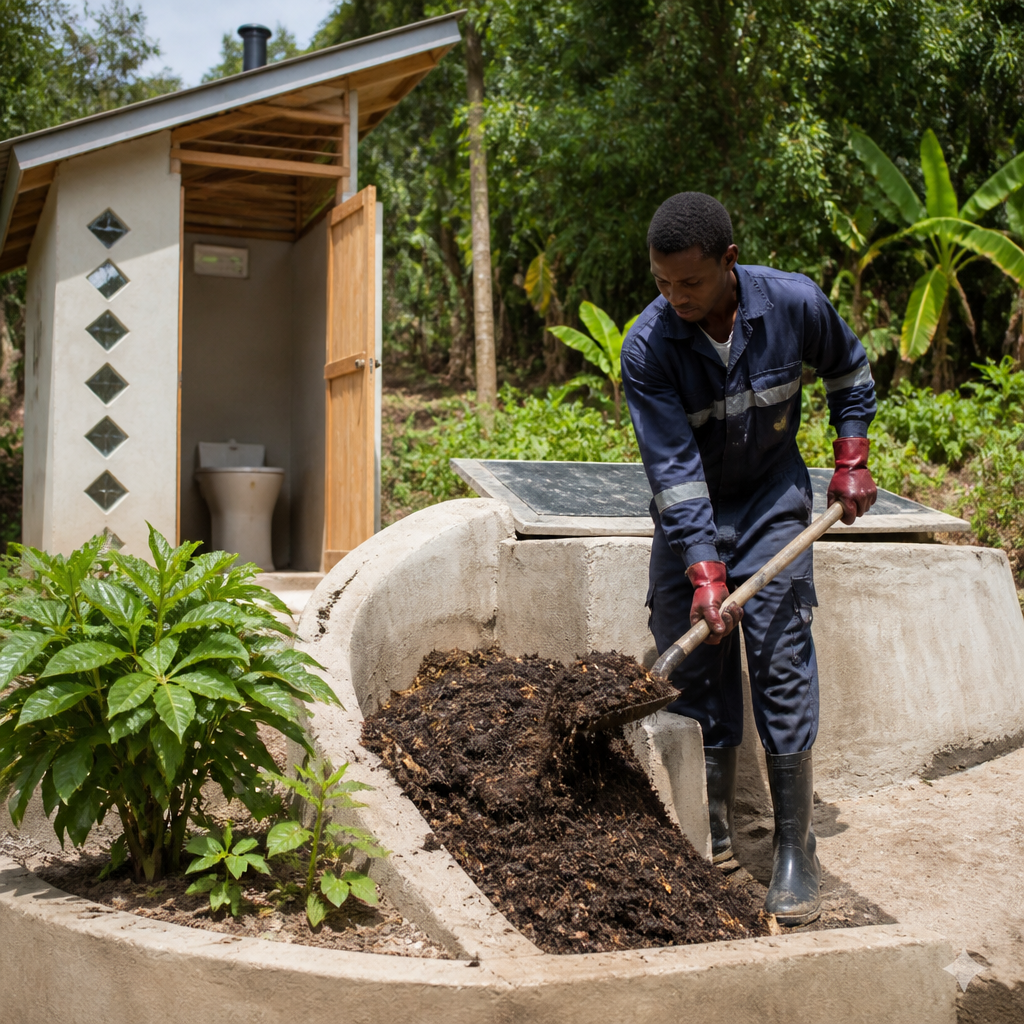
Research also emphasizes decentralization and climate resilience. Small modular bioreactors, constructed wetland hybrids, and package systems using specialized consortia can extend treatment access where centralized sewers are limited. This is particularly relevant for peri-urban settlements, disaster recovery, and fast-growing secondary cities. At the same time, researchers are studying greenhouse gas emissions from biological treatment, especially nitrous oxide and methane slip, because a process that improves water quality but increases climate impact is not a true sanitation advance. The best current studies therefore evaluate microbial remediation on multiple criteria: effluent quality, energy intensity, recoverable resources, emissions, reliability, and cost across the full life cycle.
Latest research in microbial remediation for wastewater shows that sanitation is entering a more precise, more biological, and more integrated era. The core lesson is straightforward: microbes already do the essential work of transforming wastewater, but new research is helping us guide that work with far greater accuracy. Advances in shortcut nitrogen removal, biological phosphorus management, contaminant-specific biodegradation, microbiome analytics, membrane systems, granular sludge, and bioelectrochemical platforms are expanding what treatment plants can achieve. Just as important, the field is becoming more honest about limits. Persistent chemicals may require hybrid treatment, metal removal depends on speciation control, and promising pilot technologies still need scale-up proof.
For anyone following advancing research in sanitation, this hub should frame the next questions to explore across the subtopic: Which microbial pathways are ready for full-scale deployment? Which monitoring tools deliver practical operational value? How can plants recover energy, nutrients, and water without sacrificing reliability? And where should public funding support demonstration projects that bridge laboratory success and municipal adoption? The benefit of understanding this research is practical, not academic. Better microbial remediation can lower energy use, improve compliance, reduce environmental harm, and make wastewater systems more resilient under growing stress. Use this hub as a starting point, then dig into each linked subtopic to evaluate technologies that fit your treatment goals, local regulations, and long-term sanitation strategy.
Frequently Asked Questions
What is microbial remediation in wastewater treatment, and why is it getting so much attention in current research?
Microbial remediation in wastewater treatment is the use of living microorganisms to remove, transform, or neutralize pollutants in water. These microorganisms can include bacteria, fungi, algae, archaea, and carefully designed mixed microbial communities. They work through natural metabolic processes that allow them to consume organic matter, convert nitrogen and phosphorus into less harmful forms, immobilize heavy metals, and even degrade certain pharmaceuticals, dyes, pesticides, and other emerging contaminants. In many treatment systems, microbes are already doing the core work behind sanitation, but the newest research is expanding what they can do and how efficiently they can do it.
The reason this field is attracting so much attention is that wastewater treatment is no longer viewed only as a disposal challenge. It is increasingly seen as an opportunity for pollution control, water reuse, energy recovery, nutrient recovery, and climate-resilient infrastructure. Researchers are studying how to improve classic systems such as activated sludge and anaerobic digestion while also developing advanced microbial technologies like microbial fuel cells, bioelectrochemical systems, granular sludge, membrane bioreactors, and engineered biofilms. These approaches can improve contaminant removal, reduce chemical use, lower sludge production, and in some cases generate useful byproducts such as biogas or recoverable nutrients.
Another major reason for the growing interest is public health. Wastewater can contain antibiotic-resistant bacteria, residual antibiotics, endocrine-disrupting compounds, microplastics-associated contaminants, and industrial chemicals that are difficult to remove using conventional methods alone. New microbial remediation research is focused on addressing these more complex pollutant mixtures in a reliable and scalable way. As utilities face tighter discharge standards and greater pressure to reuse water safely, microbial remediation is becoming one of the most important areas of innovation in environmental engineering and sanitation science.
What are the most important recent advances in microbial remediation for wastewater?
Some of the most important recent advances involve making microbial systems faster, more selective, and more resilient under real-world operating conditions. One major development is the use of specialized microbial consortia rather than relying only on naturally occurring mixed populations. Researchers are identifying combinations of microorganisms that can work together to degrade stubborn contaminants more completely than a single species could on its own. This is especially promising for treating industrial effluents, pharmaceutical residues, and wastewater streams with variable chemistry.
Another significant advance is the rise of bioelectrochemical technologies, including microbial fuel cells and microbial electrolysis systems. In these setups, electroactive microbes transfer electrons during metabolism, which can be harnessed to support pollutant breakdown, improve treatment efficiency, and in some cases generate electricity or hydrogen. While many of these systems are still developing toward broad commercial scale, the research is important because it points toward treatment systems that remove contaminants while recovering useful energy.
Researchers are also making progress with aerobic granular sludge, membrane-aerated biofilm reactors, and next-generation anaerobic digestion. Aerobic granular sludge systems can support dense, well-structured microbial communities that remove organic matter and nutrients in a compact footprint. Membrane-based biological systems help retain slow-growing or highly specialized microbes that would otherwise wash out of conventional reactors. Advanced anaerobic systems are being optimized to improve methane production, handle higher-strength wastewaters, and reduce operational instability.
At the same time, omics tools such as metagenomics, metatranscriptomics, and metabolomics are transforming how scientists understand microbial communities. Instead of treating a bioreactor as a black box, researchers can now identify which organisms are present, what genes they carry, and which pathways they activate under changing conditions. That knowledge makes it easier to fine-tune treatment performance, predict upsets, and design more targeted remediation strategies. In practical terms, this means wastewater treatment is becoming more data-driven, more precise, and better equipped to handle modern contaminant challenges.
How do microbes remove different types of pollutants from wastewater?
Microbes remove pollutants through a surprisingly wide range of biological and biochemical mechanisms. For organic pollution, many bacteria and fungi break down carbon-rich compounds by using them as a food source. In aerobic systems, microbes use oxygen to oxidize organic matter into carbon dioxide, water, and new biomass. In anaerobic systems, other microbial groups carry out sequential steps that convert complex organics into methane and carbon dioxide, which is the basis of anaerobic digestion and biogas recovery.
Nitrogen removal is another area where microbial remediation is essential. Different groups of microbes carry out nitrification, denitrification, and in some advanced systems anammox, or anaerobic ammonium oxidation. Together, these pathways can convert ammonia in wastewater into harmless nitrogen gas, reducing the risk of toxicity and eutrophication in receiving waters. Phosphorus can also be removed biologically by phosphate-accumulating organisms that take up and store excess phosphorus under controlled operating conditions, allowing it to be separated from the treated water and potentially recovered.
For heavy metals and metalloids, microbes often do not destroy the contaminant, since metals cannot be biodegraded in the way organic compounds can. Instead, they may transform metals into less toxic chemical states, bind them to cell surfaces, precipitate them into insoluble forms, or help immobilize them within biofilms or sediments. This can reduce mobility and bioavailability, which is valuable for treatment and environmental protection.
When it comes to emerging contaminants such as pharmaceuticals, personal care products, pesticides, dyes, and phenolic compounds, the process is often more complex. Some microorganisms can directly metabolize these substances, while others transform them through co-metabolism, meaning the pollutant is altered incidentally while the microbe consumes another primary substrate. Algae can also contribute by taking up nutrients and certain trace contaminants, while simultaneously producing oxygen that supports bacterial degradation. Fungi are particularly interesting in current research because they produce extracellular enzymes capable of attacking complex, hard-to-degrade molecules. The most effective wastewater systems often combine multiple microbial groups so that contaminants are addressed through several complementary pathways at once.
What are the biggest challenges researchers still face in scaling up microbial remediation technologies?
One of the biggest challenges is that microbial performance in the laboratory does not always translate directly to full-scale treatment plants. In controlled research settings, scientists can optimize pH, temperature, retention time, oxygen levels, and feed composition very precisely. Real wastewater, however, is highly variable. It may contain fluctuating pollutant loads, toxic shocks, salinity changes, seasonal temperature swings, and mixtures of contaminants that interfere with microbial activity. A microbial system that performs well under ideal conditions may become unstable when exposed to this kind of complexity.
Another challenge is maintaining the right microbial community over time. Many advanced treatment processes depend on specialized organisms that grow slowly or compete poorly with more common microbes. If operating conditions shift even slightly, those desired populations can decline, reducing treatment efficiency. This is especially important in technologies targeting nutrient removal, micropollutant degradation, or bioelectrochemical performance. Researchers are actively studying reactor design, control systems, biofilm engineering, and selective operating conditions to keep these communities stable and productive.
Cost and infrastructure compatibility also matter. Municipal and industrial facilities need technologies that are not only effective but also affordable, reliable, and practical to integrate into existing treatment trains. Some emerging systems show excellent pollutant removal in pilot studies but require high capital costs, membrane maintenance, energy inputs, or complex operator expertise. For a new microbial remediation technology to succeed commercially, it has to deliver measurable advantages over current biological treatment methods without creating excessive operational burden.
There are also regulatory and safety considerations. Engineers and regulators need confidence that treatment systems consistently remove contaminants to required standards and do not create harmful byproducts. If engineered microbial communities or genetically informed optimization approaches are used, there may be added scrutiny around monitoring, containment, and long-term ecological impacts. As a result, current research is increasingly focused not just on proof of concept, but on robustness, life-cycle performance, monitoring tools, and full-scale demonstration under realistic operating conditions.
What does the future of microbial remediation for wastewater look like?
The future of microbial remediation is moving toward smarter, more integrated, and more resource-efficient wastewater treatment systems. Instead of treating wastewater solely as waste, future facilities are likely to function as water resource recovery hubs. In that model, microbial processes will do much more than remove pollutants. They will help recover clean water for reuse, produce energy through anaerobic digestion or bioelectrochemical systems, and capture nutrients such as nitrogen and phosphorus for agricultural or industrial use. This broader approach aligns with circular economy goals and the need for more sustainable sanitation infrastructure.
Digital monitoring and automation are expected to play a major role. As researchers learn more about microbial ecology through sequencing, sensor technology, and advanced analytics, operators will be better able to monitor the biological health of treatment systems in real time. That could allow earlier detection of process instability, more precise aeration and feeding control, and faster adaptation to changing wastewater conditions. In practice, this means microbial remediation systems may become both more efficient and more predictable.
Another important trend is hybrid treatment design. Rather than relying on one process alone, future systems will likely combine microbial remediation with membranes, adsorption, advanced oxidation, electrochemical processes, and nature-based solutions such as constructed wetlands or algal polishing units. These hybrids can be especially useful for removing contaminants that are difficult to treat biologically on their own. Research is showing