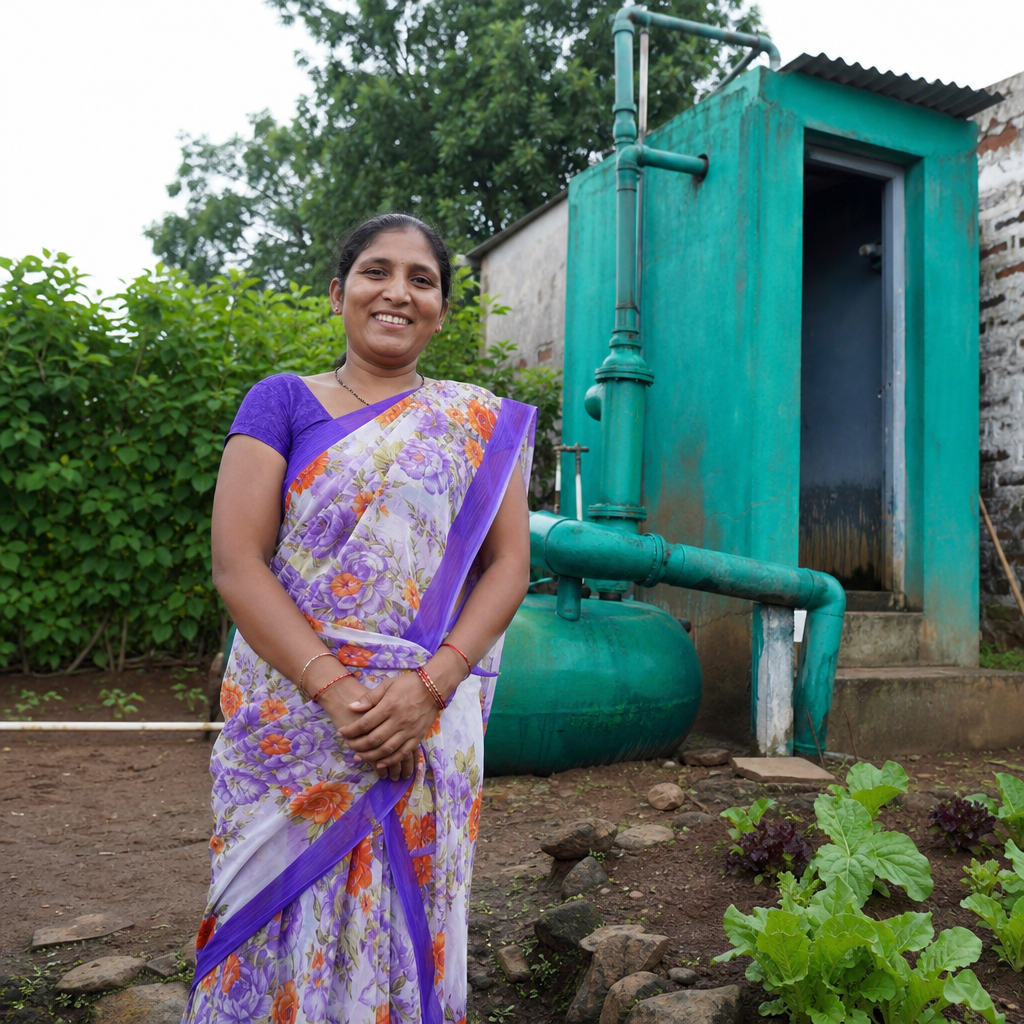
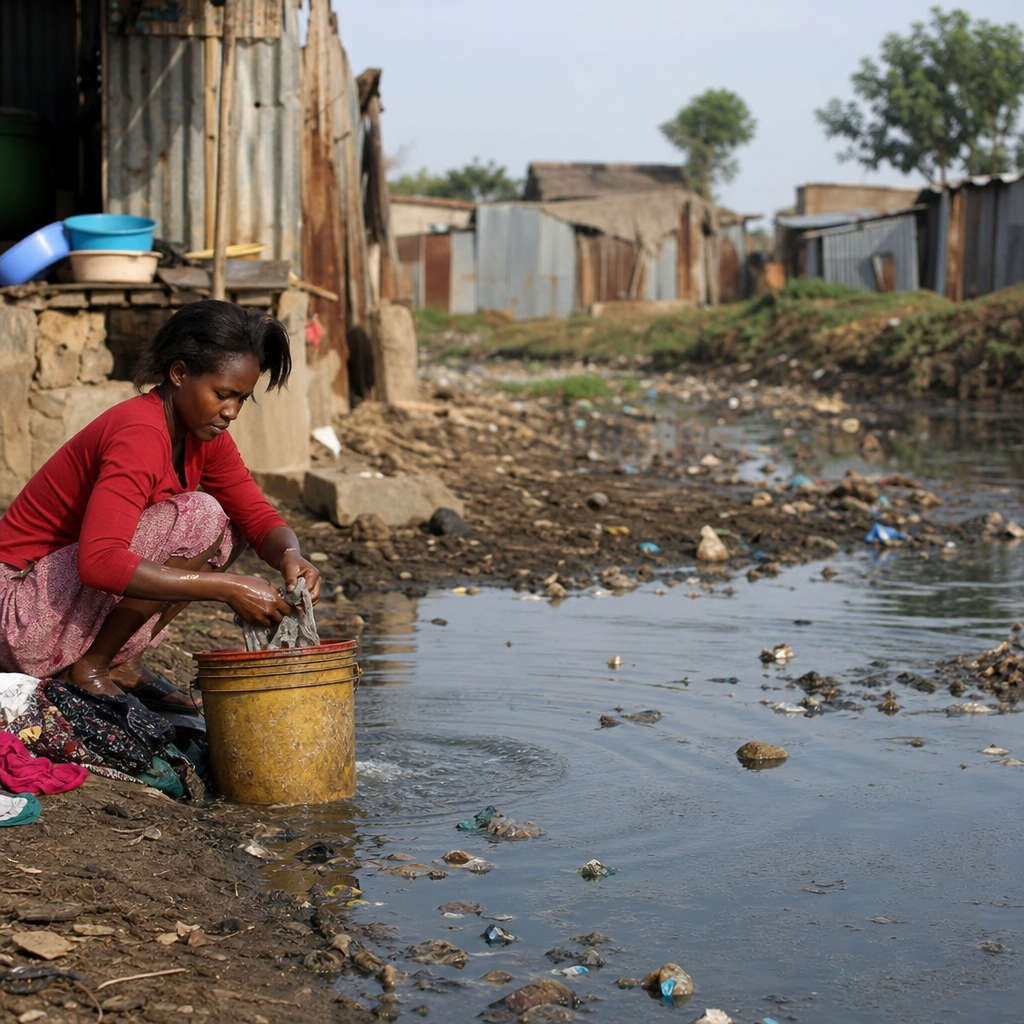
Ecological Sanitation (EcoSan) projects are increasingly being deployed around the world as sustainable solutions to sanitation problems. These projects aim to treat human excreta as a resource rather than waste, turning them into valuable products like fertilizer and biogas. Despite their ecological benefits, a critical factor that determines their success and longevity is their economic sustainability. Evaluating the economic sustainability of EcoSan projects involves analyzing various dimensions such as initial capital investment, operational costs, revenue generation, and overall financial viability. This article aims to delve deeply into these aspects, offering a comprehensive understanding of the economic sustainability of EcoSan projects. By evaluating these factors, stakeholders can make informed decisions that ensure the long-term success and impact of EcoSan initiatives.
Initial Capital Investment
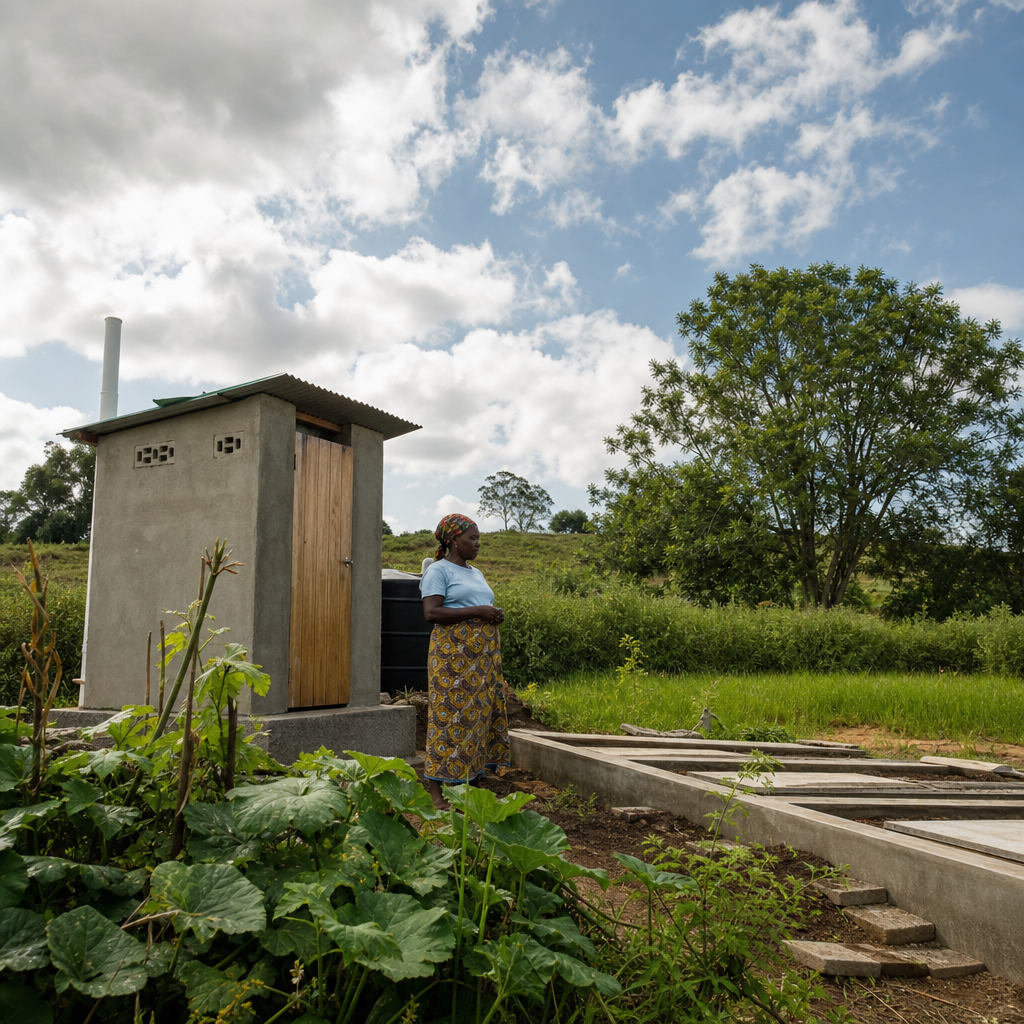
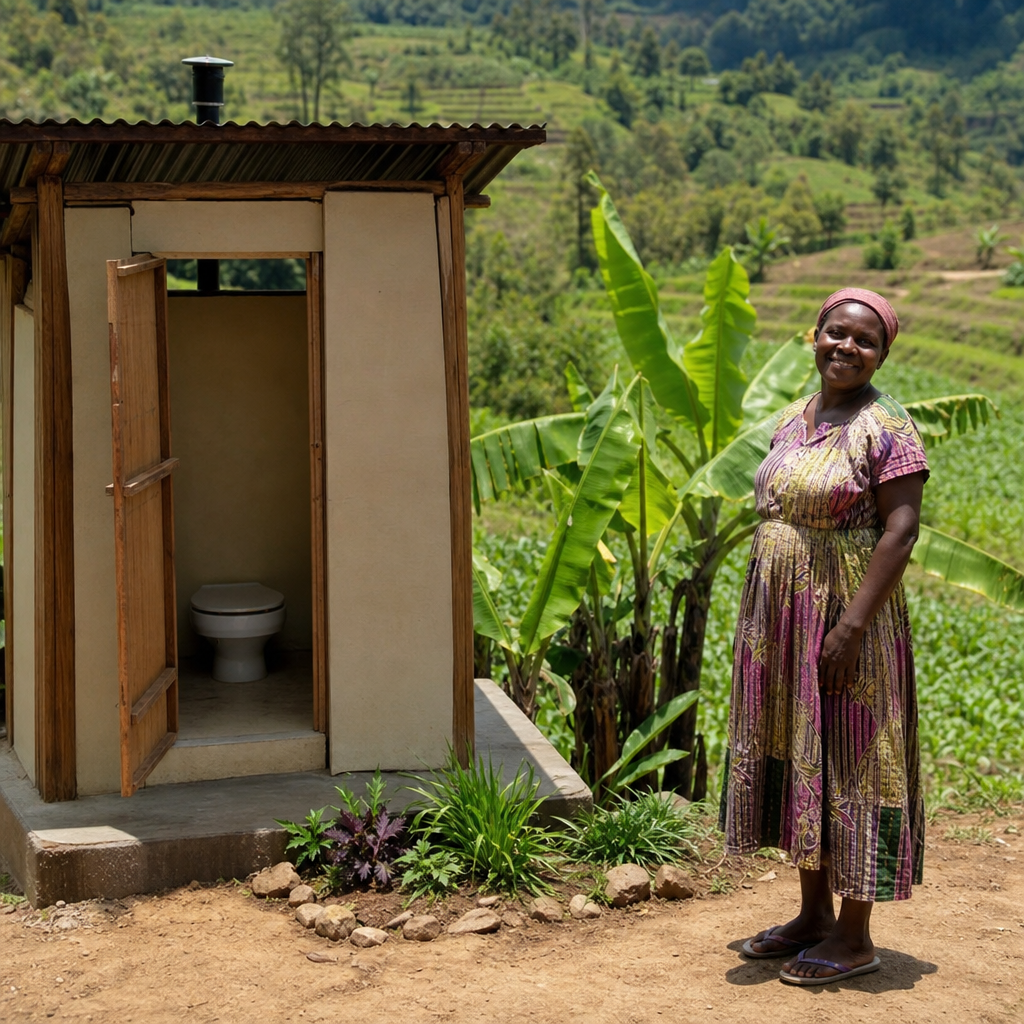
The starting point for any EcoSan project is the initial capital investment. This includes costs related to the design, construction, and commissioning of EcoSan facilities. Such projects often require the installation of infrastructure like toilets, urine-diverting systems, and composting units. Although these initial costs can be substantial, they are crucial for setting up a functional system. Stakeholders must thoroughly assess these upfront costs and explore funding options such as government subsidies, grants from international organizations, or investment from impact funds. Additionally, an analysis of cost-benefit ratios can shed light on the potential returns from these investments over time. Understanding the initial financial requirements and the potential for resource mobilization is vital for gauging the economic sustainability of an EcoSan project.
Operational Costs
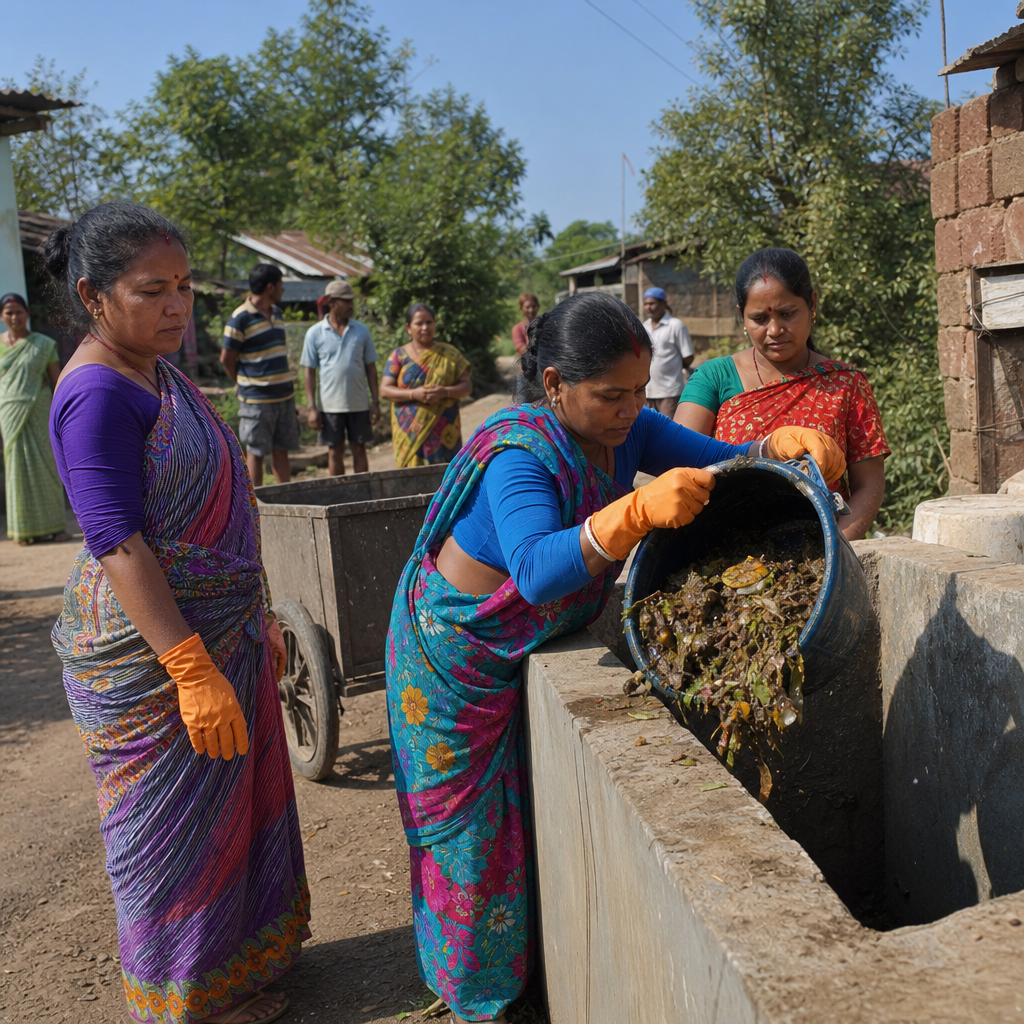
Once operational, EcoSan projects incur various types of ongoing expenses. These operational costs include the maintenance of facilities, the management of by-products, personnel wages, and education initiatives for users. Effective management of these expenses is crucial to ensure that the project’s revenues consistently exceed its costs. Innovative strategies, such as community involvement in management or collaboration with NGOs, can reduce operational costs. Moreover, continuous monitoring and optimization of processes can contribute to lowering these expenses over time. By keeping a close eye on operational costs, stakeholders can enhance the economic viability of EcoSan projects, maximizing their sustainability and adaptability in different contexts.
Revenue Generation
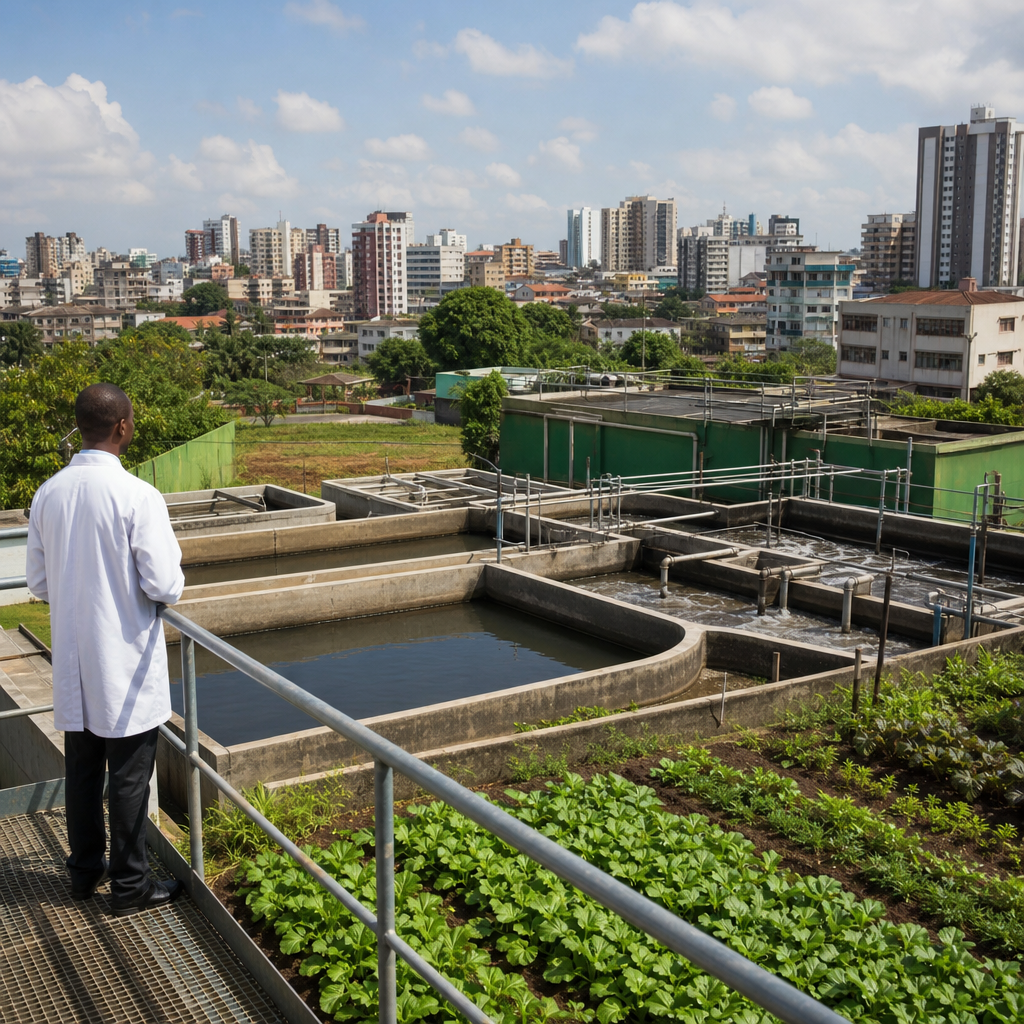
EcoSan systems transform human waste into resources, providing potential revenue streams from the sale of compost, biogas, or treated water. The market for these products can greatly influence the economic sustainability of a project. Developing robust marketing strategies to promote these by-products is therefore essential. Collaboration with agricultural sectors, local cooperatives, and green businesses can open markets for EcoSan products. Additionally, educating the local population about the benefits and applicability of these products encourages acceptance and creates demand. While it is crucial to focus on generating revenue, stakeholders must also remain aware of market fluctuations and shifts in demand to adapt their strategies accordingly. A strong focus on revenue generation can create a self-sustaining financial model that supports the project’s long-term viability.
Economic Models
Different economic models can be applied to EcoSan projects depending on the geographical, cultural, and regulatory context. These models range from community-led cooperative initiatives to public-private partnerships. Each model has its intricacies and implications for financial management. Community-led models emphasize local ownership and can lead to high levels of community engagement and sustainability. However, they may require significant initial setup, training, and engagement activities. On the other hand, public-private partnerships can leverage the strengths of both sectors to mobilize resources and increase efficiency, but they require clear agreements and a solid understanding of stakeholder roles. Analyzing and selecting the right economic model is a critical step in promoting successful and sustainable EcoSan projects.
Cost-Benefit Analysis
An essential element when evaluating the economic sustainability of EcoSan projects is performing a thorough cost-benefit analysis. This analysis considers both direct and indirect benefits such as improved sanitation, job creation, reduced environmental impact, and increased agricultural productivity from using the project’s by-products. Direct savings from reduced medical expenses due to better public health can also be considered. By quantifying these benefits and comparing them to the project’s total costs, stakeholders can better understand the long-term financial viability of an EcoSan initiative. Accurate cost-benefit analyses can convince potential investors and funders of the project’s economic value, facilitating easier access to financial support and partnerships.
Risk Assessment and Management
Important to the economic evaluation of EcoSan projects is a thorough risk assessment and management plan. Potential risks include market volatility for by-products, changes in water and sanitation regulations, and social acceptance challenges. Assessing these risks helps in developing mitigation strategies that ensure the project’s resilience. Constantly updating risk assessments and management plans according to changing circumstances is vital. Additionally, experimenting with innovative risk-sharing mechanisms, like insurance products or adaptable financial models, can offer additional security. By proactively managing risks, EcoSan projects can maintain their economic viability despite unforeseen challenges.
Economic Impacts on Local Communities
EcoSan projects have the potential to uplift local communities economically. They provide opportunities for local employment, skill development, and even entrepreneurship through selling project outputs. Empowering the community economically through EcoSan projects helps build local support and strengthens the project’s sustainability. Additionally, equitable distribution of economic benefits across all societal groups improves community relations and inclusiveness. Quantifying these tangential economic impacts is crucial to comprehensively understanding the economic value of EcoSan initiatives. By fostering local economic development, EcoSan projects can improve local economies and contribute to greater economic sustainability.
Policy and Regulatory Frameworks
Policy and regulatory frameworks play a crucial role in the economic sustainability of EcoSan projects. Favorable policies can incentivize the integration and scaling of EcoSan projects at a large scale. Regulatory support can come through tax incentives, subsidies, or the establishment of market standards for EcoSan by-products. Engaging with policymakers and demonstrating the economic, social, and environmental benefits of EcoSan projects can create a supportive regulatory environment. Additionally, aligning projects with national and international sustainability goals can bolster funding opportunities. A supportive policy landscape ensures that EcoSan projects can operate economically and effectively, aligning societal and project objectives.
Monitoring and Evaluation
Effective and ongoing monitoring and evaluation (M&E) are essential components for ensuring the economic sustainability of EcoSan projects. M&E processes allow stakeholders to track financial performance, identify areas for improvement, and make data-driven decisions. Establishing clear economic indicators and benchmarks for success is essential. Accurate and timely data collection informs project adjustments and fosters transparency with stakeholders. Additionally, external evaluations can offer an unbiased view of the project’s financial health and economic impact. Through rigorous M&E, EcoSan projects can adapt to changes and ensure continued economic viability.
Conclusion
In conclusion, evaluating the economic sustainability of EcoSan projects involves a multifaceted approach, considering everything from initial capital investment and operational costs to revenue generation, risk management, and social impacts. A thorough understanding of these elements, within the context of available economic models and policy frameworks, enables stakeholders to implement sustainable solutions that thrive both financially and ecologically. Integrating a robust monitoring and evaluation system ensures long-lasting success. By focusing on these aspects, EcoSan projects can achieve not only environmental and social benefits but also sustained economic success, positioning them as viable solutions for global sanitation challenges. The journey towards sustainable sanitation is complex, but with careful economic evaluation and adaptive strategies, EcoSan projects can pave the way for a healthier, more sustainable future.