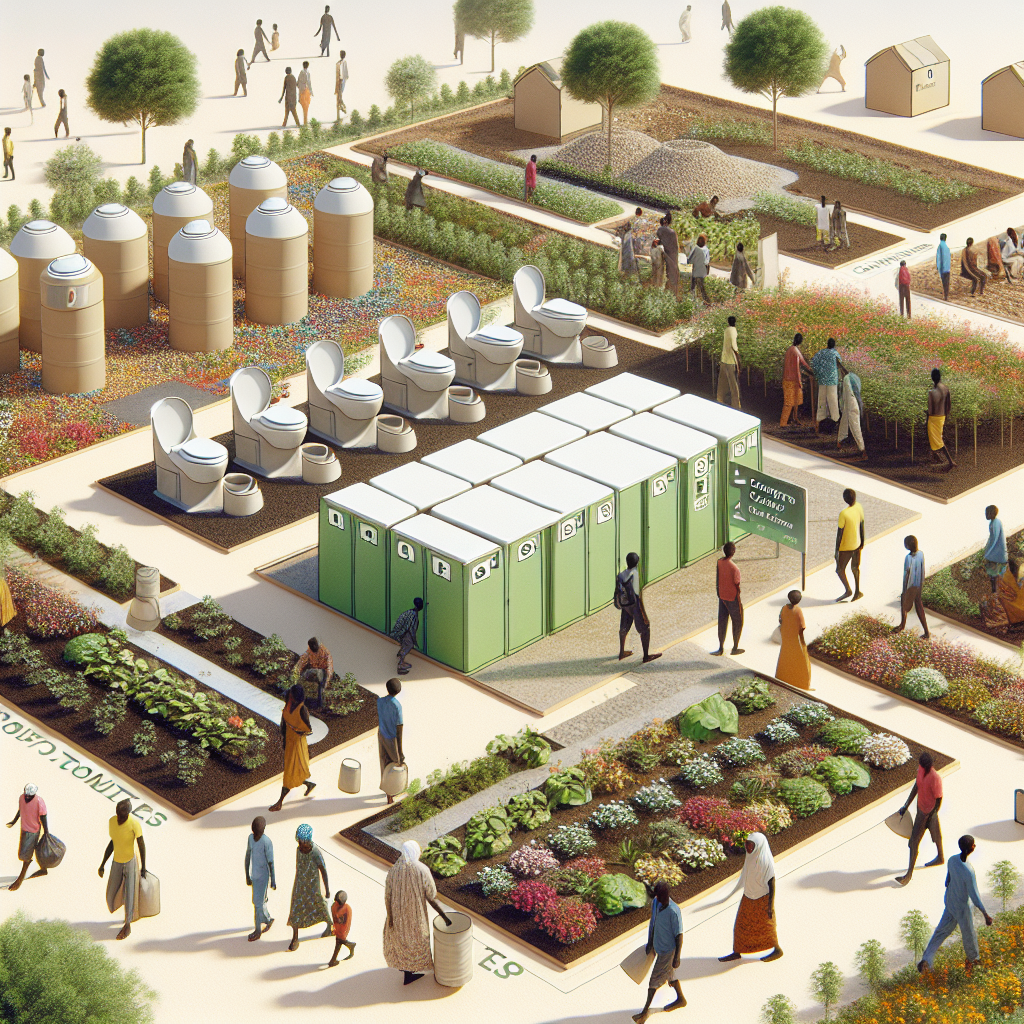
In recent years, urban areas have been experiencing rapid growth, often outpacing the capacity of traditional centralized sanitation systems. This expansion poses significant challenges in providing adequate sanitation services that are both sustainable and accessible to the growing population. Centralized systems, which rely on extensive piping and infrastructure to transport waste to treatment facilities, can be expensive, inefficient, and environmentally taxing. In response to these challenges, there is an increasing interest in decentralized sanitation solutions. These systems are designed to treat and manage waste closer to the source, offering a more flexible, scalable, and environmentally friendly approach. Implementing decentralized sanitation solutions in urban areas involves various considerations such as technology choices, community engagement, regulatory frameworks, and sustainability goals. This article explores the central elements of decentralized sanitation systems, their benefits, potential challenges, and practical steps to implement these solutions in urban environments.
Decentralized sanitation solutions involve modular technologies such as composting toilets, constructed wetlands, anaerobic digestion, and on-site wastewater treatment systems. These technologies can be adapted to various scales, from individual households to community-level applications. By localizing waste treatment, decentralized systems can reduce dependency on extensive infrastructure while also providing opportunities for resource recovery, such as water reuse and energy production from biogas. Additionally, these systems have the potential to improve public health and environmental outcomes by reducing pathogens and pollutants in waste streams before they reach the broader ecosystem. Understanding the advantages and limitations of these approaches, as well as the key factors necessary for their successful implementation, is crucial for urban planners, policymakers, and community leaders aiming to promote sustainable urban sanitation practices.
Benefits of Decentralized Sanitation Solutions
Decentralized sanitation systems offer numerous benefits over traditional centralized approaches, making them an attractive option for urban areas facing rapid growth and infrastructure challenges. One of the primary advantages is the reduction in capital costs associated with extensive sewer networks and large-scale treatment facilities. Decentralized systems can be more cost-effective, particularly in densely populated urban settings where installing new pipelines is both disruptive and expensive. By treating waste locally, these systems help limit transportation-related costs and reduce the burden on existing infrastructure.
Another significant benefit of decentralized sanitation solutions is their scalability and adaptability to different urban contexts. These systems can be tailored to meet the requirements of specific communities or neighborhoods, allowing for a more customized approach that addresses unique challenges. For instance, areas with high population density can implement compact biogas systems that convert waste into energy, while communities with ample space may opt for constructed wetlands that use natural processes for wastewater treatment.
In addition to economic and spatial efficiency, decentralized systems offer environmental advantages. They support resource recovery and reuse, contributing to a circular economy. For example, treated wastewater can be reused for irrigation or industrial purposes, reducing the demand on freshwater resources. Furthermore, by producing biogas from organic waste, these systems can provide a local source of renewable energy, helping to reduce reliance on fossil fuels and lower greenhouse gas emissions.
Public health improvements are another critical benefit of decentralized sanitation solutions. By treating waste closer to its source, these systems can effectively reduce the risk of pathogen transmission and contamination of local water bodies. This is particularly important in urban areas with inadequate sanitation infrastructure where waterborne diseases are a significant risk. Moreover, increased community involvement in sanitation management fosters better hygiene practices and awareness.
Key Technologies in Decentralized Sanitation
Several technologies play a pivotal role in decentralized sanitation systems, each offering distinct advantages and challenges. Composting toilets are one such technology that facilitates the conversion of human waste into compost by leveraging aerobic decomposition processes. These toilets do not require water for flushing, making them ideal for water-scarce urban areas. Properly managed composting toilets can produce nutrient-rich compost that is beneficial for soil health and can be used in agricultural applications.
Constructed wetlands are another innovative technology used in decentralized sanitation to treat wastewater through biological processes involving plants and microorganisms. They mimic natural wetlands’ filtration capabilities and are designed to accommodate various scales, providing a low-maintenance and aesthetically pleasing solution. These systems are highly effective at removing contaminants from wastewater, enabling safe discharge or reuse.
Anaerobic digestion is a powerful process employed in decentralized systems to treat organic waste, including food scraps and sewage. This technology uses microorganisms to break down organic matter in the absence of oxygen, producing biogas and digestate. The biogas can be used for cooking, heating, or electricity generation, offering an additional energy source. The digestate serves as a nutrient-rich fertilizer, supporting agricultural activities.
On-site wastewater treatment plants (OWTPs) serve as compact facilities that process sewage at or near its point of generation. These systems can incorporate various treatment stages, such as sedimentation, biological treatment, and disinfection, to achieve high levels of wastewater quality. OWTPs are particularly suited for areas with limited access to centralized sewer systems, offering an effective solution for residential and commercial developments.
Challenges in Implementing Decentralized Sanitation Systems
While decentralized sanitation solutions offer numerous benefits, several challenges must be addressed to facilitate successful implementation. One of the primary obstacles is overcoming regulatory and institutional barriers. In many regions, existing policies and regulations are designed primarily for centralized systems, creating hurdles for the adoption of decentralized approaches. Changes in policy and advocacy are essential to create an enabling environment that supports innovative sanitation technologies.
Community acceptance and participation are crucial for the success of decentralized systems. Public awareness campaigns and education programs are necessary to build understanding and acceptance of these technologies. Engaging local residents in the planning and operation of sanitation systems fosters ownership and ensures that solutions align with community needs and preferences.
Financing decentralized systems can also pose a challenge, particularly in low-income urban areas. These systems require initial investment, and access to funding may be limited. Innovative financing mechanisms, such as public-private partnerships, microfinance, or community-based financing models, can help bridge the gap and support infrastructure development.
Technical capacity is another area of concern. Developing and maintaining decentralized sanitation systems requires skilled personnel who can manage and troubleshoot various components. Investments in capacity building and training programs are essential to support the deployment and operation of these systems. Collaboration with academic institutions and technical agencies can enhance knowledge transfer and skill development.
The integration of decentralized systems into existing urban infrastructure represents a significant challenge. Careful planning and coordination with urban development strategies are necessary to ensure that these systems complement rather than disrupt existing services. Additionally, monitoring and evaluation frameworks are needed to assess system performance and adapt to changing conditions over time.
Implementing Decentralized Sanitation Solutions in Urban Areas: A Step-By-Step Approach
Successful implementation of decentralized sanitation solutions in urban areas requires a comprehensive and strategic approach. The first step involves conducting a thorough needs assessment to identify the specific challenges and opportunities within a given community. This assessment should evaluate factors such as population density, land availability, water resources, and existing infrastructure.
Following the assessment, stakeholders—including government bodies, community members, technical experts, and funding organizations—should be convened to develop a shared vision and implementation plan. This collaborative approach ensures that diverse perspectives are considered and that solutions are tailored to local conditions.
Choosing appropriate technologies is critical in the next phase. Selection should be based on local environmental conditions, community preferences, and cost considerations. A pilot program may be useful in testing different technologies and gaining insights into their performance and community acceptance.
Community engagement and capacity building are essential components throughout the implementation process. Educational workshops, training sessions, and participatory design activities can build local expertise and empower communities to take ownership of their sanitation systems.
Securing financing is another vital step in the implementation process. Long-term sustainability requires a financial strategy that includes both initial capital investment and ongoing operational costs. Engaging with donors, private sector partners, and development banks can help secure necessary funding.
During deployment, it is essential to establish monitoring and evaluation systems to track system performance, identify issues, and make necessary adjustments. Regular feedback loops ensure that systems are refined and optimized over time, increasing their resilience and sustainability.
Conclusion
Decentralized sanitation solutions provide a promising path forward for urban areas grappling with population growth, limited infrastructure, and environmental pressures. By treating waste closer to its source, these systems offer a flexible, cost-effective, and environmentally sustainable alternative to traditional centralized sanitation models. Key technologies such as composting toilets, constructed wetlands, and anaerobic digestion facilitate waste management and resource recovery, contributing to a circular economy.
Despite their advantages, implementing decentralized systems in urban areas involves overcoming various challenges, including regulatory barriers, community engagement, financing, and technical capacity. A strategic and inclusive approach—grounded in needs assessment, stakeholder collaboration, appropriate technology selection, community involvement, and sustainable financing—is critical to success.
By integrating decentralized solutions into urban planning initiatives, cities can enhance sanitation services, improve public health, and foster sustainable development. As global urbanization trends continue, decentralized sanitation technologies offer a valuable toolkit for creating resilient, liveable cities that meet the diverse needs of their residents.
Through careful planning, effective collaboration, and ongoing innovation, urban areas can harness the full potential of decentralized sanitation systems, paving the way for a sustainable future that prioritizes both human and environmental well-being.
Frequently Asked Questions
1. What are decentralized sanitation solutions, and how do they differ from traditional centralized systems?
Decentralized sanitation solutions refer to systems that treat wastewater and manage sanitation needs at or near the point of origin, rather than relying on large, centralized treatment plants. These systems are often smaller-scale and can serve individual neighborhoods, buildings, or clusters of homes. Unlike traditional centralized systems that require extensive infrastructure such as pipelines and massive treatment facilities, decentralized solutions are more adaptable and can be tailored to the specific needs of each area.
In contrast to the large, costly, and sometimes inflexible centralized approaches, decentralized systems can offer more innovative, environmentally friendly, and sustainable methods for managing waste and water resources. They can significantly reduce the stress on existing infrastructure, lower transportation costs, and even reclaim water and nutrients, thus supporting environmental conservation efforts. This scalability and adaptability make decentralized solutions particularly suitable for rapidly growing urban areas, helping to meet the sanitation needs of expanding populations without the high environmental footprint.
2. Why are decentralized sanitation solutions needed in urban areas?
Urban areas are experiencing unprecedented growth, which often outpaces the capabilities of traditional centralized sanitation systems. The existing infrastructure may not be able to keep up with the demand, leading to inefficiencies and increased environmental impact. This situation can result in untreated waste entering the environment, posing health risks and degrading local ecosystems.
Decentralized sanitation solutions are ideal for urban areas because they can be quickly and easily implemented where and when they are needed. This flexibility allows city planners and stakeholders to address sanitation challenges more effectively, especially in densely populated or newly developed areas that may lack adequate plumbing or suffer from limited space for new infrastructure. Decentralized systems also enable urban areas to respond more dynamically to inequities in sanitation access, ensuring that all residents can benefit from improved hygiene and health outcomes.
3. What are some of the benefits of implementing decentralized sanitation solutions?
There are numerous benefits to implementing decentralized sanitation solutions in urban areas. Firstly, they provide greater flexibility and adaptability, allowing for the customization of systems to meet specific local needs and conditions. This can lead to more efficient wastewater management and better resource recovery activities, such as recycling water and nutrients for agriculture.
Additionally, decentralized systems tend to be more cost-effective in the long term as they reduce the need for complex infrastructure and maintenance common in large centralized systems. They can also decrease the environmental impact by minimizing the carbon footprint associated with transporting waste over long distances and using energy-intensive treatment processes.
An increased focus on sustainability is driving the development of decentralized solutions that incorporate green technologies, such as natural treatment processes like wetlands, composting, or anaerobic digesters. These systems can reduce greenhouse gas emissions and increase the overall resilience of urban areas to climate change impacts. Moreover, they help urban communities achieve better public health outcomes by improving sanitation services, reducing the prevalence of waterborne diseases, and enhancing the overall quality of life for residents.
4. What challenges might cities face when implementing decentralized sanitation solutions?
While decentralized sanitation solutions present many benefits, there are also challenges cities may encounter when implementing them. One major challenge is securing the necessary funding and political support to develop and manage these systems effectively. This includes garnering buy-in from stakeholders, such as local governments, community members, and private investors.
From a technical perspective, cities might face difficulties in selecting and implementing the right technologies tailor-fitted to their unique urban landscapes and demographic needs. Each region may have varying environmental conditions, population densities, and waste production rates, making it crucial to customize systems appropriately. Moreover, the availability of land for implementing these systems can be a constraint in densely populated urban areas.
There can also be regulatory hurdles and institutional barriers as cities shift from traditional approaches to more decentralized methodologies. Building capacity among local authorities and communities is vital to sustaining decentralized sanitation systems, as is ensuring proper monitoring, operation, and maintenance to maximize their effectiveness and longevity. Lastly, public awareness and education are essential to encourage community acceptance and proper usage of decentralized sanitation solutions.
5. How can urban communities be involved in the transition to decentralized sanitation solutions?
Urban communities play a critical role in the successful implementation and sustainability of decentralized sanitation solutions. Involving residents in the planning and decision-making process fosters a sense of ownership and accountability. Cities can engage communities through public consultations, workshops, and education campaigns to raise awareness about sanitation challenges and the benefits of decentralized solutions.
Engaging with community leaders and local organizations can help communicate the importance of improved sanitation services, garner community input, and address specific concerns. Training and capacity-building initiatives can empower community members to manage and maintain decentralized sanitation systems effectively.
Moreover, community-driven approaches to design and implementation can ensure that systems are culturally appropriate and meet the specific needs and priorities of residents. Encouraging communities to participate actively can lead to innovative solutions and generate local job opportunities in the construction, operation, and maintenance of these systems. By prioritizing collaboration and inclusion, urban areas can build more sustainable and resilient sanitation infrastructures that serve everyone’s needs equitably.