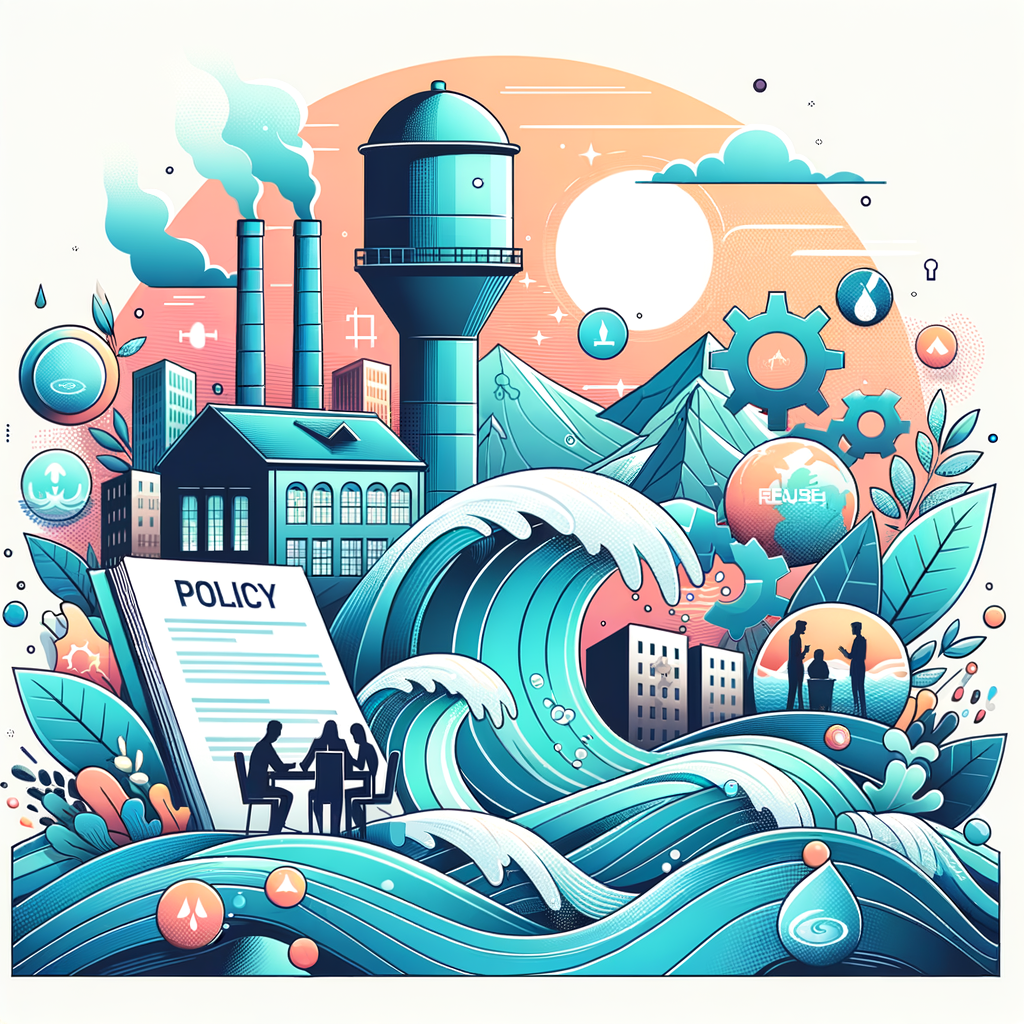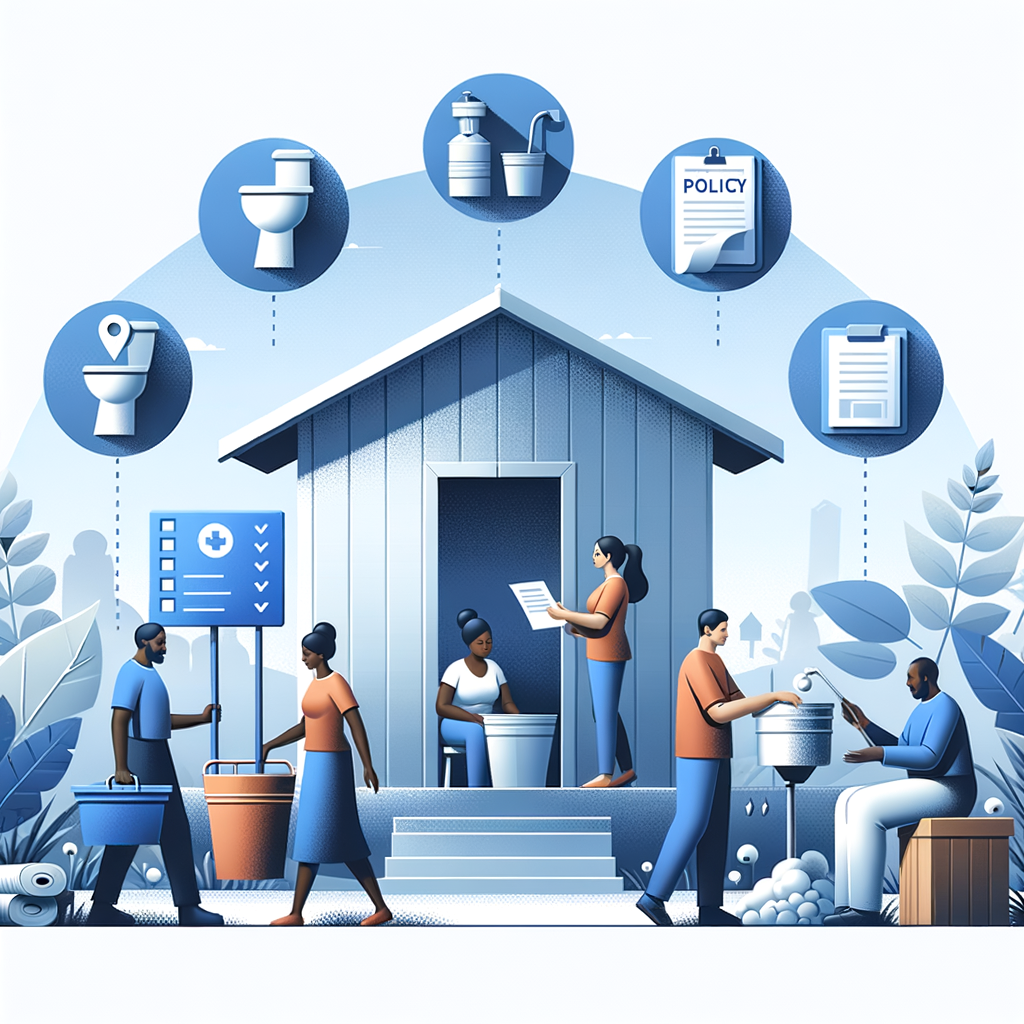
Ecological sanitation (EcoSan) is a sustainable, closed-loop sanitation system that not only treats human waste as a resource but also aims to mitigate environmental impact. With growing concerns about water scarcity, pollution, and health risks associated with improper waste management, EcoSan initiatives have become pivotal. To support these efforts, various legal frameworks have been established globally, aiming to create conducive environments that enable implementation and dissemination of EcoSan practices. Understanding these legal structures is crucial for stakeholders such as governments, NGOs, and communities who are working towards sustainable sanitation solutions.
The evolution of EcoSan legal frameworks is intertwined with the global environmental and public health policies. Advances in technology and increased awareness of ecological impacts have paved the way for various countries to adopt laws and regulations that not only allow, but also encourage, the implementation of ecological sanitation. These laws help to ensure that practices align with the country’s developmental goals while maintaining safety standards to protect public health. Additionally, international guidelines and conventions often influence national policies by providing frameworks that underscore ecological sustainability and human rights to adequate sanitation.
This article explores the essential legal frameworks that support EcoSan initiatives, highlighting their significance in promoting sustainable sanitation systems globally. By focusing on the evolution of these laws, the role of international guidelines, and how national policies are formulated, we aim to provide a comprehensive overview that serves not only as educational but also as a call to action for continuous support and implementation of ecological sanitation solutions.
Evolving Legal Frameworks for EcoSan
The legal frameworks that support EcoSan initiatives have evolved considerably over the past few decades. Initially, sanitation laws primarily focused on waste disposal and treatment, with limited emphasis on sustainability and ecological impact. However, as the concept of ecological sanitation gained traction, so too did the need for tailored legal provisions that recognized its unique applications and technologies. This evolution can be traced through changes in legislation, policy shifts, and the integration of EcoSan principles into broader environmental and health regulations.
At the core of these developments are amendments in waste management laws aimed at reducing environmental pollution and promoting resource recovery. Many countries have integrated EcoSan practices into national waste management strategies, recognizing the dual benefits of reducing pollution and recovering resources like water, energy, and nutrients. These laws often outline specific guidelines for the construction, operation, and maintenance of EcoSan systems, emphasizing safety, environmental standards, and cultural considerations.
A significant shift has been the increasing recognition of the human right to water and sanitation, underscored by international frameworks such as the United Nations Sustainable Development Goals (SDGs). The SDGs explicitly call for access to adequate and equitable sanitation for all, with a particular focus on sustainable practices. This has spurred countries to reassess their legislative landscapes, ensuring they include provisions that facilitate the deployment of EcoSan technologies that align with these international goals.
International Guidelines and Conventions
International guidelines and conventions play a pivotal role in shaping national legal frameworks supporting EcoSan initiatives. Organizations such as the World Health Organization (WHO), the United Nations Environment Programme (UNEP), and the United Nations Children’s Fund (UNICEF) have been instrumental in promoting sanitation solutions that are both sustainable and equitable. Their guidelines often provide the foundational basis for countries formulating their own policies and regulations.
The WHO Guidelines on Sanitation Safety Planning, for instance, offer a risk-based management approach that helps in evaluating and improving sanitation systems, including EcoSan. These guidelines ensure that ecological sanitation technologies adhere to health safety standards, thus protecting communities from potential hazards associated with improper waste handling. By emphasizing a risk management approach, the guidelines advocate for practices that are sensitive to the environmental and socio-economic contexts of sanitation.
Similarly, conventions such as the Stockholm Convention on Persistent Organic Pollutants have indirectly influenced EcoSan-related policies by underscoring the need for sustainable waste management practices that mitigate harmful environmental impacts. While not specific to sanitation, the principles of minimizing harmful residues and promoting cleaner technologies align with the objectives of ecological sanitation. Such international commitments place pressure on countries to adopt progressive policies that support sustainable sanitation initiatives comprehensively.
National Policy Formulation and Implementation
National policies form the backbone of EcoSan implementation, tailoring international guidelines to fit local contexts and priorities. Policymakers must consider diverse factors such as population density, climate, existing infrastructure, and cultural practices when formulating these policies. Successful national frameworks for EcoSan typically feature a multi-faceted approach, integrating environmental, health, and socio-economic considerations.
In terms of environmental regulations, many countries now classify human excreta as a resource rather than waste, aligning with the circular economy model. This classification facilitates the legal use of treated human excreta in agriculture, where it can serve as a valuable fertilizer substitute. Countries like Sweden and India have legislative frameworks that explicitly support the use of treated human waste as a resource, establishing guidelines for its safe application. These policies ensure sanitary practices while empowering communities to reap economic benefits from waste.
Health regulations also play a critical role, as they address potential risks associated with EcoSan systems. National health agencies work in tandem with environmental departments to ensure sanitation technologies meet safety standards and are culturally appropriate. This includes approving specific technologies for use, establishing standards for safe construction and operation, and implementing public health campaigns that educate people on the benefits and proper use of EcoSan facilities.
Socio-economic considerations are equally critical. Policies often include provisions to support low-income households and rural communities, where traditional sanitary infrastructure may be lacking. Subsidies, tax incentives, and funding programs are common approaches used to encourage the adoption of EcoSan systems. Moreover, public participation in policy formulation is encouraged to ensure that the solutions meet the specific needs and circumstances of local populations.
Case Studies and Regional Approaches
Examining specific case studies provides insight into how different countries have successfully integrated EcoSan into their legal frameworks. In Sweden, for instance, the Ecocycling Society has been a driving force in promoting legislation that supports the recycling of nutrients from sanitation systems. The Swedish model emphasizes decentralized sanitation, allowing municipalities to explore innovative EcoSan technologies that suit their specific needs and contexts.
In Africa, countries like Kenya and Uganda have embraced EcoSan as part of their strategies to improve rural sanitation. Legal frameworks in these regions often highlight the importance of using locally available materials and environmentally friendly designs. Policies support the construction of urine-diverting dry toilets and encourage the use of by-products as fertilizers to enhance soil fertility and agricultural productivity.
In Asia, China’s legal reforms on rural sanitation have included significant EcoSan components, reflecting a commitment to sustainable environmental management. The Chinese government has implemented policies that provide subsidies and technical support for the construction of high-efficiency EcoSan toilets, thus broadening access and acceptance among rural populations. Such initiatives are instrumental in driving national strategies aimed at improving rural sanitation conditions while promoting eco-friendly practices.
Challenges and Barriers
Despite their benefits, implementing EcoSan initiatives often faces several challenges. Regulatory hurdles can arise from outdated laws that do not recognize EcoSan or support its principles. Overcoming these barriers requires extensive advocacy and stakeholder engagement to reshape perceptions and update legal frameworks accordingly. Additionally, building capacity among local authorities and communities is crucial to ensure compliance with new regulations and standards.
Another significant challenge is financial. Initial investment costs for EcoSan systems can be prohibitive for some communities, even when long-term savings and benefits are considered. Legal frameworks must therefore include financial mechanisms such as subsidies and micro-loans that make these solutions accessible to all socioeconomic groups.
Furthermore, cultural acceptance is a barrier that cannot be overlooked. EcoSan systems often require changes in traditional sanitation practices, which can meet resistance in some communities. Thus, legal frameworks should incorporate educational campaigns and participatory approaches that involve communities in designing solutions that respect cultural sensitivities while promoting health and environmental benefits.
Conclusion
Effective legal frameworks are crucial in supporting EcoSan initiatives worldwide, acting as building blocks for sustainable sanitation solutions. As environmental, health, and socio-economic considerations drive the evolution of these frameworks, they ensure that EcoSan practices align with broader global sustainability goals. International guidelines provide a crucial foundation, influencing national policies that are tailored to specific local conditions.
To fully realize the potential of EcoSan systems, continuous refinement of legal frameworks is necessary, addressing evolving challenges such as regulatory hurdles, financial constraints, and cultural barriers. Country-specific case studies demonstrate the varied approaches to integrating EcoSan into national legislation, highlighting the benefits of systems designed to fit local needs and conditions. A combination of comprehensive legal support, financial incentives, and community participation is essential for the successful implementation and acceptance of EcoSan initiatives, ultimately contributing to a healthier, more sustainable future.
In essence, legal frameworks do more than simply facilitate the deployment of EcoSan technologies; they establish a mandate for sustainable development that respects both human needs and ecological limits. As global awareness increases and experiences accumulate, these frameworks must evolve, ensuring that ecological sanitation remains a viable and attractive option for addressing global sanitation challenges.
Frequently Asked Questions
1. What are EcoSan initiatives, and why are they important?
EcoSan, short for ecological sanitation, represents a paradigm shift from conventional sanitation systems to a more sustainable, environmentally-conscious approach. Unlike traditional methods that focus solely on the disposal of waste, EcoSan treats human waste as a valuable resource. This process involves safely treating and reusing waste products, creating a closed-loop system that contributes to food security, reduces water usage, and mitigates pollution. The importance of EcoSan initiatives lies in their potential to address multiple pressing issues—such as water scarcity, environmental degradation, and public health threats—especially in densely populated or water-stressed regions. By turning waste into an asset, these initiatives can significantly enhance sustainability and resilience within communities.
2. How do legal frameworks support the implementation of EcoSan initiatives?
Legal frameworks play a critical role in creating environments where EcoSan initiatives can thrive. These frameworks are designed to set standards, regulations, and guidelines that ensure EcoSan practices are safe, effective, and widely adopted. They support the deployment of EcoSan systems by providing clear guidelines for waste treatment and reuse, defining permissible limits for contaminants in compost and effluent, and ensuring compliance with health and safety standards. Additionally, legal frameworks often include incentives such as tax breaks, subsidies, or grants that encourage the adoption of EcoSan technologies. They also facilitate collaboration among stakeholders—including government bodies, NGOs, and private enterprises—by providing a structured, coherent policy environment that supports innovative sanitation solutions.
3. What are some global examples of legal frameworks that have supported EcoSan initiatives?
The legal landscape supporting EcoSan initiatives varies across different regions, with some countries leading the charge in adopting supportive measures. For instance, European countries like Sweden have integrated EcoSan into their agricultural practices through legislation that allows and encourages the use of human waste-derived fertilizers in agriculture, promoting nutrient recovery and soil health. In Africa, countries such as South Africa and Uganda have incorporated eco-friendly sanitation policies within their national water and sanitation strategies, recognizing the potential of EcoSan to contribute to water conservation and public health. Asian countries such as India and Nepal have also developed legal and regulatory mechanisms that support EcoSan, emphasizing the decentralized treatment of waste as part of broader efforts to improve sanitation infrastructure in rural and underserved areas.
4. What challenges do EcoSan initiatives face concerning legal regulations?
Despite the presence of supportive legal frameworks, EcoSan initiatives face several regulatory challenges that can impede their implementation. One major challenge is the lack of uniformity in regulatory standards across different jurisdictions, leading to inconsistencies and confusion among stakeholders about compliance requirements. Additionally, there may be resistance to change from communities or industries that rely on traditional sanitation methods, necessitating extensive advocacy and education to shift perceptions. Also, legal frameworks sometimes fail to keep pace with technological innovations in sanitation, which can result in outdated laws that stifle innovation. Furthermore, in some regions, there may be insufficient enforcement of existing regulations, leading to poor compliance and undermining the effectiveness of EcoSan systems.
5. How can individuals and communities participate in and benefit from EcoSan initiatives through legal frameworks?
Individuals and communities can play an active role in EcoSan initiatives by engaging with the legal frameworks in place. Understanding local sanitation laws and regulations is a vital first step, as this knowledge enables community members to advocate for EcoSan solutions that comply with legal standards. Participation in public consultations or local government meetings can provide a platform to influence policy-making and drive the adoption of EcoSan systems. Communities can also benefit from legal incentives designed to promote EcoSan practices, such as grants or subsidies for installing EcoSan toilets or composting systems. By leveraging these incentives, individuals can reduce the cost of implementing such sustainable sanitation solutions and contribute to broader environmental conservation goals. Additionally, by forming cooperatives or community groups, individuals can collectively work towards scaling up EcoSan initiatives, sharing knowledge, resources, and support to create a more sustainable future.