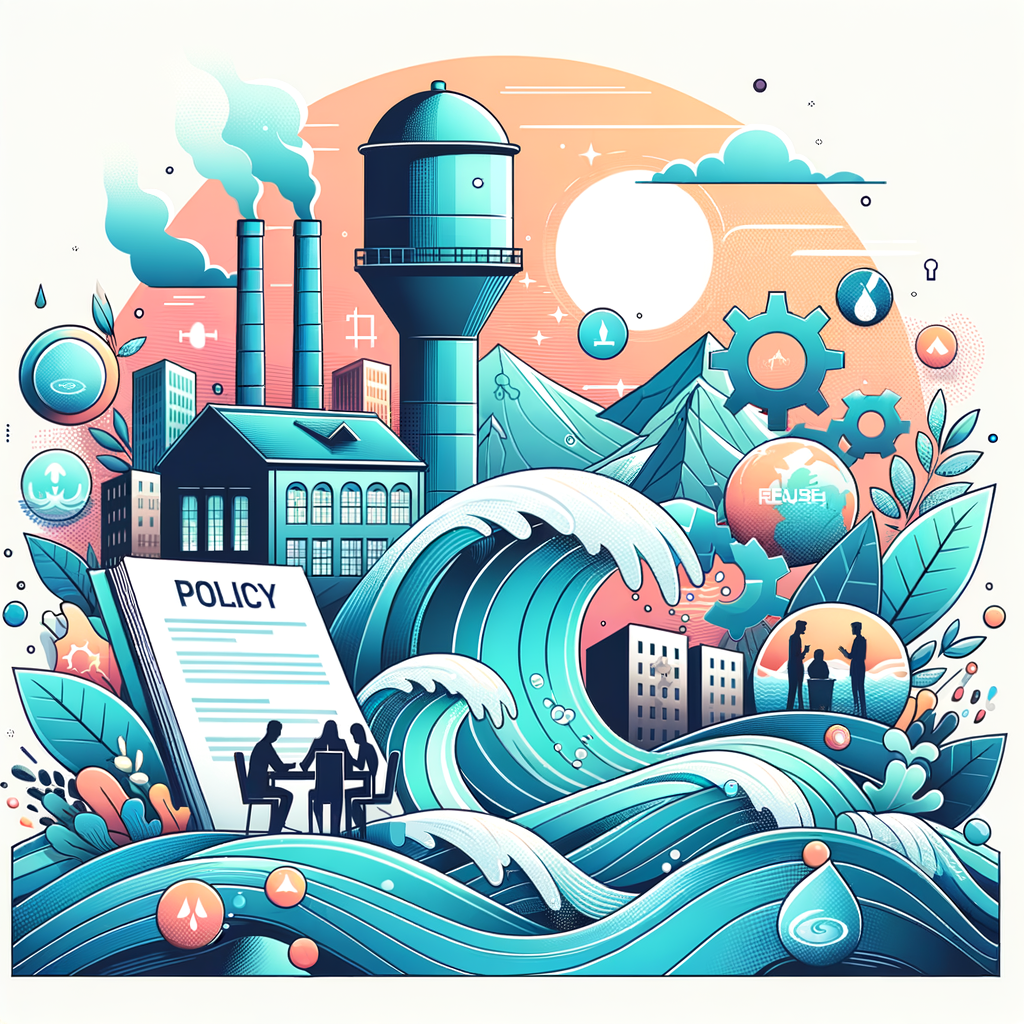
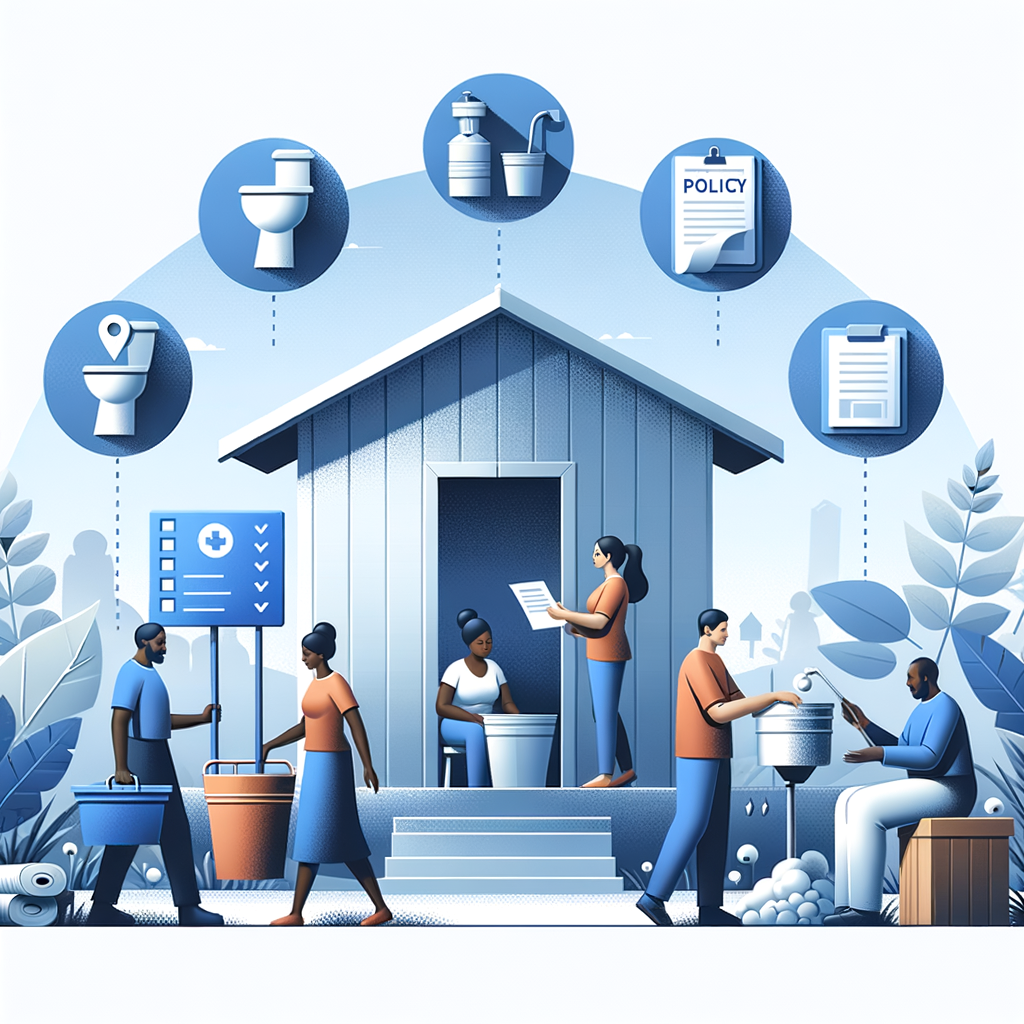
In a world increasingly aware of the environmental impacts of human activities, the importance of sustainable sanitation can’t be overstated. Ecological Sanitation (EcoSan) represents a forward-thinking approach to managing waste and water resources in a way that benefits both the environment and public health. This article delves into the crucial aspects of developing national policies for sustainable sanitation, emphasizing the need for comprehensive, adaptable, and inclusive strategies.
Understanding the EcoSan Approach
At its core, EcoSan is about viewing waste not as a problem, but as a resource. Traditional sanitation systems often lead to the wastage of water and potential nutrients, whereas EcoSan focuses on recycling these elements. By converting human waste into fertilizer and safely reusing wastewater, EcoSan systems turn a public health issue into an opportunity for sustainable agriculture and water conservation.
The Role of National Policies
The transition to sustainable sanitation practices requires more than just technological solutions; it necessitates a framework of supportive policies at the national level. These policies play a critical role in guiding and facilitating the adoption of EcoSan principles across various sectors.
Policy Objectives
Effective EcoSan policies should aim to:
- Promote Public Health and Environmental Protection: Ensuring the safe treatment and disposal of waste to prevent contamination and disease spread.
- Encourage Resource Recovery and Reuse: Facilitating the transformation of waste into valuable resources like compost and reclaimed water.
- Foster Innovation and Technology: Supporting research and development in sustainable sanitation technologies.
- Enhance Education and Awareness: Educating the public about the benefits and practices of EcoSan.
- Ensure Equity and Accessibility: Making sustainable sanitation accessible to all, regardless of socioeconomic status.
Key Components of Effective Sanitation Policies
Regulatory Framework
Establishing clear regulations and standards is essential for the effective implementation and monitoring of EcoSan practices. These regulations should cover aspects such as waste treatment processes, nutrient recovery methods, and the safe reuse of recycled products.
Financial Incentives
Governments can encourage the adoption of EcoSan through financial incentives like subsidies, grants, and tax breaks. These incentives can make sustainable sanitation solutions more attractive and affordable for both individuals and businesses.
Public-Private Partnerships
Collaboration between the public sector, private companies, and non-governmental organizations can lead to innovative sanitation solutions. These partnerships often combine public oversight with the efficiency and creativity of the private sector.
Community Engagement
Involving local communities in the planning and implementation of EcoSan projects ensures that the solutions are tailored to their specific needs and cultural contexts. Community engagement also fosters a sense of ownership and responsibility towards the sanitation facilities.
Capacity Building
Investing in the training and development of professionals in the sanitation sector is critical. This includes not just technical training but also education in areas like project management and community outreach.
Case Studies: Success Stories and Lessons Learned
Looking at successful EcoSan initiatives around the world can provide valuable insights. For instance, Sweden’s implementation of urine-diverting dry toilets and the subsequent use of urine as a fertilizer in agriculture is a notable example. This initiative demonstrates the importance of innovative technology, public awareness campaigns, and government support in the success of sustainable sanitation policies.
Another example is the community-led total sanitation movement in Bangladesh, which emphasizes the role of community engagement and behavioral change in improving sanitation practices.
Overcoming Challenges
While the benefits of EcoSan are clear, several challenges can impede the development and implementation of effective national policies:
- Public Resistance: Changing long-standing habits and perceptions about waste can be difficult. Continuous education and demonstration of the benefits of EcoSan are vital in overcoming this resistance.
- Funding Constraints: Developing and implementing EcoSan solutions often require significant investment. Governments must prioritize funding for sanitation and seek innovative financing solutions.
- Technological Barriers: In some regions, the lack of appropriate technology or expertise can hinder the adoption of EcoSan practices. International collaboration and knowledge sharing can help address these gaps.

As we dive deeper into the subject of developing national policies for sustainable sanitation, it’s vital to understand that this journey is not just about infrastructure and technology; it’s about fostering a cultural shift towards valuing and preserving our environment. The following sections further elaborate on critical aspects of this process.
Integrating EcoSan into Existing Infrastructure
One of the biggest challenges in promoting EcoSan is integrating it into existing sanitation systems. This integration requires:
- Assessment of Current Systems: Understanding the current state of sanitation infrastructure is crucial. This helps in identifying potential areas for EcoSan implementation.
- Phased Implementation: Gradually introducing EcoSan components, such as greywater recycling or composting toilets, can make the transition smoother and more manageable.
- Retrofitting Techniques: Developing methods to retrofit existing sanitation systems with EcoSan technologies can provide a cost-effective way to enhance sustainability.
Policy Framework for Urban and Rural Areas
The needs of urban and rural areas differ significantly when it comes to sanitation. Therefore, policies must be tailored accordingly:
- Urban Focus: In densely populated cities, space constraints and high volumes of waste pose unique challenges. Policies should focus on space-efficient technologies and the efficient management of sewage systems.
- Rural Emphasis: In rural areas, the emphasis should be on low-cost, low-tech solutions that can be easily maintained by local communities.
Monitoring and Evaluation
To ensure the effectiveness of EcoSan policies, a robust system of monitoring and evaluation is essential. This system should:
- Track Progress: Regularly assessing the implementation of EcoSan initiatives helps in understanding their impact and identifying areas for improvement.
- Gather Data: Collecting data on key indicators such as public health, environmental impact, and user satisfaction is critical for policy refinement.
- Engage Stakeholders: Feedback from all stakeholders, including the public, sanitation workers, and policymakers, should be incorporated into the evaluation process.
Scaling Up and Replication
Successful EcoSan projects can serve as models for replication and scaling up. This process involves:
- Documenting Best Practices: Sharing detailed case studies and lessons learned encourages the adoption of successful models.
- Customization: Adapting the successful models to suit different cultural, environmental, and economic contexts is vital for wider applicability.
- Building Partnerships: Collaborating with international organizations, NGOs, and the private sector can facilitate the scaling up of EcoSan projects.
The Way Forward: A Call to Action
Developing national policies for sustainable sanitation is not just a task for governments; it requires the active participation of all sectors of society. Here are some actions that various stakeholders can take:
- Governments: Lead the way by setting ambitious but achievable targets for sustainable sanitation, providing necessary funding, and creating an enabling environment through supportive policies and regulations.
- Private Sector: Innovate and invest in sustainable sanitation technologies and services. Collaborate with governments and communities to implement these solutions.
- NGOs and Civil Society: Advocate for EcoSan, educate the public, and mobilize communities to participate in sustainable sanitation initiatives.
- Individuals: Embrace and practice sustainable sanitation habits. Demand and support EcoSan solutions in your communities.
Conclusion
The journey towards developing national policies for sustainable sanitation is not a sprint but a marathon. It requires persistence, collaboration, and innovation. By embracing the principles of EcoSan and committing to these sustainable practices, we can ensure a healthier, more resilient, and environmentally sound future. Let’s not see sanitation as a challenge but as an opportunity to revitalize our relationship with the environment. Together, we can create a world where sustainable sanitation is not just an aspiration but a reality for all.