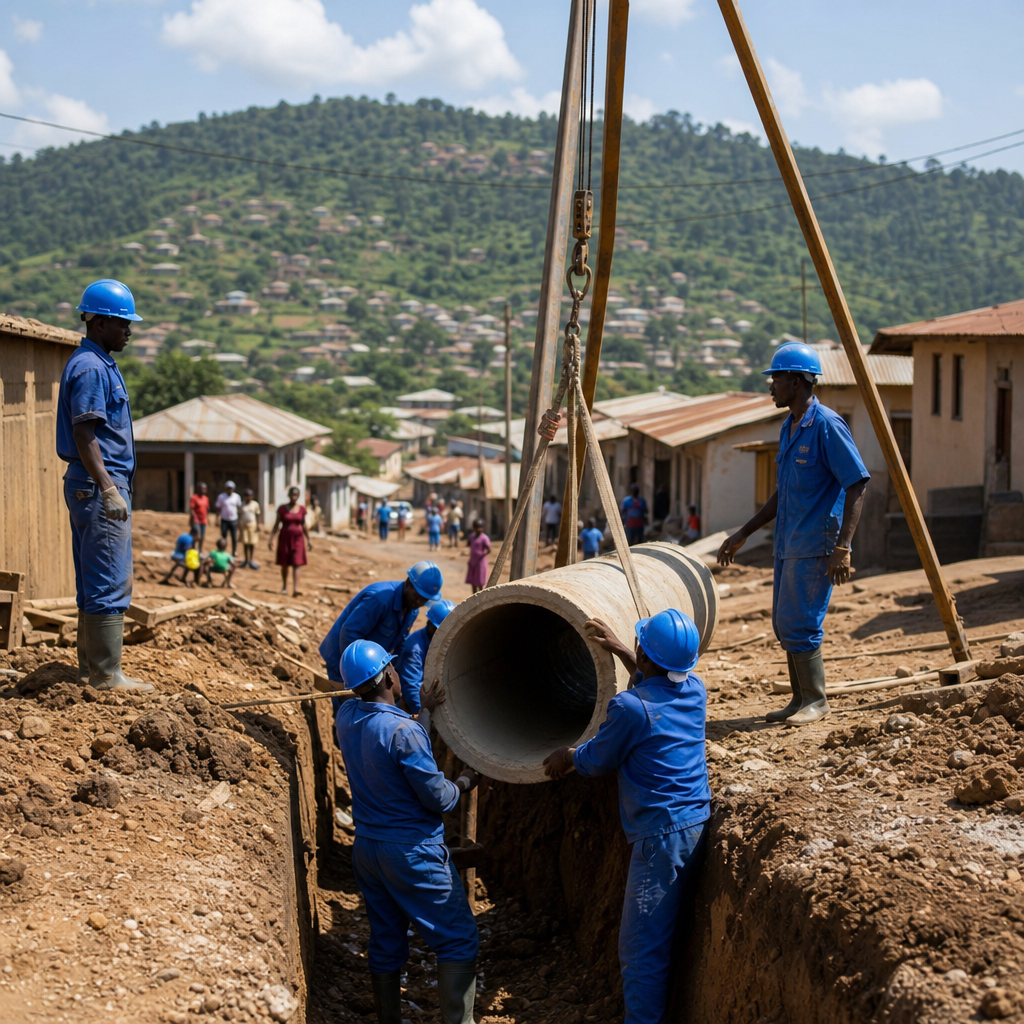
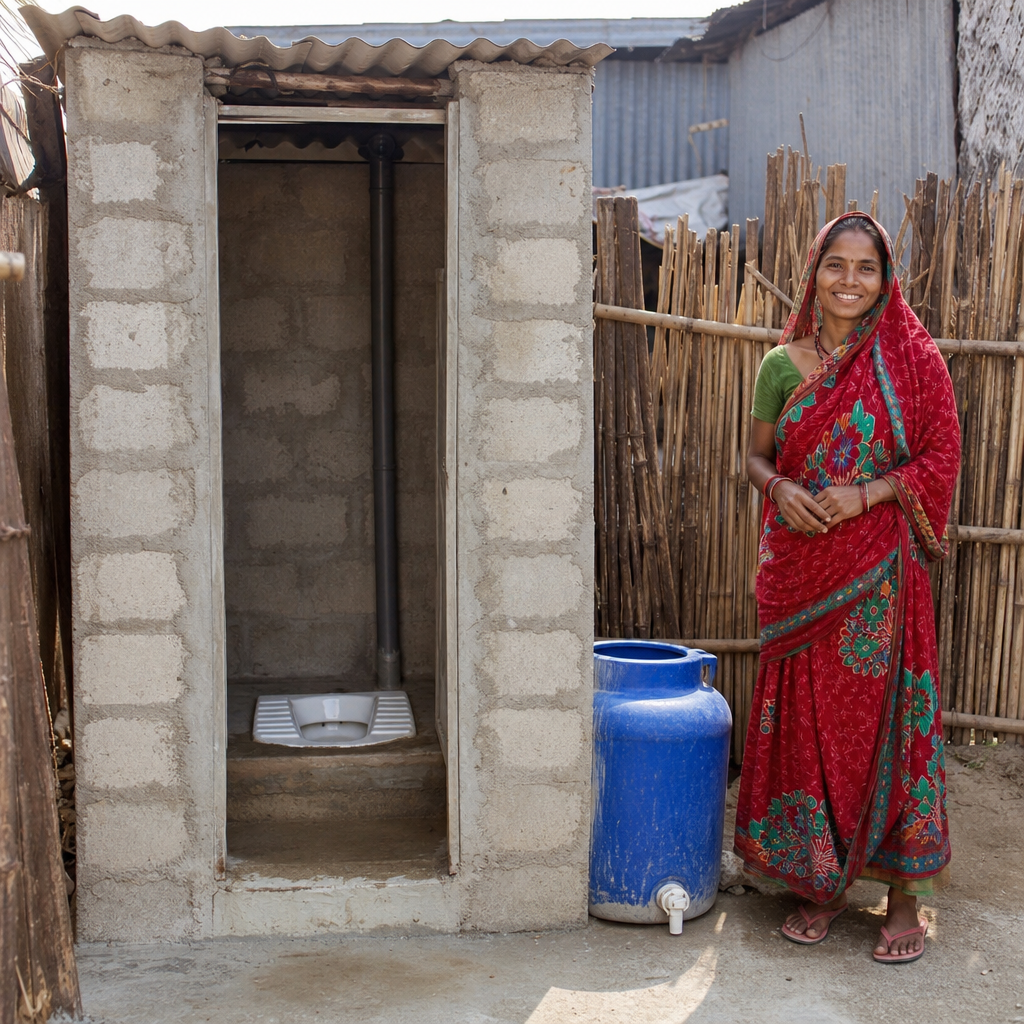
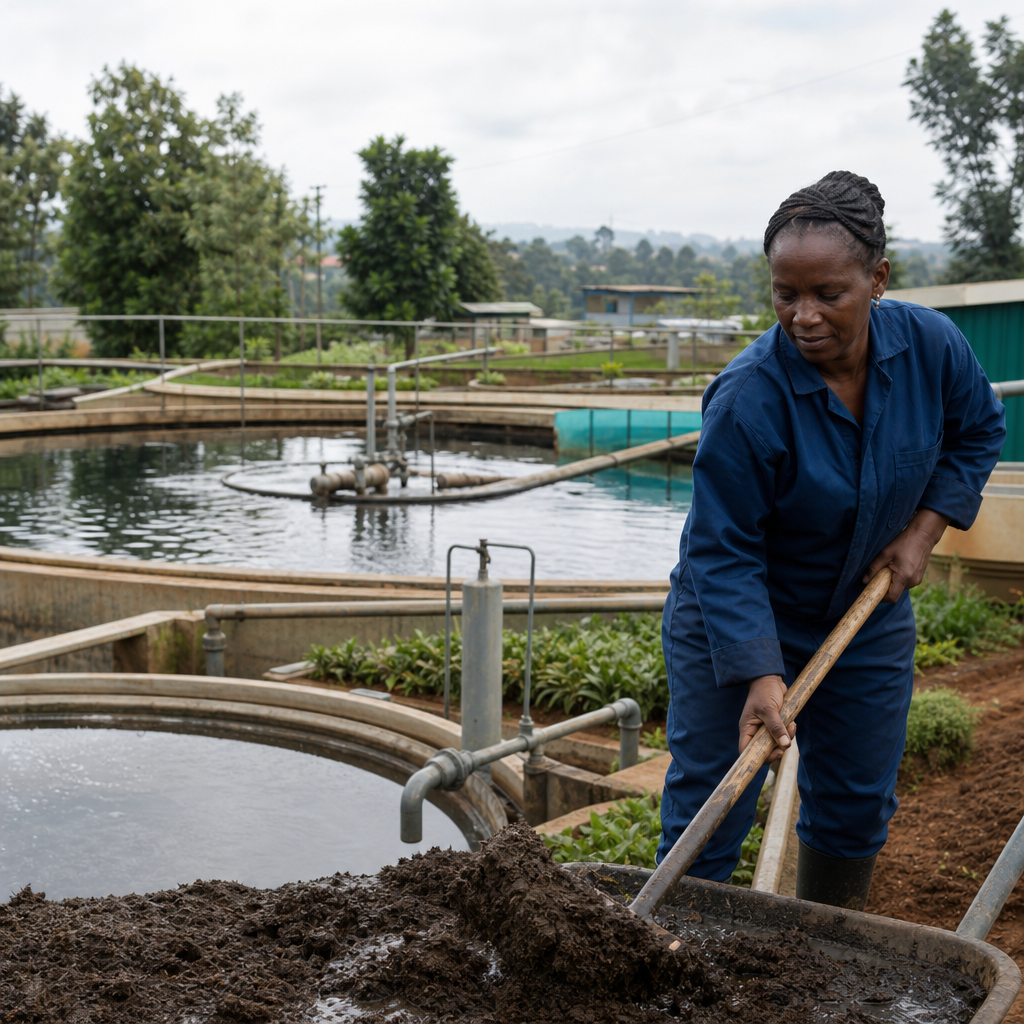
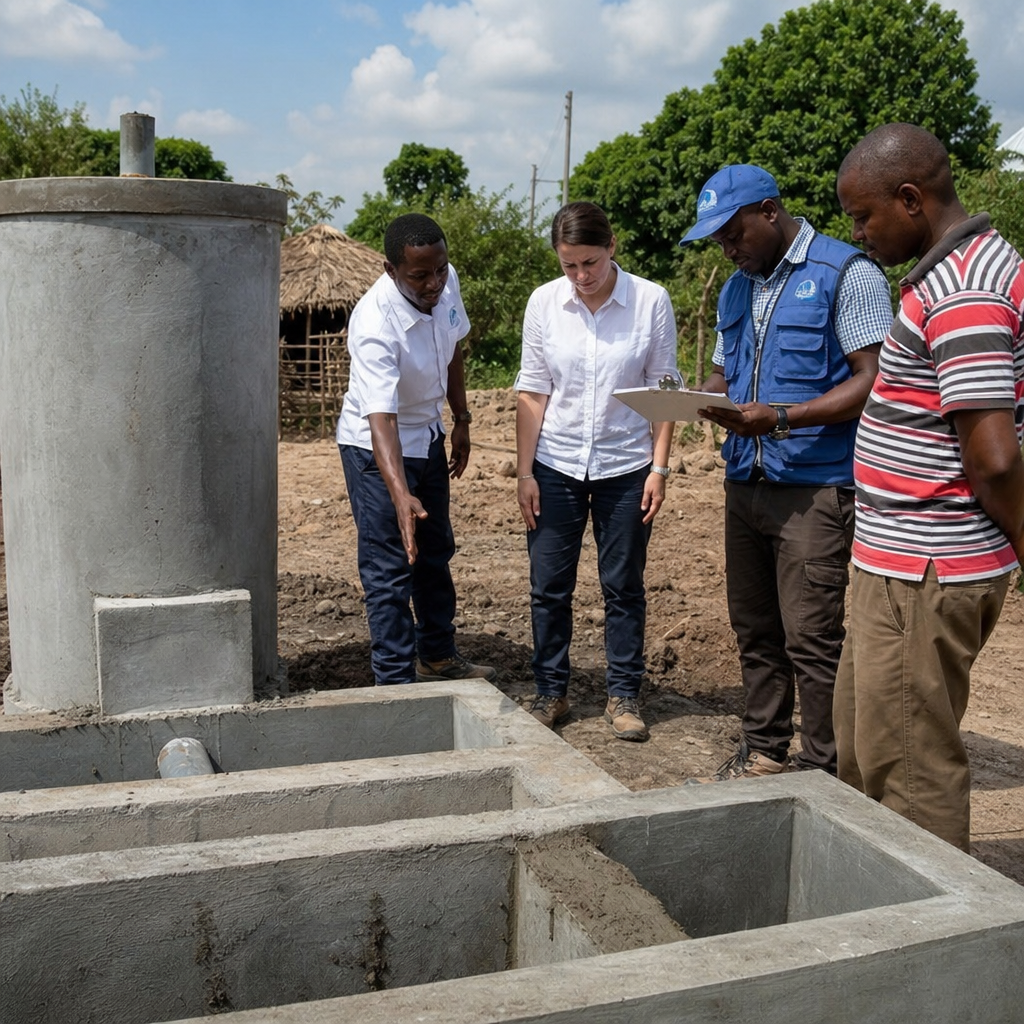
Sanitation and economic equity are tightly linked because access to safe toilets, wastewater management, and nutrient recovery shapes health costs, labor productivity, land values, and public budgets. In the context of ecological sanitation, often shortened to EcoSan, economic sustainability means designing sanitation systems that remain affordable to build, operate, maintain, and replace while also generating long term social and environmental value. I have worked on sanitation planning where the biggest lesson was simple: a technically elegant toilet fails if households cannot pay for upkeep, local governments cannot finance service chains, or recovered resources have no dependable market. This matters especially in low income and rapidly urbanizing areas, where conventional sewer expansion is often too expensive, too water intensive, or too slow to reach underserved communities. A strong EcoSan strategy can narrow inequity by reducing disease, creating local jobs, recovering fertilizer, and lowering lifecycle costs, but only when finance, governance, and community demand are treated as core design criteria rather than afterthoughts.
Why economic sustainability sits at the center of EcoSan
Economic sustainability in EcoSan is the ability of a sanitation model to deliver reliable service over decades without depending on unrealistic subsidies or collapsing when donor support ends. That definition includes household affordability, utility or municipal cost recovery, supply chain resilience, and the value of recovered outputs such as compost, dried sludge, urine derived fertilizer, biogas, and treated water. The World Health Organization has repeatedly shown that poor sanitation drives medical spending and lost income through diarrheal disease, helminth infections, stunting, and school absenteeism. The World Bank has estimated sanitation related losses in some countries at several percentage points of gross domestic product when healthcare costs, productivity losses, and environmental damage are combined.
EcoSan changes the economic equation by treating human waste as a resource stream rather than only a disposal problem. Urine diversion dehydration toilets, container based sanitation, decentralized wastewater treatment, composting systems, and fecal sludge treatment plants can all reduce dependence on water intensive sewers and centralized treatment. Yet these systems do not become equitable automatically. If emptying fees are too high, poor households delay service and public health risk rises. If compost quality is inconsistent, farmers will not buy it. If women and informal settlement residents are excluded from siting and tariff decisions, adoption falls. In practice, the most durable projects align incentives across households, service providers, local governments, farmers, and regulators.
How sanitation inequity becomes an economic trap
Sanitation inequity is not just unequal access to a toilet. It is an unequal distribution of disease exposure, time burden, safety risk, and financial stress. Households without safe sanitation often pay more per unit of service through pay per use toilets, informal pit emptying, medical expenses, and lost workdays. Women and girls carry a disproportionate burden because inadequate sanitation reduces school attendance, increases unpaid care work, and exposes them to harassment when facilities are distant or unsafe. In dense settlements, landlords may underinvest because tenants have weak bargaining power, while municipalities hesitate to spend where tenure is informal. The result is a classic poverty trap: low service quality undermines health and income, which then reduces ability to pay for better service.
I have seen this in peri urban neighborhoods where households rejected a low monthly service fee not because they opposed improved sanitation, but because payment schedules did not match irregular incomes. Daily wage workers often manage cash in weekly cycles, and sanitation billing designed like a utility bill can miss that reality. Economic equity improves when financing instruments fit lived cash flow. Flexible payment options, targeted subsidies, shared facilities with strong maintenance contracts, and performance based support for operators can make safe sanitation materially cheaper than the status quo once full costs are counted.
Lifecycle costing shows what affordable really means
The fastest way to misjudge EcoSan economics is to compare only upfront construction costs. Real affordability comes from lifecycle costing, which includes capital expenditure, operations and maintenance, major repairs, emptying and transport, treatment, reuse processing, monitoring, and eventual replacement. A urine diverting dry toilet may be cheaper to install than a sewer connection in water scarce regions, but if spare parts are unavailable or household training is weak, maintenance costs rise and performance drops. Conversely, a septic tank may look affordable initially yet become expensive when desludging is infrequent, drains clog, and groundwater contamination forces health and water treatment costs onto the community.
Practitioners often use service chain mapping and lifecycle cost analysis to test options before scaling. The goal is to identify who pays, when they pay, and what value they receive. This discipline reveals hidden inequities. Low income communities are commonly offered technologies with low capital cost but high user management burden. That is not equitable if the burden includes frequent handling, inconsistent supply of cover material, or expensive transport to treatment sites. Sustainable EcoSan models distribute costs across stakeholders in proportion to benefits. Municipalities may support treatment infrastructure because environmental compliance benefits the whole city, while households pay manageable service fees and farmers pay for verified soil amendments.
Business models that can support equitable EcoSan services
No single business model fits every settlement pattern, but several have proven workable when matched to context. Fee for service collection works in container based sanitation where households pay a regular pickup fee and waste is transported to treatment. Franchise models can help standardize maintenance and branding for public or shared toilets. Cross subsidized tariffs allow higher income users, commercial customers, or industrial wastewater generators to support service for poorer households. Public private partnerships can finance treatment infrastructure while local enterprises handle collection and reuse. Results improve when contracts specify service quality, occupational safety, and outlet markets for end products.
Resource recovery can strengthen revenue, but it rarely covers all costs on its own. Compost sales depend on nutrient content, moisture, pathogen reduction, packaging, transport distance, and competition from synthetic fertilizers. Biogas projects require steady feedstock, gas handling equipment, and end users willing to pay for fuel or electricity. Reclaimed water can create value in agriculture, landscaping, or industry, but quality standards and pipeline logistics matter. The strongest financial plans treat reuse revenue as one part of a diversified income mix rather than a miracle solution.
| Model | Main revenue source | Best fit | Equity consideration |
|---|---|---|---|
| Container based sanitation | Household service fees plus subsidies | Dense low income urban areas | Flexible payments prevent exclusion |
| Urine diversion with compost sales | User payments and agricultural reuse | Water scarce rural or peri urban areas | Training lowers household labor burden |
| Shared or public toilet franchise | User fees, advertising, municipal support | Markets, transport hubs, informal settlements | Pricing must not penalize frequent users |
| Fecal sludge treatment with reuse | Tipping fees and biosolids sales | Towns using pits and septic tanks | Regulation protects nearby communities and workers |
Financing tools that narrow the affordability gap
Equitable sanitation finance blends household contributions, public funding, concessional capital, and targeted support. Output based aid can reimburse providers after verified connections or service delivery, reducing the risk of paying for infrastructure that is never used. Microfinance can help households spread toilet construction costs, but loan design must reflect sanitation’s indirect cash return; borrowers benefit through lower health costs and convenience rather than immediate income. Results based financing has worked for fecal sludge operators when payments are tied to safe discharge at licensed treatment plants. Municipal sanitation taxes, land value capture, and climate related funds can also play a role where EcoSan reduces methane emissions, protects aquifers, or conserves water.
Subsidies are often necessary and economically rational. The key question is not whether to subsidize, but what to subsidize. Smart subsidies target the public goods in sanitation: disease control, environmental protection, and equitable access. In my experience, subsidizing treatment infrastructure, quality assurance, and services for the poorest households usually outperforms blanket hardware subsidies. Blanket subsidies can distort markets, reduce maintenance responsibility, and crowd out local enterprises. Well designed support uses clear eligibility rules, transparent procurement, and regular review so public money expands access without weakening long term service viability.
Market development for recovered resources
Economic sustainability in EcoSan depends heavily on whether recovered products meet real market demand. Farmers do not buy compost because a project brochure praises circularity; they buy when the product improves yields, soil structure, or water retention at a competitive delivered cost. That requires consistent processing, pathogen reduction, nutrient testing, and credible labeling. Standards from organizations such as the International Organization for Standardization and guidance from the Food and Agriculture Organization help frame quality and safety expectations, but local regulation and buyer confidence are decisive. Demonstration plots, bulk purchase agreements, and partnerships with farmer cooperatives can shorten the trust gap.
Urine derived fertilizers show promise because urine contains a large share of household nitrogen and potassium. Technologies that stabilize urine and produce concentrated fertilizers can reduce transport costs and improve marketability. However, adoption depends on farmer familiarity, extension support, and regulations for nutrient products. Compost and biosolids may be more accepted where organic matter depletion is severe, as in many intensively farmed soils. I have seen stronger uptake when sanitation enterprises stop selling abstract sustainability and start selling agronomic performance with simple evidence: nutrient analysis, field trial results, crop specific guidance, and side by side yield comparisons.
Governance, labor, and inclusion determine whether systems last
Even well financed EcoSan systems fail without clear governance. Responsibilities for containment, collection, transport, treatment, reuse, inspection, and complaint response must be explicit. Utilities, environmental agencies, health departments, and local governments often share pieces of the chain, and gaps between them create expensive failures. Worker protections are equally central to economic equity. Sanitation labor has historically been underpaid and dangerous. Mechanized emptying, personal protective equipment, vaccination, training, and formal contracts reduce illness, injuries, and turnover while improving service quality. These are not optional social add ons; they are operating requirements.
Inclusion also affects revenue stability. Facilities that ignore menstrual hygiene management, disability access, privacy, or cultural preferences are underused. Data should be disaggregated by income, gender, tenure status, and settlement type so planners can see who is still excluded. The most successful programs I have worked with built customer feedback into contracts and adjusted service frequency, payment methods, and communication channels accordingly. As this hub expands, readers should explore related articles on lifecycle costing, fecal sludge management, nutrient recovery markets, tariff design, and municipal sanitation finance to move from strategy to implementation.
Bridging the gap between sanitation and economic equity requires viewing EcoSan as a service economy, not a construction project. Sustainable systems protect health, save water, recover nutrients, create dignified jobs, and reduce long term public costs, but they do so only when affordability, market demand, governance, and inclusion are designed into the model from the start. The strongest hub lesson is practical: count full lifecycle costs, match finance to household cash flow, build credible markets for recovered products, and protect workers and users through clear standards. EcoSan can be economically sustainable, but only when circular value is paired with reliable service delivery and fair access. Use this hub as your starting point, then map each article in the subtopic to your own context so policy, investment, and operations reinforce one another.
Frequently Asked Questions
Why is sanitation considered a major economic equity issue?
Sanitation is an economic equity issue because unequal access to safe toilets, wastewater treatment, drainage, and fecal sludge management creates unequal financial burdens across communities. Households without reliable sanitation often pay more in hidden ways: they face higher medical expenses from preventable disease, lose wages when adults miss work, and see children miss school due to illness or lack of safe facilities. These costs are especially severe for low income families, renters, informal settlement residents, and rural households, who typically have the least ability to absorb unexpected expenses. In practice, poor sanitation does not just reflect poverty; it can deepen it over time.
At the public level, inadequate sanitation also strains local budgets. Municipalities and health systems must spend more responding to outbreaks, environmental contamination, and infrastructure failures that could have been prevented through better planning and maintenance. Businesses are affected as well, since worker health, tourism, local property values, and investor confidence all depend on basic environmental services functioning properly. When sanitation systems are unevenly distributed or badly maintained, the economic benefits of development are concentrated in some neighborhoods while the costs are shifted onto others. That is why sanitation policy is not only about public health or infrastructure engineering. It is also about fair distribution of opportunity, cost, risk, and long term community wealth.
How does ecological sanitation support both affordability and long term economic sustainability?
Ecological sanitation, or EcoSan, supports economic sustainability by treating sanitation not as a one way disposal system but as a resource management system. Instead of focusing only on removing waste, EcoSan approaches seek to safely recover water, nutrients, and organic matter where appropriate. This can reduce pressure on centralized treatment systems, lower operating costs in areas where sewer expansion is prohibitively expensive, and create local value through nutrient recovery for agriculture or landscaping. In places where conventional sewerage is financially unrealistic, decentralized or source separating systems may offer a more practical path to safe service coverage.
Affordability, however, is not just about low construction cost. A sanitation system is only economically sustainable if households, service providers, and municipalities can afford to operate, maintain, repair, and eventually replace it. EcoSan systems can perform well on this front when they are matched to local conditions, user preferences, climate, land availability, and institutional capacity. For example, a system that is cheap to install but requires complex upkeep, unreliable supply chains, or intensive user behavior changes may fail economically in the long run. By contrast, a well designed EcoSan solution can lower lifecycle costs, reduce pollution cleanup expenses, extend the value of local water resources, and generate measurable environmental and social returns. The key is planning for the full cost and full value of the system over time, not just the initial capital investment.
What are the main economic consequences when communities lack safe sanitation?
The economic consequences of inadequate sanitation are broad and cumulative. The most immediate impact is on health. Unsafe sanitation contributes to diarrheal disease, parasitic infections, undernutrition, and environmental contamination, all of which raise household healthcare spending and reduce productivity. Workers who are sick or caring for sick family members lose income. Children who miss school may face long term setbacks in educational attainment and earning potential. Women and girls are often affected in additional ways when sanitation facilities are unsafe, distant, or unavailable, including lost time, reduced mobility, and increased risks to dignity and personal safety.
There are also important effects on land and infrastructure value. Neighborhoods with poor drainage, unmanaged wastewater, or open defecation often experience lower property values, reduced business activity, and weaker public investment. Agricultural areas can suffer when water sources are contaminated, while urban areas may incur high emergency costs from flooding, blocked drains, or overburdened treatment systems. Over time, these conditions create a cycle in which already marginalized communities become less attractive for investment and more expensive to serve reactively. Safe sanitation interrupts that cycle by reducing avoidable losses and creating a foundation for healthier labor markets, stronger local commerce, and more resilient public finances.
How can sanitation planning be designed to reduce inequality rather than reinforce it?
Sanitation planning reduces inequality when it begins with the realities of who is underserved, who bears the highest costs, and who is usually excluded from infrastructure decisions. Too often, sanitation investments favor areas that are easiest to serve or most politically visible, while low income settlements, peri urban zones, renters, and remote communities remain dependent on unsafe or informal solutions. An equity focused approach starts by mapping service gaps, health risks, affordability constraints, land tenure challenges, and the needs of different users, including women, children, older adults, and people with disabilities. This kind of planning recognizes that one standard model will not fit every neighborhood or income group.
Good sanitation planning also looks beyond construction to governance and service delivery. Subsidies may be needed for the poorest households, but they should be structured carefully so systems remain functional and providers remain accountable. Tariffs, emptying services, maintenance responsibilities, and replacement funding all need to be realistic. In many settings, the most equitable solution is a mix of technologies and management models rather than a single networked approach. Decentralized systems, communal facilities with strong operations plans, fecal sludge management services, and resource recovery models can all play a role when integrated properly. The most successful plans are those that align technical design with affordability, local institutions, and long term maintenance, so underserved communities receive not just infrastructure on paper but reliable sanitation in daily life.
What should policymakers and local leaders prioritize when investing in sanitation for economic equity?
Policymakers and local leaders should prioritize lifecycle value, universal access, and institutional reliability. That means evaluating sanitation investments based not only on upfront construction cost, but also on operating expenses, maintenance requirements, replacement cycles, financing structure, environmental performance, and social impact. Investments should target the places where poor sanitation creates the highest health and economic losses, especially low income and historically neglected communities. This is where sanitation spending often delivers the greatest return in reduced disease burden, stronger productivity, and lower long term public costs.
Leaders should also prioritize the less visible parts of the sanitation chain. Toilets matter, but so do collection, transport, treatment, reuse, and safe final disposal. Systems fail when one link is ignored. Strong policy therefore includes service standards, monitoring, operator training, maintenance budgets, and clear accountability between households, utilities, private providers, and local governments. Where ecological sanitation is appropriate, leaders should support models that safely recover nutrients and water while remaining affordable and manageable for users and institutions. In the end, equitable sanitation investment is not just about building facilities. It is about building durable systems that protect health, expand economic opportunity, reduce environmental damage, and distribute the benefits of development more fairly across society.