The economics of sanitation in developing countries is not only a public health issue; it is a core question of productivity, household resilience, municipal finance, and long-term environmental stability. When I have worked on sanitation planning with local utilities, NGOs, and municipal officers, the same pattern appears repeatedly: toilets, collection systems, treatment services, and reuse markets are often discussed as technical projects, yet their success is determined by economics. Sanitation economics examines who pays, who benefits, how value is created, and whether services can endure without constant emergency subsidy. In the context of ecological sanitation, often shortened to EcoSan, the central idea is that human waste is not merely a disposal problem but a resource stream that can yield nutrients, water savings, energy, and soil benefits if managed safely. Economic sustainability in EcoSan means systems can cover operating costs, attract investment, deliver measurable social returns, and remain affordable for users while protecting health and ecosystems. This matters because unsafe sanitation still imposes heavy costs through diarrheal disease, stunting, lost school time, environmental contamination, reduced tourism, and weaker labor productivity. The World Health Organization has long shown that investments in water and sanitation generate returns through avoided illness and time savings, but those returns are not automatic. They depend on design choices, institutions, pricing, behavior, and local markets for by-products such as compost, urine-derived fertilizer, and biogas. A hub article on this subtopic must therefore connect household decisions, business models, public policy, agricultural demand, and climate resilience into one coherent economic picture.
Why sanitation is an economic system, not just infrastructure
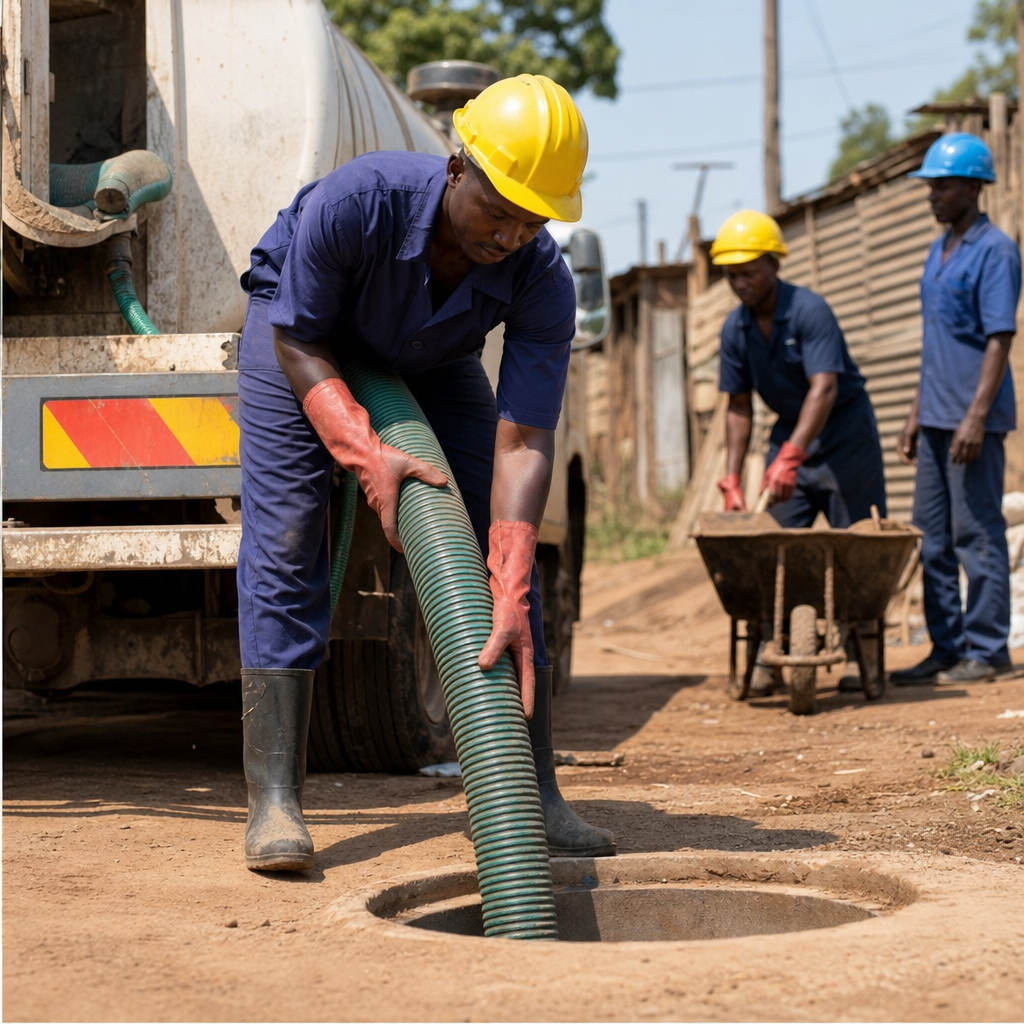
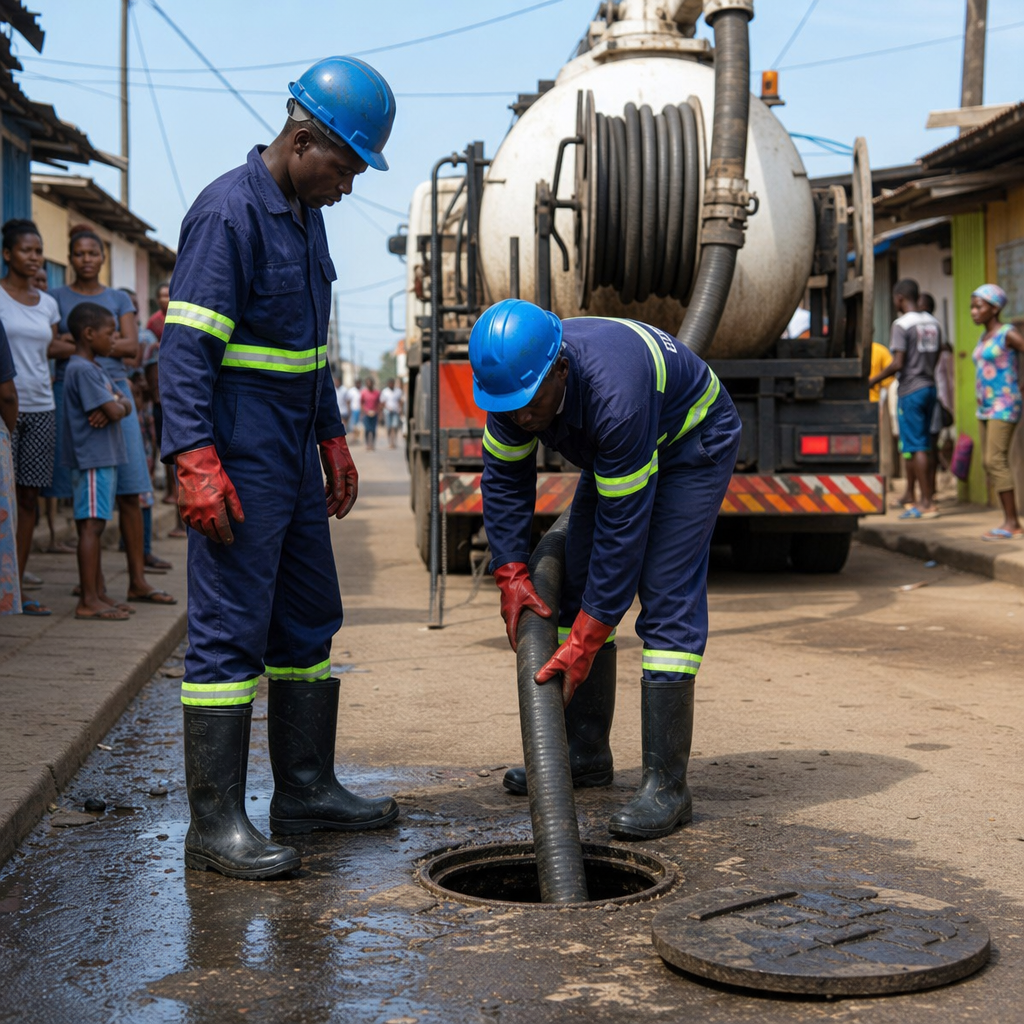
Sanitation in developing countries includes the full service chain: containment, emptying, transport, treatment, reuse, and final disposal. Economically, failure at any point destroys value elsewhere. A well-built urine-diverting dry toilet does not produce sustainable outcomes if users cannot access maintenance services, if transport is too costly, or if treated outputs have no market. Likewise, a sewer network can appear modern while operating at a loss because tariffs recover only a fraction of power, labor, and maintenance costs. In my experience, the most durable sanitation programs are designed as service systems with cash flows, incentives, and accountability, not as one-time construction campaigns.
The basic economic case for sanitation has three layers. First, there are private benefits: convenience, dignity, reduced medical spending, lower time costs, and in some cases fertilizer or energy value. Second, there are public benefits: reduced disease transmission, cleaner groundwater, lower flood contamination, and improved neighborhood livability. Third, there are wider economic spillovers: stronger school attendance, more reliable worker output, higher land values, and reduced pressure on overburdened health systems. Because many gains are public rather than private, households rarely invest at the socially optimal level on their own. That gap explains why sanitation often needs a blend of user payments, public finance, and targeted support.
Understanding economic sustainability in EcoSan
Economic sustainability in EcoSan means more than recovering money from waste. It means a sanitation model can continue delivering safe service over many years without depending on unrealistic donor assumptions. A financially sustainable EcoSan system typically has predictable costs, clear ownership of assets, defined maintenance routines, trained operators, user acceptance, and verified demand for recovered products. It must also comply with health safeguards. Reuse that is unsafe may create short-term sales but long-term economic damage through disease and loss of trust.
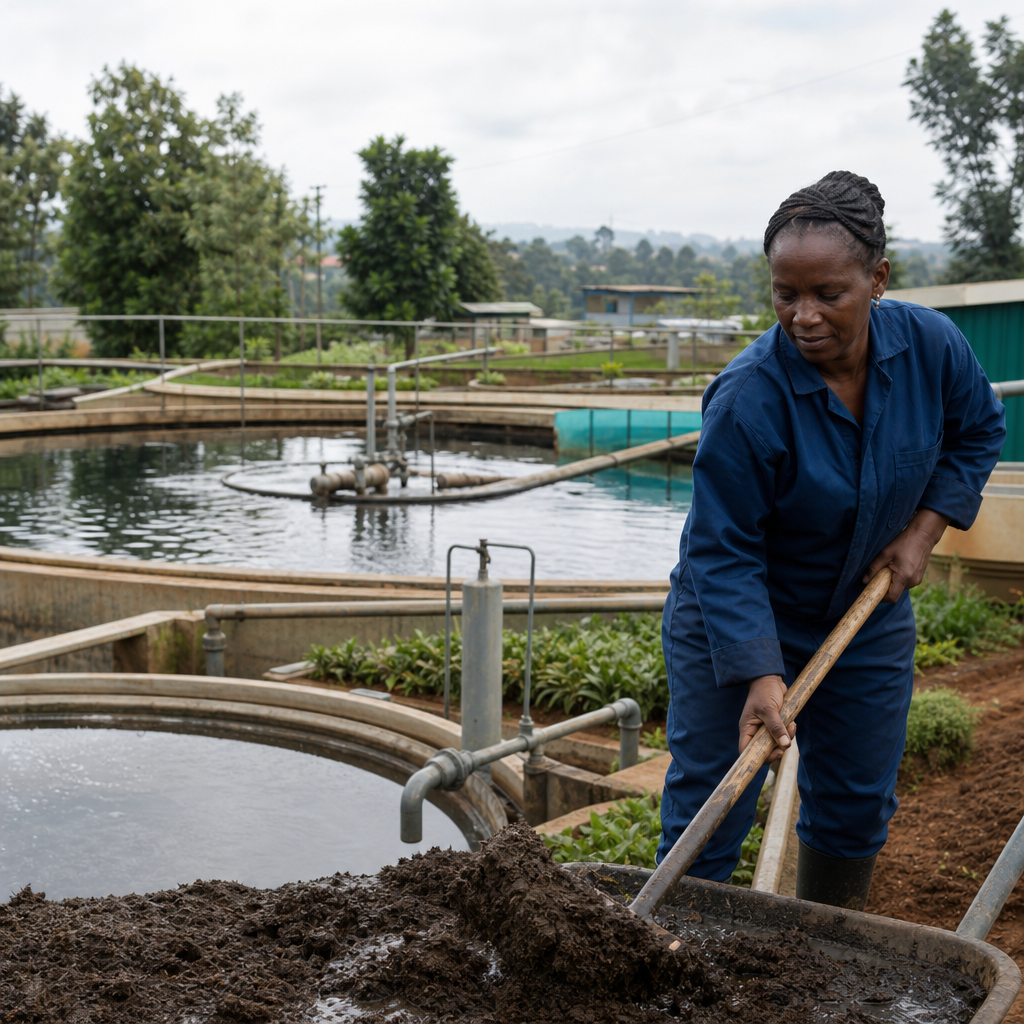
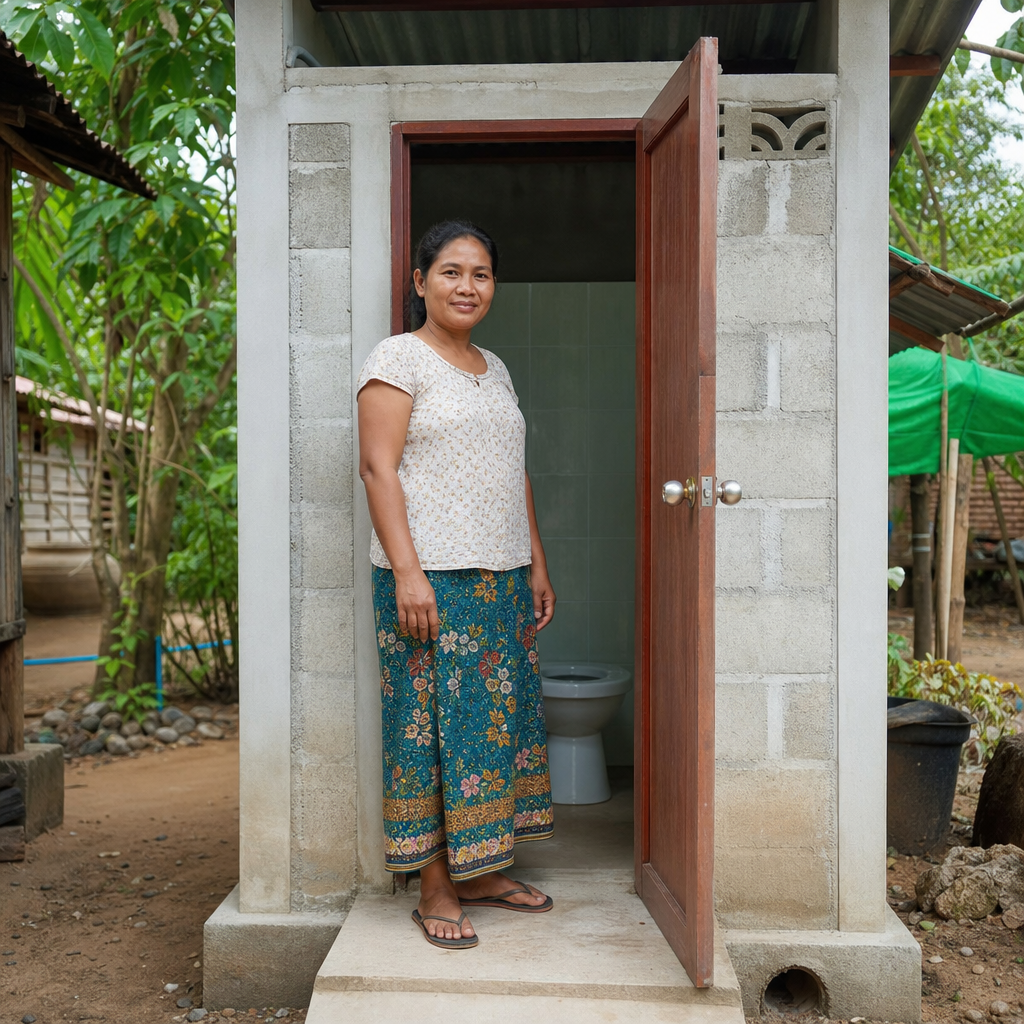
EcoSan approaches vary widely. They include urine-diverting dry toilets, dehydrating toilets, composting toilets, container-based sanitation linked to treatment hubs, fecal sludge processing into soil amendments, black soldier fly treatment of organic waste streams, and biodigesters that convert waste into biogas. Their economics differ by density, water availability, land constraints, labor costs, and nearby agricultural demand. Dry systems can reduce water and sewer infrastructure costs in water-scarce or peri-urban areas, while resource recovery can offset part of treatment expenses. But cost offsets are rarely enough to finance the entire chain. Successful EcoSan plans model both direct revenue and avoided costs, especially reduced water use, fewer sludge haulage crises, lower fertilizer imports, and smaller environmental remediation burdens.
Cost drivers across the sanitation value chain
The most common mistake in sanitation budgeting is focusing only on toilet construction. Real economics sit in lifecycle cost analysis, which includes capital expenditure, operating expenditure, major maintenance, replacement, behavior change, monitoring, and safe end-use management. For EcoSan, costs often include user training, diversion hardware, cover material, collection logistics, drying or composting infrastructure, pathogen reduction controls, quality testing, packaging, and market development. In low-income settings, transport frequently becomes the decisive variable because resource recovery products are bulky and low-value relative to weight.
Labor can be both a strength and a challenge. In cities where labor is affordable and unemployment is high, decentralized collection and treatment may create jobs at lower cost than capital-intensive sewer expansion. Yet labor-intensive systems require strong supervision, occupational safety equipment, and reliable payment systems. Treatment standards also matter economically. Higher standards improve trust and marketability but increase processing cost. The practical goal is to select the least-cost system that still meets public health requirements and can be operated consistently under local conditions.
| Economic factor | Typical effect on EcoSan viability | Example |
|---|---|---|
| Water scarcity | Improves relative value of dry or low-water systems | Urine-diverting toilets reduce flush demand in drought-prone towns |
| Transport distance | Raises cost of moving sludge or compost products | Remote treatment sites can erase reuse profits |
| Fertilizer prices | Increases demand for recovered nutrients | Higher urea prices make urine-based products more attractive |
| Population density | Changes collection efficiency and land requirements | Container-based sanitation can work in dense informal settlements |
| Regulation and standards | Supports market trust but may increase compliance cost | Testing for pathogen reduction improves sales to commercial farms |
Revenue models and the limits of resource recovery
One of the most important questions decision-makers ask is simple: can EcoSan pay for itself? Usually, not fully, and pretending otherwise undermines credibility. Resource recovery revenues can be meaningful, but in most developing-country contexts they cover a share of costs rather than the entire sanitation chain. Nutrient recovery has value because urine contains nitrogen, phosphorus, and potassium, while treated fecal matter can contribute organic carbon and improve soil structure. Biogas can replace charcoal, firewood, or LPG for some users. Carbon finance may support methane-reducing systems where monitoring is strong. Still, each revenue stream faces market frictions.
Farmers compare recovered products with mineral fertilizers on price, nutrient concentration, transport cost, consistency, and trust. A compost-like product with low nutrient density may be agronomically useful but commercially weak if farms are far away. Urine-derived fertilizers can perform well, yet storage, processing, and handling standards are critical. Briquettes made from treated sludge have been tested in several countries, but fuel markets are price sensitive and shaped by cultural preferences. The strongest business models therefore combine multiple revenues: user fees, municipal service contracts, donor-backed capital support, sales of soil products, and sometimes payments for environmental services. Container-based sanitation operators in parts of East Africa have shown that recurring household service fees can finance collection operations when routes are dense and service quality is dependable, but even then treatment and expansion often need blended finance.
Affordability, equity, and smart subsidy design
Sanitation is economically sustainable only if people can and will pay for it. Affordability is not the same as low price. Households often pay significant amounts for poor sanitation through informal emptying, medical bills, missed work, and unsafe stopgap arrangements. A better service can be affordable if payment timing matches cash flow. Monthly fees, pay-as-you-go systems, and microfinance for toilet upgrades can outperform large upfront charges. In rural areas, seasonal income patterns from harvests should influence repayment schedules. In urban informal settlements, landlords, not tenants, may control sanitation investment, which creates a split incentive that policy must address.
Subsidies are justified where public health externalities are large or poverty is severe, but blanket subsidy for all users is usually inefficient. Smarter approaches target connection support, first-time toilet installation, public facilities for dense low-income areas, or outcome-based payments tied to verified service delivery. Cross-subsidies from higher-income customers can work in utility models, while sanitation taxes or municipal transfers may fund treatment functions that users are unlikely to finance directly. The key principle is transparency. Hidden subsidies often produce asset decay because nobody budgets for replacement or professional operations.
Markets, agriculture, and circular economy opportunities
The long-term economics of EcoSan improve when sanitation planning is linked to agriculture, solid waste management, and local industry. This is where circular economy logic becomes practical rather than rhetorical. In regions with depleted soils and high fertilizer import costs, safe nutrient recovery can reduce foreign exchange exposure and improve local soil health. Compost blended from fecal sludge and organic market waste has been commercialized in countries such as Ghana under regulated processing conditions, demonstrating that urban waste can support peri-urban agriculture when quality control is strong. Similar models can serve tree crops, landscaping, and land restoration even where food-crop use faces cultural resistance.
Biogas systems offer another pathway, especially for institutions such as schools, prisons, and markets that generate concentrated waste streams. However, household biodigesters underperform when feedstock supply is irregular or maintenance skills are weak. Larger shared systems often make better economic sense because they spread monitoring and repair costs. In drought-prone zones, the water-saving dimension of dry sanitation carries economic value beyond direct revenue. Reduced demand on piped supplies, lower wastewater volumes, and improved resilience during service interruptions can justify public support even when compost sales alone do not.
Governance, regulation, and financing mechanisms
No sanitation business model survives weak governance for long. Clear institutional roles are essential: who licenses operators, who monitors effluent or product safety, who owns treatment assets, and who pays for enforcement. Countries that have advanced fecal sludge management usually move beyond ad hoc projects toward citywide inclusive sanitation planning, performance contracts, and regulated private participation. That matters for EcoSan because decentralized and non-sewered systems need official recognition in building codes, land-use plans, and public budgets.
Financing options include household savings, microcredit, municipal bonds, development finance, output-based aid, climate funds, and public-private partnerships. Each suits different parts of the chain. Households may finance toilets; municipalities often finance trunk assets or public treatment; private firms may finance vehicles and processing equipment if contracts are reliable. Investors look for predictable revenue, enforceable agreements, and manageable regulatory risk. In practice, blended finance is usually the answer. Grants or concessional capital reduce the burden of socially necessary but low-return assets, while commercial finance supports scalable operations with cash-generating potential. The strongest proposals use measurable indicators such as cost per household served, collection reliability, pathogen reduction compliance, nutrient sales, and avoided emissions.
What makes EcoSan economically durable over time
Economic durability comes from alignment between technology, user behavior, and local markets. Systems fail when they demand maintenance users cannot perform, when collection routes are too dispersed, or when recovered products lack a buyer. Systems last when planners test willingness to pay, map agricultural demand, price transport honestly, and budget for training, monitoring, and replacement from the start. I have seen simple design changes, such as easier urine diversion fittings, standardized containers, and scheduled subscription collection, sharply improve both compliance and unit economics.
For a sub-pillar hub on Economic Sustainability in EcoSan, the essential takeaway is this: the best sanitation investments in developing countries are those that treat waste as a managed resource, price services realistically, protect low-income users through smart subsidy, and build institutions that can operate for decades rather than project cycles. EcoSan is not automatically cheaper than conventional sanitation, nor is resource recovery a magic revenue source. Its economic advantage appears when water is scarce, sewers are unaffordable, soils need restoration, and decentralized service can be run professionally. Governments, utilities, NGOs, and social enterprises should evaluate sanitation options with full lifecycle costing, public health safeguards, and market analysis instead of construction cost alone. Done well, EcoSan can reduce losses, create local value, and deliver sanitation systems that are financially steadier, environmentally sounder, and more inclusive. The next step is practical: audit your sanitation value chain, identify where costs leak and where resources can be recovered safely, and build from evidence rather than assumptions.
Frequently Asked Questions
Why is sanitation considered an economic issue in developing countries, not just a health issue?
Sanitation is fundamentally an economic issue because its costs and benefits extend far beyond disease prevention. When sanitation systems are inadequate, households lose money through medical expenses, missed workdays, lower productivity, school absenteeism, and time spent finding safe places to defecate or managing repeated illness. For low-income families, even small disruptions can have serious consequences for income stability, food security, and children’s education. At the local and national level, poor sanitation increases public health spending, lowers labor efficiency, weakens tourism potential, and reduces the attractiveness of cities for investment.
There are also large indirect costs that are often underestimated. Contaminated water sources raise treatment costs for utilities and increase the burden on health systems. Flooding worsened by poor wastewater and fecal sludge management can damage roads, homes, and markets. Children who experience repeated enteric infections may suffer long-term developmental and educational setbacks, which can translate into lower lifetime earnings. In other words, sanitation affects human capital formation, urban productivity, and economic resilience. That is why treating sanitation as a narrow infrastructure problem usually leads to underinvestment. The stronger economic view recognizes sanitation as a foundation for workforce health, household stability, municipal performance, and long-term growth.
What are the main economic barriers that prevent sanitation systems from improving?
The biggest barriers are usually affordability, weak financing structures, fragmented responsibility, and poor alignment between who pays and who benefits. Households may want better toilets or emptying services but cannot pay large upfront installation costs. Even when people understand the value of sanitation, they often face urgent competing expenses such as rent, food, school fees, and transport. This means demand exists, but it is constrained by cash flow. Without financing tools such as microloans, installment plans, targeted subsidies, or pay-as-you-go service models, many sanitation improvements remain out of reach.
On the supply side, service providers often operate in difficult conditions. Municipal budgets are limited, user fees are politically sensitive, and sanitation departments may be split across health, water, public works, and environmental agencies. This fragmentation weakens accountability and makes cost recovery harder. In many cities, the sanitation chain is also incomplete: households may have toilets, but there is no reliable collection, transport, treatment, or safe disposal system. That creates a false sense of progress while economic losses continue downstream. Another barrier is that sanitation benefits are dispersed across society, while investment costs are concentrated. A family may bear the cost of a toilet, but the gains include cleaner neighborhoods, lower disease transmission, and reduced environmental contamination for everyone. Because these positive spillovers are not fully captured by the person paying, public funding and regulation are usually necessary to make the economics work.
How do governments and municipalities decide whether sanitation investments are worth the cost?
Governments and municipalities typically evaluate sanitation investments by comparing long-term social and economic returns against upfront and operating costs. A strong assessment does not stop at construction expenses. It looks at the full sanitation value chain, including containment, collection, transport, treatment, maintenance, enforcement, behavior change, and eventual reuse or disposal. It also considers what happens if no investment is made. The cost of inaction can be enormous, especially when disease outbreaks, groundwater contamination, flooding, and environmental degradation are taken into account.
Cost-benefit analysis is one common approach, but in sanitation it needs to be applied carefully. The most useful analyses include avoided healthcare costs, fewer lost workdays, reduced school absence, improved land and water quality, lower disaster vulnerability, and gains in urban livability. Municipal leaders also look at fiscal sustainability. A system that is technically impressive but impossible to operate and maintain will often fail. That is why decision-makers increasingly prioritize service models that match local revenue capacity, population density, settlement patterns, and institutional strength. In some contexts, decentralized or phased solutions are more economically rational than expensive sewer expansion. In others, fecal sludge management provides a faster and more affordable pathway to safer sanitation coverage. The core question is not simply whether sanitation costs money, but whether the chosen model produces reliable, scalable, and durable returns for households, service providers, and the city as a whole.
Can sanitation services become financially sustainable, or do they always require subsidies?
Sanitation services can become more financially sustainable, but in most developing-country contexts they still require some form of public support. This is not a sign of failure; it reflects the nature of sanitation as an essential service with broad public benefits. Very few sanitation systems anywhere in the world are funded entirely through direct user payments. Subsidies, cross-subsidies, public capital investment, donor support, or blended finance are often needed because sanitation generates major social and environmental benefits that markets alone tend to undervalue.
That said, financial sustainability can improve significantly when systems are designed around realistic revenue models. Regular desludging services, affordable tariffs, scheduled service contracts, utility integration, and better billing systems can all strengthen cost recovery. Private operators may also play an important role in collection, transport, treatment, or toilet provision if contracts are clear and regulation is effective. Resource recovery can help as well, though it should not be oversold. Compost, biogas, treated wastewater, and nutrient recovery may create useful revenue streams, but they rarely cover the entire system cost on their own. The most successful models usually combine user contributions, public finance, smart targeting of subsidies for low-income households, and operational efficiencies. The economic goal is not necessarily full commercial profitability. It is to build services that are reliable, equitable, maintainable, and financially stable over time.
What is the long-term economic impact of investing in sanitation for households, cities, and the environment?
The long-term impact is substantial because sanitation investments strengthen multiple parts of the economy at once. For households, better sanitation reduces illness, cuts medical spending, protects income, and improves daily dignity and safety. It especially benefits women, children, older adults, and people with disabilities, who often face the highest hidden costs when sanitation is unsafe or inaccessible. Children who grow up in healthier environments are more likely to attend school consistently and develop better physically and cognitively, which supports higher productivity over a lifetime.
For cities, sanitation improves labor efficiency, lowers pressure on healthcare systems, supports denser and more productive urban development, and protects infrastructure from the effects of unmanaged waste and drainage blockages. Cleaner urban environments can raise land values, improve business conditions, and strengthen investor confidence. Municipalities with functional sanitation systems are also better positioned to manage climate pressures, especially flooding, water scarcity, and pollution stress. Environmentally, the returns are equally important. Safe containment and treatment reduce contamination of rivers, lakes, and groundwater, preserve ecosystems, and make water resources more usable for agriculture, industry, and future urban demand. Over time, this creates a stronger development base. In practical economic terms, sanitation is not just about avoiding losses today; it is about building healthier labor markets, more resilient households, more capable municipalities, and a more sustainable natural resource foundation for the future.