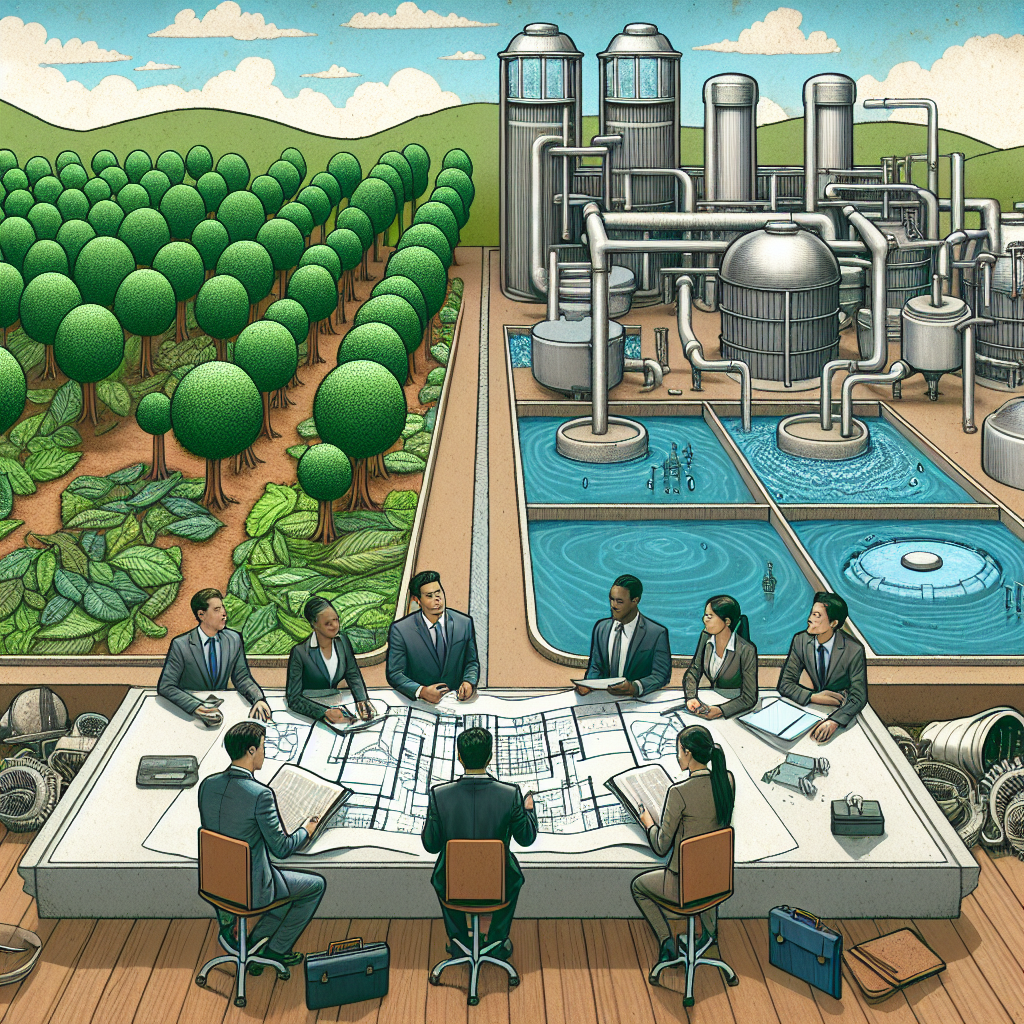
Ecological Sanitation, commonly known as EcoSan, presents an innovative approach to sanitation that promotes sustainability. Unlike traditional sewage systems, EcoSan is designed to close the loop between sanitation and agriculture by safely recycling human waste into valuable resources, such as soil conditioners and fertilizers. With a growing emphasis on sustainability, EcoSan principles and concepts are catching on around the world. These systems are praised for their ability to enhance public health, conserve water, and protect the environment.
As technology advances, the sanitation sector is also evolving, incorporating automation and smart systems into EcoSan practices. The integration of technology with EcoSan not only improves efficiency but also makes maintaining these systems significantly easier and more reliable. As global communities seek to ensure sustainable development, the role of technology in advancing EcoSan principles can’t be overstated.
This article provides a comprehensive overview of technology in EcoSan, focusing on automation and smart systems. By exploring various advancements and their practical applications, we aim to illuminate how tech-driven solutions are transforming EcoSan concepts and contributing to a more sustainable future.
Understanding EcoSan Principles
EcoSan hinges on three primary principles: resource recovery and reuse, minimal water usage, and decentralized management. These principles are designed to offer a sustainable alternative to conventional sanitation methods, which often rely on extensive water use and centralized treatment facilities.
Resource Recovery and Reuse
One of the core tenets of EcoSan is the safe recovery and reuse of nutrients found in human waste. Instead of treating waste as a disposable byproduct, EcoSan systems process it to create valuable resources like compost and biogas, which can be used in agriculture and energy production.
Minimal Water Usage
Understanding that potable water is a scarce resource, EcoSan systems are engineered to operate with minimal to no water use. This makes them exceptionally viable in arid regions and locations with unreliable water supply, greatly reducing the environmental impact.
Decentralized Management
EcoSan promotes decentralized treatment solutions that can be tailored to the specific needs of individual communities. This avoids the need for extensive infrastructure, making the system scalable and adaptable to various geographical settings.
By leveraging these principles, EcoSan aims to address the dual challenges of waste management and resource scarcity, positioning itself as a key player in the field of sustainable development.
The Role of Automation in EcoSan
Automation has become a cornerstone in modern EcoSan implementations, enhancing efficiency and reliability. Automated systems are designed to handle various stages of the sanitation process, from the initial collection of waste to its ultimate conversion into usable resources.
One notable example is the automated separation of urine and feces at the source. This practice is crucial for EcoSan as it allows for more effective and specialized treatment of each waste type. For instance, urine, rich in nitrogen, can be easily processed into a potent fertilizer, while feces can be composted to produce nutrient-rich soil.
Another significant area where automation is making strides is in the monitoring and maintenance of EcoSan facilities. Smart sensors and IoT devices can continuously monitor key parameters such as moisture levels, temperature, and pH. This real-time data collection enables timely interventions, reducing maintenance costs and prolonging the lifespan of EcoSan systems.
Furthermore, automated composting units can speed up the breakdown of organic matter, ensuring that the end product is safe and highly beneficial for agricultural use. By incorporating automation, these systems not only improve operational efficiency but also enhance the overall effectiveness of EcoSan solutions.
Smart Systems in EcoSan
The integration of smart systems into EcoSan solutions offers another layer of sophistication. These systems combine hardware, software, and communication technologies to create a highly interconnected sanitation network.
Smart Toilets
One striking example is the emergence of smart toilets. These advanced units are equipped with numerous features like automatic flushing, self-cleaning mechanisms, and integrated odor control. But beyond user convenience, smart toilets also play a critical role in waste management by optimizing resource use and ensuring hygienic conditions.
Data Analytics
Data analytics is another essential component of smart EcoSan systems. By leveraging big data, these systems can optimize waste treatment processes, predict maintenance needs, and even offer insights into waste generation patterns. Advanced algorithms can process real-time data from multiple facilities, allowing for proactive management and resource allocation.
Remote Management
Remote management capabilities further elevate the utility of smart systems in EcoSan. Facility managers can monitor and control EcoSan units from a central location, ensuring that performance standards are consistently met, and any issues are promptly addressed. Remote management also facilitates scalability, enabling the deployment of EcoSan solutions across multiple sites with ease.
By integrating smart systems, EcoSan solutions become not only more efficient but also more adaptable, offering a sustainable pathway to address global sanitation challenges.

Implementing Technology in Developing Regions
The application of technology in EcoSan is particularly crucial in developing regions, where sanitation challenges are often most severe. Here, tech-driven EcoSan solutions can offer transformative benefits, addressing public health issues while promoting environmental sustainability.
For starters, automated and smart EcoSan systems can be deployed in remote or underserved areas with limited access to traditional sewage infrastructure. These solutions provide a decentralized and scalable alternative, tailored to the specific needs and constraints of each community.
Mobile EcoSan units equipped with smart systems can serve as temporary sanitation solutions in emergency situations, such as in refugee camps or disaster-stricken areas. These units can be quickly deployed and managed remotely, ensuring that sanitation services are maintained even under challenging circumstances.
Additionally, the real-time data generated by smart EcoSan systems can be invaluable for non-governmental organizations (NGOs) and government agencies working to improve sanitation in developing regions. This data can inform policy decisions, optimize resource allocation, and ensure that interventions are as effective as possible.
By leveraging technology, EcoSan solutions can be adapted to meet the unique challenges of developing regions, offering a sustainable path to improved public health and environmental stewardship.
Challenges and Considerations
While the integration of automation and smart systems into EcoSan presents numerous benefits, there are also challenges and considerations that need to be addressed.
Initial Costs
One significant challenge is the initial cost of deploying advanced EcoSan systems. While these systems can offer long-term savings and benefits, the upfront investment can be a barrier, especially for low-income communities or developing regions.
Skill Requirements
Another consideration is the skill level required to maintain and operate these advanced systems. While automation and smart systems can simplify many aspects of EcoSan management, they also require a certain level of technical expertise. Training and capacity building are essential to ensure that local operators can effectively manage and troubleshoot these systems.
Data Privacy and Security
Data privacy and security are also critical concerns. As EcoSan systems become more interconnected and data-driven, ensuring the protection of data from breaches and misuse becomes paramount. Implementing robust cybersecurity measures is essential to safeguard the integrity and confidentiality of data.
Despite these challenges, the benefits of integrating technology into EcoSan systems far outweigh the potential drawbacks. With careful planning, investment, and capacity building, these challenges can be effectively managed, paving the way for more widespread adoption of tech-driven EcoSan solutions.
Future Trends in EcoSan Technology
The future of EcoSan technology is promising, with ongoing advancements set to further enhance the efficiency, scalability, and impact of these solutions. Several emerging trends are worth noting.
Enhanced Sensor Technologies
Advances in sensor technologies are likely to provide even more precise and comprehensive data on EcoSan system performance. Next-generation sensors will offer real-time insights into a wider range of parameters, from nutrient levels to the presence of pathogens, enabling more effective monitoring and management.
AI and Machine Learning
Artificial intelligence (AI) and machine learning are poised to revolutionize EcoSan systems, offering predictive analytics and automated decision-making capabilities. These technologies can anticipate maintenance needs, optimize waste treatment processes, and improve resource allocation, driving greater efficiency and effectiveness.
Integration with Renewable Energy
The integration of renewable energy sources, such as solar and wind power, with EcoSan systems will further reduce their environmental footprint and promote sustainability. Hybrid systems that combine EcoSan with renewable energy can offer a self-sufficient solution, particularly in off-grid or remote areas.
Blockchain for Transparency
Blockchain technology holds promise for enhancing transparency and accountability in EcoSan projects. By creating immutable records of waste management processes, resource recovery, and system performance, blockchain can ensure traceability and build trust among stakeholders.
As these trends develop, the future of EcoSan technology will undoubtedly be shaped by innovative solutions that drive progress and sustainability in the sanitation sector.
Conclusion
The integration of automation and smart systems into EcoSan technologies represents a significant leap forward in the field of sustainable sanitation. By leveraging these advancements, EcoSan solutions can become more efficient, reliable, and scalable, addressing global sanitation challenges in a more effective manner.
From automated waste separation and monitoring to smart toilets and data-driven management, the tech-driven transformation of EcoSan holds immense potential. It offers a sustainable pathway to enhance public health, conserve resources, and protect the environment.
However, it is essential to address the challenges and considerations that come with these advancements, such as initial costs, skill requirements, and data privacy. With thoughtful planning, investment, and capacity building, these challenges can be managed, paving the way for broader adoption of tech-enabled EcoSan solutions.
As we look to the future, ongoing technological advancements will continue to push the boundaries of what is possible in EcoSan. Enhanced sensors, AI, renewable energy integration, and blockchain are just a few of the emerging trends that will shape the future of sustainable sanitation.
In conclusion, the marriage of technology and EcoSan principles offers a promising pathway to a more sustainable and equitable world. By embracing these innovations, we can create sanitation solutions that are not only effective but also harmonious with the environment, paving the way for a healthier and more sustainable future for all.