Flood-prone areas face numerous challenges, ranging from displacement and property damage to health risks associated with contaminated water and unsanitary conditions. Traditional sanitation solutions often fail during floods, leading to widespread waterborne diseases such as cholera, typhoid, and dysentery. In these circumstances, innovative and adaptive sanitation solutions such as floating toilets can be pivotal. Floating toilets are eco-friendly facilities specifically designed to remain functional during floods, ensuring sanitation and hygiene for affected communities. Let’s explore the concept of floating toilets, their benefits, and how they can be implemented effectively in flood-prone areas.
Floating toilets are precisely what the name implies – sanitation units that float on water. Built with robust and water-resistant materials, these toilets are designed to operate smoothly during floods or seasonal rains. They often incorporate ecological sanitation (EcoSan) methods, which recycle human waste for agricultural use, thereby creating a cyclic process that promotes sustainability. In this light, floating toilets not only address the immediate need for safe sanitation during floods but also contribute to environmental sustainability in the long run.
Solutions for effective ecological sanitation, especially in flood-prone areas, need to factor in the local environment, social acceptance, and cultural practices. Floating toilets must be user-friendly, affordable, and integrated within the community to ensure optimal use and maintenance. This comprehensive article delves into the various aspects of floating toilets, highlighting their construction, benefits, challenges, and implementation strategies to foster sanitary resilience in flood-prone regions.
Constructing Floating Toilets
The construction of floating toilets involves carefully selecting suitable materials and designing a structure that can withstand the rigors of flood conditions. The core components usually include a buoyant base, a superstructure, and a waste treatment system. The buoyant base can be made from barrels, bamboo, or any other locally available material that provides adequate floatation. The superstructure, often built from lightweight and durable materials like treated wood or metal, houses the toilet itself and ensures user privacy and comfort.
A crucial element of floating toilets is the waste treatment system, which is typically based on the principles of EcoSan. One common method involves the separation of urine and feces at the source. Urine can be diluted and used as a fertilizer directly, while feces can be treated through composting or anaerobic digestion. The resultant compost is safe and beneficial for soil enrichment. Innovations such as biogas digesters can also be integrated, converting waste to energy and providing an additional resource for the community.
Careful consideration of local hydrological patterns and flood behaviors is essential when designing floating toilets. The structure must be tethered securely to prevent it from drifting away during fast-moving floodwaters, but it should also be flexible enough to rise and fall with changing water levels. Community involvement in the construction process can enhance ownership and ensure that the toilets are tailored to meet specific local needs.

Benefits of Floating Toilets
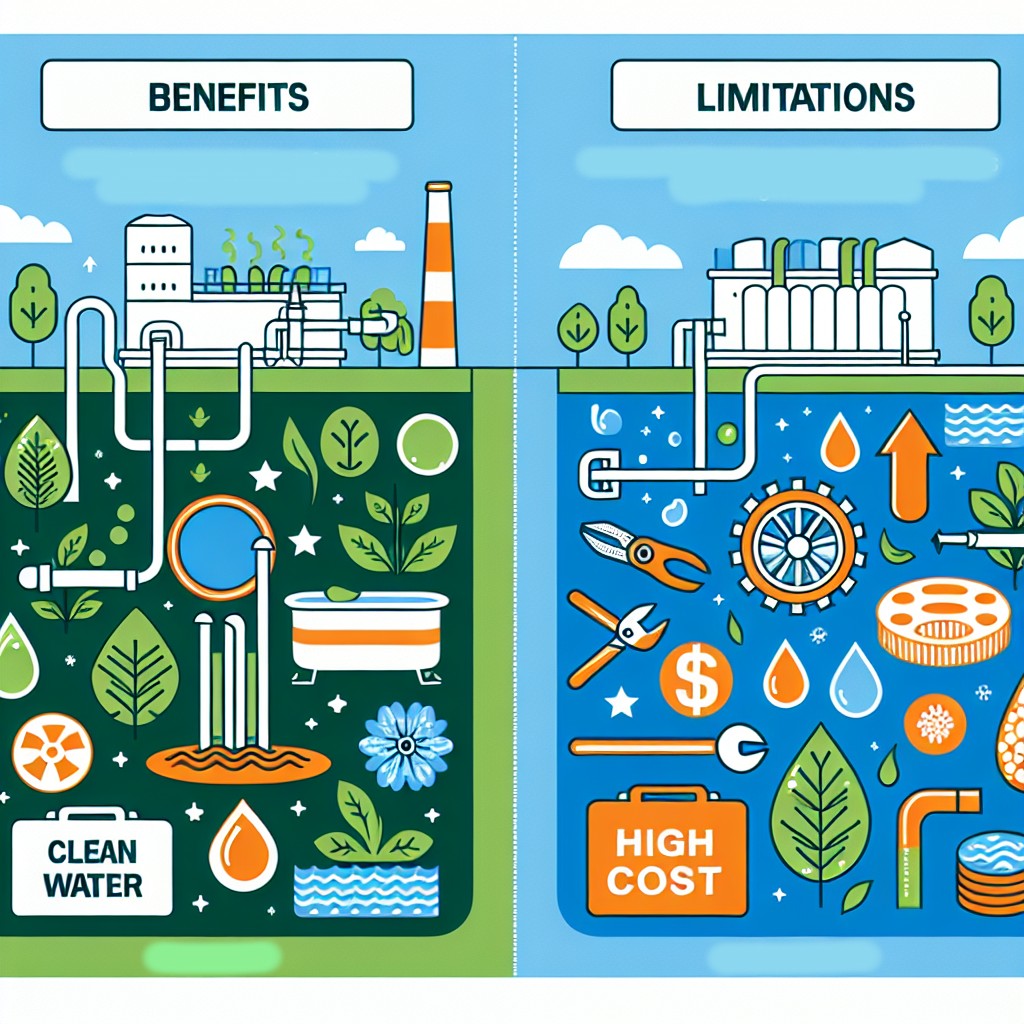
The adoption of floating toilets in flood-prone regions brings numerous benefits. First and foremost, they provide a reliable sanitation solution during floods when traditional latrines and septic systems become nonfunctional. This continuity is crucial for maintaining health and hygiene, preventing the spread of diseases, and ensuring the dignity of community members.
From an ecological standpoint, floating toilets align with the principles of EcoSan and promote sustainable waste management practices. By converting human waste into valuable resources like compost and biogas, these facilities contribute to agricultural productivity and energy security. Additionally, floating toilets can reduce the environmental impact of sanitation systems, as they do not rely on extensive land-based infrastructure that might be damaged or disrupted by floods.
Socially, floating toilets can empower communities by providing a resilient infrastructure that supports health and well-being. They can be designed to accommodate the needs of all community members, including women, children, and persons with disabilities. By ensuring accessibility and usability in times of crisis, floating toilets can foster a sense of security and stability among residents of flood-prone areas.
Challenges and Solutions
Despite their many benefits, the implementation of floating toilets is not without challenges. One significant barrier is the initial cost of construction and materials. Floating toilets can be more expensive to build compared to traditional latrines, particularly in areas with limited access to suitable materials. Securing funding and support from governmental and non-governmental organizations can be critical to overcoming this hurdle.
Maintenance is another challenge, as floating toilets require regular upkeep to function effectively and safely. This includes managing the EcoSan waste treatment system, ensuring the structural integrity of the floating base, and addressing any wear and tear caused by floodwaters. Community involvement and capacity building are essential to equip residents with the skills and knowledge needed for proper maintenance. Training programs and partnerships with local organizations can enhance the community’s ability to manage floating toilets sustainably.
Cultural acceptance and behavior change are also important considerations. Introducing a new sanitation solution requires careful communication and engagement with the community to address any misconceptions and build trust. Advocacy and education efforts can highlight the benefits of floating toilets and demonstrate their effectiveness in improving health outcomes and environmental sustainability.
Implementation Strategies
For floating toilets to be successfully implemented in flood-prone areas, a multi-faceted approach is needed. First and foremost, a thorough assessment of the local context is critical. This includes analyzing flood patterns, identifying vulnerable communities, and understanding existing sanitation practices and preferences. Collaboration with local stakeholders, including community leaders, government agencies, and non-governmental organizations, can ensure that the implementation strategy is well-informed and relevant.
Community engagement is at the heart of successful implementation. Involving residents in the planning, design, and construction of floating toilets can build a sense of ownership and encourage proper use and maintenance. Participatory approaches, such as workshops, focus groups, and pilot projects, can provide valuable insights and foster a collaborative spirit.
Capacity building is another essential component. Training programs that equip community members with the skills needed to construct, maintain, and manage floating toilets can enhance sustainability. Partnerships with local organizations and technical experts can provide ongoing support and resources. Additionally, integrating floating toilets into broader disaster preparedness and response plans can ensure that they are part of a holistic approach to resilience.
Securitizing funding and resources is crucial for scaling up floating toilet initiatives. This can involve advocacy efforts to attract investment from governments, international organizations, and private-sector partners. Developing a strong business case that highlights the multiple benefits of floating toilets—such as health improvements, environmental sustainability, and economic opportunities—can generate interest and support.
Case Studies: Success Stories
Various parts of the world already employ floating toilets to great effect. Let’s delve into a few illustrative examples of successful implementations of floating toilets in flood-prone areas, shedding light on their impact and the lessons learned.
In Bangladesh, where flooding is a recurrent challenge, NGOs and local communities have partnered to develop floating toilets. These toilets, built using locally available materials like bamboo and empty oil drums, have significantly improved sanitation conditions during floods. Residents report reduced incidences of waterborne diseases and improved hygiene practices, thanks to the availability of functional toilets even amidst rising waters. The success in Bangladesh illustrates the importance of community involvement and the use of locally sourced materials to enhance acceptability and reduce costs.
Similar success has been observed in the Philippines, where floating toilets have been introduced in flood-affected rural areas. Organizations have employed participatory approaches to design and construct these toilets, ensuring they meet the unique needs of the community. The integration of EcoSan techniques has enabled these communities to convert waste into valuable compost, which supports local agriculture. This not only addresses sanitation issues but also contributes to food security, demonstrating the multifaceted benefits of floating toilets.
In Africa, floating toilets have gained traction in regions like Kenya, where fluctuating water levels often compromise traditional sanitation facilities. Projects spearheaded by NGOs and community groups have introduced floating toilets made from hardy materials that resist decay and damage from water exposure. These projects have highlighted the importance of cross-sector collaboration, involving health authorities, environmental agencies, and education sectors to maximize the impact and sustainability of floating sanitation solutions.
Conclusion
Flood-prone areas face unique challenges that require innovative and adaptable solutions. Floating toilets represent a promising approach to addressing the critical sanitation needs of these communities, particularly during and after flood events. By providing reliable and sustainable sanitation facilities, floating toilets can enhance public health, ensure environmental sustainability, and support community resilience.
The success of floating toilets hinges on thoughtful design, community engagement, and robust support systems for maintenance and management. While there are challenges to be addressed, such as initial costs and cultural acceptance, the potential benefits far outweigh the obstacles. Lessons learned from successful implementations worldwide underscore the importance of locally adapted solutions, participatory approaches, and comprehensive support frameworks. As climate change continues to exacerbate flooding in many regions, the adoption of innovative sanitation solutions like floating toilets will be increasingly crucial.
In summary, floating toilets offer a unique and effective means of ensuring sanitation in flood-prone areas. By embracing this innovative approach and leveraging the principles of ecological sanitation, communities can not only safeguard health and hygiene but also contribute to a more sustainable and resilient future. It is time for policymakers, development organizations, and community leaders to recognize and invest in the potential of floating toilets as a vital component of flood resilience strategies.